
Executive Overview and Baseline Economics
Building a custom home in the Tri-Cities region of East Tennessee is a major financial step. When you plan a home in Johnson City, Kingsport, or Bristol, you are dealing with a unique landscape. Our rolling hills, river valleys, and mountain ridges create an incredible backdrop. However, standard home construction often ignores the natural world outside the front door. Most modern houses isolate people from natural light, fresh mountain breezes, and organic textures. This is where biophilic sensory design changes the entire building process.
By using biophilic sensory design, you build a house that actively connects your body and mind to the living environment. This approach is not just about placing house plants in a sunny room. True biophilic sensory design works with all five human senses. It tunes indoor light to match the sun, softens indoor echoes with natural wood, uses regional stone that feels cool to the touch, and brings in clean mountain air. When you invest in biophilic sensory design, you invest in how your home makes you feel every single day.
Defining the Scope
To understand the cost of biophilic sensory design, we must first look at what standard residential construction looks like in Sullivan, Washington, and Carter counties. A conventional custom home in the Tri-Cities typically costs between $175 and $315 per square foot for basic construction. That baseline build includes standard wood framing, standard drywall, fiberglass batts for insulation, vinyl or composite windows, and standard prefinished floors. These materials are chosen because they are familiar to builders and easy to install. However, they are synthetic and static. They do not respond to the outdoor environment.
A home built with biophilic sensory design works on a completely different standard. In a biophilic sensory design project, every wall, window, floor, and vent serves a biological purpose. We design for how human eyes process morning and evening light. We design for how our ears register background sounds and how our skin feels different surface textures.
When you plan for biophilic sensory design, the scope expands to include circadian lighting systems, high performance glazing, acoustic wall treatments, regional hardwood surfaces, and continuous fresh air delivery. You are not buying random luxury items. You are engineering a biological sanctuary. Understanding the scope of biophilic sensory design means realizing that every room is calibrated to support human health through natural contact.
The Biophilic Premium
Homeowners often ask about the biophilic premium. The premium is the additional cost required to upgrade standard construction into biophilic sensory design. In the Tri-Cities market, adding comprehensive biophilic sensory design typically adds between 8 percent and 22 percent to your total construction budget.
Why does biophilic sensory design cost more upfront? First, the raw materials carry higher price points. Natural Appalachian stone, local white oak timber, and mineral based plasters cost more than standard drywall and vinyl siding. Second, biophilic sensory design requires specialized labor. Tradespeople must know how to install automated circadian lighting drivers, balance balanced energy recovery systems, and work with solid stone masonry.
Third, biophilic sensory design demands precise architectural planning. You cannot simply buy stock blueprints online and expect to achieve true biophilic sensory design. The building must be angled specifically on your lot to capture the sun and prevailing breezes.
While an 8 percent to 22 percent premium is real, biophilic sensory design pays for itself over the life of the home. It reduces energy consumption through passive heating and cooling. It also reduces future remodeling costs because natural materials like local stone and solid hardwood last for generations without wearing out.
The Regional Variable
The geography of East Tennessee creates regional variables that directly influence the cost of biophilic sensory design. Building a biophilic home in the flat valleys of Kingsport is very different from building on a ridge near Roan Mountain or along the bluffs of Boone Lake.
Our local microclimates change quickly. Winter winds come down from the Unaka Range, while humid air sits in the low river basins during July and August. If you build a home with biophilic sensory design, your house must respond to these shifts. For example, a home situated on a ridge in Washington County will need higher wind load ratings for large sensory glass walls. A home built near the Holston River requires specialized dehumidification systems to keep indoor air crisp and mold free.
Subcontractor familiarity also affects the price of biophilic sensory design in our area. In Johnson City and Bristol, many framing crews and electrical contractors have spent decades building tract homes with basic components. When we introduce advanced biophilic sensory design details, such as concealed ceiling channels for acoustic baffles or complex low-voltage wiring for circadian rhythm lighting, we must work with experienced craftspeople. Sourcing local artisans who understand natural timber joinery and native stone masonry keeps your biophilic sensory design project on schedule and prevents expensive installation mistakes.
Sensory-by-Sensory Cost Breakdown (Line-Item Engineering)
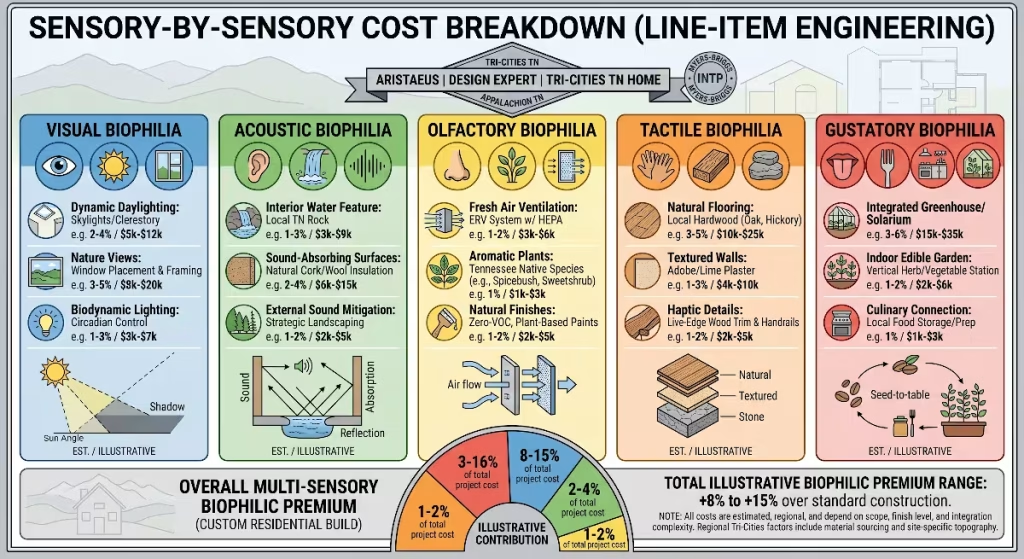
To properly budget for biophilic sensory design, you have to break down the build by sensory categories. When we engineer a house around human senses, we can assign exact dollars to each biological benefit. This prevents budget overruns and lets you decide where you want the highest sensory impact.
+-----------------------------------+--------------------------------+---------------------------+
| Sensory System                    | Key Components                 | Estimated Cost Range      |
+-----------------------------------+--------------------------------+---------------------------+
| Visual Biophilia                  | Circadian LEDs & Smart Windows | $15,500 to $44,000        |
| Acoustic Biophilia                | Water Rills & Wood Slat Walls  | $7,000 to $22,000         |
| Tactile Biophilia                 | Local Stone & Native Hardwood  | $22,000 to $58,000        |
| Olfactory & Gustatory Biophilia   | Whole-Home ERV & Herb Stations | $5,300 to $14,500         |
+-----------------------------------+--------------------------------+---------------------------+
Visual Biophilia (Circadian Rhythms and Visual Connections)
The human eye evolved under the natural progression of the sun. Our brains use changes in light color and brightness to regulate hormones like cortisol and melatonin. Most houses use cheap fluorescent or basic LED lights that shine at a single harsh color temperature all day long. This disrupts sleep and causes eye fatigue. In biophilic sensory design, visual health is the first system we engineer.
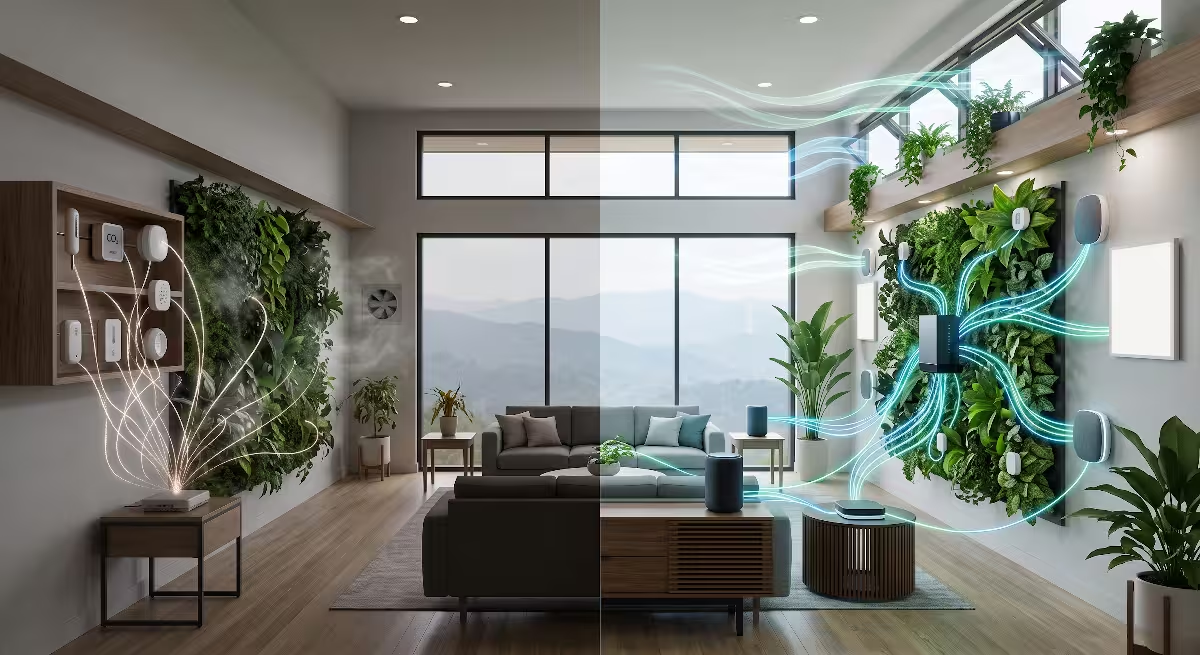
To achieve visual biophilic sensory design, we install tunable white LED lighting systems. These lights automatically change color temperature and intensity as the day moves forward. In the morning, the system delivers cool, blue-enriched light that wakes up your brain and boosts alertness. As evening approaches, the system shifts to warm, amber tones that tell your body it is time to wind down.
Installing a whole-home tunable circadian lighting system in a 2,500 square foot Tri-Cities home generally costs between $8,000 and $20,000, depending on the control system you select. If you want to keep costs lower, you can focus circadian lighting only on primary living areas, kitchens, and bedrooms, which brings the cost down to $3,500 to $7,500.
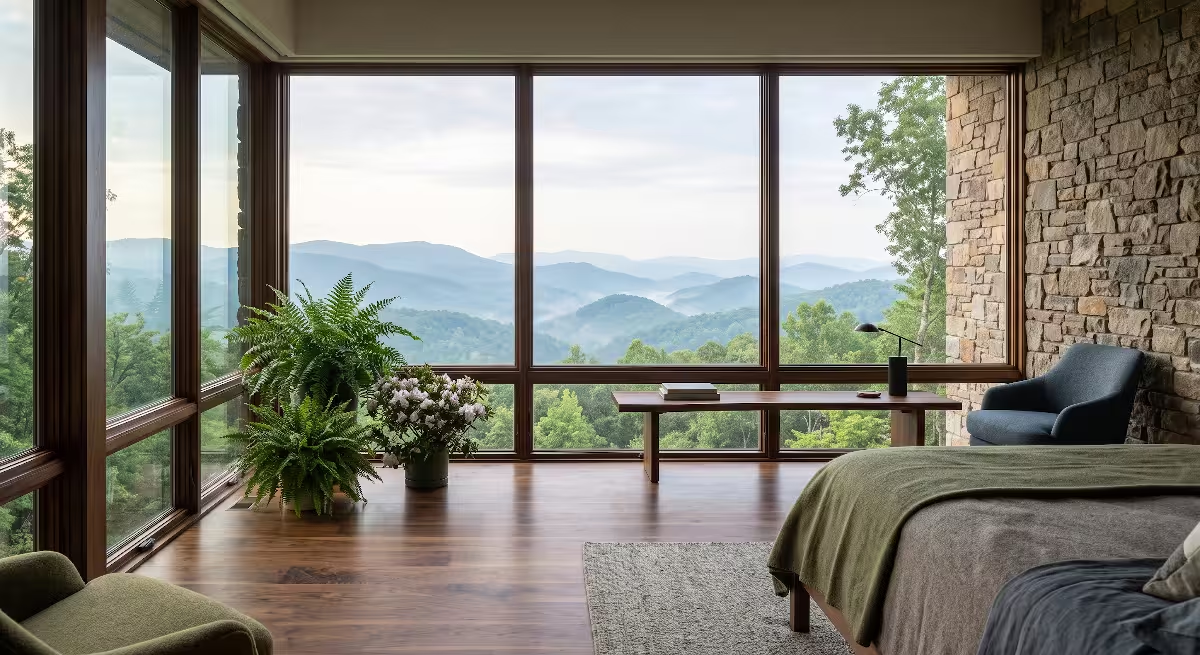
The second half of visual biophilic sensory design focuses on sightlines and natural glass. Large windows that frame views of the Appalachian ridges or mature oak trees provide mental rest. However, large expanses of glass can cause thermal loss if not engineered correctly. High-performance triple-pane windows with low-emissivity coatings protect your energy envelope while offering clear views.
Budgeting for visual biophilic sensory design window packages means expecting a cost of $12,000 to $24,000 above standard builder-grade window packages. The structural headers required to support floor-to-ceiling glass walls add another $3,500 to $6,500 in framing costs. Through visual biophilic sensory design, your home becomes a lens that connects you with the mountain weather and the passing seasons.
Acoustic Biophilia (Soundscapes and Acoustic Ecology)
Modern homes are filled with irritating background noise. You hear the hum of the refrigerator, the roar of the air conditioner, and the echo of hard drywall surfaces. This acoustic clutter increases stress without you even realizing it. In biophilic sensory design, we treat sound as an essential building material.
Acoustic biophilic sensory design works in two directions: absorbing harsh internal echoes and introducing restorative natural sounds. To absorb sound, we replace flat drywall ceilings and walls with natural white pine or white oak acoustic slats backed by recycled felt. These natural wood panels break up sound waves and give rooms a quiet, peaceful feel similar to walking in a quiet forest. Outfitting a main living room and primary bedroom suite with natural acoustic wood panels typically costs $4,500 to $14,000.
The next step in acoustic biophilic sensory design is introducing the sound of moving water. Studies show that the sound of gentle, running water lowers blood pressure and masks traffic sounds from nearby roads. In a Tri-Cities residential build, we often install recirculating interior water walls or shallow stone rills near an entrance hall or living space.
A custom interior water feature built with local stone and a quiet submerged pump costs between $2,500 and $8,000. It provides an immediate sense of calm when you walk through the front door. By taking control of the acoustic environment with biophilic sensory design, your home becomes a quiet retreat from the busy outside world.
Tactile Biophilia (Haptic Materiality)
When you walk through a standard modern house, almost everything you touch is synthetic. You touch hollow plastic doors, laminate countertops, and chemical carpet fibers. Human hands and bare feet crave the authentic textures of the natural world. Haptic materiality is the part of biophilic sensory design that focuses on physical touch and natural textures.
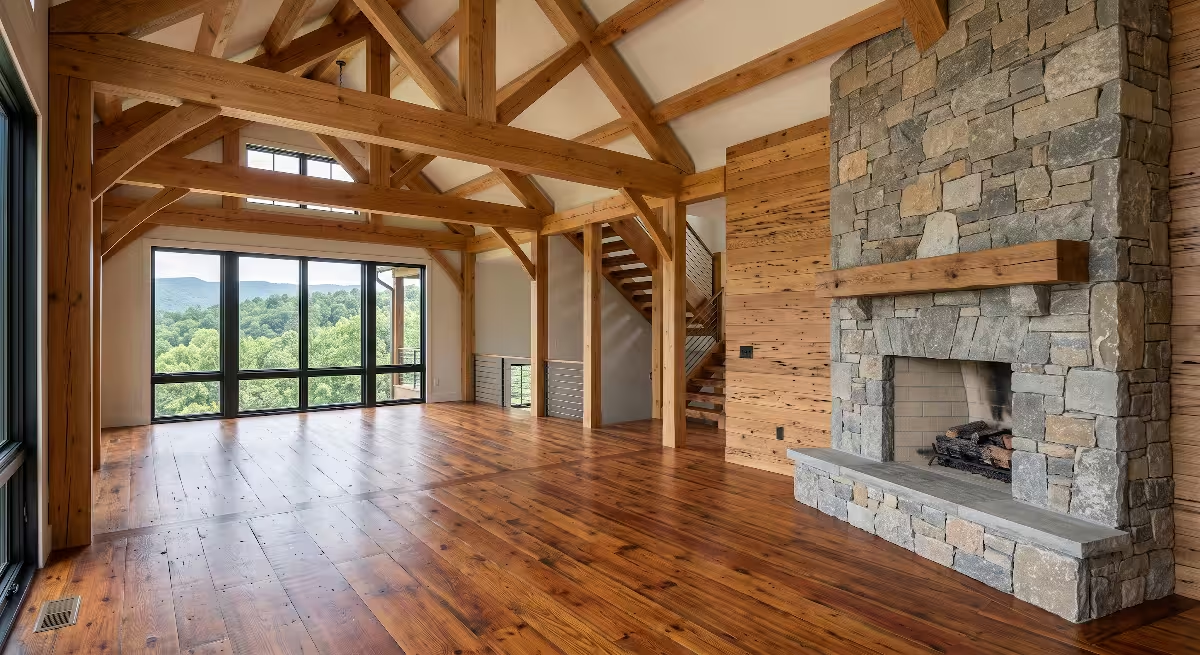
In East Tennessee, we have access to some of the finest natural building materials in the world. Solid hardwood flooring sourced from regional sawmills brings warmth and organic grain patterns into your home. Sawn white oak, walnut, or hickory finished with natural oils instead of toxic polyurethane allows you to feel the real grain of the wood. Installing local solid hardwoods for a biophilic sensory design home costs roughly $12 to $22 per square foot, compared to $6 to $10 per square foot for synthetic luxury vinyl plank.
Local stone is another vital piece of tactile biophilic sensory design. East Tennessee limestone and Crab Orchard sandstone from the nearby Cumberland Plateau offer incredible textural variety. When used on interior accent walls, fireplaces, or walk-in shower enclosures, these stones provide both rough and honed surfaces that feel grounded and solid.
Vertical stone veneer installation runs between $28 and $45 per square foot. Beyond how it feels to the touch, this stone adds thermal mass to your home. It absorbs heat during the day and slowly releases it at night, which stabilizes indoor temperatures. Tactile biophilic sensory design ensures that every surface your hands and feet touch feels natural, authentic, and grounding.
Olfactory and Gustatory Biophilia (Air Quality and Edible Architecture)
The air we breathe and the plants we eat form our most intimate biological connection to the environment. Typical indoor air contains elevated levels of volatile organic compounds from synthetic glues, paints, and treated carpets. In biophilic sensory design, we prioritize clean, oxygen-rich air and living food systems.
Olfactory biophilic sensory design starts with fresh air ventilation. Because we build energy-efficient, tightly sealed homes in the Tri-Cities, we must actively replace stale indoor air. We install an Energy Recovery Ventilator, also known as an ERV. An ERV pulls fresh outdoor air into your home while pushing stale indoor air outside.
Before the fresh air enters your living areas, it passes through high-efficiency filters that remove pollen, dust, and smoke. In the humid summers of Johnson City and Kingsport, the ERV also removes moisture from the incoming air so your home never feels clammy. A whole-home ERV system with balanced ductwork costs between $2,800 and $6,500. To protect this clean air, we finish the interior with zero-VOC paints, natural lime plasters, and solid wood trim that emit no toxic chemical fumes.
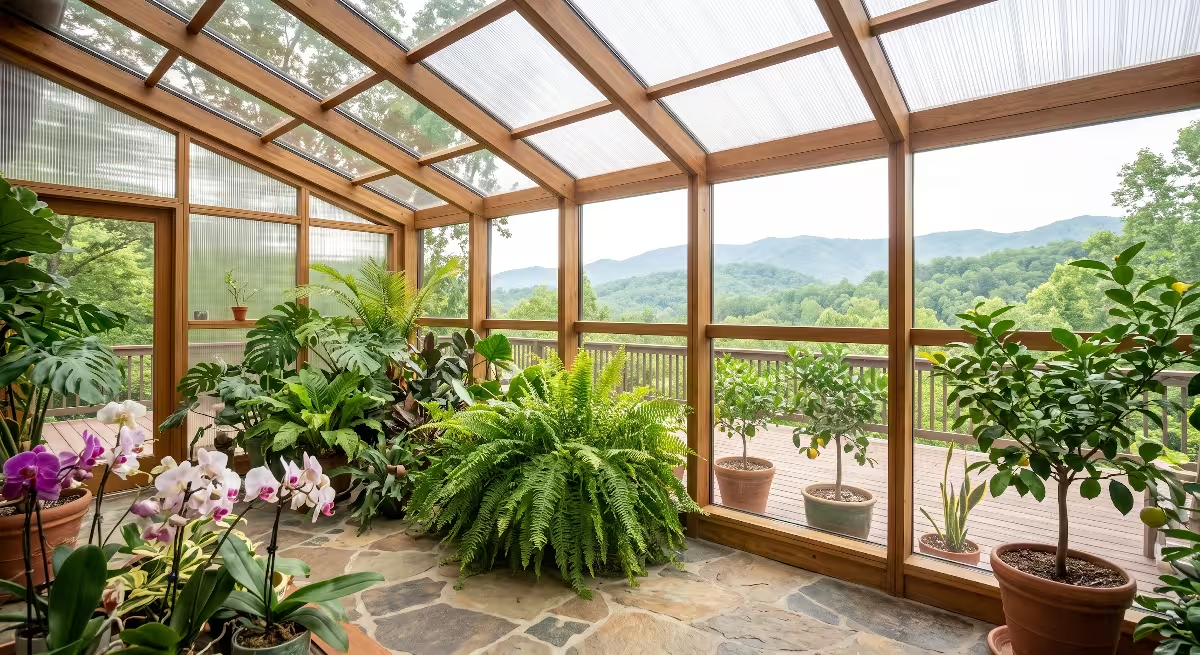
Gustatory biophilic sensory design connects your kitchen directly to living plants. We design built-in kitchen planters, dedicated herb ledges with automated grow lights, and integrated microgreen drawers. Having fresh rosemary, basil, and thyme growing right next to your cooking area provides natural aroma and nutrition.
Integrating a custom indoor edible plant station into your kitchen cabinetry runs between $1,500 and $4,500. Through the olfactory and gustatory principles of biophilic sensory design, your home smells like fresh mountain air and living greenery rather than synthetic chemicals and stale dust.
Site Ecology and Exterior-Interior Integration in the Tri-Cities
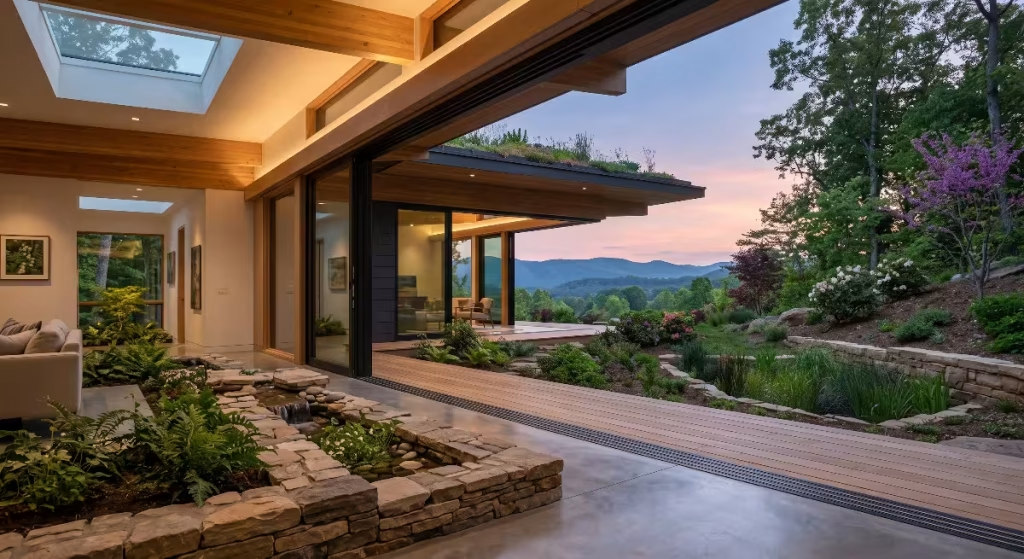
True biophilic sensory design does not treat the house as an isolated box dropped onto a cleared lot. The house must become part of the surrounding landscape. In Sullivan, Washington, and Carter counties, our diverse terrain offers wonderful opportunities to blend outdoor ecosystems with interior living rooms.
Topography and Passive Solar Alignment
The mountain slopes and ridge lines of the Tri-Cities require careful engineering. When you build a house using biophilic sensory design, you do not simply grade the entire lot flat with a bulldozer. Flattening a lot destroys native soil biology, removes mature trees, and ruins the natural character of the land. Instead, we step the house down the natural slope of the ground.
Working with the existing topography does influence excavation and foundation costs. A stepped foundation for a biophilic sensory design home on an Appalachian slope typically costs $15,000 to $45,000 more than a flat slab foundation. However, this investment pays off by placing different rooms at different elevations. This lets you step out of a lower living room directly onto the forest floor, or look out from an upper bedroom directly into the tree canopy.
Passive solar alignment is another foundational element of biophilic sensory design. We orient the long axis of the home within fifteen degrees of true south. This allows low winter sun to shine deep into your living spaces, warming the stone floors and brightening rooms during short winter days. In the summer, deep roof overhangs block the high midday sun, keeping the interior cool and preventing glare.
Aligning your home to the solar path costs nothing extra during the initial drafting stage, but it requires an architect who understands biophilic sensory design. Passive solar orientation can cut your seasonal heating and cooling loads by 20 percent to 30 percent, saving you thousands of dollars over the lifespan of the home.
Microbiome and Native Landscaping Integration
The land surrounding your home is home to millions of beneficial microorganisms, insects, and native plants. Conventional landscaping destroys this native microbiome by replacing local plants with non-native turf grass that requires synthetic fertilizers and heavy watering. In biophilic sensory design, we bring native East Tennessee plant communities right up to the foundation of the house.
We use native species like mountain laurel, catawba rhododendron, eastern redbud, wild ginger, and switchgrass. These plants are adapted to our local rainfall patterns and soil chemistry, so they do not need chemical sprays or constant watering once established. When planted near open windows and screened porches, native plants release natural organic scents that change with the seasons.
We also design rain gardens and dry creek beds that capture rainwater running off your roof. Instead of dumping stormwater into municipal pipes, a biophilic sensory design drainage plan directs water into gravel beds lined with native river rock and water-loving ferns. This water slowly filters back into the groundwater, preventing soil erosion on steep hillsides.
Installing a comprehensive native landscape and rain garden package for a residential property in the Tri-Cities typically costs between $6,000 and $18,000. This is comparable to conventional sod installation, but it requires much less maintenance and builds a thriving natural ecosystem right outside your window.
Budget Tiers for Tri-Cities Homeowners
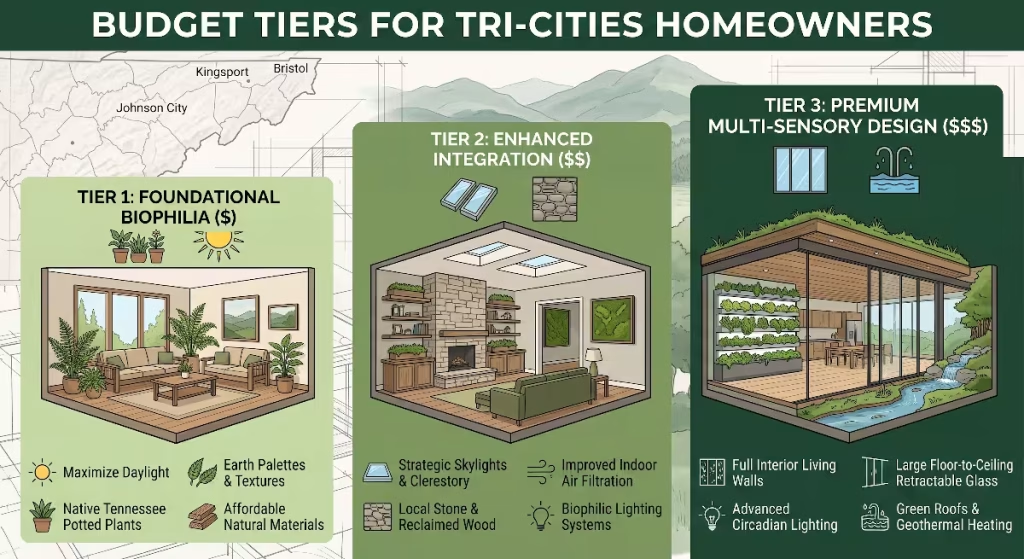
Because biophilic sensory design is flexible, you do not have to build a multi-million-dollar mansion to enjoy its benefits. You can choose the level of investment that fits your financial goals. We break biophilic sensory design down into three distinct budget tiers for residential construction in our region.
+-----------------------------------+--------------------------------+---------------------------+
| Investment Tier                   | Added Cost per Square Foot     | Total Estimated Premium   |
+-----------------------------------+--------------------------------+---------------------------+
| Tier 1: Foundational Biophilic    | $15 to $25 per square foot     | $37,500 to $62,500        |
| Tier 2: Full Multi-Sensory        | $35 to $60 per square foot     | $87,500 to $150,000       |
| Tier 3: Regenerative Ecosystems   | $75+ per square foot           | $187,500+                 |
+-----------------------------------+--------------------------------+---------------------------+
Tier 1: Foundational Biophilic Architecture (Smart Spec)
The foundational tier is designed for homeowners who want the health benefits of biophilic sensory design while staying close to a standard custom home budget. In this tier, we focus on smart layout choices, material substitutions, and high-impact passive strategies.
At the foundational level, your biophilic sensory design package includes:
- Strategic passive solar site orientation to maximize natural daylight and cut heating bills.
- High-performance operable windows placed to encourage cross-ventilation breezes through main living rooms.
- Non-toxic interior finishes, including zero-VOC paints, formaldehyde-free cabinetry, and natural mineral wall finishes.
- Solid regional pine or character-grade white oak flooring in main living areas.
- Exterior native plant landscaping and a simple gravel rain garden to manage site water.
For a typical 2,500 square foot home in Johnson City or Kingsport, Tier 1 biophilic sensory design adds approximately $15 to $25 per square foot over conventional builder-grade construction. This results in a total premium of roughly $37,500 to $62,500. This tier delivers immediate improvements in daily air quality, natural light exposure, and overall comfort without requiring expensive automated control systems.
Tier 2: Full Multi-Sensory Immersion (Mid-Custom)
The mid-custom tier represents the most popular approach to biophilic sensory design for custom homeowners in East Tennessee. This level actively engages sight, sound, touch, and smell with specialized equipment and premium regional materials.
In addition to the features found in Tier 1, a Tier 2 biophilic sensory design home features:
- A fully automated tunable circadian LED lighting system covering the kitchen, living room, and primary suite.
- A whole-home Energy Recovery Ventilator (ERV) paired with continuous air filtration.
- Authentic interior Crab Orchard sandstone or East Tennessee limestone on the main fireplace and an accent wall.
- Slatted acoustic wood ceiling panels in the primary living space to eliminate harsh noise.
- A recirculating stone water feature located in the foyer or central hallway.
- A built-in kitchen culinary herb station with integrated full-spectrum grow lighting.
For a 2,500 square foot home, Tier 2 biophilic sensory design adds between $35 and $60 per square foot to your baseline construction costs. This means an added investment of $87,500 to $150,000. Homeowners who choose this tier experience a noticeable reduction in stress levels, better sleep patterns, and an interior environment that feels connected to the East Tennessee outdoors.
Tier 3: Regenerative Living Ecosystems (High-End Custom)
Tier 3 is our highest level of biophilic sensory design. It is built for clients who want a home that operates as a self-sustaining biological ecosystem. These homes often aim for standards set by the Living Building Challenge or the WELL Building Standard.
A Tier 3 biophilic sensory design residence includes:
- Architectural glass curtain walls with motorized shading that tracks the sun across the sky.
- A central multi-story interior atrium complete with a living vertical plant wall, soil sensors, and automated drip irrigation.
- Advanced multi-zone circadian lighting that adjusts color, warmth, and brightness across every room in the house.
- Geothermal heating and cooling integrated with deep-earth ground loops for quiet, zero-emission comfort.
- Extensive use of hand-hewn local timber trusses and dry-stacked interior stone walls.
- Rainwater harvesting systems with commercial UV filtration to provide pure water for indoor features and outdoor gardens.
Tier 3 biophilic sensory design adds $75 or more per square foot over standard luxury building costs, representing an added investment of $187,500 or more on a 2,500 square foot home. This tier creates an extraordinary residential compound that produces clean air, protects local water cycles, and offers total sensory immersion.
Frequently Asked Questions about Biophilic Sensory Design
When homeowners in East Tennessee research biophilic sensory design, they have practical questions about money, energy savings, maintenance, and resale value. Below are clear, direct answers to the most common questions people ask.
Does biophilic design increase home resale value in East Tennessee?
Yes, homes built with biophilic sensory design command higher resale values in the Tri-Cities real estate market. In recent years, our region has seen strong population growth from professionals relocating from larger metropolitan areas. These buyers prioritize wellness, clean indoor air, natural materials, and high architectural quality.
Homes featuring certified biophilic sensory design elements, such as authentic local stone, solid hardwood timbers, and advanced daylighting, often sell for a 7 percent to 14 percent premium over standard tract-built luxury homes. Furthermore, these properties tend to sell faster because their sensory appeal is obvious the moment a prospective buyer walks through the front door. Buyers immediately notice that the home smells fresh, feels quiet, and is filled with balanced natural light.
Can biophilic design lower energy and operating costs?
Biophilic sensory design significantly reduces monthly utility costs. Because biophilic design works with nature rather than fighting against it, your mechanical systems do not have to work as hard.
By using passive solar alignment, thick stone thermal mass walls, and high-performance glass, a biophilic sensory design home captures free winter heat from the sun. In the summer, wide roof eaves and natural cross-ventilation breezes cool the house naturally. Adding a high-efficiency ERV system allows you to bring in fresh outdoor air without losing the energy you spent heating or cooling the house. On average, a home utilizing biophilic sensory design saves between 15 percent and 30 percent on annual electric and heating bills compared to a standard home of identical square footage.
What are the hidden maintenance costs of indoor living walls or water features?
Indoor living elements require regular maintenance to remain healthy and attractive. Homeowners who fail to budget for maintenance often end up with struggling plants or noisy water pumps.
An indoor living plant wall requires an automated drip irrigation system, adequate drainage rough-ins, and dedicated grow lights. If you maintain the wall yourself, expect to spend about two hours per month checking irrigation lines, trimming plants, and adding organic plant food. If you hire a professional interior plant service in Johnson City or Kingsport, monthly service contracts range from $150 to $350 per month, depending on the wall size.
Indoor water features require quarterly cleaning to prevent mineral buildup from our regional hard water. Using distilled or reverse-osmosis water in your water feature reduces pump wear and eliminates white calcium deposits on your local stone. Budgeting roughly $300 to $600 per year for pump replacements, filter changes, and water treatment keeps your acoustic biophilic sensory design elements running quietly and smoothly.
Can you implement sensory biophilic design on a budget in Johnson City or Kingsport?
You can definitely use biophilic sensory design on a tighter budget. The secret is value engineering your project by focusing your dollars on the spaces where you spend the most time.
Instead of outfitting the entire house with expensive features, concentrate your biophilic sensory design budget on your primary bedroom, kitchen, and main family room. In these key spaces, install solid local hardwoods, natural lime paint, and circadian lighting. For guest bedrooms, laundry rooms, and secondary bathrooms, you can use standard fixtures while keeping the paint low-VOC.
Another way to save money on biophilic sensory design is to source timber directly from local sawmills in Washington and Carter counties rather than buying through commercial big-box supply yards. Sourcing rough-sawn local pine or oak allows your builder to plane and finish the wood on site, which saves money while supporting the local economy. Careful planning during the blueprint stage costs very little, but it unlocks the massive benefits of biophilic sensory design without breaking your bank account.
Long-Term ROI and Wellness Metrics
Evaluating the true cost of biophilic sensory design requires looking beyond initial construction invoices. You must also evaluate long-term return on investment, personal physical health, and the physical durability of the building structure.
+-----------------------------------+--------------------------------+---------------------------+
| Metric Category                   | Primary Factor Measured        | Real-World Long-Term ROI  |
+-----------------------------------+--------------------------------+---------------------------+
| Sleep and Circadian Recovery      | Deep Sleep & Cortisol Levels   | 15% to 25% Increase       |
| Respiratory Health                | Indoor VOCs & Fine Dust        | 80% to 90% Toxin Drop     |
| Structural Material Durability    | Solid Timber & Natural Stone   | 50 to 100+ Year Lifespan  |
| Mechanical Energy Conservation    | Passive Solar & ERV Efficiency | 15% to 30% Utility Drop   |
+-----------------------------------+--------------------------------+---------------------------+
Quantifiable Human Capital
The most valuable return on an investment in biophilic sensory design is its positive impact on your physical and mental health. Most people spend over 90 percent of their lives indoors. Living in a synthetic box under harsh lighting causes chronic low-level biological stress. Biophilic sensory design directly reverses this pattern.
Medical studies consistently show that exposure to natural wood grain, real stone, and views of living landscapes lowers resting heart rates and decreases salivary cortisol levels. Cortisol is the primary stress hormone in the human body. By installing circadian lighting as part of your biophilic sensory design plan, you help your body produce natural melatonin at night. Homeowners living in houses with calibrated biophilic sensory design report falling asleep faster and getting 15 percent to 25 percent more deep restorative sleep each night.
Furthermore, replacing synthetic materials with clean plaster, solid wood, and filtered air removes fine dust and chemical irritants. For families with children who suffer from asthma or seasonal allergies, the clean air produced by biophilic sensory design provides immediate daily relief. It is difficult to put a dollar figure on better sleep, clearer breathing, and reduced stress, but these wellness improvements represent the greatest value biophilic sensory design delivers.
Structural Durability
Modern home construction relies heavily on engineered petrochemicals, including vinyl siding, oriented strand board, synthetic house wraps, and petroleum-based carpet backing. In the hot, humid summers and cold, wet winters of the Appalachian Mountains, these synthetic materials break down, crack, peel, and release microscopic dust over time.
Biophilic sensory design relies on solid, natural building materials that have proven their durability over centuries. Local East Tennessee limestone, Crab Orchard sandstone, and native hardwoods do not break down when exposed to moisture or sunlight. A solid white oak plank floor can be sanded and refinished multiple times over a hundred-year lifespan. Synthetic vinyl plank flooring must be ripped out and dumped into a landfill after fifteen years of use.
Natural lime plasters used in biophilic sensory design are naturally alkaline and breathable. This means they naturally resist mold growth and do not peel off the wall like synthetic latex paint when humidity levels rise. By choosing durable natural materials for your biophilic sensory design build, you protect yourself against expensive future repair bills. Your home ages with grace and builds an attractive natural patina rather than simply deteriorating.
Actionable Next Steps
If you are ready to begin planning a residential build featuring biophilic sensory design in the Tri-Cities area, you must start with a structured, step-by-step approach. Careful planning during the early stages prevents expensive mistakes later.
First, complete a thorough site ecology assessment of your building lot in Sullivan, Washington, or Carter county. Walk the land with an architect who understands biophilic sensory design. Take note of the exact path of the sun during different seasons, look for natural drainage corridors, identify prevailing wind patterns, and map out mature trees that should be preserved.
Second, define your project budget tier early in the design process. Decide whether you want a foundational smart-spec package, a mid-custom multi-sensory home, or a complete regenerative living ecosystem. Sharing your biophilic sensory design priorities with your design team before plans are drawn ensures that the engineering matches your financial expectations.
Third, assemble a team of local builders and craftspeople who share a passion for biophilic sensory design. Ask potential general contractors about their experience with energy recovery ventilators, low-voltage circadian lighting systems, and natural masonry. When your architect, interior designer, and general contractor work together from day one, your investment in biophilic sensory design will result in a healthy, durable, and inspiring home that connects your family to the natural beauty of East Tennessee for decades to come.