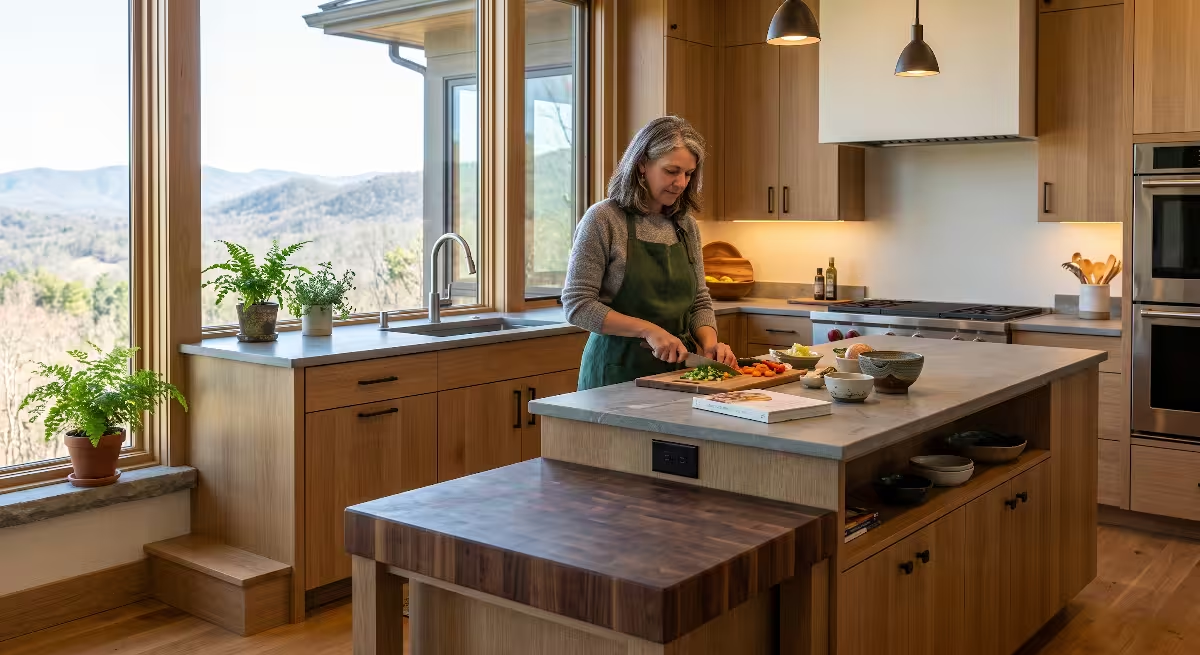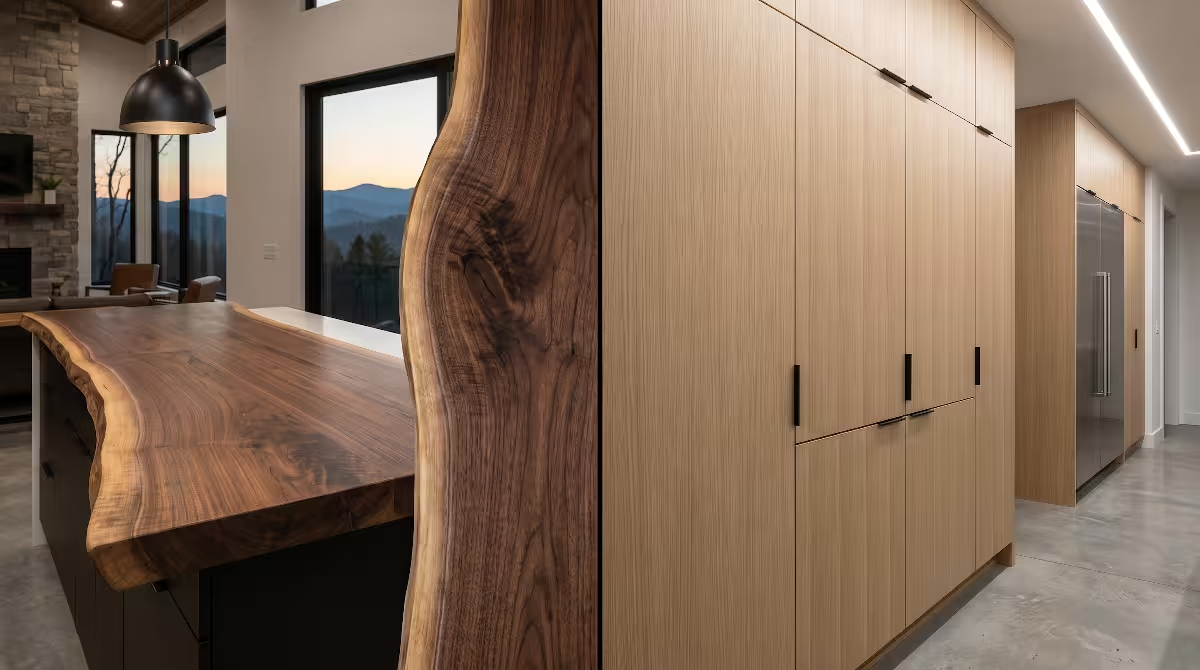
Building living plants into custom cabinetry presents a unique engineering challenge. You cannot simply cut a hole in a wooden box and drop a pot inside. Wood absorbs water, swells, and decays if it is not protected. Plants also need specific light wavelengths and fresh air movement to survive. Blending fine architectural woodwork with moisture isolation and artificial sunlight requires careful planning. We must combine timber craftsmanship with plant biology and lighting physics.
Tri-Cities TN Home covers the Tri-Cities area requiring us to consider local regional context. East Tennessee experiences distinct seasonal shifts in humidity and light. Summers are warm and humid, while winters bring dry indoor air and short daylight hours. Our local architectural styles range from classic mountain cabins to modern craftsman homes. Integrating living botanical niches into custom cabinetry allows us to tailor indoor grow conditions to our regional climate while honoring local design traditions.
+-------------------------------------------------------------------------+
|                  BIOPHILIC CABINETRY ENGINEERING MATRIX                 |
+-------------------------------------------------------------------------+
|  LIGHTING LAYER     : Recessed PAR LEDs (400-700 nm) + Diffuser Panes   |
|  AIR VENTILATION    : Passive Rear Air Slots + Low-Decibel Convective Fans|
|  PLANT BASIN        : 316 Stainless Steel Drop-In Liner with Air Gaps  |
|  WOOD PROTECTION    : Marine-Grade Epoxy Sealant + Penetrating Hardwax  |
+-------------------------------------------------------------------------+
Anatomy of an Integrated Plant Niche in Custom Millwork
Creating an integrated plant niche in custom cabinetry starts with structural framing and joinery. Soil, water, and mature plants add weight to your storage units. A typical niche holding four small herb pots can weigh twenty to thirty pounds when fully watered. Standard cabinet frames can sag over time under this constant load. We build reinforcement into the face frame and base shelves using mortise and tenon joinery. We use solid hardwood supports instead of particleboard or medium density fiberboard. This ensures the custom cabinetry stays square and stable for decades.
Water isolation is the second critical part of cabinet anatomy. Direct contact with moist soil or standing water will ruin fine woodwork. We design every plant niche to accept a removable insert tray made from 316 grade stainless steel or custom welded zinc. The metal insert acts as an absolute barrier between liquid runoff and the surrounding wood structure. We size the opening in the custom cabinetry so the metal liner sits on a tiny hidden lip. This design allows you to lift the entire tray out for easy cleaning, repotting, or routine maintenance without touching the wooden framework.
Passive ventilation is the third structural element. Plants give off water vapor through transpiration, which increases local humidity inside small enclosures. Trapped moisture causes wood warping and encourages mold growth. To solve this, we engineer passive air circulation channels into the back and top of the custom cabinetry. A simple one inch gap behind the rear panel allows room air to flow upward through natural thermal convection. As heat rises from the lights above the plants, it draws cooler air in through the bottom of the niche. This continuous air movement keeps the surrounding timber dry and provides fresh carbon dioxide to the plant leaves.
Photobiology Engineering: Lighting Your Niche
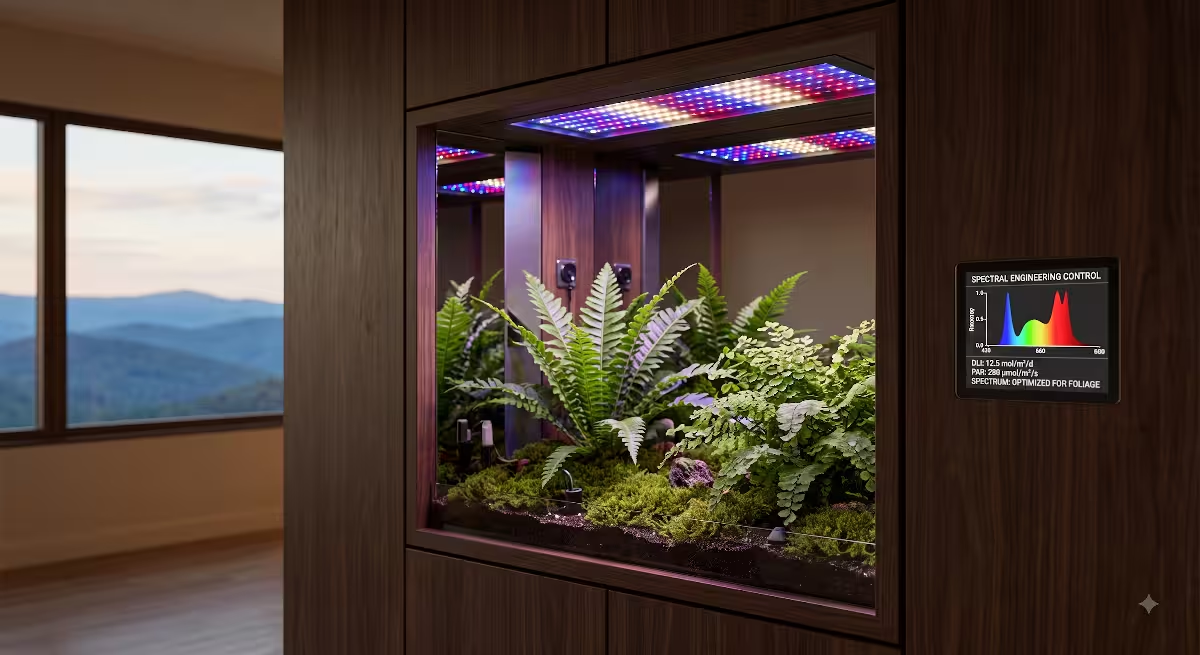
Plants cannot survive on standard room lighting alone. Standard kitchen light bulbs are designed for human vision, which peaks in the yellow and green color spectrums. Plants rely on Photosynthetically Active Radiation, or PAR, which spans light wavelengths between 400 and 700 nanometers. Blue light in the 450 nanometer range encourages thick stem growth and strong leaf production. Red light near 660 nanometers triggers flowering and accelerates overall growth. When we design custom cabinetry with built in plant alcoves, we must install full spectrum grow lights that deliver the correct PAR output without making the kitchen look like a purple commercial greenhouse.
   PAR Light Spectrum Distribution for Indoor Plant Niches

   400nm (Blue) -------- 550nm (Green) -------- 700nm (Red)
   [Vegetative Stems]   [Human Visual]       [Flowering/Growth]
To deliver the right amount of light, we calculate the Daily Light Integral, or DLI. DLI measures the total number of light particles a plant receives over a twenty-four hour period. For a kitchen herb garden built into custom cabinetry, the target DLI is twelve to sixteen moles per square meter per day. To achieve this target without burning the leaves, we install low profile light bars that deliver a Photosynthetic Photon Flux Density of 250 to 350 micromoles per square meter per second. We set these lights on digital timers to run for fourteen hours each day. This gives herbs like basil and thyme the exact energy they need to thrive inside custom cabinetry.
Concealing lighting fixtures inside custom cabinetry requires careful architectural detailing. Nobody wants to look at bare light strips or messy wires while preparing a meal. We route recessed channels into the underside of the upper cabinet shelf. The light fixtures sit flush inside these channels behind opal glass diffusers. The diffusers spread the light evenly across the plants and eliminate harsh glare. We also place the electronic LED drivers in a dry upper service bay away from the water sources. This clean layout protects electrical components and maintains the sleek appearance of your custom cabinetry.
Water and Moisture Management Protocols
Controlling moisture inside wood storage units requires multiple layers of protection. Liquid water and high humidity are the primary causes of finish failure in kitchen woodwork. Before installing any internal hardware, we seal the inner surfaces of the plant niche with zero VOC marine grade epoxy. This clear coating forms an impermeable shield over the wood grain. It prevents liquid spills from soaking into cabinet joints if a water tray accidentally overflows. Once the epoxy cures, we apply a clear protective topcoat that matches the rest of the custom cabinetry.
To simplify daily plant care and prevent overwatering spills, we use capillary sub-irrigation systems. Instead of pouring water onto the top of the soil, sub-irrigation feeds plants from the bottom up. A water reservoir sits at the base of the stainless steel tray insert. Synthetic wicking cords carry moisture upward into the soil as the plant roots draw it in. This system creates a self regulating environment. The soil absorbs only the water it needs, which prevents root rot and keeps the surface soil dry. Dry topsoil stops fungus gnats from breeding inside your custom cabinetry.
+-------------------------------------------------------------------------+
|                  CAPILLARY SUB-IRRIGATION CROSS-SECTION                 |
+-------------------------------------------------------------------------+
|   [ PLANT FOLIAGE ]                                                     |
|   [ SOIL & ROOT MATRIX ]                                                |
|   ========================= (Aeration Grid)                             |
|   ||                     || (Synthetic Wicking Cords)                   |
|   +-----------------------+                                             |
|   |  WATER RESERVOIR TRAC | (316 Stainless Steel Insert)                |
+-------------------------------------------------------------------------+
Managing local relative humidity inside the kitchen is another important step. The ideal relative humidity for indoor plants ranges between 40% and 60%. This range matches what is comfortable for human health and wood stability. If moisture levels spike inside the niche, hidden low-decibel fans can trigger automatically based on sensor readings. These small fans circulate air quietly out of the niche into the larger room. By maintaining steady moisture levels, you protect your custom cabinetry while creating an ideal microclimate for indoor growing.
Selecting Native Wood Species and Sustainable Finishes
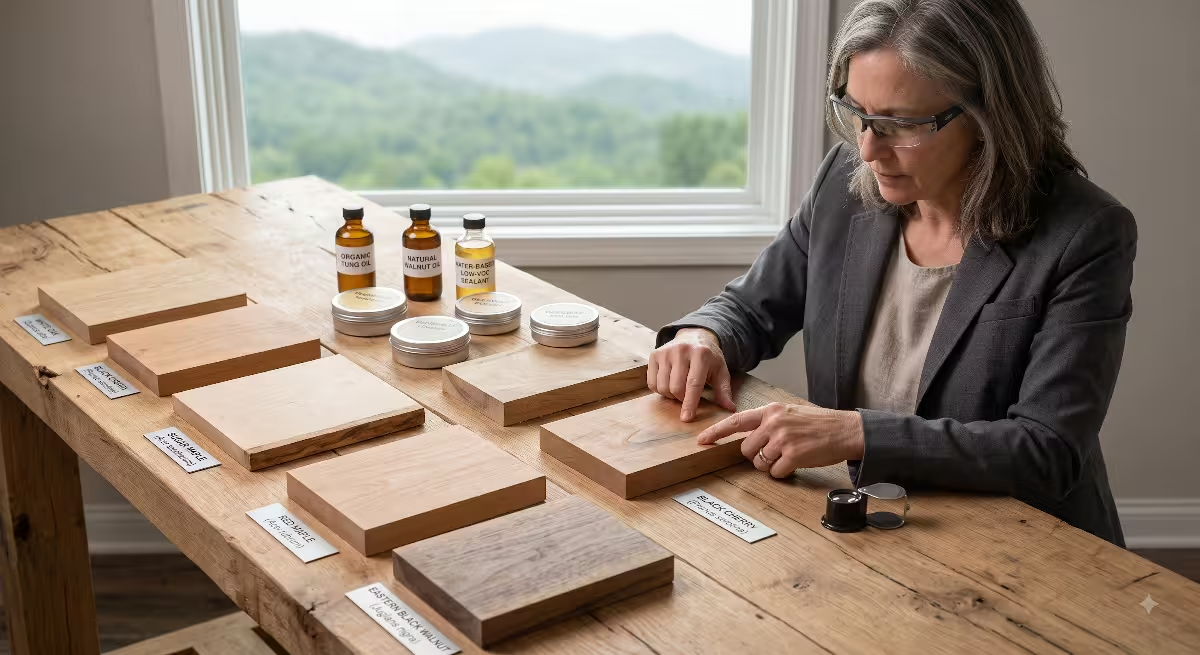
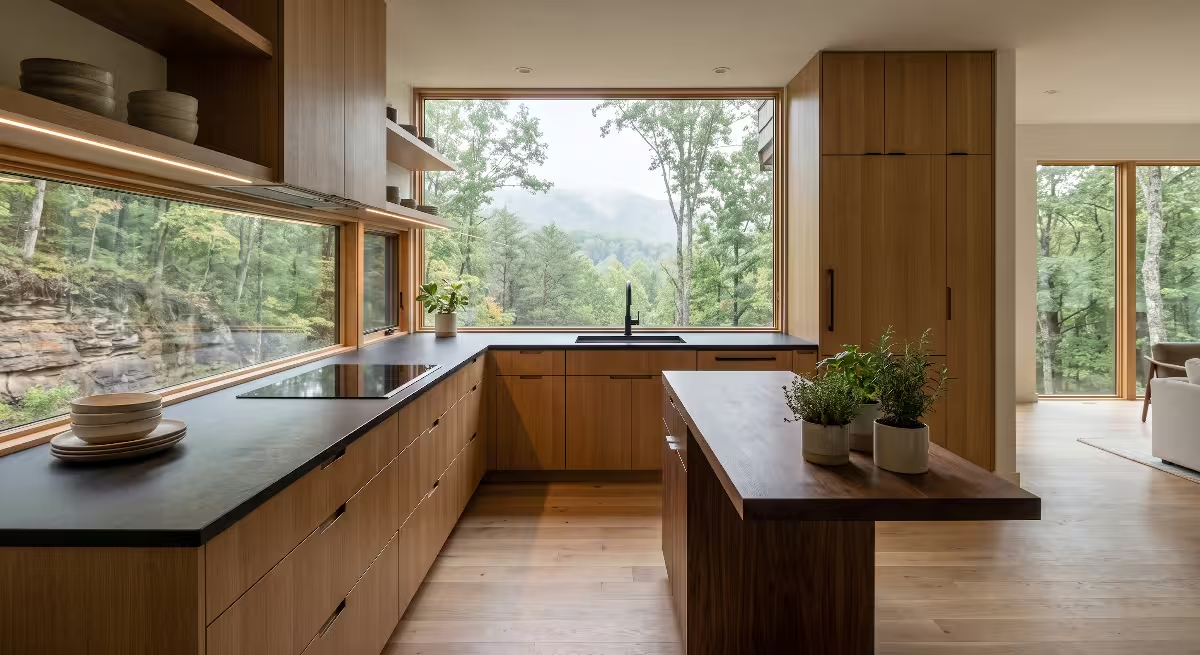
Selecting the right timber is crucial when building green features into custom cabinetry. We prioritize native Appalachian hardwoods sourced from local mills right here in East Tennessee. White Oak is one of our top choices for biophilic kitchen projects. White oak features closed cellular structures called tyloses, which make the wood naturally resistant to rot and water penetration. Black Walnut is another excellent option. It offers deep color tones and high stability under changing room temperatures. Using regional timber supports local forestry jobs and ensures your custom cabinetry holds up well in our climate.
+-------------------------------------------------------------------------+
|                    REGIONAL TIMBER SELECTION MATRIX                     |
+-------------------------------------------------------------------------+
|  WOOD SPECIES   | CELLULAR STRUCTURE | WATER RESISTANCE | STABILITY     |
+-----------------+--------------------+------------------+---------------+
|  White Oak      | Closed (Tyloses)   | Very High        | Excellent     |
|  Black Walnut   | Semi-Closed        | High             | High          |
|  Hard Maple     | Closed             | Moderate-High    | Moderate-High |
+-----------------+--------------------+------------------+---------------+
How wood is sawn makes a major difference in how it reacts to indoor humidity changes. Flat sawn lumber expands and contracts significantly across its width when air moisture fluctuates. For plant integration projects, we specify rift sawn or quarter sawn lumber. Quarter sawn boards feature vertical grain orientation. This grain pattern reduces wood movement by up to fifty percent compared to standard flat sawn timber. Using quarter sawn wood for face frames and doors around plant bays keeps your custom cabinetry straight, smooth, and tightly fitted through summer heat and winter dryness.
Finishing choices must protect both the wood structure and indoor air quality. Traditional solvent based varnishes release volatile organic compounds, or VOCs, into your home for months after installation. These chemicals can harm sensitive plant tissues and degrade household air quality. We finish our custom cabinetry using natural hardwax oils made from plant based waxes and linseed oils. Hardwax oils penetrate deep into the timber fibers rather than forming a plastic layer on top. They allow the wood to breathe, repel surface water drops, and make spot repairs simple without requiring you to strip the entire cabinet door.
Plant Selection Matrix: From Culinary Herbs to Trailing Foliage
Selecting the right plant species is essential for a successful indoor kitchen garden inside custom cabinetry. Different plants require different light levels, humidity ranges, and root space. We divide plant options into two main categories: high light culinary herbs and low light accent plants. Placing the right plant in the right microclimate guarantees rapid growth and minimizes plant maintenance inside your custom cabinetry.
+-------------------------------------------------------------------------+
|                     BOTANICAL SELECTION GUIDE MATRIX                    |
+-------------------------------------------------------------------------+
| PLANT SPECIES        | LIGHT NEED (PPFD) | WATER REQUIREMENT | LOCATION |
+----------------------+-------------------+-------------------+----------+
| Sweet Basil          | High (300 umol)   | Daily Wicking     | Upper    |
| French Thyme         | High (300 umol)   | Low-Moderate      | Upper    |
| Golden Pothos        | Low (100 umol)    | Moderate          | Lower    |
| Heartleaf Philodendron| Low (100 umol)   | Moderate          | Lower    |
+----------------------+-------------------+-------------------+----------+
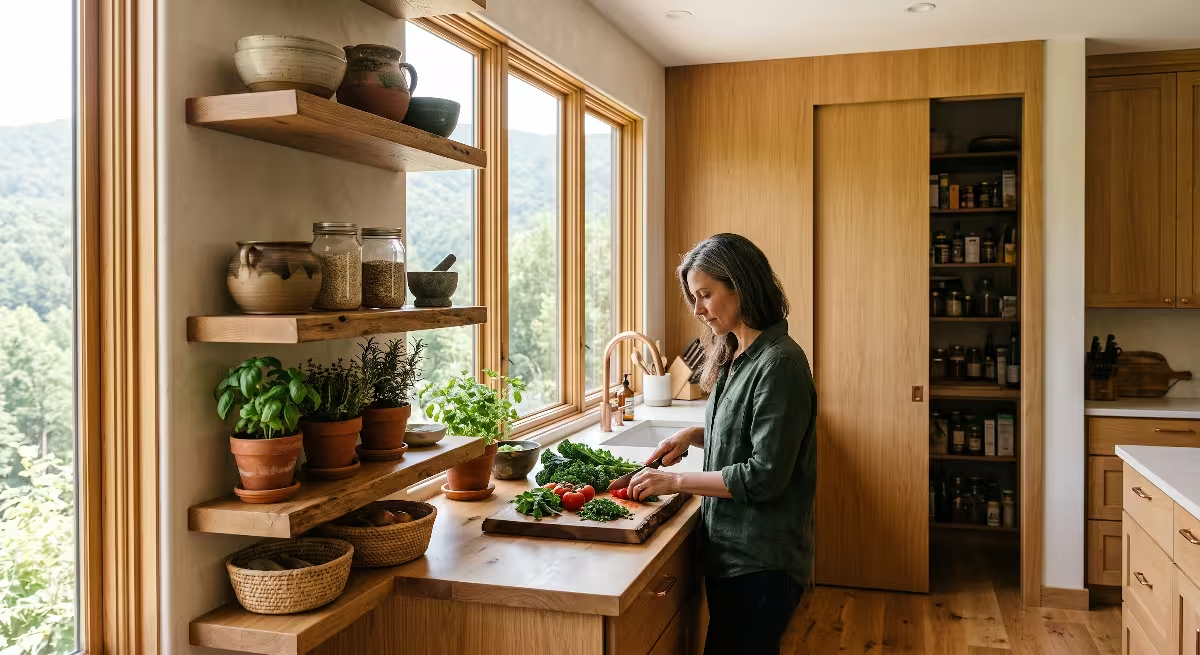
High light niches installed beneath upper cabinets work best for culinary herbs. Sweet basil, French thyme, rosemary, and chives require bright light to produce flavor compounds and aromatic oils. Under proper LED lighting, basil produces tender fresh leaves every week for cooking. Thyme and rosemary prefer drier soil conditions, so we place them in separate sub-trays within the custom cabinetry. Keeping culinary plants close to your food prep counters makes harvesting fresh ingredients easy during daily cooking routines.
Low light niches installed in island ends or pantry side panels accommodate decorative houseplants. Species like Golden Pothos, Heartleaf Philodendron, and ZZ plants thrive under lower light levels ranging from 80 to 120 micromoles per square meter per second. These plants produce cascading stems that drape elegantly down the sides of custom cabinetry. They act as natural air purifiers by removing common indoor pollutants while adding soft green textures to hard kitchen surfaces.
Potting soil selection requires a custom mix designed for indoor container growing. Standard garden soil from outdoors is too dense for cabinet niches. It compacts easily, drains poorly, and carries weed seeds or soil pests. We use a lightweight, soil-free growing medium made from coconut coir, coarse perlite, and expanded pumice. Coconut coir holds water efficiently without compacting. Perlite and pumice create air pockets around the roots, ensuring proper root aeration. Healthy root systems keep plants thriving inside your custom cabinetry with minimal effort.
Layout Configurations for Tri-Cities Home Architecture
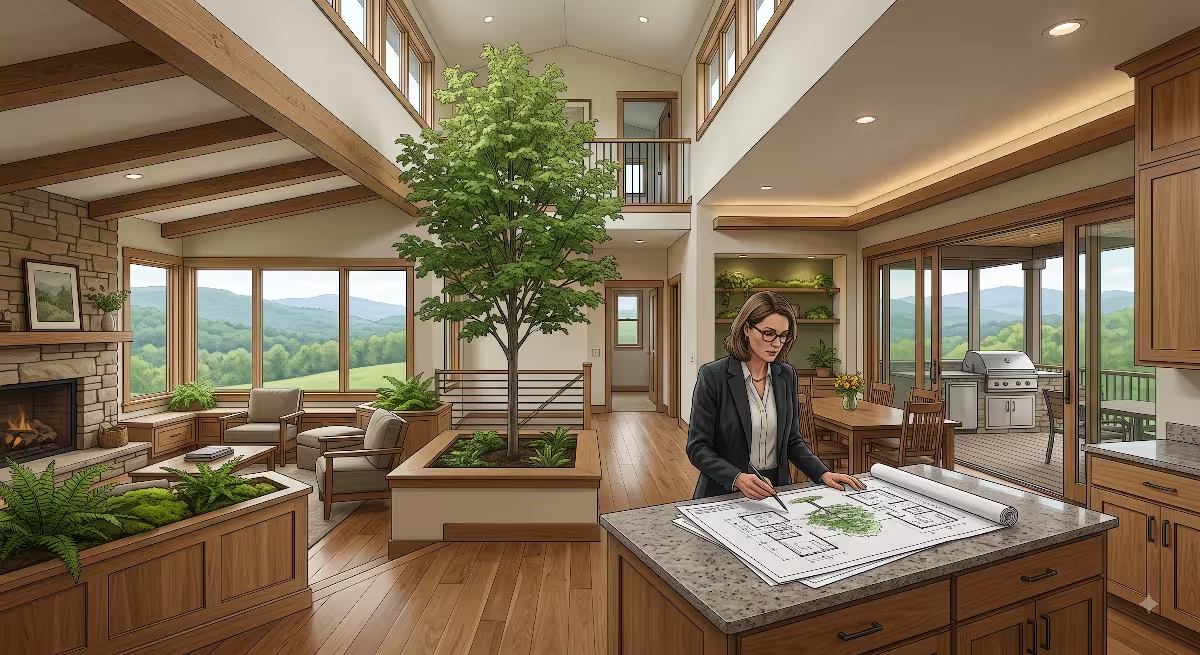
Integrating plant features into custom cabinetry can be tailored to match the architectural layout of your home. In traditional East Tennessee ranch homes and modern craftsman layouts, upper cabinet inset niches offer an effective design option. We create an open shelf alcove directly beneath the main upper storage units. This arrangement keeps culinary herbs at eye level while preserving clear counter space below. The underside of the upper cabinet housing hides the grow light fixtures, turning the open niche into a lighted focal point along your backsplash wall.
Kitchen island end caps provide another great location for plant niches in open floor plans. The end of an island often faces dining areas or living rooms. Adding open plant bays to island ends softens the structural transition between cooking zones and social areas. We build lower open shelving into the island custom cabinetry, lined with waterproof trays and subtle accent lights. Trailing plants placed here create a green welcoming barrier that improves view lines without blocking conversations across the kitchen counter.
Full height pantry towers offer a dramatic option for integrating plant walls into custom cabinetry. A vertical plant tower creates a living column of foliage from counter height up to the ceiling. We engineer vertical sliding pull-out racks fitted with drainage trays and vertically mounted LED light tracks. This setup allows you to slide the entire plant assembly outward for trimming, watering, or harvesting, then glide it smoothly back flush with the surrounding custom cabinetry. Vertical towers turn plain pantry walls into dynamic architectural features that improve indoor air quality.
Frequently Asked Questions about Custom Cabinetry in Custom Kitchens
Can you put grow lights inside kitchen cabinets for live plants?
Yes, you can put grow lights inside kitchen cabinets for live plants. You must use low profile, full spectrum LED lights that produce high PAR output while emitting minimal heat. Standard incandescent or halogen bulbs generate too much heat, which will burn plant foliage and damage wood finishes. Mount the LED fixtures inside recessed channels in your custom cabinetry. Ensure there is a small ventilation gap around the light fixture to dissipate thermal build up. Connecting lights to an automatic timer ensures your plants receive consistent daily light cycles.
How do you prevent moisture damage to wood cabinets from indoor plants?
Preventing moisture damage requires a complete waterproofing system. Always install a removable, water-tight liner made from 316 grade stainless steel or heavy zinc inside the niche opening. Coat the interior wood surfaces of the custom cabinetry with zero VOC marine grade epoxy before installing hardware. Use bottom watering capillary trays to eliminate splashing and topsoil spills. Maintain a small ventilation gap behind the niche back panel to keep air moving around the wood, preventing trapped moisture and mold growth.
What culinary herbs and plants thrive in kitchen cabinet niches?
Culinary herbs like sweet basil, mint, chives, dwarf parsley, and French thyme thrive in bright upper cabinet niches equipped with grow lights. These herbs grow quickly under target light levels and provide fresh clippings for daily cooking. For lower niches with moderate ambient light, decorative plants like Golden Pothos, Heartleaf Philodendron, Lemon Lime Maranta, and ZZ plants perform exceptionally well. These foliage plants add rich textures and require low maintenance inside custom cabinetry.
What is biophilic design in kitchen cabinetry, and does it add home value?
Biophilic design in custom cabinetry is the practice of integrating natural elements, live plants, organic textures, and natural lighting directly into storage structures. It improves mental focus, reduces daily stress, and purifies indoor air. Incorporating biophilic features into custom cabinetry adds real home value by creating a distinctive luxury selling point. Buyers in the East Tennessee market increasingly seek healthy, energy efficient homes that connect indoor living with surrounding nature. High quality custom cabinetry featuring built in green niches makes a lasting impression that sets a property apart.
Final Thoughts
Integrating living plant niches into custom cabinetry offers a rewarding way to elevate your kitchen environment. By combining fine woodworking techniques with plant biology, you turn ordinary storage units into active micro-ecosystems. We have explored how reinforced framing, removable steel liners, and passive ventilation channels protect custom cabinetry from moisture wear. We reviewed how precise LED grow lighting delivers exact light spectrums to maintain plant health through every season in East Tennessee.
Choosing local Appalachian hardwoods like White Oak and Black Walnut ensures your custom cabinetry withstands local climate shifts while supporting regional forestry. Pair these rot-resistant timbers with zero VOC hardwax oils and capillary sub-irrigation trays to create a clean, non-toxic environment for food preparation. Whether you grow fresh basil in upper counter alcoves or display trailing pothos along kitchen island ends, custom cabinetry with built in plant features delivers lasting functional and aesthetic value.