
In this article our goal is simple. We want to help you build homes that make you feel good, lower your stress, and honor our local environment. We will look at how modern home design can use local materials to heal our minds and bodies. We will also explore the science of wood, the best wood species from our region, and how to build high-performance homes. You will learn how using Appalachian timber can transform a simple house into a peaceful sanctuary.
The Synthesis of Modern Architecture and Appalachian Ecology
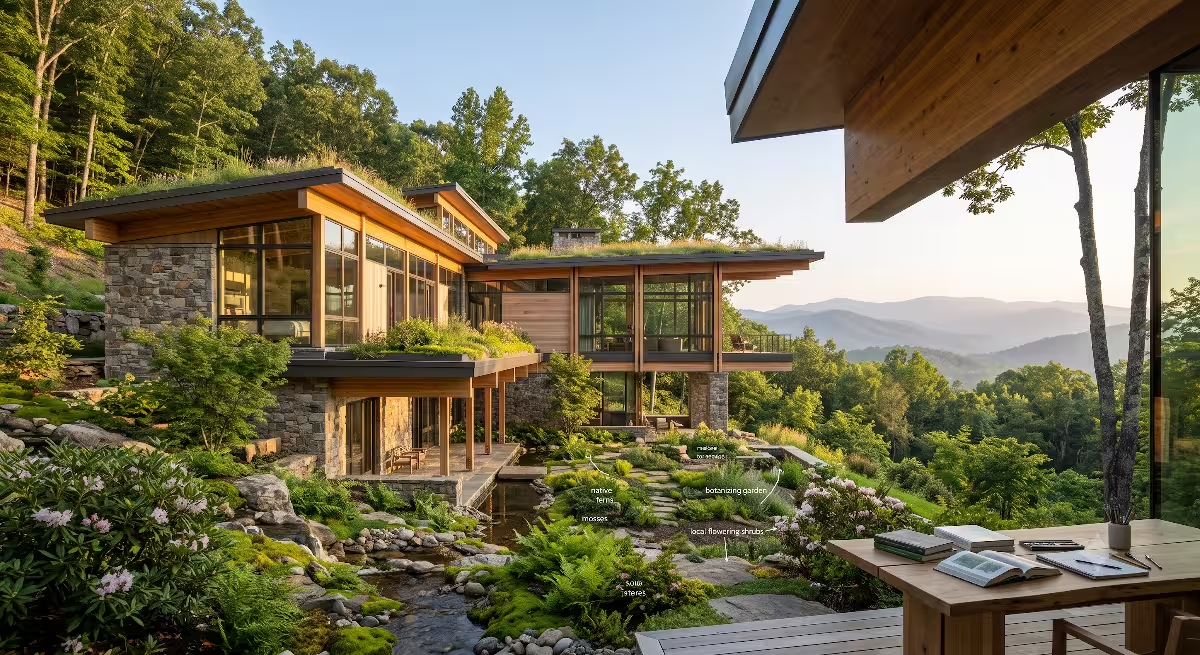
Redefining Modern Residential Design Through Biophilic Timber Architecture
Modern house design often relies on cold steel, glass, and plain drywall. While these materials look clean, they can make a space feel distant and cold. Biophilic design changes this approach by connecting human biology back to the natural world. When we use natural materials inside our living spaces, our bodies respond in positive ways. Using local wood allows us to create beautiful homes that also support human health.
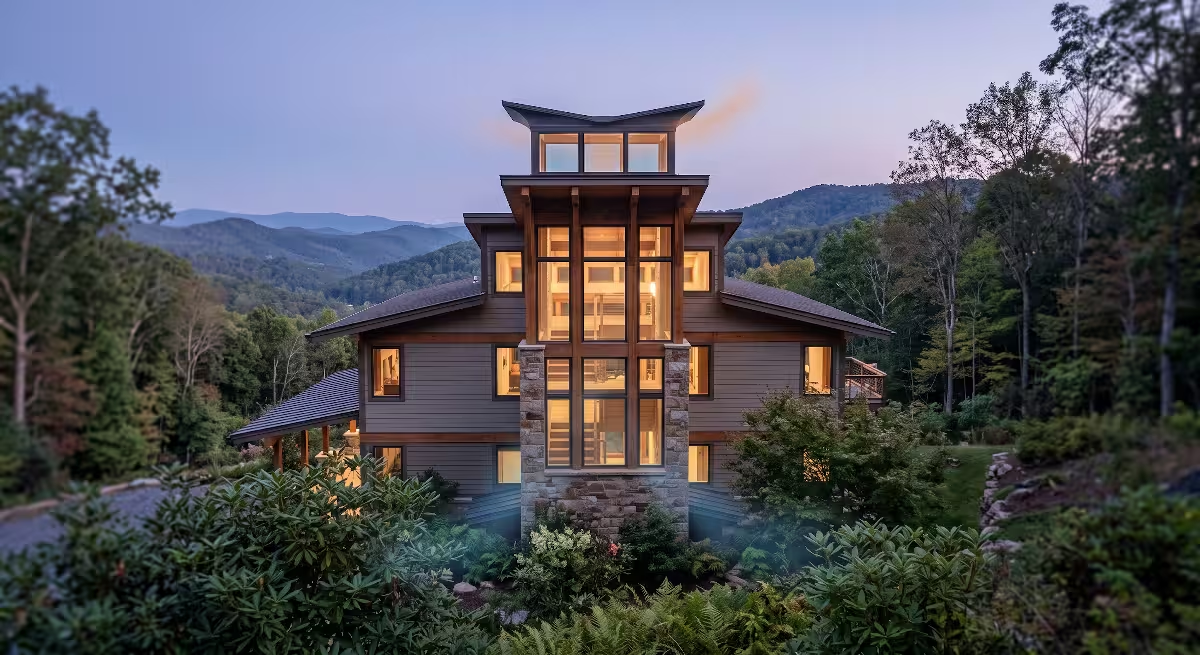
Building with regional wood creates a direct connection between your living room and the surrounding mountains. When you build with local Appalachian timber, you bring the strength and beauty of the forest right into your floor plan. This approach is not just about looks. It is a smarter way to build homes that respect local biology and human needs.
The Biology of Wood
Human beings evolved outdoors alongside trees, plants, and natural light. Because of this evolutionary history, our nervous systems react instantly to natural elements. When you sit in a room filled with exposed Appalachian timber, your body changes its physical state. Studies show that seeing natural wood grain reduces activity in your sympathetic nervous system. This is the part of your body that controls your fight or flight stress reaction.
Exposed wood helps lower your heart rate and reduces cortisol, which is the main stress hormone in human blood. The subtle scents released by natural wood also help calm the mind. These natural organic scents are called terpenes. When you breathe in air rich in natural wood scents, your parasympathetic nervous system turns on. This shifts your body into a state of rest and recovery. Homes built with visible Appalachian timber act as active biological tools that help you unwind after a long day.
Why Local Appalachian Timber Matters
Many modern builders order lumber shipped from thousands of miles away, often as far away as Canada. Transporting lumber across oceans or continents uses vast amounts of fossil fuel. This creates high carbon emissions before the wood even reaches your build site. Choosing local Appalachian timber supports a cleaner, sustainable building process.
Our regional forests produce some of the strongest and most beautiful hardwoods in North America. When you build with regional Appalachian timber, you store carbon inside the frame of your house for generations. Harvesting wood from responsibly managed forests nearby reduces shipping distances and supports local sawmills. This keeps your building project grounded in the local ecology of Eastern Tennessee.
The Main Principles of Biophilic Architecture in Wood Homes
Applying Biophilic Design Patterns with Regional Timber
Biophilic design is not just about placing a pot of plants in the corner of a room. It relies on the 14 design patterns established by Terrapin Bright Green. These patterns focus on how natural light, spatial views, and raw materials interact with human senses. By using local Appalachian timber, we can implement these design patterns with precision.
Using raw materials in a house gives your eyes and hands something natural to process. Every piece of Appalachian timber features a unique pattern of lines, knots, and grain variations. These natural details give our brains the visual interest we subconsciously crave.
Visual & Non-Visual Material Connections (Patterns 1 & 9)
Pattern 1 focuses on visual connections with nature. When you look at an exposed column made from Appalachian timber, your eyes follow the natural lines of the wood grain. This gentle visual movement reduces mental fatigue. Unlike flat painted drywall, natural wood surfaces change subtly throughout the day as sunlight moves across the room.
Pattern 9 covers non-visual connections with nature. This includes the feel, texture, and natural smell of materials. Touching a smooth wall plank crafted from Appalachian timber creates a grounded, tactile reaction. The soft, natural feel of unfinished or oil-rubbed wood feels warmer to human skin than cold tile or metal. Homes built with rich Appalachian timber offer a complete sensory experience that calms the senses.
Biomorphic Forms & Structural Canopies (Pattern 8)
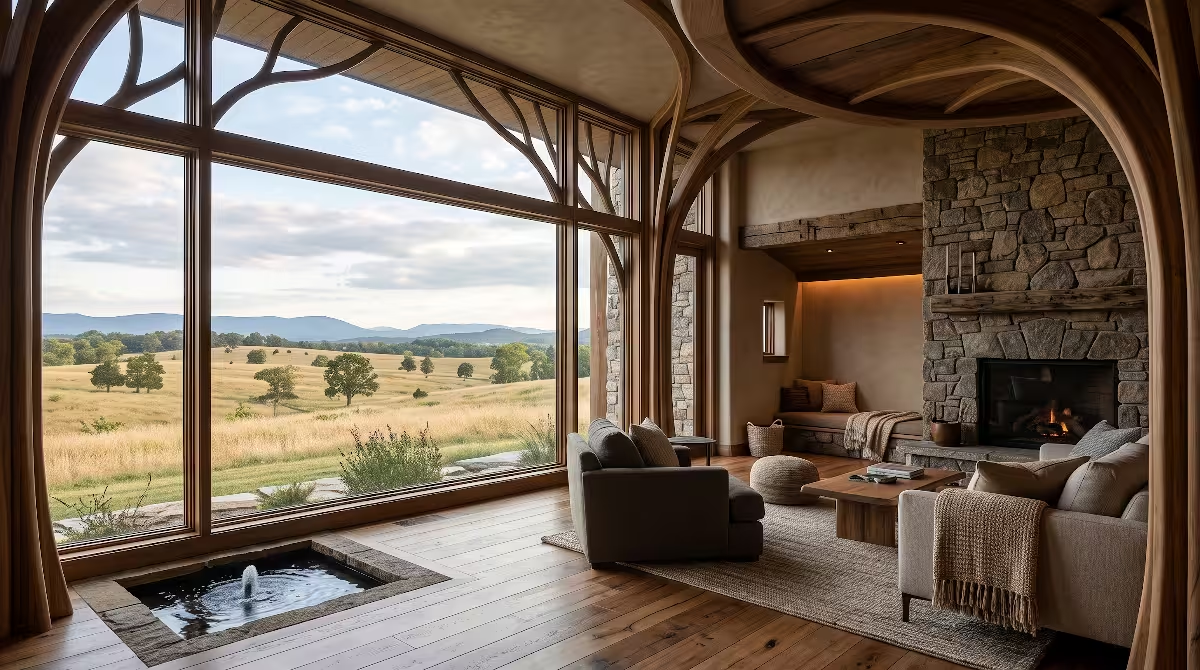
Pattern 8 uses biomorphic forms and patterns. These are shapes that mimic curves, branches, and structures found in nature. In a modern house, heavy posts made from strong Appalachian timber can branch out to support high ceiling beams. This arrangement looks like the natural canopy of an oak forest.
Walking under a roof frame made of heavy Appalachian timber creates a feeling of safety and shelter. Humans naturally feel secure when protected by a strong overhead canopy. By placing heavy structural beams made from Appalachian timber overhead, we tap into this deep psychological need for shelter.
Dynamic Lighting & Timber Reflection (Pattern 7)
Pattern 7 focuses on dynamic, changing light. Sunlight changing throughout the day helps set our internal biological clock, which is known as our circadian rhythm. High windows, skylights, and glass walls direct natural sunlight onto interior wood surfaces.
When daylight bounces off rich Appalachian timber, the wood absorbs harsh blue light frequencies and reflects soft, warm golden tones. This warm reflected light makes room interiors feel comfortable and bright without causing eye strain. In the evening, warm artificial light bouncing off wall panels made from Appalachian timber helps your eyes relax, signaling to your brain that it is time to sleep.
Species Profile: Selecting Appalachian Hardwoods and Softwoods
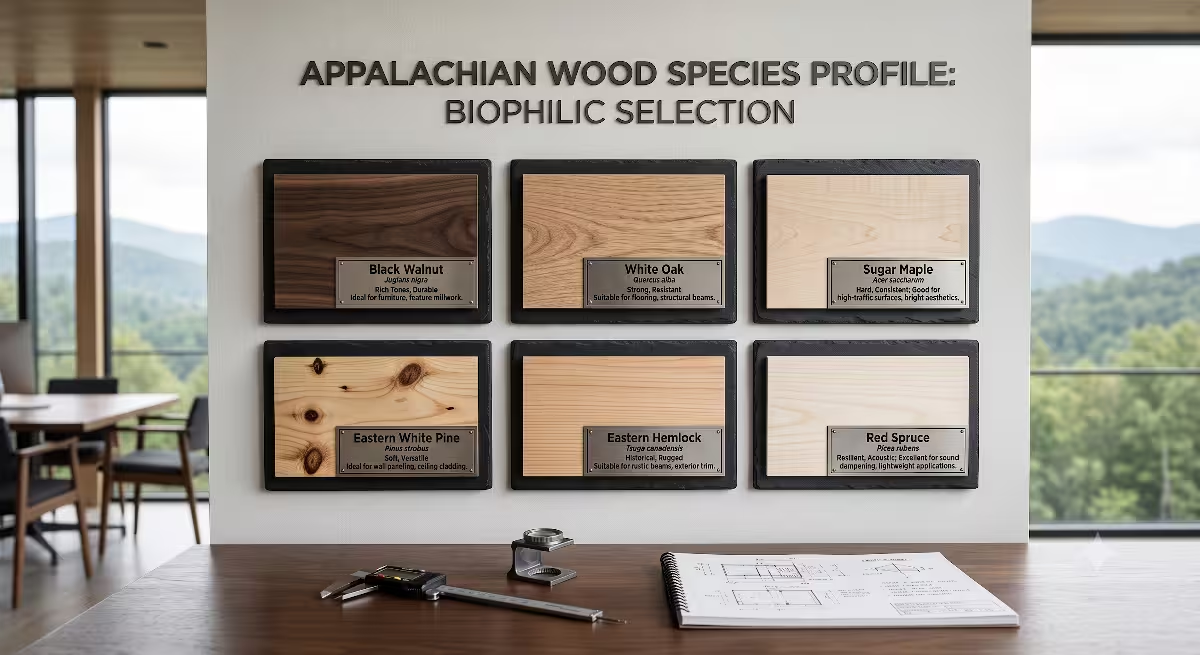
Top Appalachian Timber Species for Modern Biophilic Homes
Selecting the correct wood species is crucial for structural performance and visual beauty. The Southern Appalachian region contains incredible forest biodiversity. This variety provides architects with a rich palette of materials. Each species of Appalachian timber offers distinct density, grain patterns, colors, and strength characteristics.
Choosing the right type of Appalachian timber depends on where and how the wood will be used in your home. Some species excel in structural roles, while others work best as wall trim, cabinetry, or exterior siding.
| Wood Species | Common Use | Primary Benefit | Biophilic Quality |
| White Oak | Structural frames, flooring | High strength, water resistant | Deep texture, rich grain |
| Yellow Poplar | Wall paneling, ceiling slats | Lightweight, stable, smooth | Soft color, calms visual noise |
| Black Walnut | Feature walls, cabinetry | Rich dark tones, stable | Strong visual focal point |
| Poplar Bark | Exterior wall shingles | Extremely durable, raw texture | Rough, natural forest feel |
White Oak (Quercus alba)
White Oak is one of the most reliable materials available to regional builders. This dense hardwood is famous for its exceptional structural strength and natural resistance to decay. Frames crafted from White Oak Appalachian timber can hold massive structural loads while remaining stable over time.
Beyond its strength, White Oak features a tight, beautiful grain pattern. When cut into floorboards or heavy support posts, this variety of Appalachian timber displays light tan and golden tones. Its water-resistant qualities make it a great choice for kitchen floors, entryways, and exposed structural posts. Using White Oak Appalachian timber gives your home an enduring feel of solid permanence.
Yellow Poplar (Liriodendron tulipifera)
Yellow Poplar, often called Tulip Wood, grows straight and tall across the Tennessee mountains. Because it grows so clean and uniform, it yields long, straight boards. This lightweight Appalachian timber is easy to mill and holds its shape exceptionally well without warping.
While it is soft compared to oak, Yellow Poplar is ideal for interior applications. It works wonderfully for ceiling slats, wall paneling, and interior room dividers. Interior wall panels cut from Yellow Poplar Appalachian timber absorb excess sound, which reduces echo and noise in large open rooms. Its subtle light color helps brighten dark hallways while maintaining a soft, natural aesthetic.
Black Walnut (Juglans nigra)
Black Walnut is the premium choice for rich interior accents. This hardwood features deep brown, chocolate, and purplish tones that contrast beautifully with lighter drywall or stone. Using Black Walnut Appalachian timber for kitchen islands, open stair treads, or mantle beams creates instant visual focus.
Because of its dark color, Black Walnut Appalachian timber should be used strategically. Placed in key locations, it anchors an open floor plan and draws the eye to important gathering spots. Touch points made from Black Walnut Appalachian timber, such as handrails or desktop surfaces, offer a smooth, satisfying tactile response.
Poplar Bark Siding & Reclaimed Hemlock
Biophilic design works best when it incorporates a variety of natural textures. Poplar bark siding is an incredible traditional material native to our region. Cleaned and flattened bark plates harvested from poplar trees are mounted on exterior walls as protective shingles.
Poplar bark siding made from regional Appalachian timber requires zero paint or stain. It can withstand rain, sun, and cold weather for decades without rotting. The rough, deep ridges of bark siding provide an amazing contrast against modern glass windows and metal roofing. Adding reclaimed hemlock beams alongside bark siding gives your home a deep connection to regional history and natural forest textures.
Architectural Strategies: Integrating Heavy Timber into Modern Minimalist Floor Plans
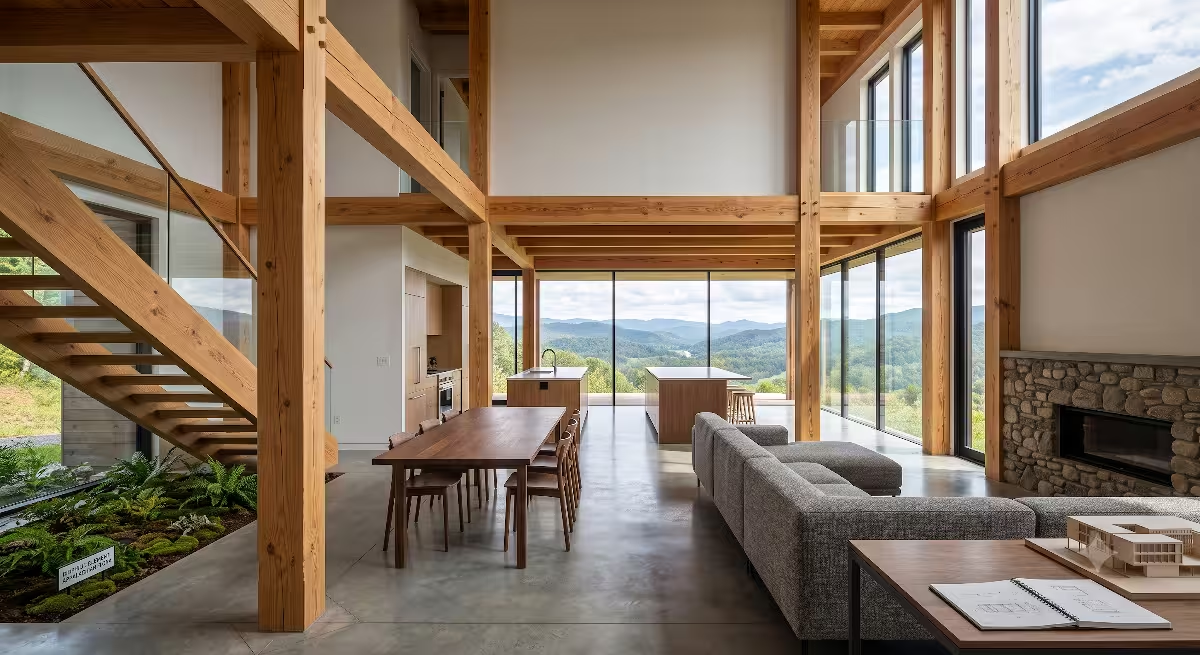
Modern Structural Frameworks Using Appalachian Timber
Modern architecture relies on simple lines, open floor plans, and minimal clutter. Some people worry that adding heavy wood frames will make a house look too rustic or crowded. However, careful integration of heavy structural frames made from Appalachian timber enhances clean modern design.
Instead of covering every surface in dark wood, modern designs use timber strategically. Clean white walls, large glass windows, and polished concrete floors provide a simple canvas. When you place strong columns and beams made from Appalachian timber against this clean backdrop, the wood stands out as functional art.
+-------------------------------------------------------------------+
|                        MODERN TIMBER FRAME                        |
|                                                                   |
|   +-----------------------------------------------------------+   |
|   |                   SIPs Insulated Roof                     |   |
|   +-----------------------------------------------------------+   |
|        ||                                               ||        |
|        ||  Exposed Beams (Appalachian Timber)           ||        |
|        ||===============================================||        |
|        ||                                               ||        |
|   +----+----+                                      +----+----+    |
|   | Glass   |                                      | Glass   |    |
|   | Curtain |      Open Concept Living Area        | Curtain |    |
|   | Wall    |                                      | Wall    |    |
|   |         |                                      |         |    |
|   +----+----+                                      +----+----+    |
|        ||                                               ||        |
|        ||  Heavy Post (Appalachian Timber)              ||        |
|   =====++===============================================++=====   |
|                  Radiant Heated Concrete Floor                    |
+-------------------------------------------------------------------+
Open-Concept Floor Plans and Mass Timber
An open-concept floor plan allows movement, light, and fresh air to flow freely through the house. Heavy post and beam frames made from Appalachian timber can carry the structural weight of the entire roof. This eliminates the need for interior load-bearing walls.
With fewer interior walls blocking the layout, you can design large rooms that connect seamlessly to one another. Overhead beams made from Appalachian timber help visually divide a large room into smaller, comfortable zones without closing off the space. For example, a timber beam overhead can define the dining area while keeping it completely open to the living room and kitchen.
Thermal Envelope and Moisture Balance
Building a healthy home requires careful moisture and air control. The mountains of Eastern Tennessee experience hot, humid summers and cold winters. Wood expands and contracts when moisture levels in the air change. To build a durable structure, you must manage the moisture content of your framing materials.
Using dry, properly cured Appalachian timber prevents modern walls from shifting or cracking over time. Pairing heavy framing built from Appalachian timber with Structural Insulated Panels (SIPs) creates an extremely airtight building shell. The SIPs sit on the outside of the frame, keeping the house well insulated. This leaves the heavy posts and beams made from Appalachian timber fully exposed on the inside, protected from harsh outdoor weather.
Indoor Air Quality & Low-VOC Timber Finishes
The air quality inside your house directly affects your long-term health. Many conventional paints, glues, and synthetic wood finishes off-gas harmful chemicals called Volatile Organic Compounds (VOCs). Breathing these chemicals inside tight modern homes can irritate your lungs and cause headaches.
To keep indoor air fresh and non-toxic, leave interior Appalachian timber raw or finish it with natural oils. Finishes made from plant-based oils, tung oil, or natural beeswax protect the wood surface without releasing toxic vapors. These natural oils penetrate deep into the fibers of your Appalachian timber, highlighting the natural wood grain while allowing the wood to breathe and naturally regulate room air quality.
Frequently Asked Questions About Biophilic Homes Using Appalachian Timber
People considering a custom modern home often have specific questions about performance, cost, and design choices. Here are simple answers to the most common questions regarding biophilic design and wood home construction.
What is the difference between biophilic design and sustainable timber framing?
Sustainable timber framing focuses on how materials are harvested and how energy efficient the finished house is. It measures material lifecycles, carbon footprints, and insulation values.
Biophilic design focuses on human biological and psychological health. It looks at how natural light, air flow, natural textures, and wood surfaces affect your brain, heart rate, and stress levels. Using regional Appalachian timber combines both approaches: the timber framing supports environmental sustainability, while the exposed wood grain delivers direct health benefits to the residents.
How does exposed timber lower stress in residential spaces?
Exposed wood reduces stress by engaging human visual and tactile senses. Seeing the organic grain patterns in Appalachian timber provides gentle visual focus that allows your brain to recover from mental fatigue.
Studies in neuroscience show that natural wood surfaces trigger a reduction in blood pressure and lower autonomic stress responses. Rooms built with visible Appalachian timber create a calming atmosphere similar to the relaxing experience of walking through a quiet forest.
Is Appalachian hardwood sustainable for modern residential builds?
Yes, Appalachian hardwood is one of the most sustainable building materials available in North America. Forests in the Appalachian region are managed under strict selective harvesting standards.
Data from forest management organizations shows that hardwood growth in our region far exceeds annual harvesting rates. When you purchase certified Appalachian timber, you support forest management that preserves forest ecosystems while providing durable materials for custom homes.
Regional Case Application & Design Roadmap
Designing for the Eastern Tennessee Landscape
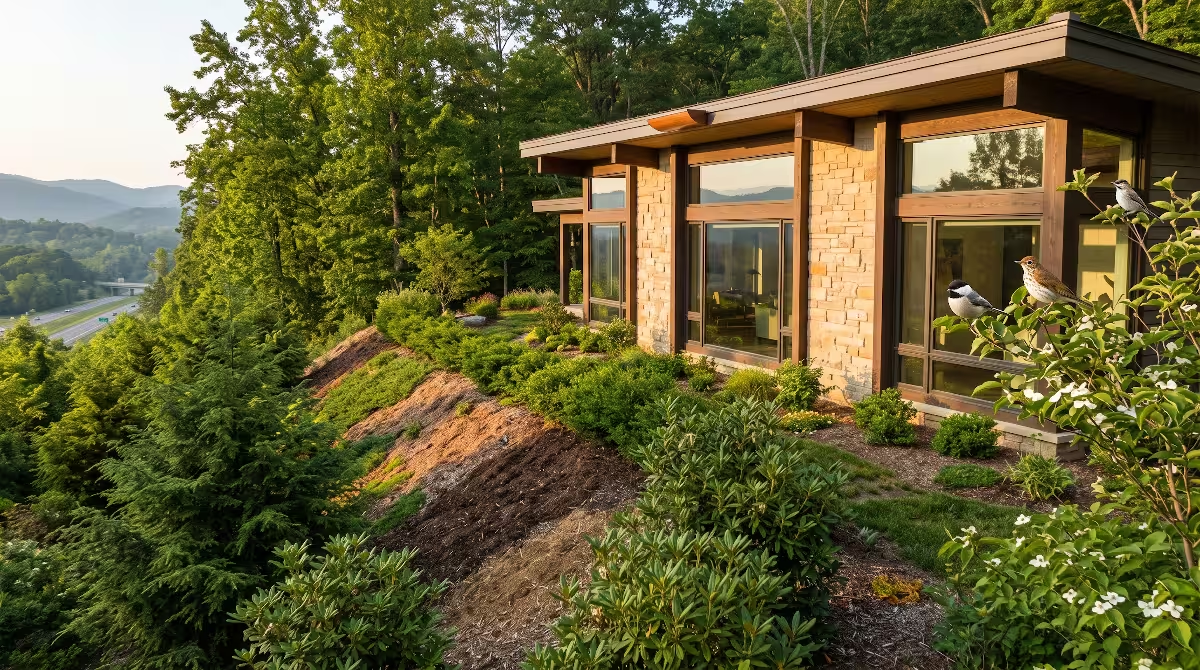
Building a biophilic home in Eastern Tennessee requires working directly with local topography and weather patterns. The Ridge-and-Valley terrain of the Tri-Cities region offers sweeping mountain views, steep hillsides, and changing seasonal breezes.
A well-designed home should sit naturally on its building site. By using heavy structural supports made from Appalachian timber, you can raise parts of the house above steep ground slopes. This approach reduces heavy soil grading and preserves native trees and root systems around your foundation.
                  EASTERN TENNESSEE RIDGE BUILDING SITE

       [North Face: Heavy Insulation]
               \
                \     +-----------------------------+
                 \    | Skylight / Daylight Monitor |
                  \   +--------------+--------------+
                   \                 |
                    \   +------------+------------+
                     \  | Open Living / Great Room |
                      \ | Exposed Appalachian     |  ===> [South Face: Large Glass
                       \| Timber Beam Structure   |        Windows / Overhangs]
                        +-------------------------+
                       /   ||                 ||
                      /    ||                 ||
     [Native Slope]  /     ||                 ||
                    /   +--++-----------------++--+
                   /    | Walkout Foundation      |
                  /     +-------------------------+
Site Orientation and Topography
To maximize energy efficiency, orient your long house walls toward the south. South-facing windows bring deep daylight into your living spaces during cold winter months. Roof overhangs framed with strong Appalachian timber block harsh summer sun while letting low winter sunlight warm interior floor slabs.
Aligning windows with local valley winds allows cool mountain air to pass through your home naturally during spring and autumn. Pairing natural cross ventilation with warm interior wall panels made from Appalachian timber keeps your home comfortable, fresh, and quiet year-round.
Material Sourcing Roadmap
Finding high-quality wood requires working with local suppliers who understand regional timber species. Here is a practical roadmap for sourcing materials for your project:
Identify Local Sawmills: Partner with established sawmills across Eastern Tennessee and Southwest Virginia that specialize in native hardwoods.
Verify Kiln Drying: Ensure all interior-grade Appalachian timber is properly kiln-dried to lower its internal moisture content. Proper drying prevents wood from twisting after installation.
Select Structural vs. Appearance Grades: Use structural-grade Appalachian timber for heavy load posts and clear appearance-grade boards for interior wall trim and cabinetry.
Choose Non-Toxic Stains: Finish all wood surfaces with low-VOC, natural oil finishes to preserve indoor air purity.
Final Checklist for Architects and Homeowners
Building a modern home using regional materials requires attention to detail. Use this quick checklist to guide your planning process:
[ ] Choose native species like White Oak, Yellow Poplar, or Black Walnut for key structural and decorative elements.
[ ] Position heavy posts and beams made from Appalachian timber in high-use areas where they can be seen and touched every day.
[ ] Combine post and beam frames with high-performance exterior wall panels for energy efficiency.
[ ] Install floor-to-ceiling glass wall sections next to structural Appalachian timber to blend indoor and outdoor views.
[ ] Use natural plant-based oil finishes to prevent chemical off-gassing and maintain clean air inside your home.
By combining modern architectural planning with rich Appalachian timber, you create a healthy living environment designed to last for generations.