

The Driveway as a Modern Architectural Statement
The journey to your front door is more than just a path; it’s the opening statement of your home’s character. In the world of custom home building, the driveway is no longer just a functional strip of pavement. It has evolved into a key piece of modern architecture, a statement that speaks volumes about your property’s style, quality, and attention to detail. Think of it: it’s the very first “handshake” your home extends to visitors, setting the tone for what lies beyond.
When we talk about “modern” driveway design, we’re focusing on a few key ideas. We’re looking for clean lines, simple shapes, and a minimalist style that feels fresh and current. We also emphasize “material honesty,” meaning we let the natural beauty and texture of the materials themselves shine through, rather than trying to hide them. Crucially, a modern driveway design doesn’t just pave over your landscape; it integrates with it, becoming a harmonious part of your outdoor space.
Here at Tri-Cities TN Home we see the driveway as a significant, long-term investment. It’s not just about getting cars from the street to the garage; it’s about adding real value and lasting beauty to your home. Making the right choices in materials and design from the start prevents those frustrating and costly repairs down the road.
This guide is built on the principles of competence and precision, ensuring you have all the knowledge to make a driveway design decision that boosts your home’s value and curb appeal for years to come.
Video Version of this Article
The Foundation: A Comparative Analysis of Modern Driveway Materials
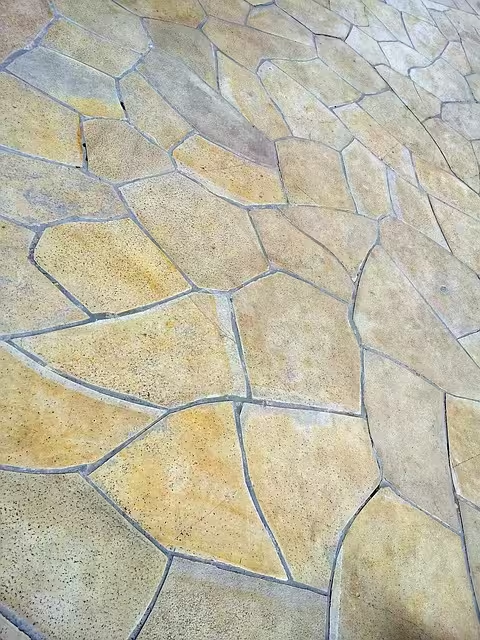
Choosing the right material for your driveway design is like choosing the right foundation for your house: it sets the stage for everything else. The materials you select will define the look, feel, and durability of your modern driveway design. Let’s explore the top contenders, looking at what makes each one unique, its strengths, and its weaknesses, especially when it comes to long-term performance and cost.
A. Large Format Pavers (Concrete & Porcelain)
When you picture a truly high-end, sleek, and contemporary driveway design, you’re often thinking of large format pavers. These are the kings of modern curb appeal, offering a sophisticated and clean look that’s hard to beat.
The Look: Imagine broad, expansive sections of stone or concrete, laid with very thin, almost invisible, grout lines. This creates a smooth, seamless appearance that makes your driveway design look expansive and intentional. It’s all about creating a minimalist, elegant canvas for your home. These pavers come in various shades of gray, charcoal, cream, and even some darker, rich tones, fitting perfectly with modern home styles.
Pros:
Extremely Durable: Because they are individual units, pavers can handle a lot of weight and stress without cracking like a single slab of concrete might. If one gets damaged, it can often be replaced without tearing up the whole driveway.
Sleek Appearance: There’s no denying the immediate visual upgrade large format pavers bring to a driveway design. They instantly elevate the look of any home, making it feel more custom and luxurious.
High-End Feel: These materials communicate quality and thoughtfulness. They’re often chosen for high-value properties because they make a strong aesthetic statement.
Porcelain’s Edge: Porcelain pavers, specifically, are a fantastic choice. They are non-porous, meaning they don’t soak up water. This makes them highly resistant to stains from oil or rust, and they’re less likely to grow moss or algae, keeping your driveway design looking cleaner with less effort.
Cons:
Higher Material and Installation Cost: This is typically the biggest hurdle. The pavers themselves can be more expensive than basic concrete, and their installation requires a skilled team. The base underneath needs to be perfectly prepared and compacted, which adds to the labor cost. This precision is critical; a poorly installed paver driveway will sag or shift over time, no matter how good the pavers are.
Entity Spotlight: When considering large format pavers for your driveway design, you’ll hear names like Belgard, Techo-Bloc, and Bradstone. These companies are leaders in creating high-quality, aesthetically pleasing pavers, including excellent large-format and porcelain options that are perfect for a modern driveway design.
B. Architectural Poured Concrete
Poured concrete is a classic for a reason, but it’s far from just plain gray. With modern techniques, it can be transformed into an architectural feature that fits seamlessly into a modern driveway design.
The Look: Poured concrete offers a clean, continuous surface that can be very minimalist and industrial-chic. It’s about simplicity and uniformity, letting the material speak for itself. It can be shaped and colored to achieve various looks, making it a versatile choice for any driveway design.
Variations:
Standard Broom Finish: This is the most common and cost-effective option. After the concrete is poured, a broom is dragged across the surface to create a slightly textured finish. This helps with traction and gives a clean, understated look to your driveway design.
Stamped Concrete: This technique involves pressing patterns into wet concrete to make it look like other materials, such as natural stone, brick, or even wood planks. It’s a way to get the appearance of more expensive materials at a lower cost, while still offering the durability of concrete.
Exposed Aggregate: This is one of my personal favorites for a modern driveway design. Here, the top layer of cement is washed away to reveal the small stones and pebbles mixed into the concrete. This creates a beautiful, textured, and highly durable surface with excellent traction, adding a natural, sophisticated touch.
Pros:
Versatile: Concrete can be colored, stamped, and finished in many ways, offering a lot of flexibility for your specific driveway design vision.
Durable: When properly installed and maintained, concrete can last for decades, handling heavy loads and daily use very well.
Relatively Cost-Effective: Compared to many paver options or natural stone, plain poured concrete is often a more budget-friendly choice for a solid, long-lasting driveway design.
Cons:
Prone to Cracking: This is concrete’s biggest enemy. While strong, concrete can crack due to ground movement, improper curing, or, most commonly, poor placement of control joints. Control joints are deliberate cuts in the concrete that guide where any cracks will form, making them less noticeable. Precision in planning these joints is critical for the longevity and appearance of your driveway design.
Can Be Stained: Oil leaks, rust, and other spills can leave unsightly stains on concrete if not cleaned quickly and if the concrete isn’t sealed.
C. Permeable & “Green” Solutions (The Eco-Friendly Option)
For those who are environmentally conscious or live in areas with strict runoff regulations, permeable driveway design solutions are an excellent, forward-thinking choice. They combine modern aesthetics with ecological benefits.
The Look: These driveways often integrate natural elements like grass or gravel directly into the paved surface, creating a softer, greener appearance than a solid slab. They blend with the landscape rather than dominating it.
Types:
Permeable Pavers: These are special pavers designed with larger gaps between them. Instead of filling these gaps with sand, they are filled with small, clean stone. This allows rainwater to filter directly through the driveway surface and into the ground below, rather than running off into storm drains. This is a brilliant way to manage water and still have a beautiful driveway design.
Grass Pavers / Turf Grids: Brands like TRUEGRID specialize in strong, interlocking plastic grids that are laid on a prepared base. The grids are then filled with soil and planted with grass. The grid protects the grass roots from being crushed by vehicles, creating a “living” driveway that is both green and functional. This offers a truly unique and aesthetically pleasing driveway design.
Pros:
Excellent for Drainage: This is their primary environmental benefit. They significantly reduce stormwater runoff, which helps prevent flooding, recharges groundwater, and lessens the burden on municipal drainage systems. This directly answers the “What is the most eco-friendly driveway option?” query.
Reduces Runoff: By allowing water to soak in, they minimize the amount of polluted water flowing into nearby streams and rivers.
Unique Aesthetic: The integration of natural elements gives these driveways a distinct, modern look that can be very appealing. It’s a great way to soften hard surfaces in your overall driveway design.
Cons:
Requires More Maintenance: Grass pavers will need to be mowed and weeded, just like a lawn. Permeable pavers can collect debris in their stone-filled joints, which may need occasional cleaning to ensure proper drainage.
Gravel Can Scatter: If using permeable gravel systems without a strong grid, the gravel can sometimes migrate onto adjacent paths or lawns.
D. The “Ribbon” Driveway (Mixed-Material Design)
The ribbon driveway is a particularly stylish and often more cost-effective option for a modern aesthetic, especially when designing for a custom home where every detail counts.
The Look: Imagine two parallel paved strips—the “ribbons”—where your car’s tires track. The space between these ribbons is filled with a different material, often grass, gravel, or decorative stone. This creates a visually interesting, less imposing driveway design that highlights the surrounding landscape.
Pros:
Uses Fewer Materials (Cost-Effective): Since you’re not paving the entire width of the driveway, you’ll use less concrete, asphalt, or pavers for the driving surface. This can lead to significant savings on material costs and installation.
Excellent Modern Aesthetic: The clear separation of materials and the negative space created by the central strip is inherently modern and visually appealing. It offers a more refined, deliberate look than a solid expanse of pavement. It helps your driveway design feel integrated into the landscape.
Great for Landscape Integration: The central strip can be planted with low-growing, resilient grasses or filled with decorative gravel, allowing the driveway to blend seamlessly with your garden and natural surroundings.
Cons:
Requires Precise Driving: Drivers need to be reasonably careful to stay on the paved ribbons, especially if the central strip is soft or contains delicate plantings.
Central Strip Needs Maintenance: If you choose grass, it will need to be mowed or trimmed. Gravel may need occasional raking to keep it neat and prevent it from migrating onto the paved strips.
E. Modern Gravel & Resin-Bound
While traditional gravel driveways might evoke a rustic country feel, modern applications of gravel elevate it into a sleek, contemporary option, especially when combined with advanced techniques.
The Look: This isn’t your average loose gravel pit. Modern gravel driveways use specific types of angular, clean-washed stone (like dark basalt chips or crisp white marble chips) contained within defined edges or bound together for a more refined appearance.
Types:
Contained Gravel: This involves using strong, often hidden, edging systems—like steel, aluminum, or sturdy plastic—to hold the gravel securely in place. Sometimes, a honeycomb-style grid is laid beneath the gravel to prevent it from shifting and creating ruts. This ensures a clean, crisp edge to your driveway design.
Resin-Bound: This is a more premium option. Small, clean gravel or aggregate is mixed with a clear, UV-stable resin and then troweled smoothly onto a prepared, solid base (often asphalt or concrete). The resin binds the stones together, creating a beautiful, durable, and porous surface that looks very high-end.
Pros:
Good Drainage: Both contained gravel and especially resin-bound surfaces allow water to pass through, similar to permeable pavers, which helps with stormwater management.
Contemporary Texture: The varied texture of stone, especially specific colors and shapes, can add a unique visual interest to your driveway design.
Lower Cost (for contained gravel): If done well, a contained gravel driveway can be more affordable than many paver or concrete options, while still looking very modern.
Cons:
Gravel Scatters: Even with good containment, some loose gravel can still kick out onto lawns or pathways, requiring occasional sweeping. This is less of an issue with resin-bound.
Resin-Bound is Expensive: While beautiful and durable, resin-bound systems require specialist installation and come with a higher price tag, making them a significant investment in your driveway design.
Your Questions Answered about Modern Driveways

Oftentimes, potential custom home buyers have many questions about their investment, and the driveway design is no exception. Let’s tackle some of the common queries that often arise.
Q: What is the most durable material for a modern driveway?
A: From an engineering standpoint, when considering a driveway design, the most durable materials are high-quality, properly installed concrete pavers or porcelain pavers. These options offer the best combination of load-bearing strength and surface longevity. The way they are designed—as individual units—allows for minor ground movement without the widespread cracking you might see in a single, large slab of concrete. Each paver can handle its share of the load, distributing stress more effectively.
Poured concrete, while strong, will almost inevitably show small cracks over time, especially in areas with significant temperature fluctuations like the Tri-Cities. These cracks are often due to the material’s natural tendency to expand and contract, or from slight shifts in the ground below. While minor cracking doesn’t always affect the structural integrity, it can impact the aesthetic of your modern driveway design.
Q: Is a concrete driveway better than brick or stone?
A: “Better” really depends on your specific goals for your driveway design. Each material has its own set of advantages and disadvantages.
Concrete: As discussed, concrete is often more cost-effective for a large surface area. It provides a uniform, modern surface that can be colored, stamped, or given an exposed aggregate finish to fit various aesthetic preferences. Its main strength is its versatility and relative affordability for a solid, durable surface.
Natural Stone: Materials like Bluestone or Granite offer unparalleled natural beauty and longevity. They are incredibly durable, weather beautifully over time, and provide a luxurious, timeless feel that’s distinct from man-made materials. However, this comes at a significant cost, both for the material itself and the specialized labor required for installation. If your budget allows, natural stone creates an exquisite driveway design.
Brick: Brick has a classic, traditional appeal. While it can be very durable, it sometimes feels less “modern” compared to the sleek lines of large format pavers or architectural concrete. However, if used in a specific contemporary pattern, such as a dark-colored herringbone or in combination with other materials, brick can be integrated into a modern driveway design effectively. The main downsides of brick are its tendency to become uneven over time if the base isn’t perfect, and the potential for moss growth in damp conditions.
So, if you’re prioritizing cost-effectiveness and versatility for a sleek look, concrete might be “better.” If you want ultimate natural beauty and are prepared for a higher investment, natural stone takes the lead.
Q: Are porcelain pavers slippery when wet?
A: This is a very common and entirely valid concern, especially for exterior surfaces. No one wants an unsafe driveway design. The good news is that reputable manufacturers of outdoor-grade porcelain pavers are well aware of this issue and design their products with safety in mind.
Exterior-grade porcelain pavers are produced with a textured, anti-slip finish specifically to prevent them from becoming dangerously slick when wet.26 This texture might be subtle, like a fine grit, or more pronounced, depending on the specific product. When you’re selecting porcelain pavers for your driveway design, it is absolutely critical to verify their “slip-rating” (often referred to as an R-value or DCOF rating). Always choose pavers that are certified for outdoor use and have a suitable slip resistance for vehicular and pedestrian traffic. Don’t compromise on this safety aspect.
Q: How do you maintain a modern driveway?
A: The maintenance required for your driveway design will largely depend on the material you choose. Proper maintenance is key to preserving both the appearance and the structural integrity of your investment.
Pavers (Concrete or Porcelain):
Re-sanding Joints: Over time, the sand (or polymeric sand) in the joints between pavers can settle or wash away. It’s a good practice to re-sand these joints every few years to keep the pavers locked in place and prevent weeds from growing through.
Sealing (Optional): While not always necessary, applying a sealer can protect pavers from stains and enhance their color. It’s a precise application that can extend the life and look of your driveway design.
Cleaning: Regular sweeping and occasional power washing (on a low setting) will keep them looking their best.
Poured Concrete:
Sealing: This is perhaps the most crucial maintenance step for concrete. Applying a high-quality concrete sealer every 3 to 5 years helps protect the surface from moisture, oil stains, de-icing salts, and the freeze-thaw cycle that can cause spalling (flaking). This is especially vital in the Tri-Cities.
Crack Repair: Address any minor cracks promptly with appropriate concrete repair products to prevent water from entering and causing further damage.
Cleaning: Power washing is effective for removing dirt and grime.
Gravel (Contained or Ribbon):
Raking and Topping Up: Loose gravel will naturally shift and compact over time. You’ll need to periodically rake it smooth and, every few years, add a fresh layer of gravel to maintain the desired depth and appearance of your driveway design.
Weeding: Keep weeds from growing through the gravel. A weed barrier fabric underneath helps significantly.
Permeable Driveways (Grass Pavers, Permeable Pavers):
Weeding: Keeping weeds out of the gaps or grass is essential to maintain both aesthetics and drainage function.
Ensuring Gaps Remain Clear: For permeable pavers, periodically check that the stone-filled joints are not clogged with dirt or debris, which would reduce their drainage capability.
Grass Care: If using grass pavers, the grass will need regular mowing, watering, and occasional fertilization to stay healthy and green.
By understanding and performing these maintenance tasks, you can ensure your modern driveway design remains beautiful and functional for many years.
Modern Design in Practice: Layouts & Patterns That Work
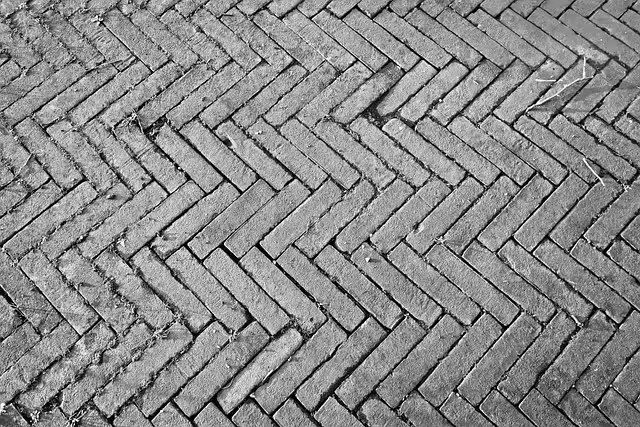
Beyond just the materials, the way those materials are arranged—the pattern and layout of your driveway design—is what truly defines its modern aesthetic. It’s about creating visual interest through simplicity, geometry, and thoughtful repetition. Here are some of the most effective layouts and patterns for a contemporary driveway design.
1. The Linear Look
This approach emphasizes straight lines and a sense of direction, which is a hallmark of modern design.
How it works: Instead of traditional brick shapes, think about using long, rectangular, plank-style pavers. These might be laid end-to-end to create continuous lines running the length of your driveway. Another common method is the “running bond” pattern, where rectangular pavers are laid side-by-side, but each row is offset by half a paver from the one next to it, creating a strong horizontal or vertical emphasis.
Why it’s modern: The linear look elongates the space, making your driveway design appear larger and more intentional. It creates a sense of order and precision, guiding the eye directly to your home. It’s minimalist and elegant, avoiding fussy or overly decorative patterns.
2. Geometric Grids
Geometric grids are all about creating a clean, structured appearance through repetition of simple shapes.
How it works: This typically involves using large square pavers and laying them in a straightforward, “stacked” pattern. This means each paver lines up perfectly with the one next to it, both horizontally and vertically, creating a clean grid. The key here is the precision of the installation and the uniformity of the grout lines. The gaps between the pavers are usually very thin, creating an almost seamless, expansive surface.
Why it’s modern: The simplicity of the grid is its strength. It’s understated, orderly, and very clean. This type of driveway design allows the material itself to be the star, emphasizing its texture and color within a perfectly organized framework. It’s a bold statement in its minimalism.
3. The Modern Herringbone
Herringbone is a classic pattern, but it can be given a fresh, modern twist by choosing the right materials and colors for your driveway design.
How it works: The herringbone pattern involves laying rectangular pavers in a zig-zag, “V” shape. Each paver is placed at a 90-degree angle to the next. Traditionally, this was often done with red brick. For a modern take, you would select pavers in contemporary colors—think deep charcoal, cool gray, or even a dark, rich brown. You could also achieve this effect with stamped concrete that mimics the herringbone pattern.
Why it’s modern: The modern herringbone takes a beloved, historically strong pattern and reintroduces it with a sleek color palette. It adds dynamic visual movement to the driveway design without being overly ornate. It’s a sophisticated choice that blends tradition with contemporary flair, offering excellent interlocking strength.
4. Mixed Materials
One of the most exciting aspects of modern driveway design is the ability to combine different materials, creating truly unique and customized looks. This adds texture, contrast, and visual interest.
How it works: Imagine large slabs of smooth, poured concrete as the main driving surface, bordered by strips of contrasting material. This could be dark, angular gravel contained by subtle edging, or even “inlays” of natural stone (like polished river rock or granite cobbles) set flush within the concrete. Another idea is to use one material for the main driving path and a different, perhaps more decorative, material for car parking areas or a perimeter accent.
Why it’s modern: Mixing materials creates a dynamic and highly custom driveway design. It breaks up large, monotonous surfaces and allows you to introduce different textures and colors. This approach highlights specific areas, adds an element of surprise, and truly makes your driveway unique. It’s a high-integrity custom look that speaks to careful planning and a designer’s touch.
Finishing with Precision: Landscaping & Lighting Integration
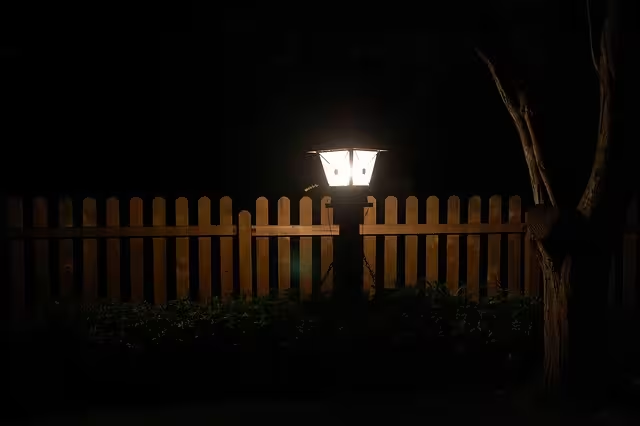
A truly successful modern driveway design doesn’t exist in isolation. It’s carefully integrated with its surroundings through thoughtful landscaping and strategic lighting. These elements are not afterthoughts; they are crucial components that enhance both the aesthetics and the functionality of your driveway.
Landscaping: The Modern Approach is Minimalist
When it comes to landscaping around a modern driveway design, less is often more. The goal is to complement the clean lines and geometric forms of the driveway, not to overwhelm them.
Borders: How you define the edge of your driveway design is important.
Clean, Low-Profile Concrete Curb: This provides a seamless transition from the driveway surface to the adjacent lawn or planting beds. It’s functional and visually understated.
Sharp Steel Edge: For a more industrial-chic or rustic-modern look, consider a steel edge. Corten steel, which develops a beautiful, rusty patina over time, is a popular choice.34 It creates a crisp, permanent line that separates materials and grounds the driveway design.
Hidden Edging: Sometimes, the best edge is one you barely see, allowing the driveway material to transition directly into a gravel path or a precisely manicured lawn.
Planting: The key here is to soften the hard edges of the driveway without creating clutter.
Xeriscaping: This approach uses drought-tolerant plants, which are perfect for a modern, low-maintenance aesthetic. Think about using ornamental grasses with architectural forms, such as Little Bluestem or Feather Reed Grass, which sway gently in the breeze. Succulents or agave can also provide striking, sculptural accents. These plants add texture and life without requiring excessive water or constant trimming, keeping your driveway design clean and defined.
Strategic Placement: Use small clusters of plants rather than dense, sprawling beds. The goal is to create defined zones that highlight the driveway, not distract from it. Avoid plants that shed a lot of leaves or fruit onto the driveway, which can cause stains or require constant cleaning.
Lighting: Function and Form
Proper lighting is essential for safety, security, and aesthetics, especially for a well-executed driveway design. Modern lighting solutions are often subtle, integrated, and energy-efficient.
In-pavement LEDs: These are small, durable LED lights that are recessed directly into the pavers or concrete of your driveway. They create a clean, high-tech look, marking the edges of the driveway or highlighting specific design elements. They provide subtle guidance without harsh glare, contributing to a sophisticated driveway design.
Bollard Lights: These are low-level, minimalist light posts that stand upright along the edges of the driveway. They are often sleek and cylindrical or rectangular, emitting a soft glow downwards and outwards. Bollard lights define the perimeter of your driveway design, enhancing safety and adding a touch of contemporary elegance.
Wash Lighting: This technique involves placing hidden light fixtures in nearby planting beds or at the base of trees. These lights cast a soft, diffused glow across the driveway surface, illuminating it indirectly. This creates a dramatic and welcoming effect, highlighting the texture of the driveway material without any visible light sources. It’s a very subtle yet powerful way to enhance your driveway design at night.
Path Lights: While traditional path lights can sometimes look dated, modern versions with sleek designs can effectively illuminate pedestrian pathways leading to the home from the driveway, ensuring safe passage.
By carefully integrating landscaping and lighting, your modern driveway design becomes more than just a place to park. It transforms into an inviting, safe, and visually stunning entryway that perfectly complements your custom home.
A Builder’s Note for the Tri-Cities Area
As someone who grew up in Kingsport and now lives in Johnson City, I have a deep understanding of the unique challenges and opportunities that building in the Tri-Cities area of Tennessee presents. When it comes to driveway design, our local climate plays a significant role in determining the most durable and long-lasting choices.
Our Climate Challenge (Johnson City, Kingsport, Bristol): The Freeze-Thaw Cycle
Our primary concern here in Eastern Tennessee is the freeze-thaw cycle. This refers to the repeated freezing of water and thawing of ice that happens frequently during our winters and early springs. Here’s why it’s such a threat to traditional paving:
Water Penetration: Small cracks, porous surfaces, or even microscopic gaps in paving materials allow water to seep in.
Freezing: When temperatures drop below freezing, this trapped water turns into ice. Water expands by about 9% when it freezes.
Expansion and Damage: This expansion exerts immense pressure on the surrounding paving material. Over many cycles, this pressure can cause existing cracks to widen, new cracks to form, and chunks of material to break off (a process known as spalling). It essentially destroys paving from within.
My Recommendation: Why Pavers Often Win in Our Climate
Given the prevalence of our freeze-thaw cycles, I often recommend a properly installed paver system for your driveway design, over a solid slab of concrete. Here’s why:
Deep, Well-Compacted Aggregate Base: The key to a successful paver driveway in our climate is the base. It needs to be a deep layer of crushed stone (aggregate), meticulously compacted in layers. This base provides excellent drainage, preventing water from pooling underneath the pavers and reducing the impact of freezing.
Flexibility and Movement: Individual pavers, unlike a monolithic concrete slab, are designed to allow for micro-movements. The sand (or polymeric sand) in the joints between the pavers provides this flexibility.40 If the ground shifts slightly due to frost heave or settling, the pavers can move a tiny bit without transferring that stress across a large, rigid surface. This greatly reduces the risk of large, unsightly cracks that often plague solid concrete driveways in our region.
Ease of Repair: If a small section of your paver driveway does get damaged—perhaps a severe pothole from an unexpected heavy load—it’s much easier and more cost-effective to remove and replace a few individual pavers than to cut out and re-pour a section of concrete.
If You Choose Poured Concrete:
While I lean towards pavers for their resilience in our climate, poured concrete can still be a viable and beautiful option for your driveway design, but with very specific requirements:
4000+ PSI Mix: Do NOT settle for a standard, lower-strength concrete mix. You need a high-strength concrete (4000 pounds per square inch or greater) with the right air-entrainment. Air-entrained concrete contains microscopic air bubbles that provide tiny spaces for water to expand into when it freezes, significantly reducing the risk of spalling. This is a non-negotiable specification for a durable concrete driveway in the Tri-Cities.
Meticulous Control Joint Placement: As mentioned earlier, control joints are deliberate cuts in the concrete that guide where cracks will form. For our climate, these need to be precisely planned and cut to control cracking effectively. I’m talking about more frequent and deeper cuts than you might see in warmer climates. Without careful planning and execution, your concrete driveway design will eventually succumb to the stresses of our weather.
Proper Sealing: A high-quality sealer must be applied to concrete regularly (every 3-5 years) to protect it from moisture penetration and de-icing salts, further guarding against the freeze-thaw damage.
Choosing the right material and ensuring proper installation based on our local conditions is paramount for a driveway design that not only looks great but also stands the test of time here in Johnson City, Kingsport, and Bristol. This isn’t just about aesthetics; it’s about sound engineering and competent construction practices.
Your Driveway Is an Investment in Competence
We’ve covered a lot of ground today, exploring the many facets of modern driveway design, from the aesthetic appeal of different materials to the practicalities of maintenance and the critical considerations for our local Tri-Cities climate. What should be clear by now is that your driveway is far more than just a patch of pavement; it is a meticulously planned system, an integral part of your custom home’s overall value and appeal.
A successful modern driveway design requires competent planning, precise installation, and a careful selection of materials chosen with integrity. It demands an understanding of both the art of design and the science of construction. Every decision, from the choice of pavers to the placement of control joints, contributes to its long-term performance and beauty.
Whether you envision the seamless elegance of architectural poured concrete or the intricate, durable grid of porcelain pavers, the final result should be a direct reflection of the quality and precision found throughout your custom home. It should be an extension of your home’s character, a welcoming path that hints at the excellence within.
My goal is to ensure your custom home, down to the very last detail of its driveway design, is built with the highest standards of competence and integrity. Let’s build something truly exceptional together.