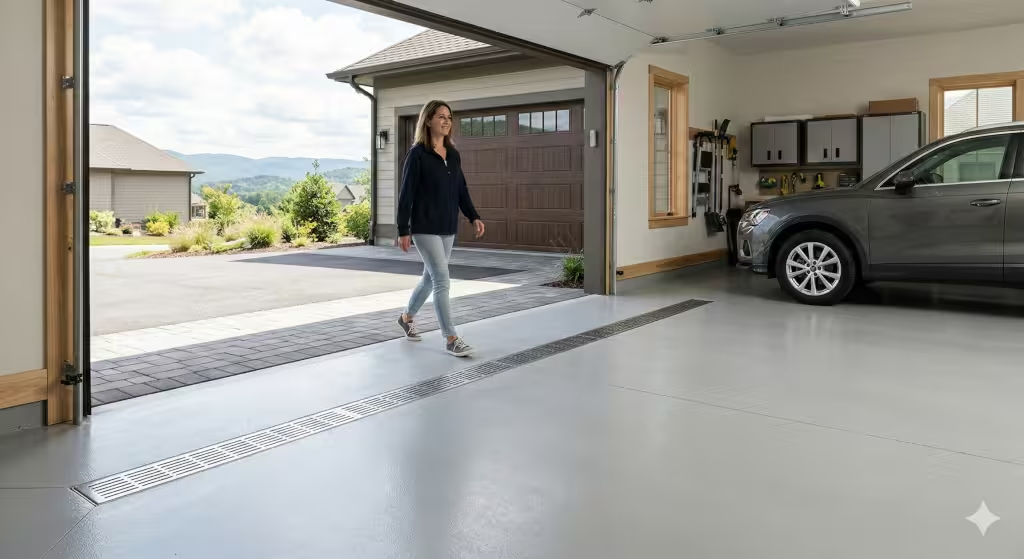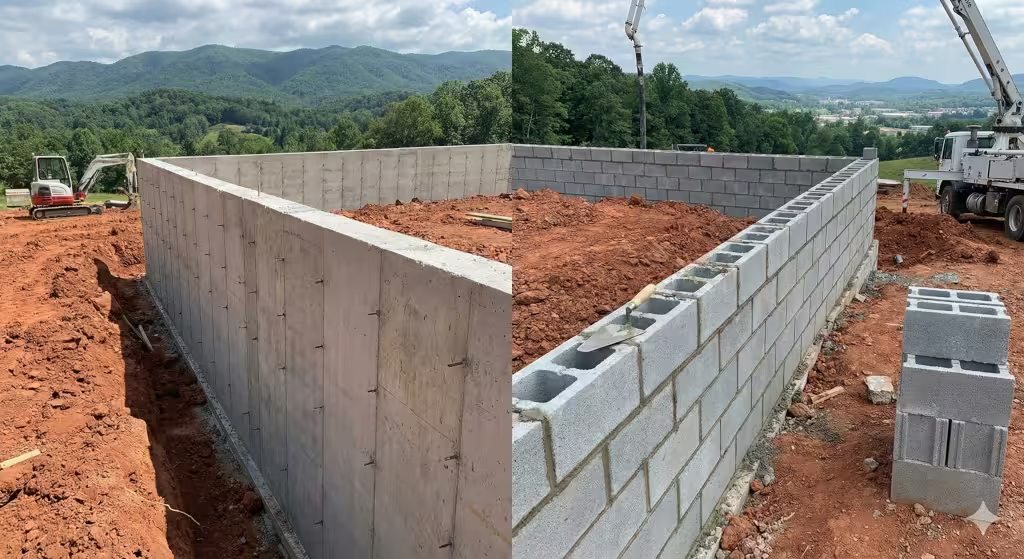

We know what it feels like to stand on a piece of land in Johnson City and imagine the life you are going to build there. You can almost see the kids running through the yard and hear the laughter in the kitchen. In the home building world, we know that the most important parts of your home are the ones you will never see once the drywall goes up.
You want a home that feels like a warm hug, but you also need it to be a fortress that protects your family from the elements. That is why we want to talk to you about cold form steel. It is a modern way of building that is changing how we think about our “forever homes” here in the Tri-Cities.
Historically, most people just used wood because that is what their fathers used. But times are changing. We live in a beautiful part of Tennessee, but our humidity and our pests can be hard on a house. If you are looking for a home that stays straight, stays strong, and keeps your family safe, you need to understand why cold form steel is becoming the top choice for smart buyers. It is about more than just metal and screws; it is about the peace of mind that comes from knowing your home was built with the highest level of precision possible.
What Exactly Are Houses with Cold Form Steel?
To understand why this material is so special, you have to look at how it is made. Most people think of big, heavy I-beams when they hear the word steel. That is hot-rolled steel, which is great for skyscrapers but too heavy for a regular home. Cold form steel is different. It starts as a flat sheet of high-quality steel that is coated in zinc to prevent rust. Then, a machine rolls it into shapes like studs or tracks at room temperature. This is where the name “cold form” comes from. Because the metal is not heated up to be shaped, it keeps all its strength and stays incredibly consistent.
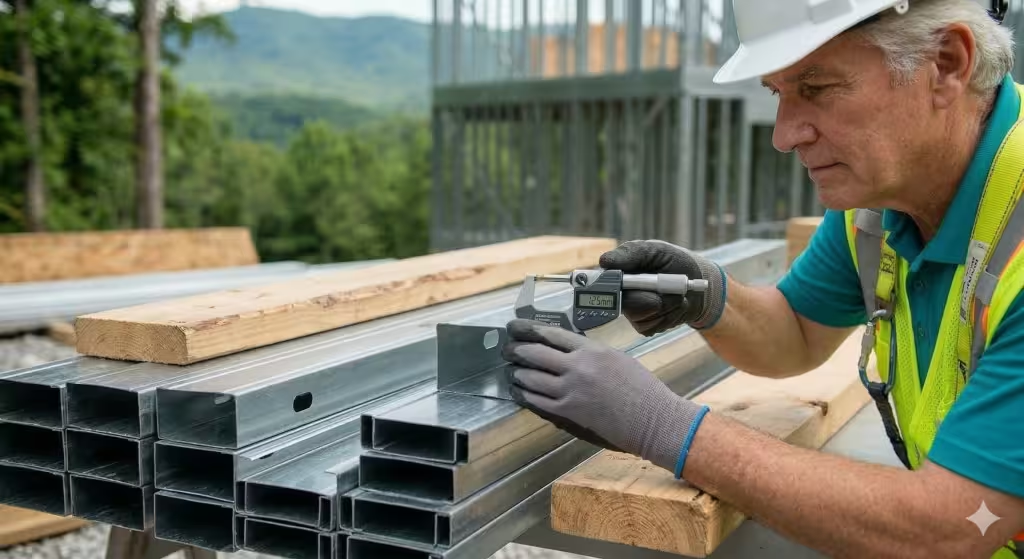
When we build with wood, we are dealing with a natural product. A piece of lumber can be curved, it can have knots, or it can shrink as it dries out. This leads to walls that aren’t perfectly straight or floors that eventually start to squeak. With cold form steel, every single piece is manufactured to be accurate within 1/32nd of an inch. That is thinner than a dime!
When your framing is that precise, everything else in the house goes together better. Your cabinets will hang straighter, your doors won’t stick, and your baseboards will meet perfectly in the corners. It is the kind of competence and precision that makes a house feel like a high-quality home the moment you walk inside.
The Key Benefits for the East Tennessee Climate
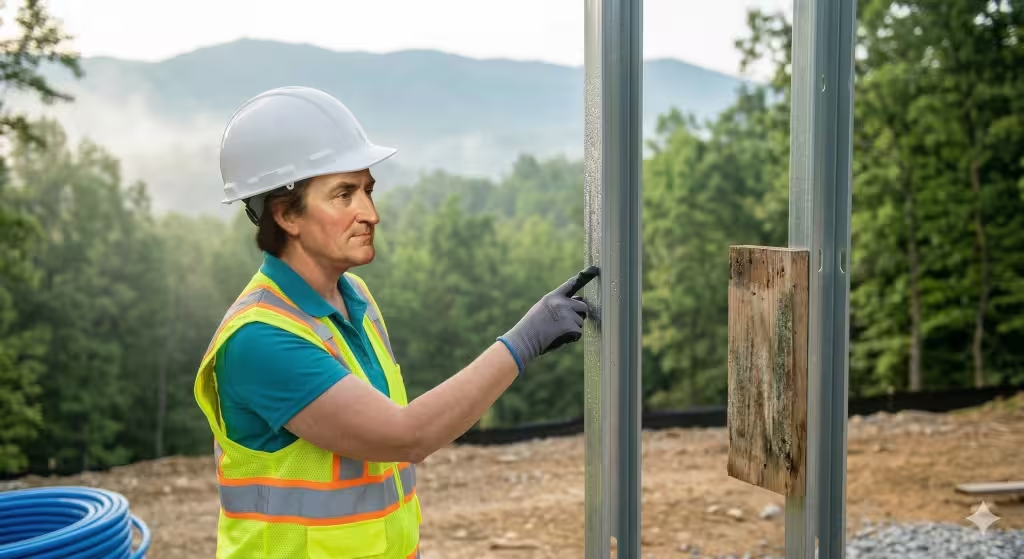
If you have lived in Northeast TN for a while, you know that our weather can be a bit of a roller coaster. We have beautiful summers, but the humidity can be thick enough to chew on. This moisture is the enemy of traditional wood homes. Wood absorbs water from the air, which can cause it to swell and rot over time. Cold form steel does not care about the humidity. It stays the exact same size whether it is a dry winter day or a muggy July afternoon. This means your house won’t “breathe” in a way that creates cracks in your drywall or gaps in your trim.
Another big concern for us in Tennessee is termites. If you have ever had to deal with a termite infestation, you know how stressful and expensive it can be. These little pests can eat through the structural heart of a wood home before you even know they are there.
But termites cannot eat metal. When you choose cold form steel for your framing, you are taking away their favorite snack. You won’t have to worry about the structural integrity of your walls being compromised by bugs. Plus, steel does not support the growth of mold or mildew. In a damp climate like ours, keeping your indoor air healthy is a big deal, and using materials that don’t rot is a huge step in the right direction.
What Exactly Are Houses with Cold Form Steel?
The Cost Equation: Is Steel More Expensive Than Wood?
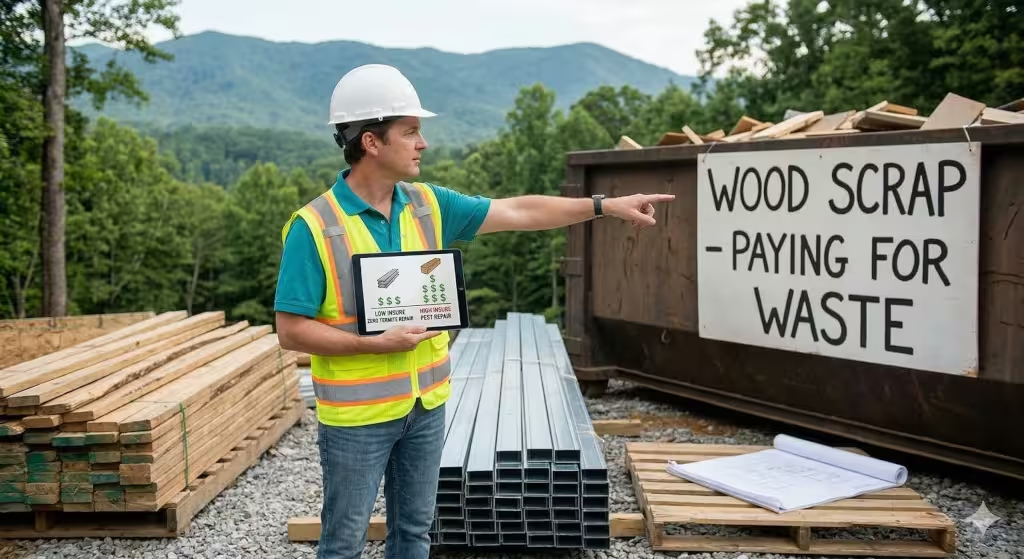
This is one of the questions that potential buyers ask most often. People want to do the right thing for their family, but they also have to stick to a budget. In the past, cold form steel was seen as a luxury item that only the most expensive homes could afford. But in today’s market, that is no longer the case. When you look at the price of a single steel stud compared to a wood stud, the steel might look a little more expensive at first. But a smart builder looks at the “total cost of the build,” and that is where the story changes.
First, let’s talk about waste. When a wood delivery shows up at a job site, a lot of those boards are warped or split. The carpenters have to spend time sorting through them, and a good portion ends up in the dumpster. You are paying for that waste! With cold form steel, every piece is usable. In fact, the steel framing systems are pre-cut at the factory to the exact length needed for your specific floor plan. This means there is almost zero waste on the site. You are only paying for the material that actually goes into your walls.
Second, you have to think about insurance. Because cold form steel is non-combustible, meaning it won’t burn, insurance companies often offer lower rates for the construction phase and for your permanent homeowner’s policy. Over the years you live in the house, those savings really add up. When you factor in the lack of future repairs for things like termite damage or warped walls, houses built with cold form steel often end up being the more affordable choice over the long haul.
Design Flexibility: Beyond the “Box”
One of the things we love most about working with cold form steel is the freedom it gives you to design the home of your dreams. Because steel is much stronger than wood, it can span longer distances without needing support columns. This is perfect for the “open concept” layouts that so many families want today. If you want a massive great room where the kitchen flows right into the living area without a big post in the middle, cold form steel makes that easy to achieve.
It also allows for beautiful architectural features like vaulted ceilings, large windows, and unique roof lines. Because the material is so light and strong, we can do things with cold form steel that would be very difficult or expensive with traditional lumber. Whether you want a sleek, modern look or a classic farmhouse style, steel provides the “bones” to make it happen with total confidence. You don’t have to settle for a boring layout just because of the limits of your building materials.
Navigating the Build: Process and Codes
When you decide to build with cold form steel, the process on the job site changes a bit. Instead of a large crew of people cutting wood all day, you often see a smaller, more focused team. The walls, floor joists, roof trusses, stairs, and treads are built in a factory as finished units. This is a very competent and precise way to work. It means your house can be “dried in,” meaning the roof and walls are up, much faster than a traditional build. This protects the inside of your home from the rain and wind sooner.
In the Tri-Cities, our local building inspectors are very familiar with cold form steel. It follows the same International Residential Code (IRC) that wood homes do, but it often exceeds the safety requirements for wind and fire. We always tell buyers that it is important to work with a builder who has experience with metal framing, or one that is willing to be trained in cold form steel. While it isn’t “harder” to build with, it does require a few different tools and a different mindset. You want a team that appreciates the precision of cold form steel and knows how to take full advantage of its strengths.
Sustainability: The Green Side of Steel
Another thing to think about is world we are leaving behind for future generations. One of the best things about cold form steel is how environmentally friendly it is. Steel is the most recycled material on the planet. Most of the steel used in your home likely came from recycled cars or old appliances. And if the house were taken down a hundred years from now, that steel could be recycled again into something else. It never loses its strength.
Building with cold form steel also means we are leaving more trees in the forest. It takes between 40 to 50 trees to build a standard wood-framed house. It only takes approximately six recycled cars to provide the steel for that same house. Additionally, because the steel is manufactured so precisely, any waste is recycled back to cold form steel. For a family that cares about their footprint, choosing cold form steel is a choice you can feel really good about. It is a way to build a high-performance home while being a good steward of our beautiful Tennessee land.
Frequently Asked Questions about Cold Form Steel
Does a steel house interfere with my Wi-Fi or cell phone signal?
This is a very common worry, but the answer is no. Think about it this way: you probably use your phone in big office buildings, hospitals, or malls all the time. Those are almost always built with steel, and your signal works just fine. The spacing of the cold form steel studs in a home is wide enough that it doesn’t block radio waves or internet signals. Your Netflix will stream just as fast in a steel home as it would in a wood one.
Is it hard to hang pictures on walls made of steel?
Not at all! You just use different hardware. Instead of a regular nail, you might use a small self-tapping screw or a picture hook designed for drywall. If you are hanging something very heavy, like a large TV, you just use a screw that is meant for metal studs. It is a simple change, and once you have the right tools, it is actually easier because you don’t have to worry about the wood splitting.
Will my house be louder if it is built with steel?
Some people worry that metal will echo or make a “clanging” sound. In reality, once the insulation and drywall are installed, a home built with cold form steel is often quieter than a wood one. Steel doesn’t shrink or move, so you won’t hear those “bumps in the night” caused by wood framing settling or floorboards rubbing together. It provides a very solid, quiet environment for your family.
Conclusion: Precision Meets Peace of Mind
At the end of the day, building a home is one of the biggest investments you will ever make. You want to know that you are getting the best value for your money and the safest environment for your loved ones. Cold form steel offers a level of quality that is hard to match. It stands up to the termites, it resists the mold, and it stays straight and true for a lifetime.
Over the years we have seen a lot of trends come and go. But the move toward cold form steel isn’t just a fad; it is a smarter way to build. It brings the precision of modern engineering into our homes, giving us structures that are as strong as they are beautiful. If you are planning to build in Johnson City, Kingsport, or anywhere in our beautiful Northeast TN area, I encourage you to look closely at this material. It is a choice that shows you value competence, integrity, and the long-term well-being of your family.
When you walk through the front door of your new home for the first time, you want to feel proud. You want to know that every stud and every beam was chosen with care. Choosing cold form steel is a way to ensure that the “bones” of your home are just as perfect as the memories you are about to create inside it.
A List of Local Suppliers of Cold Form Steel
Below are some of the best local partners to help you start your cold form steel journey. Whether you need a full framing kit, custom fabrication, or a builder who knows how to work with steel, these local Tennessee businesses are the top choices in our region.
Local Suppliers and Manufacturers of Steel Products
For those looking to source materials directly, these companies provide everything from steel panels to complete pre-engineered framing packages.
- JD Metals (Limestone, TN): This is a standout local choice. They offer FastFrame Cold Form Steel Structures, which include engineered wall panels, trusses, and joists. They are perfect for residential applications like single-family homes and “barndominiums.”
- Builders First Source (Bristol, Johnson City, Kingsport): While widely known for lumber, they are the primary local supplier for a vast range of professional building materials and can often facilitate specialty orders for steel components.