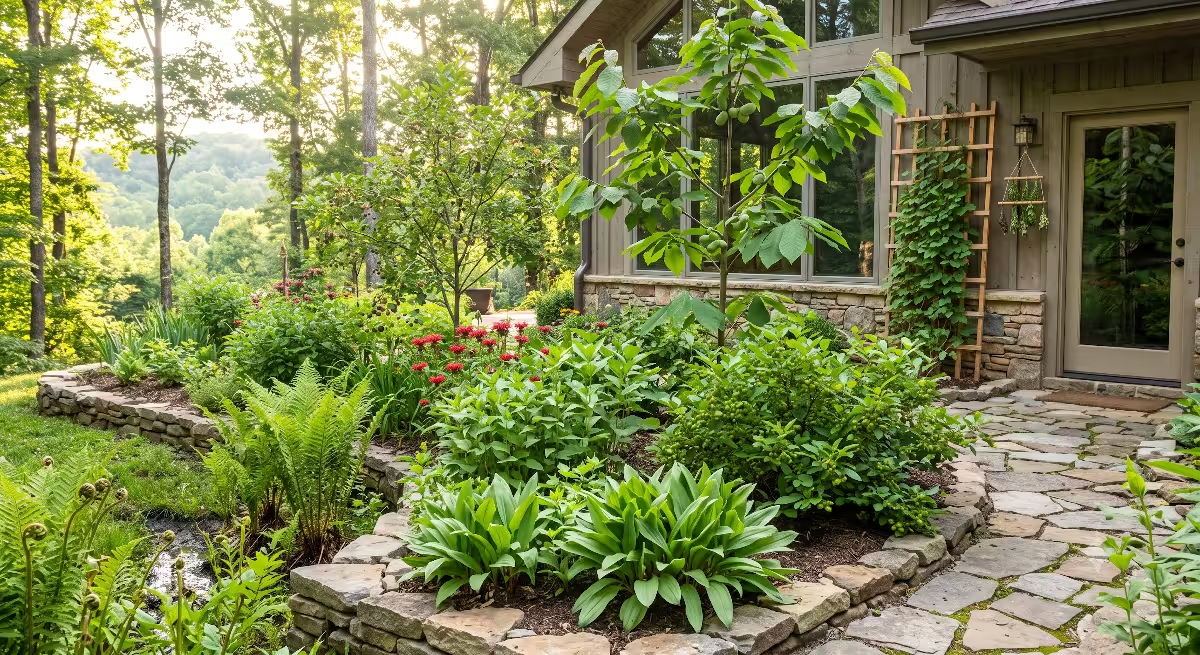


Building a custom home is a journey that starts with a dream and ends with a solid foundation. However, many owners in the Tri-Cities, struggle with a yard that feels like it does not belong. When you step out onto your back porch in the morning with a cup of coffee, you want to see a landscape that feels like a natural part of the Appalachian Highlands. You want a garden that reflects the strength and beauty of our local soil.
Many homeowners feel overwhelmed by the red clay and limestone that define our region. It can feel like nothing wants to grow here except for weeds. But that is where the magic of tennessee native plants comes in. These plants have spent thousands of years learning how to thrive in our specific weather and soil. They are the structural engineers of the natural world. They know how to handle a sudden late frost in April and a humid, baking sun in July.
We believe that a home is more than just four walls; it is how the building sits on the land. For the custom home buyer, the yard is often an extension of the living room. It is a place for children to play, for hosting family dinners, and for finding a bit of peace after a long day. By choosing tennessee native plants, you are not just planting flowers; you are building an ecosystem that works with you instead of against you.
Understanding Zone 7 in East Tennessee
Before we dig into the dirt, we have to understand the science of our home. Most of the Tri-Cities area ot Tennessee falls into USDA Plant Hardiness Zone 7. This zone is split into 7a and 7b. In our part of East Tennessee, we often deal with what I call “moody weather.” We can have a week of spring-like warmth in February followed by a biting freeze.
The geography here is known as the Ridge and Valley province. This means we have long, narrow ridges and deep, fertile valleys. Our soil is often a heavy red clay. If you have ever tried to dig a hole in August, you know it can feel like trying to cut through a brick. Underneath that clay, we have a lot of limestone. This makes our soil slightly alkaline in many spots, though some of our ridges can be more acidic.
Using tennessee native plants is the smartest move you can make for this environment. These plants have deep roots that can push through the clay. They do not mind the limestone. When we design a landscape for a new build, we have to think like an engineer. We look at the slope of the land and how the water moves. Native plants are the best tools for managing stormwater and keeping your topsoil from washing away into the Holston or Watauga rivers.
Strategic Plant Selection: Form, Function, and Foliage
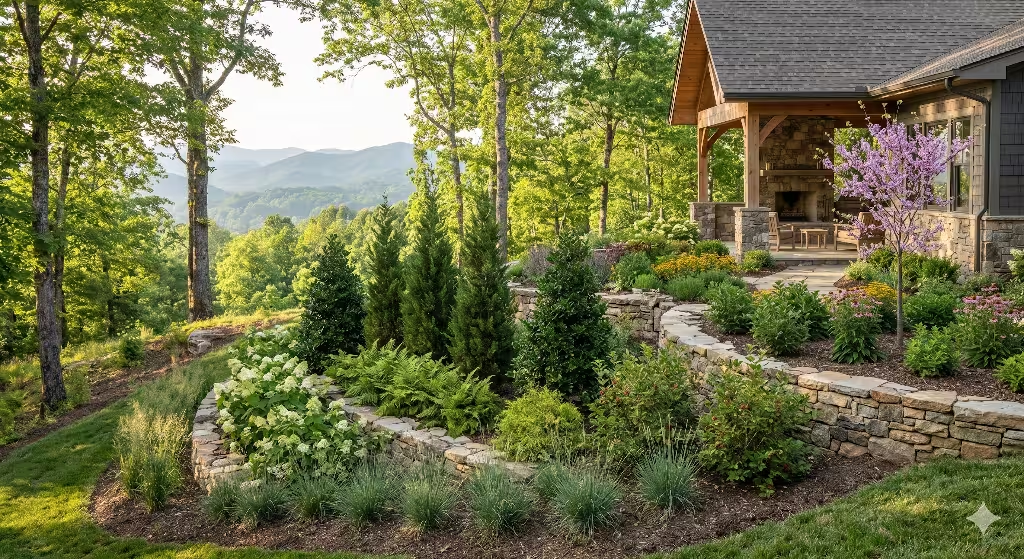
When builders talk to buyers about their home exteriors, they often tell them to think about “layers.” A good landscape needs a canopy, a mid-story, and a ground layer. This creates a sense of privacy and luxury that you just cannot get from a flat lawn.
Detailed Guide to Tennessee Native Trees
To really understand the value of tennessee native plants, we need to look closer at the trees that define our skyline. When you are standing on your new lot, look at the trees that are already there. If you are lucky enough to have an old White Oak (Quercus alba), keep it! A White Oak is a legacy tree. It can live for hundreds of years. It supports hundreds of types of caterpillars, which in turn feed the songbirds we love to hear in the morning.
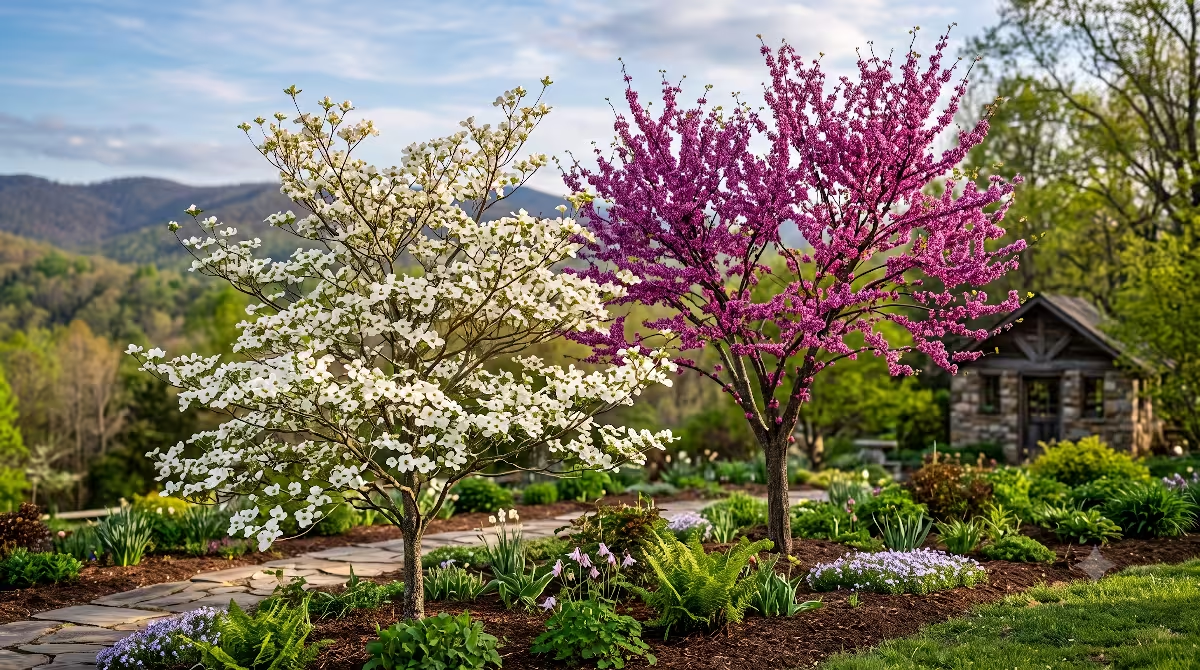
The trees are the bones of your property. They provide the shade that keeps your cooling bills down in the summer. One of our favorite Tennessee native plants that is a tree is the Eastern Redbud (Cercis canadensis). If you drive around Kingsport in the early spring, you will see those stunning purple-pink blooms hugging the branches before the leaves even appear. It is a small tree, so it won’t overwhelm a standard suburban lot.
If you need to plant new trees, consider the Red Maple (Acer rubrum). It grows relatively fast and offers a brilliant red color in the fall. We appreciate the Red Maple because it is very adaptable. it can handle the wet spots in your yard but doesn’t mind a bit of dry weather once it is grown. Using tennessee native plants like the Red Maple helps you create shade quickly, which is a big plus for a new house sitting in a sunny field.
Then there is the Flowering Dogwood (Cornus florida). This is a classic for a reason. It offers white or pink blooms in the spring and beautiful red berries in the fall. For a custom home, these trees add instant “curb appeal” that makes the house feel established and grounded.
Another great choice is the Serviceberry (Amelanchier arborea). It is a small tree that has three seasons of interest. It has white flowers in the spring, delicious berries in the summer (which you can eat or leave for the birds), and orange-red leaves in the fall. It is a very “feminine” tree in its delicate structure, making it a perfect accent near an entryway or a bedroom window.
If you have a shaded area, you must look at the Oakleaf Hydrangea (Hydrangea quercifolia). Unlike the blue hydrangeas that often wilt in our heat, the Oakleaf is a tough tennessee native plants choice. It has huge, white flower clusters and leaves that turn a deep, royal purple in the autumn. It provides a structural look that feels very modern yet classic.
The Beauty of Native Shrubs in Your Design
Shrubs are the “furniture” of your yard. They fill in the gaps and provide privacy. I often recommend Virginia Sweetspire (Itea virginiensis) to my clients. It is a low-growing shrub that has long, white flower spikes that smell wonderful. In the fall, the leaves turn a deep garnet red. It is one of those tennessee native plants that looks good almost all year round.
If you have a damp area near a gutter or a low spot in the yard, look at the Buttonbush (Cephalanthus occidentalis). It has unique, spherical white flowers that look like little planets. It loves “wet feet,” meaning it can handle soil that stays moist. This is a great example of using tennessee native plants to solve a problem in your landscape. Instead of fighting the water, you plant something that loves it.
For those who want an evergreen look, the American Holly (Ilex opaca) is a fantastic choice. It provides thick, green leaves and bright red berries all winter. It makes a wonderful natural fence. When we talk about tennessee native plants, we have to remember that “evergreen” doesn’t just mean pine trees. A holly hedge can be very formal and elegant, fitting perfectly with a high-end custom home design.
If you have a shaded area, you must look at the Oakleaf Hydrangea (Hydrangea quercifolia). Unlike the blue hydrangeas that often wilt in our heat, the Oakleaf is a tough tennessee native plants choice. It has huge, white flower clusters and leaves that turn a deep, royal purple in the autumn. It provides a structural look that feels very modern yet classic.
The Color Palette: Native Perennials
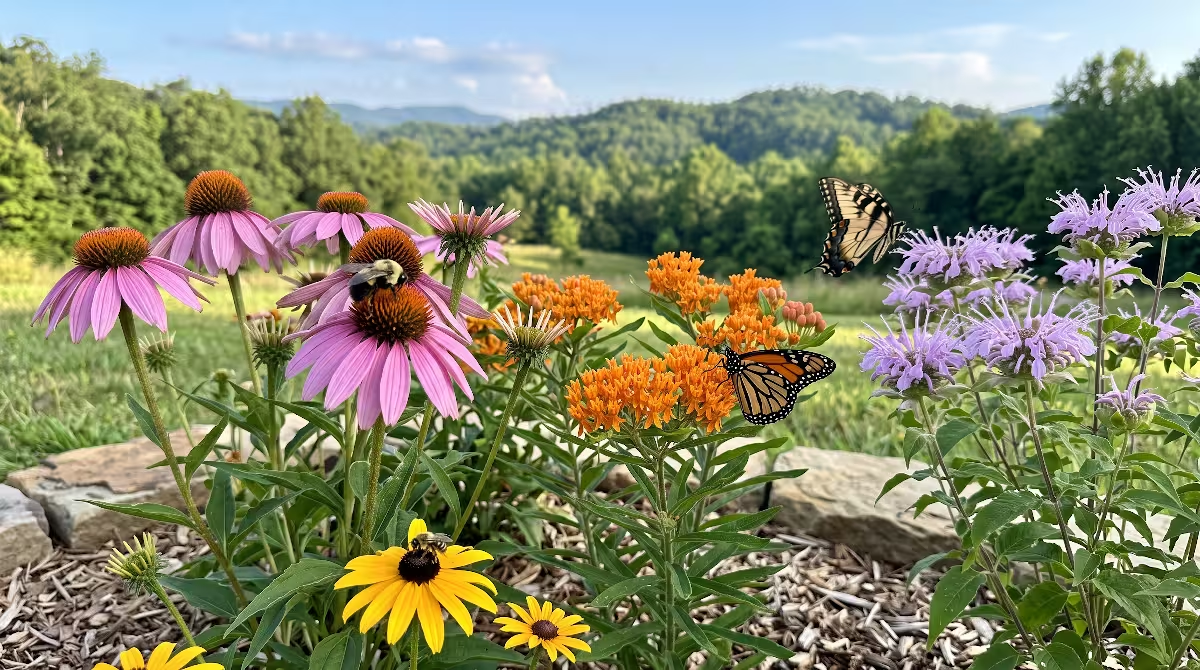
For the busy woman who wants a beautiful yard without spending every weekend weeding, perennials are the answer. The Purple Coneflower (Echinacea purpurea) is a powerhouse Tennessee native plant. It stands tall, survives the heat, and attracts butterflies. I love to see a big drift of these planted near a patio.
Another great choice is the Black-Eyed Susan (Rudbeckia hirta). These are cheerful, yellow flowers that bloom for a long time. They are very reliable in our clay soil. If you want to support our local environment, consider adding Butterfly Milkweed (Asclepias tuberosa). It has bright orange flowers and is the only food source for Monarch butterfly (Danaus plexippus) caterpillars. Including tennessee native plants like these ensures your garden is full of life and color from May through September.
For groundcovers, instead of using invasive ivy, try the Allegheny Spurge (Pachysandra procumbens) or Green-and-Gold (Chrysogonum virginianum). These tennessee native plants stay low to the ground and spread slowly to create a green carpet. They are perfect for those tricky spots under large trees where grass won’t grow. Using these plants shows a high level of competence in your gardening skills, as you are choosing the right tool for the job.
Designing for the Female Custom Home Buyer
When women design their homes, they often think about how a space feels and how it functions for the family. We want “outdoor rooms.” A patio is not just concrete; it is a place for morning yoga or evening wine. We can use tennessee native plants to create the “walls” of these rooms.
Imagine using tall native grasses like Little Bluestem (Schizachyrium scoparium) to create a soft, swaying screen around your hot tub. It gives you privacy but still feels airy. We also think about “sensory gardens.” This means choosing plants that smell good, like the Spicebush (Lindera benzoin), which has fragrant leaves and stems.
A well-designed native landscape also adds value to your home. It shows that the owner is thoughtful and that the property is sustainable. It reduces the need for expensive fertilizers and constant watering. In the building industry, we call this “low-maintenance luxury.” It gives you the look of a high-end estate with a much smaller workload.
What are the best low-maintenance native plants for TN?
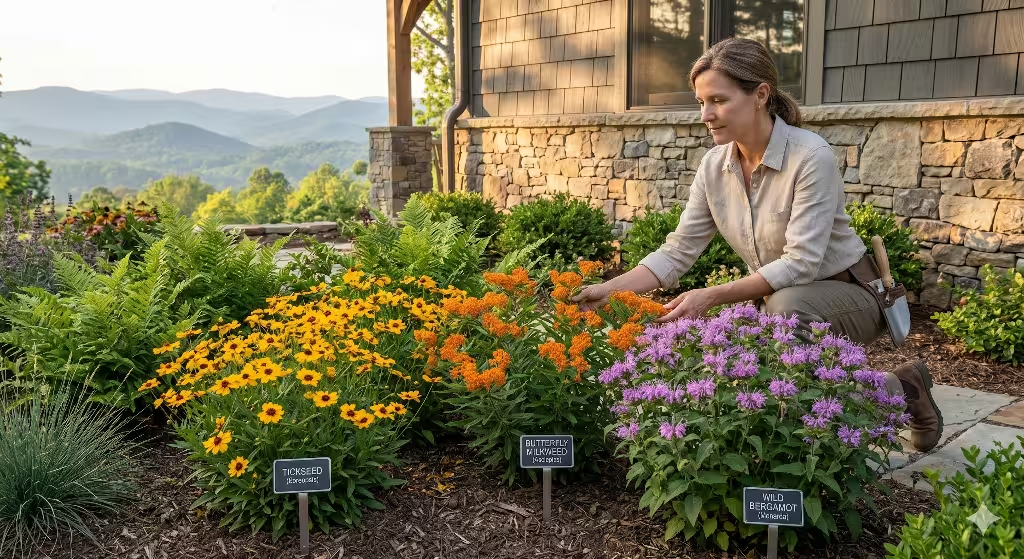
People often iquire about which Tennessee native plants are the easiest to care for. If you are looking for “set it and forget it” beauty, I recommend the Aromatic Aster (Symphyotrichum oblongifolium). It stays small and blooms in the late fall when everything else is turning brown. It provides a burst of purple that looks amazing against the fall leaves.
Another low-maintenance winner is the Coralberry (Symphoricarpos orbiculatus). This is a small shrub that handles shade and poor soil with ease. It produces pretty pink berries that stay on the plant through the winter. Using tennessee native plants like these means you spend less time worrying about your yard and more time enjoying your home.
What plants are native to Zone 7 Tennessee?
Our list is actually very long because Tennessee is one of the most biodiverse states in the country. For Zone 7, you can choose from hundreds of species. Some of the most common include the Tulip Poplar (Liriodendron tulipifera) (our state tree), the Wild Columbine for shady spots, and the Joe Pye Weed (Eutrochium spp.) for sunny, damp areas.
When you are picking out your tennessee native plants, you should group them by their needs. Put the “water-loving” plants in the low spots of your yard where rain collects. Put the “sun-worshippers” on the south-facing side of your house. This is what we call “precise planting,” and it ensures your landscape stays healthy for years to come.
When should I plant native plants in Tennessee?
In the Tri-Cities, the best time to plant is actually in the fall. Many people think spring is the only time for gardening, but our fall weather is perfect for root growth. When you plant in October or November, the soil is still warm, but the air is cool. This allows the tennessee native plants to establish their root systems before the harsh summer heat hits.
If you must plant in the spring, try to do it early, around late March or early April. Just be prepared to water them more often during their first summer. Once these plants are established, they are very drought-tolerant, but they need a little help during that first year in the ground.
Are Tennessee natives deer-resistant?
This is a big question for anyone building near the ridges in Johnson City or Bristol. The deer can be quite the garden pests! While no plant is 100% “deer-proof” if the animals are hungry enough, many tennessee native plants are less tasty to them.
Plants with strong scents or fuzzy leaves are usually avoided. This includes things like Bee Balm (Monarda spp.), Ferns, and the American Beautyberry (Callicarpa americana). The Beautyberry is especially fun because it has bright purple berries that birds love, but deer usually leave alone. Selecting deer-resistant tennessee native plants is a key part of protecting your landscaping investment.
Creating a Master Plan for Your Yard
If you are just starting your home building journey, don’t wait until the house is finished to think about the yard. We like to see a “landscape master plan” right from the beginning. We can look at where the sun hits the house at noon and where the wind blows the hardest in the winter. We can then place our tennessee native plants in a way that provides the most benefit.
For example, planting a large shade tree on the western side of your house can significantly lower your air conditioning costs. Placing a thick evergreen hedge on the north side can block the cold winter winds. This is how we use tennessee native plants as part of the home’s “energy envelope.” It is a smart, precise way to build.
Sourcing Your Plants in the Tri-Cities
Finding the right tennessee native plants can sometimes be a challenge if you only go to the big-box stores. They often sell plants that are grown in other parts of the country and might not be suited for East Tennessee. We always encourage homeowners to visit local native plant nurseries. They have experts who live right here and understand our unique conditions.
When you buy from a local source, you are getting plants that are “genetically programmed” for the Tri-Cities. They have experienced our humidity and our winter freezes. This increases your success rate significantly. Supporting local businesses is also one of my core values. It keeps our community strong and ensures we have experts available to help us for years to come.
Legal & Development Considerations in the Tri-Cities
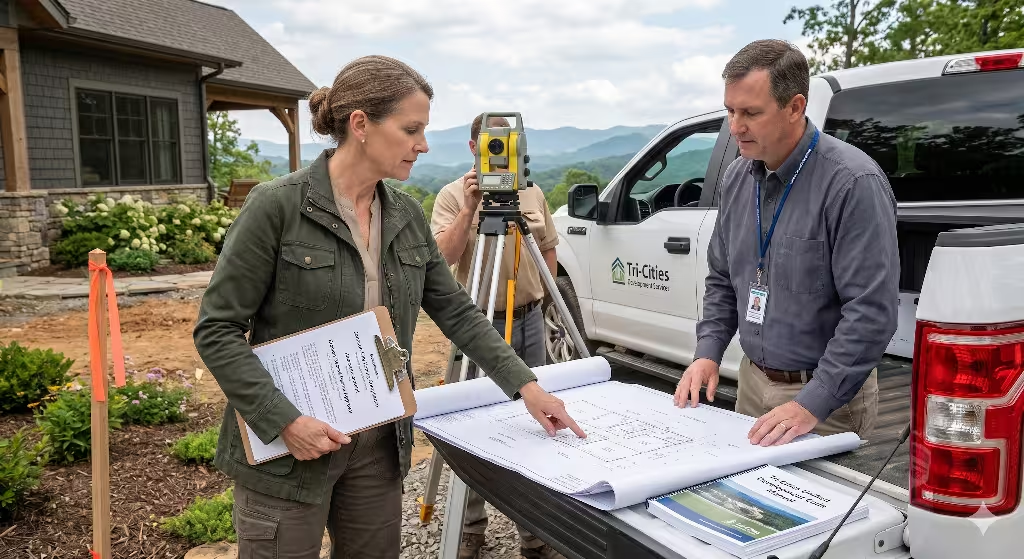
Now comes the “boring” stuff that is actually very important. Every city in our area has different rules. In Johnson City, for example, there are codes about how high your grass can grow. Usually, it must be under 12 inches. However, the city makes exceptions for “ornamental vegetation” and managed native gardens. but it can often be frustrating and inconsistent.
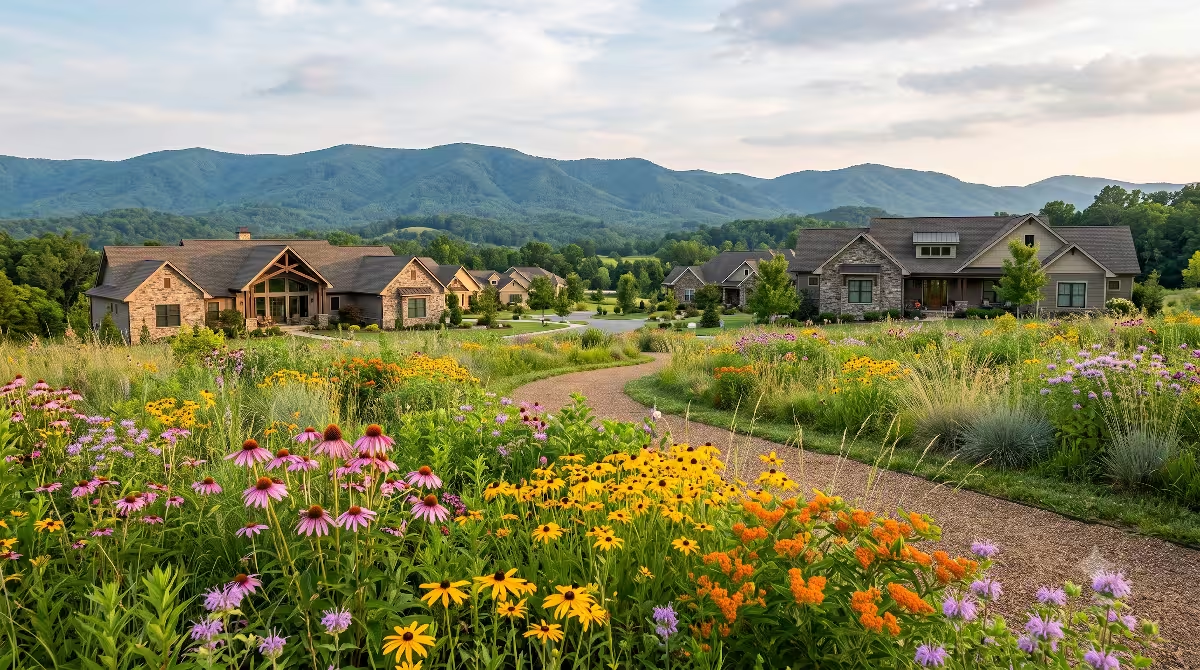
If you live in a neighborhood with a Homeowners Association (HOA), you need to be careful. Some HOAs have a “turf-only” mindset. When builders work with buyers, they try to help them explain to the HOA board that tennessee native plants can look very formal and neat. You can use native shrubs as hedges and plant wildflowers in defined beds with clean edges. This makes the garden look intentional rather than messy.
We also have to think about grading and drainage. Our hilly terrain means that water runoff can be a major issue. Using tennessee native plants on slopes is a great way to prevent erosion. Their deep roots hold the soil in place much better than a standard lawn. This can save you from expensive foundation repairs or landscape washouts down the road.
A Home That Lives in Harmony
Choosing to use tennessee native plants is a sign of a competent and precise homeowner. It shows that you care about the integrity of the land and the future of our beautiful Tri-Cities region. Whether you are building a new custom home in a quiet holler or renovating a classic house in a historic district, the plants you choose make all the difference.
We hope this guide helps you feel more confident as you plan your outdoor space. There is something truly special about seeing a Swallowtail butterfly (Papilio glaucus) land on a flower that was meant to be here. It connects us to the history of Tennessee and creates a legacy of beauty for the next generation.
By embracing tennessee native plants, you are ensuring that your home is not just a building on a lot, but a true part of the landscape. It is about creating a place where you can relax, grow, and feel at home in the Appalachian Highlands.
Quick Guide: Top 5 Tennessee Native Plants for Curb Appeal
If you are looking for a quick place to start, here are my top five picks for immediate impact:
Eastern Redbud: For that stunning early spring color that everyone in the neighborhood will notice.
Oakleaf Hydrangea: For high-end, structural beauty and incredible fall foliage.
Purple Coneflower: For reliable, long-lasting summer blooms that attract butterflies.
Little Bluestem: For modern texture and a beautiful golden color in the winter months.
American Beautyberry: For a unique pop of purple in the fall that serves as a great conversation starter.
Using these tennessee native plants will give your home an instant boost in style and sustainability. Remember, a great home starts with a great foundation, and that includes the plants in your soil. Happy building and happy planting!
Tri-Cities TN Home Tip: Always check your local city ordinances in Johnson City, Kingsport, or Bristol before starting a major landscaping project. If you are in an HOA, present them with a professional-looking plan that highlights the beauty and benefits of tennessee native plants. They are much more likely to approve your project if they see that it will enhance the neighborhood’s value and look.
As we continue to grow and develop the Tri-Cities, let’s do it in a way that respects our natural environment. We have a responsibility to build homes that are not only beautiful but also responsible. By focusing on tennessee native plants, we can create a future where our modern lives and our ancient mountains live together in perfect harmony.