On a Tuesday afternoon in Kingsport, the sky had turned that deep, bruised purple we often see right before a heavy Appalachian downpour. You were standing in a muddy trench at a job site, looking at your foundation that was just about to be backfilled. Then you remembered that water is a patient and persistent visitor. It doesn’t ask for permission to enter your home; it simply waits for the smallest invitation.
If you are building your dream home here in East Tennessee, or perhaps you are finally ready to finish that basement in Johnson City, you are likely hearing a lot of technical terms. One of the most important debates you will encounter is the choice between positive side vs negative side waterproofing. It sounds like something out of a physics textbook, but it is actually a very simple concept that determines whether your home stays dry and healthy or becomes a damp, moldy headache for your family.
When builders talk to their clients, especially the women who are often the ones managing the health and atmosphere of the household, they explain that your foundation is the feet of your home. If your feet are wet, your whole body feels miserable. In our region, with our heavy spring rains and the way our red clay holds onto moisture like a sponge, getting this right is non negotiable. Our goal today is to help you understand these options. We are going to look at the differences, the costs, and the long term effects on your living space. By the time we are done, you will feel like an expert on positive side vs negative side waterproofing.
Defining the Terms: Positive vs Negative
To start our journey, we need to define our terms clearly. When builders talk about the “side” of waterproofing, they are talking about where the barrier is located in relation to the water and the wall.
Imagine you are standing outside in a rainstorm. If you put on a high quality raincoat, the water hits the coat and slides right off. Your skin and your clothes underneath stay perfectly dry. This is exactly what we mean when we talk about positive side waterproofing. The waterproof material is applied to the outside of the foundation wall. It is the first thing the water touches. Because the barrier is on the outside, the water never even gets the chance to touch the concrete.
Now, imagine that same rainstorm, but instead of a raincoat, you are wearing a special waterproof undershirt. Your skin stays dry, but your sweater and your coat get soaking wet. This is the concept behind negative side waterproofing. The waterproof material is applied to the inside of the wall. The water travels through the soil, pushes against the concrete, and actually moves through the concrete wall until it hits that inside layer. Your room stays dry, but the wall itself is wet.
Understanding positive side vs negative side waterproofing starts with this simple visual. One keeps the house dry by keeping the wall dry. The other keeps the room dry by stopping the water after it has already entered the wall.
Positive Side Waterproofing: The First Line of Defense
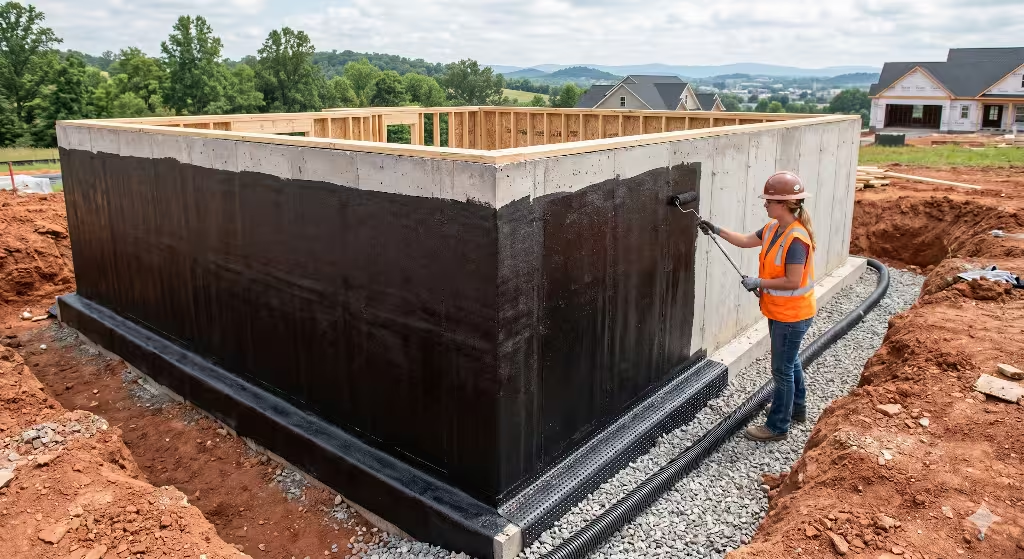
When we are building a custom home from the ground up, we have a golden opportunity. We have an open excavation, meaning the dirt has been pulled away from the foundation. This is the perfect time to install the best protection possible. In the industry, we call this the first line of defense.
Positive side waterproofing involves several layers of materials. First, we often apply a liquid membrane or a thick sheet of rubberized material directly to the clean concrete. Then, we add a drainage board, which looks a bit like a giant sheet of plastic bubble wrap. This board creates a small space for water to fall straight down to the footer drains instead of sitting against the wall.
The technical beauty of this system is that it uses the pressure of the water to its advantage. When the wet soil pushes against the house, it actually presses the waterproof membrane tighter against the concrete. It creates a seal that is incredibly difficult to break. Because the water never enters the concrete, you don’t have to worry about the steel bars inside the wall rusting over time. You also don’t have to worry about the concrete cracking from the inside due to water pressure.
The main challenge with this method is that it can only be done easily during new construction. If you want to add it to an existing home, you have to dig up your entire yard, move your landscaping, and potentially disrupt your porches or sidewalks. It is a big job. However, when we look at the long term health of a home, the investment in positive side vs negative side waterproofing usually points toward the exterior as the most competent choice for a new build.
Negative Side Waterproofing: The Interior Guard
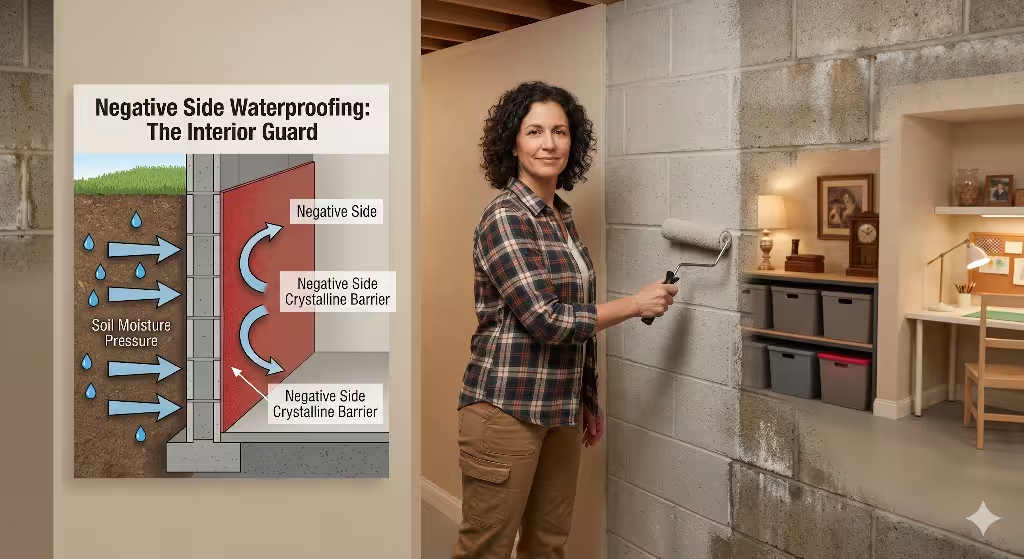
Life happens, and sometimes we buy a home that wasn’t built with a perfect exterior seal, or perhaps an old seal has failed after fifty years. This is where we look at the interior guard. Negative side waterproofing is the process of treating the walls from inside the basement or crawlspace.
Typically, we use materials like cementitious coatings or crystalline sprays. These products are fascinating because they actually find the tiny pores in the concrete and grow crystals inside them to block water. It is a very direct way to handle a problem when you cannot get to the outside of the wall.
Many homeowners prefer this because it is much less disruptive. You don’t have to bring an excavator into your backyard or tear up your rose bushes. You can do it in any weather, even in the middle of a Tennessee winter. It allows you to see exactly where the water is trying to come in and address it right there.
The trade-off, however, is significant. Because the water is still entering the concrete from the outside, the wall itself stays damp. Over many years, this can cause the concrete to slowly weaken. You might also see a white, crusty powder forming on the walls. This is called efflorescence. It happens when water moves through the concrete and brings minerals with it. While it isn’t dangerous, it can be a sign that your wall is working very hard to hold back the moisture. When comparing positive side vs negative side waterproofing for a repair, the interior option is often the most practical, even if it isn’t the most ideal for the structure itself.
Technical Breakdown of Materials
Over the years there have been a lot of products that come and go. When we talk about positive side vs negative side waterproofing, the materials used are very different because they have to handle different types of stress.
For the exterior, or positive side, we use materials that are flexible. The ground moves, and homes settle. We need a membrane that can stretch without tearing. We often use polymer modified bitumens or thick liquid rubbers. These are “rubbery” and can bridge small cracks that might develop as the home finds its seat in the soil. They are designed to withstand the chemicals found in the earth and the constant pressure of the wet ground.
For the interior, or negative side, we need materials that are rigid and can bond incredibly strongly to the concrete. Since the water is trying to push the coating off the wall, the material has to “dive” into the concrete. Crystalline technology is the leader here. These materials react with the moisture and unhydrated cement particles to form a non soluble crystalline structure. It basically becomes part of the wall.
It is important to know that you cannot usually use an exterior product on the inside. If you paint a rubbery exterior coating on the inside of your basement, the water pressure from behind will simply cause it to bubble and peel off. This is why understanding the science behind positive side vs negative side waterproofing is so important. You have to use the right tool for the right side of the wall.
When to Use Which Method
Choosing between these two depends entirely on your situation.
If you are building a new custom home, the answer is almost always to focus on the exterior. It is your only chance to protect the structural concrete from the very beginning. You are investing a lot of money into your foundation; it makes sense to keep it dry. In a new build, the cost difference is relatively small compared to the total price of the house.
If you are renovating an older home in an established neighborhood like downtown Kingsport, you might not have the space to dig outside. Maybe your neighbor’s house is only ten feet away, or you have a beautiful old oak tree that would die if you disturbed its roots. In these cases, negative side waterproofing is a lifesaver. It gives you a dry, usable basement without destroying the character of your property.
We also look at the intended use of the space. If you are planning to build a high end home theater or a library full of expensive books, I would argue for a “belt and suspenders” approach. This means using positive side vs negative side waterproofing together. You protect the outside as the primary barrier and then treat the inside as a secondary backup. It provides a level of precision and security that gives you total peace of mind.
Comparing Costs and Labor
Money is always a factor in home building, and we believe in being direct and professional about the budget. When we look at positive side vs negative side waterproofing, the cost structure is very different.
Positive side waterproofing has a higher upfront cost for labor. You have to pay for the excavation, the application of the membranes, the drainage boards, and the specialized gravel and pipe systems at the footer. However, once it is done, it rarely needs maintenance. It is a “set it and forgotten it” type of system that protects your biggest investment for decades.
Negative side waterproofing is usually cheaper in terms of initial labor because you are working in a controlled environment inside the home. You don’t need heavy machinery. However, the materials themselves can be quite expensive. Also, because the wall is still exposed to water, you might need to reapply the coating or fix small areas if the foundation settles and new cracks appear.
In the long run, spending a bit more on the positive side during construction will save you thousands of dollars in potential repairs and mold remediation later. But if you are in a situation where the damage is already done, the interior path is a very cost effective way to reclaim your home from the dampness. Comparing the value of positive side vs negative side waterproofing is about looking at the next thirty years, not just the next thirty days.
The Homeowner Experience and Maintenance
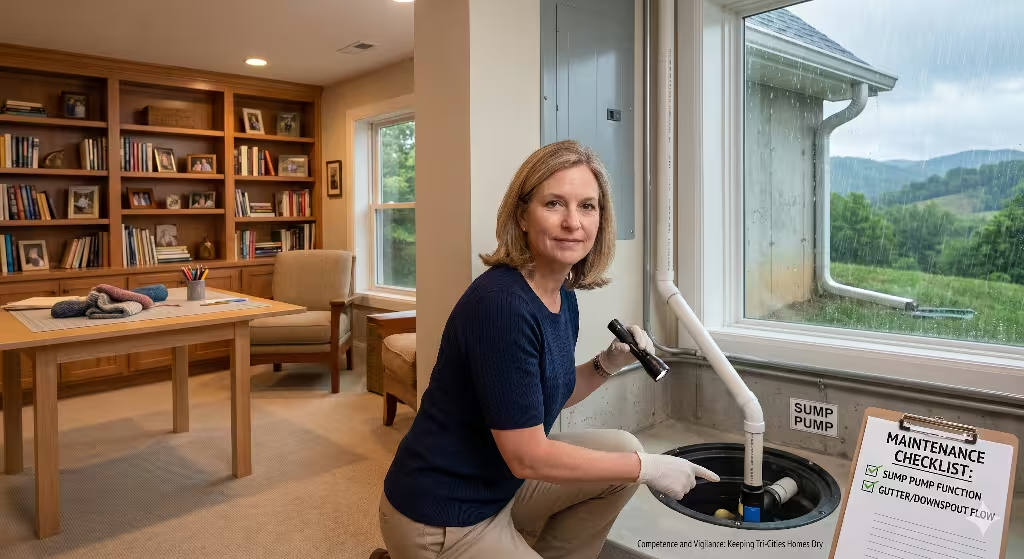
We want you to imagine living in your home five years from now. A big storm rolls through the Tri-Cities, and you hear the rain drumming on the roof.
If you have a strong positive side system, you don’t even think about the basement. You know the water is hitting that membrane and flowing harmlessly away into the drainage system. The air in your home feels crisp and dry. There is no musty smell. Your maintenance is simply making sure your gutters stay clean so that the water isn’t pouring directly onto the ground next to your foundation.
If you have an interior system, you might feel a little more nervous during a flood. You might go downstairs to check and make sure no new damp spots have appeared. You will want to keep an eye on the walls to make sure the coating isn’t flaking. If you see a wet spot, you can fix it yourself with a small kit, which is a nice “do it yourself” aspect for those who like to be hands on.
Many homeowners appreciate a home that stays quiet and dry so they can focus on their hobbies. Whether you choose positive side vs negative side waterproofing, the goal is the same: to remove the stress of water from your daily life. A home should be a sanctuary, not a source of worry.
Why Positive Side is the Gold Standard
In the building world, we often talk about the “gold standard.” This is the best possible way to do something, regardless of the effort required. When it comes to foundation health, positive side is that standard.
The reason is simple: concrete is porous. If you look at concrete under a microscope, it looks like a sponge. It has tiny tunnels that allow water to move through it via something called capillary action. When water sits in those tunnels, it can cause the concrete to expand and contract. Over many years, this weakens the foundation.
By choosing the exterior approach, you are keeping the concrete in a stable, dry environment. This is much better for the longevity of the structure. It also prevents soil gases like radon from entering through the pores of the concrete as easily. When we compare positive side vs negative side waterproofing, we aren’t just talking about water; we are talking about the total environment of the home. The positive side handles the water, the soil pressure, and the chemical protection all in one go.
Why Negative Side is a Practical Necessity
Even though we love the technical perfection of the exterior approach, we still have a deep respect for the interior approach. It is often the only thing standing between a family and a ruined basement.
In many parts of Johnson City, we have beautiful historic homes. These houses were built before modern membranes existed. For these homeowners, the interior guard is a miracle. It allows them to turn a dark, damp cellar into a bright workshop or a playroom for the kids. It is accessible. You don’t need a degree in engineering to understand how to apply an interior coating.
It also works well in “blind side” situations. This is when a home is built right up against a property line or another building. There is literally no room to get an excavator in to do an exterior job. In these tight urban spots, the debate of positive side vs negative side waterproofing is settled by the reality of the land. We use what we can reach, and we do it with as much precision as possible.
Answers to Questions about Positive Side vs Negative Side Waterproofing
When builders are out networking with other experts or talking to families at home shows, they get asked the same few questions about positive side vs negative side waterproofing. Let’s look at those from an expert’s point of view.
First, buyers ask, “Is one side always better than the other?” The answer is that positive side is technically superior for the structure, but negative side is often superior for the budget and the reality of a repair. If I were building my own home today, we would 100 percent use the positive side. But if we bought a 1920s bungalow with a wet wall, we would be very happy to use a high quality interior crystalline product.
Second, “Can I do this myself?” Exterior waterproofing is a major construction project involving heavy machinery and safety risks. It is not a weekend project. Interior waterproofing, however, is something a very handy homeowner could tackle with the right products and a lot of elbow grease. You have to be very careful to clean the concrete perfectly, or the coating won’t stick.
Third, “Does it stop mold?” Both systems help stop mold by keeping the interior air dry. However, the positive side is better at stopping the dampness that lives inside the wall, which can sometimes lead to hidden mold behind drywall. In the battle of positive side vs negative side waterproofing, both are allies in the fight for better air quality.
The Tri-Cities Advantage: Local Considerations
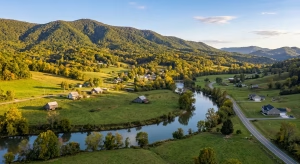
Living in the Tri-Cities means dealing with specific geological challenges. We live in an area with “karst” topography. This is a fancy way of saying we have a lot of limestone and underground drainage paths. This can lead to sinkholes or unexpected underground streams.
Our soil is also heavy in red clay. Clay is very dense and holds onto water for a long time. Unlike sandy soil, which lets water drain away quickly, clay keeps the water pressed right against your foundation walls. This creates a lot of hydrostatic pressure. This pressure is the force that pushes water through the tiny holes in your concrete.
Because of this pressure, homeowners need to be extra diligent. A simple coat of “foundation paint” isn’t enough in Tennessee. You need a system that can handle the weight and the persistence of our wet clay. When you are looking at positive side vs negative side waterproofing in our area, you have to think about that red clay. It stays wet for days after a storm, meaning your foundation is sitting in a “bath” of water longer than it would in other parts of the country.
Home as a Sanctuary
For many women homeowners, a house isn’t just a project; it is the place where memories are made. It is where you keep your old photo albums, your holiday decorations, and where your children crawl on the floor.
When a basement leaks, it isn’t just a technical failure. It is an emotional one. It creates stress. You worry about the smell of mildew. You worry about the health of your family’s lungs. You worry about the value of your home when you eventually want to sell it.
We prioritize the waterproofing because we want you to have peace of mind. We want you to be able to finish your basement and put down nice carpet and furniture without ever worrying that a big storm will ruin it all. When we explain positive side vs negative side waterproofing, we are really explaining how to protect your peace. Whether we are stopping the water outside or inside, we are doing it so you can focus on what really matters, your family and your life.
The Role of Drainage Systems
Waterproofing is only half of the story. The other half is drainage. No matter which side you choose, you have to give the water somewhere to go.
On the positive side, this involves “French drains” at the bottom of the wall. These are pipes with holes in them, surrounded by gravel. They catch the water as it falls down the drainage board and carry it away from the house using gravity.
On the negative side, we often combine the wall coating with an interior perimeter drain. This is a trench cut into the floor inside the basement. It catches any water that might sneak under the wall or through the floor and sends it to a sump pump. The sump pump then kicks the water out of the house.
In the discussion of positive side vs negative side waterproofing, remember that the “barrier” (the waterproofing) and the “exit” (the drainage) must work together. A barrier without a drain will eventually fail because the water pressure will just keep building up until it finds a way in.
How to Talk to Your Contractor
If you are hiring a builder or a repair specialist, you need to be prepared to ask the right questions. Being precise and competent in your communication will ensure you get the best result.
Ask them, “Which side are you proposing to waterproof, and why?” If they suggest the negative side for a new build, ask them why they aren’t recommending the exterior. Sometimes they are trying to save money, but you might want to spend that extra bit for the added protection.
Ask about the specific materials. Are they using a simple “damp proofing” spray (which is just a thin layer of asphalt) or a true “waterproofing” membrane? There is a big difference. Damp proofing only stops soil moisture, while waterproofing stops actual liquid water under pressure.
Finally, ask about the warranty. A good contractor should stand behind their work for many years. Because positive side vs negative side waterproofing involves such different risks, the warranties might look different. Make sure you understand what happens if a leak appears in five years.
Environmental and Health Impacts
We are becoming much more aware of the chemicals we bring into our homes. This is another area where the choice of positive side vs negative side waterproofing matters.
Positive side materials are on the outside of the home. Once they are covered with dirt, they have very little impact on the air you breathe inside. They are tough, industrial products designed for the outdoors.
Negative side materials are applied inside your living space. This means you need to look for products with low VOCs (Volatile Organic Compounds). You don’t want to use something that will off gas chemicals into your basement for months. Most modern crystalline products are very safe and even used in drinking water tanks, but it is always good to check the labels.
Keeping the water out also means keeping the mold out. Mold is a huge issue in the humid Tri-Cities. By choosing the most effective waterproofing for your home, you are taking a major step in preventing respiratory issues and allergies for your family. It is a health decision as much as a construction one.
Looking at the Long Term Value
When it comes time to sell your home, a dry basement is a massive selling point. In our local market, buyers are very savvy. They know that a home in Johnson City or Kingsport can have water issues.
If you can show a potential buyer that you invested in a high quality positive side system during construction, it builds immense trust. It shows you cared about the “bones” of the house. Even if you used a negative side system to fix an old issue, having a dry, certified basement increases your home’s value significantly.
Nobody wants to buy a “project.” By settling the debate of positive side vs negative side waterproofing early on and doing the work correctly, you are protecting the equity in your home. You are ensuring that when you are ready to move on to your next adventure, your house is ready to be a blessing to the next family.
The Importance of Precise Installation
You can buy the most expensive waterproofing membrane in the world, but if the person installing it is sloppy, it will fail.
For positive side waterproofing, the concrete wall must be clean. If there is mud or dust on the wall when the membrane is applied, it won’t stick. The corners must be reinforced. The top edge must be sealed so water can’t get behind the membrane.
For negative side waterproofing, the concrete must be “open.” This means any old paint or sealers must be sanded or blasted off. The crystalline materials need to be able to reach the actual concrete to work their magic.
We always tell people to hire specialists. Foundation work is not the place to try to save a few dollars by hiring a “jack of all trades.” You want someone who does this every single day and understands the nuances of positive side vs negative side waterproofing.
Final Verdict: Making the Best Choice
After years of managing builds and talking to homeowners, my professional opinion is clear.
If you have the choice, meaning you are building a new home or have the ability to dig, go with the positive side. It is the only way to truly protect the concrete structure and provide the highest level of dryness. It is a one time investment that pays for itself in peace of mind and structural health.
If you are dealing with an existing leak and digging is not an option, do not despair. Modern negative side technology is incredibly effective. It can stop active leaks and give you back a dry, usable space. It requires a bit more vigilance and maintenance, but it is a valid and professional solution to a common problem.
The key is not to ignore the water. In the Tri-Cities, the rain will keep falling, and the red clay will keep holding onto that moisture. Whether you choose positive side vs negative side waterproofing, take action today. Your foundation is the base upon which your entire family life is built. Keep it dry, keep it strong, and keep it healthy.
Summary of Key Takeaways
To recap our deep dive into positive side vs negative side waterproofing, let’s look at the most important points:
Positive side is the “raincoat” for the outside of your foundation. It is best for new homes.
Negative side is the “undershirt” for the inside of your basement. It is best for repairs.
Positive side protects the concrete structure itself; negative side only protects the interior room.
In the Tri-Cities, our red clay soil makes waterproofing extra important due to high water pressure.
A dry basement is essential for family health and home resale value.
Always combine waterproofing with a good drainage system like a French drain or a sump pump.
Building a home is a journey, and sometimes the most important parts are the ones you will never see once the dirt is moved back. We hope this guide has helped you feel more confident in your decisions. If you have a solid foundation, everything else in your home will stand much taller.