

What is a True Home?
When building a custom home, there is one variable that a blueprint cannot fully capture. It is the difference between a house and a home.
A house is a physical structure. It is an assembly of wood, concrete, glass, and wiring. It keeps the rain off your head and the wind out of your living room. But a home? A home is a feeling. It is a sanctuary. It is a machine for living that should lower your stress levels the moment you walk through the door.
Many buyers in the Tri-Cities obsess over square footage. They want to know the dimensions of the master bedroom or the brand of the range in the kitchen. These things are important, but they are not what makes a house feel right. The feeling of “home” comes from invisible design elements. It comes from how sound travels through a room, the temperature of the light bulbs, and how easily you can move from the kitchen to the living area.
When we build a custom house, we are not just stacking bricks. We are trying to engineer a specific emotional response. We want to create a place where you feel safe, understood, and relaxed. Below, we are going to walk you through ten specific criteria that turn a standard building into a place where you truly belong.
Video Version of this Article
1. The “Entry Sequence”: Designing the Decompression Zone
The first ten seconds you spend inside a house set the mood for your entire experience. In the industry, this is called this the “entry sequence.” It is the transition from the public world, traffic, work, stress, to your private sanctuary. In a Frank Lloyd Wright house, this would be called “embrace and release.” This is where you walk through a compressed place and are then released into a much larger space.
A common mistake in modern building is opening the front door directly into the living room. This offers no pause. A true home needs a decompression zone. This is a designated space, usually a foyer or an entryway, that allows you to mentally and physically shift gears.
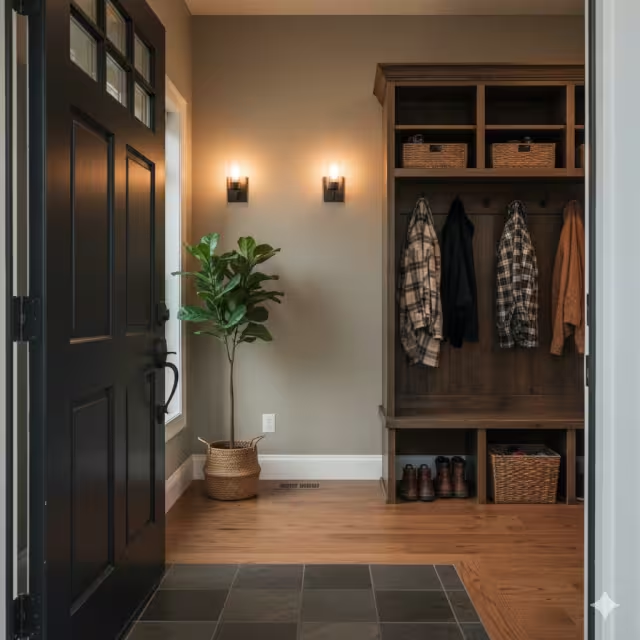
From a technical standpoint, this space needs to be managed well. If you walk into a house and immediately see clutter, your brain spikes with anxiety. This is why we often design “drop zones” or mudrooms, especially for families who enjoy the outdoors. You need a place to drop your hunting gear, muddy boots, or school bags where they are out of sight.
Lighting plays a huge role here. You should not use harsh, bright overhead lights in your entry. Instead, we use warm wall sconces. This signals to your brain that you are entering a softer, calmer environment. In our area, the covered front porch is also a vital part of this sequence. It acts as a bridge between the street and the interior of the house. It prepares you to enter your haven.
2. Spatial Flow and “The Engineering of Ease”
Have you ever walked through a house and felt like you were constantly dodging furniture or bumping into walls? That is a failure of spatial flow. A home feels “right” when you do not have to think about how to move through it.
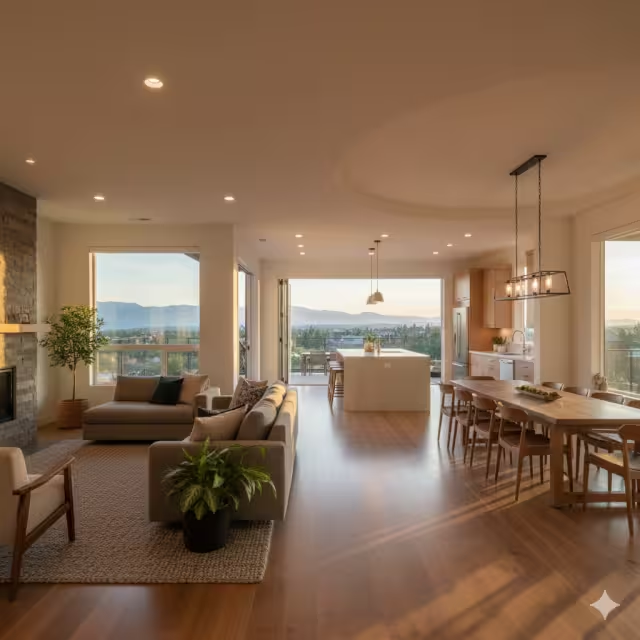
Builders look at traffic patterns. We want to avoid “dead ends.” A room that you walk into and have to turn around to walk out of can feel trapping. The best layouts usually have a circular flow. This connects the kitchen, dining, and living areas in a loop. It creates a subconscious sense of freedom and expansiveness.
This does not always mean you need a massive open concept plan where the whole house is one big room. Sometimes, wide open spaces can feel like a warehouse. It is about the path of least resistance. If you have to walk all the way around a sofa to get to the kitchen, the room is failing functionally.
When we design a custom house, we look at “sightlines.” This is what you can see from any given spot. Being able to see the trees outside or the fire in the fireplace from the kitchen sink makes the house feel connected. It reduces the feeling of being isolated in a box.
3. Material Integrity: The Subconscious Impact of Texture
Humans are tactile creatures. We like to touch things. A major reason a new house can feel sterile or cold is that everything is too smooth. When you have smooth drywall, smooth laminate floors, and smooth counters, your senses get bored.
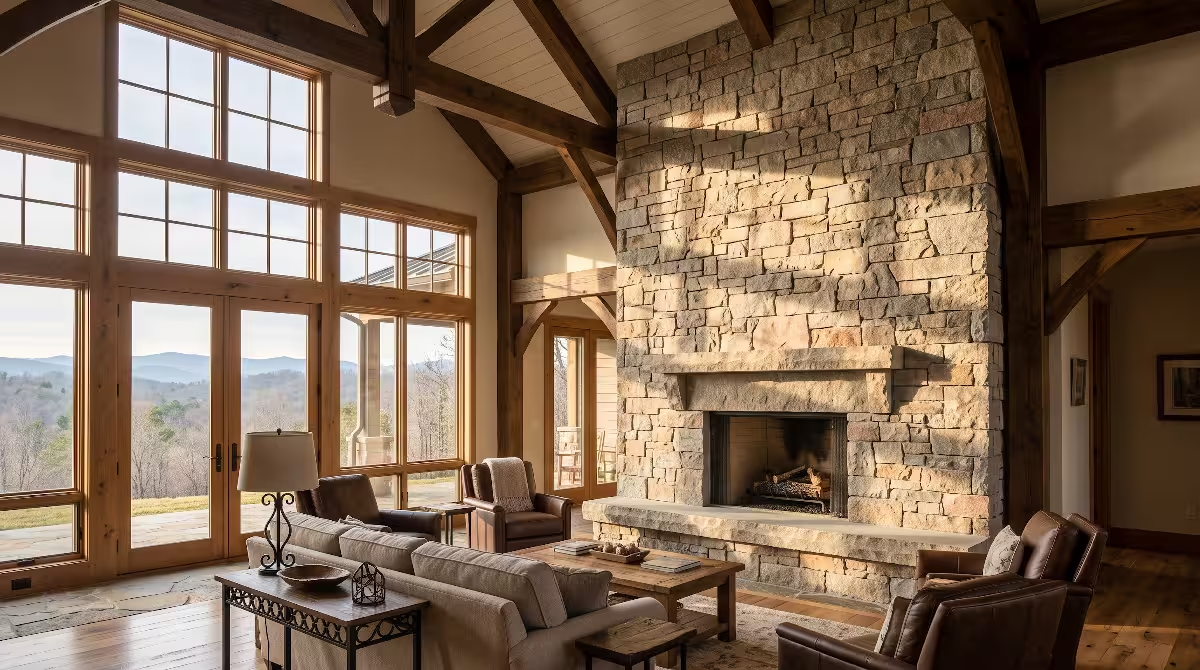
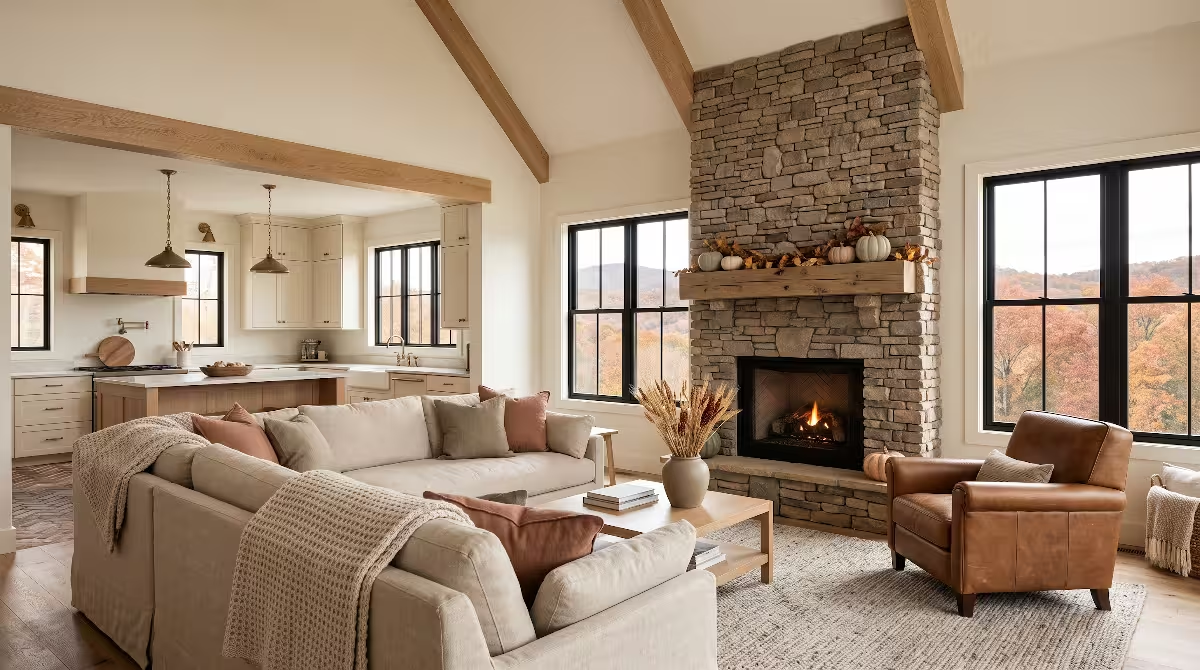
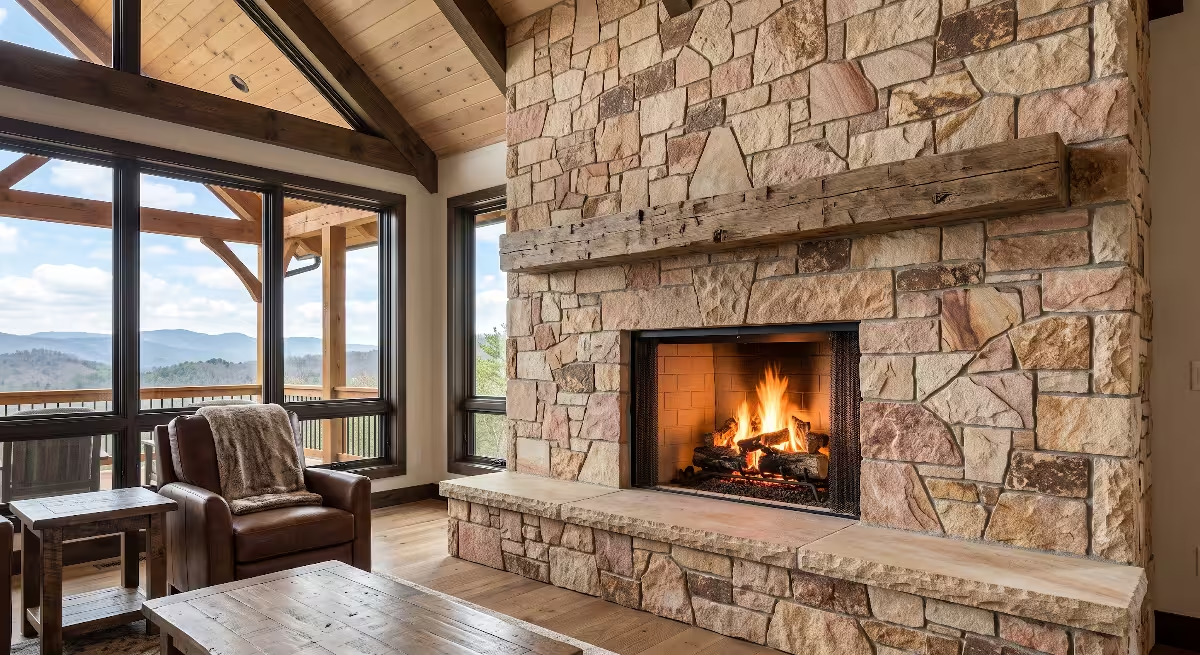
A true home engages your sense of touch. This is where material integrity comes in. In the Tri-Cities, we are lucky to have access to beautiful local materials. Using native Tennessee Crab Orchard stone for a fireplace adds a roughness that feels grounding. Installing real White Oak flooring, which is common in East Tennessee, adds warmth that plastic flooring just cannot match. Having a sense of touch and feel adds biophilia to the house and is a hallmark of biophilic design. See #6 below.
There is also the “solid” factor. This is something that needs to checked in every house. Test the doors. A hollow core door feels light and cheap. It rattles when you close it. A solid core door has weight. It closes with a satisfying “thud.” That sound signals safety and privacy. It contributes to the emotional weight of the home. When the materials around you feel real and solid, you feel more secure.
4. Acoustic Privacy: Silence as a Luxury
Noise is a hidden stressor. You might not even notice it, but living in an echoey house creates low-level anxiety. If you can hear the dishwasher running while you are trying to watch a movie, or if you can hear a conversation in the next room clearly, your brain cannot fully relax. You feel monitored, even if it is just by your own family.
To make a house feel like a sanctuary, we have to engineer the sound. This is often overlooked because insulation is hidden behind the walls. Standard insulation is for temperature, but we also need to think about sound dampening.
It is often recommend to use a product like Rockwool in interior walls, specifically around bathrooms, laundry rooms, and bedrooms. This material is denser than standard fiberglass and absorbs sound waves. We also use soft materials in the decor. Rugs, curtains, and upholstered furniture help break up sound waves so they do not bounce off hard surfaces.2 A quiet house feels like a calm home.
5. Lighting Layers: Setting the Circadian Rhythm
Lighting is not just about being able to see in the dark. It is about biology. Our bodies run on a circadian rhythm, which is our internal clock. This clock is set by light.
In the morning, we need bright, blue-heavy light to wake us up and make us productive. But in the evening, we need warm, amber light to help us relax and prepare for sleep. If your house only has one type of light, usually bright overhead LEDs, it can mess up your rhythm.
To make a house feel cozy, we use “layers” of light. You have your overhead lights for cleaning or cooking. But you also need task lighting, like under-cabinet lights in the kitchen. Most importantly, you need accent lighting. This includes table lamps and floor lamps.
A tip to control the lighting is simple: install dimmer switches on every major light source in the house. Control equals comfort. In the evening, you want to create a “campfire effect.” By lowering the lights and keeping them closer to the floor (like lamps), you trigger a primal sense of safety and warmth.
6. Biophilic Design: Connecting to the Appalachian Landscape
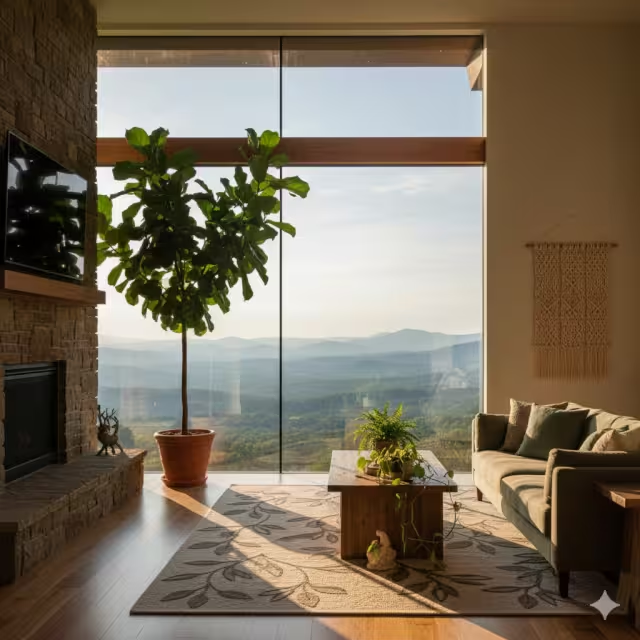
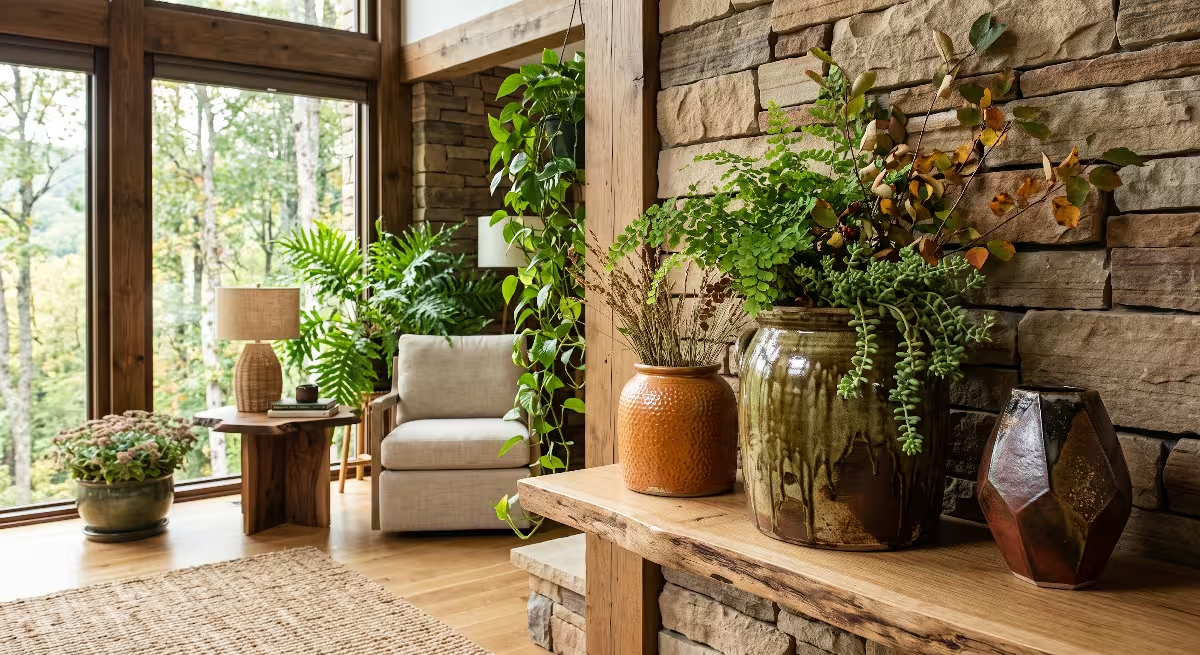
“Biophilic design” is a fancy term for a simple concept: humans like nature. We feel better when we can see trees, sky, and water. Here in Johnson City and Kingsport, we are surrounded by some of the most beautiful mountains in the country. A house that turns its back on that view is a wasted opportunity.
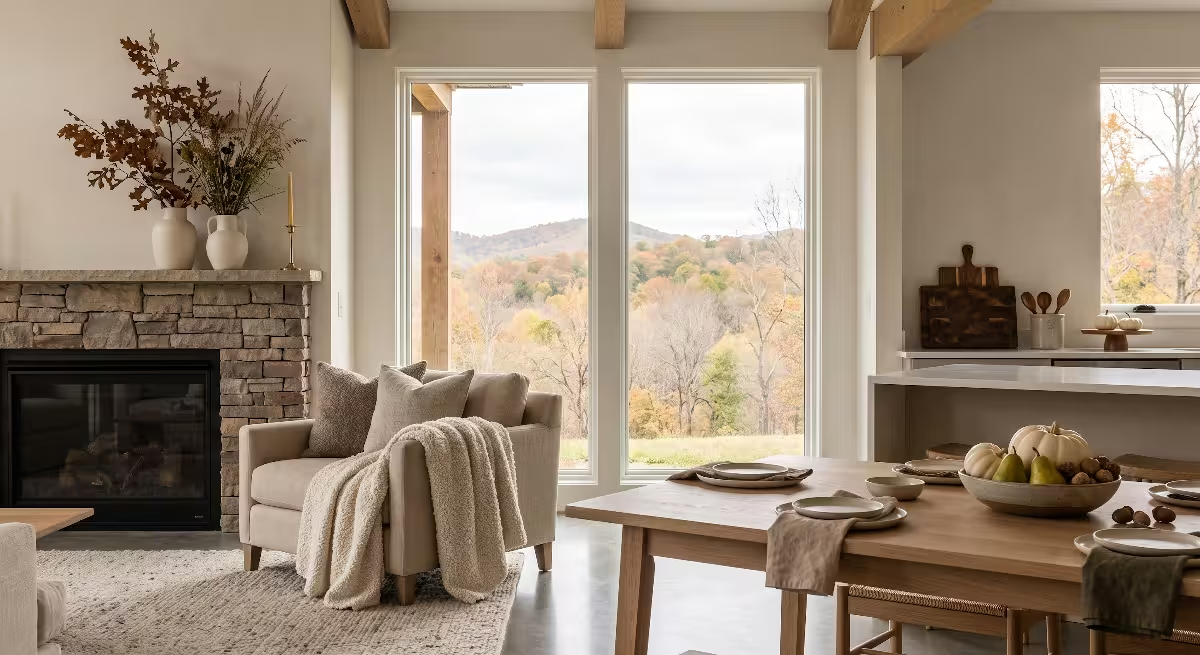
To make a structure feel like a home, we need to blur the line between inside and outside. This means installing large windows that frame the views. It means letting natural light flood into the main living areas. Another angle on this, that was used by the architect Mies van der Rohe, was bringing the inside out. Here the interior spaces were exposed to the outside. Sort of the reverse of what Frank Lloyd Wright accomplished.
It also involves bringing nature inside. This could be as simple as having indoor plants or using natural wood finishes. When you are inside your house but still feel connected to the outdoors, your blood pressure drops. It makes the space feel alive rather than static. For me, seeing the woods from my living room reminds me of my time hunting or fishing, and that brings me peace.
7. The “Lived-In” Imperfection
There is a paradox in home building. We want everything to be new and perfect, but a house that looks perfect often feels like a hotel or a museum. You feel like you cannot touch anything or sit down without messing it up. That is not a home.
A true home has what the Japanese call “wabi-sabi,” or the acceptance of imperfection. It means that a scratch on a leather chair adds character. A table made from reclaimed barn wood has a history. These imperfections tell a story.
When you move into a new house, do not buy everything new from a catalog. Mix in some vintage items or family heirlooms. Maybe it is an old clock or a quilt. These items ground the space in time. They make the house feel like it has a soul. A home should serve you, not the other way around. If you are afraid to scratch the floor, you are not truly living there.
8. Scents and the Olfactory Memory
Smell is the strongest trigger for memory and emotion. Think about the smell of fresh cookies or the scent of a wood-burning stove. These smells instantly take you to a happy place.
However, a new house often smells like chemicals, paint, glue, and carpet. This is called “off-gassing.” To make a house feel like a home, you need to manage the air quality and the scent.
I always advise against using chemical air fresheners. They smell fake and can actually irritate your lungs. Instead, rely on natural scents. Cedar closets are great for this. Beeswax candles or essential oils work well too.
From a building perspective, proper ventilation is key. We use kitchen hoods and Energy Recovery Ventilators (ERVs) to cycle fresh air into the house. This ensures the air smells clean and crisp, not stagnant. A home should smell like the people who live there and the food they cook, not like a chemical factory.
9. Safety and “Defensible Space”
Humans belong to the animal kingdom. We have primal needs for safety. We cannot fully relax if we feel exposed. A house must provide what architects call “defensible space.”
This does not mean you need to live in a fortress. It means the design should make you feel secure. For example, I prefer a layout where I can see the entry door from the main living area. I want to know who is coming in.
Bedroom placement is also critical. Bedrooms should be positioned away from street noise and the main flow of traffic. This creates a quiet, secure zone for sleeping.
On the exterior, good lighting is essential. Motion-sensor lights and a well-lit porch give you peace of mind when you arrive home at night. Quality locks on the doors and windows are a must. When you hear that lock click, your brain registers that you are safe. That feeling of security is the foundation of a home.
10. The Kitchen as the Emotional Anchor
In almost every house, the kitchen is the center of the universe. No matter how big the living room is, parties always end up in the kitchen. It is the emotional anchor of the home.
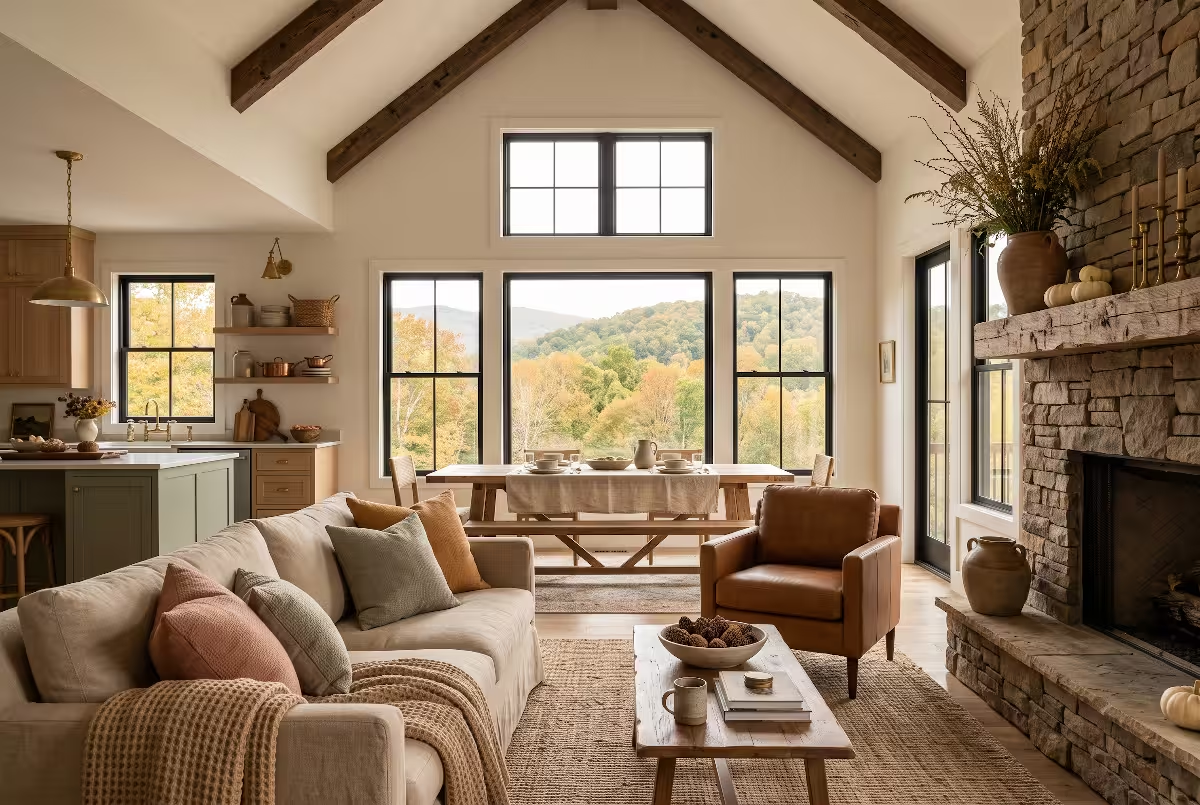
To make a house feel welcoming, the kitchen needs to be designed for connection. It used to be that kitchens were small rooms hidden in the back. Now, we open them up. An island with seating is one of the best features you can add. It allows the person cooking to be part of the conversation. It bridges the gap between work and leisure.
A big trend we are seeing in the Tri-Cities is the “working pantry” or scullery. This is a small second kitchen where you keep the toaster, coffee maker, and dirty dishes. This keeps the main kitchen clean and ready for socializing. The kitchen is where we feed our families, and food is love. A well-designed kitchen amplifies that feeling of love.
Frequently Asked Questions
How do I make my new build feel like an old home?
If you are building a brand new house but want the charm of an old one, focus on the details. Incorporate reclaimed wood beams on the ceiling. Use vintage light fixtures instead of modern ones. Install substantial millwork, like thick crown molding and high baseboards. These elements add instant character and weight that generic new builds often lack.
What is the psychology behind a cozy home?
“Coziness” is basically a physical reaction to feeling enclosed and warm. To create this, you can lower the ceiling height in seating areas or use dark paint colors. Textiles like blankets, thick rugs, and curtains soften the hard edges of a room.6 Warm lighting (2700K color temperature) triggers a safety response in the brain, making you feel protected.
Does open concept make a house feel less homey?
It can if it is not done correctly. A massive rectangular room can feel like a cafeteria. To fix this, use area rugs and furniture grouping to create “rooms within rooms.” This defines the space without needing walls. It stops the “warehouse” feeling while keeping the flow open.
Conclusion
A house is just a pile of materials. It is wood, brick, and glass arranged according to a code. But a home is the successful integration of those materials with your life. It is where engineering meets emotion.
When you focus on things like the entry sequence, the lighting, the flow, and the acoustics, you are not just decorating. You are designing a life. You are creating a space that supports you, comforts you, and lowers your stress.
Do not chase trends just because they are popular on social media. Chase the feeling of ease. Look for the things that make your daily life smoother and happier. When you do that, your house will naturally become the best home for you.