If you have lived in East Tennessee for any amount of time, you know we have a unique relationship with water. In the spring, the rains in Johnson City and Kingsport can be relentless. I have seen countless driveways turn into shallow rivers and backyards transform into mud pits. Residents also see the aftermath of our winter weather. We get that freezing rain and those freeze and thaw cycles that wreck traditional concrete. You might look at your cracked driveway or the puddle by your front door and wonder if there is a better way to build.
There is a solution that is gaining a lot of traction in the custom home market here. It is called permeable pavers. This is not just about making your driveway look nice. It is about engineering a solution for water management. When people ask about upgrading their hardscaping, the conversation often turns to the specific benefits of this system.
Permeable pavers are a paving system designed to let water pass through the surface rather than shedding it off the sides. Instead of fighting the rain, you work with it. But, like any building material, they are not perfect for every single situation. To make the right choice for your home, you need to understand the engineering behind them. In this article, we are going to break down everything you need to know about permeable pavers, from how they handle our local red clay soil to whether they are worth the extra cost. Be sure to use the provided checklist at the end of the article to find the best installer for you.
Video Version of this Article
What Are Permeable Pavers?
To understand why you might want permeable pavers, you have to understand how they are different from standard concrete or asphalt. When we pour a traditional concrete driveway, we are creating an impervious surface. That means water cannot get through it. It hits the concrete, picks up speed, and runs off into your grass or the street.
Permeable pavers work differently. They are designed with small gaps or joints between each stone. These gaps are then filled with small, clean stone rather than sand. This allows water to drain instantly through the joints.
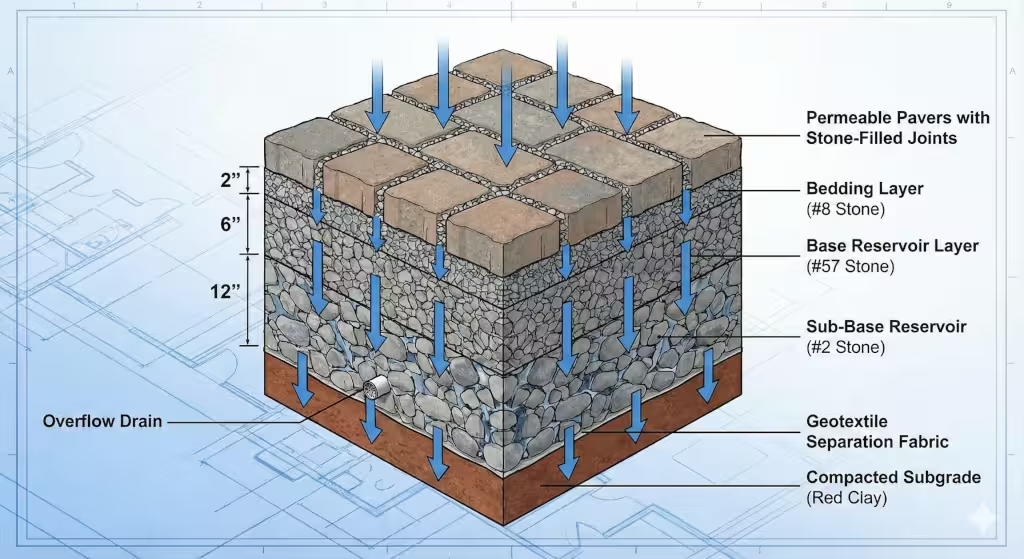
But the real magic happens underneath. When we install permeable pavers, we do not just lay them on dirt. We dig down and install a thick layer of open-graded stone aggregates. This usually involves larger stones at the bottom and smaller stones at the top. This stone base acts like a reservoir. It holds the water while it slowly soaks back into the ground naturally.
This system is very different from standard pavers. Standard pavers use sand and a tightly packed base that tries to keep water out. Permeable pavers invite the water in. This is a critical distinction for anyone building in the Tri-Cities area where stormwater regulations are getting tighter.
Types of Permeable Systems
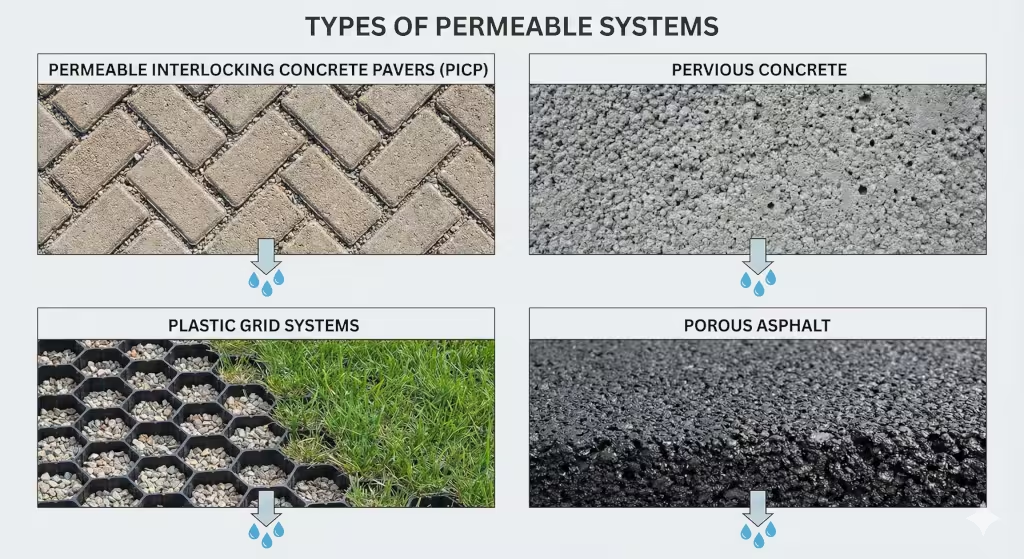
When you start shopping for permeable pavers, you will see a few different options. One thing to look at is the load capabilities and the aesthetic value of each.
Permeable Interlocking Concrete Pavers (PICP)
These are the most popular choice for residential homes. They look like traditional brick or stone pavers but have wider joints. Manufacturers make them in various shapes and colors. You can get them in a herringbone pattern or an ashlar pattern to match the style of your custom home. They are strong enough for driveways and look great on patios.
Pervious Concrete
You might see this in commercial parking lots in Knoxville or Johnson City. It looks a bit like a Rice Krispies treat. It is concrete made without the fine sand, so it has lots of little holes in it. It is great for drainage, but it does not have the high-end look that most of my custom home clients want for their front entrance.
Plastic Grid Systems
These are plastic honeycombs that you lay on the ground and fill with gravel or grass. They are very functional and often cheaper. However, they do not offer the smooth, finished surface of a paver. They are good for overflow parking areas but maybe not for your main driveway.
Porous Asphalt
This acts like standard asphalt but allows water to drain through. It is effective, but it requires regular cleaning to keep the pores open. It is rarely used for residential driveways because it lacks the curb appeal of stone or pavers.
The Major Pros of Permeable Pavers
When buyer discuss the plans for the exterior of their home, permeable pavers are often recommended for specific reasons. The benefits go far beyond just looks.
Superior Stormwater Management
This is the biggest selling point. If your lot is on a slope, which is very common in our region, runoff is a major issue. Traditional driveways act like a slide for water. This can erode your yard or flood your neighbor’s property. Permeable pavers eliminate surface runoff almost entirely. You can stand on a permeable driveway during a heavy rainstorm, and your shoes will barely get wet because the water disappears instantly. This reduces the burden on our municipal storm sewers and keeps your yard intact.
Environmental Benefits and Groundwater Recharge
We care about our environment in East Tennessee. When rainwater runs off a standard asphalt driveway, it picks up oil, gas, and tire bits. It carries that pollution straight into the storm drain and eventually into our rivers. Permeable pavers filter that water. As the water passes through the stone base and into the soil, natural bacteria help break down pollutants. It also recharges the groundwater table, which is good for the old oak trees in your yard.
Winter Performance and Safety
This is a benefit many people overlook until their first winter with permeable pavers. Because the water drains away immediately, it does not have time to freeze on the surface. This creates a much safer walking and driving surface. You get fewer patches of “black ice.” Also, the air in the void spaces below the pavers keeps the surface slightly warmer than solid concrete. If snow does pile up, it melts faster.
Durability in Freeze-Thaw Cycles
Concrete slabs are rigid. When the ground underneath them freezes and expands, the concrete cracks. That is why almost every old driveway you see has cracks in it. Permeable pavers are a flexible system. They “float” on the stone base. When the ground heaves from frost, the pavers move slightly with it. When the ground settles, they settle back down. They do not crack. This makes them incredibly durable for our climate.
The Cons of Permeable Pavers
Along with the pros above, there are some downsides. Permeable pavers are an excellent product, but they are not a magic fix for every budget or every homeowner.
Higher Initial Investment
There is no way around this. Permeable pavers cost more than traditional concrete or asphalt. You can expect to pay anywhere from 50% to 100% more upfront. The cost is not just in the pavers themselves. It is in the labor and the base material. We have to excavate deeper to make room for the stone reservoir. We have to bring in tons of specific aggregate stone. This is a significant engineering project, and the price reflects that.
Maintenance Requirements
Low maintenance does not mean no maintenance. The gaps between permeable pavers must remain open for the water to drain. Over time, leaves, dirt, and debris can clog these gaps. If they get clogged, the system stops working. You will need to sweep the driveway regularly. Once or twice a year, you may need to use a shop vac or a specialized vacuum to clean out the joints. In our area, we have a lot of pine needles and red clay, so clogging is a real risk if you ignore it.
Complex Installation
This is not a weekend DIY project for you and your buddies. Installing permeable pavers requires precise knowledge of soil hydrology and excavation. If the base is not compacted correctly, the pavers will sink and rut (create wheel tracks). If the wrong stone is used, it will not drain. You need a certified installer who understands the science behind the system.
Load Limitations
While permeable pavers are plenty strong for your SUV, truck, or boat trailer, they are not designed for extreme industrial loads or high-speed traffic. If you have heavy construction equipment driving over your driveway constantly, the base might shift. For 99% of residential uses, this is not an issue, but it is worth noting.
Understanding the Installation Process
To understand the value of permeable pavers, you have to look at what goes underneath them. The installation process is where the real engineering happens.
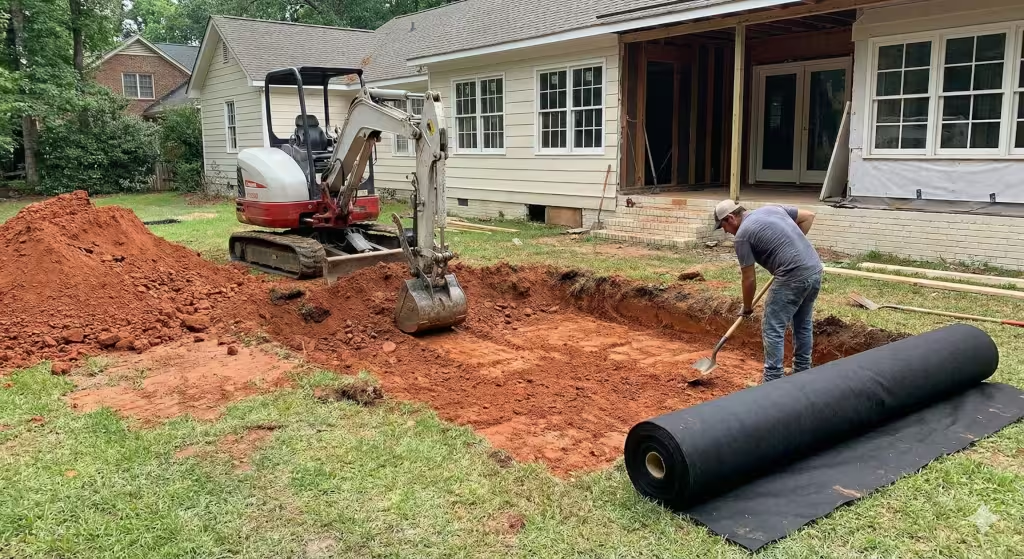
First, the soil is excavated. We usually dig down 10 to 12 inches, depending on the soil type. In the Tri-Cities, we often hit heavy clay. Clay does not absorb water quickly, so we might need to install a drain pipe in the base to help move excess water away.
Next, we lay a geotextile fabric. This prevents the clay from mixing with our clean stone.
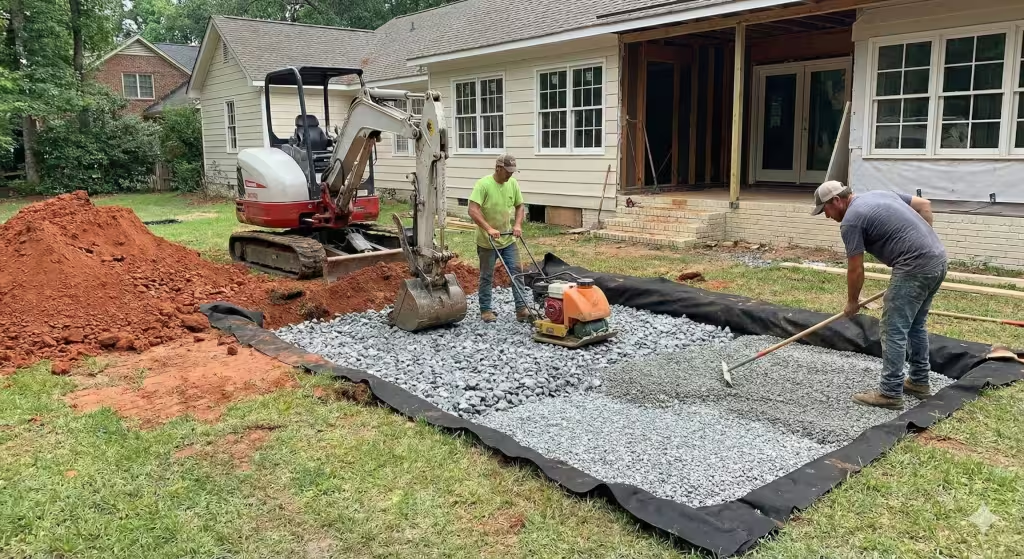
Then comes the stone base. We use large rocks, typically called #2 stone, for the bottom layer. This creates big voids for water storage. We compact this layer. On top of that, we add a layer of #57 stone, which is about the size of a golf ball.
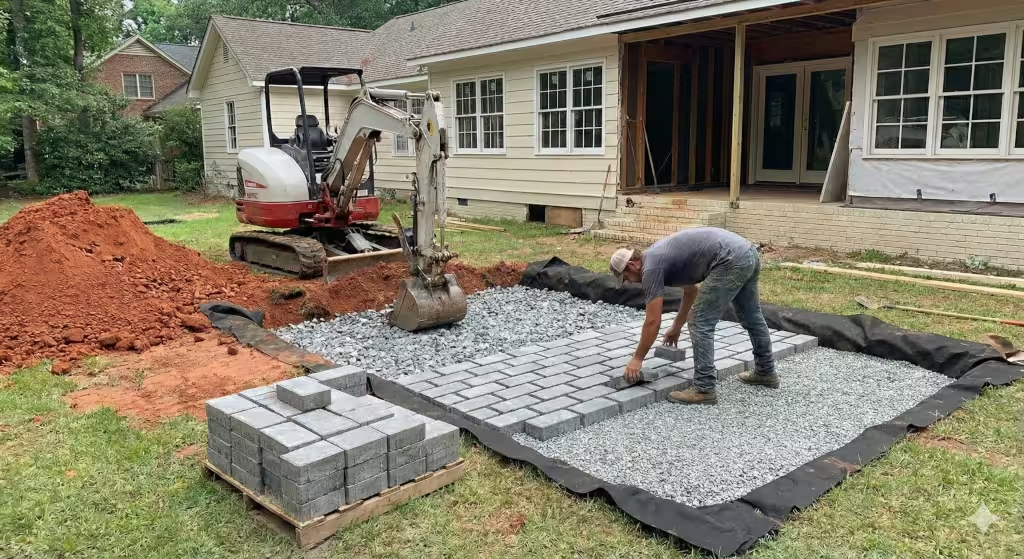
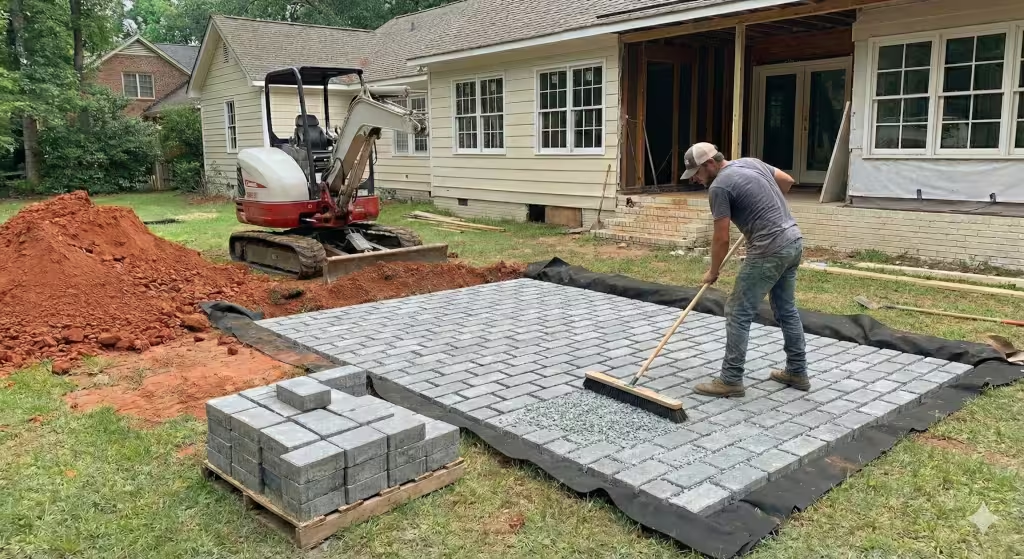
Finally, we put down the bedding layer, usually #8 stone, which is small chips. The permeable pavers sit right on top of this. We fill the joints with more small stone chips. We never use sand in the joints of permeable pavers because sand clogs the system.
Permeable Pavers vs. Traditional Concrete
Are you wondering how permable pavers compare to concrete? Here is how we break it down.
Standard Concrete
Cost: Lower upfront.
Lifespan: 20 to 30 years before it looks rough.
Maintenance: Sealing and crack repair.
Drainage: None. It sheds water.
Repair: Difficult. Patches look ugly.
Permeable Pavers
Cost: Higher upfront.
Lifespan: 50+ years for the pavers themselves.
Maintenance: Vacuuming joints and keeping debris off.
Drainage: Excellent. 100% infiltration.
Repair: Easy. If a paver stains or breaks, you can lift it out and replace it. If an area sinks, you can lift the pavers, add more stone, and put them back.
Addressing the Red Clay Factor
We want to specifically address the soil here in Tennessee. We have dense red clay. Some people think you cannot use permeable pavers over clay because the clay does not drain well. That is a myth.
Even if the soil below does not drain fast, permeable pavers are still useful. The stone base holds the water. It gives the water time to soak into the clay slowly, which is much better than rushing over the top. If the clay is totally impermeable, we install an underdrain. This is a perforated pipe that sits at the bottom of the stone base. It catches the water and directs it to a proper outlet. So, yes, permeable pavers work perfectly fine in our area if they are installed with the right engineering.
Aesthetics and Home Value
When we build a custom home, we want it to have a presence. A driveway made of permeable pavers adds immense curb appeal. It signals that this is a high-quality property.
The design options are vast. You can mix colors to create borders or markers. Because the surface does not puddle, it always looks clean. In terms of resale value, a paver driveway is a premium feature. Buyers appreciate the durability and the upscale look. It separates your home from the others on the block that just have plain grey concrete pads.
Are Permeable Pavers Right for You?
So, how do you decide? I recommend permeable pavers if:
You have drainage issues or water pooling near your house.
Your driveway is steep or prone to icing in the winter.
You face strict impervious surface limits from the city or HOA.
You want a driveway that will outlast the house itself.
You value eco-friendly building practices.
I might suggest sticking with traditional concrete if:
You are on a very tight budget.
You are not willing to do any maintenance like sweeping or vacuuming.
You have massive trees dropping debris directly onto the driveway year-round (unless you are diligent about cleaning).
Common Questions about Permeable Pavers
Do permeable pavers clog easily?
They do not clog easily if you keep them reasonably clean. However, if you let mulch wash over them or let dirt pile up, the gaps will fill in. The good news is that even if they get slightly clogged, they often still drain better than concrete. You can restore the drainage by vacuuming out the dirty stone chips and sweeping in fresh ones.
Can I plow snow on permeable pavers?
Yes, you can. However, you should use a plow with a rubber cutting edge. A metal blade can chip the edges of the pavers or catch on a stone that is sitting slightly high. You should also avoid using sand for traction, as it will clog the joints. Salt is generally safe for concrete pavers, but use it sparingly.
How much water can they handle?
A well-installed system of permeable pavers can handle an absurd amount of rain. We are talking about inches of rain per hour. The surface infiltration rate is huge. The limiting factor is usually the capacity of the stone base, not the pavers themselves.
Conclusion
Building a home is about making choices that balance cost, function, and beauty. Permeable pavers are a significant investment, but they offer returns that traditional materials cannot match. They solve water problems, they stand up to our harsh freeze-thaw cycles, and they look fantastic doing it.
If you are planning a build or a renovation in the Tri-Cities, do not just default to concrete. Look at the landscape. Think about where the water goes. Permeable pavers might be the invisible engine your property needs to stay dry and durable for decades to come.
As always, make sure you hire a competent professional to do the work. The success of permeable pavers relies entirely on the precision of the installation. If you cut corners on the base, you will regret it. But if you do it right, it is the best driveway you will ever own.
You can buy the most expensive, high-tech permeable pavers on the market, but if the guy installing them dumps them on a bed of sand or fails to compact the sub-grade, you will have a muddy, rutted mess within two years.
Checklist for Vetting a Permeable Paver Installer
Here is the exact checklist I would use if we would use in hiring a sub-contractor for one of our own custom home projects in Johnson City or Kingsport.
Phase 1: The “Must-Haves” (Non-Negotiable)
Before you even meet them at your property, verify these three things. If they can’t provide them, hang up.
[ ] General Liability Insurance: Ensure they carry at least $1,000,000 in coverage. If their excavator hits your main water line or drops a pallet of stone on your neighbor’s car, you need to know you are covered.
[ ] Workers’ Compensation: Construction is dangerous. If a worker gets hurt on your property and the contractor doesn’t have this, you could be liable.
[ ] ICPI Certification: This is the “Interlocking Concrete Pavement Institute.” They set the industry standards.
The Hephaestus Test: Ask specifically if they have completed the PICP (Permeable Interlocking Concrete Pavement) Specialist Course. A standard paver certification is good; the permeable specialist certification is better.
Phase 2: The Technical “Pop Quiz”
When the contractor comes to your house for a quote, ask these specific questions. You are looking for very specific answers.
[ ] “What material do you use for the bedding layer?”
Correct Answer: “#8 stone” or “clean stone chips.”
Wrong Answer: “Sand” or “Stone Dust.”
Why: Sand clogs the system immediately. If they mention sand for a permeable job, they do not know what they are doing.
[ ] “How deep will you excavate for the base?”
Correct Answer: “It depends on the soil, but usually 10-12 inches for a driveway.”
Wrong Answer: “Just 4 to 6 inches.” (This is fine for a patio, but not a driveway holding vehicles).
[ ] “How do you handle our local red clay?”
Correct Answer: “We might need to install a geotextile fabric to separate the clay from the stone, and potentially an underdrain pipe to move the water out if the clay doesn’t perc (drain) well.”
Wrong Answer: “Don’t worry about it, we just dump gravel on top.”
[ ] “What do you use to keep the edges in place?”
Correct Answer: Concrete curbs (bond beams) or spiked heavy-duty plastic edge restraints secured into the dense aggregate base.
Why: Without strong edges, the pavers will drift apart and the gaps will open up.
Phase 3: The Reference Check
Do not just look at pretty pictures on Instagram. Anyone can take a picture of a job the day it is finished. You want to know what it looks like after a Tri-Cities winter.
[ ] Ask for a “3-Year-Old” Reference: Ask to see an address of a project they finished at least 3 years ago. Drive by it.
Look for: Rutting (tire tracks sunken in), heaving (pavers sticking up), or clogged joints (grass growing in the gaps).
[ ] Ask about their “Callback” Policy: “If a paver settles or cracks in six months, will you come back to fix it?” Get this warranty in writing.
Phase 4: The Red Flags (Run Away if You See These)
[ ] The “Cash Discount” Pressure: If they push hard for cash under the table to avoid taxes, they will likely cut corners on your build too.
[ ] “We can start tomorrow”: Good contractors in East Tennessee are busy. A wait time of 4-8 weeks is normal. If they are totally free immediately, ask why.
[ ] Vague Estimates: If the quote just says “Install Pavers – $15,000,” reject it. The quote should itemize excavation, tons of stone (by type), square footage of pavers, and labor.
Tri-Cities TN Home Insider Tip:
Ask to visit a current job site. Tell them, “I’d love to see your crew in action. Do you have a job running this week I could swing by?” When you get there, look at the job site organization. Is there trash everywhere? Is the crew smoking while laying stone? Is the equipment leaking oil? A sloppy job site usually leads to a sloppy final product.