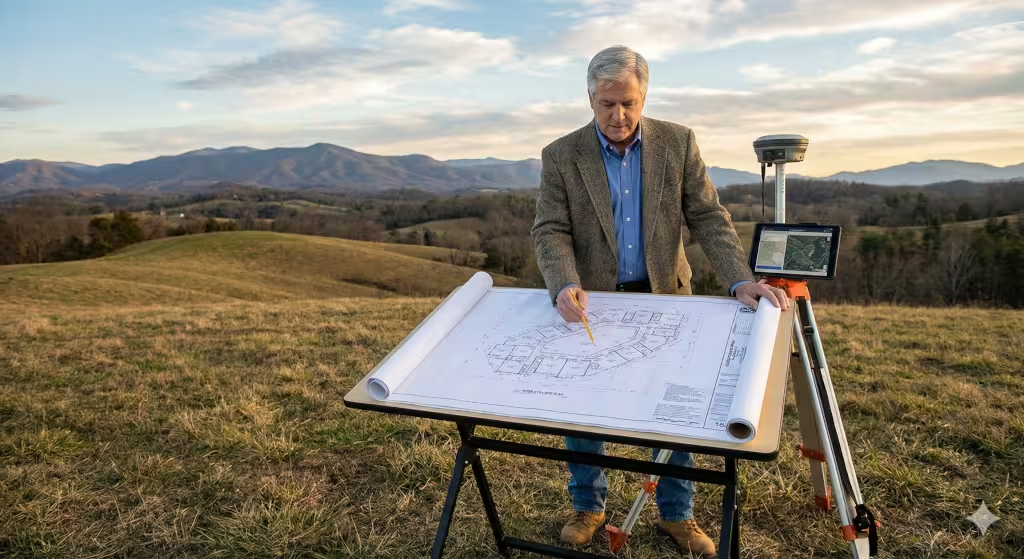

When people decide they want to build a new home in the rolling hills of East Tennessee, their first question is almost always about cost. It is a practical and necessary place to start. A question often asked is “What is the cost per square foot to build a home in Jonesborough right now?”
It is a valid question, but the honest answer is that a single number does not really exist. The cost per square foot is more of a starting point for a much bigger conversation. It is a simple piece of math that represents a very complex and personal project. The final price depends on countless decisions you will make, the unique piece of land you choose, and the quality of the materials you select. The goal here is to provide clear, competent guidance, pulling back the curtain on the numbers so you can feel confident in your decisions.
This article is designed to do just that. We will examine the components that make up the building costs in our beautiful corner of the world. We will explore what “affordable” really means in today’s market, not just cheap. Most importantly, we will give you the framework and the knowledge to estimate your own project costs accurately. Building a home should be an exciting journey, and it all starts with understanding the true costs involved.
The 2025 Estimated Cost Per Square Foot to Build in Jonesborough
Even though the cost per square foot is a flexible number, you need a realistic range to begin your planning. Based on current material prices, labor rates in the Tri-Cities area, and recent projects, here is a reliable estimate for building a new home in Jonesborough and the surrounding parts of Washington County.
- Entry-Level or Builder-Grade Home: $165 to $190 per square foot.This price range typically covers a home with standard, practical finishes. We are talking about a straightforward design, perhaps a simple rectangular or L-shaped footprint, with a less complex roofline. The exterior is usually vinyl siding, and the interior would feature builder-grade carpet and vinyl flooring, laminate countertops in the kitchen and bathrooms, basic plumbing and lighting fixtures, and standard hollow-core interior doors. The home is soundly built and energy-efficient, but it does not include many high-end upgrades. It is the most affordable route to new construction.
- Mid-Range or Semi-Custom Home: $190 to $240 per square foot.This is the most common category for new homeowners. In this range, you have much more flexibility to personalize the home. The design might include more gables or a more interesting shape. The exterior could feature a mix of materials, like durable fiber cement siding with a brick or stone accent on the front. Inside, you will see upgrades like engineered hardwood or luxury vinyl plank flooring, solid-core doors, granite or quartz countertops, and a more generous allowance for cabinets, lighting, and appliances. You get a home that feels more tailored to your tastes without moving into the fully custom price bracket.
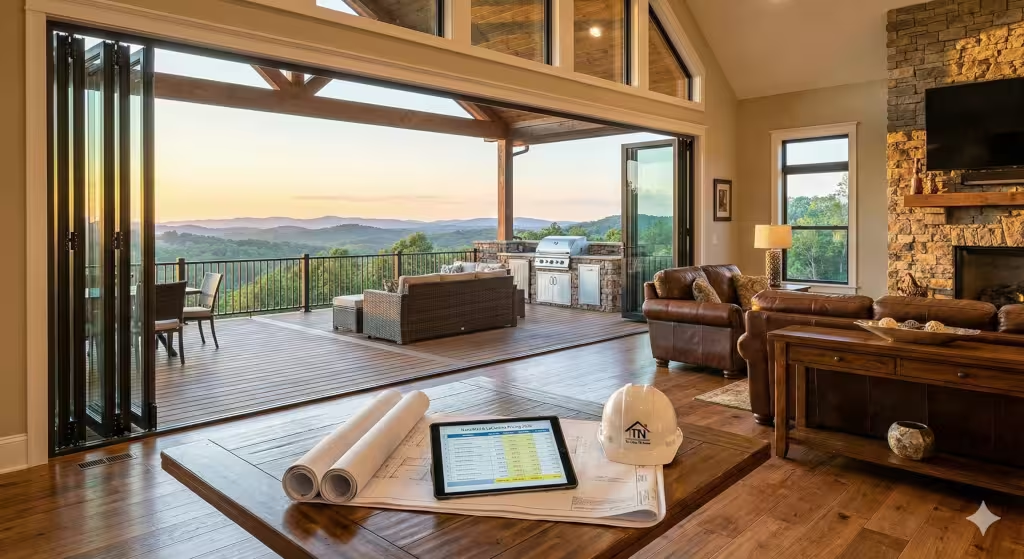
- High-End or Custom Home: $240+ per square foot.When you move into this range, the possibilities are nearly endless. This price point reflects a home with premium materials and unique architectural features. You might see a standing seam metal roof, custom-built cabinetry, professional-grade appliances from brands like Sub-Zero or Wolf, and high-end flooring like true hardwood or custom tile work. These homes often feature complex designs, large custom windows, detailed trim and millwork, and advanced smart home technology. The “plus” in the price is important because the sky is the limit for features and finishes.
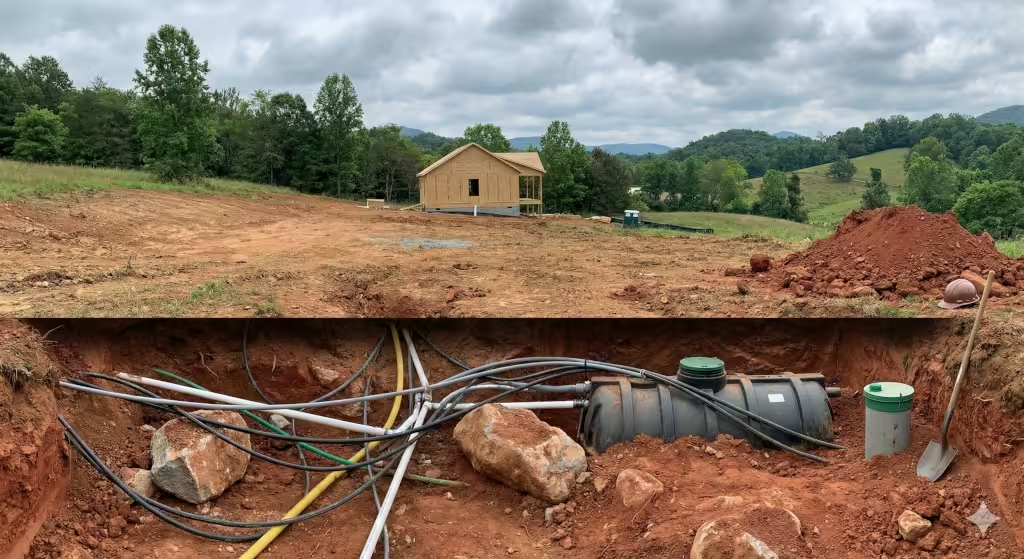
Now for a crucial piece of advice: these price ranges almost never include the cost of the land itself. They also do not typically cover major site work, like long driveways or significant excavation for a sloped lot. Other costs like hooking up to city water and sewer or drilling a well and installing a septic system are also separate from this square foot price. It is essential to budget for these big ticket items separately from the home’s construction cost.
Why “Cost Per Square Foot” Can Be Misleading: A Breakdown
It is helpful to think about the cost per square foot like you think about the cost of a car. You could ask, “What is the cost per pound for a vehicle?” A Ford F-150 and a Porsche 911 might weigh a similar amount, but their costs are worlds apart because of what is under the hood, the quality of the interior, and the engineering that went into them. The same exact principle applies to building a home. A 2,000-square-foot home can have a vastly different final price tag than another 2,000-square-foot home right next door.
To truly understand your budget, you need to see what is inside that square foot number. We builders group these expenses into two main categories: hard costs and soft costs.
Hard Costs (The Physical Structure)
Hard costs are all the tangible things you can see and touch—the lumber, the concrete, the windows, the paint. These make up the bulk of the construction budget.
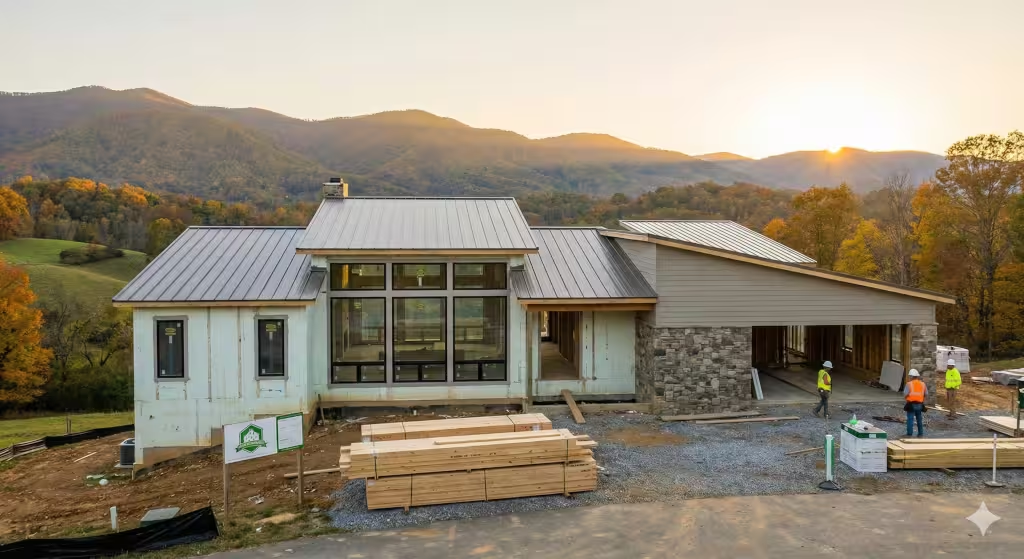
- Site Work and Foundation: Before any building happens, the land must be prepared. This is called site work. It includes clearing trees, bringing in dirt to level the area for the house (grading), and digging for the foundation (excavation). Here in Jonesborough, where many lots have beautiful rolling hills, site work can be a significant cost. A sloped lot might require a retaining wall or a more complex foundation, adding thousands to the budget. The foundation itself, whether it is a concrete slab, a crawl space, or a full basement, is the base of the entire home. Basements cost more upfront but provide extra space, while a slab is the most affordable option.
- Framing: This is the skeleton of your house. It includes the floor joists, the wall studs, and the roof trusses. The entire package of wood and the labor to assemble it is a major part of the budget. Lumber prices can change often due to supply and demand, which is why a builder’s quote is usually only good for a specific period.
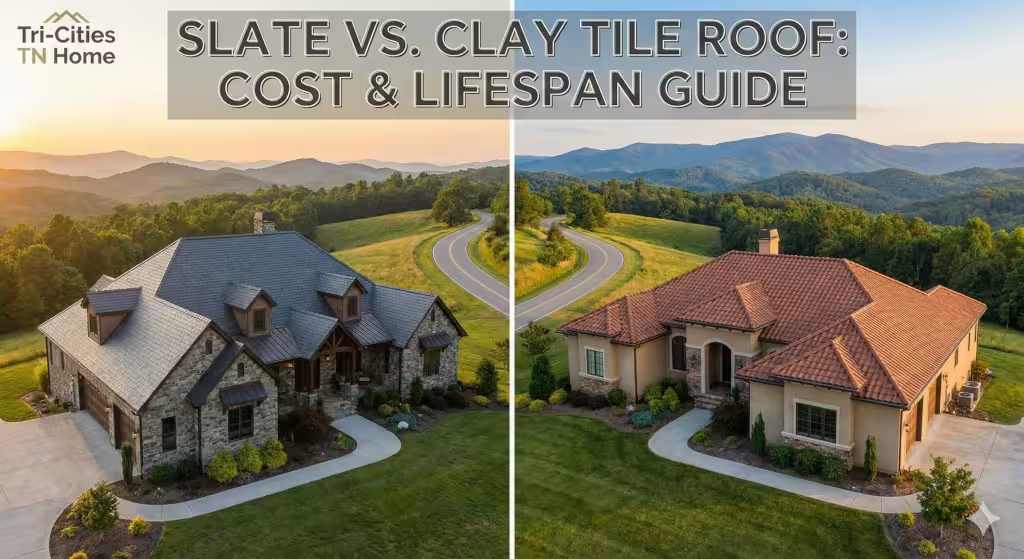
- Exterior Finishes: This is the home’s protective shell, and your choices here greatly impact the cost. For roofing, standard architectural shingles are the baseline, while a metal roof costs more but lasts much longer. For siding, vinyl is the most affordable, fiber cement (like Hardie board) is a durable mid-range option, and brick or stone is a premium finish. Windows are another key item. Good quality, energy-efficient windows cost more initially but save you money on your utility bills for years to come.
- Major Systems (The “Guts”): These are the critical systems that make a house comfortable and functional, but they are hidden behind the walls.
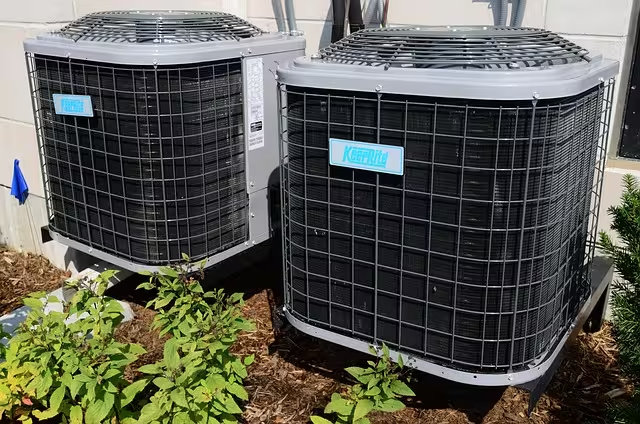
- HVAC: This is your heating, ventilation, and air conditioning system. The cost depends on the size of the unit and its energy efficiency rating (known as SEER). A higher SEER rating costs more upfront but lowers your monthly electric bill.
- Plumbing: This includes all the pipes for fresh water and drainage, plus the water heater. The type of pipe used (like PEX or copper) and the number of bathrooms and fixtures determine the cost.
- Electrical: An electrician will run all the wiring from the panel box to every outlet, switch, and light fixture in the house. The cost depends on the size of the home and the number of connections. Here, we work with BrightRidge, our local power provider, to get service connected to the home.
- Interior Finishes: This is where your personal style comes to life and where the budget can be most flexible. It is also the area where costs can add up quickly.
- Insulation and Drywall: After the systems are installed, insulation is put in the walls, and then drywall is hung, finished, and painted.
- Flooring: The price of flooring varies widely, from affordable vinyl and carpet to mid-range luxury vinyl plank (LVP) to more expensive engineered hardwood and custom tile.
- Cabinetry and Countertops: In the kitchen and bathrooms, cabinets can range from affordable stock options from a big box store to semi-custom or fully custom-built units. The same goes for countertops, with laminate being the most basic, followed by granite, and then quartz which is often the most popular choice today.
- Fixtures, Doors, and Trim: The final touches like light fixtures, faucets, interior doors, and the trim around floors and windows all have different price points that contribute to the overall square foot cost.
Soft Costs (The Necessary Overheads)
Soft costs are the expenses that are not part of the physical construction but are absolutely necessary to build the home. Many first-time home builders forget to budget for these.
- Land Acquisition: This is the price you pay for the lot your home will sit on. In Jonesborough, this can range from a small lot in a subdivision to several acres out in the county.
- Plans and Design: You need a set of blueprints for your home. You can buy a pre-made “stock plan” online for a few thousand dollars or hire an architect or designer to draw a fully custom plan, which can cost 5-15% of the total construction budget.
- Permits and Fees: You cannot just start digging. You must submit your plans to the local government for approval. This involves paying for building permits from the Town of Jonesborough Planning & Zoning office or the Washington County Building Inspector’s Office. These fees cover the cost of the county inspectors who visit the site at different stages to ensure everything is built safely and correctly.
- Utility Tap Fees: This is the fee the utility companies charge to connect your new house to their services. There are separate fees for tapping into the city water line, the sewer line, and for setting up your electric meter with BrightRidge. If your land is in the county, you will have the cost of drilling a well and installing a septic system instead.
- Financing Costs: Most people use a special type of loan, called a construction loan, to build a home. These loans have fees and interest payments that you have to make during the construction period before the loan converts into a regular mortgage.
- Builder’s Margin and Overhead: A professional builder has business expenses just like any other company. This includes office rent, insurance (general liability and workers’ compensation), salaries for staff, and project management software. The builder’s fee, often called margin or profit, typically ranges from 15-25% of the hard and soft costs. This is what you pay the builder for their expertise, their network of trusted subcontractors, and for managing the entire complex process from start to finish.
Key Cost Factors Specific to Jonesborough and Washington County
Every town has its own personality, and that extends to home building. Jonesborough and the surrounding area have a few unique factors that can influence the cost of your new home.
- Land Availability and Topography: Jonesborough is Tennessee’s oldest town, and its historic charm means that lots within the town limits can be harder to find and more expensive. Many people choose to build just outside of town in Washington County, where you can often get more land for your money. However, much of our beautiful landscape is made of rolling hills. Building on a sloped lot is always more expensive than building on a flat one. It requires more excavation, more concrete for the foundation, and potentially engineered retaining walls to hold back the soil. A flat lot might cost $5,000 to prepare for building, but a sloped lot needing extensive work could easily cost $20,000 or more before you even pour the footers.
- Building Codes and Zoning: The Town of Jonesborough has a deep respect for its history. If you plan to build within the designated Historic District, you will have to follow very strict guidelines. The Historic Zoning Commission reviews plans to ensure that new homes fit the character of the neighborhood. This can affect everything from the type of windows and siding you can use to the color you can paint your house. These requirements can sometimes add to the material costs, so it is important to be aware of them.
- Labor Market: The Tri-Cities area has a strong community of skilled craftspeople—carpenters, electricians, plumbers, and masons who take great pride in their work. The demand for good, reliable crews is high. A good general contractor has long-standing relationships with the best subcontractors in the area and can get them scheduled for your job. The cost of this skilled labor is a significant part of the overall budget.
- Material Supply Chain: We are fortunate to be located near major supply hubs in Johnson City and Kingsport. This means we have good access to lumber, drywall, roofing, and other materials without having to pay extra for long-distance shipping, which helps keep costs more stable than in very remote areas.
Common Questions About Building Costs in East Tennessee

Over the years, I have heard every question imaginable about home building. Here are answers to a few of the most common ones I hear from clients looking to build in the Jonesborough area.
Is it cheaper to build or buy in Jonesborough, TN?
This is the classic question, and the answer is: it depends on the market and your priorities. In some years, when the prices of existing homes are very high, building can seem more attractive. In other years, it might be cheaper to buy.
- Buying an Existing Home: The main advantage is convenience and a known cost. You know the final price upfront, and you can often move in quickly. The downside is that you are buying someone else’s choices. You might have to live with a layout you do not love or plan for future renovations to update the kitchen or bathrooms.
- Building a New Home: The biggest advantage is that you get exactly what you want. Every finish, every fixture, and every room layout is your choice. Your home is brand new, so you will not have to worry about major repairs for many years. It is also built to the latest energy codes, so it will be more efficient. The downside is that it takes longer (typically 8-12 months) and requires more of your time and decision making. The cost can also feel less certain at the beginning, which is why a detailed budget is so important.
Right now, the best approach is to compare. Look at the price of existing homes in Jonesborough that are similar in size and quality to what you want to build. Then, use the cost per square foot ranges in this article to get a rough estimate for a new build (remembering to add the cost of land). That will give you a good idea of which path makes more financial sense for you.
What are the hidden costs when building a new home?
I prefer to call them “often forgotten” costs rather than “hidden” costs. A good builder will be transparent about these, but it is easy for a buyer to overlook them in their initial budget.
- Landscaping: The builder’s contract usually includes final grading of the yard to ensure water drains away from the house, and sometimes seeding for a basic lawn. It almost never includes flower beds, shrubs, trees, or patios. You should budget for this separately.
- Driveway: The cost for a driveway can vary greatly. A simple gravel driveway is cheapest, followed by asphalt, with concrete or pavers being the most expensive options.
- Window Coverings: Your new home will have beautiful windows, but it will not come with blinds, shades, or curtains. This can be a surprisingly large expense.
- Appliances: Some builder contracts include a budget or “allowance” for appliances, while others require you to purchase them all yourself. Be sure to clarify if the refrigerator, washer, and dryer are included in your price.
- Closing Costs: Just like when you buy an existing home, you will have closing costs when your construction loan converts to a permanent mortgage.
- Contingency Fund: This is not a cost from the builder, but a part of your own budget. I strongly advise every client to set aside an extra 10% of the total construction cost as a contingency fund. This is for true unforeseen issues, like hitting rock when digging the foundation, or for the changes and upgrades you decide you want to make during the process.
How can I build a home more affordably?
Building an “affordable” home does not mean cutting corners on quality. It means being smart and strategic with your choices. It is about getting the most value for your money.
- Choose a Simple Footprint: A square or simple rectangular home is the most efficient and affordable shape to build. Every extra corner, bump-out, or complex roofline adds to the cost of materials and labor.
- Optimize Your Space: It is often cheaper to build up than to build out. A two-story home with a smaller footprint requires less foundation and less roofing material than a sprawling one-story ranch of the same square footage.
- Practice Value Engineering: This is the process of working with your builder to find the best balance between cost and quality. For example, instead of putting expensive tile in a laundry room that guests will never see, use durable sheet vinyl. Then, you can put the money you saved towards better kitchen countertops or flooring in the main living area where it will have a bigger impact on your daily life.
- Plan Carefully and Avoid Changes: The most expensive words in home building are, “While you’re at it…” Making changes after construction has started is called a “change order,” and it is always more expensive than planning it correctly from the start. Finalize every decision—from the paint color to the cabinet hardware—before the crews break ground.
Building Smart: From Estimate to Reality
Understanding the cost to build a home in Jonesborough is about more than a single price per square foot. It is about understanding the process, the materials, and the people involved. That number is a guide, not a guarantee. The final cost is a reflection of the land you choose, the quality you demand, and the hundreds of small decisions you make along the way. Both the hard costs of construction and the soft costs of planning and permits play a major role in your final budget.
The best first step you can take is not to ask for a quick quote, but to start a conversation. Sit down with a reputable, local builder whose work you admire. Talk to them about your vision, your needs for your family, and what you can realistically afford. A competent professional will be your partner in this process. They will walk you through all of these variables, help you create a detailed budget, and guide you in making smart choices that align your dreams with financial reality. Building a home is one of the most rewarding experiences you can have, and with the right knowledge and the right team, you can do it with confidence.