Imagine sitting on your grandmother’s porch in Kingsport. Your grandmother had this way of looking at her backyard that was different from most people. She didn’t see just a patch of grass or a few rows of beans. She saw a story that she was writing for you and for the children you would eventually have.
Nothing feels quite as permanent as a well thought out landscape. When we talk about heritage garden planning for future generations, we are talking about more than just where to put the flowers. We are talking about building a living heart for your home. This is a female-centric approach to the land. It is about nurturing the soil and the soul at the same time. In Johnson City, the land has a memory. If we do our garden planning correctly, we can ensure that memory is a beautiful one for our grandkids.
What is a Heritage Garden?
A heritage garden is different from a regular yard. When most people think about garden planning, they think about what looks good right now. They want color for the summer or maybe some fresh tomatoes for a salad. A heritage garden takes a much longer view. It is a space designed to grow and change over fifty or one hundred years. It involves choosing plants that have a history and a future. These are often called heirloom cultivars. These plants have been passed down through families for a long time. They are tough and they are used to our Tennessee weather.
In the building industry, there is a lot of talk a lot about legacy. We want to build houses that will still be standing in a century. Garden planning for a heritage space follows that same logic. You are looking for plants that can handle our local Zone 6b and 7a climate and beyond as it warms. You want things that can survive a late frost in the spring or a dry spell in August.
We often look to groups like the University of Tennessee Extension for help with this. They have so much data on what grows best here. We also look at the Appalachian Heirloom Seed Conservancy. They help save seeds that our ancestors grew right here in these mountains. A heritage garden is a way to keep those stories alive. It is a physical link to the women who came before us and a gift to the ones who will follow.
Site Engineering: Analyzing the Foundation
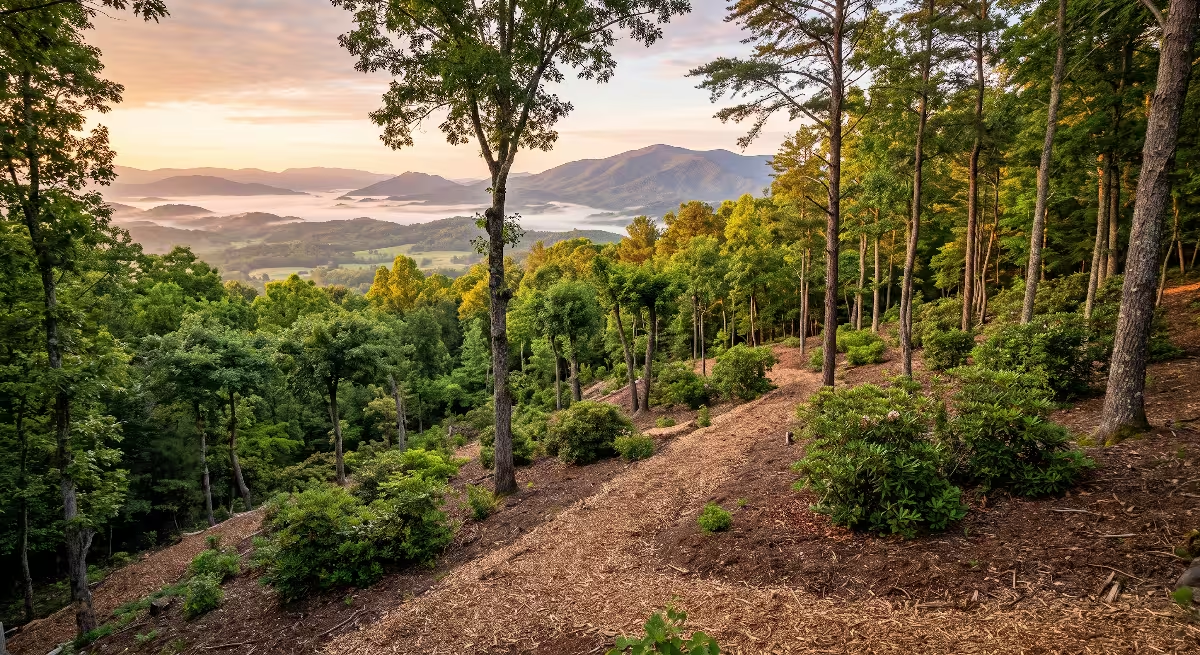
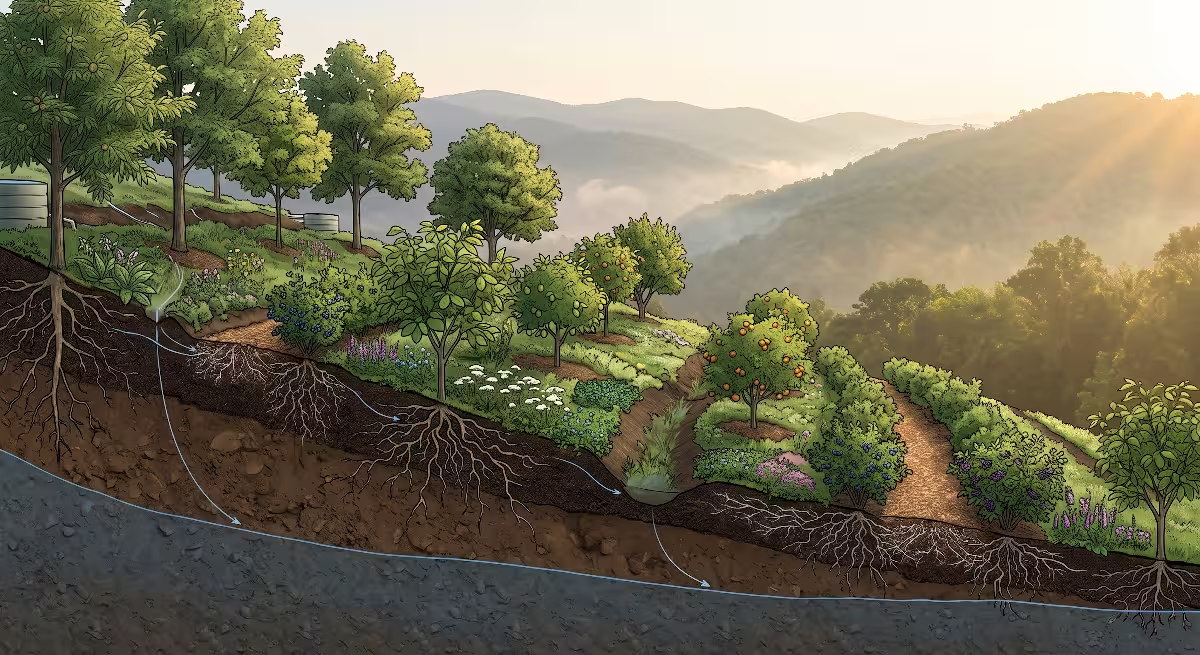
Builders look at the site before starting a construction project. We look at the dirt and the slope and where the water goes. Garden planning needs that same level of technical precision. In the Tri-Cities, we have a lot of hills and ridges. The way the sun hits a yard in Kingsport might be totally different from a valley in Johnson City. You have to be a bit of an engineer to get it right. You need to look at your topography. If you have a steep hill, you cannot just plant anything and hope it stays put. You have to plan for erosion and drainage.
The soil is your foundation. In East Tennessee, we often deal with heavy clay. If you do not do your garden planning with soil health in mind, your plants will struggle. We like to look at the cation exchange capacity of the soil. That sounds like a big term, but it just means how well your soil can hold onto nutrients. We also check for organic matter.
Good garden planning involves adding compost and natural materials to the ground over many years. You are building up the earth so it can support life for decades. We also look at micro-climates. This means noticing if one corner of your yard stays warmer because it is blocked from the wind. Using these technical details helps you place the right plant in the right spot the first time.
Hardscaping for the Next Century
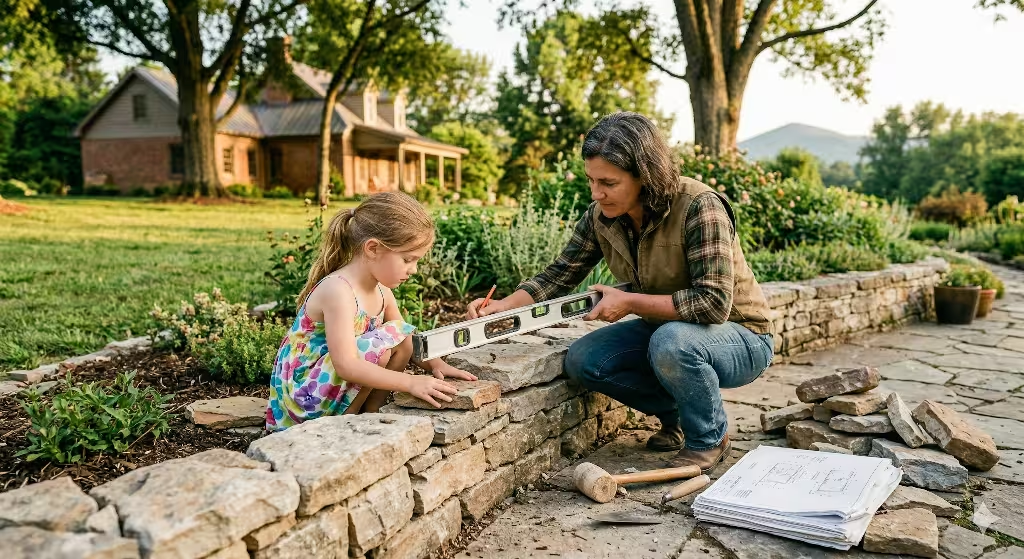
If you want a garden to last for generations, you cannot use cheap materials. You have to think about permanent garden architecture. This is part of the garden planning process that involves wood, stone, and metal. I always suggest using local stone if you can. Limestone and sandstone are plentiful in our area. Using them for walls or paths makes the garden look like it belongs to the Appalachian landscape.
When you are doing your garden planning, you also have to think about how people will use the space as they get older. We call this aging-in-place. You want your paths to be wide and flat. You want them to be easy to walk on even if someone needs a cane or a walker later in life. We stay away from materials that rot quickly. If we use wood, we pick rot-resistant types or treat them properly.
Sustainable hardscaping means building it once and building it right. A dry-stone wall built correctly can stay standing for a hundred years without any mortar at all. That is the kind of precision I love to see in garden planning. It creates a frame for the plants that will grow and change around it.
How Do You Start a Heritage Garden?
Starting a heritage garden can feel overwhelming, but you just have to take it one step at a time. The first part of your garden planning should be an inventory. Walk around your property. See what is already there. You might have an old oak tree or a rose bush that has been there since the house was built. Decide what you want to keep, what needs to move, and what should be removed. This is like renovating an old home. You want to save the good parts while making room for the new.
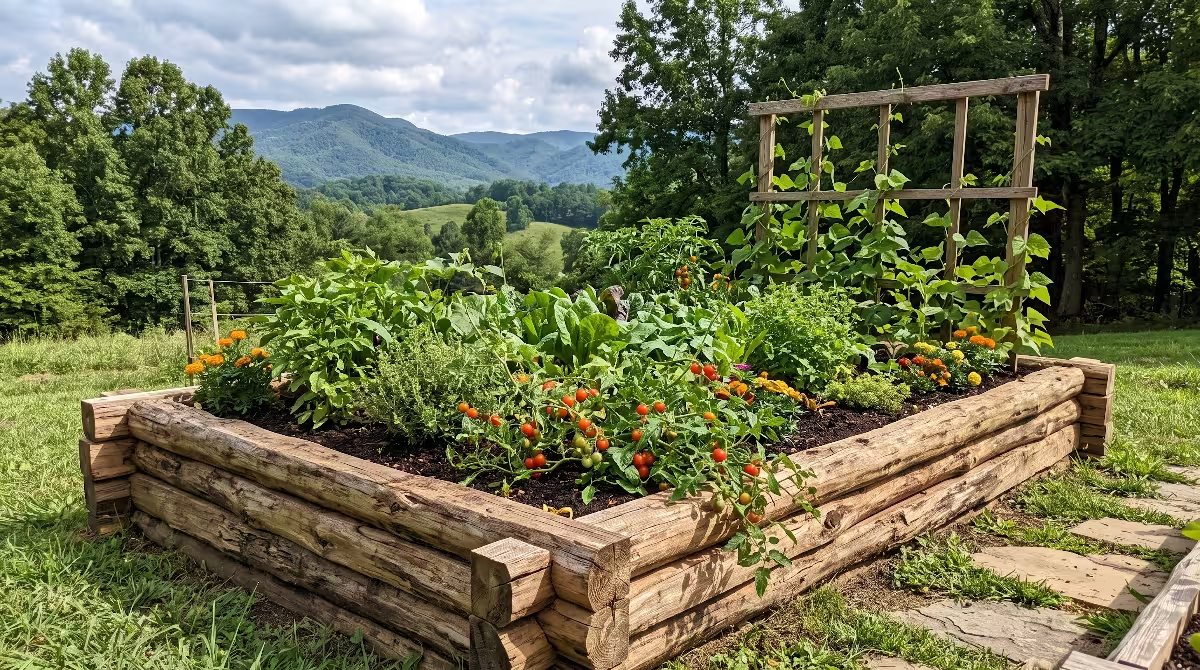
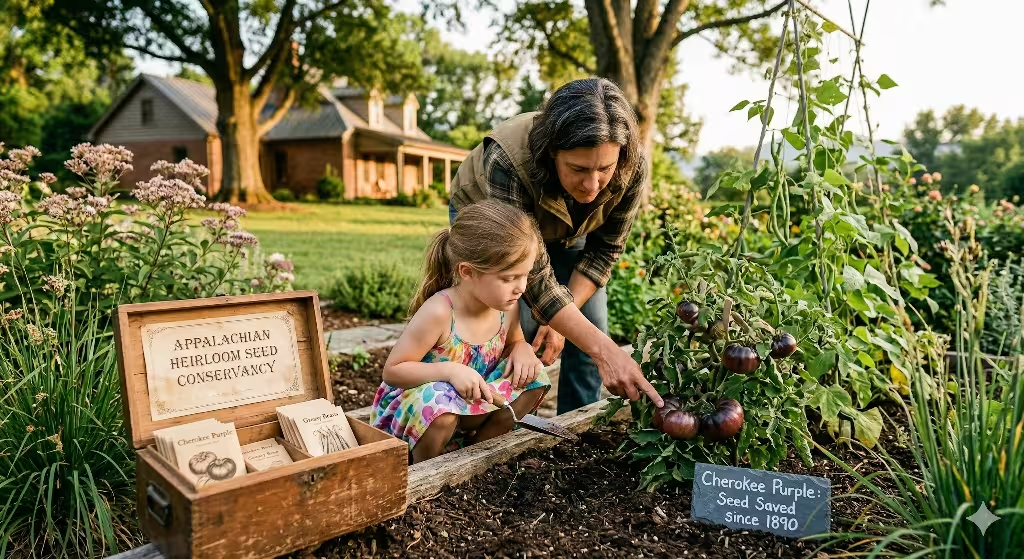
The next step in garden planning is focusing on seed sovereignty. This means you want to own and control the seeds you plant. Ask any farmer about this. We always recommend looking for heirloom seeds. In Tennessee, we have some amazing options. The Cherokee Purple tomato is a classic for a reason. It has deep roots in our history. Greasy beans are another local favorite.
When you include these in your garden planning, you are helping to keep these varieties from going extinct. You are also ensuring that your garden has plants that are naturally resistant to local pests. Once you have your seeds, you can learn about seed saving. This allows you to harvest seeds at the end of the year and plant them again next spring. It is a beautiful cycle that keeps your garden going without having to buy new plants every year.
Planting for Longevity: The Century Plants
Every good garden needs an anchor. In garden planning, those supports are your “century plants.” These are the trees and shrubs that will outlive us. A White Oak is a perfect example. It grows slowly, but it is strong and provides shade and food for wildlife for hundreds of years. When you are doing your garden planning, you have to think about where that tree will be in fifty years. You do not want to plant it too close to the house or the power lines.
We also love heritage roses and peonies. Peonies are amazing because they can live for a very long time in the same spot. I have seen peony bushes in old Johnson City neighborhoods that are older than the people living in the houses. Another part of garden planning for longevity is the mother plant concept. This is where you have one very healthy plant that you use to start new ones. You can take cuttings or divide the roots. This way, if a daughter or a grandchild wants to start their own garden, they can take a piece of your heritage garden with them. It is a way to spread your family history through the neighborhood.
What Plants are Best for a Legacy Garden?
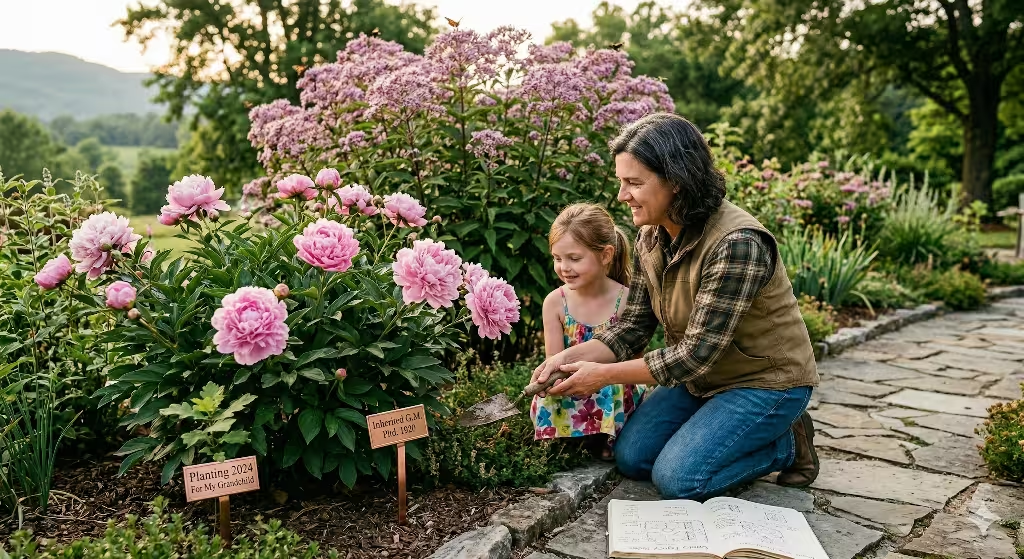
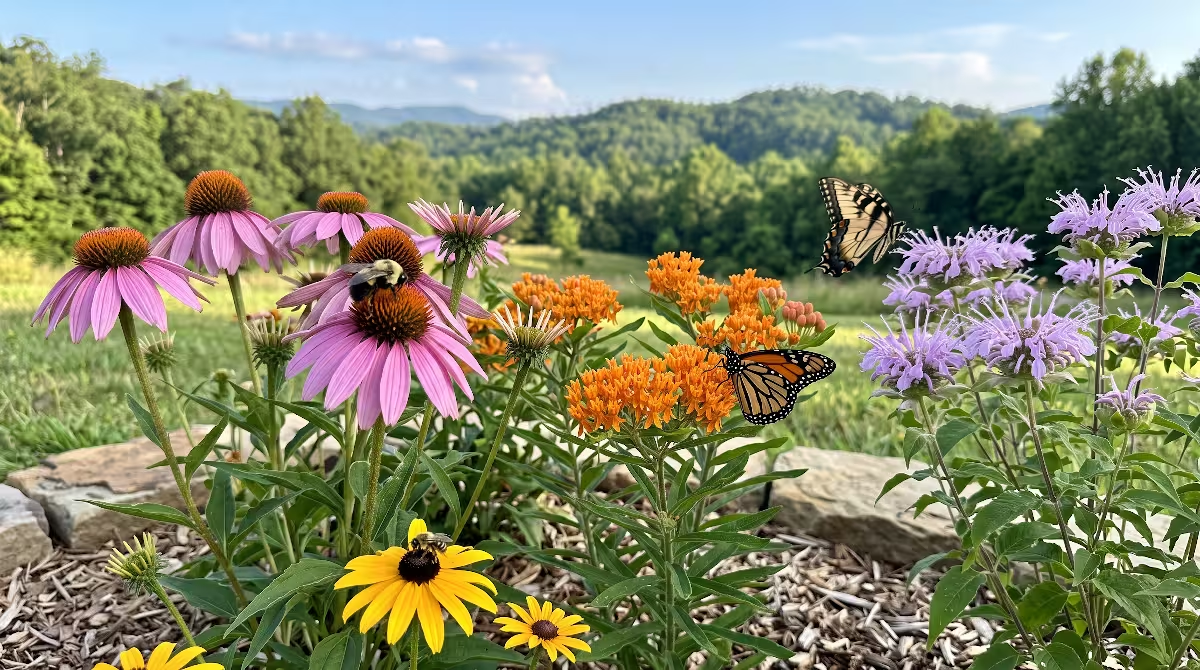
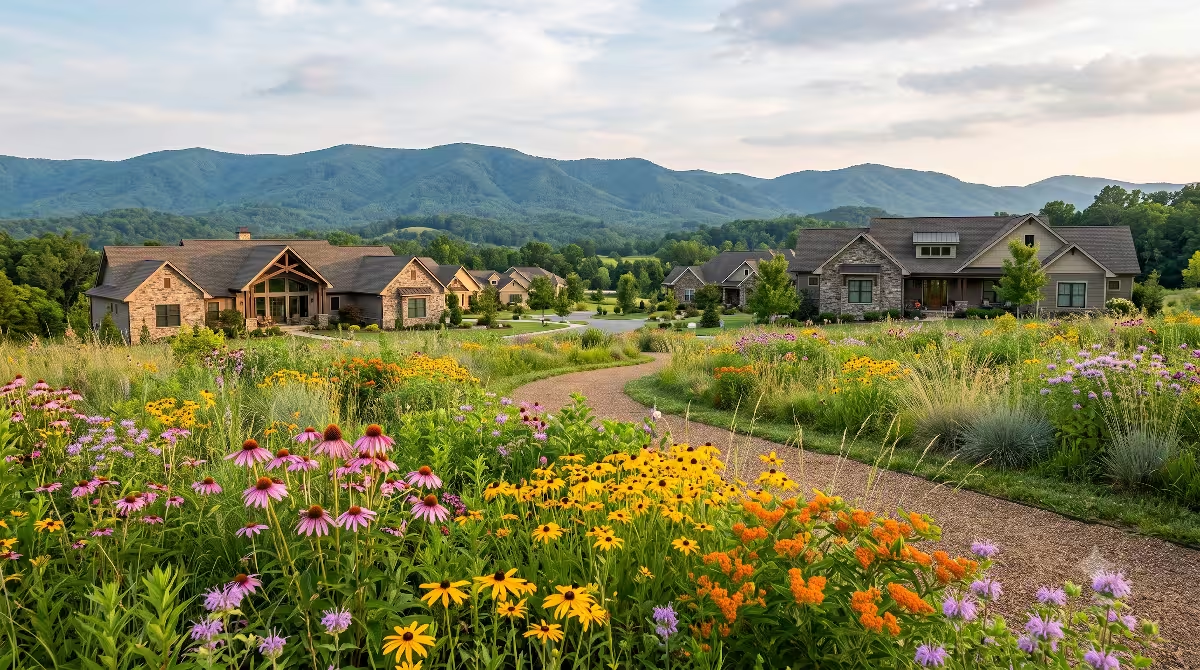
When we look at the best plants for the long haul, we have to talk about native species. Good garden planning includes plants that were here before the cities were built. Native Appalachian flora like Joe-Pye Weed or Swamp Milkweed are great choices. These plants are not just pretty. They provide homes and food for butterflies and bees. If we want our grandkids to see monarch butterflies, we have to include these plants in our garden planning today. These native plants are often much tougher than the fancy flowers you find at big box stores.
Resilience is a big word in the building industry, and it matters in the garden too. You want plants that can handle a bit of neglect. Life gets busy. There might be a year where you cannot spend as much time outside as you want. Reliable perennials are the backbone of a legacy garden. They come back every year on their own.
When you are doing your garden planning, look for things that do not need a lot of chemicals or extra watering once they are established. This makes the garden easier to manage for the next generation. A garden that is too hard to take care of might get torn out. A garden that is beautiful and easy to love will be preserved.
Sustainable Stewardship: The Maintenance Manual
Your garden needs a maintenance manual. Part of your garden planning should involve keeping a garden journal. This is where you write down what you planted and where. You can record when things bloom or when you have a big storm. This journal becomes a guidebook for the next person who takes care of the land. It turns your garden planning into a shared history. You can pass down tips about which corner of the yard gets too much water or which plant the deer like to eat.
We also have to think about water management. In the Tri-Cities, we get some very heavy rains. Engineering a rain garden or a swale can help capture that water. Instead of the water running off into the street, it soaks into the ground to feed your plants. This is a big part of sustainable garden planning. It helps prevent erosion and keeps your soil healthy. We can also use rainwater harvesting, like rain barrels, to save water for dry weeks. Being a good steward of the land means thinking about these systems. It is about working with nature instead of trying to fight against it.
How Can Gardening Preserve Family History?
Gardening is a form of storytelling. Imagine if every time you see a particular lilac bush, you think of your mother. She loved that scent. Including these kinds of emotional connections in your garden planning is what makes it a heritage garden. You can plant a tree to mark the birth of a child or a bush to remember a wedding. Over time, the yard becomes a map of your family’s life. When you walk through it, you aren’t just looking at plants. You are looking at memories.
The seeds themselves are a link to the past. When you grow a bean that has been in your family for four generations, you are eating the same food your great-grandparents ate. That is a very powerful thing. In my garden planning, I try to find ways to involve the kids. I want them to see how a tiny seed becomes a huge plant. I want them to understand that good things take time and work. This is a female-centered way of leading. It is about teaching through doing. It is about showing the next generation that they are part of something much bigger than themselves.
Planting the Future Today
Building a heritage garden is one of the most unselfish things you can do. It is a project that you may never see in its full glory. It takes decades for an oak tree to reach its peak. It takes years for a perennial border to really fill in. But that is the beauty of it. You are planting the future today. Your garden planning is a message of hope. It says that you believe there will be a future and that it will be beautiful.
We encourage everyone in the Tri-Cities to look at their yards with new eyes. Whether you are in Bristol, Kingsport, or Johnson City, you have a chance to create a legacy. Use your technical skills to build a strong foundation. Use your heart to choose plants that tell a story. Start your garden planning this weekend. Take a soil sample. Map out where the sun falls. Think about what you want your grandkids to see when they look out the window. This is your chance to build a home that lives and breathes. It is a gift that will keep on growing long after we are gone.
Remember, the best designs are the ones that respect the environment and the people who live in them. Garden planning is the ultimate form of design. It is a partnership between you and the earth. It requires patience, which is something we do not always have in our fast-paced world. But the reward is a space that offers peace and connection. It is a place where your family can put down roots that are just as deep as the trees you plant.
When you sit down to start your garden planning, do not just think about the colors of the flowers. Think about the birds that will visit. Think about the shade that will cool the house in the summer. Think about the way the wind moves through the branches. Every choice you make is a brushstroke on a very large canvas. It is a way to express your values of competence, precision, and integrity.
If you are just starting out, do not feel like you have to do everything at once. Legacy is built over time. Maybe this year you just focus on one small area. You improve the soil and plant a few native shrubs. That is a great start to your garden planning. Next year, you can add a stone path or start an heirloom vegetable patch. Small, precise steps lead to big results over time. That is the secret to engineering a life and a garden that lasts.
As you look at your yard, remember that you are the steward of this piece of earth. You have the power to make it better. You have the ability to create something that provides food, beauty, and history. Garden planning is the tool that helps you get there. It is a way to use your mind and your hands to create a lasting impact. I am proud to be part of a community in the Tri-Cities that values our land and our heritage. Let’s work together to make sure our gardens are a testament to the love we have for our homes and our families.
Remember that every great forest started with a single seed. Every historic garden started with a simple plan. Your garden planning is the foundation for a masterpiece that will grow more beautiful with every passing year. Do not be afraid to dream big, but always stay grounded in the technical realities of your site. Balance the art of gardening with the science of horticulture. This balance is where the true magic happens. It is where a simple yard becomes a heritage garden.
In conclusion, heritage garden planning for future generations is an investment in the future. It is a way to use your expertise and your passion to create something enduring. Whether you are an engineer like me or someone who just loves to get their hands dirty, you have something valuable to contribute. Our corner of Tennessee is a special place. By focusing on native plants, heirloom seeds, and sustainable practices, we can keep it that way.