
One thing that many buyers learn is that a house is not a home until the yard looks right. But in our beautiful part of East Tennessee, we have a common neighbor that loves to eat our hard work: the white-tailed deer. If you are a woman looking to create a peaceful, beautiful garden that stays that way, you know the frustration of waking up to find your favorite flowers have been chewed down to the dirt.
Thats why it is important to use the right plants from the start. Today, I want to talk to you about the best deer-resistant perennials for East TN Zone 7. We are going to look at how to pick plants that are tough, beautiful, and most importantly, not on the deer menu.
The Reality of Zone 7 Gardening
In the Tri-Cities, we live in USDA Plant Hardiness Zone 7. This means our winters get cold, but not too cold, and our summers are long and warm. This climate is great for many perennials, but it is also perfect for deer.
When we talk about perennials, we are talking about plants that come back year after year. They are the backbone of a good home landscape. However, the term “deer-resistant” can be a little confusing. I always tell my clients that a deer-resistant plant is like a meal that tastes bad. If a deer is hungry enough, they might still take a bite. But usually, they will walk right past these perennials to find something they like better, like your neighbor’s hostas.
Choosing the right perennials is an engineering challenge. You have to match the plant to your soil, your sunlight, and the local wildlife. If you do it right, you save money and time. You get to spend your weekends enjoying your home rather than replanting it.
Understanding Deer Behavior in East Tennessee
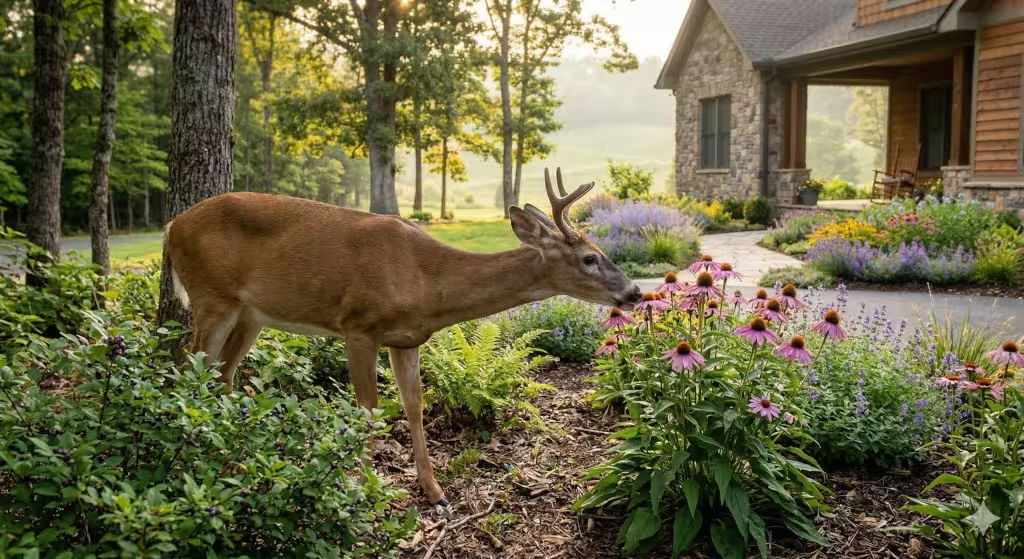
To keep deer away, we have to understand why they eat what they eat. Deer use their senses of smell, taste, and touch to decide on a snack. In homes near wooded lots, deer are very smart about their energy. They want the most “bang for their buck.”
There are three main things that make perennials unappealing to a deer:
Smell: Deer have very sensitive noses. Plants like lavender or sage have a very strong scent. To us, it smells like a spa. To a deer, it is overwhelming and keeps them away.
Texture: Have you ever tried to eat something fuzzy or prickly? Deer do not like it either. Perennials with “hairy” leaves or rough stems are much safer in your garden.
Taste and Toxicity: Some perennials have a bitter sap or are actually toxic if eaten. Deer learn quickly which plants make them feel sick and they will avoid them.
In the Tri-Cities, deer pressure changes with the seasons. In the spring, they are looking for new, tender growth. In the late summer, when it gets dry, they might eat things they usually hate just to get moisture. Understanding these patterns helps us plan a better garden.
Top Perennials for Full Sun
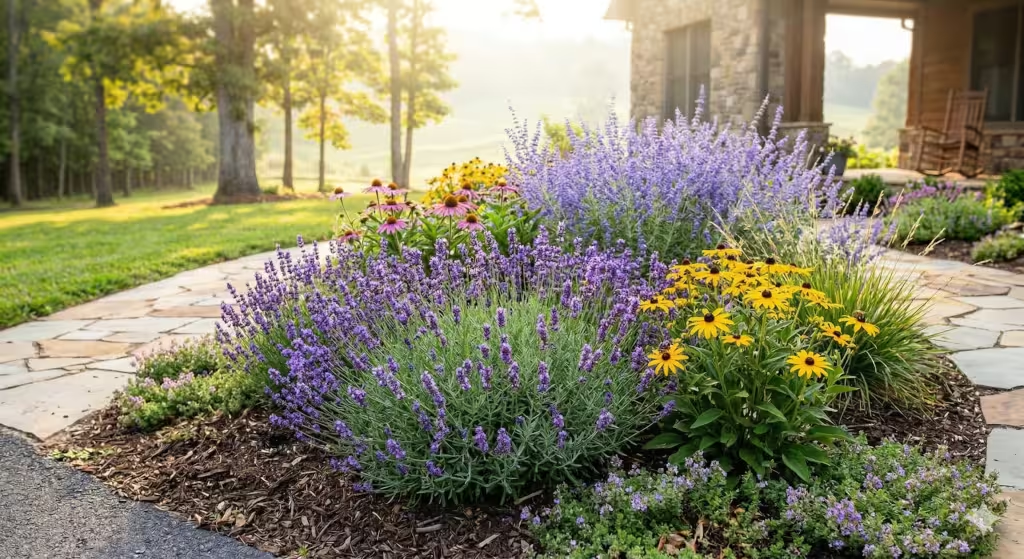
If your yard gets at least six hours of direct sunlight, you have a “full sun” garden. These areas can get very hot in a Tennessee July. You need perennials that can handle the heat and the deer.
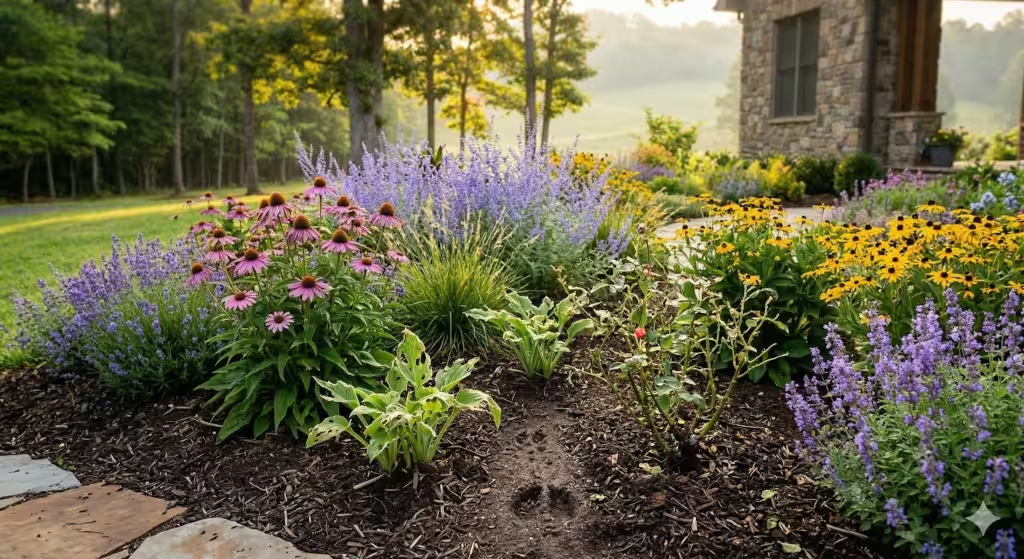
One of my favorites is Lavender (Lavandula spp.). It is an amazing plant for our area. It loves the sun and once it is established, it does not need much water. The strong smell is a great deterrent. I often suggest planting lavender along walkways so when you brush against it, you get a nice scent, and the deer get a warning to stay away.
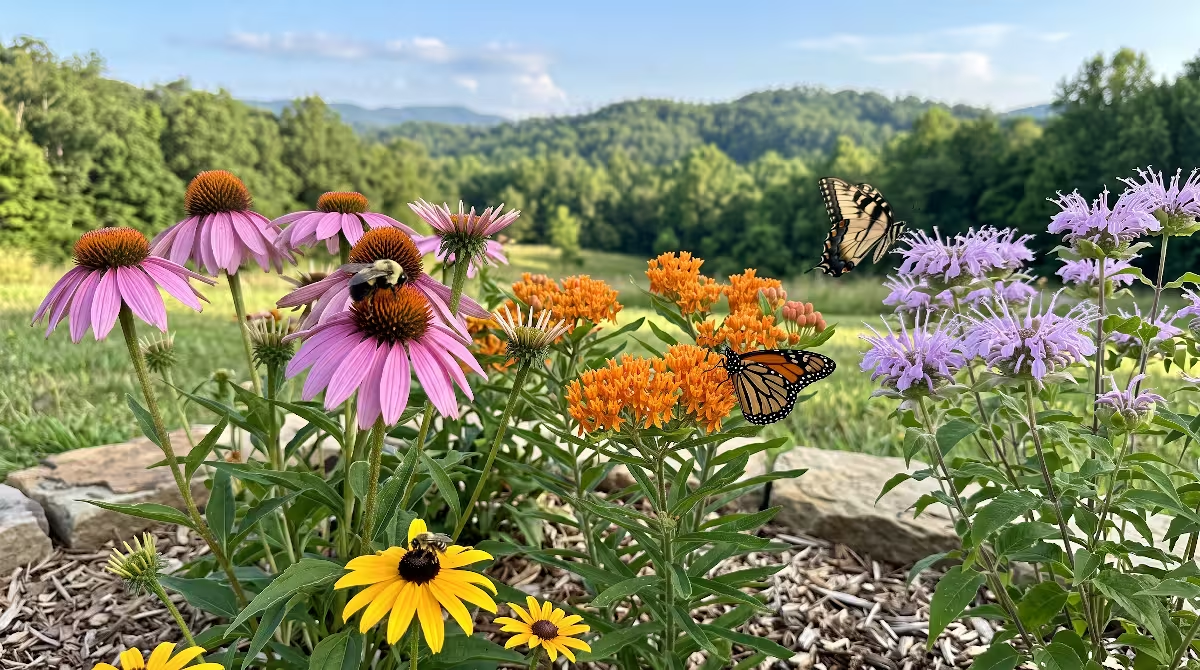
Purple Coneflower (Echinacea purpuerea) is another staple. It is a native plant, which we always recommend because it is used to our soil. The center of the flower is very prickly. Deer do not like the way it feels on their tongues. Plus, they look great in a bouquet on your kitchen table. An alternate species, if you have a lot of sun, is pale purple coneflower (Echinacea pallida).
Russian Sage (Salvia yangii) is a powerhouse for big spaces. It grows tall and has beautiful purple-blue flowers. The leaves have a very strong, herbal smell. It is a very precise choice for someone who wants a lot of color with almost zero maintenance.
Black-Eyed Susans (Rudbeckia hirta) are the classic “happy” flower. Their leaves are rough and scratchy, which is a great defense. They are very common in Johnson City gardens because they just work. They are competent plants that do their job year after year.
Lastly, consider Catmint (Nepeta spp.). Do not confuse this with catnip! Catmint stays in a nice tidy clump and has soft, fuzzy leaves. Deer hate the smell and the texture, but honeybees love the flowers. It is a win-win for your yard.
Top Perennials for Shade
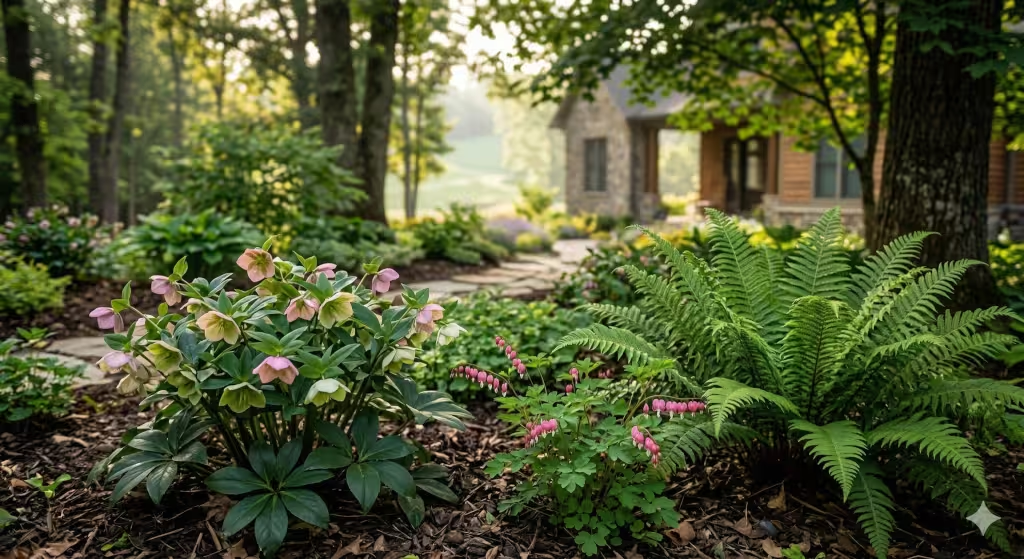
Many homes in our area are tucked into the hills and have a lot of trees. This means you need shade-loving perennials. Shade gardens are often where deer love to hide, so being careful with your choices here is very important.
Hellebores (Helleborus spp.), also called Lenten Roses, are the gold standard for shade. They are one of the few perennials that stay green all winter. They bloom very early in the spring when everything else is brown. More importantly, they are toxic to deer. Once a deer tries a hellebore, they usually never come back for seconds.
Ferns are another great choice. Most ferns, like the Ostrich Fern (Matteuccia struthiopteris) or Christmas Fern (Polystichum acrostichoides), are completely ignored by deer. They add a lush, green look to the shady spots under your oak trees. They make your home feel like a cool mountain retreat.
If you want flowers in the shade, Astilbe (Astillbe spp.) is a solid option. They have feathery plumes of flowers in pink, red, or white. While they need a bit more water, deer usually find their texture unappealing.
Bleeding Heart (Dicentra eximia) is a classic “grandma’s garden” plant that is still very popular. It has unique heart-shaped flowers. Despite looking delicate, it is a very tough perennial that deer tend to leave alone.
Native TN Options for Ecosystem Balance
As a builder, I care about the land. Using native perennials is one of the best ways to keep our local environment healthy. Native plants have spent thousands of years learning how to survive in East Tennessee.
Bee Balm (Monarda didyma) is a fantastic native. It comes in bright reds and purples. It belongs to the mint family, so it has that strong scent that deer dislike. It is great for attracting butterflies to your back porch.
Amsonia (Amsonia tabernaemontana), or Blue Star, is a very smart choice. In the spring, it has blue flowers. In the fall, the foliage turns a bright gold. It has a milky sap inside the stems that tastes terrible to deer. It is a very precise, multi-season plant.
Butterfly Weed (Asclepias tuberosa) is another native that is “tough as nails.” It has bright orange flowers and a deep root system. Because it has a bitter sap, deer avoid it. It is one of the most important perennials you can plant if you want to help the monarch butterflies.
Common Tri-Cities Gardening Queries Related to Deer Resistant Perennials
I get a lot of questions from homeowners about their yards. Here are the most common ones I hear:
Are hostas deer-resistant?
The short answer is no. In the building world, we call hostas “deer candy.” If you plant hostas in the Tri-Cities without a fence, you are basically setting out a buffet. If you love the look of hostas, try planting Lungwort (Pulmonaria spp.) or Heuchera (Heuchera spp.) instead. They have similar beautiful leaves but are much more resistant.
What is the most effective deer repellent for TN?
While plants are your first line of defense, sprays can help. I recommend rotation. Use a scent-based spray one month and a taste-based one the next. Deer are smart; if you use the same thing all the time, they get used to it.
Can deer-resistant plants survive partial shade in East TN?
Yes. Many perennials like Coneflower (Centaurea cyanus) or Bee Balm will do just fine in “part shade,” which means about four hours of sun. They might not bloom as much as they would in full sun, but they will still grow and stay resistant.
When is the best time to plant perennials in Zone 7?
The best times are spring and fall. We personally prefer fall. The ground is still warm from the summer, but the air is cool. This allows the perennials to grow strong roots before the heat of next summer hits. However, the planting generally depends on the species being planted.
Engineering a Deer-Resistant Design
A good garden is like a good house plan—it needs a strategy. You can’t just throw plants in the ground and hope for the best. You have to design with intent.
One trick I use is the Perimeter Strategy. Put your most “smelly” perennials, like Lavender or Rosemary, on the very edge of your garden beds. This creates a “scent wall” that might turn a deer away before they even see the other flowers.
I also like the Layering Technique. This means putting your tallest, toughest perennials in the back and smaller ones in the front. This makes it physically harder for a deer to reach into the middle of the bed to find something they might want to nibble on.
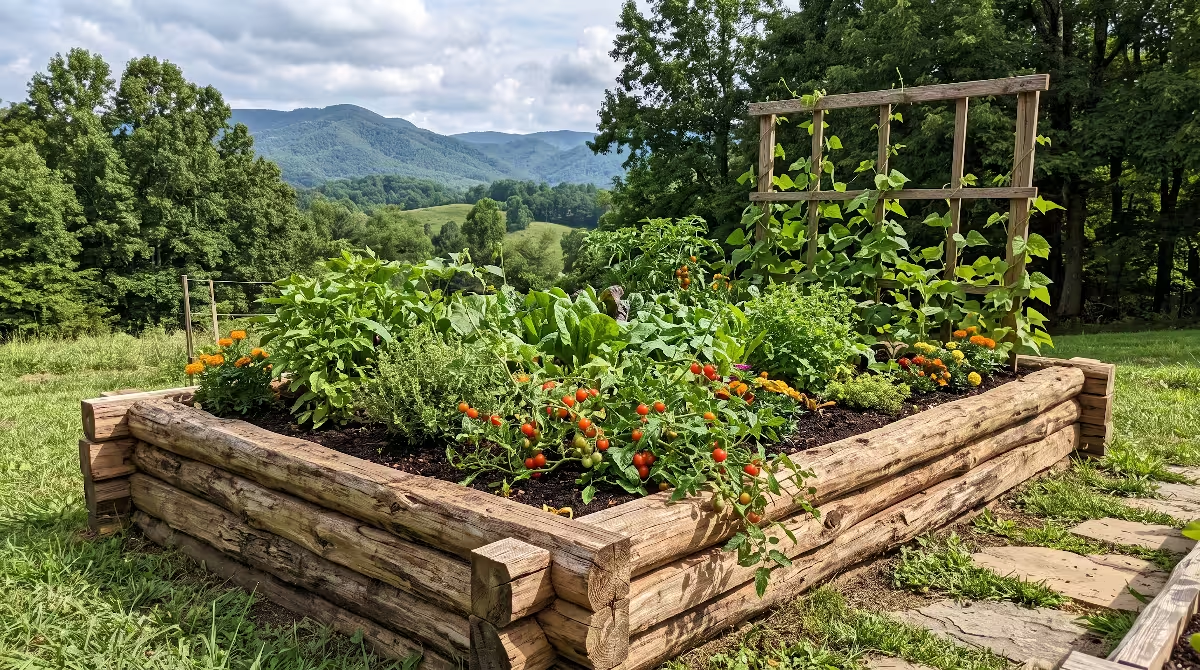
If you have a very special plant that is not deer-resistant, like a rose bush, place it in a Raised Bed or a container on your porch. Bringing the plants closer to the house and higher off the ground makes deer less likely to bother them. Deer are generally shy and don’t like coming too close to where humans live and move.
Maintenance Tips for the Tri-Cities Homeowner
Even the best perennials need a little help to get started. In the Kingsport and Johnson City area, we have a lot of red clay soil. This soil can be very hard and tough for roots to grow through.
When you plant your perennials, we suggest digging a hole twice as wide as the pot. Mix in some good compost or organic matter. This “loosens” the soil and gives the plant a head start. Think of it like a solid foundation for a house, if the foundation is good, the rest will stand strong.
Mulching is also vital. A two-inch layer of hardwood mulch helps keep the soil moist during our hot August weeks. It also keeps the roots cool. Just be sure not to pile the mulch up against the stems of your perennials, as this can cause rot.
Finally, keep your plants healthy. A stressed plant smells differently than a healthy one, and deer can pick up on that. Regular watering during dry spells and a little bit of fertilizer in the spring will keep your perennials strong and less attractive to hungry visitors.
Enhancing Your Home’s Curb Appeal
Building a beautiful home is a journey, and the garden is the final touch. By choosing the best deer-resistant perennials for East TN Zone 7, you are making a competent and precise choice for your property. You are protecting your investment and ensuring that your home looks its best year-round.
Whether you are in a new development in Johnson City or an older neighborhood in Kingsport, these perennials will help you create a landscape you can be proud of. You don’t have to fight nature; you just have to work with it.
We hope this guide helps you feel more confident in your gardening choices. A beautiful, deer-resistant yard is possible with just a little bit of engineering and the right plants.
A Custom List of Plants for Your Garden in E Tennessee
Most gardens only succeed when you have the right plants for the specific site conditions.
In the Tri-Cities, we have everything from baking-hot hillsides in Kingsport to deep, cool hollows in Johnson City. To give you a truly precise plan, I have categorized these perennials by the amount of light they receive.
Here is a custom planting list designed specifically for our East Tennessee Zone 7 environment.
Full Sun (6+ Hours of Direct Sunlight)
These perennials are built for the heat. They are perfect for those open front yards or south-facing garden beds that get the full force of the Tennessee sun.
| Plant Name | Height | Why It Works |
| Russian Sage (Salvia yangii) | 3–4 ft | Deer hate the herbal smell and the fuzzy, silvery leaves. |
| Yarrow (Achillea millefolium) | 1–2 ft | Its feathery foliage is very aromatic and tastes bitter to deer. |
| Amsonia (Blue Star) (Amsonina tabernaemontana) | 2–3 ft | The milky sap inside these perennials is a natural deterrent. |
| Blanket Flower (Gaillardia spp.) | 1 ft | These have a rough, “hairy” texture that deer find very scratchy. |
| Arkansas Blue Star (Amsonia hubrichtii) | 3 ft | This native plant is tough as nails and ignored by local wildlife. |
Partial Shade (3–6 Hours of Sunlight)
These perennials are great for the edges of wooded lots or the east side of your home where they get morning sun but afternoon relief.
| Plant Name | Height | Why It Works |
| Bee Balm (Monarda didyma) | 2–4 ft | The minty scent is wonderful for you but a “no-go” for deer. |
| Cardinal Flower (Lobelia cardinalis) | 2–3 ft | These perennials love our moist TN soil and are rarely touched. |
| Columbine (Aquilegia canadensis) | 1–2 ft | A delicate native look that is surprisingly resistant to grazing. |
| Japanese Anemone (Eriocaptella spp.) | 2–3 ft | They bloom in late summer when deer are looking for snacks. |
| Anise Hyssop (Agastache foeniculum) | 2–3 ft | The licorice smell of these perennials sends deer the other way. |
Full Shade (Less than 3 Hours of Sunlight)
For those of us living under the heavy canopy of our local maples and oaks, these perennials provide lush color without becoming a midnight snack.
| Plant Name | Height | Why It Works |
| Hellebore (Helloborus spp.) | 1–2 ft | Evergreen and toxic to deer; these are the most reliable choice. |
| Christmas Fern (Polystichum acrostichoides) | 1–2 ft | A leathery, evergreen fern that deer simply do not find tasty. |
| Barrenwort (Epimedium spp.) | 1 ft | Very tough once established; great for dry shade under trees. |
| Bleeding Heart (Dicentra eximia) | 2 ft | These perennials are a woodland classic that deer consistently avoid. |
| Virginia Bluebells (Mertensia virginica) | 1–2 ft | These come up early in spring and disappear before deer get hungry. |
Pro-Tip: The “Scent Barrier” Method
If you have a specific area where deer enter your yard, like a gap in the treeline, try planting a thick row of Lavender or Catmint. These highly scented perennials act like a “Keep Out” sign for their noses. It’s an engineering trick that uses biology to protect your more sensitive plants.