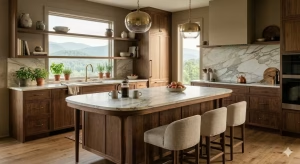
In the Tri-Cities, we understand the value of a solid foundation. Whether we are framing a house in Kingsport or pouring concrete in Johnson City, the structural integrity of a building is always the first priority. But over the last few years, the definition of what makes a home “sound” has shifted. We have spent more time inside our four walls than ever before and many of us have realized that our homes need to be more than just shelters from the rain. They need to be places that actively help us recharge. These concepts are what makes the architecture of Frank Lloyd Wright popular. He brought the outside in.
As stated in a previous post, the home should be looked at as a series of systems. You have your electrical system, your plumbing system, and your HVAC system. But there is another system that is often overlooked: the human system. This is where biophilic design comes into play. It is not just a trend for fancy magazines. It is a practical, evidence-based approach to building that connects people back to nature.
Living here in East Tennessee, we are surrounded by the incredible beauty of the Appalachian Mountains, the flow of the Holston River, and the dense forests of Bays Mountain. It makes perfect sense that we should bring that calmness inside. Biophilic design is the practice of weaving nature into the built environment. It is about using natural light, raw materials, and views of the outdoors to lower stress and improve health. It is engineering for the mind and body.
In this article, we are going to dig into the science and the style of this approach, showing you how your home can actually make you healthier.
Watch a Video of this Article
The Physiological Impact: What Happens to Your Body?

When we talk about building specs, we usually talk about load-bearing walls or insulation R-values. But let’s look at the “specs” of the human body. Our bodies were not designed to sit under buzzing fluorescent lights or stare at white drywall for twelve hours a day. We evolved outside. When we cut ourselves off from nature, our biological systems can get out of sync.
The most measurable benefit of biophilic design is stress reduction. Scientific studies have shown that simply looking at nature can change your body chemistry in minutes. When you walk into a room that has elements of biophilic design, like a view of trees or wood grain textures, your cortisol levels drop. Cortisol is the body’s primary stress hormone. High cortisol leads to high blood pressure, heart issues, and anxiety. By changing your environment, you can physically lower that stress response.
Another major factor is your sleep. We all have an internal clock called a circadian rhythm. This clock is set by sunlight. In traditional home building, we didn’t worry much about light quality, just quantity. But biophilic design focuses on syncing your indoor lighting with the sun.
Bright, blue-toned light in the morning wakes you up, while warm, amber light in the evening helps your body produce melatonin for sleep. If your home has poor lighting, your body doesn’t know when to rest. By using windows to capture morning sun or installing smart lighting systems that mimic daylight, we can engineer a better night’s sleep.
We also have to talk about the air we breathe. In the industry, we worry about “Sick Building Syndrome,” which happens when a home is sealed too tight and toxins build up. Biophilic design fights this by introducing plants. Plants are natural air filters. They pull toxins called VOCs (Volatile Organic Compounds) out of the air. A simple Snake Plant or Peace Lily is like a mini HVAC filter that runs for free.
The Psychological Impact: Mental Health & Productivity

If you have ever tried to work at a messy desk in a dark room, you know it is hard to focus. Now, imagine working in a sunroom with a view of a garden. The difference in how your brain works is real.
Biophilic design is a powerful tool for your mind. Research suggests that incorporating natural elements into a workspace can boost productivity by up to 15%. For those of us in the Tri-Cities who now work from home, this is huge. It is not just about working harder; it is about “cognitive restoration.” Your brain is like a muscle. It gets tired. Nature provides a break that allows your brain to reset and recharge faster than looking at a screen or a blank wall.
This design approach also helps with anxiety through a concept called “Refuge.” In construction, we build roofs to protect from rain. In psychology, a “refuge” is a space where you feel safe and protected, usually with a lower ceiling or a cozy nook, while still being able to see out. Think of a window seat overlooking a backyard. You feel safe, but you are connected to the world. This balance is a key part of biophilic design because it satisfies a primal human need for safety.
Biophilic Element 1: Visual Connection to Nature
The easiest way to bring biophilic design into your home is through your eyes. Before you build, it is helpful to walk the lot before the foundation is dug. We want to know where the sun comes up and where the best views are.
In East Tennessee, we are lucky. We have rolling hills and beautiful seasons. A key part of biophilic design is framing those views. We use large windows and glass doors to blur the line between inside and outside.
However, we have to be smart about it. We use engineering principles to choose the right glass. We want “Low-E” (low emissivity) glass. This glass lets the light and the view in, but blocks the heat. This way, you get the visual connection to nature without your AC bill going through the roof.
It is also about “indoor-outdoor flow.” We are seeing a lot of renovations in Bristol and Kingsport where homeowners are replacing solid back doors with large sliding glass walls. This opens the living room right onto a deck or porch. Even when the door is closed, your brain registers the outdoors as part of your living space. This makes the room feel bigger and your mind feel freer.
Biophilic Element 2: Natural Materials & Textures
Humans are tactile creatures. We like to touch things. There is a warmth to natural materials that you just cannot get from plastic or drywall. This is where the craftsmanship of the Tri-Cities really shines.
Biophilic design encourages the use of materials that show their natural origin. We call this “haptic feedback.” When you walk on a real wood floor, it feels different than walking on vinyl. When you touch a stone fireplace, it feels grounded.
We have great local resources for this. Appalachian hardwoods like white oak, hickory, and walnut are fantastic choices. They have complex grain patterns. Our eyes and brains love these patterns. They are complex but organized, which is soothing to the mind. Using local Tennessee fieldstone for a fireplace or an accent wall is another great way to use biophilic design. It brings the geology of our region right into your living room.
Using these materials is not just about looks. It is about durability and age. Natural materials develop a “patina” over time. They look better as they get older, unlike synthetic materials that just look worn out. This adds a sense of timelessness and stability to the home, which is comforting.
Biophilic Element 3: Non-Visual Connections
We experience a home with more than just our eyes. We hear it and we smell it. A true biophilic design plan considers these senses too.
Let’s talk about sound. Modern homes can be noisy with appliances and traffic. Biophilic design often uses water features to help. You might see a small indoor fountain or a water feature in a garden just outside a window. The sound of running water is “pink noise.” It masks the harsh sounds of traffic or the neighbor’s lawnmower. It creates a soundscape that relaxes the brain.
Scent is also powerful. Have you ever walked into a new construction home and smelled chemicals? That is off-gassing from carpets and paints. In a biophilic home, we aim for the smell of natural wood, beeswax finishes, or plants. The subtle scent of cedar in a closet or pine in a sunroom triggers positive memories of being outdoors. It grounds you in the present moment.
Biophilic Design in Specific Rooms

You do not have to rebuild your whole house to get these benefits. You can apply biophilic design room by room.
The Bedroom: This is your recovery room. The goal here is deep sleep. We want to minimize blue light and maximize darkness at night. But in the morning, we want natural light. Position your bed so you can see a window, but not so the streetlights shine in. Use heavy, natural fabrics like wool or cotton for bedding. Avoid synthetic polyesters that don’t breathe.
The Home Office: This is the productivity zone. Never put your desk facing a blank wall if you can help it. If you can, face a window. If you can’t, put a large plant or a piece of art depicting nature in your line of sight. This gives your eyes a place to rest when you look away from the computer. This “micro-break” reduces eye strain and mental fatigue.
The Bathroom: This is the easiest place to create a spa-like retreat. Bathrooms are usually humid, which makes them perfect for tropical plants. Ferns and orchids love the steam from a shower. Using stone tiles or pebble flooring in the shower can stimulate the nerve endings in your feet, which is a great way to wake up in the morning.
Practical Application: A Guide for Tri-Cities Homeowners

So, how do you actually do this? It depends on if you are renovating or building new.
If you are renovating an older home in Johnson City, start with the lighting. Swap out those harsh, cool-white bulbs for warm-white bulbs in your living areas. Consider adding a skylight in a dark hallway. If you are replacing flooring, look at engineered hardwood instead of laminate. It is a real wood surface that gives you that biophilic connection.
If you are building a new custom home, you have more options. We can orient the house on the lot to catch the best sunlight. We can vary the ceiling heights. In nature, things aren’t all flat and level. Having a high, vaulted ceiling in the living room and a lower ceiling in the den creates different feelings of energy and safety. We can design deeper roof overhangs that shade the summer sun but let the winter sun in. This is smart engineering that aligns with biophilic design.
Don’t forget to shop local. We have amazing stone yards and lumber suppliers in our area. Using materials from 50 miles away is better for the environment than shipping fake stone from overseas, and it connects your home to the local landscape.
Questions about Biophilic Design
Is biophilic design expensive?
It can be, but it doesn’t have to be. Sure, a massive glass wall is an investment. But buying a few high-quality house plants is cheap. Choosing a wood countertop for an island instead of quartz might actually save you money. It is about choices. The return on investment is your health, which is priceless.
Can you do biophilic design in a small apartment?
Absolutely. It is about scale. Vertical gardens or hanging planters save floor space but add greenery. Mirrors can be used to reflect light and views, making a small window feel like a big one. Even a small fountain on a desk brings in that soothing water element.
Does this really work or is it a placebo?
The data is solid. Hospitals have been using biophilic design for years because patients recover faster in rooms with views of nature. Schools use it because test scores go up in classrooms with natural light. It is biology, not magic.
Future Outlook for Biophilic Design
Building a home is about more than lumber and bricks. It is about building a life. As we move forward, I believe “wellness architecture” will become the standard in the Tri-Cities. We are already seeing buyers ask for these features. They want the screened porches, the big windows, and the healthy materials.
Biophilic design is not a fleeting style; it is a correction. We spent a few decades building sealed boxes, and we realized that didn’t work for us. Now, we are getting back to basics, but with better technology. We are engineering homes that respect our human need for nature.
If you are feeling stressed or tired in your current home, take a look around. Could you open the blinds? Could you add a plant? Could you paint a wall a calm, earth-tone color? Start small. Bringing the outdoors in is one of the best things you can do for your health, and living here in beautiful East Tennessee, we have the best outdoors in the world to draw from.
Detailed Breakdown: Lighting and Circadian Rhythms
Let’s dig a little deeper into the lighting aspect of biophilic design because it is often the most misunderstood. In my engineering days at UT, we learned about lumens and watts. But in biophilic design, we care about “Kelvin temperature.” This measures the color of the light.
Mid-day sun is very cool and blue-ish, around 5000K to 6500K. This signals your body to be alert. Sunset is very warm and red-ish, around 2700K or lower. This signals your body to relax. The problem in many homes is that we put 4000K or 5000K LED bulbs in the bedroom or living room. You turn those on at 8 PM, and your brain thinks it is noon. You can’t sleep.
A biophilic design plan creates a lighting schedule. We might install a system where the lights automatically shift color throughout the day. Or, simpler yet, we put different bulbs in different lamps. Your overhead lights might be brighter for cleaning or working, but your floor lamps should have warm, dim bulbs for the evening.
Also, consider the “dapple” effect. Light in nature is rarely flat. It comes through leaves, creating patterns of light and shadow. You can mimic this with light fixtures that have perforated shades or by placing a light behind a plant to cast shadows on the wall. This visual texture is much more interesting and relaxing to the eye than a flat, bright ceiling light.
Detailed Breakdown: The Power of Plants
I want to elaborate on plants because they are the workhorses of biophilic design. You don’t need a green thumb to make this work. You just need to pick the right tools for the job.
We mentioned the Snake Plant earlier. It is nearly indestructible. It is also one of the few plants that releases oxygen at night, making it perfect for the bedroom. The Pothos vine is another great one. It grows fast and trails down shelves, adding that “wild” feeling to a rigid bookshelf.
For those of us in the Tri-Cities, consider bringing in some native species if you can, or at least plants that look like they belong here. Ferns are very Appalachian. They remind us of hiking near a creek.
When you place plants, think about grouping them. In nature, plants rarely grow alone. They grow in clusters. Grouping three pots together in a corner looks more natural than one pot sitting by itself. It creates a mini-ecosystem feel.
Detailed Breakdown: Airflow and Thermal Comfort
Thermal comfort is a big part of how we feel in a space. Usually, we set the thermostat to 72 degrees and forget it. But biophilic design embraces subtle changes.
Think about a breeze. A gentle breeze feels good because it changes the air pressure and temperature on your skin slightly. We can engineer this into a home with ceiling fans or by positioning windows for cross-ventilation. Opening windows on opposite sides of the house creates a natural draft.
Even the materials you touch affect thermal comfort. Stone feels cool to the touch, which is great in the summer. Wood feels warmer. Using a mix of these materials allows you to find a comfortable spot regardless of the season. A sunroom with a stone floor might be your favorite spot on a hot July day in Kingsport, while a den with wood floors and a rug is where you want to be in January.
The Role of Color in Biophilic Design
Color is a vibration. It affects our mood. Biophilic design doesn’t mean everything has to be brown and green. Nature is full of color. But the types of colors matter.
Earth tones are the base. Beiges, soft grays, warm browns. These are grounding. They effectively act as a neutral canvas. Then we add the greens—from deep forest green to bright lime. Green is the easiest color for the human eye to process. It causes the least amount of eye strain.
But don’t forget the accents. The blue of the sky, the yellow of a wildflower, the rusty red of clay. We use these as accent colors. A rusty red pillow on a beige sofa pops just like a flower in a field.
We try to avoid large amounts of unnatural, neon colors. These can be jarring and cause “visual noise.” If you want a bold color, look to nature for inspiration. If it exists on a mountainside or in a riverbed, it will probably look good in your house.
Acoustic Engineering for Wellness
I touched on sound earlier, but let’s get technical. Noise pollution is a major stressor. If you live near a busy road in Johnson City, that constant hum raises your blood pressure.
Biophilic design uses materials to dampen sound. Soft surfaces absorb sound. Rugs, curtains, and upholstered furniture help. But we can go further. Acoustic wall panels can be made to look like art or even moss walls. A moss wall is exactly what it sounds like—preserved moss mounted on a panel. It looks beautiful, requires zero water, and is an incredible sound absorber.
We also look at “sound masking.” This is where the water feature comes in. It doesn’t just make a pretty sound; it fills the frequencies that are usually occupied by distracting noises. It smooths out the audio environment of your home.
Conclusion: Your Home as a Battery Charger
To wrap this up, think of your home like a battery charger. You go out into the world, you work, you deal with traffic, you deal with stress. You deplete your battery. When you come home, you plug in.
If your home is dark, cluttered, and disconnected from nature, it is like using a broken charger. You might get back to 50%, but you never really hit 100%. Biophilic design is the fast charger. By connecting with nature, managing light, and ensuring clean air and good views, you recharge faster and more completely.
Here in the Tri-Cities of Tennessee, the ultimate goal is to build homes that help you last. That help you live a longer, healthier, happier life. That is the true power of biophilic design. It is not just about making a house look good; it is about making you feel good. And that is a specification worth meeting.
A Checklist to Help Make Your Home A Biophilic Paradise
You made a great choice. The 1980s ranch is one of the most common housing stocks we have in Johnson City, Kingsport, and Bristol. They are structurally sound and usually sit on great pieces of land, but from a biophilic design perspective, they can feel a bit like caves. They often have 8-foot ceilings, small windows, and closed-off rooms.
Here is a checklist that will turn that “boxy” ranch into a wellness-focused home. The checklist has been broken down from “Weekend Warrior” projects to “Call a Contractor” renovations.
The Tri-Cities 1980s Ranch: Biophilic Design Renovation Checklist
Phase 1: The “Low Hanging Fruit” (Weekend Projects)
These are changes you can make without pulling a permit or knocking down drywall.
Lighting Audit (The Kelvin Swap)
The Problem: 80s homes often have “boob lights” (flush mount fixtures) in the center of the room that cast harsh shadows.
The Fix: Replace bulbs with “Warm White” (2700K-3000K) for bedrooms and living rooms.
The Biophilic Upgrade: Switch to floor lamps that aim light upward or through a shade to mimic the soft, dappled light of a forest.
Door Hardware & Touch Points
The Problem: hollow-core doors with shiny, cheap brass knobs. They feel cold and fake.
The Fix: You might not be able to replace every door, but you can replace the knobs. Switch to oil-rubbed bronze or brushed nickel levers.
Why: It changes the “haptic” (touch) experience every time you enter a room.
The “Green Corner” Strategy
The Problem: Ranch layouts often have dead corners in the living room.
The Fix: Create a dedicated plant zone.
Action: Buy a tiered plant stand. Place it near the sliding glass door. Group 3-5 plants of different heights (Snake Plant, Pothos, Fern). This creates a “visual anchor” of nature.
Phase 2: The “Handyman Special” (Minor Renovations)
These projects require some tools and know-how, but they make a massive difference in how the house feels.
Solatubes (Sun Tunnels) for Hallways
The Problem: The central hallway in a ranch is usually dark and windowless.
The Fix: Install a tubular skylight (Solatube).
Why: Because ranch homes usually have truss roofs with big attics, these are easy to install. They pipe natural sunlight from the roof down into the hall or bathrooms. It creates a connection to the weather outside without losing privacy.
Replace the Solid Front Door
The Problem: Most 80s ranches have a solid steel or wood slab front door. The entry is dark.
The Fix: Install a door with a glass insert or a “lite.”
Expert Note: Look for “obscure glass” or “rain glass.” It lets light in so your body registers the time of day, but people can’t see inside.
Flooring: Ditch the Carpet
The Problem: Wall-to-wall carpet traps allergens and dust (bad air quality) and feels synthetic.
The Fix: Install LVP (Luxury Vinyl Plank) or engineered hardwood.
The Look: Go for a matte finish, wide-plank White Oak look. This is the trending style in East TN right now. It mimics the local timber and makes the room feel larger.
Phase 3: The “General Contractor” Level (Major Impact)
These are the big moves that change the architecture of the house.
Removing the “Wall of Separation”
The Problem: In 1985, the kitchen was for cooking and the den was for sitting. A wall usually separates them. This blocks light from traveling across the house.
The Fix: Remove the wall between the kitchen and the living room.
Engineering Warning: In a ranch, there is a 50/50 chance this is a load-bearing wall. You need a structural engineer (like me) to size a beam (LVL) to carry the load.
The Benefit: This allows light from the front windows and back sliding door to mix. It creates a “prospect” view where you can see the whole space, which lowers anxiety.
The “Window Wall” Upgrade
The Problem: The standard 6-foot sliding door leads to a concrete patio. It feels like a barrier.
The Fix: Widen the opening to 9 or 12 feet and install a multi-slide door or French doors with sidelights.
The Benefit: This physically blurs the line between inside and out. It frames the view of your backyard (the Appalachian hills or just your garden) as if it were a mural.
The Screened Porch Addition
The Problem: In Tennessee, bugs and humidity keep us inside during the summer.
The Fix: Build a screened porch over that old concrete slab.
Design Tip: Use a vaulted ceiling with exposed wood rafters in the porch. This “biomorphic” shape draws the eye up and feels like a tree canopy.
Summary of Materials for the Tri-Cities Ranch
| Element | 80s Standard (Avoid) | Biophilic Upgrade (Use) | Why? |
| Floors | Thin carpet, Linoleum | White Oak, Hickory, Slate | Natural texture, better air quality. |
| Walls | Shiny Wallpaper, Dark Paneling | Matte Earth Tones (Sage, Clay) | Reduces glare, mimics nature. |
| Trim | Dark, thin stained pine | Painted thick craftsman or Natural Cedar | Clean lines, scent (if cedar). |
| Countertops | Laminate / Formica | Granite, Quartz, Butcher Block | Cold/Warm tactile balance. |
Tri-Cities TN Home Analysis:
The 1980s ranch is actually the easiest home to apply biophilic design to because it is one level. You are always close to the ground/nature. By opening up the floor plan and punching a few holes in the roof for light, you transform a dark box into a light-filled pavilion.