
The Foundation of a Healthy Home in Northeast Tennessee
Many of us who live here in the Tri-Cities do so for a reason. We’re drawn to the profound sense of peace that comes from being nestled in the Appalachian Highlands. We spend our weekends hiking the trails near Roan Mountain or fishing the Watauga River, breathing in air that feels clean and restorative. There’s a certain integrity to the natural world here that grounds us. It’s a standard of living we appreciate, yet it’s one we often forget to demand from the very place we spend most of our time: our homes.
We have become accustomed to the idea that a “new house smell” is the sign of a job well done. We associate the sharp scent of fresh paint or new carpet with progress and cleanliness. However, many of these familiar smells are actually indicators of an unseen and toxic problem, the slow release of chemicals into our indoor air. The Environmental Protection Agency (EPA) has found that the concentration of certain pollutants can be two to five times higher indoors than outdoors. It’s a jarring thought, especially when you consider the pristine environment just outside our front doors in Johnson City, Kingsport, and Bristol.
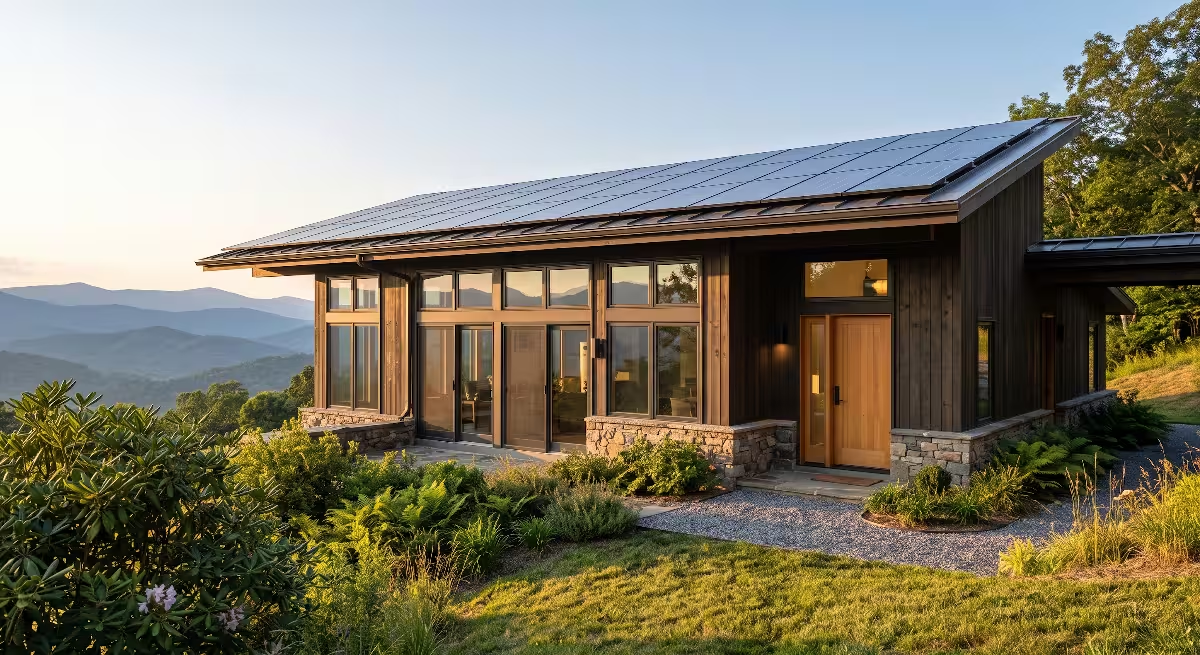
A home should always be built with integrity, from the footers to the ridgeline. Integrity isn’t just about ensuring a structure is plumb and square and will stand for a century. It also means making deliberate, informed choices about the materials that make up that structure. A truly well-built home should be a sanctuary, a place that promotes health and well-being, not one that secretly detracts from it. Building a home that is fundamentally healthy and non-toxic for the family inside is not an upgrade or a luxury; it is a non-negotiable aspect of quality construction. It is about applying the same standard of purity we expect from our mountain air to the air within our own walls.
Understanding the “Toxic” in Building Materials
Before we can build a healthier home, we need to understand what makes some common materials unhealthy in the first place. The issue isn’t about immediate, obvious danger. It’s about low-level, long-term exposure to substances that can affect our health over time, contributing to everything from allergies and asthma to more serious chronic conditions. This is often referred to as poor “Indoor Air Quality,” or IAQ. Let’s break down the main offenders you’ll find in conventional construction.
Volatile Organic Compounds (VOCs)
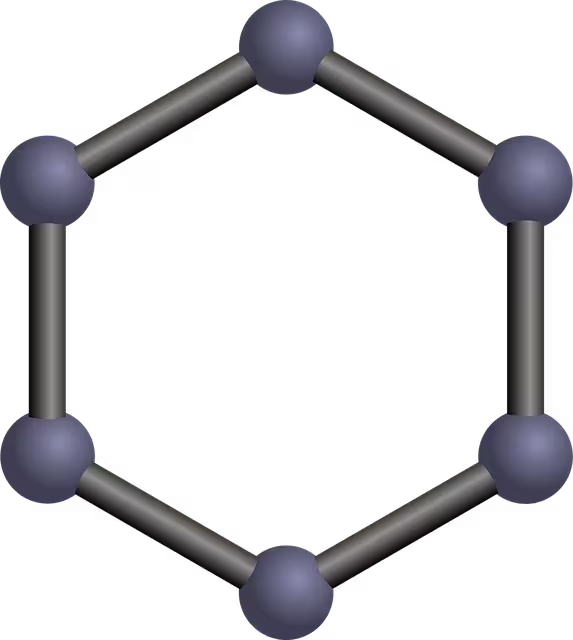
This is the term you will hear most often, and for good reason. Volatile Organic Compounds, or VOCs, are a large group of chemicals that are found in many products we use to build and furnish our homes.1 The “volatile” part of their name means they easily turn into a gas at room temperature.2 When you open a can of standard paint, that strong smell that fills the room is the scent of VOCs “off-gassing,” or leaking into the air.3
These chemicals aren’t just in paint. They are used as solvents in thousands of products. You can find them in adhesives that hold down flooring and laminate countertops, in wood finishes and sealants, in carpet fibers and their backing, and even in household cleaners. When these products are brought into your home, they continue to release these gaseous chemicals for weeks, months, or in some cases, even years. Common VOCs include substances like benzene, ethylene glycol, and formaldehyde. Breathing them in can cause short-term effects like headaches, dizziness, and eye, nose, and throat irritation. Long-term exposure has been linked to more significant health problems. The goal is to choose products specifically labeled as “Low-VOC” or, even better, “Zero-VOC.”
Formaldehyde
Formaldehyde is one of the most common VOCs found in homes and deserves its own category because it is so widespread. It’s a colorless gas with a strong, pickle-like smell that is used to produce resins, which act as a powerful glue. This glue is the key ingredient in most engineered wood products. Think about the materials used for kitchen cabinets, subflooring, furniture, and shelving—many are made from particleboard, medium-density fiberboard (MDF), or plywood. These products are created by pressing wood chips, fibers, and sawdust together with a formaldehyde-based resin.
For years, this resin would slowly release formaldehyde gas into the home, especially when new. While regulations have improved and now require lower emissions, many products, particularly less expensive imported ones, can still be a significant source of this chemical. It is a known irritant that can trigger asthma attacks and other respiratory issues. For this reason, selecting solid wood or engineered wood products specifically certified as “NAUF” (No Added Urea-Formaldehyde) is one of the most important decisions you can make for your home’s air quality.
Phthalates & Polyvinyl Chloride (PVC)
Phthalates (pronounced THAL-ates) are chemicals used to make plastics softer and more flexible. They are often called “plasticizers.” One of the most common places you’ll find them in a home is in products made from polyvinyl chloride, or PVC. This includes most vinyl flooring (like luxury vinyl tile or LVT), vinyl wallpaper, shower curtains, and some blinds.
The concern is that phthalates don’t form strong chemical bonds with the plastic, meaning they can leach out or turn into gas over time, settling into the dust in your home. From there, they can be inhaled or ingested. PVC also creates highly toxic and carcinogenic dioxins during its production and if it ever burns (for example, in a house fire). While vinyl flooring is popular for its durability and low cost, the potential health risks associated with its chemical makeup lead many health-conscious builders and homeowners to seek out alternative materials.
Other Concerns: Lead, Asbestos, and Mold
For those of us working on remodels in the older, beautiful homes scattered throughout the Tri-Cities, from Jonesborough to Elizabethton, we also have to be mindful of legacy materials. Any home built before 1978 could have lead-based paint, and homes built before the 1980s might contain asbestos in things like insulation, vinyl flooring, or ceiling tiles. These require professional handling and abatement and are not materials used in modern construction, but it’s critical to be aware of them.
Finally, while mold is a naturally occurring fungus, the materials we choose can either invite it in or keep it at bay. In our humid Appalachian climate, proper moisture management is key. Choosing materials that are naturally mold-resistant or that dry quickly and effectively is a crucial part of building a non-toxic home.
A Room-by-Room Guide to Non-Toxic Building Materials
Knowing the problems is one thing; knowing the solutions is what empowers you to build better. The good news is that for nearly every conventional building material, there is a healthier, non-toxic alternative. Here is a practical guide to building a healthier home, from the ground up.
Foundation & Framing
The bones of your house are the first place to make smart choices. While concrete foundations and wood framing are standard, how we treat them matters.
- Foundation: A concrete foundation itself is generally inert and non-toxic once cured. The issue comes from the sealants and waterproofing agents applied to it. Many asphalt-based or solvent-based products can off-gas chemicals into your basement or crawlspace. Look for water-based, low-VOC crystalline silicate sealers. These penetrate the concrete and create a permanent waterproof barrier without releasing harmful fumes.
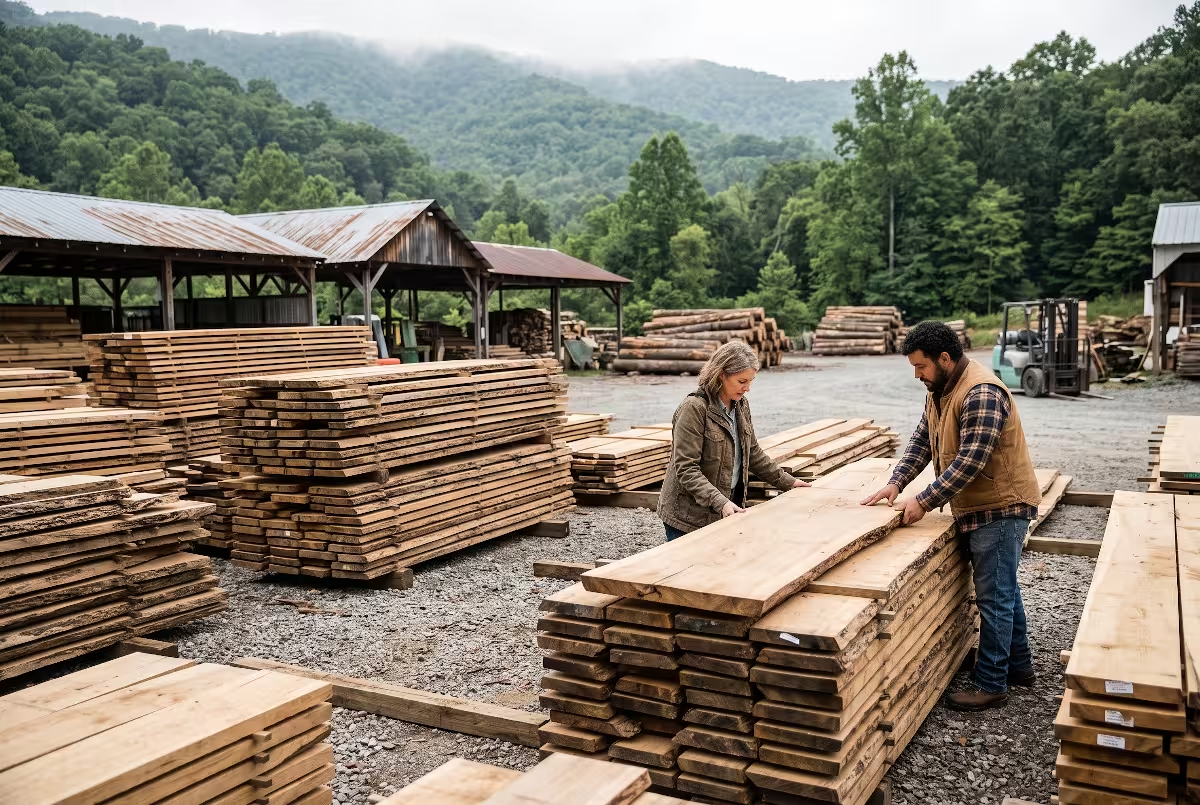
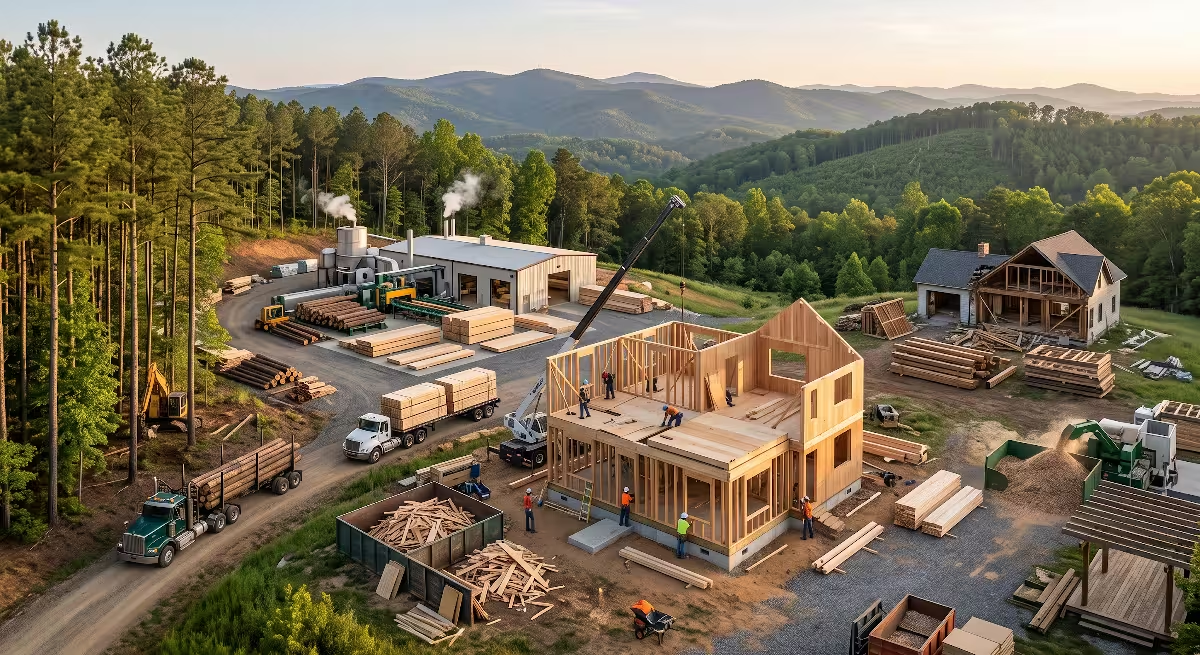
- Framing: The best choice for framing is solid wood lumber from a responsibly managed forest. It’s strong, durable, and free of the adhesives found in engineered wood. When engineered wood products are necessary, such as for I-joists or laminated veneer lumber (LVL) beams, it’s critical to source them from a manufacturer that uses no-added-formaldehyde (NAUF) or ultra-low-emitting formaldehyde (ULEF) resins. A good builder will know which suppliers provide these safer options.
Insulation
Insulation is what keeps your home comfortable during our cold winters and humid summers, but it can also be a hidden source of chemicals.
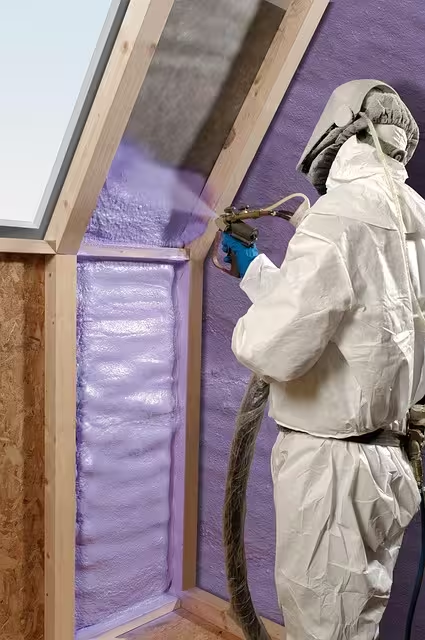
- Avoid: Traditional fiberglass batt insulation, especially the kind that is faced with asphalt-coated paper, can contain formaldehyde as a binder.4 It can also trap dust and moisture if not installed perfectly, creating a potential for mold.
- Choose: There are many fantastic, non-toxic alternatives available today.
- Sheep Wool: This material is naturally flame, mold, and pest resistant.5 Its greatest advantage is its ability to manage moisture; it can absorb up to 30% of its weight in water without feeling damp or losing its insulating ability, which is a huge benefit in our region.
- Cork: Cork is harvested from the bark of cork oak trees, making it a renewable resource.6 It provides excellent thermal and acoustic insulation and is also naturally anti-microbial and fire-resistant.7 It comes in rigid boards or as a spray-applied product.
- Cotton/Denim Batts: Made from recycled cotton fibers (often from denim manufacturing scraps), these batts are treated with non-toxic borate for fire and pest resistance. They are easy to install and contain no formaldehyde.
- Cellulose: This is a very common option made from recycled newspaper. It is also treated with borates to make it fire and pest resistant and provides excellent insulation when densely packed into wall cavities.
- Sheep Wool: This material is naturally flame, mold, and pest resistant.5 Its greatest advantage is its ability to manage moisture; it can absorb up to 30% of its weight in water without feeling damp or losing its insulating ability, which is a huge benefit in our region.
Interior Walls & Paints
Your walls and ceilings represent the largest surface area in your home. What you use to construct and coat them has a massive impact on your indoor air quality.
- Drywall: Standard drywall is relatively safe, but some products can have trace amounts of chemicals. For the most health-conscious builds, look for products that are specifically Green Guard Gold certified, which means they meet strict emissions standards. There are even innovative types of drywall, like CertainTeed’s AirRenew, that are designed to actively capture and trap VOCs from the air.
- Paint & Primer: This is the easiest and most important change you can make. In the past, durable paint required oil-based formulas full of VOCs. Today, water-based paint technology has advanced so much that there is no reason to use high-VOC products. When shopping for paint, ignore labels that just say “eco-friendly.” Look for the specific terms on the can:
- “Low-VOC”: Better than conventional paints, but still contains some chemical solvents.
- “Zero-VOC”: This is the standard you should aim for. By law, this means the base paint has virtually no VOCs (under 5 grams per liter). Be aware, however, that adding a color tint can sometimes add a small amount of VOCs back in.
- Natural Paints: For those wanting to go a step further, milk paints or clay-based paints use natural pigments and binders and are truly free of any synthetic chemicals.
Flooring
Your floor is a huge surface that your family, especially children and pets, will come into direct contact with every day.
- Avoid: Conventional wall-to-wall carpeting can be a triple threat: the synthetic fibers (nylon, polyester), the chemical-laden backing, and the high-VOC adhesives used to glue it down can all off-gas for years. Vinyl flooring (LVT, sheet vinyl) is made from PVC and contains phthalates.
- Choose:
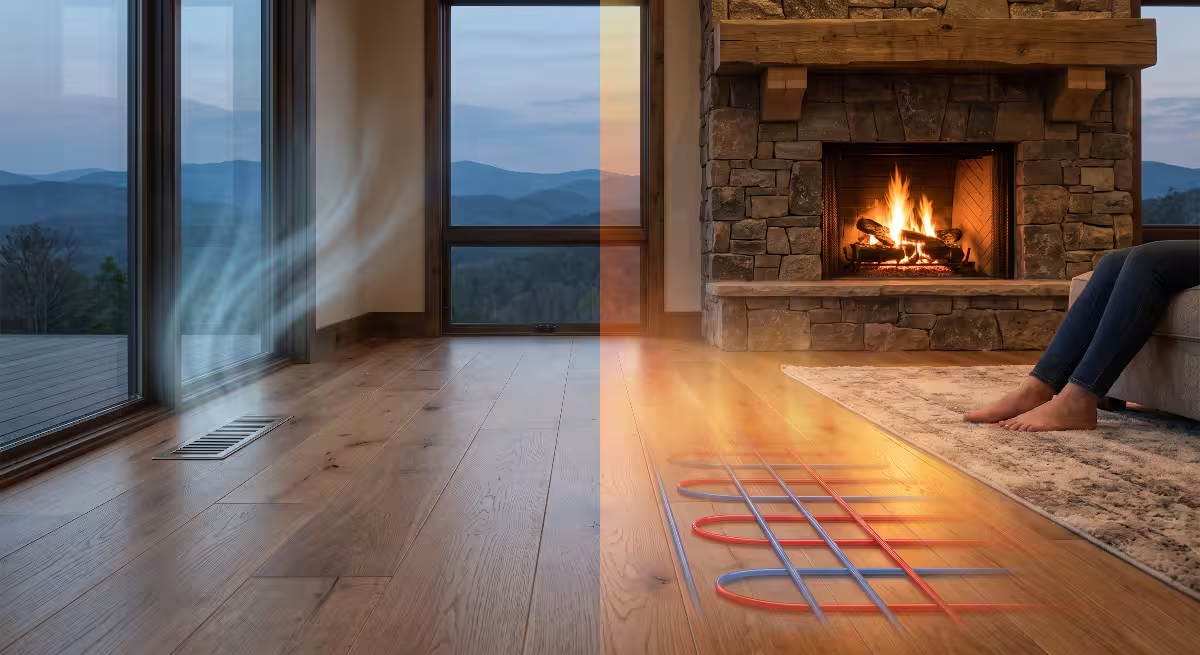
- Solid Hardwood: This is a timeless and healthy choice. Wood sourced locally from the Appalachian region and finished on-site with a natural, penetrating oil finish or a water-based, Zero-VOC polyurethane is the gold standard for a non-toxic floor.
- Engineered Wood: A good option for basements or areas where moisture is a concern. The key is to select a product from a reputable manufacturer that uses a formaldehyde-free adhesive to bond the layers of wood together.
- Natural Linoleum: This is not the cheap vinyl flooring of the past. True, natural linoleum (often known by the brand name Marmoleum) is made from a mixture of linseed oil, cork dust, wood flour, and jute backing. It is durable, anti-static, anti-bacterial, and comes in a huge variety of colors.
- Cork & Bamboo: Both are excellent, sustainable options. Cork is soft underfoot, a great insulator, and naturally resistant to mold and mildew. Bamboo is a rapidly growing grass that is harder than many hardwoods. Just ensure the bamboo flooring you choose was made without formaldehyde-based glues.
- Tile: Ceramic and porcelain tile are made from baked clay and are completely inert and non-toxic. They are a perfect choice for bathrooms and kitchens. Use a low-VOC or zero-VOC thin-set mortar and grout to keep the entire installation healthy.
Cabinetry & Countertops
The kitchen is the heart of the home, and it’s often filled with engineered wood products and synthetic surfaces.
- Cabinetry: The boxes that make up most modern cabinets are typically made of particleboard or MDF held together with formaldehyde-based glues. To avoid this, you can opt for cabinets made from solid wood or, more affordably, from formaldehyde-free plywood. Ask your cabinet maker or supplier specifically for “NAUF plywood” boxes.
- Countertops:
- Best Choices: Natural stone like granite, marble, or soapstone are quarried from the earth and are naturally free of chemicals (just be sure to use a low-VOC sealer). Butcher block counters made from solid wood and finished with food-grade mineral oil are another beautiful, non-toxic option.
- Good Choices: Recycled glass or paper composite countertops are bound with resins, so you’ll need to check with the manufacturer to ensure they use low- or no-VOC formulas. Quartz countertops are very popular, but they are about 7-10% resin. Reputable brands have very low emissions, but it’s worth verifying.
Sourcing & Costs in the Tri-Cities Area
This is where the conversation turns practical. Two questions always come up: Is it more expensive, and where can I find these materials?
The Cost Question: A Direct Answer
I believe in being direct. Yes, some of these healthier materials have a higher upfront cost than their conventional counterparts.8 A solid hardwood floor will cost more than a sheet of vinyl. Sheep wool insulation costs more per square foot than basic fiberglass.
However, it is a mistake to only look at the initial price tag. I encourage my clients to think in terms of long-term value. First, there’s the value of your family’s health, which is impossible to put a price on. Reducing long-term exposure to chemicals that can cause respiratory issues and other chronic problems is a worthwhile investment. Second, these materials are often of a much higher quality and are more durable. A solid wood floor can be refinished for generations, while a vinyl floor will be torn out and sent to a landfill in 10-15 years. This longevity adds real, tangible value to your home.
Finally, the market is changing. As more consumers demand healthier products, the prices are becoming more competitive. Zero-VOC paint, for example, is now available at nearly the same price as standard paint. The key is to plan ahead, do your research, and incorporate these materials into your budget from the very beginning.
Finding Materials Locally
While big-box stores in Johnson City and Kingsport are starting to carry more “green” and “healthy” options, you may need to look further for some of the more specialized materials. The best resource you have is a knowledgeable and experienced builder. A general contractor who prioritizes this type of construction will have already done the legwork. They will have relationships with local lumber yards that can source FSC-certified wood, flooring suppliers who carry natural linoleum and formaldehyde-free engineered wood, and specialty distributors for high-performance insulation. Don’t be afraid to ask your builder pointed questions about their suppliers and their experience with these types of materials. Their answers will tell you a lot about their commitment to healthy building practices.
For Existing Homes: How to Make Your Tri-Cities Home Less Toxic
Not everyone is building a new home from the ground up. If you live in an existing home, you can still take significant steps to reduce toxins and improve your indoor air quality. The key is to focus on the projects that will give you the biggest return on your health investment.
Prioritize the “Big Wins”
- Repaint with a Purpose: The single most effective and affordable step you can take is to repaint your interior with a high-quality, Zero-VOC paint. Focus on the rooms where you spend the most time, like bedrooms and main living areas. This one change can drastically reduce the chemical load in your home’s air.
- Rethink Your Next Flooring Project: When it’s time to replace that old, worn-out carpet or flooring, make a commitment to choose a non-toxic option. Refer to the list above—hardwood, cork, natural linoleum, or tile are all excellent choices that will immediately improve your home’s environment.
- Ventilate, Ventilate, Ventilate: In our often-humid climate, proper ventilation is critical for preventing mold and clearing out pollutants. Use the exhaust fans in your kitchen when you cook and in your bathrooms when you shower. On dry, pleasant days, open the windows for 15-20 minutes to allow for a full exchange of fresh air. Consider adding an Energy Recovery Ventilator (ERV) to your HVAC system, which continuously brings in fresh, filtered air while exhausting stale, polluted air.
Conclusion: Your Health is Your Home’s Best Feature
A home’s true value isn’t measured in square footage or granite countertops alone. It’s measured in the sense of safety, comfort, and well-being it provides. Building with non-toxic materials is a deliberate choice to invest in that well-being for the long term. It is about aligning the integrity of your home’s construction with the health of your family.
The process requires careful planning and a partner who understands the technical details and shares your values. The right builder will serve as your expert guide, helping you navigate the choices and source the best materials for your project. They will see the pursuit of a healthy home not as a hassle, but as a fundamental responsibility.
If you are planning a new build or a significant remodel here in the Tri-Cities and want to prioritize creating a truly healthy home, let’s start a conversation. Precise planning and principled material selection are the first steps toward building a home that will support your family’s health for decades to come.