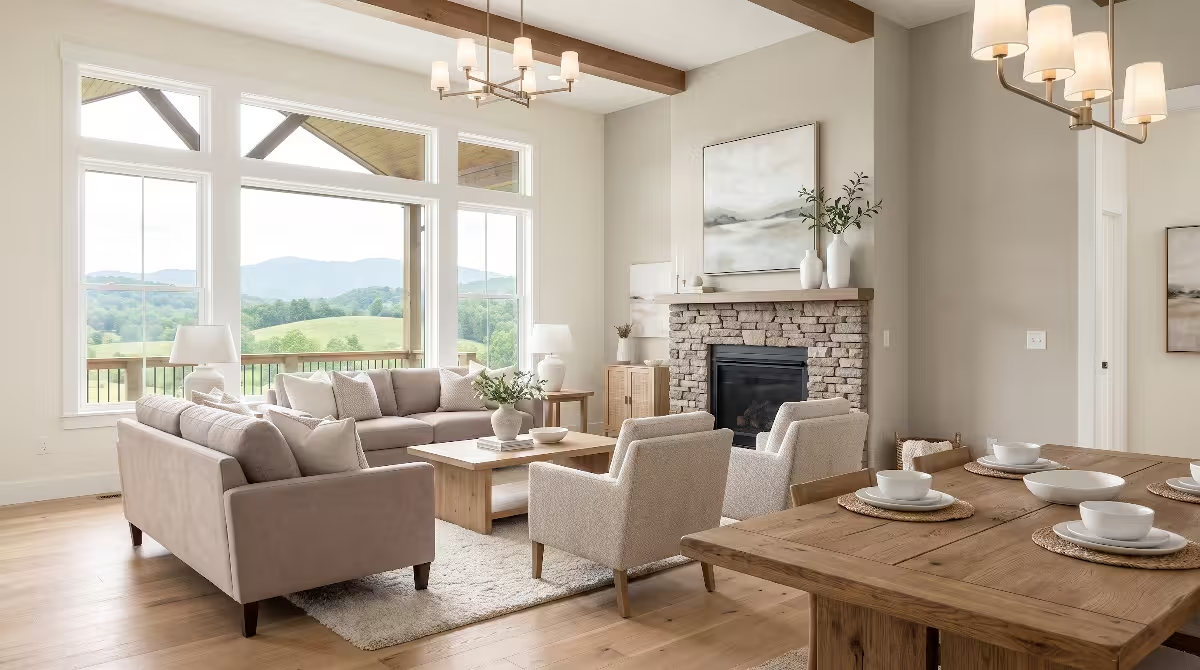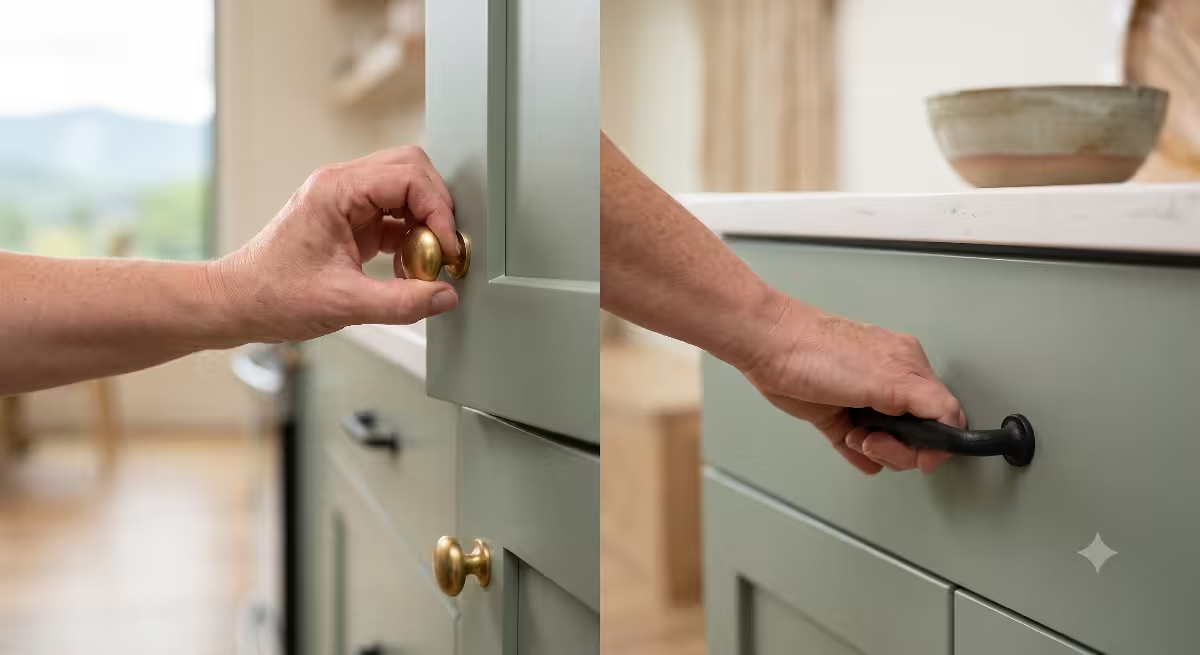

The crisp air of Johnson City, TN in morning reminds people of why they love East Tennessee so much. Imagine a job site where the sun is just starting to peek over the mountains. There is a specific smell to a house under construction. Most people notice the sawdust, which is very grounding. But a lot of builders notice the other smells. There is the sharp scent of adhesives, the plastic tang of vapor barriers, and the chemical whiff of new carpet.
It got us thinking about the choices we make for our families. When builders construct a custom home, they are not just putting up walls. They are creating a sanctuary where children will grow and where we will find rest after a busy day.
Over the years there has been a shift in how we look at our living spaces. We are finally starting to talk about how our homes affect our health. One of the most important choices you will ever make for your home is the battle of natural materials vs. synthetic. This choice goes beyond how a room looks in a magazine. It is about the air you breathe and the way your body feels when you touch the surfaces in your kitchen or bedroom. We want to help you understand this choice by someone who cares about our community.
Defining the Keyword: Natural Materials vs. Synthetic for Home Wellness
When we talk about natural materials vs. synthetic options, we are looking at where things come from. Natural materials are things that the earth gives us. This includes wood, stone, wool, cotton, and cork. These materials have been used for thousands of years. They feel familiar to our bodies. On the other side, we have synthetic materials. These are man-made. They are often created in a lab or a factory using chemicals and heat. Examples include plastic, nylon, vinyl, and many types of foam.
In the world of home wellness, the choice of natural materials vs. synthetic items is a big deal. For a long time, we chose synthetic things because they were cheap and easy to clean. But now we are learning that our bodies react differently to these two groups. Natural materials tend to work with our biology. They allow a house to breathe. Synthetic materials are often designed to be a barrier. While barriers can be good for keeping out rain, they are not always great for our internal health. A house filled with natural materials feels more alive and peaceful.
The Science of Breath: VOCs and Indoor Air Quality
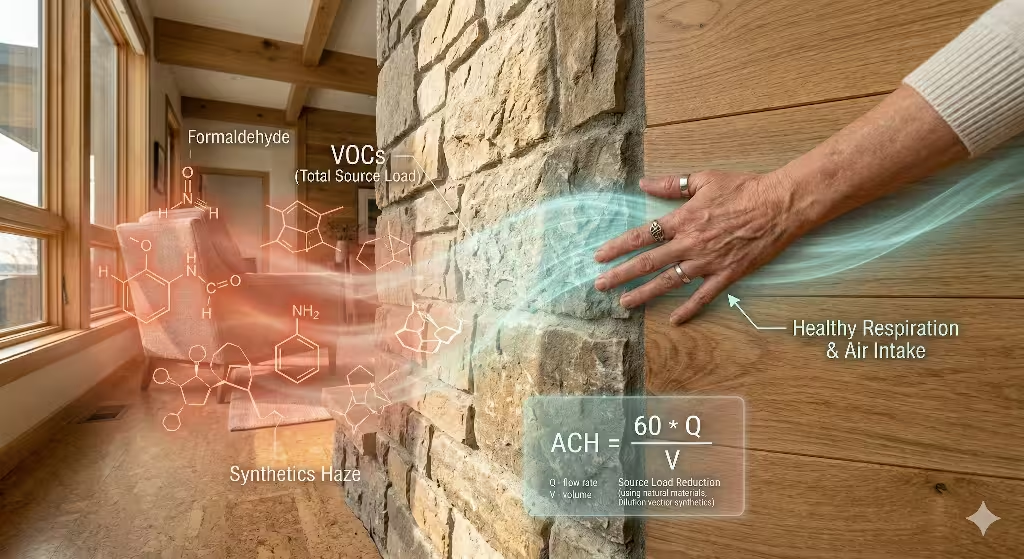
Many contractors build houses very tight these days to save energy. This is great for your electric bill, but it can be tough on your lungs if you choose the wrong products. This is where the debate of natural materials vs. synthetic really matters. Most synthetic products contain things called Volatile Organic Compounds, or VOCs. These are chemicals that turn into gas at room temperature. When you bring a synthetic couch or vinyl flooring into a tight house, those chemicals have nowhere to go. They stay in the air you breathe.
When we compare natural materials vs. synthetic for air quality, natural materials almost always win. Solid wood floors do not off-gas harmful chemicals like some cheap laminates do. Wool carpets do not release the same toxins that nylon carpets might. If you want a healthy home, you have to think about the “source load.” This is just a fancy way of saying you should be careful about what you bring inside. If you fill your home with natural materials vs. synthetic ones, your HVAC system does not have to work as hard to clean the air. It is much easier to keep the air clean from the start than it is to try to filter out chemicals later.
The Biophilic Advantage: Neuroarchitecture and Wellness
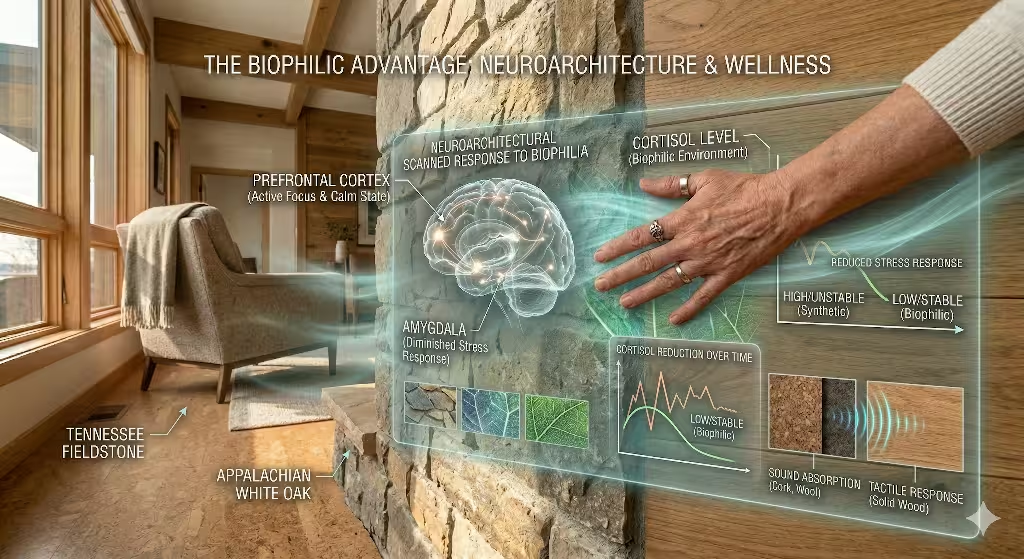
There is a beautiful concept called biophilia. It is the idea that humans have a natural need to be connected to nature. When we use natural materials vs. synthetic ones, we are bringing a little bit of the outside world into our homes. Think about how it feels to walk barefoot on a real wood floor. It feels warm and slightly soft. Now think about walking on a hard plastic floor. It feels cold and lifeless. Our brains actually relax when we see the patterns in wood grain or the texture of a stone wall.
Scientists who study neuroarchitecture have found that our stress levels go down when we are surrounded by nature. By choosing natural materials vs. synthetic surfaces, you are helping your nervous system stay calm. This is especially important for women who are often balancing work, family, and home life. We need our homes to be a place where we can truly reset. When you choose natural materials vs. synthetic accents, you are creating a sensory sanctuary. The way a room sounds is also different. Natural materials like cork and wool soak up sound. Synthetic materials often bounce sound around, making a house feel loud and chaotic.
Sourcing Local: The Tri-Cities Material Advantage
When we look at natural materials vs. synthetic options, we have a huge advantage of having local resources, right here in Tennessee. We have access to beautiful Appalachian hardwoods and local stone. Using these materials is better for your home and better for our local economy.
Local natural materials vs. synthetic products imported from overseas are also better for our environment. When a material is grown or quarried nearby, it is already used to our climate. It knows how to handle the humidity we get in the summer. A synthetic floor made in a dry climate might struggle when it gets to the Tri-Cities. Also, when you buy a local wood floor, you know exactly where it came from. You can have peace of mind knowing it hasn’t been treated with strange chemicals during a long boat ride across the ocean.
The Case for Synthetics: When Durability Trumps Nature
We want to be direct and professional with you. There are times when synthetic materials are the better choice. In the debate of natural materials vs. synthetic, we have to look at how a space is used. For example, if you have a mudroom where wet dogs and muddy boots are a daily occurrence, a high-quality synthetic floor might be more practical. Real wood can rot if it stays wet for too long.
However, even when choosing synthetic materials, you can still choose wellness. Look for products that are certified to be low in chemicals. In the modern home, the best approach is often a balance of natural materials vs. synthetic high-performance items. You might use natural wood in your living room and bedrooms but choose a very durable synthetic for your garage or laundry room. The key is to be intentional. Do not just pick the cheapest thing. Pick the thing that offers the most integrity for that specific spot in your home.
Are Natural Materials Better for Allergies?
Many people ask if choosing natural materials vs. synthetic options will help with their allergies. The answer is usually yes, but you have to be smart about it. Natural materials like wool are actually very good at trapping dust and keeping it out of the air. Wool is also naturally resistant to mold and tiny bugs called dust mites. Synthetic carpets often use chemicals to achieve these same results, and those chemicals can actually trigger allergies for some people.
When we compare natural materials vs. synthetic for allergy sufferers, we also have to look at how easy things are to clean. Solid surfaces like wood or stone are much easier to keep dust-free than plush synthetic carpets. If someone in your family has asthma, choosing natural materials vs. synthetic fabrics can make a huge difference in how they feel every day. It is about creating an environment that does not irritate the body.
Do Synthetic Materials Last Longer?
This is a common question in the building industry. People often think that man-made things are tougher. In the short term, some synthetic materials are very hard to scratch or stain. But when we look at the long-term life of a house, natural materials vs. synthetic products tell a different story. A solid wood floor can be sanded and fixed many times over a hundred years. A synthetic laminate floor cannot be fixed. Once it is scratched or the edges start to peel, you have to throw the whole thing away.
You want to have things that can be repaired. Natural materials vs. synthetic items represent the difference between an heirloom and a disposable product. Natural materials have a way of aging beautifully. We call this a patina. A stone countertop might get a few marks over the years, but it just looks like it has a story. A synthetic countertop just looks broken when it gets damaged. When you invest in natural materials vs. synthetic ones, you are building a home that will last for generations.
How Do I Transition My Current Home to be More Natural?

You do not have to tear down your whole house to start focusing on wellness. If you want to move away from synthetic materials, you can start small. When you need to repaint a room, choose a paint that has zero VOCs. When it is time for a new rug, look for one made of wool or cotton instead of nylon. This slow shift from synthetic materials vs. natural options is a great way to improve your home wellness over time.
Every time you choose natural materials vs. synthetic items, you are removing a small source of chemicals from your life. It is about being precise and competent in how you manage your living environment. For instance, you can swap out plastic storage bins for wicker baskets made of natural grasses or replace synthetic curtains with linen ones.
The Carpentry Perspective: Maintenance and Longevity
From a builder’s point of view, natural materials vs. synthetic products require different types of care. Builders will tell clients that natural materials are like living things. They need to be nourished. Wood needs a bit of oil or wax now and then. Stone needs to be sealed. Synthetic materials are often sold as “maintenance-free.” This sounds great, but it is a bit of a trap.
Maintenance-free usually just means “cannot be maintained.” When we compare natural materials vs. synthetic care, the natural path requires a little more work, but it gives you a much better result. Taking care of your home is a way of showing integrity. When you spend time caring for a natural wood table, you are connecting with your home. It is a very different feeling than just wiping down a plastic surface. In the Tri-Cities, we value hard work and taking care of what we have. Natural materials fit that lifestyle perfectly.
The 2026 Custom Home: A Harmonious Blend
As we look toward the future of home building, we see a beautiful blend of natural materials vs. synthetic technology. We are getting better at making synthetic things that are safer, and we are finding new ways to use natural materials. For example, we now have insulation made from recycled blue jeans or sheep’s wool instead of itchy fiberglass. This is a great way to use natural materials vs. synthetic ones in the parts of the house you don’t even see.
In a well-designed custom home, we use our engineering knowledge to place materials where they work best. We like to use natural materials in “high-touch” areas. These are the places where your skin touches the house. Think of your kitchen island, your bathroom vanity, and your bedroom floors. Then, we can use high-performance synthetic materials in the “utility” areas like the foundation or the roof where we need extreme water protection. This balance of natural materials vs. synthetic choices creates a home that is both healthy and strong.
The Importance of Material Transparency
Be sure to ask questions of your builder. You have the right to know what is in your walls. When you are deciding between natural materials vs. synthetic options, ask for a “Health Product Declaration.” This is a list that shows exactly what is inside a product. Good companies are proud to show you what they use. If a company is secretive about their synthetic materials vs. natural ingredients, that is a red flag.
Being a smart consumer is part of the home building process. You are the manager of your home’s health. By choosing natural materials vs. synthetic products with clear labels, you are protecting your family. My experience as a general manager taught me that the best builders are the ones who are happy to explain these details to you. Never feel bad for asking too many questions about the materials in your home.
Creating a Sensory Sanctuary for Your Family
At the end of the day, your home is about how it makes you feel. When you walk through your front door, do you feel a sense of peace? The debate of natural materials vs. synthetic isn’t just about chemistry; it’s about the soul of the house. Natural materials have a weight and a presence that synthetic materials just can’t match. They ground us. They remind us of the beauty of the Appalachian mountains right outside our windows.
We believe that every woman deserves a home that supports her health and her happiness. By being intentional about natural materials vs. synthetic choices, you are building a legacy. You are creating a space that will stay healthy and beautiful for a long time. Whether you are building a new home in Bristol or fixing up a classic house in Kingsport, keep wellness at the center of your plans.
Final Thoughts: Choosing Integrity Over Convenience
As we have discussed, the choice between natural materials vs. synthetic options is a big one. It affects your air, your mood, and your home’s value. While synthetic materials are often easier to find and cheaper to buy, natural materials offer a level of quality and health that is hard to beat. The data shows that homes built with natural materials vs. synthetic products tend to be healthier for the people living inside.
Building a home with integrity means making choices that align with your values. If you value competence, precision, and health, then leaning toward natural materials vs. synthetic options is the right path for you. We hope this guide has helped you feel more confident in your choices. If you ever see me around Johnson City, feel free to say hello. I love talking about how we can make our Tri-Cities homes the best they can be.
When you start your next project, take a moment to touch the materials you are considering. Smell them. Ask where they came from. The more you know about the battle of natural materials vs. synthetic, the better your home will be. Wellness starts with the very first board you nail into place. Let’s make sure those boards and all the materials that follow are the best ones for your family’s future.
In our modern world, we are surrounded by so much that is artificial. Our screens, our cars, and often our food are all man-made. Making the choice to prioritize natural materials vs. synthetic items in our homes gives us a much-needed break from the artificial. It allows us to reconnect with the earth. This connection is vital for our mental health. It helps us feel more grounded and less stressed. So, as you plan your custom home, remember that you are not just choosing a floor or a countertop. You are choosing a lifestyle that values nature and health.
The Tri-Cities area is such a special place to live. We are surrounded by natural beauty every day. It only makes sense that we would want our homes to reflect that same beauty. By choosing natural materials vs. synthetic products, you are bringing the spirit of Tennessee into your living room. You are honoring the traditions of the builders who came before us while using modern knowledge to make your home as healthy as possible. It is a wonderful way to live, and we are honored to help you on this path.
In conclusion, your journey toward home wellness is a personal one. There is no single right answer for every family, but there is a right answer for yours. By weighing the benefits of natural materials vs. synthetic options, you can find the perfect balance. You can create a home that is strong, beautiful, and a true sanctuary for everyone who enters. Keep your core values in mind, and you will make the right decisions for your custom home. Happy building!