Why Your Next Home Should Be Alive
If we were sitting on a porch in Johnson City today, we would tell you that a home is more than just four walls and a roof. For many of you, the home is the heart of everything. It is where you raise your children, share meals with your friends, and find a quiet space to rest after a long day. In today’s article, we are looking at how your home breathes and how it cares for the people inside.
In 2026, we are seeing a massive change in how we think about our living spaces. We are moving toward something called sustainable architecture. This might sound like a big, fancy term, but it really just means building in a way that lasts and stays healthy for the earth.
For the women who lead our households, we know that health and safety are your top priorities. You want a home that does not have hidden toxins in the walls. You want a kitchen that feels natural and a bedroom that helps you sleep deeply. This is where sustainable architecture comes into play. It is about using materials that are actually alive or come from living things to create a better environment for your family.
When we talk about sustainable architecture, we are talking about a new kind of “living” building. Imagine a home that can fix its own cracks or clean the air while you sleep. This is not science fiction anymore. In the Tri-Cities area, from the hills of Kingsport to the streets of Bristol, we are starting to see these ideas take root. Using sustainable architecture means we are choosing a path of integrity. We are building homes that do not just take from the land, but actually give something back. It is a beautiful way to think about the place where you create your life.
The Science of Living Materials
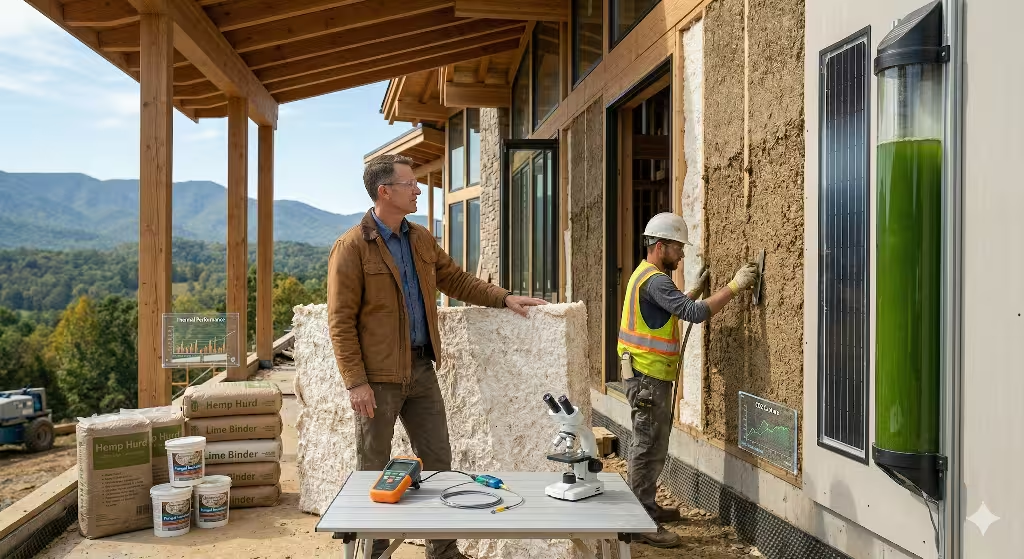
To understand how sustainable architecture works, we have to look at the “bones” of the building. In the past, we used a lot of plastic, foam, and chemicals. Today, we are using biology. One of the most amazing materials we use in sustainable architecture is called mycelium. Mycelium is the root system of mushrooms. It sounds strange to build with mushrooms, but it is actually a work of engineering genius.
We can grow these roots into solid blocks or panels. They are very light, but they are also very strong. They work as incredible insulation to keep your home warm in the winter and cool in the summer. Because they are natural, they do not release any bad smells or chemicals into your air.
Another part of sustainable architecture is something called bio-cement. Normal concrete is very hard on the environment to make. But bio-cement uses special bacteria to create a stone-like material. The best part is that if a small crack forms in your foundation, these bacteria can wake up and fill the crack themselves. This keeps your home strong for a lot longer. When we use these tools in sustainable architecture, we are making sure your home is a solid investment for decades. It is about precision and making sure every piece of the house has a purpose.
We are also seeing algae-based panels being used in sustainable architecture. These panels can be put on the outside of a house. The tiny plants inside the panels soak up sunlight and carbon dioxide. They provide natural shade and help keep the house from getting too hot. This is a big part of how sustainable architecture helps lower your power bills. By letting nature do the work of cooling and cleaning, we save money and stay more comfortable.
Using these living materials in sustainable architecture is the future of the Tri-Cities. We have so much natural beauty here in East Tennessee. It only makes sense that our homes should be made of the same kind of living things we see in our forests. This way of building shows that we have the competence to use modern science to get back to a simpler, healthier way of life. Sustainable architecture is not just about being “green” anymore. It is about building a house that is as alive and vibrant as the family living inside it.
Common Questions Answered About Sustainable Building
People around Johnson City and the rest of the Tri-Cities often have a lot questions about sustainable architecture. One thing people ask is, “What are sustainable materials in 2026?” Right now, we are seeing a big move toward things like hempcrete and mass timber. Hempcrete is made from the stalks of hemp plants mixed with lime. It is a great example of sustainable architecture because it is breathable. It keeps mold away, which is very important in our humid Tennessee air. Mass timber is another one. It uses thick layers of wood to create a structure that is just as strong as steel but much better for the environment.
Another common question is, “Are living materials as durable as traditional ones?” This is a fair concern. The truth is that many of the materials used in sustainable architecture are actually tougher than the old stuff. For example, mycelium insulation is much better at resisting fire than the pink foam we used to use. Bio-cement can last longer than regular concrete because it fixes itself. When you choose sustainable architecture, you are often choosing a home that will need fewer repairs over time.
People also wonder, “Is smart home technology actually sustainable?” In the world of sustainable architecture, we use what we call “Invisible Tech.” This means we use smart systems that hide in the background. They watch how much water and power you use and make small changes to save as much as possible. A smart home is a key part of sustainable architecture because it cuts down on waste without you even having to think about it. It makes life easier for busy families while also helping the planet.
Finally, a lot of women ask about the “feel” of these homes. They want to know if a house built with sustainable architecture will look like a science experiment. The answer is a big no. In 2026, the trend is called “Warm Minimalism.” We use the natural colors of wood, stone, and clay to create a very cozy and high-end look. Sustainable architecture allows us to have homes that are beautiful, soft, and inviting. You get all the benefits of modern science with the classic look of a well-built Tennessee home.
Designing for the Tennessee Climate
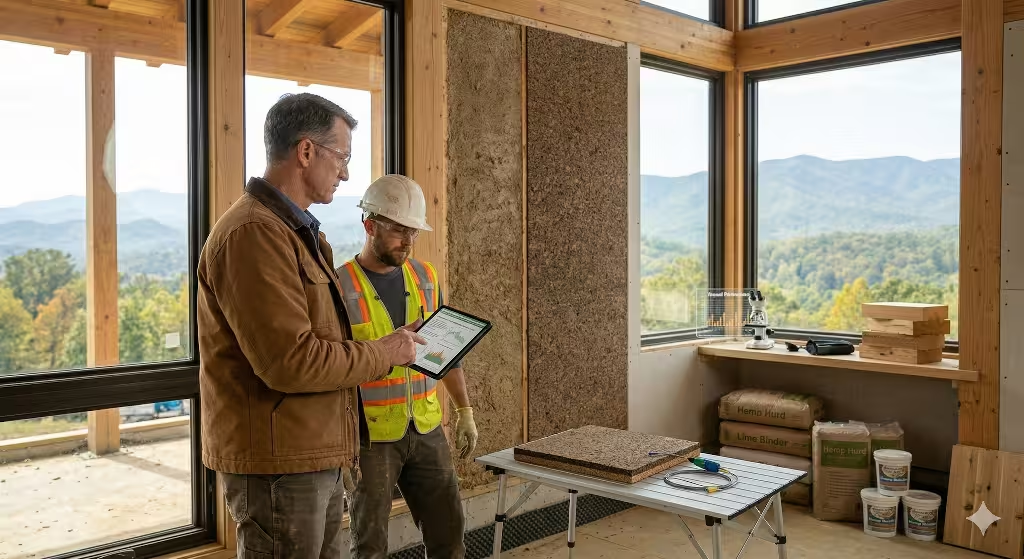
Building a home in the Tri-Cities is different than building one in a dry place like Arizona. We have to deal with a lot of humidity and big changes in temperature. This is where sustainable architecture really shines for us. In our part of the state, moisture is the enemy of a good house. Traditional materials can trap that moisture and cause mold. But sustainable architecture uses materials like hempcrete and clay plaster that can “breathe.” This means they can take in a little moisture when it is damp and release it when it is dry. This naturally keeps your indoor air at the right level.
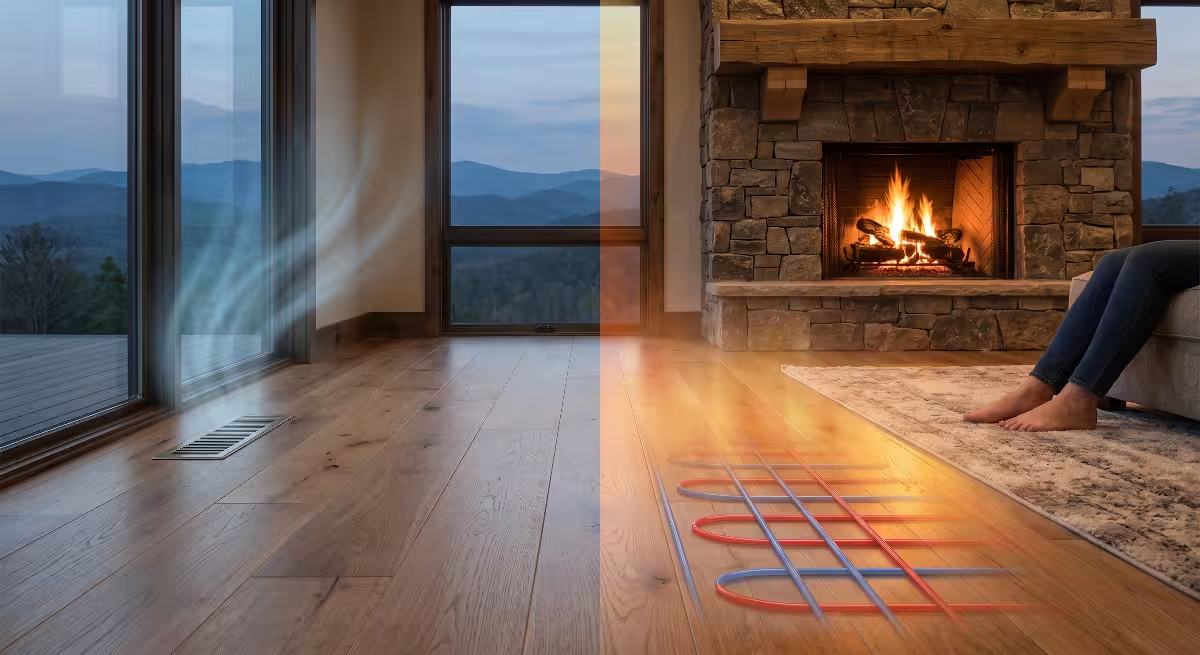
When we use sustainable architecture in the Tri-Cities, we also think about thermal mass. This is a fancy way of saying we use materials that can hold onto heat. In the winter, the sun hits the thick walls of a home designed with sustainable architecture. Those walls soak up the warmth during the day and slowly let it out at night. This keeps your home feeling cozy without the heater running all the time. It is a very precise way to design that takes advantage of our local weather patterns.
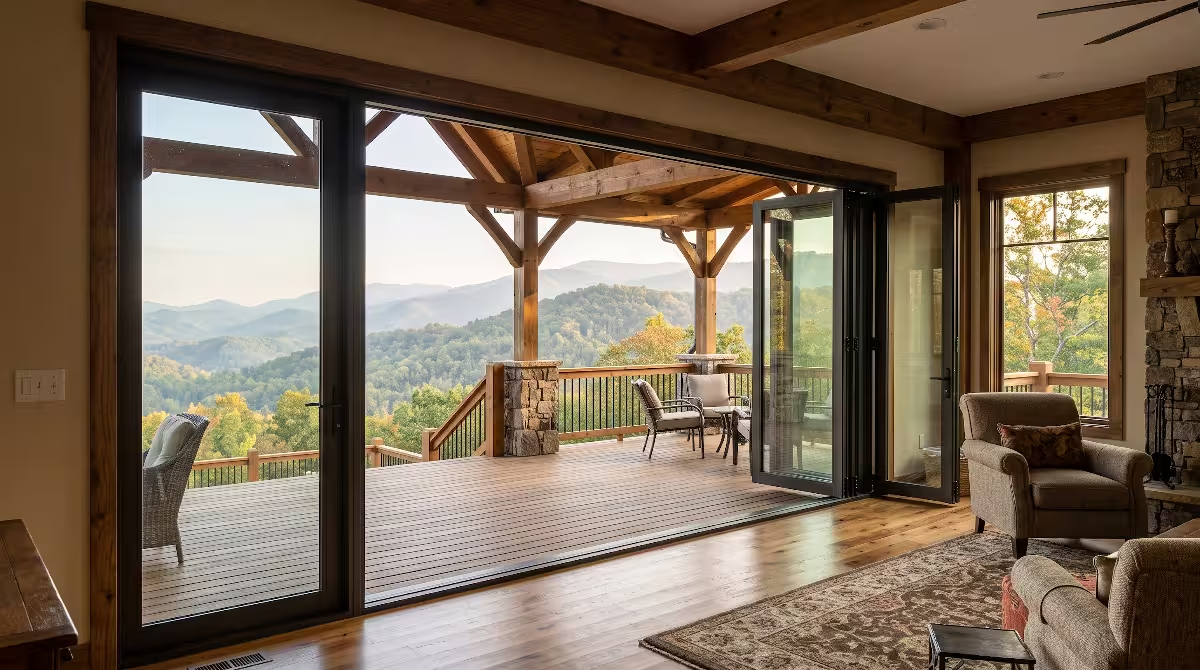
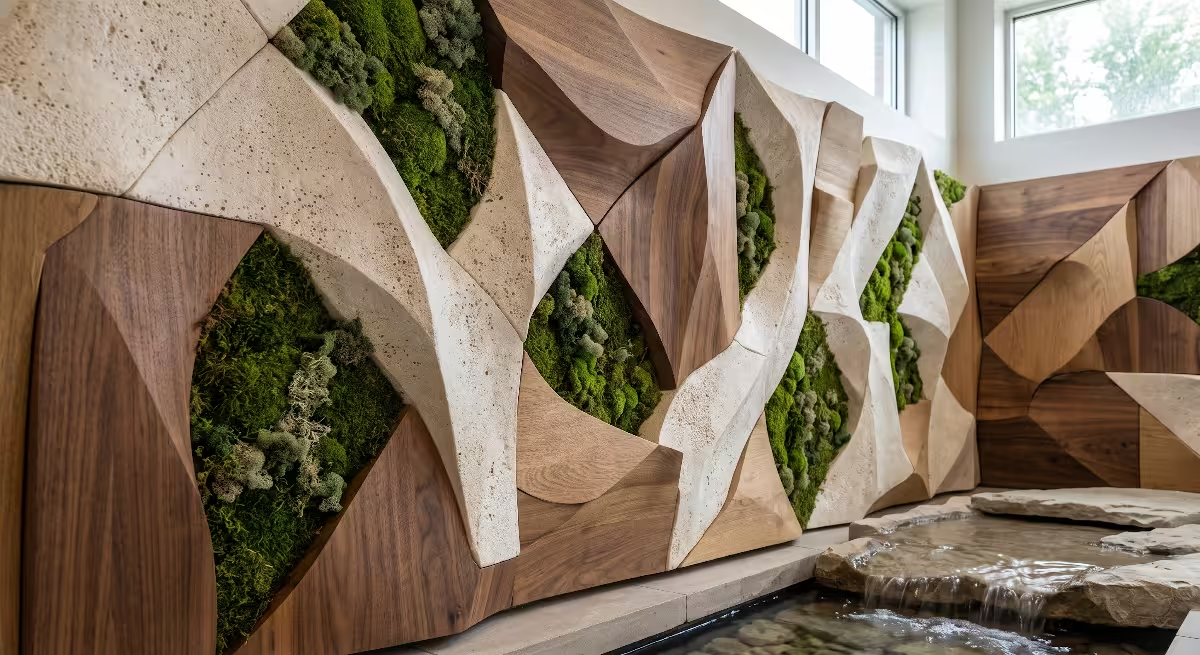
We also focus on something called biophilic design in sustainable architecture. This means we bring the outside in. In the Tri-Cities, we are surrounded by mountains and trees. A home built with sustainable architecture will have big windows to let in natural light. This light helps keep your body on a healthy schedule, which is great for your mental health. We also use a lot of natural wood and stone inside. Studies show that seeing these natural things can actually lower your stress and blood pressure. Sustainable architecture is not just about the structure, it is about how the house makes you feel.
One more thing we consider in the Tri-Cities is noise. As our cities like Johnson City grow, they can get a bit loud. Sustainable architecture helps with this by using thick, natural insulation like wool or cork. These materials are great at soaking up sound. When you step inside a home built with sustainable architecture, it feels like a quiet sanctuary. You can leave the noise of the world behind and focus on your family. It is a peaceful way to live that shows the true value of good engineering and design.
Can You Retrofit? (The Practical Side)
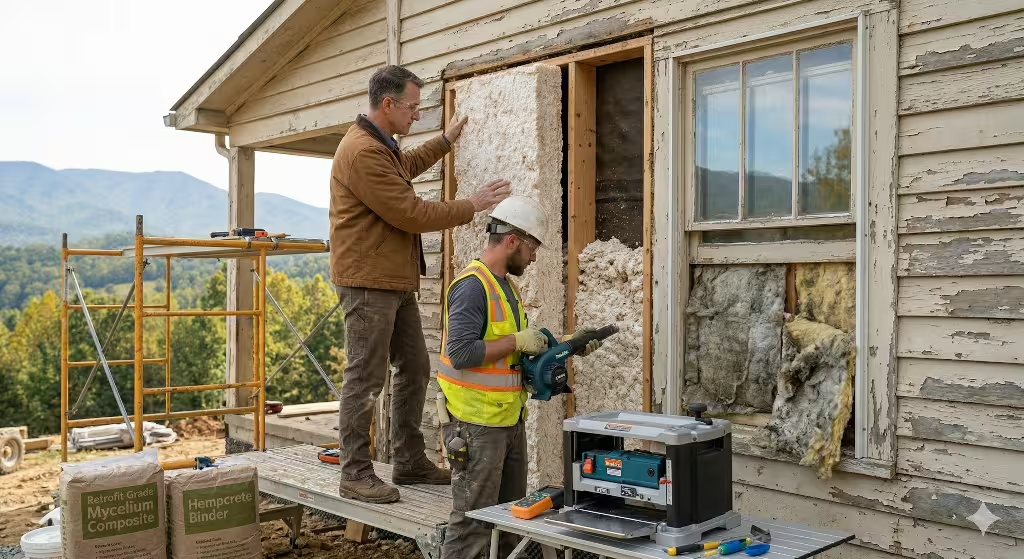
You do not have to build a brand new house to enjoy the benefits of sustainable architecture. Many homeowners in the Tri-Cities want to know how they can update their current homes. It is advised to start with the small things that make a big difference. For example, you can replace your old paint with something called limewash or clay paint. These are part of sustainable architecture because they do not have any bad chemicals. They also give your walls a beautiful, soft texture that looks very high-end.
Another way to bring sustainable architecture into an older home is by changing your insulation. If you are doing a renovation, you can use wool or hemp fiber instead of fiberglass. This is a much healthier choice for your family. You can also look at your flooring. Switching to a natural material like cork or bamboo is a great move for sustainable architecture. These floors are soft on your feet, easy to clean, and they do not trap dust and allergens like carpet does. This makes your home a much better place for children and pets.
If you want to go a step further with sustainable architecture, you can look at your windows and doors. Modern glass is much better at keeping heat in or out. Adding a smart thermostat is also a simple way to practice sustainable architecture in an existing space. It learns your habits and makes sure you are not wasting energy when no one is home. These small updates add up to a big change in how your home performs. It is all about being precise and making smart choices with your money.
The ROI, or return on investment, for sustainable architecture is very high right now. In 2026, buyers are looking for homes that are healthy and efficient. If you decide to sell your home later, having these sustainable features can help it stand out. But even if you stay, the money you save on your power and water bills will pay for the updates over time. Sustainable architecture is a smart way to protect your biggest asset. It shows you have the competence to look ahead and prepare for the future while making your life better today.
The Legal and Regulatory Landscape in Tennessee
Building a custom home with sustainable architecture involves more than just picking out materials. We also have to follow the rules and laws of our state. In 2026, things have changed a bit in Tennessee. There is a new law called Public Chapter 771 that deals with how we build and how we appeal property taxes. This is important because homes built with sustainable architecture are often seen as high-value properties. You want to make sure your home is appraised correctly so you are treated fairly.
There is also a lot of talk about a new bill in the Tennessee House called HB1971. This bill is designed to protect the rights of property owners and developers. It says that if a local government passes a new rule that takes away value from your land, you might be able to sue them. This is a big deal for sustainable architecture. It means that if you want to build a “living” home and the city tries to stop you with old-fashioned rules, you have more power to fight back. Builders keep a close eye on these legal trends to make sure their clients are protected.
Navigating the building codes in places like Sullivan County or Washington County can be tricky. Some local codes are still catching up to the world of sustainable architecture. That is why it is so important to work with someone who has the competence to talk to the inspectors. We have to show them that these living materials are safe and meet all the fire and safety standards. Often, we find that sustainable architecture actually exceeds the basic requirements. It is about proving that we can be both innovative and safe at the same time.
It is important to make sure that every part of a sustainable architecture project is done by the book. This gives you peace of mind knowing that your home is not only healthy and beautiful but also perfectly legal. Whether you are building in a historic part of Johnson City or on a large plot of land outside of town, we make sure the process is smooth. Following the laws of our state ensures that your investment in sustainable architecture is secure for many years to’ come.
Building with Integrity using Sustainable Architecture
As we look toward the future of the Tri-Cities, we are filled with hope. We live in a special place, and we have a chance to build homes that reflect our values. Sustainable architecture is the best way to do that. It is a precise and competent way to build that puts the health of your family first. By using living materials, we are creating spaces that are more than just shelters. We are creating environments that help us thrive. Whether it is through mushroom insulation or self-healing concrete, sustainable architecture is changing our world for the better.
For the women who are the leaders of their homes, we want you to know that sustainable architecture is designed with you in mind. It is about creating a sanctuary that is easy to maintain and good for your soul. It is about a home that smells like the woods instead of chemicals. It is about a place where you can feel proud to raise the next generation. Choosing sustainable architecture is a way to show that you care about the future of East Tennessee. It is a way to live with integrity and purpose every single day.
If you are thinking about your next project, remember that you do not have to do it alone. The world of sustainable architecture can seem complex, but that is why we write this blog. We can take these new ideas and make them work for your specific needs. Together, we can build a home that is as strong and beautiful as the mountains that surround us. Sustainable architecture is the key to a brighter, healthier future for all of us here in the Tri-Cities.
We hope this look into the future of home building has been helpful for you. It is an exciting time to be part of the industry. We are learning so much about how to work with nature instead of against it. When we use sustainable architecture, we are making a promise to the land and to ourselves. We are saying that we want our homes to be a force for good.