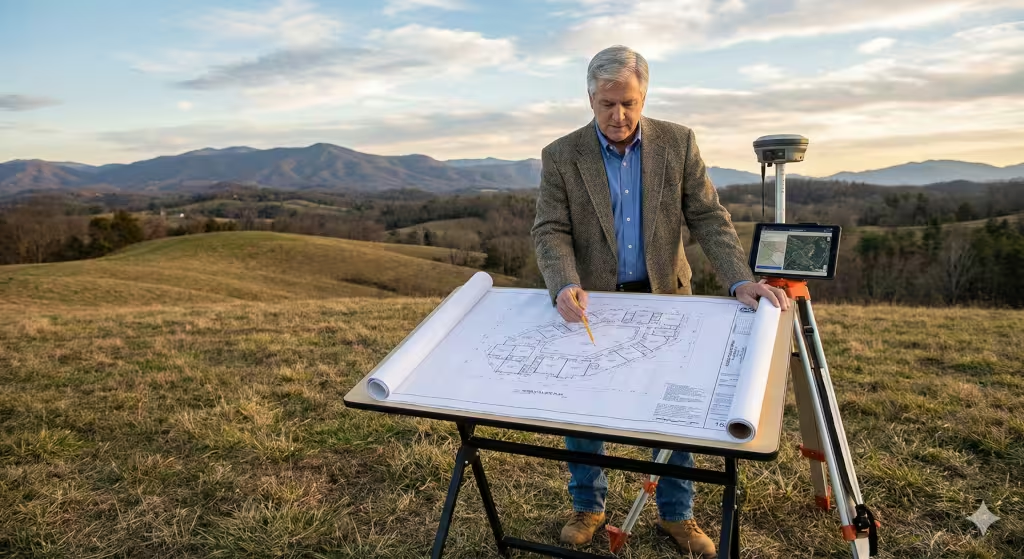

The dream of building a new home in the rolling hills of East Tennessee is a powerful one. For many in the Tri-Cities area, from the historic streets of Kingsport to the bustling growth in Johnson City, the idea of a house built just for them feels like the ultimate goal. Yet, that dream is often met with the intimidating question of cost. There’s a common belief that building a custom home is a luxury reserved for the few.
However, this doesn’t have to be the case. Building an affordable home is entirely possible right here in the Tri-Cities. It’s not about finding shortcuts or using cheap materials; true affordability comes from smart planning, precise decision-making, and a deep understanding of the process. This guide is designed to be your roadmap, clearing away the confusion and showing you the practical steps toward building a home that fits both your vision and your budget.
What Does “Affordable” Mean in the Tri-Cities Housing Market (2025)?
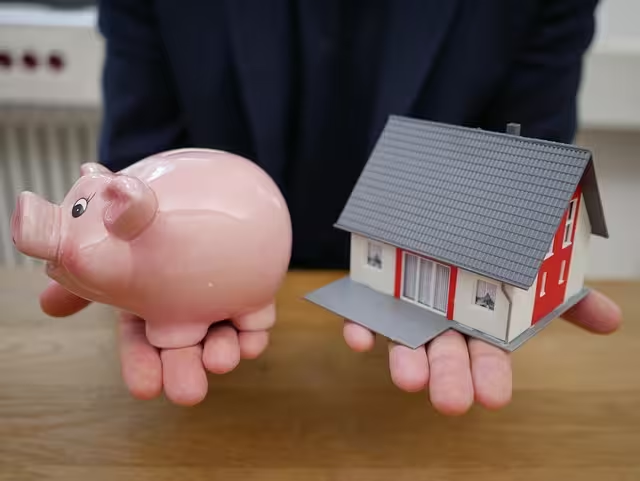
Before we can build affordably, we first need to define what that term means in our local market. “Affordable” is not a single number; it’s a moving target influenced by land, labor, and lumber. The most common metric you’ll hear in the building world is the cost-per-square-foot. Think of this like the price per gallon of gas—it gives you a general idea, but the final cost depends on how big your tank is and what kind of gas you choose.
As of 2025, in the Tri-Cities region, a realistic range for new home construction is typically between $150 and $225 per square foot. A simple, 1,500-square-foot home might land on the lower end of that spectrum, while a larger, more complex home with high-end finishes like granite countertops and hardwood floors will push toward the higher end.
So, what creates this wide range? The final price tag of your home is a sum of many different parts. Let’s break down the major cost categories:
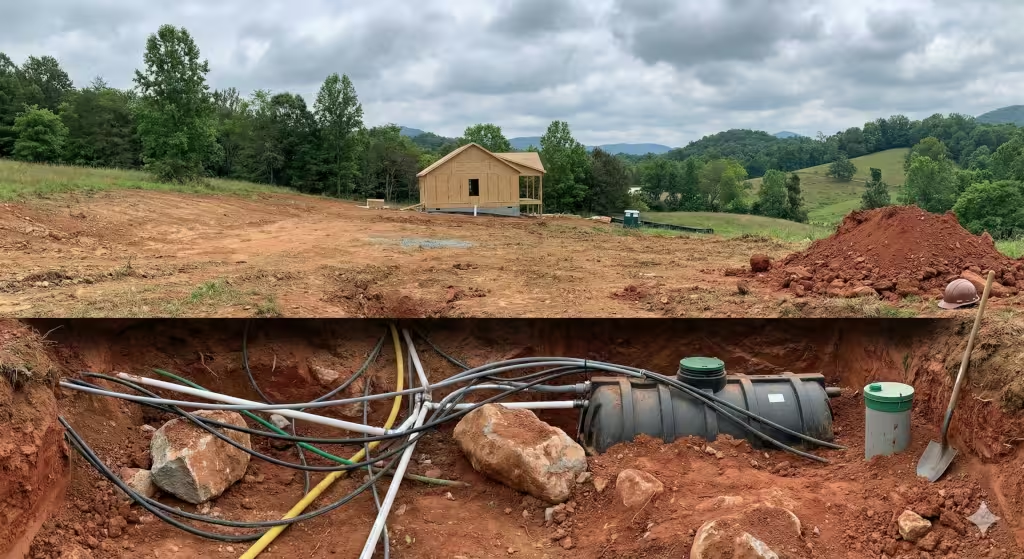
- Land and Site Preparation: This is the very first expense. It’s not just the cost of the land itself. Site prep involves clearing trees, grading the land to make it level, and bringing in utilities like water, electricity, and sewer or installing a septic system. A sloped lot in the hills of Carter County might have a beautiful view, but it will cost significantly more to prepare than a flat lot in a Johnson City subdivision.
- The Foundation: This is the base of your home. A simple concrete slab foundation is the most cost-effective. A crawlspace, which raises the house off the ground, costs more. A full basement, while adding a lot of potential living space, is the most expensive option and requires the most excavation.
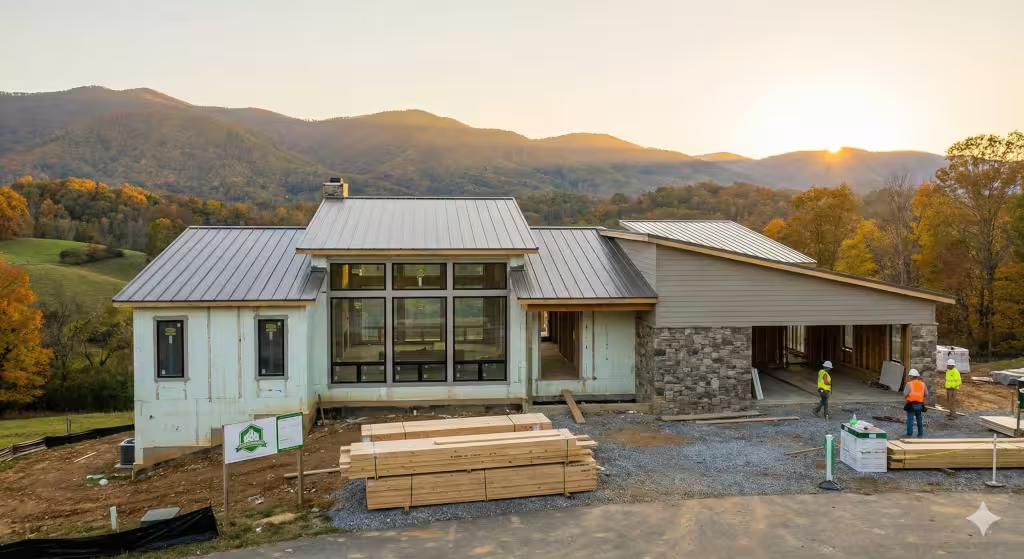
- Framing and Exteriors: This is what most people picture when they think of “building a house.” It includes the wooden skeleton (the frame), the roof, the siding, windows, and doors. The complexity of your home’s design plays a huge role here. A simple rectangular house with a standard roof is far cheaper to frame and finish than a house with many corners, angles, and complex rooflines.
- Major Systems (The “Mechanicals”): These are the vital organs of your home, hidden behind the walls. This includes the HVAC (heating, ventilation, and air conditioning), all the plumbing pipes and fixtures, and the complete electrical system from the panel to every outlet and switch. These costs are fairly standard, but can increase with the size of the home or the choice of high-efficiency systems.
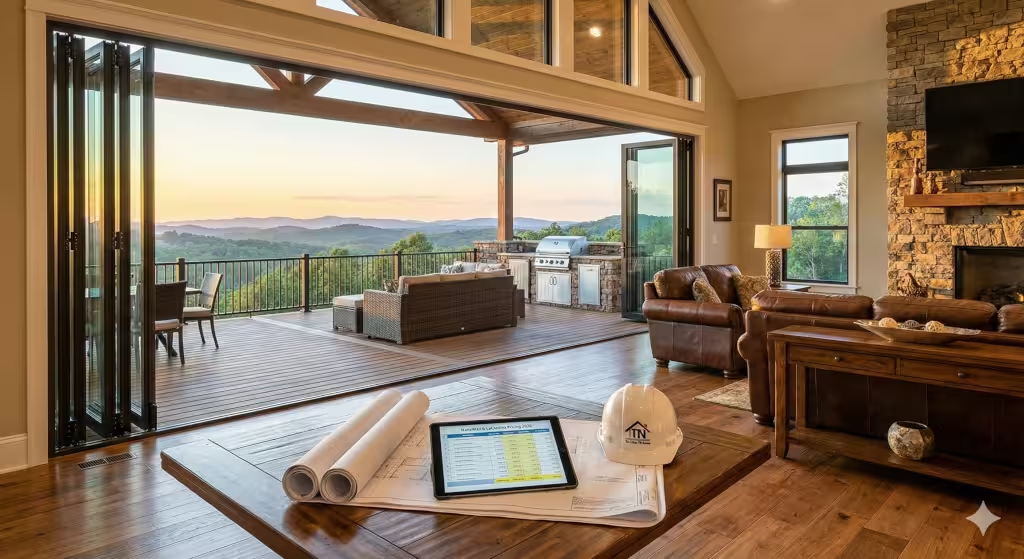
- Interior Finishes: This is where your personal style comes to life, and it’s also where the budget can quickly expand. This category includes everything from insulation and drywall to flooring, paint, cabinets, countertops, light fixtures, and appliances. The difference between standard laminate countertops and high-end quartz, or between basic carpet and engineered hardwood, can account for tens of thousands of dollars in the final budget.
Understanding these components helps you see that you have control. Choosing a flatter piece of land, a simpler floor plan, and mid-range finishes are all powerful ways to control the cost-per-square-foot and make your new home truly affordable.
Building vs. Buying: A Cost-Benefit Analysis for the Tri-Cities
A common question I hear is, “Is it actually cheaper to build a house than to buy an existing one?” The answer isn’t a simple yes or no; it’s about weighing upfront costs against long-term value.
In today’s Tri-Cities market, the upfront cost to build a new home can sometimes be slightly higher than buying a comparable-sized existing home. You might see a 2,000-square-foot house listed in Bristol for $350,000, while building a new one of the same size could cost closer to $370,000 when you factor in land and all the associated costs. Looking only at this initial number, buying seems like the better deal. However, this view is shortsighted. The true financial picture becomes clearer when you look at the total cost of ownership over the first ten years.
This is where a new home begins to show its powerful financial advantages:
- Lower Energy Bills: A newly built home is a tightly sealed, well-insulated machine. Modern building codes require a level of energy efficiency that homes built even 15 or 20 years ago simply can’t match. This means better windows, more effective insulation in the walls and attic, and high-efficiency HVAC systems. For you, this translates directly into lower monthly bills from utility providers like BrightRidge in Washington County or Bristol Tennessee Essential Services. That savings of $50, $75, or even $100 a month adds up to thousands of dollars over the years.
- No Surprise Repairs: When you buy an existing home, you also inherit the age of its most critical components. The roof might have five years of life left, the water heater could be on its last legs, and the air conditioner might be an older, inefficient model. These big-ticket replacements can cost you $5,000 to $15,000 or more, often when you least expect it. In a new build, everything is brand new and often under warranty. Your roof, furnace, appliances, and plumbing are all starting their life with you, meaning you can expect a decade or more of maintenance-free living without worrying about sudden, budget-breaking repairs.
- The Value of Customization: When you buy an existing home, chances are it won’t be perfect for you. You might hate the kitchen layout, wish for another bathroom, or need to tear down a wall to create an open living space. These renovations are expensive, messy, and time-consuming. When you build new, you make those decisions from the start. The floor plan is exactly what you need. The outlets are where you want them. The kitchen is designed for how you cook. This isn’t just a matter of convenience; it saves you the thousands of dollars you would have spent on renovations later, making the initial investment in building a very smart financial move.
So, while the sticker price of a new build might seem higher at first, the long-term financial benefits—lower utilities, no major repairs, and a perfectly tailored space—often make building the more affordable and wiser choice over the life of your home.
The Blueprint for Affordability: 5 Key Strategies
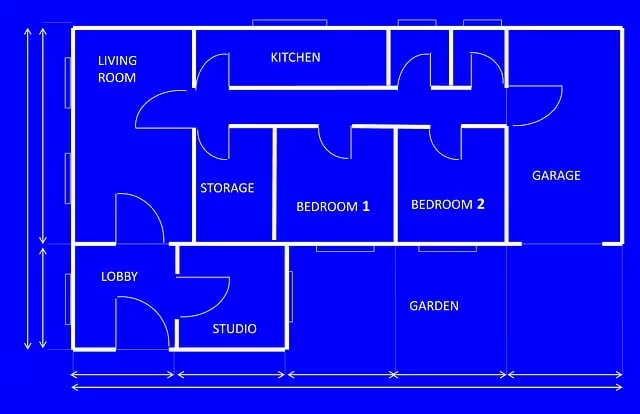
Achieving an affordable build is a result of strategic decisions made long before the first shovel of dirt is turned. It’s a process of thoughtful planning. Here are five core strategies that I have seen work time and time again for families in our region.
Strategy 1: Smart Land Selection
The foundation of an affordable home is, quite literally, the ground it’s built on. The piece of land you choose has a massive impact on your total budget. A cheap lot with expensive problems is no bargain at all.
When looking for land, prioritize simplicity. A relatively flat, clear lot will always be the most affordable to build on. Heavily wooded lots require costly tree removal. Steeply sloped lots require much more expensive foundations and extensive excavation work to create a flat building pad and driveway.
Beyond the terrain, you must consider utilities. Is the property connected to the city sewer and water systems? If not, you will need a septic system and a well. Before you buy land that needs a septic system, it is absolutely critical to get a “perc test” (percolation test). This is a relatively inexpensive test where an engineer determines how quickly water drains through the soil. If the soil doesn’t drain well (i.e., it fails the perc test), you may need a much more complex and expensive engineered septic system, or you might not be able to build on the lot at all.
This is a common issue in some of the more rural, clay-heavy parts of Washington County and Sullivan County. A small investment in soil testing before you buy can save you from a catastrophic financial mistake.
Strategy 2: Optimize Your Floor Plan
The size and complexity of your home are the biggest drivers of cost. The most effective way to manage your budget is to be disciplined with your floor plan.
First, think about square footage. Every single square foot has a cost attached to it. Do you really need a formal dining room that will only be used twice a year, or could that space be better used in a more open kitchen and living area? A well-designed 1,800-square-foot home can feel more spacious and functional than a poorly designed 2,200-square-foot home. Challenge yourself to live efficiently.
Second, embrace simplicity in design. The most affordable homes to build are simple shapes, like squares and rectangles. Every time you add a corner, a bump-out, or a unique angle to the design, you add complexity and cost to the foundation, framing, and roofing. A simple, two-story “box” design is extremely efficient. It minimizes the size of the most expensive parts—the foundation and the roof—while maximizing the interior living space. Building up is almost always cheaper than building out.
Strategy 3: Cost-Effective Material Choices
The world of building materials is vast, with options at every price point. Making smart choices here can save you tens of thousands of dollars without compromising the quality or look of your home. “Cost-effective” doesn’t mean “cheap.” It means choosing durable, attractive materials that provide the best value.
Let’s look at a few common examples:
- Siding: Vinyl siding is often the most budget-friendly option and is very low-maintenance. A step up from that is fiber cement siding (often known by the brand name James Hardie). It costs more upfront but is incredibly durable, resistant to rot and pests, and holds paint much longer. For many, the long-term durability is worth the initial investment.
- Flooring: Luxury Vinyl Plank (LVP) has become incredibly popular for a reason. It is waterproof, highly durable, and can convincingly mimic the look of real hardwood for a fraction of the price. It’s a fantastic, affordable choice for a family with kids or pets. You could use LVP throughout the main living areas and use more budget-friendly carpet in the bedrooms to save even more.
- Countertops: While granite and quartz are beautiful, high-quality laminate countertops have come a long way. They offer thousands of design options at a much lower price point and can be a perfect fit for an affordable build.
The key is to decide where to spend your money. Maybe you splurge on durable kitchen cabinets but save on the countertops, knowing you can upgrade those more easily in the future.
Strategy 4: The Rise of Alternative Construction
For some, thinking outside the traditional “stick-built” box can open up new avenues for affordability. Two options are gaining traction here in East Tennessee:
- Barndominiums: A “barndo” is a metal building, much like a barn or workshop, that has a finished interior living space. Because the outer shell can be erected quickly and efficiently, they can sometimes be a more affordable option, especially for those wanting a large, open-concept living space combined with a large garage or workshop area.
- Modular Homes: It’s important to distinguish modern modular homes from older mobile homes. A modular home is built in sections (modules) inside a climate-controlled factory. This process is highly efficient, reduces material waste, and avoids weather delays. The modules are then transported to your property and set on a permanent foundation by a crane. Once assembled, they are indistinguishable from a site-built home and can be a very cost-effective and high-quality option.
Strategy 5: Understanding “Sweat Equity”
“Sweat equity” is the value you add to your home by doing some of the work yourself. This can be a great way to save money, but you must be realistic about your skills and available time.
Some tasks are perfect for a handy homeowner. These include:
- Painting the interior walls and trim.
- Landscaping, such as laying sod, planting shrubs, and mulching.
- Installing simple light fixtures or cabinet hardware.
- Acting as your own cleanup crew at the end of each day, which can save on labor costs.
However, some jobs should always be left to licensed professionals. This includes all electrical work, plumbing, and HVAC installation. Mistakes in these areas are not only dangerous but can also cause you to fail building inspections, leading to costly delays and rework. Be honest with yourself about what you can realistically accomplish without slowing down the professional crews your builder has scheduled.
Assembling Your Team: Finding Affordable Builders and Lenders
You cannot build a house alone. The team you assemble—your builder and your lender—are your most important partners in this process.
How to Vet a Builder for Value and Integrity
Finding a builder who focuses on affordability does not mean finding the one who gives you the absolute lowest bid. An unusually low bid can be a red flag, often signaling that the builder is cutting corners, using low-quality materials, or will surprise you with extra charges later.
Instead, look for a builder who demonstrates value and transparency. Here’s what to look for:
- Check Their License: First and foremost, verify that any builder you consider has an active license with the Tennessee Board for Licensing Contractors. This is non-negotiable.
- Ask for References: Talk to their last three clients. Ask about their experience. Was the project on budget? How did the builder handle problems when they came up? Were they happy with the quality of the work?
- Seek Transparency: A good builder will provide a detailed estimate that breaks down the costs, so you know where your money is going. They should be open to discussing material choices and suggesting ways to save money. Be wary of a builder who gives you a single, vague number.
- Network Locally: Organizations like the Northeast Tennessee Association of Home Builders are a great resource. Attending their events or looking at their membership list can help you find reputable, established builders in our area.
Financing Your Build
Financing new construction is different from getting a regular mortgage. You will likely need what’s called a construction-to-permanent loan.
This type of loan works in two phases. During the construction phase, it acts as a line of credit. Your builder takes draws (payments) from the loan at different stages of completion—for example, after the foundation is poured, after the house is framed, etc. You typically only pay interest on the money that has been drawn. Once the house is finished and you move in, the loan converts into a traditional mortgage with regular principal and interest payments.
When seeking this type of loan, I strongly recommend talking to local banks and credit unions in the Tri-Cities. They have loan officers who specialize in construction loans and understand the local market, builders, and property values far better than a large, national online lender. They can be an invaluable part of your team.
Navigating Local Regulations Without Costly Delays
Every city and county has its own set of rules for building, and understanding them is crucial for keeping your project on time and on budget. While your builder will handle the day-to-day process of getting permits, a basic understanding will empower you as a homeowner.
Entities like Johnson City Development Services or the Kingsport Building Division are responsible for issuing building permits and conducting inspections. These inspections happen at key stages of the build (foundation, framing, electrical, plumbing) to ensure everything is being done safely and according to the building code.
Failing an inspection is a primary cause of delays and cost overruns. If the electrical inspector finds something wrong, your drywall contractor can’t start their work until the issue is fixed and re-inspected. This creates a domino effect of delays down the line. This is another reason why hiring a reputable, experienced local builder is so important. They know the local codes inside and out and have a working relationship with the inspectors, ensuring a much smoother process.
You also need to be aware of zoning and setback requirements. Zoning laws dictate what type of building can be built on a property. Setbacks are rules that say how far your house must be from the property lines, the road, and any other structures. These rules can affect where you can place the house on your lot and even what size it can be. A quick check with the local planning department before you buy land can confirm that your vision for your home is possible on that property.
Commonly Asked Questions
Can I build a tiny home in the Tri-Cities?
The tiny home movement is popular, but local regulations can be tricky. Some municipalities have minimum square footage requirements for a primary residence. However, many are becoming more open to smaller homes, especially as accessory dwelling units (ADUs), also known as in-law suites or guest houses. The rules vary significantly between Johnson City, Sullivan County, and the surrounding areas, so you must check with the local planning and zoning office before you start planning a tiny home project.
What is the average timeline to build a home here?
From the day you break ground to the day you get your keys, a realistic timeline for a standard custom home in our area is about 8 to 12 months. This can be affected by the complexity of the home, the weather (especially rain during the foundation and framing stages), and the availability of materials and subcontractors. A good builder will give you a detailed schedule at the start of the project.
How can I protect my budget from rising material costs?
Material prices, especially for things like lumber and concrete, can fluctuate. To protect your budget, work with your builder to lock in prices with suppliers as early as possible. Your contract should also have a clear system for “allowances.” An allowance is a set amount of money budgeted for items you haven’t chosen yet, like light fixtures or appliances. If you choose items that cost more than the allowance, you pay the difference. This gives you flexibility while keeping the core budget under control.
Your Affordable Tri-Cities Home is Within Reach
Building a home is undoubtedly one of the biggest projects you will ever undertake. It requires patience, diligence, and countless decisions. But as we’ve seen, it does not have to be an unaffordable luxury.
By focusing on the core principles of smart planning, making strategic choices in your home’s design and materials, and assembling a trustworthy local team, you can absolutely build a beautiful, high-quality home in the Tri-Cities that respects your budget. The process is a marathon, not a sprint. With a clear plan and the right guidance, you can navigate it successfully and turn the dream of a new home into your reality. For more insights on your home building journey, continue to follow our expert advice here at WebHeads United.