
When you live in a home, you know how frustrating it is to hear a neighbor’s TV through your living room wall. Many homes in our area were built quickly. They look great on the outside, but the walls inside are thin. They don’t block noise very well. If you want to fix this, you need the right soundproofing materials for your home.
We have to be direct. Soundproofing is a science, but it isn’t magic. You can make your existing walls much quieter without tearing them down.
In this guide, we will show you how to use professional soundproofing materials to turn your home into a quiet retreat. We’ll explain how sound works and which products actually do the job. Our goal is to help you get the best results for your money.
Why Your Current Walls Fail to Block Noise
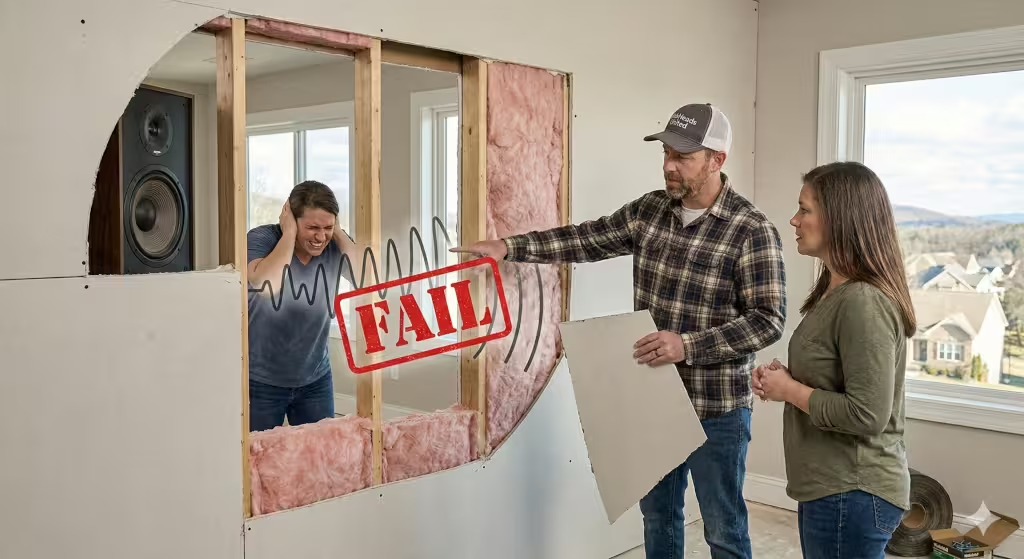
To fix a problem, you have to understand it. Most walls in Tennessee are made of a wood frame and thin drywall. This setup is like a drum. Sound hits one side, makes the wall vibrate, and then the sound comes out the other side. This is why you hear voices or footsteps so clearly.
When we talk about noise, we look at two types. The first is airborne noise. This is things like talking, dogs barking, or music. The second is impact noise. This happens when something hits a surface, like a door slamming or a heavy footstep. Standard building methods are not designed to stop these sounds. They are designed to hold up the roof and keep out the rain. To stop noise, you have to add specific soundproofing materials that can handle vibration.
The Science of Quiet: Four Key Concepts
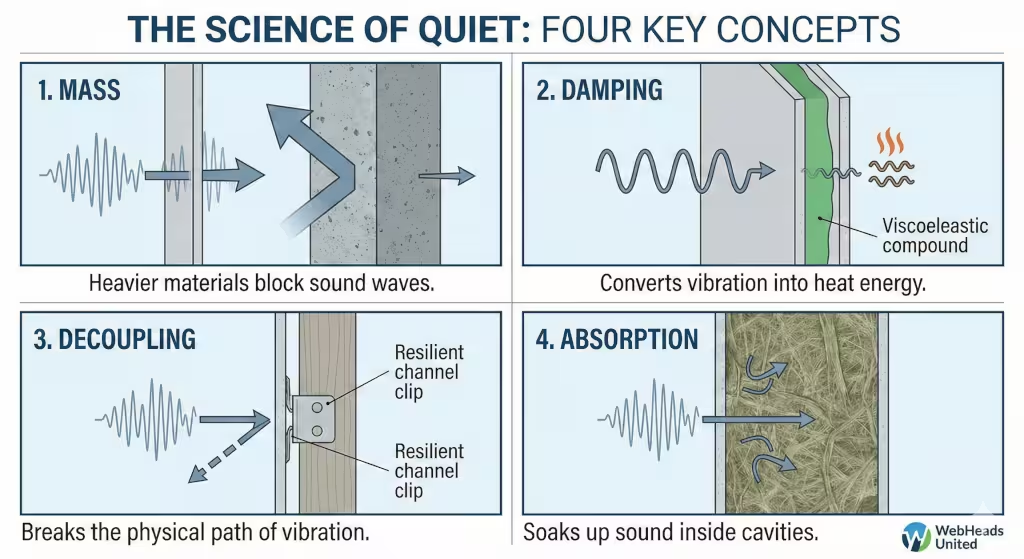
Before you buy any soundproofing materials, you need to know the four ways we stop sound. If you miss one of these, your project might fail.
First is mass. Think of a heavy concrete wall versus a thin sheet of paper. The heavy wall is harder to move. In soundproofing, we add heavy soundproofing materials to the wall. This makes it harder for sound waves to push the wall and make it vibrate.
Second is damping. This is like putting your hand on a ringing bell. It stops the vibration. Some soundproofing materials are designed to turn sound energy into tiny amounts of heat. This stops the sound before it can travel through the wall.
Third is decoupling. This means separating the two sides of the wall. If the two sides don’t touch, the sound can’t jump across. This is hard to do with existing walls, but we have special clips that can help.
Fourth is absorption. This is using soft soundproofing materials inside the wall cavity. It’s like putting a pillow in a hollow box. It soaks up the sound so it doesn’t bounce around inside the wall.
The Best Soundproofing Materials for Existing Walls
If you don’t want to rip out your drywall, you have a few great options. Each of these soundproofing materials has a specific job.
Viscoelastic Damping Compounds (Green Glue)
One of the best soundproofing materials I’ve used is a damping compound called Green Glue. You apply this “glue” between your existing wall and a new layer of drywall. It never fully hardens. When sound hits the wall, the Green Glue stays flexible. It stretches and pulls, which turns the sound energy into heat.
This is very effective for stopping low noises like bass from a stereo. It is also one of the easiest soundproofing materials to use for a DIY project. You just squiggle it onto a new sheet of drywall and screw it over the old one. It works best if you use two tubes for every four by eight foot sheet of drywall.
Mass Loaded Vinyl (MLV)
Another heavy hitter in the world of soundproofing materials is Mass Loaded Vinyl, or MLV. This is a thin, heavy sheet of black vinyl. It is very dense. Adding MLV is like adding a layer of lead to your wall, but it is much safer.
MLV is one of those soundproofing materials that provides a lot of mass without taking up much space. It is usually only an eighth of an inch thick. You can staple it to your existing wall and then cover it with a new layer of drywall. Because it is so heavy, it blocks airborne noise very well. It is one of the most trusted soundproofing materials for shared walls in apartments or townhomes.
Mineral Wool Insulation
Most homes have fiberglass insulation in the walls. This is good for keeping your house warm, but it’s not great for sound. If you can get into the wall, mineral wool is one of the best soundproofing materials for absorption. It is much denser than fiberglass.
Brands like Rockwool make products specifically for sound. These soundproofing materials are made from stone and slag. They don’t burn, and they are very heavy. If you have a hollow wall, you can sometimes have a pro blow in cellulose insulation. This fills the gaps and acts as one of the best soundproofing materials to stop the “echo” inside your walls.
Acoustical Sealant and Putty Pads
Sound is like water. It will find the smallest hole and leak through. This is why you need sealing soundproofing materials. Every outlet, light switch, and gap along the floor is a hole where sound can get through.
Acoustical sealant is a special caulk that stays flexible for years. You use it to seal the edges of your drywall. Putty pads are thick, clay-like soundproofing materials that you wrap around the back of electrical boxes. If you don’t seal these small holes, you could waste money on other soundproofing materials. Even a gap the size of a penny can let in a lot of noise.
How to Install These Soundproofing Materials
Now that you know the parts, let’s talk about the process. The most common way to fix an existing wall is the “drywall sandwich.”
First, you find the studs in your wall. You want to make sure your new wall is strong. Next, you apply your damping soundproofing materials to the back of a new sheet of 5/8 inch drywall. This thicker drywall adds more mass than the standard 1/2 inch kind.
Once the damping compound is on, you press the new sheet against the old wall. Screw it into the studs. Make sure to leave a small gap at the top and bottom. Fill that gap with your acoustical sealant. This keeps the new wall from touching the floor or ceiling directly, which helps with decoupling.
By using these soundproofing materials together, you create a wall that is much heavier and much better at stopping vibrations. This method is quiet, clean, and very effective.
Common Soundproofing Questions
There are a lot of questions from folks here in the Tri-Cities. People want to know if they can save money with household items.
Can I use egg crates to soundproof my walls?
No. This is a common myth. Egg crates are made of thin paper. They do not have the mass needed to block sound. They might change how a room sounds inside by reducing echo, but they are not soundproofing materials that will stop noise from coming through a wall.
Do soundproof curtains work?
They help a little bit, but they aren’t a full fix. These curtains are thick and heavy. They act as soundproofing materials for windows. They can soften the noise of a car driving by, but they won’t stop a loud TV in the next room. They are best used as a final touch, not as the main solution.
What is the cheapest way to soundproof?
The cheapest way is to seal all the gaps. Get a few tubes of acoustical sealant. Seal the baseboards and around your outlets. You can also move heavy furniture, like a bookshelf full of books, against the noisy wall. Books are actually decent soundproofing materials because they provide mass and a bit of absorption.
Choosing Professional Help vs. Doing It Yourself
Many people in Johnson City are handy. If you are good with a drill and a caulk gun, you can use these soundproofing materials yourself. However, you must be precise. If you leave gaps or don’t use enough damping compound, the results won’t be as good.
A professional builder knows how to handle the weight of these soundproofing materials. MLV and extra drywall are very heavy. You need to make sure your floor can handle the extra weight. Also, a pro knows how to work around electrical wiring safely. If you are doing a big project, like a home theater, it is usually worth hiring someone who understands the technical side of soundproofing materials.
Local Tennessee Considerations: Humidity and Codes
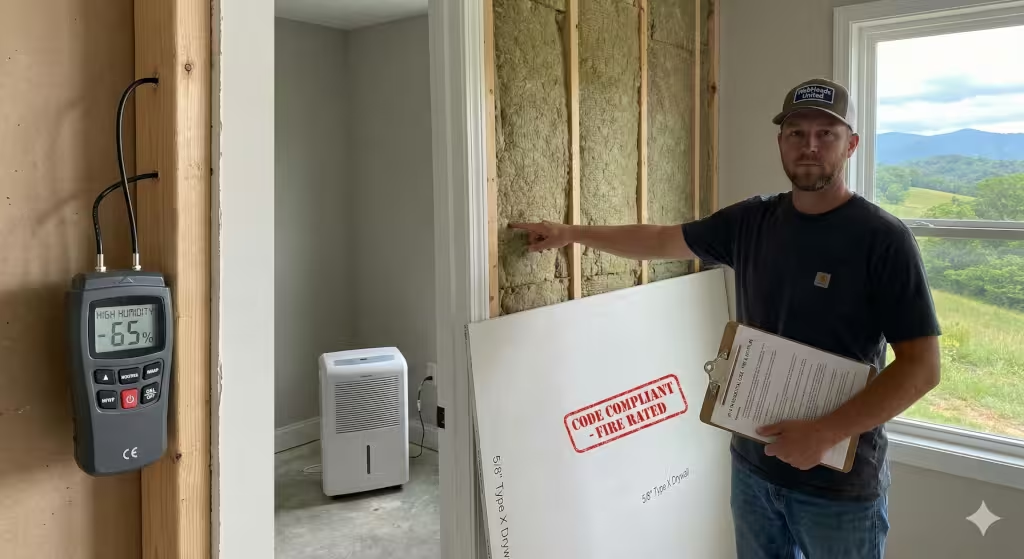
In East Tennessee, we have high humidity. This is something to think about when choosing soundproofing materials. If you use materials that trap moisture, you could end up with mold inside your walls. Always make sure your wall can still “breathe” or that you are using moisture-resistant drywall.
Also, you should check local building codes. In the Tri-Cities, we follow the 2018 International Residential Code. If you are soundproofing a wall between two different apartments or townhomes, there are strict rules about fire safety. Some soundproofing materials are more fire-resistant than others. Mineral wool is excellent because it can withstand very high heat. Always make sure your new soundproofing materials don’t create a fire hazard.
Final Thoughts on Creating a Quiet Home
Investing in the right soundproofing materials is one of the best things you can do for your home’s value. It makes your living space more private and peaceful. Whether you are blocking out the sound of the Bristol Motor Speedway or just a noisy dishwasher, the science remains the same. Use mass, damping, and sealing to get the job done right.
Precision and integrity are important in building. Don’t cut corners. Use the best soundproofing materials you can afford, and take your time with the installation. You will be glad you did when you finally have a quiet night’s sleep.
Bonus: A Shopping List and Procedures on How to Soundproof Your Home
We have put together a complete list of soundproofing materials you will need to quiet a standard 10×12 foot wall. Having the right soundproofing materials on hand saves you time and trips to the hardware store in Johnson City or Kingsport. This list is based on the “drywall sandwich” method I mentioned before, which is the most effective way to treat an existing wall.
In this guide, we will break down every item you need. I will explain why we use these specific soundproofing materials and how they work together to block noise. I want to make sure you understand the value of each piece. When you buy soundproofing materials, you are buying peace and quiet for your family. Let’s look at what it takes to get the job done right.
The Master Shopping List for a 10×12 Wall
To treat a wall that is ten feet wide and twelve feet long, you are looking at 120 square feet of space. Here are the soundproofing materials you will need to purchase:
Four sheets of 5/8 inch Type X Drywall.
Two cases of Green Glue Noiseproofing Compound (12 tubes per case).
Two tubes of Acoustical Sealant.
One roll of Mass Loaded Vinyl (optional but recommended for high noise).
Two Putty Pads for electrical outlets.
One box of 1-5/8 inch drywall screws.
One roll of fiberglass joint tape.
One bucket of joint compound (mud).
One box of Rockwool Safe’n’Sound insulation (if opening the wall).
This list covers the primary soundproofing materials. You will also need basic tools like a caulk gun, a drywall saw, and a drill. Now, I will explain each of these soundproofing materials in great detail so you know exactly what you are paying for.
Deep Dive into Drywall Selection
When people think of soundproofing materials, they often forget the most basic one: drywall. Not all drywall is the same. For soundproofing, we use 5/8 inch Type X drywall. This is thicker and heavier than the 1/2 inch drywall used in most bedrooms in Tennessee.
The reason we choose this as one of our soundproofing materials is mass. As an engineer, I can tell you that mass is your best friend when stopping sound. The more weight you put in the way of a sound wave, the harder it is for that wave to pass through. Type X drywall is also fire-rated. This adds a layer of safety to your home while it works as one of your main soundproofing materials.
If you want even better results, you can buy specialized soundproof drywall. Brands like QuietRock are excellent soundproofing materials, but they are much more expensive. For most homeowners in the Tri-Cities, using two layers of standard 5/8 inch drywall with a damping compound is a better value. It gives you great results without the high cost of specialty soundproofing materials.
The Role of Green Glue Damping Compound
Green Glue is perhaps the most famous of all soundproofing materials. It is a viscoelastic damping compound. That is a big word, but it just means it stays stretchy. Unlike regular glue, it never turns into a hard solid.
When you use Green Glue as one of your soundproofing materials, you apply it between the old wall and the new drywall. When sound hits the wall, the energy tries to move through the layers. The Green Glue layer stays flexible and vibrates just a tiny bit. This vibration turns the sound energy into heat. You won’t feel the heat, but the sound will be gone.
Among all soundproofing materials, damping compounds like this are the most important for stopping low-frequency noise. This includes things like the rumble of a truck on the highway or a deep voice. For a 10×12 wall, you should use about 24 tubes. This ensures you have enough of these soundproofing materials to cover the surface and get the damping effect you need.
Why You Need Acoustical Sealant
If you have ever seen a builder work, you know they use a lot of caulk. But for noise, you need specific soundproofing materials like acoustical sealant. Regular caulk from the store will dry out and crack over time. When it cracks, sound leaks through the gaps.
Acoustical sealant is one of the soundproofing materials that stays soft for decades. It is used to seal the perimeter of the wall. When you install your new layer of drywall, you leave a 1/4 inch gap at the floor, the ceiling, and the corners. You fill this gap with the sealant.
This is one of those soundproofing materials that handles decoupling. It keeps the new wall from touching the other surfaces too tightly. This prevents vibrations from traveling from the wall into the floor or ceiling. Without these types of soundproofing materials, your wall would still be “connected” to the rest of the house, and noise would find a way around your hard work.
Mass Loaded Vinyl: The Heavy Barrier
If you live near a noisy spot like the Bristol Motor Speedway or a busy street in Johnson City, you might need extra mass. This is where Mass Loaded Vinyl (MLV) comes in. It is one of the densest soundproofing materials available.
MLV is a thin sheet of plastic that is filled with heavy minerals. It feels like a heavy rubber mat. It is very hard for sound to push through MLV because it is so heavy and limp. In the world of soundproofing materials, we call this “limp mass.” Because it doesn’t have a rigid structure, it doesn’t vibrate like wood or metal.
You hang MLV on the existing wall before you add your second layer of drywall. It is one of the more expensive soundproofing materials, but it is incredibly effective at blocking airborne noise. If you are building a home recording studio or a nursery, MLV should be on your list of soundproofing materials.
Putty Pads and Electrical Outlets
Every time you cut a hole in a wall for a light switch or a plug, you create a sound leak. These holes are the enemies of good soundproofing materials. To fix this, we use putty pads.
Putty pads are thick, square sheets of soundproofing materials that look like gray clay. You wrap them around the back of the electrical box inside the wall. They seal the box and add mass to a weak point.
Most people ignore outlets when they buy soundproofing materials. This is a big mistake. If you have two outlets on opposite sides of a wall, it is like having a direct tunnel for sound. Using putty pads as part of your soundproofing materials ensures that your wall is truly airtight. This is a small cost that makes a big difference in how well your other soundproofing materials perform.
Rockwool Insulation: The Internal Absorber
If you decide to take the drywall off the wall to see the studs, you should replace the old pink insulation. Fiberglass is great for heat, but it is too light to be one of the top soundproofing materials. Instead, you should use mineral wool, often called Rockwool.
Rockwool is one of the best soundproofing materials for filling the hollow space between studs. It is made from melted rock that is spun into fibers. It is much heavier than fiberglass. This weight allows it to soak up sound waves that get inside the wall cavity.
Using mineral wool along with your other soundproofing materials creates a “mass-air-mass” system. The sound has to go through the first wall, through the heavy insulation, and then through the second wall. This combination of soundproofing materials is the gold standard for home construction in the Tri-Cities.
Fasteners and Finishing Materials
Even the screws and tape you use matter when you are working with soundproofing materials. For a double layer of drywall, you need 1-5/8 inch screws. Regular drywall screws are too short to reach the studs through two layers of material.
You also need joint compound and tape to finish the wall. While these are not technically soundproofing materials, how you apply them matters. You want a smooth, solid finish. Any cracks in the plaster can become sound leaks. I always tell people that the beauty of your soundproofing materials is hidden behind a good paint job.
When you finish the wall, make sure you don’t use too many screws. Every screw is a tiny bridge that sound can travel through. Use just enough to hold the drywall firmly. This is a trick used by pros who install soundproofing materials every day.
Estimating the Total Cost
In the Tri-Cities, prices for building supplies can vary. Generally, outfitting a 10×12 wall with these soundproofing materials will cost you between $400 and $800.
Drywall is usually the cheapest part, costing about $15 to $20 per sheet. The damping compound is where you will spend more money. A case of Green Glue can cost around $200. MLV is also a bigger investment, often costing $100 to $200 for a small roll.
While the cost of soundproofing materials can seem high, you have to think about the long-term value. A quiet home is a more valuable home. When I managed home builds in Knoxville, buyers were always willing to pay more for a house that felt solid and quiet. Using quality soundproofing materials is an investment in your property and your peace of mind.
Step-by-Step Guide to Using Your Soundproofing Materials
Now that you have your list, let’s talk about how to put these soundproofing materials to work.
First, clean the existing wall. Remove any pictures or trim. You want a flat surface. Next, find your studs using a stud finder and mark them on the floor and ceiling. This is important because you need to know where to drive your screws later.
If you are using MLV, hang it now. Staple it to the top of the wall and let it hang down. Tape the seams with reinforced tape. This is one of the heaviest soundproofing materials, so you might need a friend to help you hold it.
Next, get your new drywall ready. Lay the sheet flat on the floor. Take your Green Glue and apply it in a random pattern all over the back of the drywall. Don’t leave any large empty spots. Remember, this is one of the most important soundproofing materials for stopping vibrations.
Lift the drywall and press it against the wall. Screw it into the studs using your long screws. Leave that 1/4 inch gap at the edges I mentioned earlier. Once all the drywall is up, take your acoustical sealant and fill those gaps. This is the final step in using your soundproofing materials to create a sealed room.
Finally, tape and mud the joints. Once the mud is dry and sanded, you can paint. Your wall will look like a normal wall, but the soundproofing materials hidden inside will be working hard to keep things quiet.
Common Mistakes with Soundproofing Materials
I have seen many DIY projects go wrong because people didn’t use their soundproofing materials correctly. One common mistake is “short-circuiting” the wall. This happens when you screw the new drywall into the old drywall instead of the studs. It makes the wall less stable and doesn’t allow the soundproofing materials to work right.
Another mistake is using too little damping compound. If you try to save money by using only one tube of Green Glue per sheet, you won’t get the full benefit of these soundproofing materials. It is better to do one wall perfectly than three walls poorly.
Lastly, people often forget to seal the bottom of the wall. Sound can travel under the baseboards and through the floor joists. Always use your sealant soundproofing materials at the very bottom where the drywall meets the floor.
Why Quality Materials Matter in East Tennessee
We have a unique climate here. Our summers are hot and humid, and our winters can be quite cold. When you choose soundproofing materials, you need to make sure they can handle these changes.
If you use cheap soundproofing materials that are not meant for homes, they might smell or break down in the heat. All the soundproofing materials I have listed are safe for indoor use and won’t release bad chemicals into your home. This is part of building with integrity. You want your home to be quiet, but you also want it to be healthy.
Local codes in places like Kingsport also require certain fire ratings. Using 5/8 inch Type X drywall ensures you meet these codes. When you use the right soundproofing materials, you are following the rules and protecting your family at the same time.
Tools You Will Need for the Job
To install your soundproofing materials, you don’t need a lot of expensive machinery. Most of these can be found at any local tool store.
A heavy-duty caulk gun for the Green Glue and sealant.
A T-square to help you cut the drywall straight.
A utility knife with plenty of sharp blades.
A cordless drill with a Philip’s head bit.
A ladder or a drywall lift for high walls.
Having the right tools makes working with soundproofing materials much easier. If you are doing this alone, I highly recommend renting a drywall lift. These soundproofing materials are heavy, and a lift acts like a second pair of hands.
Measuring for Success
Before you go buy your soundproofing materials, measure your wall twice. A 10×12 wall is simple math, but not every wall is perfect. Check for corners that aren’t square. Look for vents or heaters that might be in the way.
If you have a vent in the wall, you will need to think about how sound moves through the ductwork. Even the best soundproofing materials on the wall won’t stop noise that is coming through the air vents. You can buy specialized vent covers that act as soundproofing materials to help with this problem.
The Engineering Perspective on Sound
I approach every project with an engineering mindset. Soundproofing is about managing energy. When we use various soundproofing materials, we are creating a path that sound energy cannot easily follow.
Think of it like a maze. We want to make the maze so difficult that the sound energy just gives up and turns into heat. By combining mass from the drywall, damping from the glue, and absorption from the insulation, we create the perfect maze. This is why using a variety of soundproofing materials is better than just using a lot of one thing.
Final Review of Your Shopping List
Let’s go over the soundproofing materials one last time. You need your mass (drywall), your damping (Green Glue), your seals (acoustical sealant), and your absorption (Rockwool).
When you go to the store, don’t let anyone talk you into buying “soundproof paint.” In my professional opinion, there is no such thing as paint that can act as one of your primary soundproofing materials. It is too thin to have mass and too hard to have damping properties. Stick to the soundproofing materials that have been tested and proven by engineers.
Your Path to a Quiet Home
I hope this list and guide help you feel more confident about your project. Using the right soundproofing materials is the secret to a high-quality home. Whether you are in Johnson City or anywhere else in the Tri-Cities, you deserve a space where you can relax without hearing the world outside.
Building is about more than just wood and nails. It is about creating an environment that works for you. By investing in these soundproofing materials, you are taking control of your environment. If you have any more questions about how to install these soundproofing materials, I am here to help. Take your time, follow the steps, and enjoy the silence.