
In the world of home building, trends come and go, but one idea that has truly reshaped how we live is the modern one-story open concept floor plan. It is more than just a design trend. It is a fundamental shift in how we want our homes to feel and function. It prioritizes connection, light, and a seamless flow that matches our modern lifestyles.
The appeal of single-level living combined with an open concept layout is undeniable. It offers a sense of freedom and accessibility that multi story homes with divided rooms simply cannot match.
This article is for meant for buyers in East Tennessee thinking about building a custom home. The goal is to give you a practical, in-depth look at these floor plans. We will explore what they are, why they are so popular, and just as importantly, the challenges you need to consider.
A modern open concept plan is a fantastic choice for many families, but a successful, comfortable, and efficient home does not happen by accident. It requires careful consideration of the layout, the underlying structure, and your personal lifestyle. Let’s walk through it together.
What Exactly Defines a “Modern One-Story Open Concept Floor Plan?”
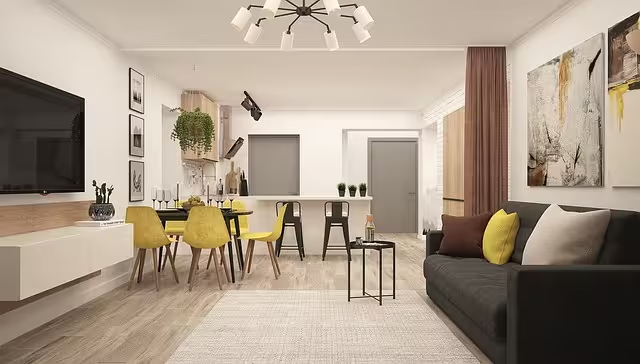
When we talk about this style of home, we are really talking about three distinct ideas that come together to create something special. If you break it down, it becomes much easier to understand why the modern open concept design is so popular and how it works.
The Core Components: Breaking It Down
First, we have single story living. This is the simplest part of the equation. Everything you need for daily life is on one accessible level. There are no stairs to climb with laundry baskets, no worries about mobility challenges as we get older, and cleaning and maintenance become much simpler. This is the foundation of the design, providing ease and convenience.
Next is the “Great Room” philosophy. This is the heart of the open concept idea. Instead of having separate rooms for the kitchen, the dining room, and the living room, each enclosed by walls, we combine them. These three essential areas flow into one another, creating one large, shared space often called a “great room.” This approach completely changes the social dynamic of a home. It transforms separate activities into a shared family experience. The open concept great room is the central hub of activity.
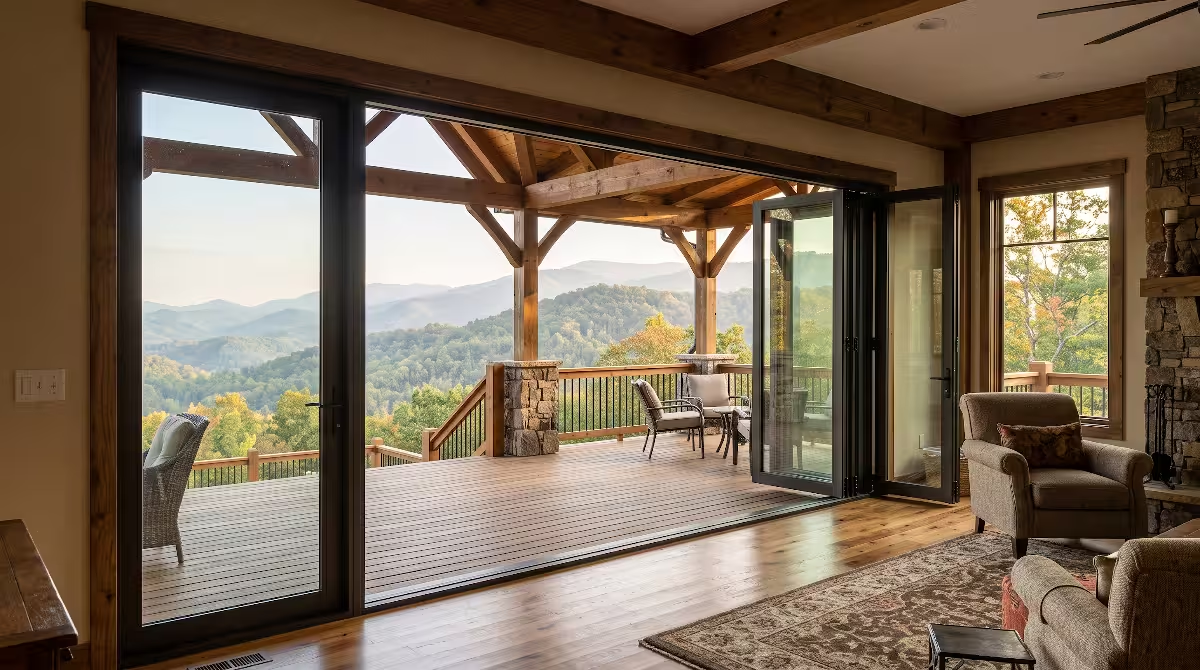
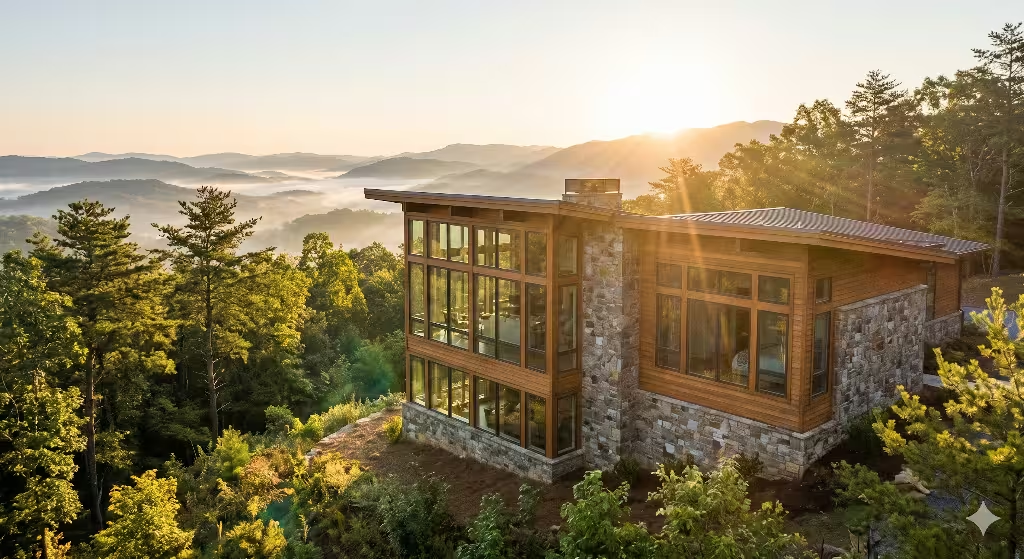
Finally, we add the hallmarks of modern design. A modern home is not just about being new. It is about a specific aesthetic. Modern design emphasizes clean, straight lines and simple forms. It gets rid of complicated trim and fussy details. A key feature is the use of large, often floor to ceiling, windows to bring in as much natural light as possible and connect the inside of the home with the nature outside.
The color palette is typically neutral, using whites, grays, and earth tones to create a calm and uncluttered feeling. Materials are often honest and simple, like exposed wooden beams, polished concrete floors, or metal accents. When you combine these three elements, you get the modern one-story open concept home.
The Pros: The Compelling Reasons to Choose an Open Layout
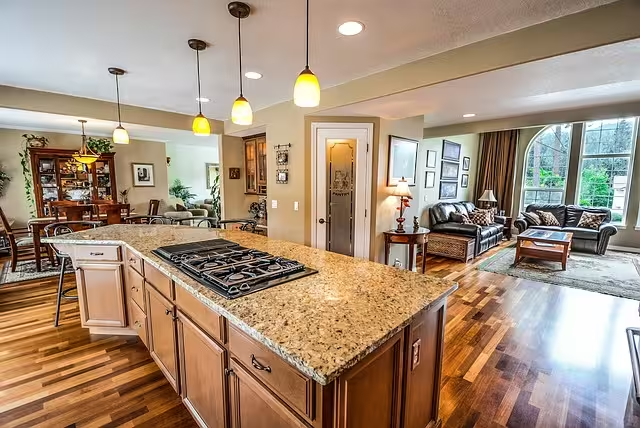
People are drawn to an open concept layout for very good reasons. It is not just about how it looks, but about how it feels to live in the space day to day. Buyers consistently point to a few key benefits that make this design the right choice for them.
Unmatched Social Flow and Family Connection
This is the number one reason people choose an open concept plan. Life becomes more connected when you remove the walls. Think about a typical evening. In a traditional home, one person might be isolated in the kitchen cooking dinner, while the kids are in the living room watching TV and someone else is at the dining room table. In an open concept home, these are all shared experiences. You can prepare a meal while still being part of the conversation, help with homework from across the kitchen island, and keep an eye on younger children while you relax.
This design is also perfect for entertaining. Guests can mingle freely between the kitchen and living areas, and you never feel cut off from the party while you are getting drinks or snacks.
An Abundance of Natural Light and a Sense of Space
Removing interior walls has a dramatic effect on how light moves through a home. In a traditional layout, a window only lights up the room it is in. In an open concept design, light from a window on one side of the house can travel all the way to the other side. This creates a bright, airy, and uplifting atmosphere. This abundance of light also makes the home feel much larger. Even a home with a modest square footage can feel expansive and open when it is not chopped up into small, dark rooms.
This feeling of space is a powerful psychological benefit, making your home a more pleasant and relaxing place to be. This is a key advantage of the open concept approach.
Ultimate Layout Flexibility
Your life changes over time, and an open concept home is uniquely able to adapt with you. Without permanent walls dictating how a room must be used, you have incredible flexibility. The way you arrange your furniture is what defines the space. You can create a large dining area for a holiday party one month, and then rearrange the furniture to create a cozy reading nook the next. If you have young children, you can create a large, open play area. As they get older, that same space can be redefined for entertaining their teenage friends. This adaptability ensures that your home can serve your family’s needs for years to come.
Enhanced Accessibility
The practical benefit of a one story home is accessibility. With no stairs to navigate, it is a perfect design for people of all ages and mobility levels. This is often called “aging in place,” and it is a smart way to think about building a “forever home.” An open concept layout enhances this accessibility even further. Wide, open pathways make it easy to move around, whether you are carrying groceries, using a walker, or in a wheelchair. This forward thinking design provides peace of mind, knowing your home will remain safe and comfortable for the long term.
The Cons: A Builder’s Honest Take on the Challenges
An open concept home is not the right fit for everyone, and it comes with a unique set of challenges that you must plan for from the very beginning. Ignoring these issues can lead to frustration and a home that does not function as well as it should.
Structural Engineering and Cost Implications
This is the most important technical point to understand. When you take out walls, you are often taking out structural support. In a traditional home, many interior walls are “load bearing,” meaning they help hold up the roof and ceiling. In an open concept home, we have to span much wider distances without that support. To do this safely, we have to use engineered solutions. This typically means installing very large beams in the ceiling. These can be LVL beams, which stands for Laminated Veneer Lumber. They are incredibly strong beams made by bonding together multiple thin layers of wood.
For even longer spans, we may need to use steel I beams. These engineered materials and the labor to install them properly add to the cost of construction compared to a traditional design. A proper open concept is a feat of engineering.
Managing Noise and Privacy
This is the most common lifestyle complaint I hear from people who did not plan their open concept home well. When there are no walls, there is nothing to stop sound from traveling. The noise from the dishwasher, the blender, the television, and people’s conversations all blend together in one space. If one person wants to watch a loud movie while another wants to read a book quietly, it can be a challenge.
Similarly, there is a lack of privacy. There is no quiet, separate room to retreat to for a private phone call or just some alone time. A well designed open concept plan will account for this by creating private zones, like a study or bedrooms located away from the main great room.
The Challenge of “Zoning” and Cohesive Design
Without walls, how do you make it clear where the living room ends and the dining room begins? This is the challenge of “zoning.” It takes a thoughtful design to prevent your home from feeling like one big, undefined warehouse. We have to use clever tricks to create distinct functional areas. This can be done with large area rugs to anchor a seating area, different light fixtures to hang over the dining table, or a change in ceiling height or a dropped beam to create a visual separation.
A cohesive design is also critical. Since you can see everything at once, all your furniture, paint colors, and decor must work together in harmony. The open concept approach demands a unified vision.
Another practical issue is that messes are always on display. A sink full of dirty dishes in the kitchen is visible from the living room sofa. This has led to a popular design solution: the scullery, or what some call a butler’s pantry. This is a small, secondary kitchen hidden behind the main one where the real messy prep work and cleanup can happen out of sight.
HVAC and Energy Efficiency Considerations
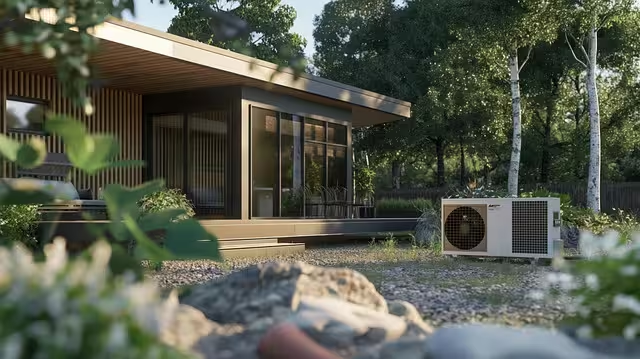
Heating and cooling a large, open volume of air is very different from heating and cooling small, separate rooms. It requires a carefully planned HVAC system, which stands for Heating, Ventilation, and Air Conditioning. A single thermostat in a large open concept space can struggle to keep the entire area at a consistent temperature. You might end up with hot and cold spots.
The best solution is often a “zoned” system, where different parts of the open area are on different thermostats or have their own controls. This ensures comfort and energy efficiency, but it is a more complex and expensive system to install. Proper insulation and high quality windows are also absolutely essential in an open concept home to manage energy costs effectively.
Popular Styles and Variations We’re Building in East Tennessee
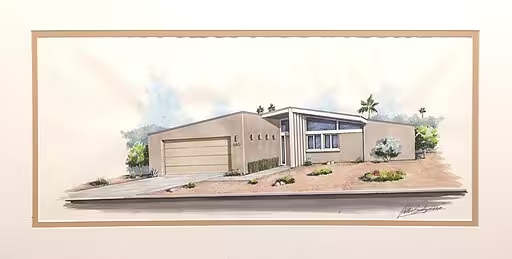
Here in the Tri-Cities, we have a unique landscape and culture, and that is reflected in the styles of modern open concept homes people want to build. While the core principles are the same, the exterior look and interior feel can vary dramatically.
The Modern Farmhouse Ranch
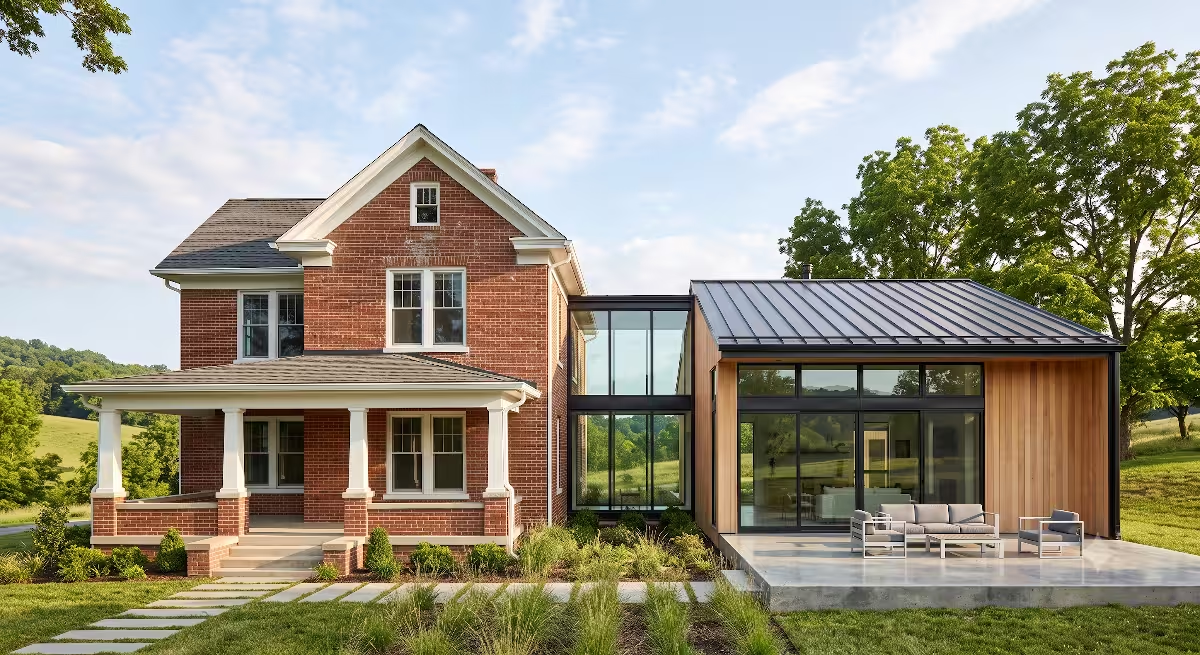
This is without a doubt the most popular style in our region right now. It takes the comforting, traditional look of a classic American farmhouse and updates it with modern, clean lines. You will recognize it by its simple gable roofs, white board and batten siding, black window frames, and often a metal roof accent. Large front porches are a must. Inside, the open concept layout is filled with rustic touches like shiplap walls, natural wood beams, and wide plank flooring, all combined with modern amenities like a sleek kitchen and high end appliances.
Mid-Century Modern Inspired Plans
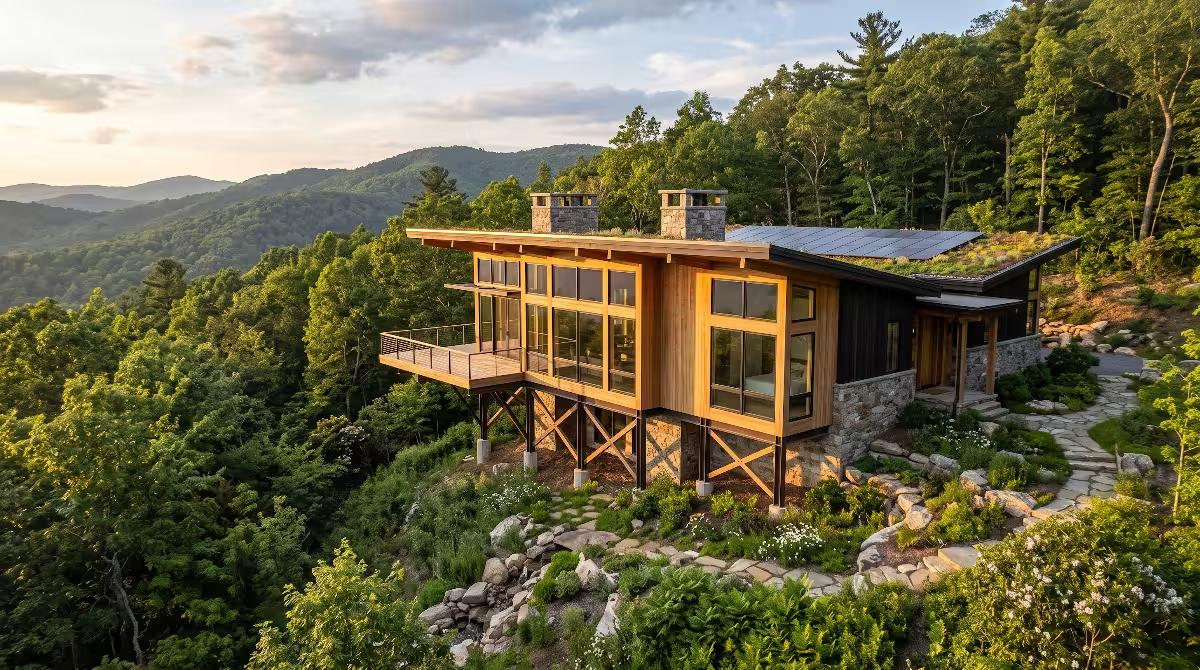
This style, popular from the 1940s to the 1960s, is making a huge comeback. It works beautifully with the rolling hills and wooded lots we have in East Tennessee. Mid-century modern homes feature low slung, gentle rooflines, large panes of glass and sliding doors that blur the line between indoors and outdoors, and an emphasis on natural materials. The open concept interior is often designed to highlight a view, making the landscape a part of the home’s decor.
Minimalist and Scandinavian Designs
This approach is all about simplicity, functionality, and creating a calm, peaceful environment. The open concept layout is uncluttered and focuses on essential, well crafted items. The color palette is very light, with lots of white, pale grays, and natural wood tones like white oak. Furniture is simple and functional. The entire focus is on maximizing natural light and creating a space that feels serene and free of stress.
The Custom “Barndominium”
A “barndo” is a growing trend, especially for those with a bit more land. It uses a post frame construction method, similar to a modern barn, which is very cost effective and allows for enormous, wide open interior spaces without needing many interior support walls. This makes it a perfect structure for an open concept design. People then finish the interior just like a traditional custom home, often with a rustic or industrial aesthetic. It is a practical way to get a large, durable home with a massive open concept living area.
Key Design Elements for a Flawless Open Concept Plan

A successful open concept home is all in the details. After building dozens of these homes, I can tell you that a few key elements make all the difference between a space that is just okay and a space that is truly exceptional to live in.
The Kitchen Island: Your Command Center
In an open concept home, the kitchen island is the single most important piece of furniture. It is so much more than just a place to chop vegetables. It is the command center of your home. It serves as the natural dividing line between the kitchen and the living areas. It is a casual dining spot for breakfast, a serving buffet for parties, a homework station for the kids, and a social hub where everyone gathers.
When planning your island, think carefully about its function. Do you want a sink or cooktop in it? How many people do you want to be able to seat comfortably? We must plan for proper workflow and clearance around it to ensure it does not become a bottleneck.
Creating Flow and Defining Spaces without Walls
As we discussed, you need to create “zones” to make an open concept space work. Ceiling treatments are one of the best ways to do this. A vaulted ceiling can make the main living area feel grand, while a lower, flat ceiling over the dining area can make it feel more intimate. Exposed wood beams can also run along the length of a “room” to create a subtle visual boundary. We also use flooring to define spaces.
For example, you might have durable tile in the kitchen area that transitions to warm hardwood in the living area. Finally, the shape of the open concept itself matters. A simple, long rectangle can be hard to furnish. An “L-shaped” layout, where the kitchen and dining area are off to one side, can create a more protected and cozy living room space.
The Critical Role of Windows and Doors
With fewer interior walls, your exterior walls and the windows in them become your main design feature. The placement of windows is critical. We want to position them to capture the best views of your property and to maximize the natural light throughout the day. In East Tennessee, that might mean framing a perfect view of the mountains. The connection to the outdoors is a huge part of the modern open concept appeal. Large sliding glass doors or even folding glass walls that completely open up are becoming very popular. They allow you to seamlessly connect your great room to a back patio or deck, effectively doubling your living space in good weather.
Don’t Forget Storage
This is a point of integrity for me, because it is so often overlooked. When you remove walls, you also remove the closets that are usually in them. A lack of storage can quickly make an open concept home feel cluttered and chaotic. We have to be very intentional about building in smart storage solutions from the beginning. A large, walk in pantry is non negotiable for the kitchen. A well designed mudroom or drop zone near the entrance is essential for coats, shoes, and bags.
We also look for opportunities to add built in cabinetry, bookshelves, and window seats with hidden storage to make up for the lack of traditional closets. A well planned open concept design never sacrifices storage.
Conclusion: Is a Modern One-Story Open Plan Right for Your Custom Home?
We have covered a lot of ground, from the structural beams in the ceiling to the placement of the kitchen island. The modern, one story open concept layout is an incredible way to live. It offers a bright, social, and flexible environment that is perfect for many modern families. However, as we have seen, it is a design that requires integrity and precision in the planning phase to truly succeed. You must honestly consider the downsides of noise and lack of privacy and work with your builder to design solutions that mitigate them.
Ultimately, building a custom home is about creating a space that is a precise reflection of your lifestyle. If you value connection, light, and a home that can adapt with your family over the years, the open concept approach is an excellent choice. My job is to help you take that vision and turn it into a functional, beautiful, and well built home that will serve you and your family for decades to come.