

Over the years, there has been a meaningful shift in how families think about their homes, especially with aging parents. More and more, people are choosing to bring their families closer, creating spaces for parents to live with dignity and independence under the same roof. This growing desire for multi-generational living is practical, but it’s also deeply personal. Turning your lower level into a living space is more than a renovation; it’s about building a home for the people you care about most. A well designed basement apartment provides both privacy and proximity, a solution that serves everyone.1
The goal of this article is to walk you through the entire process, from the first conversation with your parents to the final design touches. We will cover the critical legal questions you need to ask in Johnson City, Kingsport, or Bristol, and the specific design choices that make a basement apartment safe and comfortable for aging in place. Your ultimate success comes from careful planning and a clear understanding of the unique challenges and opportunities a basement presents. My aim is to give you that clear understanding, so you can create a basement apartment that is not only functional and beautiful, but also a true home for your parents.
Part 1: The First Steps – Due Diligence and Planning

Before a single wall is framed or a single wire is run, the most important work begins. This foundational stage is all about asking the right questions, understanding the rules, and setting a realistic budget. Skipping these steps is the most common mistake I see, and it often leads to costly delays and frustration. Taking the time to plan properly ensures your basement apartment project starts on solid ground.
Understanding the “Why”: A Family Conversation
First, this project must begin with a series of open and honest conversations with your parents. It’s easy to make assumptions about what they need or want, but their direct input is invaluable. Sit down together and discuss their vision for the space. Are they looking for a quiet, private retreat, or do they envision being in the center of family activity?
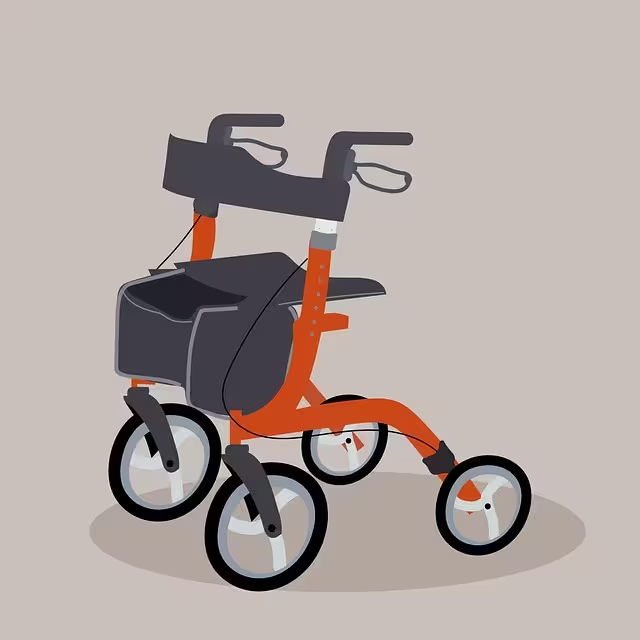
Think about both today and the future. Discuss their current mobility and any health considerations. Then, think ahead five or ten years. Will they potentially need a walker or wheelchair? Answering these questions now will shape the entire design of the basement apartment, from the width of the doorways to the type of shower you install. The goal is to create a basement apartment that serves them well for years to come, adapting to their needs as they change. This conversation ensures the final space is not just a place you built for them, but a home they helped create.
Is It Legally Possible? Navigating Tri-Cities Zoning and Codes
This is where many people get into trouble. You cannot simply finish your basement and call it a legal basement apartment. In the eyes of the law and for safety reasons, there are specific rules you must follow. Here in Tennessee, and specifically in communities like Johnson City and Kingsport, you need to understand two key things: zoning and building codes.
First, let’s talk about zoning. Most municipalities consider a second, self-contained living unit on a single family property to be an Accessory Dwelling Unit, or ADU. You must check with your local planning and zoning department to see if ADUs are permitted in your neighborhood. They will have rules about size, parking, and whether the unit can have a separate address or utility meter. This is your absolute first call. Getting this wrong can result in being forced to remove expensive work, like a full kitchen.
Second, you must comply with the International Residential Code (IRC), which all local building departments in our area enforce. This isn’t optional; it’s about life safety. For a basement apartment to be legal, it must meet several core requirements:
- Minimum Ceiling Height: Habitable spaces like living rooms and bedrooms must have a ceiling height of at least 7 feet.
- Egress: This is one of the most important rules. Every bedroom in a basement apartment must have a direct way to get outside in an emergency. This is usually an egress window of a specific size or a door. You can’t just have one main exit for the whole basement apartment.
- Natural Light and Ventilation: The code requires that a certain percentage of the floor area has access to natural light and ventilation, which egress windows help satisfy.
Before you spend a dollar on design, confirm with your local officials that you can legally build a basement apartment on your property. A quick visit to the city offices can save you an enormous headache down the road.
Establishing a Realistic Budget
Building a basement apartment is a major investment. The cost can vary widely based on the size of the space, the quality of finishes you choose, and the existing condition of your basement. In our East Tennessee market, a safe estimate can range from $50 to over $150 per square foot.
What drives this cost? If your basement is already dry and has good “bones,” your costs will be lower. However, many basements require significant upfront work before the finishing can even begin. Here are some common costs to factor into your budget:
- Moisture Mitigation: Is there any sign of dampness? Proper waterproofing from the outside, adding an interior drainage system, and installing a sump pump can cost several thousand dollars but are absolutely essential. A damp basement apartment is an unhealthy basement apartment.
- Radon Testing: Our region has areas with higher radon levels. You should test for this invisible gas and, if necessary, install a mitigation system.
- Egress Window Installation: Cutting through a concrete foundation to install a proper egress window and well can cost between $3,000 and $7,000.
- Plumbing and Electrical: Adding a full bathroom and a kitchenette requires extensive plumbing and electrical work, including potentially a special sewage ejector pump if your main drain line is higher than the basement floor.
- HVAC: You’ll need to determine how to heat and cool the basement apartment. Extending your existing system may not be sufficient. A dedicated mini split system is often a great solution.
When you add up these necessary mechanical and structural costs with the finishes like drywall, flooring, cabinets, and paint, you can see how the budget can grow. Always add a 15-20% contingency fund for unexpected issues that will inevitably arise.
Part 2: Design with Dignity – Core Principles for Aging in Place
Once you have the legal and financial framework in place, you can move on to the most rewarding part: the design. When designing a basement apartment for parents, you’re not just creating a stylish space. You’re building an environment that promotes safety, independence, and comfort. The guiding philosophy for this is known as Universal Design.
Universal Design vs. ADA Compliance
People often hear about ADA (Americans with Disabilities Act) standards and think they apply here. The ADA sets strict, legally enforceable rules for public and commercial spaces to ensure accessibility. While your private basement apartment doesn’t have to meet these rigid legal standards, the principles behind them are very useful.
A better approach for a home is Universal Design. The goal of Universal Design is to create a space that is comfortable and easy for everyone to use, regardless of their age, size, or ability. It’s about being thoughtful and proactive. An ADA ramp is a specific solution for a wheelchair, but a gently sloped, zero step entry is a Universal Design feature that helps someone with a wheelchair, a parent with a stroller, a person with a bad knee, or someone carrying groceries. By focusing on Universal Design, you create a basement apartment that is inherently safer and more comfortable for your parents as they age.
Accessibility and Mobility
Mobility is a key concern. The design of the basement apartment should allow for easy and safe movement throughout the entire space.
- Flooring: The right flooring is critical. Avoid slick, polished tiles. Luxury Vinyl Plank (LVP) is an excellent choice as it’s durable, waterproof, and has a bit of texture for grip. If you choose carpet for the bedroom, select a low pile option without a thick pad, which can be a tripping hazard and difficult for walkers to move across. Most importantly, ensure there are no transitions or thresholds between rooms. The floor should be perfectly flat and smooth from the living area to the bathroom.
- Layout: An open concept layout is ideal. It minimizes tight corners and narrow hallways, making it easier to navigate. Plan for doorways to be at least 36 inches wide. This is a standard Universal Design recommendation that comfortably accommodates a walker or wheelchair if needed later. When you place furniture, always think about maintaining wide, clear pathways.
- Lighting: Good lighting is a safety feature. As we age, our eyes need more light to see clearly. A single overhead light in the middle of the room is not enough. Plan for layered lighting. This includes recessed ceiling lights for general (ambient) brightness, under cabinet lights in the kitchenette for task lighting, and lamps for a softer feel. Use rocker style light switches, which are easier to operate than small toggles, and place them slightly lower on the wall for easier reach from a seated position.
Safety First
Beyond general accessibility, you should incorporate specific safety features into the design of the basement apartment, particularly in the bathroom.
- Grab Bars: This is non negotiable. Install sturdy, properly anchored grab bars in the shower and next to the toilet. Don’t use towel racks or other fixtures for support; they are not designed to hold a person’s weight. Plan for this during the framing stage so you can add solid wood blocking inside the walls for the grab bars to screw into.
- Shower Design: A walk in, zero threshold shower is the safest option. It eliminates the need to step over a curb, which is a major trip and fall hazard. Include a built in or portable shower bench and a handheld, adjustable showerhead. This allows for a safe and comfortable bathing experience, whether standing or seated.
- Ventilation: Basements can have issues with air quality. A high quality, quiet bathroom exhaust fan that is properly vented to the outside is essential to control moisture and prevent mold growth.9 Running a dedicated air return for the HVAC system in the basement apartment will also dramatically improve overall air circulation and quality.
Part 3: The Anatomy of the Apartment – Room by Room
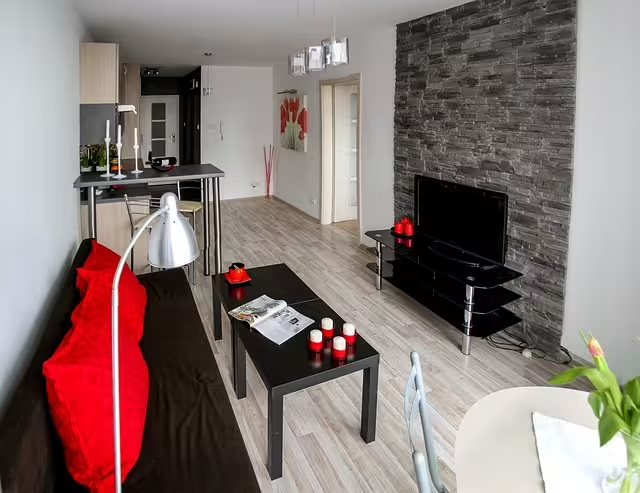
Now we can apply these principles to the individual areas of the basement apartment. Each space has its own unique set of requirements to be functional, safe, and compliant with building codes. A successful basement apartment feels like a thoughtfully designed small home, not just a collection of finished rooms.
The Private Entrance
For a basement apartment to feel like a separate home and, in many cases, to be classified as a legal ADU, it needs a private entrance. This gives your parents a sense of autonomy and privacy. If you have a walk out basement, you’re in great shape. You simply need to ensure the path to the door is well lit, smooth, and free of obstacles.
If you don’t have a walk out, you will need to create one. This typically involves excavating an area outside the foundation, cutting an opening for a door, and building a concrete or block retaining wall to create a stairwell. The stairs should have a gentle slope, deep treads, and consistent riser heights. Most importantly, you must have a sturdy, continuous handrail on at least one side. This exterior entrance area also needs a proper drainage system at the bottom of the stairs to prevent water from pooling against the door and entering your new basement apartment.
The Living Space: Kitchenette and Lounge
The main living area should be an open, inviting space that combines seating and a functional food preparation area.
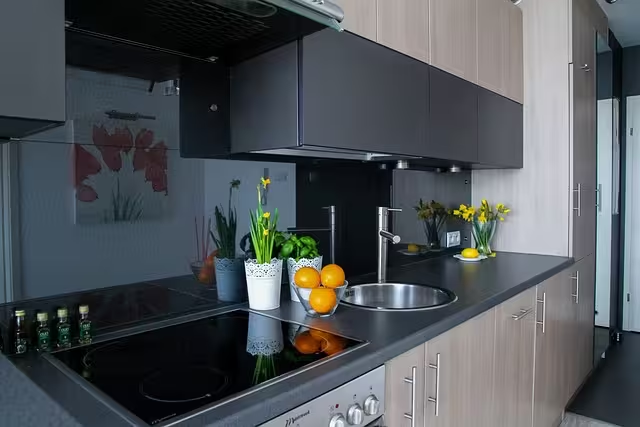
For the kitchenette, think efficiency and accessibility. A full-size oven and massive refrigerator are often unnecessary and take up valuable space. A smaller 24 inch stove, an under counter refrigerator, a microwave, and a sink are usually sufficient. Here are some key design features:
- Accessible Appliances: Choose a microwave that can be placed on the countertop rather than over the range. Select a cooktop with controls at the front so your parents don’t have to reach over hot burners.
- Smart Storage: Instead of traditional base cabinets with deep, hard to reach spaces, use large pull out drawers for pots, pans, and dishes. They bring the contents out to you, minimizing bending and reaching.
- Countertop Height: While standard height is 36 inches, you might consider lowering a section of the counter to 34 inches to make it more comfortable for someone who prefers to work while seated.
The lounge or living area of the basement apartment should be planned around the best source of natural light, which is often the egress window. Arrange furniture to create comfortable conversation areas while keeping those clear, wide pathways we talked about.
The Bedroom: A Private Retreat
The bedroom in a basement apartment has one absolute, critical, code required component: an egress window. I cannot stress this enough. Any room designated as a sleeping area below ground level must have a window or door that allows for escape in a fire. The window must meet specific size requirements for its clear opening, and its sill cannot be more than 44 inches off the floor. This window will need an exterior window well with a built in ladder or steps to allow for easy escape. This isn’t just a rule; it’s a life saving feature. It also has the wonderful side effect of bringing much needed natural light into the bedroom of the basement apartment.
For storage, design a closet with accessibility in mind. Install the closet rod at a lower height and consider adjustable shelving that can be moved as needs change. Ample, well lit storage will make the space more functional and feel less cluttered.
The Accessible Bathroom
The bathroom is arguably the most important room to get right in terms of safety. We’ve already discussed the zero threshold shower and grab bars. Here are a few more details to complete the design:
- The Toilet: Install a “comfort height” or “right height” toilet. These are a few inches taller than standard models, making it much easier to sit down and stand up. Ensure there is plenty of clear space on either side for support or future assistance.
- The Vanity: A wall mounted or “floating” vanity is a great choice. It opens up the floor space underneath, which can be useful for someone using a wheelchair or a seated walker.
- Faucets: Choose faucets with lever handles instead of knobs. They are easier to operate for someone with arthritis or limited hand strength. A single handle faucet is even better. The same principle applies to the shower controls.
Part 4: Overcoming the “Basement Feel”
The biggest challenge in any basement project is making it feel like a main level living space. People associate basements with being dark, damp, and cold. A truly successful basement apartment overcomes these stereotypes through smart engineering and thoughtful design. Your goal is for your parents to forget they are in a basement.
Moisture and Water Control (The #1 Priority)
Before any drywall goes up, you must ensure the space is perfectly dry. Water is the number one enemy of a finished basement. A damp basement apartment will lead to mold, mildew, and an unhealthy living environment.
The solution starts on the outside of your house. Make sure your gutters are clean and directing water far away from your foundation. The ground around your house should be graded to slope away from the walls. If you have any cracks in your foundation, they must be professionally sealed.
On the inside, an interior perimeter drain system connected to a reliable sump pump is the best line of defense. This system collects any water that seeps through the foundation walls and pumps it safely away from the house. A battery backup for your sump pump is a wise investment, ensuring it works even during a power outage in a heavy storm. Finally, a good quality whole space dehumidifier integrated with your HVAC system will keep the relative humidity at a comfortable and healthy level. Do not cut corners on water control.
Soundproofing for Privacy
To make the basement apartment feel like a truly separate space, you need to address sound transfer from the floor above. The constant noise of footsteps, running appliances, or a television can be very disruptive.
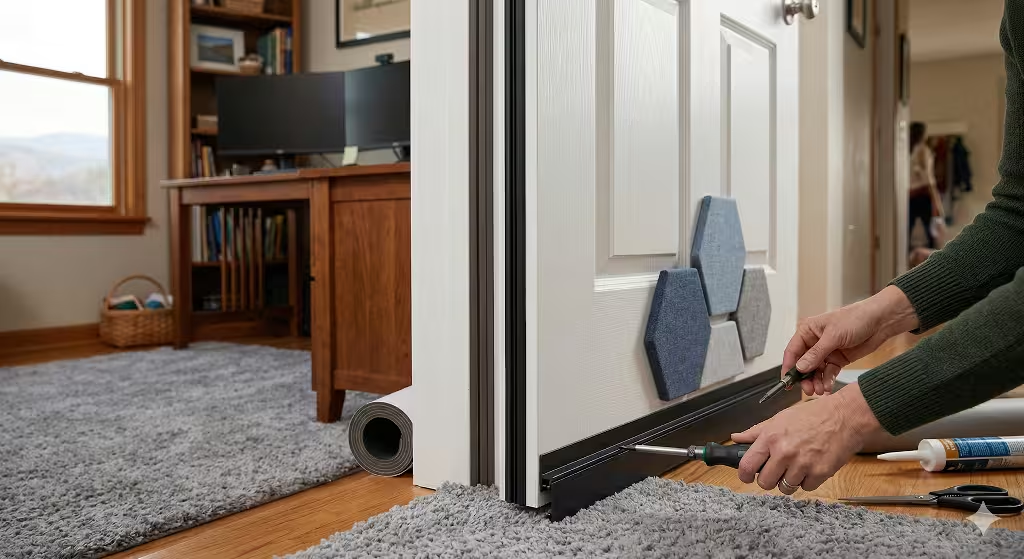
Good soundproofing involves creating separation and adding mass. A highly effective method is to use resilient channels. These are thin metal strips that attach to the ceiling joists, and the drywall then attaches to the channels. This small air gap decouples the drywall from the framing, which dramatically reduces the vibration and noise that can pass through.
You should also fill the cavity between the ceiling joists with sound absorbing insulation. Products like Rockwool are excellent for this purpose as they are dense and specifically designed for sound attenuation. Using a double layer of 5/8 inch drywall on the ceiling adds even more mass, further blocking airborne sound. These steps will ensure peace and quiet for both you and your parents.
Maximizing Light
To combat the darkness, you need a strategic lighting plan that uses every available source of natural and artificial light.
- Natural Light: The egress window is your best friend here. Don’t cover it with heavy drapes. Use light, airy window treatments that provide privacy while still letting in maximum daylight. If the apartment has a walkout entrance, choose a door with a large glass panel.
- Artificial Light: We talked about a layered lighting plan, and this is where it really shines. Use plenty of recessed ceiling lights for overall brightness. Aim for a warmer color temperature, somewhere around 3000K, to avoid a sterile, clinical feel. Supplement this with task lighting in the kitchen and reading lamps in the living area and bedroom. Placing lights strategically can also make the space feel larger. For example, washing a wall with light from a sconce can create an illusion of depth.
- Color Palette: Paint is a powerful and inexpensive tool. Use light, reflective colors on the walls, like soft whites, light grays, or pale beiges. Painting the ceiling a bright, flat white will make it feel higher and more open. A light colored floor will also contribute to a brighter, more spacious feeling in the basement apartment.
Conclusion: Building a Future for Your Family
Creating a basement apartment for your parents is one of the most thoughtful and rewarding projects you can undertake. It requires careful planning, attention to detail, and a commitment to quality. By starting with the legal due diligence, designing with safety and accessibility at the forefront, and implementing smart solutions to control moisture and light, you can transform an underused space into a warm and inviting home. This project is a significant investment, but it’s one that pays dividends in family connection and peace of mind.
Remember, the success of this project often hinges on the team you hire. Find a local General Contractor in the Tri-Cities area who has specific experience with finishing basements and understands our local codes. Ask for references and look at their past work. A good contractor will be your partner in navigating the complexities of the build.
Ultimately, a well designed basement apartment offers the best of both worlds: it gives your parents a safe, independent home of their own while keeping them close to the family they love. It’s a forward thinking investment in your property and, more importantly, a beautiful investment in your family.