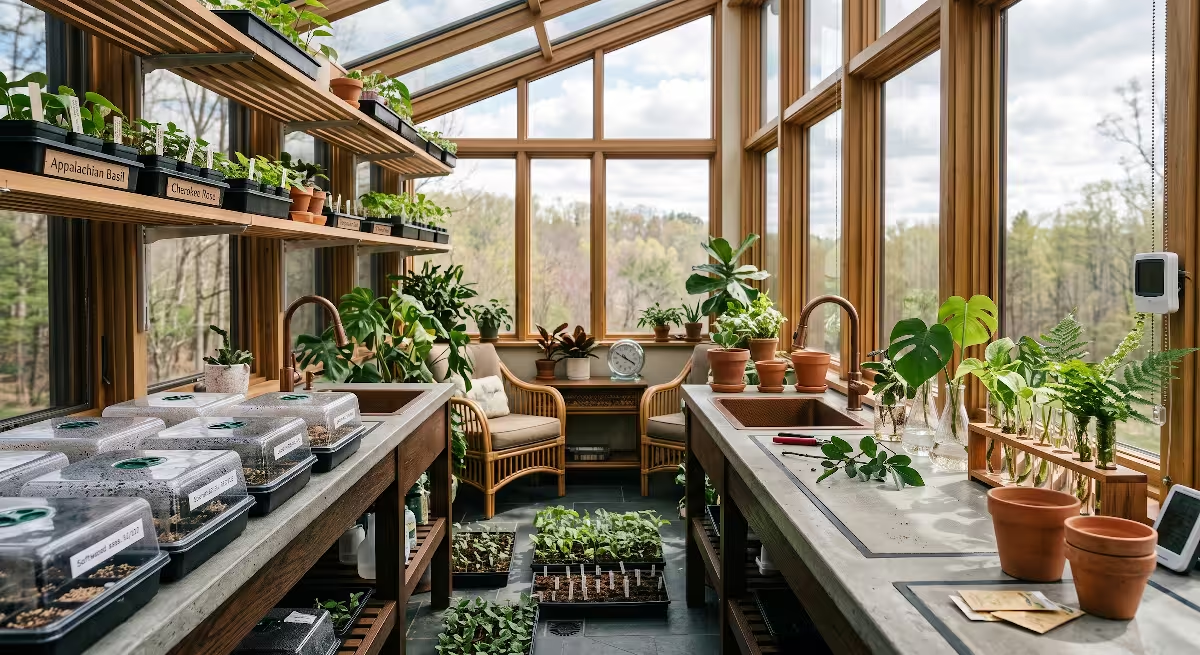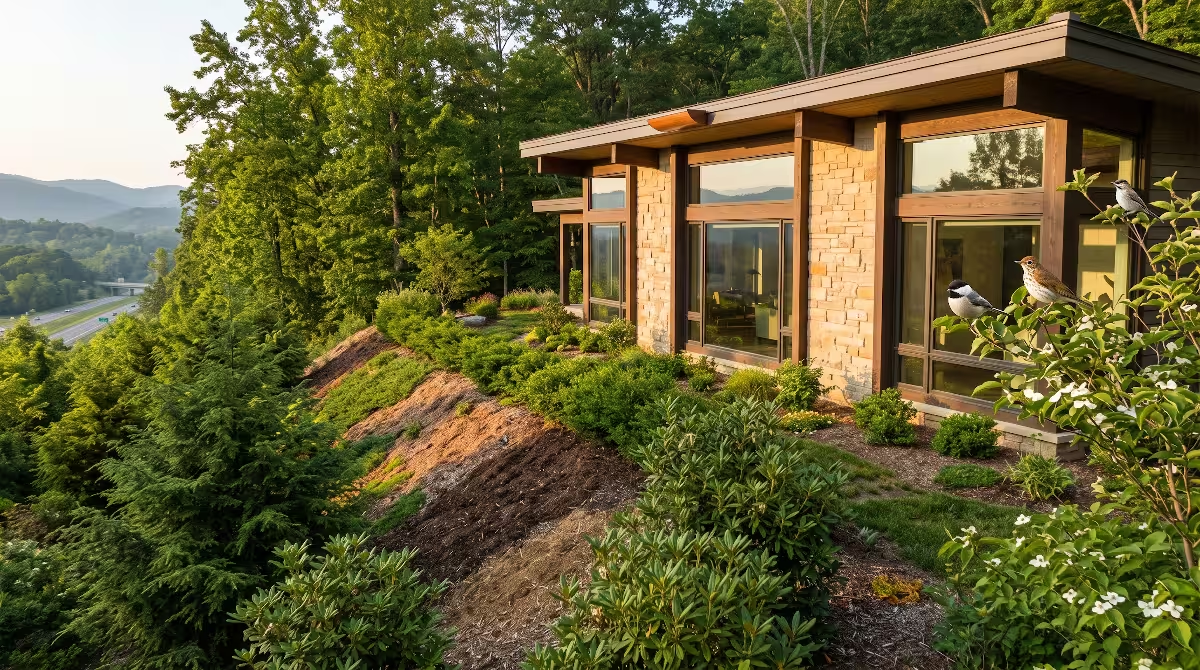


The Evolutionary Basis of Wood in Human Spaces
When we design homes in the East Tennessee region, from Johnson City to the surrounding Appalachian mountains, we must look beyond basic decoration. We must design for the human nervous system.
For millions of years, human beings evolved in direct contact with natural ecosystems. Our ancestors lived beneath forest canopies, surrounded by dynamic landscapes, organic shapes, and natural materials. Our eyes, nervous system, and brain chemistry were built to process the soft complexity of nature. However, modern life has pulled us indoors. Most people spend more than ninety percent of their lives inside modern buildings. These spaces are often filled with flat drywall, synthetic plastics, painted metal, and sterile gray surfaces.
This dramatic shift creates a deep biological mismatch. When our visual and sensory systems are surrounded by artificial surfaces, our brains work harder to process the environment. This constant effort creates subtle, continuous mental fatigue. It keeps our stress response slightly active throughout the day.
Biophilic interior design fixes this mismatch by bringing nature back into the built environment. Among all biophilic elements, natural wood grain is one of the most powerful tools we have to restore physiological balance. The presence of natural wood grain inside a room does far more than make a space look warm or rustic. It triggers a measurable, subconscious relaxation response in the human brain.
When you see natural wood grain, your visual system registers organic movement, physical depth, and biological authenticity. Your brain recognizes that it is in a safe, natural setting. In this comprehensive guide, we will explore the hard science behind how natural wood grain impacts the mind and body. We will examine physiological stress markers, visual fractal geometry, sensory processing, material comparisons, and practical design strategies for your home.
Physiological and Neurological Mechanisms: How Natural Wood Grain Affects the Brain
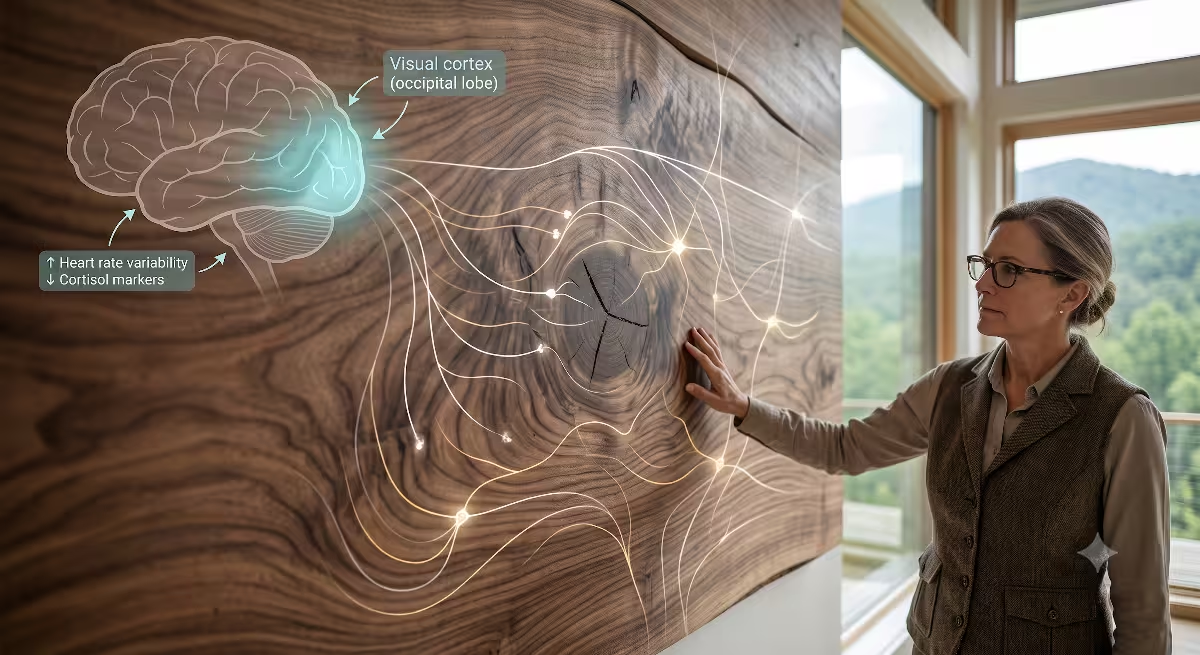
To understand why natural wood grain changes how we feel, we must look at human biology. When you step into a room with exposed natural wood grain, your senses gather information about your surroundings immediately. This information travels from your eyes and skin directly to the primitive parts of your brain that control stress, emotion, and involuntary bodily functions.
       Visual Cortex Processes Natural Wood Grain Patterns
                             │
                             ▼
         Recognizes Natural Fractal Geometry (D ≈ 1.3 - 1.5)
                             │
                             ▼
     Lowers Sympathetic Activity ──► Decreases Cortisol & Heart Rate
                             │
                             ▼
   Activates Parasympathetic System ──► Restores Focus & Promotes Calm
Autonomic Nervous System Modulation
Your autonomic nervous system controls the automatic functions of your body. It has two main divisions: the sympathetic nervous system and the parasympathetic nervous system.
- The Sympathetic Nervous System: This is your fight or flight system. It speeds up your heart rate, raises your blood pressure, releases stress hormones like cortisol, and prepares your body to face danger.
- The Parasympathetic Nervous System: This is your rest and digest system. It slows your heart rate, lowers your blood pressure, reduces stress hormones, and allows your body to heal and recharge.
Modern urban environments often trigger the sympathetic nervous system without us realizing it. Smooth synthetic walls, harsh artificial lighting, and repetitive geometric boxes force our brains to remain on alert.
Clinical research shows that viewing natural wood grain reverses this trend. When a person enters an environment rich in natural wood grain, the sympathetic nervous system settles down. At the same time, the parasympathetic nervous system turns up.
Scientists measure this shift using several key biological metrics:
- Salivary Cortisol: Cortisol is the primary stress hormone in the human body. Studies measure cortisol levels in saliva before and after people sit in different rooms. Rooms containing natural wood grain consistently cause a significant drop in salivary cortisol levels compared to rooms with plain painted walls or synthetic laminates.
- Heart Rate Variability (HRV): HRV measures the variation in time between consecutive heartbeats. Higher HRV indicates that your parasympathetic system is active and your body is resilient to stress. Looking at natural wood grain causes an immediate increase in HRV, proving that the nervous system feels safer and more relaxed.
- Blood Pressure: Systolic and diastolic blood pressure levels show measurable drops when individuals are surrounded by natural wood grain surfaces. The body physically relaxes when natural wood grain is present in its visual field.
Fractals, Visual Entropy, and Cognitive Load
Why does our visual cortex react so positively to natural wood grain? The answer lies in natural fractal geometry.
Fractals are complex patterns that repeat self-similar shapes at different scales. You can see fractals throughout nature in tree branches, clouds, river networks, coastlines, and fern leaves. Mathematics measures fractal complexity using a metric called fractal dimension, abbreviated as D.
In nature, most visual fractals fall within a specific complexity range between D = 1.3 and D = 1.5. Over millions of years, the human visual processing system evolved to analyze patterns in this exact range with maximum efficiency.
                                  Visual Pattern Comparison
┌──────────────────────────────────────────────┬──────────────────────────────────────────────┐
│             Synthetic Pattern                │              Natural Wood Grain              │
├──────────────────────────────────────────────┼──────────────────────────────────────────────┤
│ • Exact repetition causes visual fatigue     │ • Organic variation engages the brain        │
│ • Artificial symmetry demands high focus     │ • Natural fractals match eye evolution       │
│ • Triggers subtle cognitive dissonance       │ • Soft visual entropy reduces mental stress  │
└──────────────────────────────────────────────┴──────────────────────────────────────────────┘
The growth rings, earlywood, latewood, and pore structures seen in natural wood grain form natural fractals that sit precisely inside this optimal range. When your eyes scan a surface of natural wood grain, the visual cortex processes the information easily. This effortless processing is called visual fluency.
Because natural wood grain matches the natural processing capabilities of the human eye, it creates low cognitive load. Your brain does not have to work hard to interpret what it sees. Flat, featureless plastic or completely random visual noise can cause eye strain and cognitive fatigue. In contrast, natural wood grain provides the perfect balance of order and variation. This balance is known as soft visual entropy. It keeps the mind gently engaged without causing mental fatigue.
Why does natural wood make us feel calm?
Natural wood makes us feel calm because the organic patterns in natural wood grain trigger a direct reduction in sympathetic nervous system activity. The human brain recognizes the fractal geometry in natural wood grain as a signal of a safe, natural environment. This recognition causes an automatic drop in heart rate, blood pressure, and cortisol levels while boosting parasympathetic relaxation.
Real Wood vs. Synthetic Imitations: The Subconscious Disconnect
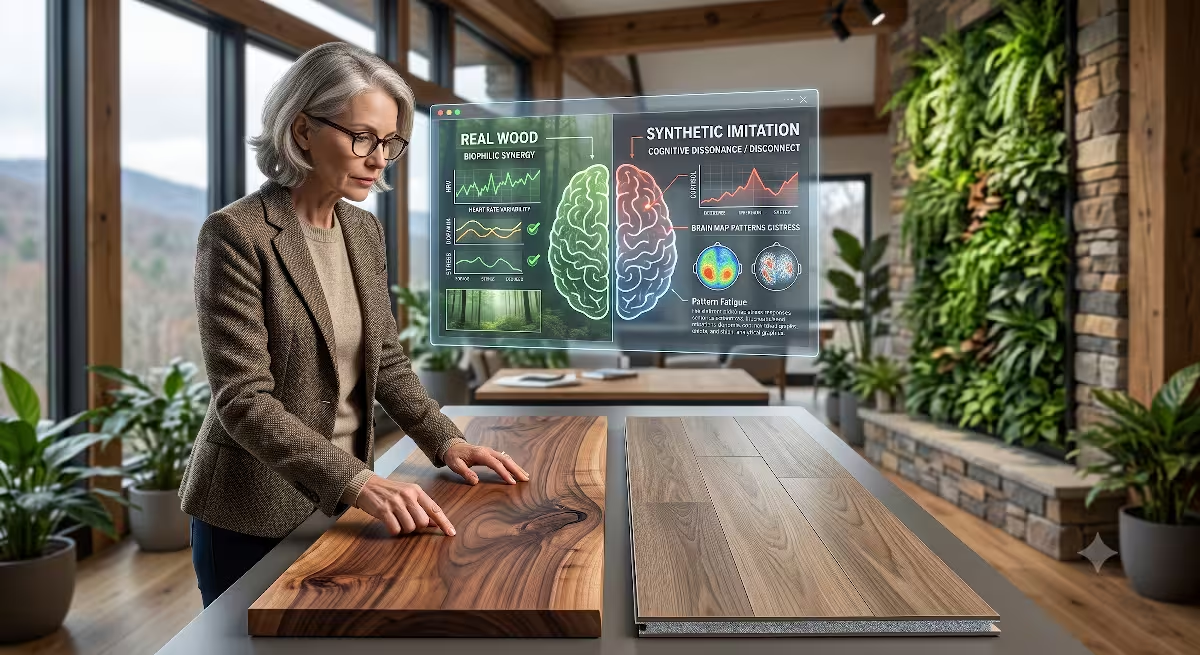
As an interior designer and biophilic engineer, one of the most common questions I encounter involves artificial alternatives. Modern manufacturing produces convincing copies of wood finishes, such as Luxury Vinyl Tile (LVT), plastic laminates, and printed melamine. These products display printed pictures of timber on synthetic bases.
While these materials may look like timber from a distance, clinical data proves that fake surfaces do not deliver the same psychological or physiological benefits as real natural wood grain.
+-----------------------------------------------------------------------+
|                   SENSORY ALIGNMENT MATRIX                            |
+--------------------------+---------------------+----------------------+
| Feature                  | Real Natural Wood   | Synthetic Imitation  |
+--------------------------+---------------------+----------------------+
| Pattern Uniqueness       | 100% Unique         | Repeats Every X Feet |
| Subconscious Recognition | Authentic / Relaxing| Triggers Micro-Stress|
| Thermal Effusivity       | Low (Warm Touch)    | High (Cold / Plastic)|
| Tactile Cellular Depth   | Present             | Flat Seal coat       |
| Terpene Off-gassing      | Beneficial          | Synthetic VOCs       |
+--------------------------+---------------------+----------------------+
Pattern Repeat and Subconscious Recognition
The human brain is an extraordinary pattern recognition machine. Without your conscious awareness, your visual system scans your surrounding environment for patterns, anomalies, and structural integrity.
Artificial surfaces that copy natural wood grain rely on printed images. No matter how high the resolution of the image is, the print pattern must repeat across a floor or wall panel. When synthetic flooring or wall panels are installed, the exact same natural wood grain image appears multiple times across the room.
Synthetic Floor (Repeating Pattern):
[ Pattern A ] ───► [ Pattern B ] ───► [ Pattern A ]  ◄── (Brain detects artificial loop)

Real Wood Floor (Organic Continuity):
[ Unique Board 1 ] ──► [ Unique Board 2 ] ──► [ Unique Board 3 ] ◄── (Brain registers real nature)
Your conscious mind might not notice the repeating print on a fake floor right away. However, your subconscious visual system catches the repetition immediately. The brain detects that something is wrong. It registers an artificial loop in an element that should be organic and unique.
This subconscious realization creates a subtle state of cognitive dissonance. Instead of reassuring the brain, fake natural wood grain alerts the brain to an illusion. This micro-stress response prevents the full reduction in cortisol that authentic natural wood grain provides. Real natural wood grain is completely unique. Every tree grows under varying weather conditions, soil compositions, and seasonal cycles. No two boards featuring real natural wood grain are identical. That genuine randomness reassures the brain that the material is authentic, allowing the nervous system to relax fully.
Multi-Sensory Alignment: Tactile, Thermal, and Olfactory Factors
Biophilic design is not just a visual experience. It is a multi-sensory experience. Real natural wood grain appeals to all our senses at once.
Thermal Effusivity and Touch
Thermal effusivity measures how quickly a material absorbs heat from your skin. Materials with high thermal effusivity, such as cold tile or dense metals, draw heat out of your hand quickly, making them feel cold to the touch. Plastics and synthetic laminates also draw heat away or feel unnaturally slick and artificial.
Real natural wood grain has low thermal effusivity due to its porous cellular structure. When you touch authentic natural wood grain, heat transfers slowly between your hand and the surface. As a result, natural wood grain feels naturally warm and comforting to the touch. This tactile warmth lowers physical tension and provides a sense of physical safety.
Olfactory Stimulation and Air Quality
Real timber contains organic chemical compounds called phytoncides and terpenes, including alpha-pinene and beta-pinene. These natural compounds produce the subtle, pleasant aroma associated with fresh forest wood.
                                  Olfactory & Air Quality Pathways
┌──────────────────────────────────────────────┬──────────────────────────────────────────────┐
│         Real Natural Wood Terpenes           │           Synthetic Laminate VOCs            │
├──────────────────────────────────────────────┼──────────────────────────────────────────────┤
│ • Natural terpenes (alpha-pinene) released   │ • Off-gasses formaldehyde and phthalates     │
│ • Stimulates natural killer (NK) immune cells │ • Irritates respiratory pathways             │
│ • Lowers autonomic stress responses          │ • Elevates subconscious physiological stress │
└──────────────────────────────────────────────┴──────────────────────────────────────────────┘
When unsealed or naturally finished wood with visible natural wood grain is used in a home, it slowly releases low levels of beneficial terpenes into the indoor air. Inhaling these organic compounds boosts immune function by increasing natural killer cell activity while lowering stress hormone levels.
In contrast, artificial materials featuring fake natural wood grain often off-gas volatile organic compounds (VOCs), formaldehydes, and phthalates used in plastic manufacturing. These chemicals pollute indoor air, irritate respiratory systems, and elevate stress.
Does faux wood grain have the same psychological effect as real wood?
No, faux wood grain does not produce the same psychological effect as real wood. Fake wood features repeating print patterns that your brain identifies as artificial, which can trigger subconscious micro-stress. Synthetic wood also lacks the natural thermal warmth, microscopic surface texture, and beneficial organic aroma present in real natural wood grain.
Grain Types, Figures, and Wood Species Selection for Optimal Psychological Benefit
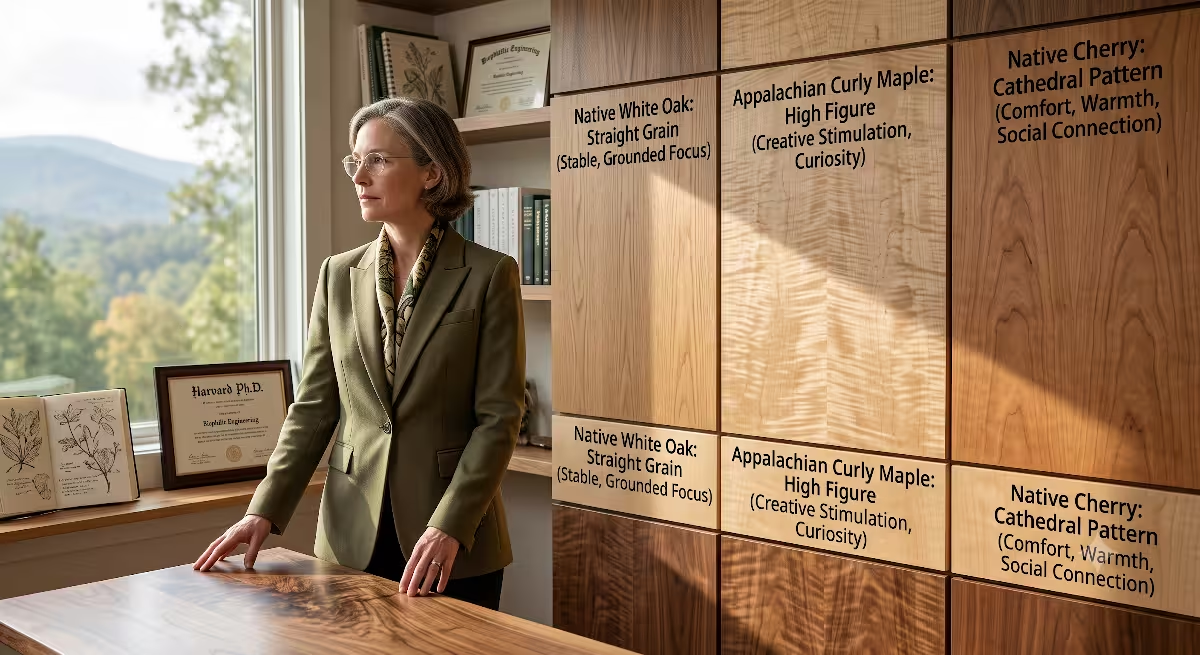
Not all timber surfaces affect the human brain in the exact same way. The style of natural wood grain, the figure of the wood, and the natural color tone of the species influence the psychological atmosphere of a room.
                              VISUAL ENTROPY SPECTRUM IN TIMBER
Low Visual Entropy                                                               High Visual Entropy
(Calming / High Focus)                                                         (Stimulating / Accents)
┌───────────────────────┬───────────────────────┬───────────────────────┬───────────────────────┐
│     Straight Grain    │      Quartersawn      │      Cathedral        │     Burl / Curly      │
│  (Rift Sawn Oak/Pine) │     (Medullary Rays)  │     (Plain Sawn)      │   (Walnut/Maple Burl) │
└───────────────────────┴───────────────────────┴───────────────────────┴───────────────────────┘
Straight Grain vs. Highly Figured Grain
In biophilic engineering, we categorize visual patterns by their level of visual entropy, or pattern complexity.
Straight Grain (Low Visual Entropy)
Straight natural wood grain features parallel, uniform growth lines running smoothly along the length of the board. You see this pattern in rift-sawn oak, clear fir, and straight-grained pine.
- Psychological Effect: Straight natural wood grain generates a quiet, organized visual atmosphere. It provides gentle organic structure without drawing unnecessary focus.
- Best Applications: Ideal for large surface areas where long-duration focus and calm are critical, such as home offices, study areas, master bedrooms, and main floor surfaces.
Cathedral Grain (Moderate Visual Entropy)
Plain-sawn lumber produces cathedral natural wood grain, which features arching, parabolic growth rings stacked along the face of the board.
- Psychological Effect: Cathedral natural wood grain offers classic visual movement that reflects the life cycle of the tree. It feels familiar, welcoming, and grounded.
- Best Applications: Excellent for living rooms, kitchen cabinetry, and dining area focal points.
Highly Figured Grain (High Visual Entropy)
Highly figured timber includes burl, curly maple, bird’s-eye maple, and quartersawn boards with prominent medullary rays. These patterns display wave-like motions, dramatic swirls, and intense depth.
- Psychological Effect: Highly figured natural wood grain creates high visual interest. It draws the eyes instantly and stimulates curiosity. However, if used on every surface in a room, high-entropy patterns can overwhelm the visual cortex and create visual clutter.
- Best Applications: Highly figured natural wood grain works best when used intentionally for accent pieces, executive desks, mantlepieces, or feature wall paneling.
+-----------------------------------------------------------------------------------+
|                        WOOD SPECIES & PSYCHOLOGICAL MATRIX                        |
+----------------+----------------+------------------------+------------------------+
| Species        | Tone / Shade   | Grain Entropy Level    | Target Mindset         |
+----------------+----------------+------------------------+------------------------+
| White Oak      | Light Neutral  | Low to Moderate        | Focus, Clarity, Space  |
| American Ash   | Bright Blonde  | Low (Straight Grain)   | Energy, Daylight Boost |
| Black Walnut   | Rich Dark      | Moderate to High       | Grounding, Security    |
| Black Cherry   | Warm Amber     | Moderate               | Comfort, Emotional Calm|
+----------------+----------------+------------------------+------------------------+
Color Temperature and Species Characteristics
The natural color tone of wood grain interacts directly with indoor lighting and human circadian rhythms.
Light Wood Tones (White Oak, Ash, Birch, Sugar Maple)
Light-colored woods display natural wood grain against soft blonde, cream, or light tan backgrounds.
- Impact on Space: Light tones reflect natural daylight deep into a room, raising light levels without introducing glare.
- Psychological Result: Light natural wood grain creates a sense of openness, airiness, and mental clarity. It helps align human circadian rhythms during morning and afternoon hours.
Warm Amber Wood Tones (Black Cherry, Heart Pine)
Warm amber species feature natural wood grain highlighted by rich golden, reddish-brown hues.
- Impact on Space: Warm tones absorb harsh blue light frequencies while reflecting soft, warm light spectrums.
- Psychological Result: Warm natural wood grain produces feelings of comfort, domestic security, and relaxation. It is ideal for spaces dedicated to social gathering and evening winding down.
Dark Wood Tones (Black Walnut)
Dark woods feature deep chocolate, espresso, and purplish-brown backgrounds showcasing intricate natural wood grain lines.
- Impact on Space: Dark tones lower the visual bounce of light, creating visual weight and spatial intimacy.
- Psychological Result: Dark natural wood grain offers a sense of permanence, quiet sophistication, and emotional grounding.
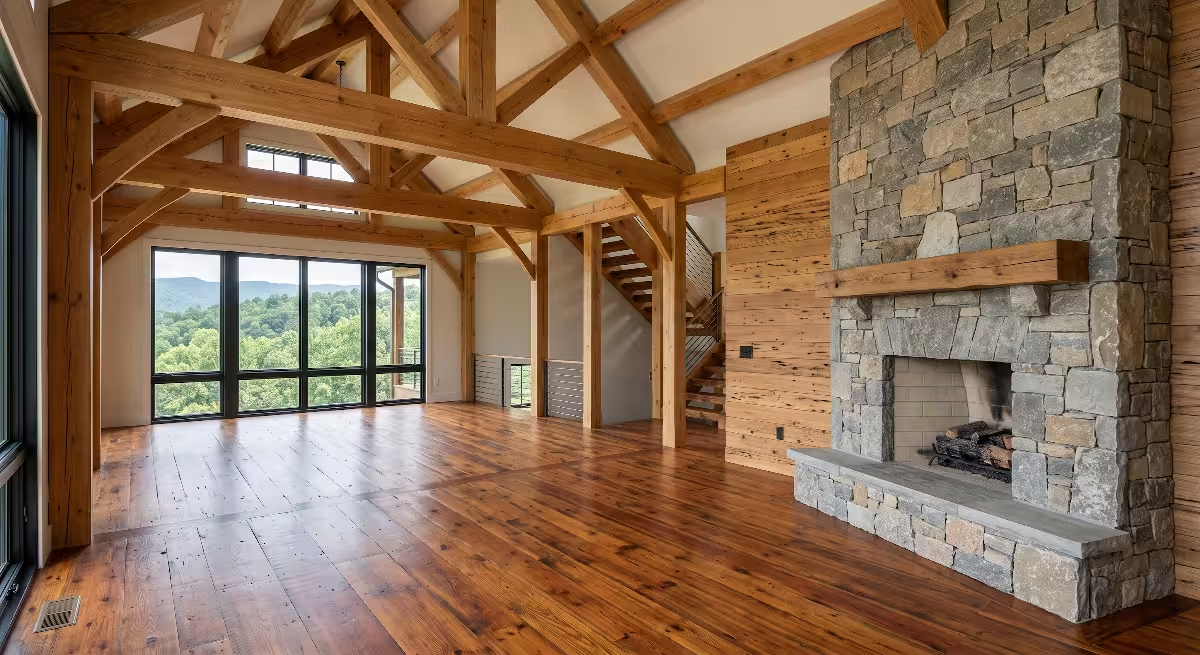
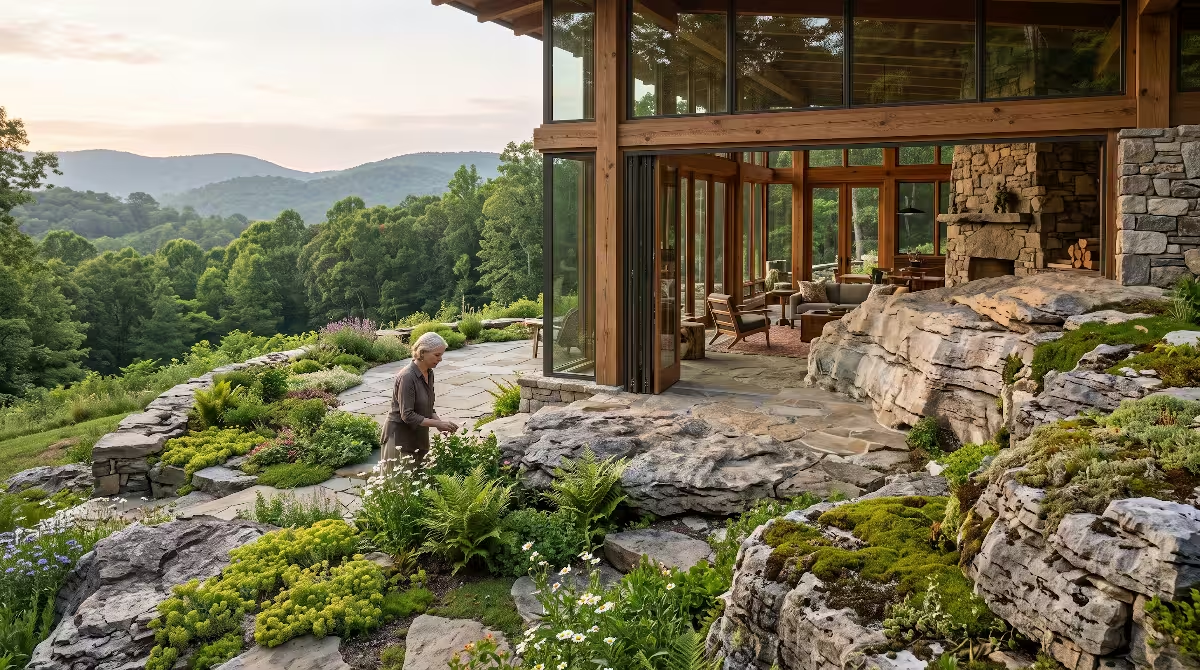
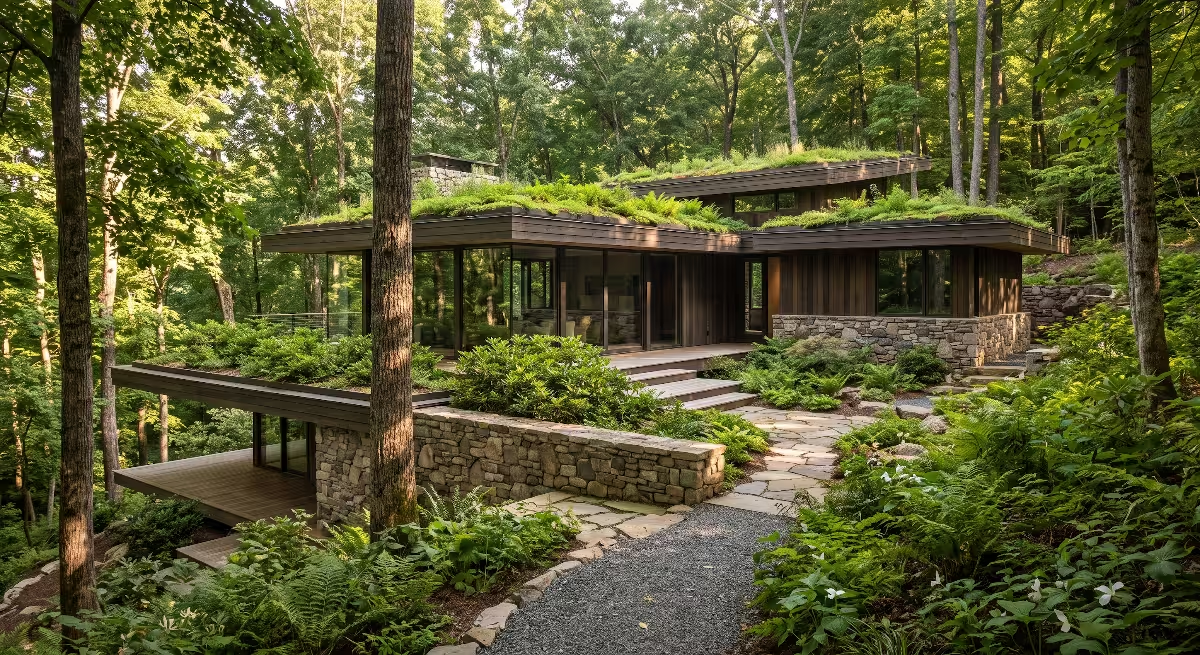
In East Tennessee, we are fortunate to live alongside the rich hardwood forests of the Appalachian Mountains. Utilizing native species like Appalachian White Oak, Black Walnut, and Black Cherry supports local sustainability while grounding modern homes in the region’s natural history.
Which type of wood grain is best for interior stress reduction?
Straight natural wood grain with low-to-moderate visual complexity is best for continuous stress reduction and sustained focus. Light to medium-toned species, such as White Oak or Ash with a natural matte finish, lower cognitive fatigue and promote relaxation without overstimulating the visual cortex.
Spatial Implementation: Coverage Ratios and Lighting Dynamics
Bringing natural wood grain into a home requires careful spatial balance. Throwing wood onto every available surface will not automatically double the health benefits. In fact, overusing timber can hurt the psychological quality of a space.
                     BIOPHILIC TIMBER COVERAGE SCALE
  < 20% Coverage           30% - 45% Coverage           > 60% Coverage
┌─────────────────────────┬─────────────────────────┬─────────────────────────┐
│     Minimal Impact      │    OPTIMAL ZONE         │    Visual Heavy Zone    │
│ • Insufficient signal   │ • Max HRV improvement   │ • Potential balance loss│
│ • High stress remains   │ • Lowered cortisol      │ • Darkens interior light│
│ • Missed biophilic gain │ • Restores focus        │ • Visual overcrowding   │
└─────────────────────────┴─────────────────────────┴─────────────────────────┘
The Golden Ratio of Visible Wood Coverage
Biophilic architecture research from around the world points to a clear visual coverage threshold for interior wood applications. The maximum psychological benefit occurs when visible natural wood grain covers between 30% and 45% of a room’s total surface area.
- Under 20% Coverage: The visual signal is too weak to produce significant autonomic stress reduction. Small accent pieces help, but they do not trigger a full parasympathetic shift.
- 30% to 45% Coverage (The Optimal Zone): This coverage ratio lowers cortisol levels, improves heart rate variability, and restores mental focus. This target is easily achieved by pairing natural wood grain flooring with custom cabinetry, an exposed beam structure, or a timber feature wall.
- Over 60% Coverage: When natural wood grain covers more than sixty percent of a room’s surfaces, the room can feel visually heavy, dark, or enclosed. Unless balanced by high ceilings and expansive windows, high coverage ratios can increase feelings of confinement.
                          Optimal 30%-45% Room Balance
+-----------------------------------------------------------------------------------+
| [ Ceiling: White Drywall / Exposed Timber Beams ]                                 |
|                                                                                   |
| [ Wall 1: Smooth Paint ]   [ Wall 2: Natural Wood Grain ]  [ Wall 3: Glass Window ] |
|                            [ Accent / Cladding Panel   ]                          |
|                                                                                   |
| [ Floor: Natural Wood Grain Hardwood Flooring ]                                   |
+-----------------------------------------------------------------------------------+
The Interaction of Light and Timber Depth
Lighting controls how the human eye perceives natural wood grain. Without proper illumination, the intricate beauty and depth of timber patterns are lost.
Color Rendering Index (CRI)
To experience the true psychological benefit of natural wood grain, your lighting must display colors accurately. Use high CRI light sources (CRI 90 or higher). Low-quality LED lights distort the rich yellow, brown, and red undertones of timber, making natural wood grain appear flat and muddy.
Color Temperature
Choose light sources with warm color temperatures:
- 2700K to 3000K (Warm White): Perfect for highlighting natural wood grain in living rooms, dining spaces, and bedrooms. Warm light enhances the golden undertones in timber and creates a relaxing atmosphere.
- 3500K to 4000K (Neutral White): Suitable for home offices and kitchens where natural wood grain is paired with active task lighting.
Light Ray
  │
  ▼
┌─────────────────────────────────────────┐ ◄── Surface Clear Finish (Matte)
│ ▒▒▒▒▒▒▒▒▒▒▒▒▒▒▒▒▒▒▒▒▒▒▒▒▒▒▒▒▒▒▒▒▒▒▒▒▒▒▒ │ ◄── Translucent Wood Cell Walls
└─────────────────────────────────────────┘
  │       │       │       │       │
  ▼       ▼       ▼       ▼       ▼
(Reflected Light Scatters Deep Within Cells = 3D Chatoyancy Depth)
Understanding Chatoyancy
One of the most remarkable optical traits of authentic natural wood grain is chatoyancy, or the cat’s-eye effect. Light penetrates translucent cell walls within real wood fibers and reflects off internal structures below the surface.
This sub-surface reflection creates a distinct three-dimensional appearance. As you walk past a board featuring natural wood grain, the wood seems to shift, shimmer, and change depth under changing light. Plastic laminates and printed vinyls cannot replicate this dynamic optical effect. Chatoyancy captivates the eye gently, encouraging micro-rest breaks that relieve visual fatigue.
To preserve chatoyancy, finish real timber surfaces with matte or satin penetrating oils instead of thick, glossy plastic coatings. High-gloss polyurethane seals trap light on the top surface, creating harsh glare that hides the depth of natural wood grain.
Frequently Asked Questions About Biophilic Wood Design
How does natural wood grain affect mental health and stress levels daily?
Surrounding yourself with natural wood grain triggers positive physiological shifts every day. Living and working in timber-rich spaces lowers baseline stress by keeping the sympathetic nervous system calm.
People living in biophilic homes with visible natural wood grain report lower self-reported anxiety, higher quality sleep, and better emotional self-regulation. These spaces provide passive restorative environments that help your brain recover from daily mental fatigue without conscious effort.
Daily Health Impact Cycle:
Lower Baseline Cortisol ──► Reduced Mental Fatigue ──► Improved Sleep & Focus
What are the main psychological benefits of biophilic interior design?
Biophilic interior design uses natural elements to improve physical and mental well-being indoors. Key psychological benefits include:
- Reduced Cognitive Load: Natural patterns like natural wood grain lower eye strain and brain fatigue.
- Faster Stress Recovery: Exposure to natural materials speeds up physical recovery after stressful events.
- Improved Attention and Focus: Biophilic spaces restore capacity for directed attention and clear thinking.
- Enhanced Spatial Connection: Natural textures create a feeling of warmth, safety, and deep connection to your home environment.
+-----------------------------------------------------------------------------------+
|                        SUMMARY OF BIOPHILIC BENEFITS                              |
+------------------------+----------------------------------------------------------+
| Health Area            | Observed Psychological / Biological Outcome              |
+------------------------+----------------------------------------------------------+
| Stress Hormones        | Measurable drops in salivary cortisol levels             |
| Cardiovascular System  | Lowered resting heart rate and healthier blood pressure  |
| Nervous System         | Increased HRV and higher parasympathetic activity        |
| Cognitive Function     | Reduced mental fatigue and restored focused attention    |
+------------------------+----------------------------------------------------------+
How much wood should be used in a home for maximum health benefits?
For optimal psychological and physical health benefits, natural wood grain should cover approximately 30% to 45% of a room’s total surface area.
You can achieve this target balance easily by combining:
- Authentic natural wood grain hardwood flooring throughout main living zones.
- Custom timber cabinetry in kitchen and bath spaces.
- A natural wood grain accent wall, timber ceiling beams, or solid wood furniture pieces.
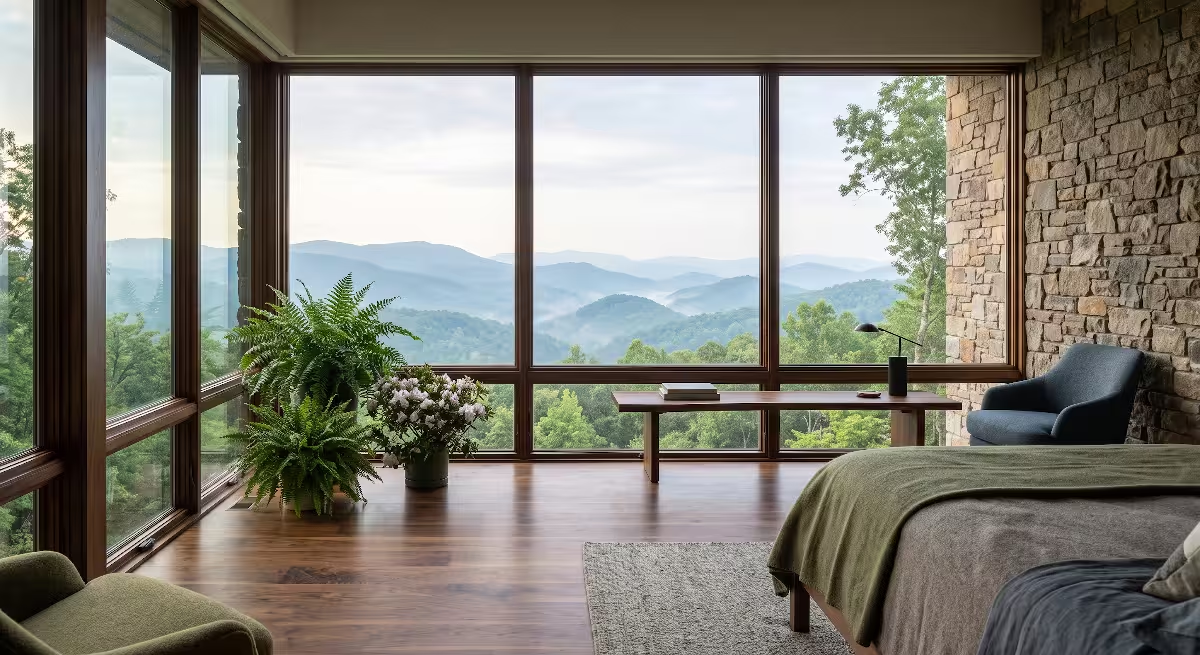
Keep total coverage under 60% to avoid making rooms feel dark, heavy, or enclosed. Balance timber elements with soft neutral wall colors, expansive natural daylight, and healthy indoor plants.
Strategic Implementation Guidelines
Natural wood grain is far more than a simple decorative finish. It is a scientifically proven tool for building healthier human environments.
As modern lives keep us indoors, integrating natural wood grain into our homes helps bridge the gap between our built spaces and our biological evolutionary roots. The subconscious mind registers natural wood grain as an unmistakable marker of biological authenticity, safety, and natural harmony.
                   STRATEGIC IMPLEMENTATION ROADMAP
┌─────────────────────────────────────────────────────────────────────────┐
│ STEP 1: Material Selection                                              │
│ • Choose authentic solid wood or natural wood veneers over vinyl/LVT.   │
│ • Source native Appalachian species (White Oak, Walnut, Cherry).        │
└────────────────────────────────────┬────────────────────────────────────┘
                                     │
                                     ▼
┌─────────────────────────────────────────────────────────────────────────┐
│ STEP 2: Pattern & Finish Application                                    │
│ • Apply straight-grain patterns for focus areas (Offices/Bedrooms).     │
│ • Use clear matte or satin penetrating oil finishes to stop glare.       │
└────────────────────────────────────┬────────────────────────────────────┘
                                     │
                                     ▼
┌─────────────────────────────────────────────────────────────────────────┐
│ STEP 3: Spatial & Lighting Calibration                                  │
│ • Target a 30% to 45% visible surface coverage ratio.                   │
│ • Install high-CRI (90+) warm lighting (2700K-3000K) to showcase depth. │
└─────────────────────────────────────────────────────────────────────────┘
Actionable Guidelines for Designers, Builders, and Homeowners
- Prioritize Authenticity: Choose real timber or natural wood veneers over printed synthetic alternatives. Avoid repeating printed patterns that trigger subconscious micro-stress.
- Aim for the Optimal Coverage Zone: Keep visible natural wood grain coverage between 30% and 45% of total room surfaces to maximize stress reduction and maintain visual lightness.
- Match Grain Style to Room Function: Use low-entropy, straight natural wood grain in areas dedicated to long-term focus and quiet rest. Reserve highly figured natural wood grain for dynamic feature accents.
- Protect Visual Depth with Natural Finishes: Avoid heavy, high-gloss polyurethane seals that cause surface glare. Use matte or satin natural oil finishes to preserve sub-surface light reflection and tactile warmth.
- Illuminate with Quality Warm Light: Pair natural wood grain with high-CRI warm artificial lighting (2700K to 3000K) and soft, natural daylight to bring out the natural depth and golden undertones of the wood.
By prioritizing natural wood grain in modern residential and commercial design, we create spaces that do more than shelter us. We build environments where the human body relaxes, the mind recharges, and human well-being can truly thrive.