
Why Your Floor is the Foundation of Independence
If you are looking at your home and wondering how to make it safer for someone you love, you are in the right place. Living here in the Tri-Cities, I see so many families in Johnson City and Kingsport who want to stay in their homes as they get older. We call this aging in place. It is a beautiful goal. But to do it right, we have to talk about something that literally supports every step you take: your flooring choice.
When you use a wheelchair or a walker, your house starts to feel a bit different. A small rug that used to look cute is now a trip hazard. A smooth, shiny tile that looked like a spa can now feel like a skating rink. I have spent years as an engineer and a builder, and I have seen how the wrong choice can make a person feel trapped. But the right choice? It gives you freedom. It lets a person in a wheelchair glide from the kitchen to the living room without any struggle. It gives a person with a walker the grip they need to feel steady.
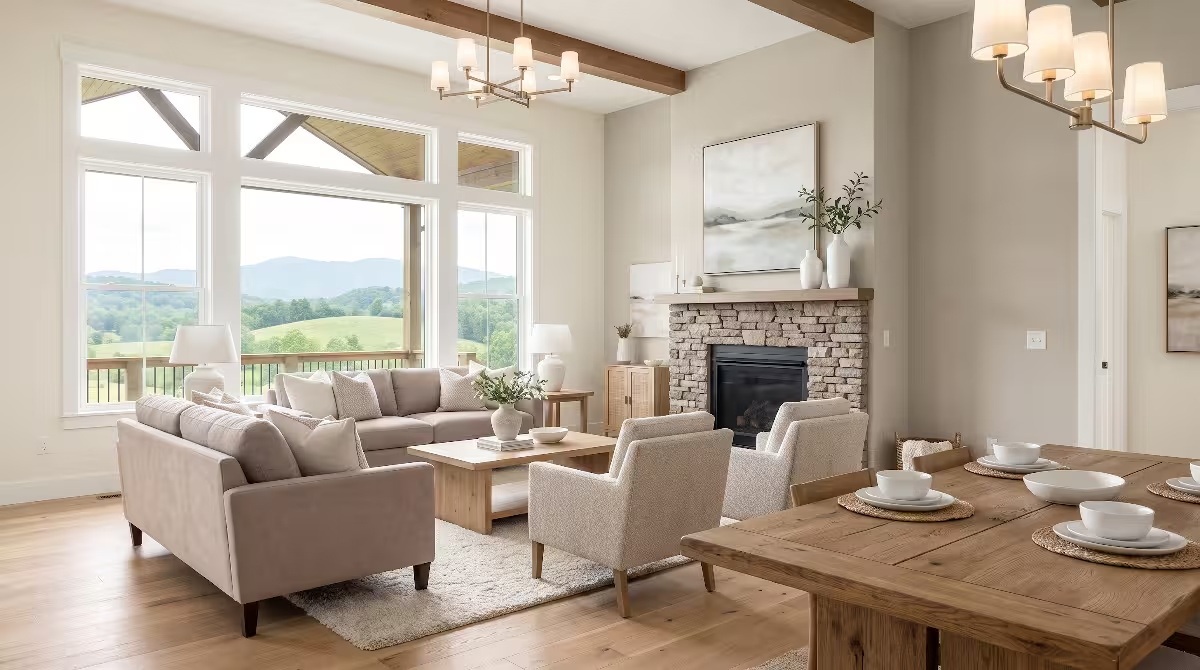
Many people think that if they choose a surface for a wheelchair, it will look like a hospital. That is simply not true anymore! We can pick out a stunning style that fits your custom home perfectly. We do not have to give up beauty to get safety.
In this guide, we are going to walk you through everything you need to know. We will look at how to pick a material that is tough enough for wheels but soft enough for your style. My goal is to help you build a home where everyone feels at home. Let’s look at how to choose the best flooring for your needs.
What Makes a Floor Mobility Friendly?
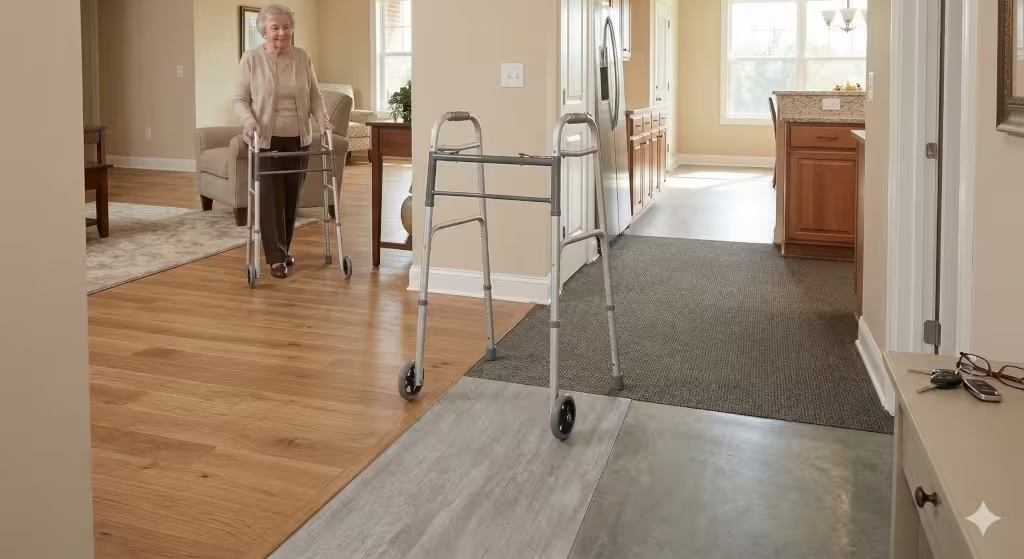
When we talk about the best flooring for wheelchairs and walkers, we have to look at the science of it. There are four main things we look for in good flooring for mobility. Each one of these things helps a person move better.
Rolling Resistance
Have you ever tried to push a grocery cart through a thick, shaggy rug? It is hard work! That resistance is what we call rolling resistance. For someone in a manual wheelchair, every bit of resistance makes their arms work harder. If the surface is too soft or squishy, the wheels sink in. This makes the chair very hard to move.
We want a surface that is firm. A firm flooring lets the wheels stay on top of the surface so they can roll with very little effort. This is also important for walkers. A walker with wheels needs to glide, not get stuck. When you are looking at different types of flooring, try to push a small wheel over it. If the wheel leaves a mark or slows down, that flooring might be too soft for daily use.
Slip Resistance (The Grip Factor)
This is a fancy way of saying “how much grip does the surface have?” We want flooring that is not slippery. If a floor is too slick, a walker can slide away from a person. Even wheelchair wheels might spin in place if they don’t have grip. We look for a flooring type that has a bit of texture. In the industry, we measure this with a special test.
For most homes, we want a floor that isn’t like glass. This is very important in the bathroom. When water hits the floor, it should not become a sheet of ice. Textured flooring is your best friend here. It provides a tiny bit of friction that helps keep a person upright and steady.
Durability and Impact Resistance
Wheelchairs are heavy. When you add the weight of the person, that is a lot of pressure on a small point where the wheel touches the surface. This is a big deal for the life of your flooring. Some types, like soft wood, will dent or scratch very easily under this pressure. Walkers can also have metal legs that might scrape the floor.
We need a flooring material that is tough. We want a flooring that can handle the turning and twisting of wheels without wearing out in just a few years. If you choose a weak material, you will see “tracks” in the floor after only a few months. That is why durability is so high on my list of must-haves.
Floor-to-Floor Transitions
Transitions are the spots where one type of flooring meets another. For example, where the hallway meets the bathroom. In many old homes, there is a little bump there. To a person with a walker, that bump is a trip hazard. To someone in a wheelchair, it is a hurdle. When we design a home for mobility, we want flush transitions. This means the flooring is the exact same height all the way through the house. If there is a change, we use a very flat transition strip so the wheels can roll over it easily. I always tell my clients to aim for a seamless look. It makes the house look bigger and it keeps everyone safe.
Top Recommended Materials for Best Flooring for Wheelchairs and Walkers
Now that we know what to look for, let’s talk about the actual materials. There are so many flooring options today that it can feel overwhelming. Here are the top choices that we recommend here in Tennessee. These materials have proven themselves over and over again in real homes.
1. Luxury Vinyl Plank (LVP) and Tile (LVT)
Luxury vinyl is currently the king of the floor world for a reason. It is very popular in Johnson City homes because it looks just like real wood or stone but is much easier to keep.
Why it wins: This type of floor is waterproof. That is great for kitchens and baths where spills happen. It is also very thin but very hard. It does not dent easily under a wheelchair. Most LVP has a very strong core that resists the pressure of heavy wheels. Expert Tip: Not all vinyl is the same. You want to look at the wear layer. This is the clear coat on top of the flooring. For a home with a wheelchair, I suggest a 20mil wear layer or higher. This is usually called commercial grade flooring. It will stay looking new much longer than the cheap stuff you find at big-box stores.
2. Engineered Hardwood
If you love the look of real wood, this is a great flooring choice. Engineered hardwood is made of layers of wood glued together in a cross-grain pattern.
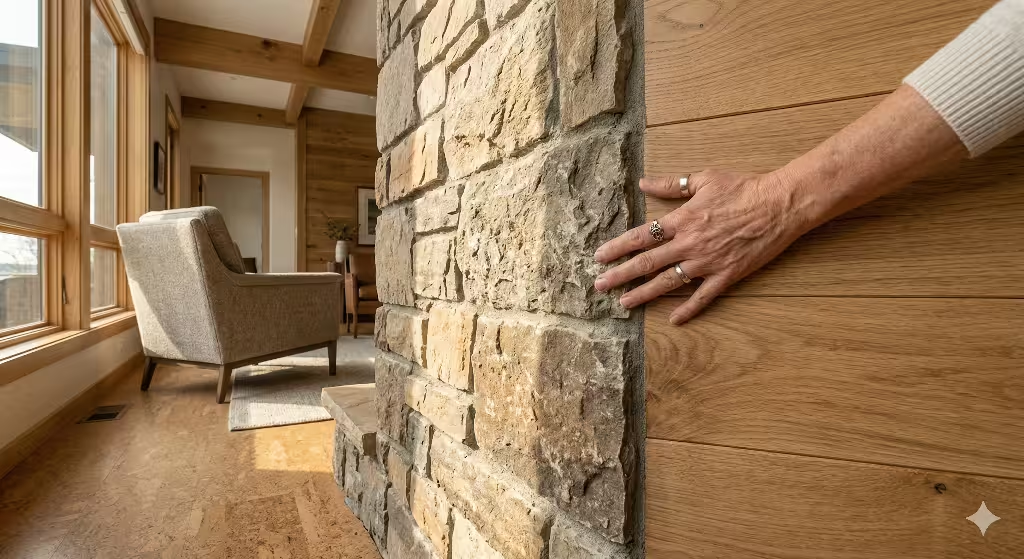
Why it wins: It is much more stable than solid wood flooring. It doesn’t move as much when the weather in East Tennessee gets humid. Because the top is real wood, it looks beautiful in a high-end custom home. It gives that warm, traditional feel that many of us love. Expert Tip: Pick a hard wood like Hickory or Maple. These have a high hardness rating. This means the flooring is harder and less likely to get dents from a walker or chair. Avoid soft woods like Pine or Cherry if you are worried about scratches.
3. Low-Pile Commercial Carpet
Some people really want the warmth of carpet in their bedrooms. If you choose carpet, you have to be very careful with the specs.
The Compromise: You cannot use a thick, plush carpet. It creates too much drag for wheels. You want a low-pile carpet. This means the fibers are short and tight. The total height of the flooring should be very low. Installation: You should not use a thick, bouncy pad under this flooring. Instead, it is best to glue the carpet directly to the floor. This stops the flooring from bunching up when a wheelchair turns on it. If the carpet bunches, it can cause the person to trip or get the wheels stuck.
4. Slip-Resistant Porcelain Tile
Tile is a classic floor for bathrooms and entryways. It is very tough and will never dent under the weight of a power chair.
Texture Matters: Never pick a tile flooring that is shiny or polished. It is too slippery for a walker. Look for a matte finish. Small vs. Large Format: Believe it or not, smaller tiles can be better. This is because there are more grout lines. Those grout lines act like a tread on a tire. They give a walker or a foot more grip on the flooring. If you use large tiles, make sure they have a very high slip resistance rating.
Your Questions Answered about Flooring for Wheelchairs and Walkers
There are a lot of questions from folks here in the Tri-Cities. Here are the most common things people ask about mobility and flooring.
Can you use a walker on laminate flooring?
Yes, you can! Laminate flooring is very popular because it is affordable. It is a hard surface, which is good for walkers. However, you must look at the AC rating. This tells us how tough the surface is. For a walker or wheelchair, I suggest an AC4 or AC5 rating. This is usually meant for stores, but it works great in a home where the flooring gets a lot of use. Also, make sure the laminate has some texture. Some laminates are very smooth and can be a bit slick if you are wearing socks.
Is carpet or hardwood better for wheelchairs?
In almost every case, a hard surface like hardwood flooring is better for a wheelchair. It is much easier to push a manual chair on a hard surface. It also saves the battery life on a power chair. Hardwood flooring also doesn’t trap allergens like dust and pet hair. This is a nice bonus for keeping the air clean. However, if the person is at a high risk for falls, some people prefer a very low-pile carpet. This flooring provides a little bit of a cushion if someone slips. It really depends on the person using the space.
What flooring is most slip-resistant for the elderly?
If safety is the number one goal, rubber flooring or high-quality slip-resistant vinyl are the winners. Rubber is often used in gyms, but it now comes in tiles that look very nice for home use. It has an amazing grip. Many of my clients also love textured LVP flooring. It gives the look of wood but feels like it has a grain that holds onto your shoes or walker tips. This type of flooring is great for hallways where a person might be walking quickly.
Floor Plan Analysis: A Room-by-Room Strategy
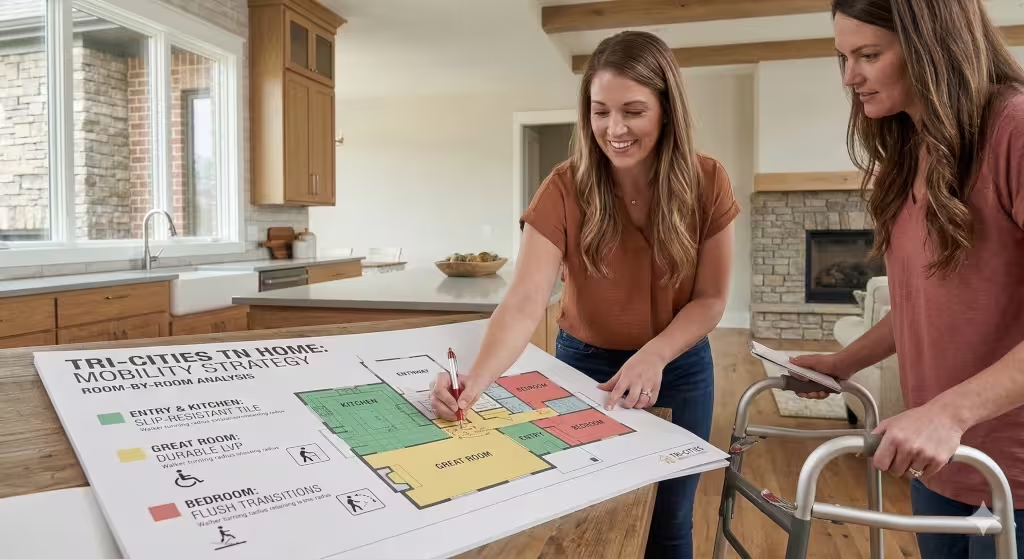
Let’s look at that floor plan we mentioned earlier. Imagine a home with an open living room, a kitchen with an island, and a master bedroom. Here is how I would pick the flooring for each spot.
The Entryway and Mudroom
In this part of the home, people are coming in from the outside. They might have wet shoes or wet wheels. For this area, I suggest a very tough porcelain tile flooring or a heavy-duty vinyl. You want something that can handle a lot of moisture and dirt. Make sure the flooring here is flush with the driveway or porch so there is no bump at the door.
The Great Room (Living Area)
The living area is where most people spend their time. It has the most traffic. It also has turning zones. This is where a wheelchair might spin around to face the TV or a guest. This spinning puts a lot of stress on the flooring. I recommend a very high-quality LVP or engineered wood flooring here. You want something that can handle the scuffing of tires without showing marks. I would keep this flooring the same throughout the entire open area to make it look seamless.
The Kitchen
In the kitchen, water is the enemy of your flooring. A spill on a smooth floor can be very dangerous for someone with a walker. I always suggest a waterproof flooring with a high slip-resistance rating. Textured porcelain tile or waterproof vinyl are the best bets. Make sure there are no rugs in these areas unless they are taped down very securely. If you have an island, make sure there is plenty of room for a wheelchair to turn around on the flooring.
The Hallways
Hallways are often narrow. This means a wheelchair or walker will hit the baseboards or the flooring edges more often. In the hallway, I want the most durable flooring possible. I often suggest a rigid core vinyl here. It stays flat and doesn’t move, even with a lot of heavy traffic.
The Master Bedroom
For the bedroom, many people want comfort. If the person can move well, a low-pile carpet flooring is fine. But if pushing a chair is hard, I suggest a wood-look vinyl flooring with a few nice, thin rugs. This gives you the warmth you want without the struggle of moving over thick flooring.
The Master Bathroom
This is the most important room for safety. I always suggest a roll-in shower. This means the shower flooring is at the exact same level as the bathroom flooring. I use a small, textured tile here. The many grout lines give the best grip. It is vital that this flooring stays slip-resistant even when it is covered in soapy water.
Maintenance and Long-Term Care
Once you have your beautiful new floors installed, you have to take care of it. For wheelchairs, the biggest problem is “grit.” Small pieces of sand or dirt can get caught in the wheels. When the wheels turn, that dirt acts like sandpaper on your flooring.
Clean the Wheels: It helps to wipe down wheelchair tires if they have been outside.
Sweep Often: Keeping the flooring free of dust and grit will make it last much longer.
Check Transitions: Over time, the little strips between rooms might come loose. Check them once a month to make sure they are still flat. A loose strip is a big trip hazard on any flooring.
Building for the Future
Choosing the right flooring is an act of love. It shows that you care about the safety and the independence of the people in your home. Whether you are building a new custom home in Johnson City or updating your long-time house in Kingsport, remember that the floor is the most used part of your home.
By picking a floor that is firm, slip-resistant, and tough, you are making life easier for everyone. You don’t have to settle for a house that looks like a hospital. With the modern flooring options we have today, your home can be both stunning and safe. I always tell my clients to think about where they will be in ten years. Designing for mobility now means you won’t have to do it again later.
Precision in your choice of floor for today means peace of mind tomorrow. I hope this guide helps you feel more confident in your choices. If you follow these tips, you will have a home that is beautiful, functional, and ready for anything.