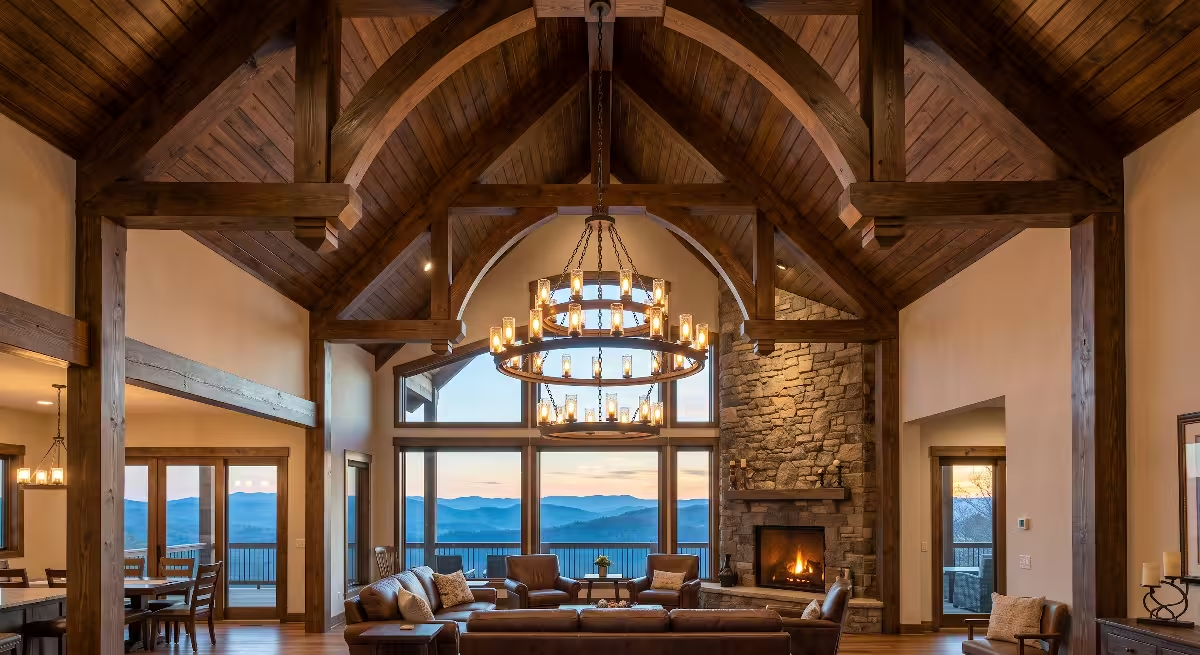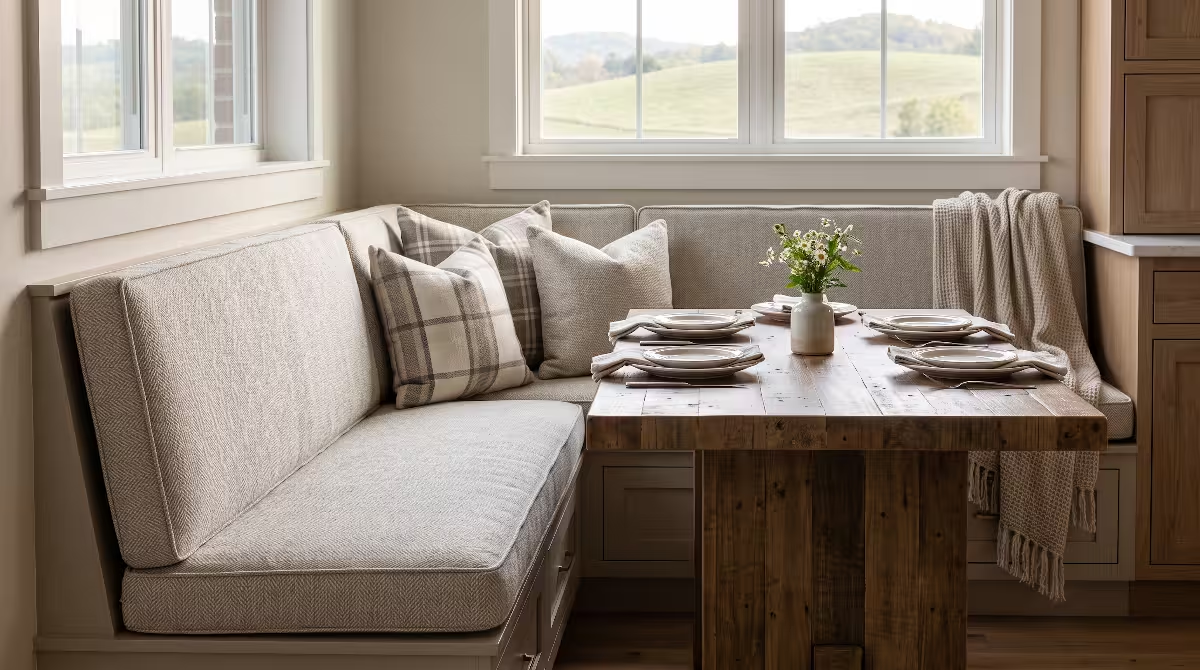

When you build or buy a modern custom home, the main living area is almost always an open layout. Your kitchen, your casual dining space, and your great room share one continuous volume of air. That open space feels wonderful to live in, but it brings a unique design challenge when autumn arrives. If you put too many small items in an open concept layout, your eye darts around and the space instantly looks chaotic.
The best answer to this design problem is neutral minimalist fall decor. By using neutral minimalist fall decor, you honor the clean lines of your house while introducing warmth, comfort, and seasonal texture. You do not need bold oranges, shiny plastics, or busy patterns to celebrate the changing leaves outside our Appalachian windows. You only need thoughtful planning, natural materials, and an understanding of how open spaces work.
The Art of Quiet Autumn in Expansive Spaces
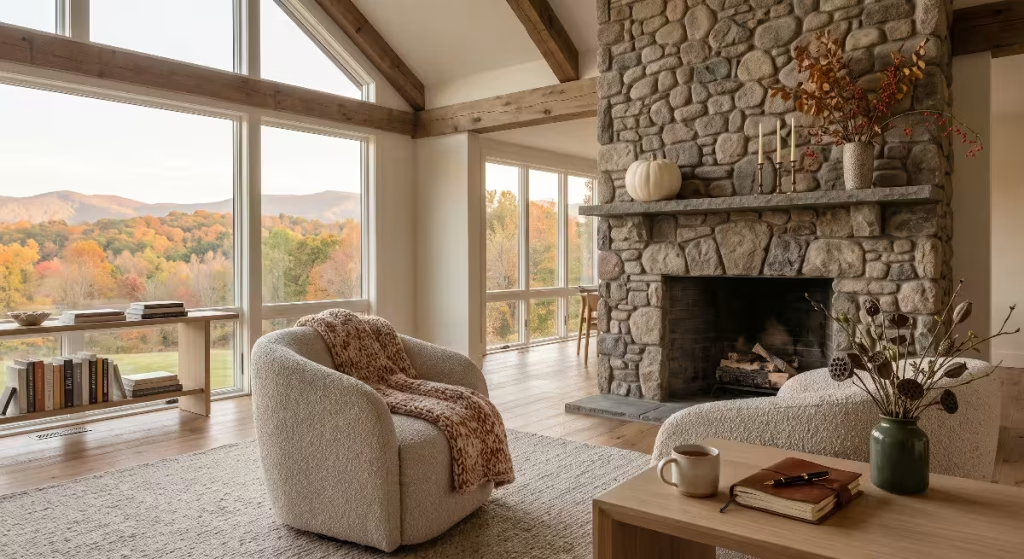
An open floor plan gives you freedom, great natural light, and easy family living. But it also acts like a giant display case where every single item you place on a table or counter is visible from three different angles. When you move through your day, you see your living room rug while you fry eggs at the cooktop. You see the kitchen island while you sit on the sofa to read. Because everything is visible at once, standard seasonal decorating fails quickly.
The Open Concept Dilemma
In older houses with separate rooms, you can shut a door or isolate a strong seasonal theme. You can place bright orange pumpkins in the foyer and a loud centerpiece on the formal dining table without hurting the feeling of the den. In an open layout, you do not have interior walls to hide visual noise.
If you scatter bright, high contrast decorations across five different surfaces, your brain cannot rest. Every time your eye catches a bright plastic leaf, a shiny ceramic turkey, or a pile of synthetic acorns, your attention breaks. This visual clutter fights the openness you paid good money to build. When you choose neutral minimalist fall decor, you eliminate the visual friction. You allow your rooms to breathe, keeping your sightlines clean and serene from sunrise to bedtime.
The Architectural Approach to Fall
To decorate an open space properly, we must think like a builder. We look at volume, light, structure, and human habits. An architectural approach to autumn does not rely on holiday retail bins. Instead, it relies on cozy minimalism.
Cozy minimalism is not about living in an empty white box with no personality. It is about choosing fewer items that carry greater physical weight, better texture, and higher craftsmanship. When you select neutral minimalist fall decor, you lean on organic elements, biophilic textures, and negative space. Negative space is simply the empty area around an object. That empty area gives your eye room to rest. It makes the few pieces you do display stand out like pieces of fine art rather than discount store clutter.
Basic Takeaway
The big lesson for an open floor plan is continuity. When you pick neutral minimalist fall decor, you create a soft thread that weaves through every functional zone. Your kitchen island talks to your dining table, and your dining table talks to your fireplace hearth. By keeping the color values quiet and balanced, your home feels grounded, warm, and effortless.
Establishing the Palette: Subtlety, Undertones, and Materiality
Color sets the emotional foundation for any home interior. When people think of fall, they usually picture bold crimson, yellow, and bright orange. Those shades look striking on a mountain ridge, but inside an open concept interior, they can be loud and jarring. Neutral minimalist fall decor relies on the quiet shades that nature reveals right after the main leaves drop.
Beyond Monochromatic Flatness
A common fear with neutral decor is that it will look cold, sterile, or flat. That happens only when people use one flat shade of stark white on every surface. Nature is never flat white. Nature builds depth with rich layers of tone and subtle shifts in warmth.
To make neutral minimalist fall decor shine, start with a solid foundation of warm undertones:
- Chalky whites and bone tones that soften the reflection of morning light.
- Soft mushroom taupe that brings a gentle earthy gray into play.
- Greige and oatmeal shades that add warmth to walls and large upholstery pieces.
- Raw white oak and pale timber accents that remind us of clean lumber framing.
- Aged brass and brushed bronze hardware that capture low autumn sunlight.
- Smoked charcoal and deep iron details that ground the room with strong focal points.
- Faded camel and raw wheat tones that evoke harvested hay fields and dried prairie grasses.
When you mix these shades across your open floor plan, you create depth without using loud pigments. The room feels calm, warm, and distinctly autumnal.
Tactile Fall Textures
When you take bright colors off the table, texture becomes your main design tool. Texture tells your hands and eyes that the temperature has dropped outside and it is time to get cozy indoors.
In the warmer months, you might lean on smooth percale cotton, light silk, polished glass, and slick surfaces. When autumn arrives, your neutral minimalist fall decor plan should introduce rich, tactile materials:
- Chunky woven bouclé throws that invite you to sit down and rest.
- Unbleached, heavy linen pillow covers with raw fringe or soft slub detailing.
- Hand thrown stoneware vases with matte, unglazed surfaces that feel rough to the touch.
- Matte soapstone trays that bring dark, velvety mineral beauty to a table.
- Tumbled travertine coasters and pedestals with natural pits and stone variations.
- Heavy ribbed wool blankets draped over the arm of a clean lined chair.
These materials do not shout for attention. Instead, they invite touch. They absorb harsh room echoes, which is a major bonus in open concept homes with high ceilings, and they make the entire living area feel grounded.
Spatial Cohesion: How to Zone an Open Floor Plan for Fall
A home with an open layout must function well for real life. If a decoration gets in the way of slicing bread or setting down a coffee mug, it does not belong in the house. As an engineer, I always look at how people move through a building before I think about where to place decorative accents.
The Sightline Rule
The primary rule of open concept living is protecting your major sightlines. When you stand at your kitchen sink, can you clearly see the fireplace? When you walk in the front door, does your gaze travel smoothly to the back windows?
If you put a massive, tall floral arrangement in the center of your kitchen island, you cut that visual connection in half. The space suddenly feels smaller and choppy. When selecting neutral minimalist fall decor, keep low profile items below eye level, or place tall, airy stems off to the side where they frame a view rather than blocking it. You want your sightlines to flow uninterrupted from the front porch to the back patio.
Anchor Points vs. Negative Space
Many homeowners feel anxious when they see a clean, empty surface. They feel an urge to fill every tabletop, shelf, and countertop with something festive. In a large open space, that habit will quickly ruin your design.
To make neutral minimalist fall decor work, designate only two or three primary anchor points in the entire shared volume:
- The kitchen island center or side corner.
- The dining room table center.
- The fireplace mantel or main coffee table.
That is it. Leave your side tables, your kitchen perimeter countertops, and your console tables mostly bare. By preserving negative space around your key anchor points, the items you choose will have visual power. The room will look intentional, neat, and professionally curated.
Cohesive Transition Triggers
How do you make three separate zones feel like one unified home? You use recurring design triggers. A transition trigger is a specific material, finish, or botanical element that repeats quietly as you walk through the room.
For instance, you might use pale stoneware pottery as your trigger. In the kitchen, you display a stoneware crock holding wooden spoons. On the dining table, you place a large stoneware bowl. On the living room mantel, you set a matching stoneware vase. Even though each piece serves a different purpose, the shared material binds the three zones together. This repetition is a cornerstone of great neutral minimalist fall decor. It creates rhythm, harmony, and visual peace across your open floor plan.
Zone by Zone Neutral Minimalist Fall Decor Ideas for Open Layouts
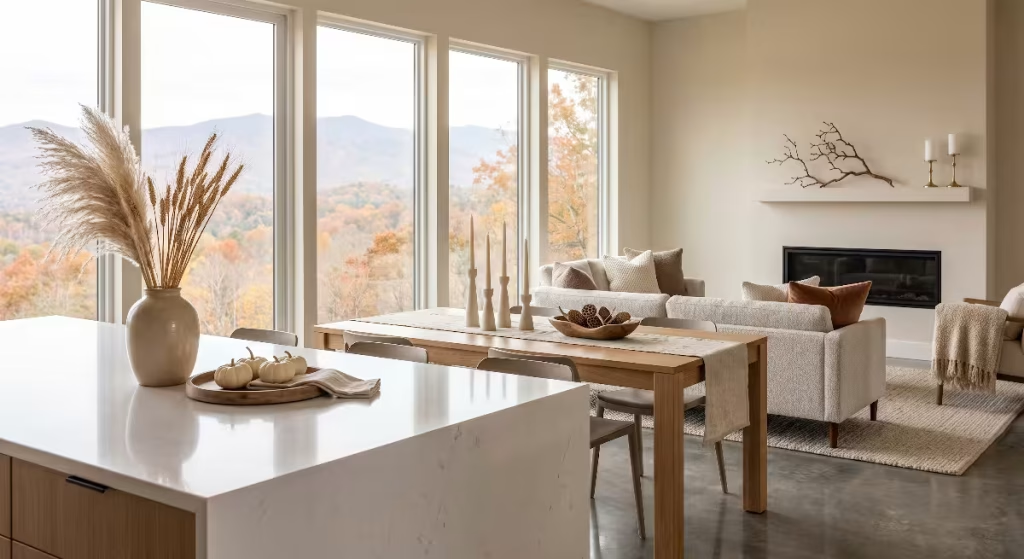
Now let us walk through the three main zones of your open living area and explore practical ways to apply these concepts without making your home feel crowded or high maintenance.
The Kitchen Island and Prep Spaces
The kitchen island is the functional heart of modern home building. It serves as a breakfast bar, homework station, food prep zone, and casual party buffet. Because the island works so hard, it must never be buried under fragile holiday trinkets.
The 80/20 Rule for Countertops
When styling countertops, I advise clients to follow the 80/20 rule. Keep 80 percent of your counter surface clear of any decorative items. Dedicate only 20 percent of the surface to intentional displays.
In a kitchen, decorative items should also be functional whenever possible. If an object serves no cooking purpose and does not bring joy through texture or form, keep it in the pantry. Choosing neutral minimalist fall decor for your kitchen means celebrating food prep tools, natural harvest produce, and clean surfaces.
Functional Autumn Vignettes
Here are three simple, durable ways to bring neutral minimalist fall decor to your kitchen island:
- The Leaning Breadboard: Take a thick, oversized, hand carved cutting board made of end grain walnut or white oak. Lean it flat against the backsplash behind your range or near the island sink. The natural wood grain brings instant warmth to cold quartz or granite counters.
- The Harvest Pedestal: Place a shallow, unglazed ceramic pedestal bowl on one end of the island. Fill it with three or four pale heirloom ghost pumpkins, sweet dumpling squash, or a cluster of russet pears. These real, edible harvest items look elegant, cost very little, and can be cooked into soup when the season ends.
- The Utensil Crock: Swap out a bright summer crock for a heavy, ribbed stoneware crock in chalk white or matte gray. Fill it with your favorite olive wood spoons and spatulas. Drape an oatmeal colored, washed linen tea towel beside it to soften the edge of the stone countertop.
These touches take up minimal room, do not block your view of the living room, and clean up in seconds when it is time to make dinner.
The Dining Zone
In an open concept home, the dining table often sits right between the kitchen and the living room. It acts as the visual bridge connecting both spaces. Because the table is large, flat, and centrally located, it sets the tone for the entire room.
Understated Centerpieces
Forget about long, thick garland runners that collect dust, drop glitter, and spill over the edges of the table. A modern dining space needs simplicity.
If you have a beautiful solid wood dining table, let the timber shine. Leave the bare wood exposed. If you want to add fabric, choose a narrow, raw edge linen runner laid across the short width of the table rather than down its entire length. This modern touch adds soft texture while showing off the craft of your tabletop.
On top of the table, arrange a simple group of matte stoneware taper candle holders. Use three holders of varying heights, fitted with natural, dripless beeswax candles. The sculptural shapes of the candle holders create interest during the day, and the warm glow creates magic in the evening.
Sculptural Nature
Another striking approach to neutral minimalist fall decor for the dining area is a solitary statement branch.
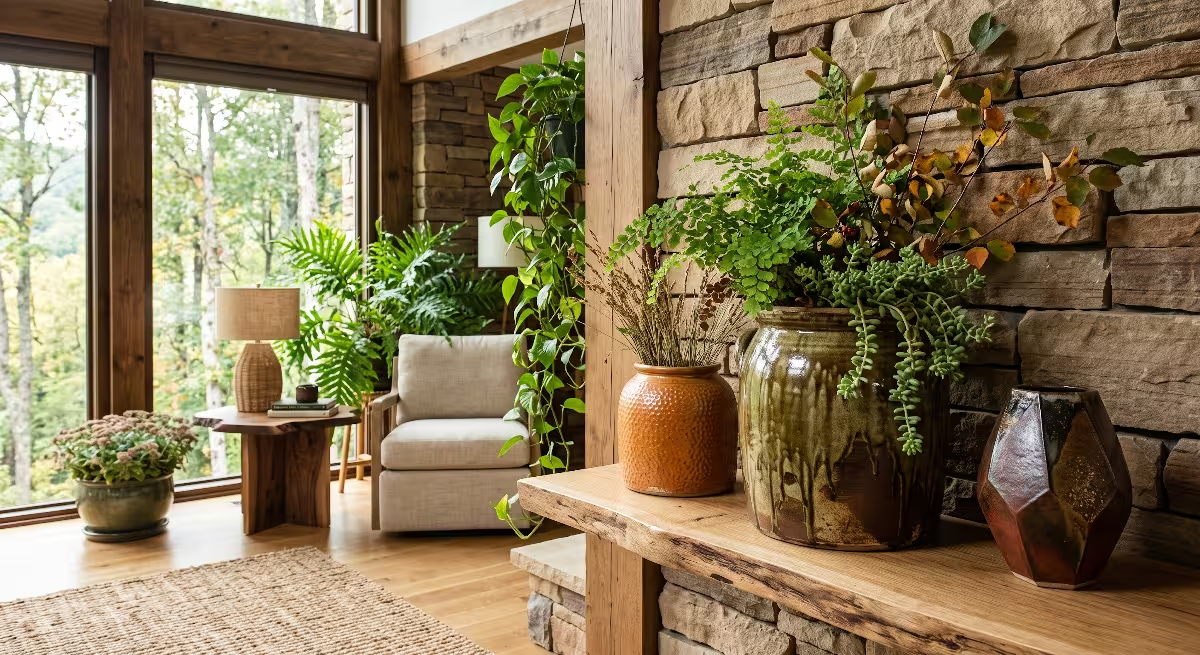
Instead of buying dozens of artificial floral stems, take a pair of garden shears into your yard or a nearby woodlot. Clip one or two structural branches from an oak, beech, or maple tree. Look for branches with interesting twists, rough bark, or pale dried seed pods. Place these branches into a tall, heavy ceramic jug with a narrow neck.
Because the branches are airy and open, you can see right through them. They bring the wild Appalachian outdoors right into your dining room without blocking conversations across the table. They last for months with zero water, and when winter comes, you can compost them outside without sending plastic waste to a landfill.
The Living Room and Hearth
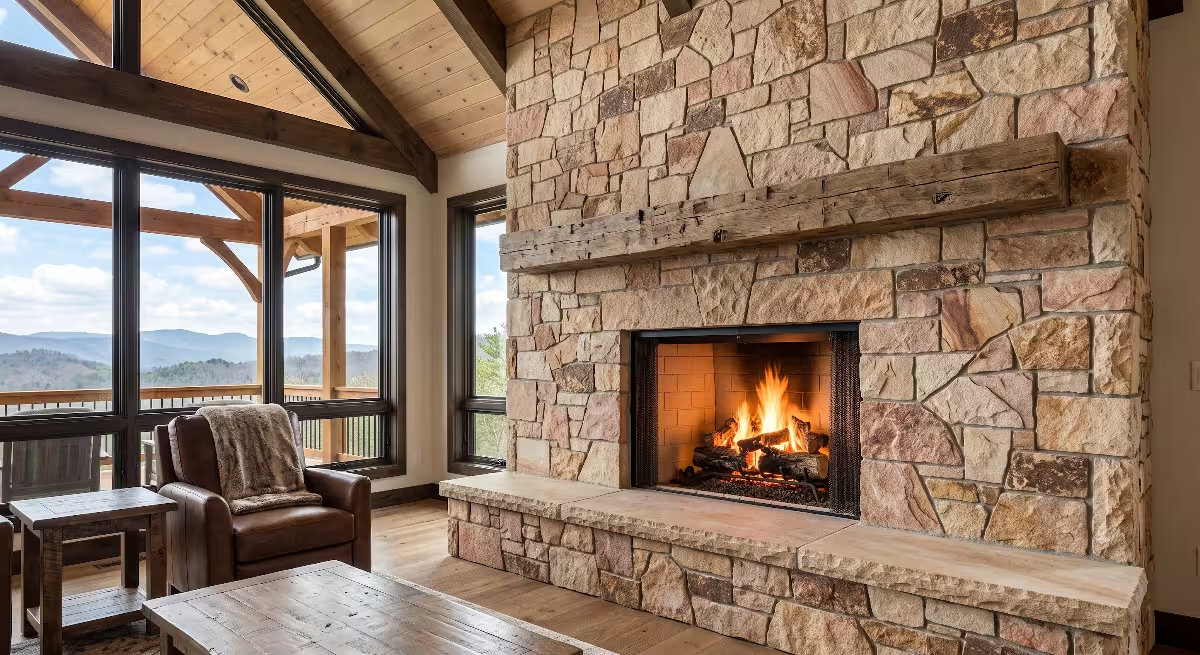
The living room is where your family rests at the end of the day. It needs to feel safe, comfortable, and deeply welcoming. The fireplace is usually the architectural anchor of this zone, making it a natural focal point for neutral minimalist fall decor.
Textile Swaps
The easiest way to shift your living room from summer to fall without buying plastic items is through a seasonal textile change. Store your crisp summer cottons and bring out heavy, tactile fabrics:
- Swap bright white sofa pillow covers for covers made of heavy Belgian linen in camel, taupe, or soft slate.
- Add one or two pillows made from bouclé or ribbed wool to give your couch varied touch points.
- Drape a thick alpaca or wool throw blanket across the seat of an armchair or the chaise of your sectional. Look for fringes, waffle weaves, and un-dyed yarns.
These soft layers do not just look good; they make chilly autumn evenings comfortable. When family members sit down, they can pull a real, warm blanket over their legs.
Symmetrical vs. Asymmetrical Mantels
A traditional mantel display uses symmetrical matching candlesticks on each end and a big wreath in the center. While classic, this layout can look stiff and predictable. Modern neutral minimalist fall decor often relies on asymmetry, which feels more natural and architectural.
Try this balanced, asymmetrical arrangement on your fireplace mantel:
- On the left third of the mantel, place a tall, textured stone vase holding a few tall dried grasses or bare twigs.
- In the center, leave plenty of breathing room so your brick, shiplap, or stone veneer stays visible.
- On the right third, create a low cluster using two cast concrete or chalk white heirloom pumpkins, resting next to a short, heavy brass taper holder.
This arrangement leads the eye smoothly across the hearth. It feels relaxed, artistic, and uncluttered. If you have an electric or modern gas fireplace with a low bench hearth instead of a high mantel, place a single large stoneware jug filled with dried wild branches directly on the floor beside the firebox.
The Minimalist Coffee Table
Your coffee table is prime real estate. You need room for books, remotes, and a hot mug of coffee. Do not crowd it with tiny decorative knickknacks.
Use the classic rule of threes to style your coffee table with neutral minimalist fall decor:
- A low foundation: Use a flat, circular wooden tray or a shallow stone dish to corral your items.
- A sculptural natural element: Place a single decorative object inside the tray, such as a smooth river stone, a piece of bleached driftwood, or a heavy white ceramic gourd.
- A warm light source: Add a simple, unscented beeswax candle in a frosted glass tumbler or a dark amber jar.
This setup looks balanced, takes up less than a square foot of table space, and lifts away easily when family game night begins.
Architectural Lighting: Creating Warmth Without Physical Clutter
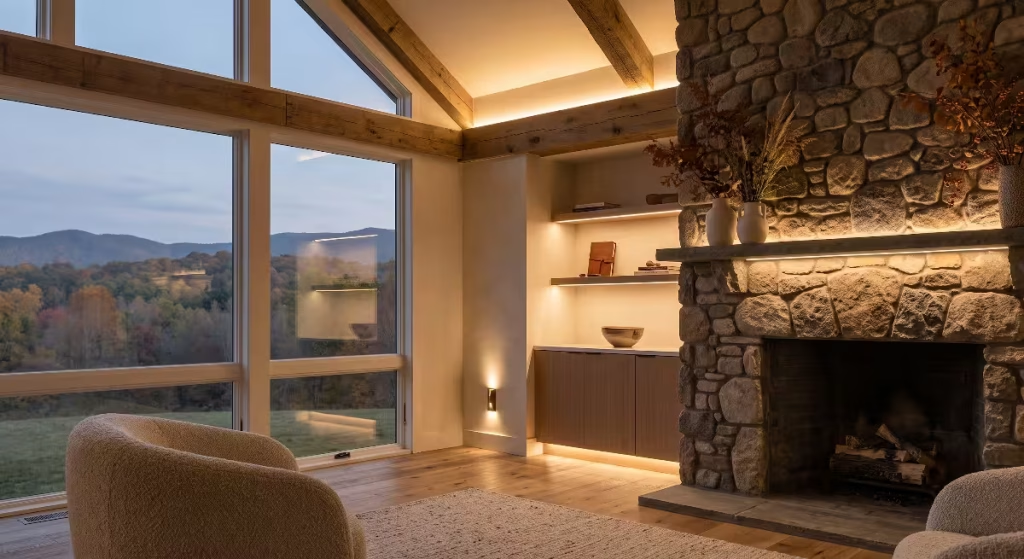
In custom home construction, lighting is never an afterthought. Light defines boundaries, sets moods, and changes how paint colors appear throughout the day. When the sun begins setting earlier in autumn, your lighting plan becomes the most powerful form of neutral minimalist fall decor you have. You can make an open room feel warm, intimate, and cozy without placing a single physical decoration on a table.
Kelvin Management (2700K Warm Ambiance)
Light temperature is measured on the Kelvin scale. Many homes suffer from cold, clinical lighting because builders or homeowners install 4000K or 5000K daylight LED bulbs. That bright, blue-white light is great for a surgery center or a woodshop, but it destroys the cozy feeling of a home in autumn.
For true autumn warmth, switch your light bulbs to 2700K warm white. At 2700K, the light carries a soft golden undertone that flatters neutral wall colors, brings out the rich grain in timber floors, and mimics the natural glow of a late afternoon sun. If your fixtures have dimmer switches, use them. Lowering your overhead canned lights by fifty percent in the evening instantly transforms a large open concept space into a relaxing sanctuary.
Low-Level Glow
In an open layout, overhead ceiling lights can feel like an interrogation room if they are the only light source on. To make a large space feel warm, bring your light sources down to human level.
Create a perimeter of soft light around your open living space:
- Use hidden under-cabinet LED strips in the kitchen to wash countertops in soft light while main kitchen pendants stay off.
- Turn on low-lumen picture lights mounted above artwork on open walls.
- Place a small, cordless ceramic accent lamp on a living room console or the corner of your kitchen counter.
- Use floor lamps with linen drum shades next to reading chairs to cast warm light downward.
When you illuminate the edges and corners of your open floor plan with soft accent lights, the entire space feels wrapped in warmth. You achieve a cozy fall atmosphere through pure physics and electrical planning rather than buying more tabletop decor.
The Flame Element
Never underestimate the power of real flame during the autumn months. The movement and warmth of fire appeal to our deepest instincts for comfort.
Incorporate natural flame into your neutral minimalist fall decor with care:
- Choose pure, unscented beeswax tapers or pillar candles. Beeswax burns with a warmer, golden spectrum than paraffin, cleans the air naturally, and leaves behind a faint honey scent.
- Avoid artificial, synthetic holiday candles with overpowering pumpkin spice or cinnamon perfumes. In an open concept room, strong artificial scents can become nauseating and clash with the smell of the dinner you are cooking.
- If you have a working wood or gas fireplace, make it the star of your evenings. Turn off your ceiling lights, light the fire, and let the real flames provide both light and seasonal color.
Questions Answered about Neutral Minimalist Fall Decor
When homeowners start researching seasonal styling, they often run into the same practical questions. Here are clear, down-to-earth answers to the most common questions about styling open concept homes for autumn.
How do you make an open floor plan feel cozy in the fall without clutter?
The secret to making an open layout feel cozy without clutter is scale and texture. Instead of buying ten small decorative items and scattering them everywhere, choose one or two large statement pieces. A large stoneware crock with tall, real branches creates ten times more impact than a half-dozen small plastic signs or tiny fake gourds.
Next, lean on soft materials to absorb sound and soften hard architectural lines. In a large open room, sound echoes off drywall and hardwood floors, making the house feel cold and vacant. Layering a thick wool area rug, adding heavy linen drapery panels, and placing plush bouclé pillows on the couch will dampen sound echoes. That acoustic quietness makes the space feel instantly intimate, warm, and inviting.
What are the best neutral colors for a minimalist fall palette?
The best neutral colors for a minimalist fall palette are warm earth tones pulled directly from autumn landscapes. Look for:
- Oatmeal and cream for large soft goods like throws and area rugs.
- Weathered beige and warm taupe for wall colors and linen drapery.
- Bleached terracotta and chalky bone for pottery, planters, and vases.
- Olive, dried moss, and sage for subtle botanical undertones.
- Raw amber, camel, and warm cognac for leather details and wood accents.
- Smoked iron and charcoal for hardware, lighting fixtures, and candle holders.
These colors work well together because they share warm, natural undertones. They create an organic backdrop that feels seasonally appropriate without clashing with your everyday interior finishes.
How do you transition from summer to fall decor seamlessly?
A smooth transition comes from making seasonal adjustments in gentle stages rather than doing a massive overnight swap.
Start in late August or early September by swapping your lightweight summer botanicals. Replace bright green ferns and fresh garden flowers with dried grasses, seed pods, or clipped leafy branches.
In late September, adjust your textiles and lighting. Bring out your heavier blankets, trade linen pillow covers for textured wool or bouclé, and switch your lamps to warm 2700K bulbs.
Finally, in October, add a few natural harvest elements. Set out three or four pale heirloom squash or white pumpkins on the kitchen island and fireplace hearth. By layering these changes slowly, your home evolves with the outdoor weather, and decorating never feels like a stressful, exhausting chore.
Can you decorate for fall without orange?
Yes, absolutely. Orange is traditional, but it is not mandatory. You can create a rich, authentic autumn atmosphere by focusing on the deeper materials and secondary colors of the harvest season.
Rely on deep walnut and raw white oak woods, warm antique brass, amber glass bottles, and textured earthenware. Bring in dried wheat sheaves, brown oak leaves, pinecones, and dried seed pods. Real heirloom pumpkins come in stunning shades of pale sage green, soft slate blue, creamy white, and muted tan. Using these natural alternatives lets you honor the autumn harvest while keeping your home elegant, understated, and completely free of bright orange.
Common Pitfalls to Avoid in Large Spaces
Many well-meaning homeowners make the same mistakes when styling expansive living spaces. Keep this checklist handy so your neutral minimalist fall decor stays sharp, functional, and visually balanced.
| Common Mistake | Why It Hurts the Space | The Builder’s Solution |
| The Dollhouse Effect | Placing tiny figurines or small pumpkins in rooms with 10-foot or vaulted ceilings. High volumes swallow miniature objects, making them look like lost clutter. | Choose large, architectural statement pieces. Use oversized vases, large dough bowls, and tall branches that match the vertical scale of your ceilings. |
| Fragmented Color Schemes | Using cool blue-gray accents in the kitchen, bright orange in the dining area, and mustard yellow in the living room. | Stick to one unified neutral palette across the entire open area so sightlines remain harmonious and calm. |
| Overcrowded Walkways | Placing decorative floor baskets, oversized floor urns, or accent stools directly in primary walking paths between rooms. | Maintain clear, three-foot minimum traffic corridors between the kitchen, dining table, and patio doors. Keep floors open. |
| The Surface Stampede | Covering every single countertop, end table, and console table with holiday items. | Practice the 80/20 rule. Leave 80 percent of surfaces clear and let negative space highlight your few curated displays. |
| Synthetic Overload | Relying on cheap plastic foliage, glitter-covered gourds, and synthetic smells that look artificial and collect dust. | Use real organic materials. Choose real heirloom squash, foraged tree branches, beeswax candles, and authentic raw linen. |
| Cool White Lighting | Leaving 4000K or 5000K daylight LED bulbs in ceiling fixtures, which washes out warm fall textures and feels clinical. | Swap all main living bulbs to 2700K warm white, and use dimmers and accent lamps to create low-level evening ambiance. |
Closing Thoughts and Living Well in the Space
Building or owning a home with an open floor plan is a privilege. These expansive, light-filled spaces bring families together, make entertaining easy, and frame beautiful views of our Tennessee hills. When seasonal changes roll around, our decorating choices should honor that architectural investment, not fight it.
Neutral minimalist fall decor is not about restriction or following cold, rigid design rules. It is about quiet confidence. It is the realization that your home’s structure, fine materials, and family life are the real center of attention. When you strip away plastic clutter, garish colors, and unnecessary tabletop knickknacks, you make room for what truly matters in autumn.
Take a Saturday morning to walk outside. Clip a few sculptural branches from the edge of the woods. Pick up a couple of uniquely shaped pale squash from a local farm stand. Pull your favorite wool blanket out of the linen closet, turn on a warm low-level lamp, and light a pure beeswax candle.
By keeping your decor minimal, tactile, and neutral, you create a peaceful sanctuary where your family can slow down, breathe easy, and enjoy the cozy season together.
A Step-by-Step Styling Plan for Your Open Concept Fall Home
To help you get started without feeling overwhelmed, here is a simple, sequential checklist you can follow this weekend.
[Phase 1: Clear the Canvas]
   │
   ├── Deep-clean countertops, tables, and hearths
   └── Pack away lightweight summer linens and bright decor
   │
[Phase 2: Establish the Foundation]
   │
   ├── Verify all primary lighting bulbs are 2700K Warm White
   └── Check traffic paths to ensure walkways remain three feet wide
   │
[Phase 3: Layer Tactile Textiles]
   │
   ├── Add heavy linen, wool, or bouclé pillow covers to sofa
   └── Drape an alpaca or chunky knit throw across reading chairs
   │
[Phase 4: Introduce Foraged Architecture]
   │
   ├── Clip 2-3 tall, airy tree branches from the yard
   └── Place branches in an oversized, unglazed stoneware vase
   │
[Phase 5: Add Subtle Harvest Accents]
   │
   ├── Arrange 3 pale ghost pumpkins in a shallow island bowl
   └── Set out natural beeswax taper candles on the dining table
By working through these steps in order, you protect your sightlines, preserve negative space, and build a cohesive seasonal retreat that feels natural, elegant, and completely at home.