

When we look at interior spaces through the lens of human biology, built environments often lack tactile complexity and physical connections to the earth. True biophilic design goes beyond setting a generic potted plant on an engineered laminate floor. It requires an intentional integration of local geology, raw mineral matter, regional flora, and natural lighting cycles. In the Southern Appalachian highlands, our local geologic history provides a powerful design medium through handmade appalachian pottery.
By introducing authentic, wheel-thrown stoneware into home layouts, we can root modern living spaces directly into the ancient soils of the Blue Ridge and Ridge-and-Valley provinces.
This guide outlines the technical and artistic frameworks required to curate, position, and balance handmade appalachian pottery within nature-focused interior environments. We will explore how unglazed ceramic surfaces stimulate the human nervous system through haptic feedback, how regional clay chemistry determines aesthetic harmony, and how to combine functional vessels with native plant life. Through deliberate spatial balance and respectful material selection, handmade appalachian pottery transforms static living areas into healthy, regenerative sanctuaries.
The Biophilic Foundation: Geophilia and Material Honesty
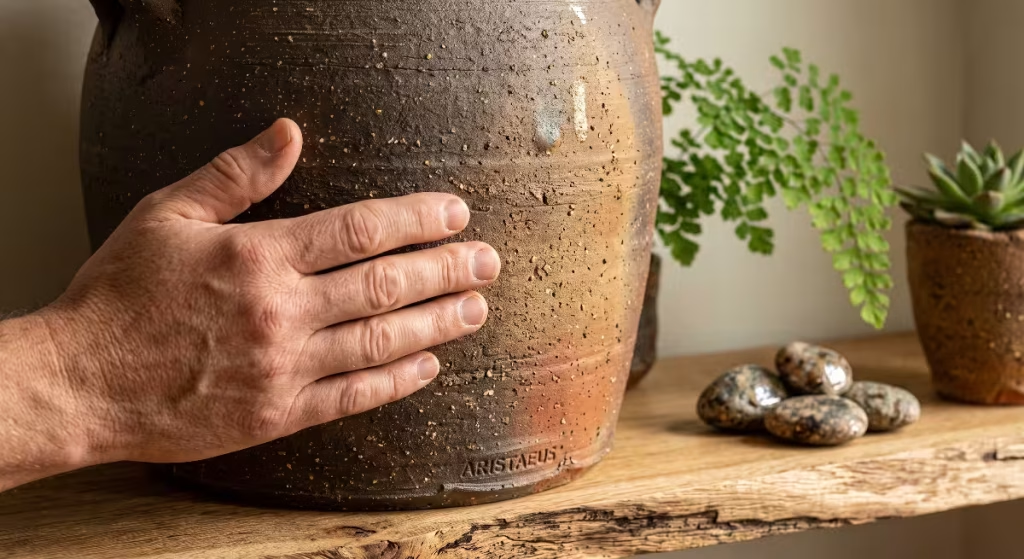
Biophilic design is rooted in the biological reality that the human nervous system evolved in constant sensory contact with the natural world. In environmental psychology, this concept is divided into specific sensory pathways. While visual greenery receives most of the commercial attention, geophilia, which is the innate human affinity for natural geological forms, stone, and earth, plays an equally critical role in psychological balance. Modern drywall, synthetic plastics, and smooth epoxy finishes provide virtually zero tactile variety. The central nervous system registers these uniform, synthetic surfaces as sterile, which can sustain background stress levels over long periods indoors.
Introducing handmade appalachian pottery into residential floor plans satisfies our need for natural mineral encounters. When raw shale, natural silica, and river clays are harvested, shaped by hand, and fired, the resulting stoneware retains physical micro-textures. These irregular surfaces communicate honesty to our senses. In design engineering, material honesty means an object does not pretend to be something else. A piece of cast resin painted to mimic stone feels warm, light, and cheap when handled, which causes a subtle sensory disconnect. In contrast, genuine handmade appalachian pottery carries real physical mass, thermal density, and irregular mineral grain. It feels cool to the initial touch, warms slowly against human skin, and offers rich friction across its surfaces.
Scientific frameworks, such as Terrapin Bright Green’s 14 Patterns of Biophilic Design, provide clear blueprints for using raw ceramics. Pattern 10 focuses on the Material Connection with Nature, specifying that interior spaces should use distinct elements from the surrounding landscape to enrich cognitive function. Industrial ceramic pieces from big-box retail stores are shaped by automated steel molds and covered in synthetic, glass-like glazes that wipe away all natural character. They offer no visual depth or authentic regional story. On the other hand, small-batch handmade appalachian pottery preserves the maker’s hand marks, varied mineral deposits, and subtle kiln flashes.
Pattern 11 highlights Complexity and Order, which examines the fractal geometries found across natural systems. When wood fires burn through traditional kilns, ash melts and drips across raw clay vessels. This creates organic, non-repeating surfaces that echo the intricate bark of an old-growth tree or moss spreading over limestone outcrops. By including authentic handmade appalachian pottery in daily living areas, we invite meaningful geological textures back into our daily sensory experience.
The Science of Biophilic Touch: Haptic Feedback and Stress Reduction
The human palm and fingertips contain thousands of sensory receptors that constantly measure texture, friction, temperature, and moisture. In modern homes, our fingers spend hours sliding across flat smartphone glass and smooth composite desks. This lack of rich sensory input is called sensory deprivation or tactile monotony. When you pick up a piece of handmade appalachian pottery featuring coarse grog, which is fired clay ground into grit and blended back into raw mud, those sensory receptors fire in complex patterns.
The brain immediately identifies the varied mineral surface as a product of nature. Studies in environmental physiology show that touching natural stone, wood, and unglazed ceramic surfaces produces measurable drops in sympathetic nervous system activity, lowering heart rates and encouraging calm focus.
Tactile variety also changes how we move through an interior room. Consider an unglazed, burnished pitcher or a heavy stoneware mug used during morning routines. The thumb naturally finds the maker’s depression along the pulled handle, feeling the raw clay tooth beside a smooth wood-ash drip. This physical interaction anchors the user in the physical moment, acting as an informal mindfulness cue. Designing spaces with handmade appalachian pottery ensures that everyday objects encourage physical interaction, using real weight and mineral grit to pull our attention away from digital screens and back into the physical room.
Geophilia and Regional Lithology: Clay as an Ancient Artifact
To understand the character of handmade appalachian pottery, you have to understand the ground beneath East Tennessee and Western North Carolina. The Appalachian Mountains are among the oldest geological formations on the planet, weathered over hundreds of millions of years. The regional dirt is rich in decomposed feldspar, quartz, sedimentary shale, and concentrated iron oxides. When local potters dig wild clay or use regional clay blends, they are handling ancient mountain sediment that has settled along valley floors and stream banks.
This regional geology gives handmade appalachian pottery distinct structural and visual traits:
- High natural iron content creates deep terra cotta reds, warm ochres, and rich chocolate browns when fired in reducing kiln atmospheres.
- Coarse native sand and crushed river shale introduce structural inclusions that withstand extreme thermal shifts.
- Natural manganese pockets produce fine, dark speckling across cream and buff stoneware bodies.
- Decomposed granite provides natural feldspathic flux, which helps the clay melt and vitrify into durable stoneware.
Bringing this clay into an interior environment directly connects a home to the regional landscape. A display shelf holding handmade appalachian pottery does not merely display decor; it holds geological fragments shaped by regional fire, human craft, and deep natural history.
The 14 Patterns of Biophilic Design: Material Connection and Fractal Order
Looking closer at biophilic design frameworks, Pattern 10, Material Connection with Nature, reminds us that the human mind easily detects synthetic imitations. While engineered quartz countertops and printed ceramic tiles mimic real stone, they lack the micro-irregularities of genuine geological matter. Authentic handmade appalachian pottery preserves the living character of earth. The natural pinholes, minor shrinkage variations, and flame marks across the surface reflect real physics and raw chemistry rather than digital printing.
Pattern 11, Complexity and Order, operates through visual fractals, which are repeating yet slightly irregular geometric patterns. In architecture, excessive order feels cold and institutional, while pure chaos feels stressful and messy. Nature balances these qualities through organized complexity, such as the branching veins of a leaf or the rippled surface of a stream. This same organic balance occurs naturally on handmade appalachian pottery during wood-firing. Flying ash settles across the shoulders of the vessels, melting into olive-green drips that pool and break across carved surface ridges. These dynamic surfaces offer our eyes restful visual movement, relieving visual fatigue caused by staring at blank drywall, straight lines, and uniform plastic surfaces.
Sourcing Authentic Appalachian Ceramics: Regional Traditions and Aesthetic Typologies
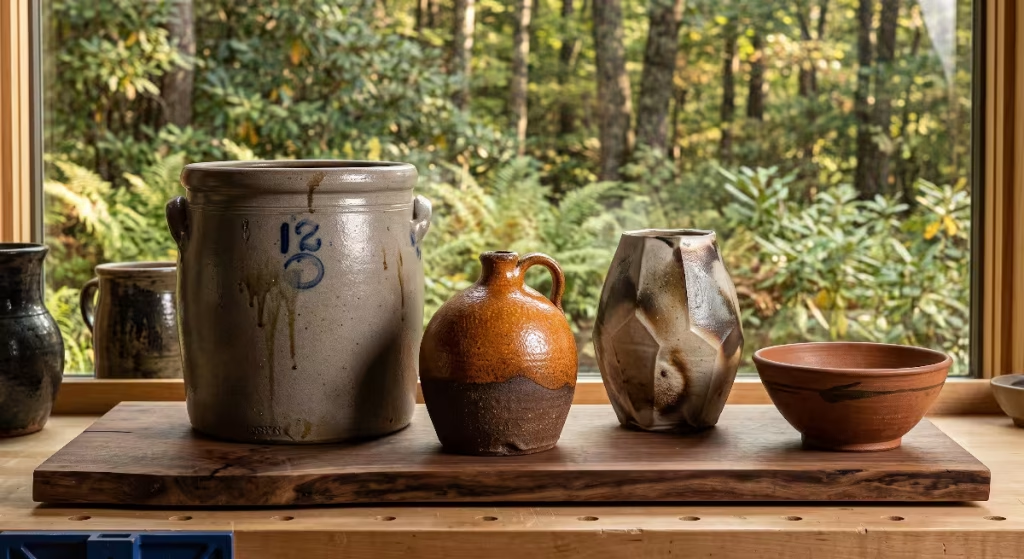
Sourcing real handmade appalachian pottery requires an understanding of the historical kiln traditions developed across Southern Appalachia. The craft heritage of East Tennessee, Western North Carolina, and Southwest Virginia grew out of daily farming necessity. Early settlers and indigenous communities needed sturdy, non-porous containers to preserve food, pickle vegetables, churn butter, and store spring water. Because commercial glass and metal containers were rare and expensive in remote mountain hollows, local families built their own kilns directly into hillsides using native fieldstones and mud bricks.
These traditional hillside kilns, known as groundhog kilns, featured a long, low, semi-subterranean design that drew heat through a narrow, trench-like firing chamber. Potters used local hardwoods like oak, pine, and hickory to fire these kilns up to stoneware temperatures of 2,200 to 2,400 degrees Fahrenheit. The high heat, flying wood ash, and direct flames produced unmistakable earthy finishes. Today, contemporary regional artists build upon these utilitarian traditions, blending historical firing methods with modern sculptural forms.
Traditional Utilitarian Ware           Modern Biophilic Vessel
(Crocks, Jugs, Pitchers)               (Faceted Vases, Basins, Planters)
       │                                       │
       ▼                                       ▼
• Heavy wall thickness (Thermal mass)   • Sculpted negative space (Air flow)
• High-iron salt/alkaline glazes       • Raw burnished slips & bare clay
• Utilitarian rims and pulled handles   • Fluted lips for botanical stems
       │                                       │
       └───────────────────┬───────────────────┘
                           │
                           ▼
          Authentic Handmade Appalachian Pottery
       (Rooted in Regional Geology and Fire Craft)
When selecting pieces for interior design projects, it is helpful to understand the primary types of ceramic work available throughout the region:
- Alkaline-Glazed Stoneware: A regional finish made by mixing wood ash, local clay, water, and crushed limestone or sand. This natural slurry melts into rich runny greens, deep ambers, and mottled browns.
- Salt and Soda Fired Ware: Common salt or sodium carbonate vaporizes at peak temperatures inside the kiln, reacting directly with silica in the clay body to produce a durable, dimpled finish that looks like an orange peel.
- Wood-Fired Anagama and Noborigama Ware: Fired continuously over multiple days in large wood-burning kilns, these vessels feature dramatic surface crusts, flame patterns, and natural melted ash pools without any commercial glazes.
- Pit-Fired and Smoke-Infused Pottery: Fired at lower temperatures in open earthen pits packed with sawdust, pine needles, sea salt, and dry leaves, yielding soft matte surfaces with smoky black, smoky gray, and terra cotta clouds.
Selecting genuine handmade appalachian pottery directly from local mountain studios supports regional working artists while ensuring every object in the home carries verified geological provenance.
The Valley and Ridge versus Blue Ridge Clay Profiles
The Appalachian region contains distinct geological zones, each producing clay bodies with individual colors and working traits. The Valley and Ridge province, which includes parts of East Tennessee like Johnson City and Kingsport, is shaped by folded sedimentary layers of limestone, dolomite, and shale. Clays harvested from these valley bottoms are dense, rich in iron, and full of fine river silt. When fired, these clays yield deep red, warm tan, and dark chocolate tones that read as grounded, warm, and heavy in interior spaces.
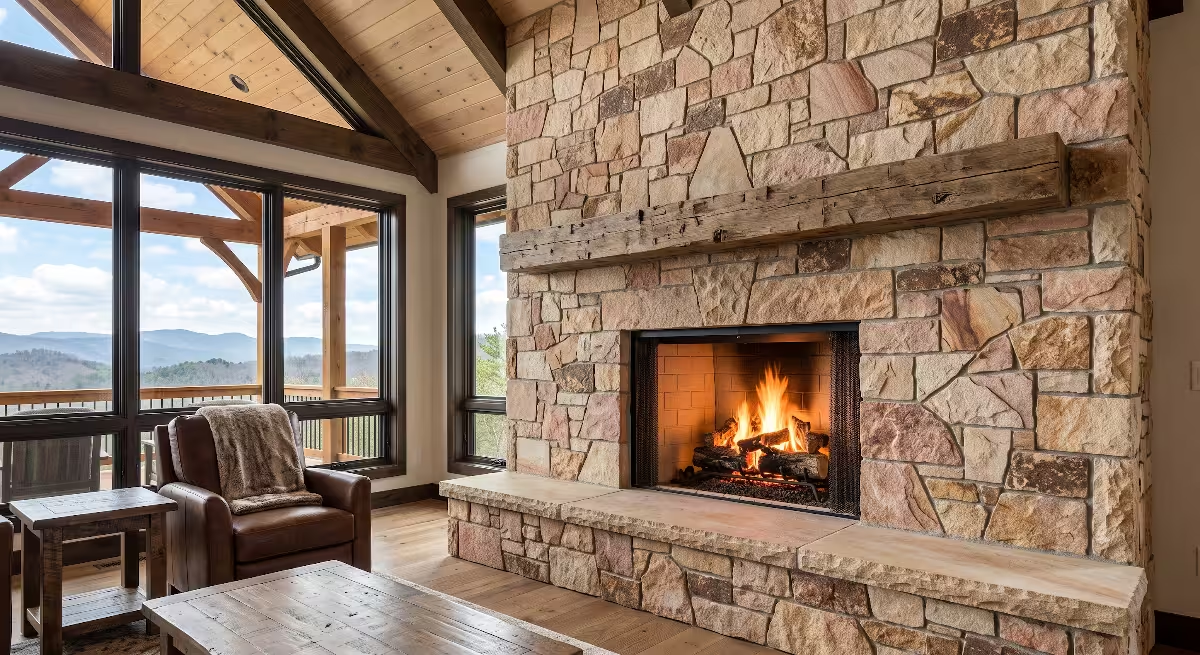
The Blue Ridge province, rising to the east, features metamorphic and igneous rocks, including ancient granite, gneiss, and schist. The clay deposits found in these higher elevations contain weathered feldspar, raw silica sands, and rich veins of mica. Pottery crafted from these upland materials often showcases light buff, warm gray, and pale straw colors, accented by glittering mica flecks that catch ambient daylight. Recognizing these geological profiles allows designers to intentionally pair pottery with local architectural materials. For example, dark, iron-rich valley pottery complements pale white oak flooring, while pale, mica-rich upland pottery pops against dark walnut cabinetry and regional fieldstone fireplaces.
Historic and Modern Appalachian Firing Techniques
The specific way a ceramic vessel is fired fundamentally dictates its surface texture, light reflectivity, and biophilic impact. In factory settings, electric kilns provide uniform, computer-controlled heat within an oxygen-rich environment. This results in flat, predictable colors that lack natural movement. In contrast, traditional Appalachian firings introduce living combustion, chemical reduction, and natural atmospheric variation into the kiln chamber.
+--------------------+-------------------------+-------------------------+
| Firing Technique   | Fuel and Materials      | Surface Texture         |
+--------------------+-------------------------+-------------------------+
| Wood-Ash Firing    | Hardwood logs, falling  | Glossy runs, glassy     |
|                    | fly ash, raw clay slip  | pools, rough crusts     |
+--------------------+-------------------------+-------------------------+
| Salt / Soda Vapor  | Vaporized sodium salts  | Orange-peel dimpling,   |
|                    | injected at high heat   | satin sheen, hard stone |
+--------------------+-------------------------+-------------------------+
| Earthen Pit Fired  | Hardwood embers, pine   | Velvet matte, soft      |
|                    | needles, mineral smoke  | carbon blacks, ochre    |
+--------------------+-------------------------+-------------------------+
| Groundhog Salt     | Local softwood/hardwood,| Gritty salt crusts,     |
| Kiln Heritage      | direct flame impingement| earthy olive/brown hues |
+--------------------+-------------------------+-------------------------+
When a wood fire burns hot, wood ash is swept up through the kiln chamber by the natural draft. This airborne fly ash settles directly on the shoulders and rims of unglazed handmade appalachian pottery. At peak temperatures, the silica and calcium within the wood ash fuse directly with the minerals in the raw clay body. This reaction creates an authentic natural glaze without adding synthetic chemicals. The resulting surfaces feature earthy textures, glossy amber runs, and rough, sandy deposits that invite curious hands to explore them. These organic surfaces create natural focal points in quiet, modern rooms.
Curating for Spatial Scale: Navigating Mass, Volume, and Balance
One of the most frequent styling mistakes made by homeowners and novice decorators is scattering numerous tiny ceramic knick-knacks across every open surface. In design, grouping too many small, unrelated items produces visual clutter, which overstimulates the mind and contradicts the calming goals of biophilic design. To establish genuine spatial balance, select handmade appalachian pottery with deliberate proportions, visual weight, and spatial purpose.
Every room requires a clear visual hierarchy. Begin with a primary grounding piece, such as a large, wide-rimmed fermentation crock, an expansive shallow bowl, or a tall, wheel-thrown floor jug. These commanding vessels hold substantial physical mass, drawing the eye and stabilizing open areas like entry halls, hearth corners, or broad dining tables. Once the primary vessel is anchored in place, complement it with one or two smaller, supporting shapes, such as a pulled-handle pitcher or a low, wide planter. Make sure there is plenty of open, negative space around the grouping. Negative space lets the eye rest, allowing the unique silhouette, clay grain, and rim details of each piece of handmade appalachian pottery to stand out clearly.
Biophilic Styling Strategies: 5 Frameworks for Interior Applications
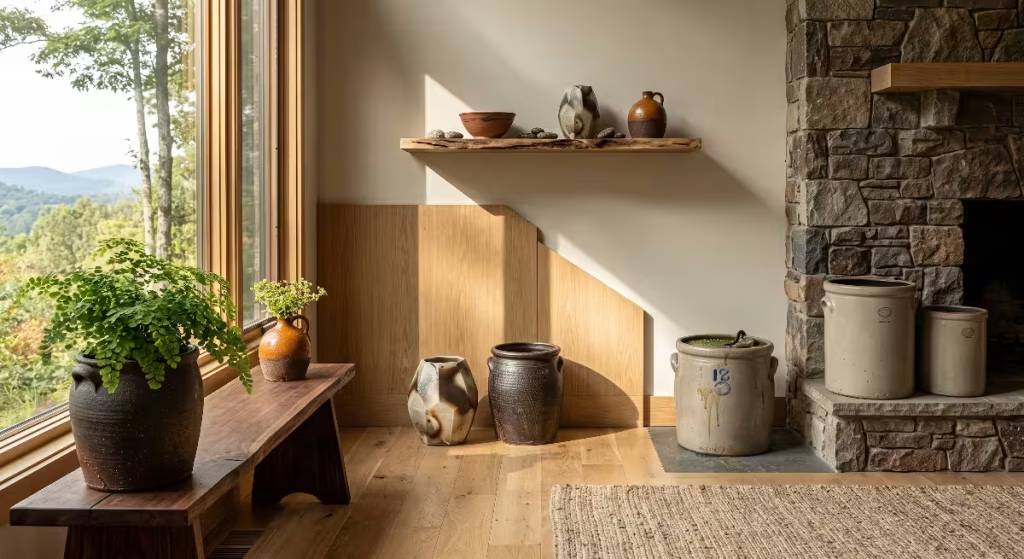
Integrating natural ceramics into modern residential architecture requires careful attention to light, botanical life, air flow, and spatial rhythm. Simply placing pottery on a table without considering its surroundings misses the opportunity to weave the pieces into the home’s broader ecological narrative. The following five styling frameworks show how to pair handmade appalachian pottery with living elements, acoustic envelopes, and dynamic natural lighting.
                 BIOPHILIC POTTERY INTEGRATION
                               │
       ┌───────────────────────┼───────────────────────┐
       ▼                       ▼                       ▼
Native Botany           Thermal & Acoustic       Dynamic Lighting
Pairings                Zoning                   Alignment
• Ferns & Lichens       • Stone hearth grouping  • Raking sunlight angles
• Wild Stonecrop        • Sound dampening mass   • Diurnal glaze response
• Structural branches   • Passive thermal sink   • Shadow & fluting relief
1. Direct Botanical Pairings: Native Appalachian Flora
The most direct way to bring biophilic harmony to a room is by pairing handmade appalachian pottery with native regional plant life. Rather than selecting common, mass-market tropical houseplants that have no biological connection to our mountain landscape, choose indigenous and non-invasive regional plants that echo the ecology of the Southern Blue Ridge.
Consider these plant and pottery combinations:
- Southern Maidenhair Fern (Adiantum pedatum): The delicate, fan-shaped fronds and thin, ebony stems of maidenhair ferns offer a light, dancing contrast to the heavy, thick walls of dark iron-rich stoneware vessels.
- Wild Stonecrop (Sedum ternatum): This native Appalachian succulent thrives in shallow, unglazed clay basins. Its rounded, pale green rosettes cascade over earthy, coarse-grained ceramic rims, creating a striking textural balance.
- Marginal Wood Fern (Dryopteris marginalis): With deep blue-green, leathery leaves, this evergreen woodland fern pairs naturally with warm, alkaline-glazed handmade appalachian pottery, capturing the shadowed atmosphere of mountain coves.
- Winterberry Holly Branches (Ilex verticillata): During late autumn and winter, bare structural branches clustered with bright scarlet berries look striking when set inside tall, heavy stoneware jugs with a low center of gravity.
- Appalachian Sheet Moss and Lichen: Creating living moss gardens inside broad, unglazed stoneware bowls introduces rich emerald carpets and cool, damp scents into dry interior living rooms.
When potting live plants directly into handmade appalachian pottery, make sure the vessel provides proper drainage or use an internal plastic liner with gravel reservoirs. Unglazed, low-fired ceramics are naturally porous and breathe, exchanging moisture and air directly with the surrounding soil. This dynamic airflow encourages healthy root growth while preventing soil rot.
2. Thermal and Acoustic Zoning: Functional Placement
Stoneware vessels are practical tools for passive indoor climate comfort. Traditional pottery is dense and holds substantial physical weight. When placed near active masonry fireplaces, wood-burning stoves, or along south-facing window benches that receive direct winter sun, large pieces of handmade appalachian pottery serve as modest thermal sinks. The thick ceramic walls absorb heat energy during peak afternoon hours and release that warmth back into the living space as evening temperatures fall.
From an acoustic standpoint, large modern rooms with exposed hardwood floors, drywall ceilings, and expansive glass windows often suffer from harsh sound reverberations. High-frequency noises, such as footsteps, clattering dishes, and digital speakers, bounce off these hard, flat surfaces, causing mental fatigue over time. Unglazed or heavily textured handmade appalachian pottery helps break up these sharp sound reflections:
- Deeply carved flutes, facets, and stamped clay surfaces scatter sound waves across multiple angles instead of bouncing them directly back into the room.
- The microscopic air pockets found within porous, unglazed ceramic walls absorb high-frequency sounds, softening the acoustic feel of open layouts.
- Grouping broad pottery vessels on low shelves or along hard corners softens echo zones, creating a quieter, more restful room.
By placing heavy, textured pottery near gathering areas and reading nooks, you improve both the acoustic warmth and the physical coziness of your living space.
3. Dynamic Natural Lighting Integration: Circadian Rhythm Alignment
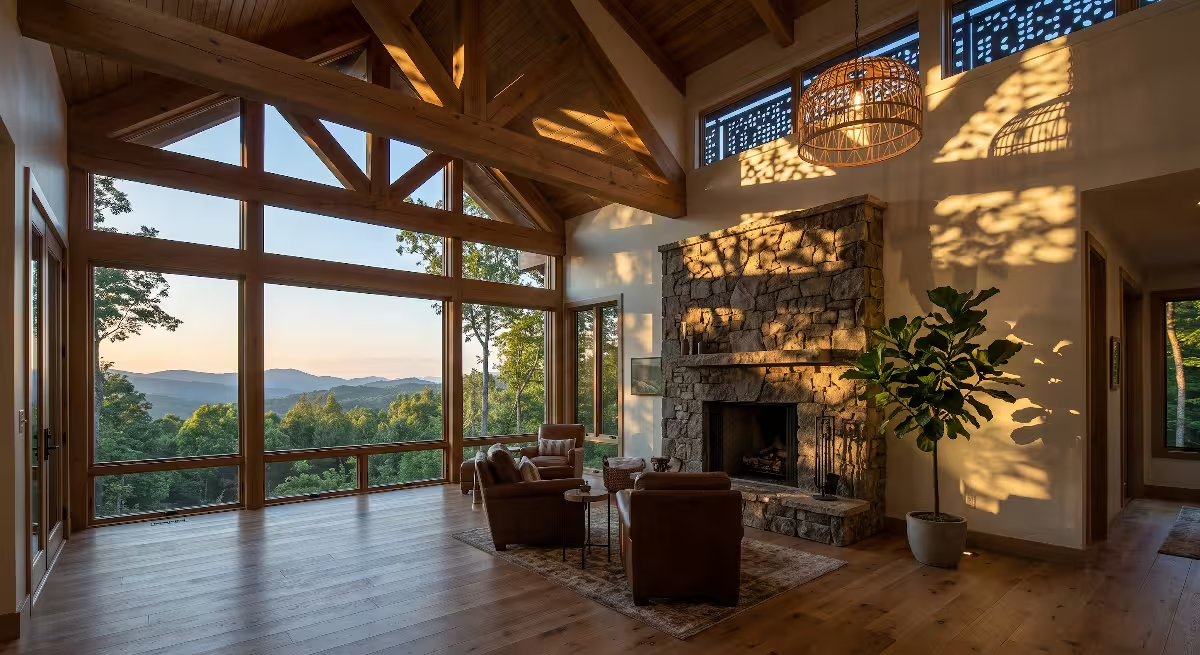
Biophilic design works closely with natural circadian rhythms, celebrating the changing angles, intensities, and warm colors of daylight from morning to night. Industrial synthetic decor looks the same under morning sun, noon skylights, and evening halogen lamps. In contrast, authentic handmade appalachian pottery responds dynamically to natural lighting shifts.
To maximize this daylight interaction, position handmade appalachian pottery where direct and indirect sunlight sweeps across its surfaces throughout the day:
[East-Facing Window]
       │
       ▼ (Low-angle morning light)
       │
[Faceted Stoneware Vessel] ───> Casts deep structural shadow relief
       │
       ▼ (High noon daylight)
       │
[Subtle Ash Glaze Runs]   ───> Highlights crystalline green pools
       │
       ▼ (Warm setting sun)
       │
[Unglazed Red Clay Slip]  ───> Radiates deep, warm terra cotta glow
Faceted, fluted, or hand-carved vessels catch raking light, which is low-angle sunlight skimming across the clay. This cross-lighting reveals subtle tool marks, throwing soft, delicate shadows across nearby walls. Smooth, wood-fired ash runs that look quiet and subdued on cloudy mornings come alive under direct afternoon sunlight, revealing sparkling silica pools and micro-crystalline patterns. As the sun sets, warm iron slips soak in the low-angled orange light, bringing visual warmth to the room without flicking on bright overhead lights.
4. The Micro-Wabi-Sabi Shelf: Negative Space and Asymmetry
The Japanese philosophy of wabi-sabi celebrates natural impermanence, simple living, and the beauty found in rustic imperfection. This perspective aligns closely with Appalachian mountain culture, where practical craft embraces the natural knots, tool marks, and organic variations of local materials. When styling display shelving, mantelpieces, or coffee tables, avoid the rigid, formal symmetry often found in commercial design catalogs.
Do not flank a central fireplace with identical pairs of ceramic vases. Instead, embrace intentional visual asymmetry:
- Use Uneven Number Groupings: Style vessels in natural groupings of one, three, or five pieces to create an easy, unforced visual rhythm.
- Vary Shapes and Heights: Pair a tall, narrow-necked stoneware jug with a medium-sized, rounded pitcher and a low, unglazed offering dish.
- Incorporate Found Forest Finds: Mix pieces of handmade appalachian pottery with natural treasures foraged from local hikes, such as weathered river rocks, shed hickory nuts, wild turkey feathers, or fallen oak branches.
- Prioritize Generous Negative Space: Leave open breathing room around your ceramic pieces. Empty wall space frames the textured silhouette of each vessel, giving it the visual importance of a standalone sculpture.
This relaxed, intentional arrangement creates a calming display that encourages the eye to move slowly across shapes, textures, and shadows.
5. Hydrological Integration: Vessels as Living Water Features
The movement and soft sound of clean water play a central role in biophilic design. Incorporating gentle water sounds into a home lowers blood pressure, masks intrusive road noise, and restores indoor air humidity during dry winter heating seasons. Wide, durable basins crafted from handmade appalachian pottery provide stable, natural foundations for indoor water fountains, tabletop meditation bowls, and passive moisture systems.
To build an indoor water feature using regional stoneware:
- Select a wide, shallow stoneware bowl with a stable base that has been fired to high temperatures with a watertight interior glaze.
- Place a small, variable-speed aquarium pump inside the bowl, running the power cord along the back edge.
- Conceal the pump using clean, tumbled river stones collected from local mountain creek beds, building a natural pyramid of stone.
- Add floating aquatic plants, such as native duckweed, water lettuce, or clean aquatic mosses.
- Adjust the water flow to create a quiet, gentle trickle that ripples across the stone without noisy splashing.
       [ Gentle Water Trickle ]
                 │
                 ▼
       ┌──────────────────┐
       │ Smooth River     │
       │ Creek Stones     │
    ┌──┴──────────────────┴──┐
    │ Submerged Quiet Pump   │
 ┌──┴────────────────────────┴──┐
 │ Vitrified Handmade Pottery   │
 │ Wide-Rimmed Stoneware Basin  │
 └──────────────────────────────┘
The combination of wet river rock, circulating water, and durable handmade appalachian pottery forms an engaging indoor micro-habitat. The water reflects natural window light across the ceiling, while the gentle water sounds establish a deeply restful acoustic atmosphere.
Room-by-Room Technical Applications
Applying biophilic design throughout an entire home requires tailoring your ceramic choices to the specific functional and biological needs of each room. Every space carries unique light levels, moisture dynamics, and traffic patterns. The following room-by-room guide demonstrates how to place handmade appalachian pottery for everyday function, visual storytelling, and material balance.
The Entryway and Foyer: Transition and Threshold
The entryway acts as the physical decompression threshold between the busy, paved outdoor world and the calm, restorative shelter of the home. Designing this transition space with natural materials helps lower your mental guard the moment you cross the doorway.
- Oversized Floor Storage Vessels: Anchor the entryway by positioning a heavy, thick-walled stoneware vessel beside the door. A durable crock made of handmade appalachian pottery easily organizes wooden walking sticks, garden pruners, and linen umbrellas, turning utilitarian tools into an attractive entry feature.
- Catch-All Mineral Dishes: Place a small, unglazed stoneware dish on the entryway table. Dropping house keys and pocket items onto raw, fired clay creates a satisfying, solid sound that avoids the tinny ring of metal trays.
- Botanical Seasonal Welcome: Use a sturdy, wide-mouthed pitcher filled with seasonal wild foliage, such as spring spicebush stems, summer mountain laurel trimmings, autumn sourwood leaves, or winter pine boughs, to immediately connect the home’s interior with the shifting mountain seasons outside.
The Living Core: Gathering and Visual Anchors
The living room serves as the social hearth and visual center of the household. Here, biophilic styling should create warm, grounding focal points that invite conversation and shared relaxation.
+------------------------+-----------------------------------------------+
| Location Inside Room   | Suggested Ceramic Styling Framework           |
+------------------------+-----------------------------------------------+
| Hearth & Mantel        | Unglazed salt-fired jugs mixed with fallen    |
|                        | forest branches and rough local stone slabs   |
+------------------------+-----------------------------------------------+
| Central Coffee Table   | Large, low-profile stoneware bowl holding     |
|                        | river stones, raw walnuts, or moss spheres    |
+------------------------+-----------------------------------------------+
| Reading Corner / Nook  | Deep-fluted ceramic vessel styled beside a    |
|                        | warm reading lamp for evening shadow play     |
+------------------------+-----------------------------------------------+
| Live-Edge Wall Shelves | Varied trio of wheel-thrown functional vases  |
|                        | framed by generous, uncluttered negative space|
+------------------------+-----------------------------------------------+
Anchor the living room by styling the central coffee table around a low, wide stoneware bowl crafted from handmade appalachian pottery. Fill the bowl with natural elements you can touch, such as smooth river stones, fallen hickory nuts, or dried pinecones. Guests naturally reach out to pick up these natural objects, encouraging spontaneous tactile interactions. On the fireplace mantel, group unglazed stoneware jugs with native hardwood branches, balancing the warm flames of the hearth with the earthen spirit of local pottery.
The Kitchen and Dining Space: Functional Nutrition and Ergonomics
In kitchen and dining zones, biophilic design highlights natural nutrition, honest culinary preparation, and healthy food storage. Rather than hiding cooking tools behind plastic cabinets, celebrate functional food preparation with handmade appalachian pottery.
- Breathable Food Storage: Unglazed or partially glazed stoneware crocks breathe naturally, maintaining even internal temperatures. They provide excellent dark, cool storage for root crops like sweet potatoes, onions, and garlic, keeping them fresh longer without plastic bags.
- Living Herb Planters: Line south-facing kitchen window sills with wheel-thrown ceramic planters holding culinary herbs like rosemary, thyme, and flat-leaf parsley. Harvesting fresh, fragrant sprigs directly from living soil while cooking engages taste, smell, and sight simultaneously.
- Everyday Dining Ergonomics: Upgrade daily meals with durable, hand-thrown dining plates and bowls. The varied weight, subtle throwing rings, and raw foot rims of handmade appalachian pottery make dining a richer, more grounded sensory experience than eating off paper plates or factory dishes.
- Generous Water Pitchers: Keep a heavy, wheel-thrown ceramic pitcher filled with cool well water on the dining table. The thick stoneware walls keep the water chilled through natural thermal insulation, reminding everyone to stay hydrated throughout the day.
The Biophilic Bathroom: Humidity and Sensory Care
Modern bathrooms often look sterile and clinical, dominated by cold porcelain, smooth white subway tiles, and reflective mirror glass. Because bathrooms enjoy regular warmth and high humidity, they are ideal spots for biophilic plant and pottery arrangements.
To turn an ordinary bathroom into a restorative home spa:
- Pair high-iron, dark handmade appalachian pottery with moisture-loving woodland plants like bird’s nest ferns, maidenhair ferns, or cascading English ivy.
- Place hand-thrown ceramic pump dispensers and unglazed soap dishes with raised drainage ridges beside the wash basin, replacing disposable plastic soap bottles.
- Place a shallow, unglazed stoneware dish filled with warm water and essential oils near the shower. The steam diffuses calming scents like cedarwood, lavender, or balsam fir naturally throughout the space.
- Add a collection of hand-pinched ceramic containers along open shelving to organize clean cotton rounds, natural sea sponges, and coarse bath salts within easy reach.
The contrast between warm, rough-grained handmade appalachian pottery and white bathroom tile softens clinical glare, creating a peaceful, grounding sanctuary for personal care routines.
Conservation and Maintenance: Preserving Raw Clay and Natural Glazes
Authentic handmade appalachian pottery is built to last for generations, but preserving its natural beauty requires mindful, non-toxic care. Industrial home products contain harsh synthetic surfactants, chlorine bleaches, and synthetic sealers that can seep into porous clay bodies, leaving chemical residues behind.
Follow these practical guidelines to protect your pottery:
[ Routine Ceramic Care ]
           │
           ├── DO: Wash with warm water and mild, plant-based Castile soap.
           ├── DO: Use natural horsehair brushes or walnut fiber scouring pads.
           ├── DO: Allow complete air circulation to dry porous clay fully.
           │
           ├── AVOID: Harsh chemical bleaches, ammonia, and artificial sprays.
           ├── AVOID: Soaking unglazed clay bases in stagnant dishwater for hours.
           └── AVOID: Sudden, severe temperature shocks on historic wood-fired art.
When cleaning porous or unglazed handmade appalachian pottery, wash gently using warm water, a small splash of mild Castile soap, and a natural horsehair brush. Avoid chemical cleaners that can soak into the open clay walls and emit chemical odors later on.
Over time, vessels used as indoor plant containers or water basins may develop mineral efflorescence, which is a soft white powder caused by hard water minerals filtering through the clay wall. This is a harmless, natural process. To refresh the surface, simply scrub the vessel gently with a stiff natural bristle brush dipped in a mild solution of warm water and organic apple cider vinegar, then rinse with clean water.
Allow unglazed vessels to air-dry completely in a well-ventilated room before setting them on raw hardwood surfaces. Placing small, breathable natural cork or felt pads beneath the fired clay foot protects delicate wooden tables from accidental scratches, ensuring your ceramics bring lasting beauty to your home for decades.
Frequently Asked Questions about Handmade Appalachian Pottery
When integrating handmade appalachian pottery into residential projects, homeowners and designers often ask practical questions about maintenance, plant health, and authentic regional sourcing. Here are direct, clear answers to the most common questions.
What makes handmade Appalachian pottery different from mass-produced ceramic decor?
The difference lies in raw materials, production methods, and individual character. Mass-produced retail ceramics rely on highly refined, uniform commercial clay slips poured into mass production molds. They are sprayed with synthetic, chemical-heavy glazes and fired rapidly in computer-automated electric kilns. The resulting pieces are identical, lightweight, and show no natural variation or human touch.
Authentic handmade appalachian pottery is thrown by hand on a potter’s wheel or hand-built from native or regional stoneware clays. These clays retain natural mineral inclusions, such as iron, shale, sand, and mica. Mountain potters fire their work in wood, salt, or gas reduction kilns, where direct flames, falling wood ash, and changing temperatures create one-of-a-kind surfaces. Every piece carries the real physical story of regional geology and human artistry.
Can unglazed handmade pottery improve indoor microclimates?
Yes. Unglazed or semi-porous pottery works as a passive, hygroscopic building material. The porous, fired clay walls absorb excess ambient moisture from the air when room humidity is high, and then slowly release that water back into the room as air conditions dry out. When paired with indoor water basins, living moss displays, or moist plant root systems, unglazed handmade appalachian pottery acts as a passive, natural humidifier. It softens dry indoor air during the winter heating season without requiring noisy electric humidifiers.
How do I prevent handmade pottery planters from damaging wood furniture?
Because authentic, low-fired or semi-vitrified ceramics can breathe and transfer moisture, you must protect raw wood surfaces from trapped humidity:
- Use Plant Liners: Grow your plants inside a recycled plastic nursery pot that sits on an internal drainage tray hidden inside the ceramic crock.
- Affix Natural Cork Pads: Attach thick, breathable cork pads or dense wool felt feet directly to the bottom rim of the pottery. This elevates the vessel slightly, allowing air to circulate beneath it.
- Incorporate Stone Coasters: Set the ceramic vessel on a tray of local slate, flagstone, or carved wood, creating an attractive protective layer between the damp pot and the tabletop.
Which indoor plants thrive best in high-iron, wood-fired stoneware vessels?
Plants with architectural, deeply textured, or delicate leaves create the most engaging visual contrast when set against the earthy weight of wood-fired pottery. Excellent choices include:
- Ferns: Southern maidenhair, autumn fern, and bird’s nest fern.
- Rhipsalis and Epiphytes: Mistletoe cactus and staghorn ferns nestled into damp bark and moss.
- Native Succulents: Wild stonecrop and regional sedums.
- Trailing Vines: Heartleaf philodendron, satin pothos, and string-of-hearts spilling over earthy ceramic rims.
The natural greens and delicate leaf structures balance the deep charcoal, amber, and brick-red colors of handmade appalachian pottery, creating miniature woodland ecosystems inside your home.
How can I verify that my Appalachian pottery is authentically made?
To ensure you are buying real, locally made pottery:
- Look for an indented maker’s stamp, artist signature, or studio mark pressed into the clay foot or lower rim.
- Buy directly from local pottery studios, regional craft guilds, or verified mountain heritage centers like the Southern Highland Craft Guild or the Qualla Arts and Crafts Mutual.
- Ask the potter or gallery staff about the clay source, glaze recipes, and kiln style used to fire the piece. Authentic regional artisans can readily describe their clay blends, firing wood, and glaze formulas.
Biophilic Design Palette: Pottery, Materials, and Textures
To help you choose the right materials for your living space, use this design palette to harmonize handmade appalachian pottery with regional native woods, natural stones, and home textiles:
+--------------------------+--------------------------+--------------------------+
| Pottery Style & Finish   | Complementary Woodwork   | Recommended Textiles     |
+--------------------------+--------------------------+--------------------------+
| Alkaline Wood-Ash        | Quarter-sawn White Oak,  | Raw unbleached linen,    |
| (Mottled Olive & Amber)  | Natural Ash, Tulip Poplar| coarse-weave wool throws |
+--------------------------+--------------------------+--------------------------+
| Dark Iron-Rich Slip      | Black Walnut, River      | Heavy brushed cotton,    |
| (Red Earth & Deep Rust)  | Birch, Reclaimed Pine    | natural jute rugs        |
+--------------------------+--------------------------+--------------------------+
| Salt / Soda Stoneware    | Native Black Cherry,     | Slubbed linen curtains,  |
| (Orange-Peel Buff & Tan) | Sugar Maple, Sweetgum    | woven hemp floor mats    |
+--------------------------+--------------------------+--------------------------+
| Pit-Fired Carbon Smoke   | Gray Weathered Barnwood, | Felted mountain wool,    |
| (Velvet Gray & Black)    | Charred Cedar (Yakisugi) | naturally dyed indigo    |
+--------------------------+--------------------------+--------------------------+
When building an interior palette, match the texture of your pottery with the surrounding architecture. A smooth, salt-glazed crock balances the coarse grain of a stone fireplace, while a rough, wood-fired vessel adds needed grip and shadow beside smooth plaster walls.
Technical Specifications: Evaluating Pottery for Interior Installations
Before installing large or valuable ceramic pieces in residential spaces, review these practical specifications:
- Vitrification Level: Stoneware fired above cone 6 (around 2,230 degrees Fahrenheit) fuses into a dense, non-porous glass-like stone that holds water without leaking. Low-fired earthenware (fired below cone 04) stays porous and needs an internal glass liner to hold water safely.
- Base Finish: Examine the bottom foot of the pot. Raw, unglazed clay feet can feel rough. Smooth any sharp mineral edges with fine silicon-carbide sandpaper before placing the vessel on polished tabletops.
- Weight Distribution: Choose vessels with a low, broad center of gravity when styling heavy branches or tall floral arrangements, preventing accidental tipping on busy dining tables or entry consoles.
- Glaze Composition: For kitchen pieces, confirm that glazes are certified food-safe and free from lead, heavy industrial flux, or raw cadmium. Authentic regional potters use natural wood ash, feldspar, and iron glazes that are completely non-toxic.
Spatial Planning: Designing Focused Ceramic Vignettes
A helpful way to bring handmade appalachian pottery into your living space is by building intentional ceramic vignettes. A vignette is a small, carefully arranged grouping of objects that tells a visual story. Rather than spreading individual pots across every corner of the house, create focused moments of natural beauty that capture the attention of anyone walking through the room.
                  TYPICAL THREE-PIECE VIGNETTE
                               │
            ┌──────────────────┼──────────────────┐
            ▼                  ▼                  ▼
     [Tall Anchor]       [Low Basin]       [Medium Accent]
      Wood-fired jug      Unglazed bowl     Carved bud vase
      Holding bare        Filled with       With delicate
      serviceberry        foraged river     maidenhair fern
      branches            stones            fronds
            │                  │                  │
            └──────────────────┼──────────────────┘
                               │
                               ▼
                    [Live-Edge Wood Bench]
When styling your vignette:
- Pick a Grounding Surface: Choose a display base made from honest, natural materials, such as a live-edge walnut console, a limestone mantel, or a thick white oak shelf.
- Select the Lead Piece: Place your largest, most dramatic piece of handmade appalachian pottery toward the back or slightly off-center.
- Layer Supporting Textures: Add one or two smaller ceramic pieces in front, varying their shapes, heights, and surface sheens.
- Weave in Botanical Life: Tuck fresh forest foliage, dried seed pods, or a low tray of emerald moss into the arrangement to bring living energy to the display.
- Check Your Sightlines: Step back six to ten feet. Ensure the grouping feels visually stable, balanced, and calm from every main doorway and seating angle.
By gathering your pottery into thoughtful vignettes, you create restorative mini-landscapes that celebrate the connection between regional geology, human craft, and the living world.
Bringing the Highlands Home: Final Thoughts on Everyday Placement
Integrating handmade appalachian pottery into residential design is more than a styling choice. It is an intentional commitment to living with healthy, honest materials that connect our indoor routines to the ancient natural rhythms of the Southern Highlands. By replacing flat, synthetic home decor with wheel-thrown stoneware, we invite real tactile variety, regional geology, and organic complexity into our living spaces.
Whether through an oversized salt-glazed floor crock welcoming guests in the foyer, a rough-textured ash-glazed bowl anchoring the dining room, or a collection of living fern planters scattered across sunny window sills, these vessels bring practical warmth to modern homes. They remind us of the slow, patient transformations of mountain geology, the steady heat of traditional kilns, and the enduring heritage of regional artisans. By balancing handmade appalachian pottery with native plant life, natural daylight cycles, and generous negative space, we transform our houses into grounding, biophilic sanctuaries that nourish mind, body, and spirit.