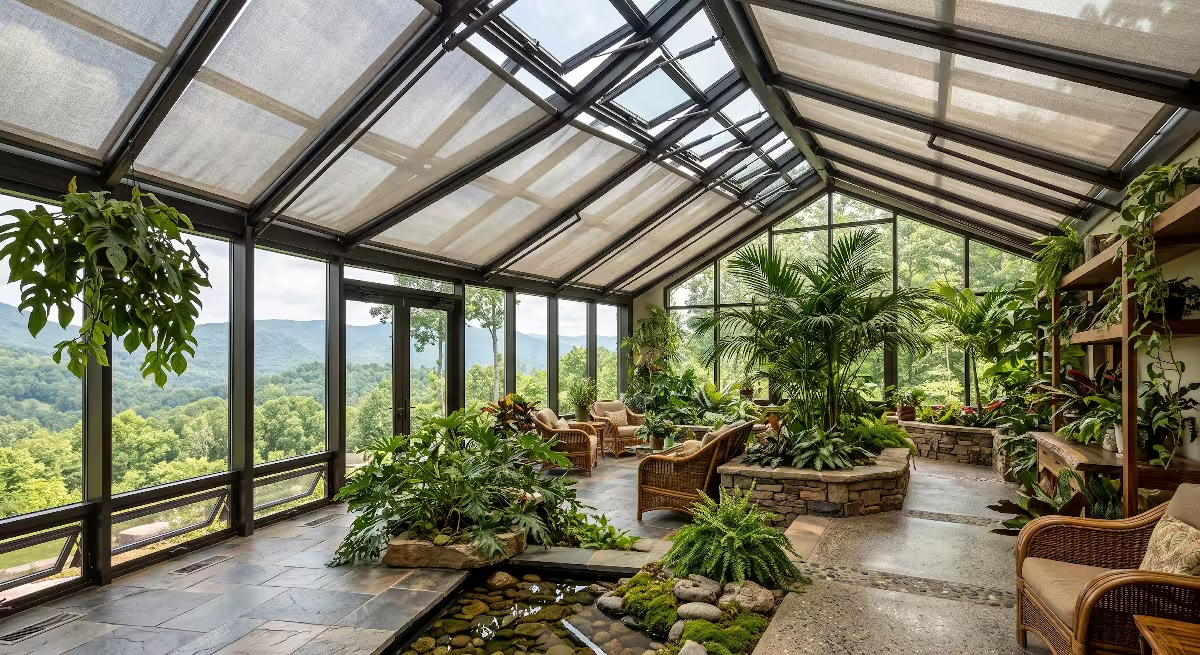


Introduction to Indoor Air Purifying Plants
When you live in the Tri-Cities area of Northeast Tennessee, you know our geography is both a blessing and a challenge. Our rolling ridges and deep valleys create stunning mountain views, but they also trap airborne particles right where we live and breathe.
Many homeowners ask me how to bring nature indoors to help clean their living spaces without triggering worse seasonal sneezing fits. The answer lies in using the right biological tools. By understanding how certain greenery works inside your house, you can pick the right purifying plants to clean your indoor air. When you choose purifying plants that do not produce heavy pollen or hold onto dust, you create a healthier living space.
This guide walks you through the science of
+-----------------------------------------------------------------------------+
|               EASTERN TENNESSEE INDOOR AIR STABILIZATION MODEL              |
+-----------------------------------------------------------------------------+
|                                                                             |
|   OUTDOOR ENVIRONMENT             BUILDING ENVELOPE        INDOOR SPACES    |
|  (Valley Pollen & Smog)          (Air Infiltration)      (Living & Resting) |
|                                                                             |
|  +--------------------+         +--------------------+  +-----------------+ |
|  | Oak & Hickory      |         | Controlled Airflow |  | Selected        | |
|  | Tree Pollen        | ======> | & MERV Filtration  |  | Purifying Plants| |
|  +--------------------+         +--------------------+  +-----------------+ |
|                                           ||                     ||         |
|  +--------------------+                   ||                     ||         |
|  | Ragweed & Summer   |                   \/                     \/         |
|  | Mold Spores        | ======> +---------------------------------------+ | |
|  +--------------------+         |  Rhizosphere Microbes & Stomatal Gas  | | |
|                                 |  Uptake (VOC & Formaldehyde Removal)  | | |
|  +--------------------+         +---------------------------------------+ | |
|  | Winter Temperature |                   ||                     ||         |
|  | Inversions         |                   \/                     \/         |
|  +--------------------+         +--------------------+  +-----------------+ |
|                                 | Inorganic Substrate|  | Clean, Balanced | |
|                                 | (LECA / Pumice)    |  | Indoor Air      | |
|                                 +--------------------+  +-----------------+ |
+-----------------------------------------------------------------------------+
The Regional Allergen Profile of Eastern Tennessee and Indoor Air Quality
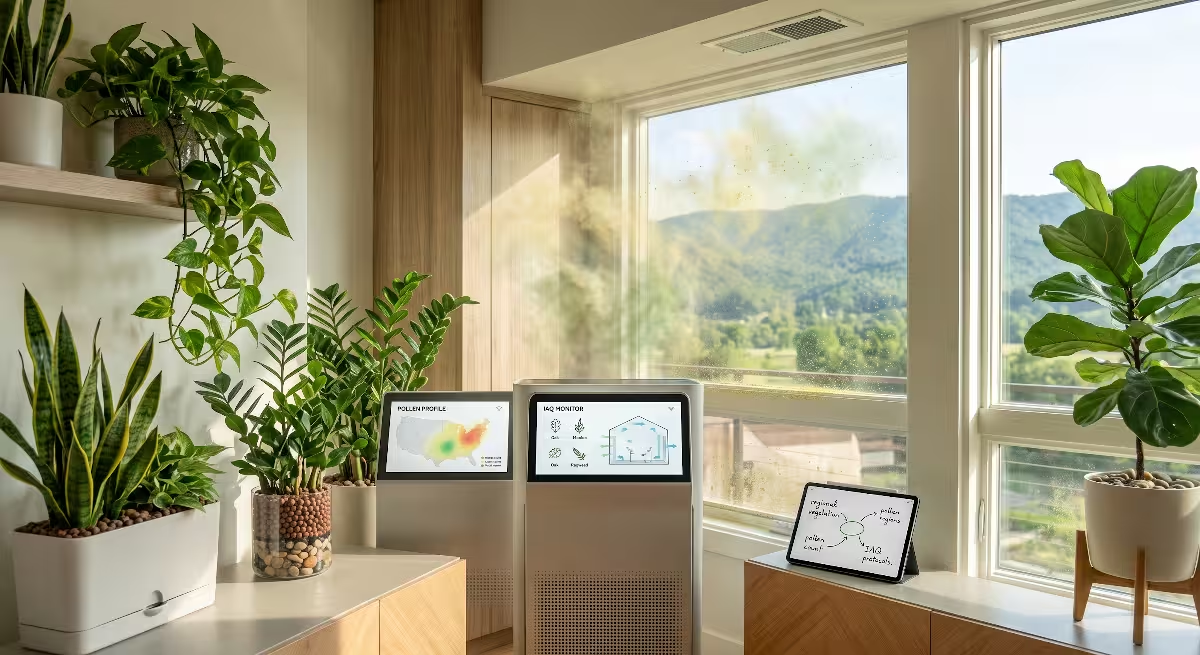
To understand why our homes need help, we must look at what happens outside our doors. The Tri-Cities region sits in a distinct geographic bowl surrounded by the Appalachian Mountains. While this landscape gives us wonderful outdoor recreation, it also shapes our local weather in ways that directly impact our lungs.
Geographic Microclimate Dynamics
In the valleys of Northeast Tennessee, thermal inversions are common throughout the year. A thermal inversion happens when a layer of warm air sits on top of a pool of cooler air near the ground. This warm layer acts like a giant lid over Johnson City, Kingsport, and Bristol. When this lid is in place, outdoor air cannot rise and disperse.
During the spring, our massive native forests of oak, hickory, birch, and maple release billions of pollen grains into the air. In late summer and fall, ragweed and outdoor mold spores take over. Because of our mountain topography, these aeroallergens stay trapped along valley floors for days at a time. The concentration of airborne particles becomes very dense. When you step outside, you breathe in these microscopic irritants. More importantly, these same irritants look for every tiny opening to get inside your house.
The Infiltration Phenomenon
No house is completely airtight. Outdoor allergens constantly enter our living spaces through door seals, window frames, foundation cracks, and regular ventilation cycles. This process is known as air infiltration. In our region, seasonal weather swings make this situation more difficult.
In the humid summer months, we run our central air conditioning systems constantly. In the winter, we switch on heat pumps or furnaces to stay warm. When outdoor pollen and mold spores get pulled inside, your heating and cooling ducts circulate them through every room over and over. At the same time, modern homes contain many synthetic materials. Flooring, pressed wood cabinets, fresh paint, and furniture off-gas volatile organic compounds, also known as VOCs. These include chemicals like formaldehyde, benzene, and toluene.
When outdoor pollen combines with trapped indoor chemical gases, your respiratory system faces double the stress. This is where purifying plants become a helpful line of defense. By adding active purifying plants to your rooms, you introduce biological filters that work alongside your regular mechanical air filters.
Relative Humidity Thresholds
Humidity plays a huge role in indoor air quality across Tennessee. During our long, warm summers, outdoor humidity often climbs above 80%. If that moist air gets into your living space, indoor relative humidity can quickly rise past 60%. High indoor humidity creates the perfect breeding ground for dust mites and indoor mold colonies.
On the other hand, running indoor heating systems during our crisp Appalachian winters dries out the air. Indoor humidity can easily drop below 25%. Extremely dry air dries out the delicate mucous membranes in your nose and throat. When your airways are dry and irritated, you become far more sensitive to pollen, pet dander, and dust particles.
For the best health and comfort, you want to maintain your indoor relative humidity in a balanced zone between 30% and 50%. Certain purifying plants help balance moisture levels naturally. Through normal water transpiration, purifying plants release clean water vapor into dry winter rooms. When managed correctly with proper growing techniques, purifying plants add moisture without letting mold grow in your living space.
Phytoremediation Mechanics: How Plants Clean Indoor Air
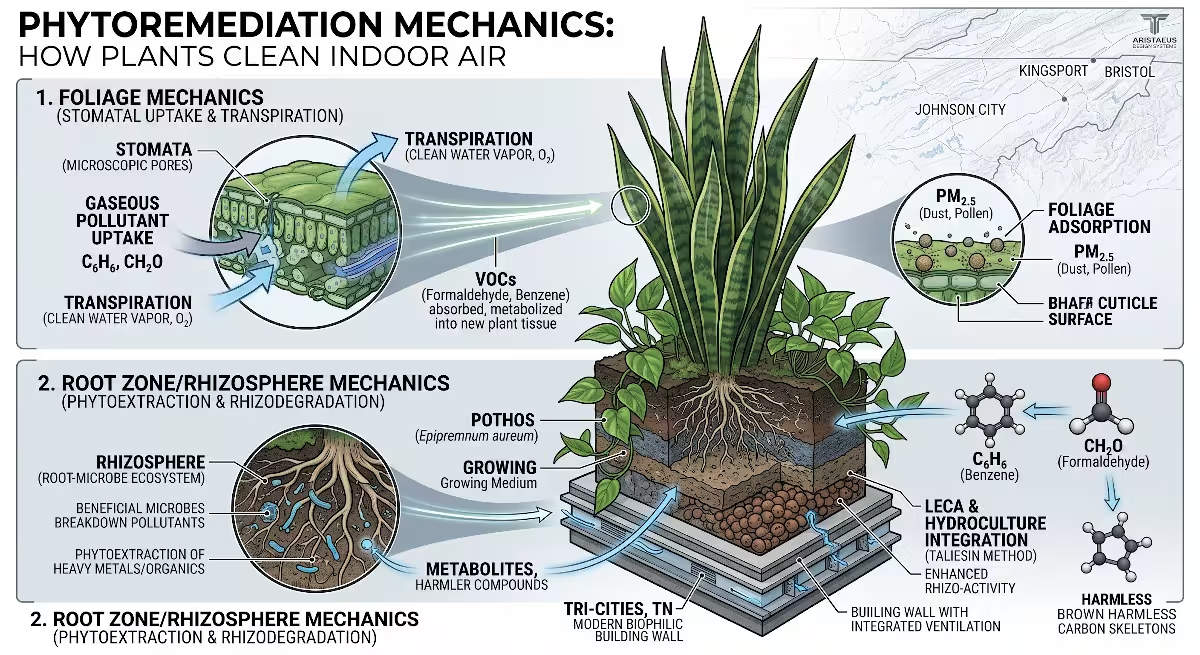
The word phytoremediation comes from the Greek word for plant and the Latin word for restoring a balance. It describes the direct use of living greenery to clean up contaminated environments. Inside a home, purifying plants act like small, solar-powered air scrubbers. They do this through three main biological pathways.
+-----------------------------------------------------------------------------+
|                     PHYTOMECANICAL FILTRATION PATHWAYS                      |
+-----------------------------------------------------------------------------+
|                                                                             |
|      1. STOMATAL GAS UPTAKE             2. PARTICULATE DEPOSITION           |
|      +------------------------+         +-------------------------+         |
|      | Gaseous VOCs & Toxins  |         | Airborne Dust & Dander  |         |
|      +------------------------+         +-------------------------+         |
|                  ||                                  ||                     |
|                  \/                                  \/                     |
|      +------------------------+         +-------------------------+         |
|      | Leaf Stomata Capture   |         | Waxy Cuticle Trapping   |         |
|      +------------------------+         +-------------------------+         |
|                  ||                                  ||                     |
|                  \/                                  \/                     |
|      +------------------------+         +-------------------------+         |
|      | Internal Breakdown     |         | Cleared via Routine     |         |
|      | into Harmless Organic  |         | Microfiber Leaf Washing |         |
|      | Plant Compounds        |         +-------------------------+         |
|      +------------------------+                                             |
|                                                                             |
|      3. RHIZOSPHERE MICROBIAL DEGRADATION                                   |
|      +------------------------------------------------------------+         |
|      | Root System Microbes Breakdown Bound Chemical Pollutants   |         |
|      +------------------------------------------------------------+         |
+-----------------------------------------------------------------------------+
Stomatal Uptake and Transpiration
Leaves are covered with thousands of microscopic breathing pores called stomata. During the day, plants open these pores to take in carbon dioxide for photosynthesis and release oxygen. When stomata are open, airborne gases enter the interior of the leaf.
When you place purifying plants in a room with airborne chemicals, the leaves
At the same time, the plant moves water from its roots up to its leaves, releasing clean water vapor through transpiration. This clean moisture helps stabilize dry indoor spaces. By keeping your indoor air at a healthy humidity level, purifying plants help keep your nasal passages moist and ready to trap stray pollen grains naturally.
Rhizosphere Bioremediation
While the leaves do important work, a large portion of air
As purifying plants pull air and water down through their potting media, chemical pollutants travel down toward the root system. The beneficial microbes living in the rhizosphere use these chemical compounds as food sources. These microbes break complex synthetic pollutants down into basic carbon, water, and mineral nutrients that the plant can safely absorb.
Studies show that as purifying plants live in a space over time, their root microbes actually get better at breaking down the specific chemicals present in that room. The entire root system adapts to become a more efficient bio-filter for your specific home environment.
Particulate Deposition
Beyond absorbing invisible chemical gases, purifying plants also help manage visible dust and floating dander. The outer surface of a leaf has a thin, protective layer called a cuticle, which is often made of natural plant waxes.
As indoor air moves gently across a room, floating dust particles, pet dander fragments, and stray pollen grains hit these broad leaf surfaces. The waxy surface and natural moisture of the foliage act like a physical dust magnet. Airborne particles stick to the leaves instead of floating through the air where you might inhale them.
Once these particles settle on the leaves of your purifying plants, they stay trapped until you wipe the foliage clean during your normal housekeeping routine. This simple process takes irritating particles out of your breathing zone and keeps them from recirculating through your HVAC registers.
The Top Allergy-Safe, High-Efficiency Air Purifying Houseplants
When you have allergies, you cannot just bring any random plant into your home. Some common houseplants produce airborne pollen, have irritating sap, or collect dust on fuzzy leaves. You need reliable, proven purifying plants that filter chemicals without causing allergic reactions. Here are the top six options for homes in our Appalachian climate.
+-----------------------------------------------------------------------------+
|             HIGH-EFFICIENCY PURIFYING PLANTS FOR ALLERGIC HOMES             |
+-----------------------------------------------------------------------------+
| Plant Name            Target Toxins            Allergen Safety Profile      |
+-----------------------------------------------------------------------------+
| Snake Plant           Formaldehyde, Benzene,   Zero airborne pollen;        |
| (Dracaena trifasciata) Toluene, Xylene         smooth, dust-resistant leaf. |
|                                                                             |
| ZZ Plant              Xylene, Toluene,         Ultra-thick waxy cuticle;    |
| (Zamioculcas zamiifolia) Benzene               extremely rare to bloom.     |
|                                                                             |
| Golden Pothos         Formaldehyde, Carbon     Fast-growing canopy; broad   |
| (Epipremnum aureum)   Monoxide, Benzene        filtering surface area.      |
|                                                                             |
| Boston Fern           Formaldehyde, Xylene,    Natural biological room      |
| (Nephrolepis exaltata) Airborne Dryness        humidifier; non-flowering.   |
|                                                                             |
| Parlor Palm           Ammonia, Formaldehyde,   Hypoallergenic foliage;      |
| (Chamaedorea elegans) Trichloroethylene        adds lush structural height. |
|                                                                             |
| Rubber Tree           Formaldehyde, Heavy      Broad, glossy leaf surfaces; |
| (Ficus elastica)      Particulates, Dust       simple to wipe and maintain. |
+-----------------------------------------------------------------------------+
Snake Plant (Dracaena trifasciata)
The Snake Plant, also known as Mother-in-Law’s Tongue, is one of the most durable purifying plants you can grow. It has stiff, upright, sword-shaped leaves that can handle low light and missed waterings without complaint.
- Primary Purifying Target: Formaldehyde, benzene, toluene, and xylene off-gassed from carpet glues, paints, and synthetic fabrics.
- Allergy Benefit: Snake plants use a special type of photosynthesis called Crassulacean Acid Metabolism, or CAM. While most plants release carbon dioxide at night, CAM-based purifying plants open their stomata in the dark to take in carbon dioxide and release fresh oxygen while you sleep. They almost never produce flowers indoors, meaning they release zero airborne pollen into your bedroom air. Their smooth, vertical leaves also shed dust easily.
ZZ Plant (Zamioculcas zamiifolia)
The ZZ Plant is an exceptional choice for dark hallways, home offices, and bedrooms that receive little natural sunlight. It features thick, glossy, deep green leaflets arranged along upright stems.
- Primary Purifying Target: Benzene, toluene, ethylbenzene, and xylene.
- Allergy Benefit: The leaves of the ZZ plant have an exceptionally thick, shiny cuticle layer. This slick surface makes it very hard for dust to stick firmly to the plant, and a quick dusting restores its shine immediately. ZZ plants grow from underground potato-like tubers that store water, meaning they require very little moisture. Infrequent watering keeps the growing media dry on top, which stops soil mold from ever taking hold.
Golden Pothos (Epipremnum aureum)
Golden Pothos is a fast-growing trailing vine with heart-shaped leaves splashed with creamy yellow patterns. It is one of the most adaptable purifying plants in existence, thriving in everything from bright indirect light to dim corners.
- Primary Purifying Target: Formaldehyde, benzene, carbon monoxide, and general particulate matter.
- Allergy Benefit: Pothos produces a dense canopy of foliage in a short amount of time. This high volume of leaf surface area gives you plenty of biological filtration without taking up valuable floor space. You can hang pothos vines high on walls or place them on top of bookshelves, keeping them away from pets and curious children while filtering rising warm air.
Boston Fern (Nephrolepis exaltata)
Boston Ferns are classic Southern porch favorites that also make hard-working indoor purifying plants. They display arching, feather-like green fronds that create a lush, woodland feel inside any room.
- Primary Purifying Target: Formaldehyde, xylene, and dry indoor air.
- Allergy Benefit: Boston Ferns are powerhouses when it comes to transpiration. They pull water up through their roots and release it into the surrounding room faster than almost any other common indoor plant. During dry Tennessee winter months when indoor heaters irritate your nasal passages, these purifying plants act as natural, clean humidifiers. Because ferns reproduce through microscopic spores on the underside of mature fronds rather than true flower pollen, they do not release irritating pollen proteins into your home.
Parlor Palm (Chamaedorea elegans) and Areca Palm (Dypsis lutescens)
If you want to add architectural height and a relaxing green feel to your living spaces, indoor palms are unmatched. Both the compact Parlor Palm and the taller Areca Palm make outstanding purifying plants for family rooms and dining areas.
- Primary Purifying Target: Ammonia, trichloroethylene, formaldehyde, and acetone.
- Allergy Benefit: Indoor palms are completely hypoallergenic. They do not release airborne fragrances or irritating floral scents. Their fine, feather-like fronds create a large surface area that intercepts moving indoor dust particles. Parlor palms thrive in the lower light levels common in mountain valley homes, making them steady, low-stress purifying plants for everyday living.
Rubber Tree (Ficus elastica)
The Rubber Tree is a bold plant with large, thick, leathery leaves that come in deep green, burgundy, or variegated patterns. Its upright growth habit gives it a tree-like presence indoors.
- Primary Purifying Target: Formaldehyde and floating dust particles.
- Allergy Benefit: The massive, broad leaves of the Rubber Tree act like physical landing pads for settling room dust. Because the leaves are smooth and glossy, you can clean an entire plant in just a couple of minutes using a soft, damp cloth. Rubber trees have a very high capacity for processing chemical fumes while remaining free of heavy floral aromas that could trigger sudden sneezing fits.
Botanical Selection Criteria for Allergy-Prone Individuals
When setting up your
+-----------------------------------------------------------------------------+
|                  ALLERGY-SAFE BOTANICAL SELECTION MATRIX                    |
+-----------------------------------------------------------------------------+
| Feature               Safe Selection               Avoid for Allergies      |
+-----------------------------------------------------------------------------+
| Pollen Style          Non-flowering foliage or     Wind-pollinated flowers  |
|                       hidden floral structures     with loose pollen dust   |
|                                                                             |
| Leaf Surface          Glabrous (smooth, glossy,    Pubescent (fuzzy, hairy  |
|                       waxy, easy to wash)          trapping static dust)    |
|                                                                             |
| Scent Profile         Completely odorless or       Heavily scented blooms   |
|                       extremely low terpene load   with volatile perfumes   |
|                                                                             |
| Plant Example         Snake Plant, ZZ Plant,       Flowering Weeping Fig,   |
|                       Pothos, Boston Fern          Indoor Jasmine, Gardenia |
+-----------------------------------------------------------------------------+
Pollen Morphology
Pollen grains are the tiny reproductive structures produced by flowering plants. From an allergy perspective, pollen types fall into two distinct groups.
Wind-pollinated plants produce billions of microscopic, lightweight, dry pollen grains designed to drift on the breeze. When you inhale these dry grains, your immune system reacts with histamine, causing itchy eyes and a runny nose. On the other hand, insect-pollinated plants produce heavy, sticky, wax-coated pollen that only moves when an insect physically carries it away.
When you select purifying plants, choose foliage plants that either never bloom indoors or produce insect-type floral structures. Purifying plants like ferns produce zero pollen of any kind. Plants like the ZZ plant, Snake Plant, and Pothos focus their biological energy on green leaf growth rather than airborne pollen production, keeping your indoor air completely free of plant allergens.
Foliage Architecture
The texture and physical shape of a leaf determine how it interacts with indoor dust. Botanists call smooth, hairless leaves glabrous, while leaves covered in tiny hairs are called pubescent.
Fuzzy-leaved plants, like African Violets or certain types of Begonias, are coated in microscopic hair-like structures called trichomes. These tiny hairs trap dust, dead skin flakes, and outdoor pollen grains like Velcro. Because you cannot easily wipe fuzzy leaves with a damp cloth without damaging the plant, these leaves become permanent dust collectors that continue to irritate your allergies over time.
For an allergy-safe home, always choose purifying plants with smooth, waxy, or glossy leaves. Foliage with a slick surface makes it easy to wipe away accumulated dust every week, ensuring your purifying plants stay clean, functional, and healthy.
Fragrance and Terpene Load
Many people assume that plant-related sneezing is always caused by true pollen allergies. However, strong plant odors can cause an entirely different reaction called vasomotor rhinitis. This occurs when strong airborne scents irritate the sensitive nerve endings inside your nasal lining, causing congestion and headaches even without an allergic immune response.
Indoor bloomers like Gardenias, indoor Jasmine, and certain strongly scented lilies release high levels of volatile organic oils and terpenes into the air. In a closed room, these heavy floral perfumes can quickly become overwhelming.
The most effective purifying plants for sensitive households are naturally scent-free. Green foliage plants like Snake Plants, ZZ Plants, and Boston Ferns do not release strong floral scents, allowing you to enjoy cleaner air without sensory irritation.
Substrate Engineering: Eliminating Soil Mold and Secondary Spore Release
A common complaint from allergy sufferers is that indoor plants seem to make their congestion worse. In almost every case, the plant itself is not the problem. The real culprit is the potting soil sitting in the container. By changing how you pot and water your purifying plants, you can eliminate soil mold entirely.
+-----------------------------------------------------------------------------+
|             TRADITIONAL POTTING DIRT VS. SEMI-HYDRO HYDROPONICS             |
+-----------------------------------------------------------------------------+
|                                                                             |
|   TRADITIONAL POTTING SOIL               SEMI-HYDRO INORGANIC MEDIA         |
|                                                                             |
|   +--------------------------+           +--------------------------+       |
|   | Wet Organic Peat / Bark  |           | Baked Clay LECA Pebbles  |       |
|   +--------------------------+           +--------------------------+       |
|                ||                                     ||                    |
|                \/                                     \/                    |
|   +--------------------------+           +--------------------------+       |
|   | Fungal Spores & Mold     |           | Clean Mineral Surface;   |       |
|   | (*Aspergillus* Growth)   |           | Zero Organic Breakdown  |       |
|   +--------------------------+           +--------------------------+       |
|                ||                                     ||                    |
|                \/                                     \/                    |
|   +--------------------------+           +--------------------------+       |
|   | Spores Flung into Room   |           | Spore-Free, High-Oxygen  |       |
|   | via Home HVAC Airflow    |           | Root Zone Filtration     |       |
|   +--------------------------+           +--------------------------+       |
+-----------------------------------------------------------------------------+
The Soil Mold Dilemma
Standard potting soils sold in garden centers are packed with organic materials like peat moss, shredded pine bark, and compost. When you pour water onto these organic materials in a warm indoor room, you create the ideal habitat for saprophytic fungi.
Common indoor molds, including species like Aspergillus, Penicillium, and Cladosporium, feed on damp organic matter in plant pots. As these fungi grow across the top of the soil, they release microscopic fungal spores into the surrounding air. When your home HVAC system turns on, the airflow picks up these spores and blows them through every room in your house.
If you are sensitive to mold, breathing in these airborne spores can trigger coughing, sinus pressure, and morning headaches. Fortunately, you do not have to use traditional soil to grow healthy purifying plants.
Inorganic Growing Media
The most effective way to prevent soil mold is to switch your purifying plants over to inorganic growing media, often referred to as semi-hydroponics. Inorganic media contain zero organic matter for mold to feed on.
- LECA (Lightweight Expanded Clay Aggregate): These are round, baked clay pebbles that are porous and sterile. They absorb water through capillary action and deliver it directly to plant roots while keeping plenty of air pockets open.
- Pumice and Perlite: These volcanic mineral stones provide structural support and moisture balance without breaking down or rotting over time.
- Mineral Pon Blends: Mixtures of zeolite, pumice, and lava rock provide clean, steady support for roots while remaining completely inorganic.
Because these mineral substrates do not contain decaying wood or damp peat moss, mold spores cannot take root. When you grow your purifying plants in clean inorganic media, your root zone remains clean, healthy, and completely mold-free.
Sub-Irrigation Protocols
If you prefer to keep some of your purifying plants in traditional potting mixes, you can stop mold growth by changing how you deliver water. The standard method of pouring water over the top of the soil keeps the surface wet, which is where mold spores land and grow.
Instead, switch to bottom-watering or sub-irrigation planters. In a sub-irrigation setup, you pour water into a reservoir at the bottom of the pot. The water wicks upward through the root system from below.
This approach keeps the bottom roots well-watered while leaving the top two inches of potting mix dry. Because mold spores require surface moisture to germinate, keeping the top layer of media dry creates an effective barrier that prevents mold colonies from forming.
Biophilic Architectural Placement and Indoor Microclimates

To get the most benefit from your purifying plants, you need to think carefully about where you place them. Placing plants randomly around a room is a missed opportunity. By understanding how air moves through your home, you can position your purifying plants to create active biological cleaning zones.
+-----------------------------------------------------------------------------+
|               RESIDENTIAL BIOPHILIC AIRFLOW PLACEMENT MODEL                 |
+-----------------------------------------------------------------------------+
|                                                                             |
|    +--------------------+                   +--------------------+          |
|    | Window Convection  |                   | Central HVAC       |          |
|    | Air Current Zone   |                   | Return Air Grille  |          |
|    +--------------------+                   +--------------------+          |
|              ||                                       ||                    |
|              \/                                       \/                    |
|    +--------------------+                   +--------------------+          |
|    | Living Air Wall /  |                   | Broad-Leaved Plant |          |
|    | Pothos Clusters    |                   | Intake Scrubbers   |          |
|    +--------------------+                   +--------------------+          |
|              ||                                       ||                    |
|              +-------------------+--------------------+                     |
|                                  ||                                         |
|                                  \/                                         |
|                    +----------------------------+                           |
|                    | Bedroom Low-VOC Zone       |                           |
|                    | (Nighttime CAM Oxygen via  |                           |
|                    | Upright Snake Plant Array) |                           |
|                    +----------------------------+                           |
+-----------------------------------------------------------------------------+
Airflow Vector Alignment
Air inside your home is never completely still. It moves in predictable pathways driven by heating registers, return air grilles,
When you place purifying plants right along these natural airflow paths, you bring more room air into direct contact with the foliage. Placing a cluster of purifying plants near a central return air grille allows room air to pass over the leaf surfaces right before it enters your ductwork.
Similarly, placing purifying plants near bright windows takes advantage of natural convection currents. As sunlight warms the air near a window, that air rises and pulls cooler room air across your plants. This natural circulation ensures your purifying plants treat a steady stream of indoor air throughout the day.
Bedroom Air Quality Optimization
We spend roughly one-third of our lives in the bedroom. Because our breathing slows down and deepens during sleep,
For bedroom spaces, prioritize CAM-photosynthetic purifying plants like the Snake Plant. Because these purifying plants release fresh oxygen throughout the night, placing them near your bedside table or headboard helps keep oxygen levels steady in your immediate breathing zone.
Pairing a Snake Plant with a low-light ZZ plant creates a quiet, dust-resistant, hypoallergenic green corner. This setup freshens your bedroom air without adding heavy floral scents or requiring messy, mold-prone soil watering.
Living Walls and Vertical Greenery
If your home has limited floor space, vertical green walls offer an efficient way to display a large number of purifying plants. A living wall uses vertical pockets or mounted planters arranged upward along an interior wall.
By stacking purifying plants like Golden Pothos and Boston Ferns vertically, you create a dense wall of green foliage that acts as a natural air baffle. As room air drifts across the vertical panel, the dense leaf canopy catches floating dust while filtering out airborne chemicals.
Modern living walls often feature built-in sub-irrigation channels that deliver water directly to the plant roots from behind. This enclosed watering design keeps all front surfaces dry, giving you maximum plant density with zero surface mold risk.
Engineering Reality Check: Botanical Filtration vs. Mechanical HVAC
As an expert in both biology and biophilic design, I believe in being completely honest about what plants can and cannot do. There is a lot of exaggerated information online about houseplant air cleaning. Let us look at the practical science so you can set realistic expectations.
+-----------------------------------------------------------------------------+
|             THE HYBRID INDOOR AIR QUALITY (IAQ) DEFENSE MATRIX              |
+-----------------------------------------------------------------------------+
|                                                                             |
|     AIRBORNE PARTICLES                         GASEOUS CHEMICALS            |
|   (Pollen, Spores, Dander)                   (Formaldehyde, Benzene, VOCs)  |
|                                                                             |
|              ||                                       ||                    |
|              \/                                       \/                    |
|   +----------------------+                 +----------------------+         |
|   | Mechanical Filtration|                 | Biological Filtration|         |
|   | (MERV 13 / HEPA)     |                 | (Purifying Plants)   |         |
|   +----------------------+                 +----------------------+         |
|              ||                                       ||                    |
|              \/                                       \/                    |
|   +----------------------+                 +----------------------+         |
|   | Traps Solid Floating |                 | Absorbs and Digests  |         |
|   | Physical Allergens   |                 | Airborne Toxins via  |         |
|   |                      |                 | Leaves and Microbes  |         |
|   +----------------------+                 +----------------------+         |
|              ||                                       ||                    |
|              +-------------------+--------------------+                     |
|                                  ||                                         |
|                                  \/                                         |
|                    +----------------------------+                           |
|                    | Fully Balanced, Clean,     |                           |
|                    | High-Comfort Home Air      |                           |
|                    +----------------------------+                           |
+-----------------------------------------------------------------------------+
NASA Clean Air Study Context
Much of what we know about plant air cleaning started with the famous 1989 NASA Clean Air Study. NASA researchers placed various plants inside small, completely sealed, airtight plexiglass chambers. They injected toxic chemicals like formaldehyde and benzene into the chambers and measured how quickly the plants removed the chemicals from the air.
The study proved that purifying plants and their root microbes can absorb large amounts of toxic gases. However, our homes in Northeast Tennessee are not sealed plexiglass boxes. Our houses have open doors, leaky windows, and active ventilation fans that constantly bring in fresh outside air.
In a typical home, air changes happen every one to two hours. Because air moves quickly through a lived-in house, purifying plants work at a more gradual, steady pace than they did in closed laboratory containers. Recognizing this difference helps you build a practical air-cleaning strategy that works in the real world.
Hybrid IAQ Systems
The most effective approach to indoor air quality is a hybrid system that combines mechanical technology with natural biology. Each tool has its own unique strengths.
Mechanical filters, like MERV 13 filters in your furnace or standalone HEPA purifiers, are outstanding at capturing solid, floating particles. They trap pollen grains, pet hair, dust mite parts, and mold spores quickly and efficiently. However, standard mechanical filters cannot capture invisible chemical gases or breakdown synthetic VOC fumes.
This is where purifying plants complete the system. While your HEPA filter pulls solid dust out of circulation, your purifying plants quietly absorb the gaseous fumes, VOCs, and chemical off-gassing that slip right through mechanical filters. Combining high-grade physical filters with healthy purifying plants gives you complete protection against both solid particles and invisible gases.
Optimal Plant Density Calculations
To enjoy noticeable air-quality benefits in your home, you need enough total leaf area to make a difference. Placing a single tiny succulent on a
A practical rule of thumb is to aim for at least two to three medium-to-large purifying plants for every 100 square feet of floor space. In an average 300-square-foot living room, having six to eight healthy, full-sized purifying plants provides enough active leaf area to help stabilize indoor humidity and scrub ambient chemical fumes.
Grouping your purifying plants together in clusters not only looks attractive, but it also creates a localized microclimate where humidity stays balanced and air filtration is concentrated.
Pet Safety and Biocompatibility Constraints
When designing a biophilic home, you must consider every member of the household, including four-legged companions. Many common houseplants contain natural defensive compounds that can cause stomach upset or mouth irritation in cats and dogs if chewed.
+-----------------------------------------------------------------------------+
|                     PET TOXICITY AND SAFETY ASSESSMENT                      |
+-----------------------------------------------------------------------------+
| Plant Type          Compound Risk              Safe Placement Strategy      |
+-----------------------------------------------------------------------------+
| Pothos, Snake Plant Insoluble Calcium Oxalate  Mount on high walls, ceiling |
| ZZ Plant, Rubber    Crystals (Mouth irritation  hangers, or elevated shelves |
| Tree                if chewed by pets)         away from curious animals    |
|                                                                             |
| Boston Fern, Parlor 100% Non-Toxic & Safe      Safe for low plant stands,   |
| Palm, Spider Plant, (Harmless if brushed or    floor pots, and accessible   |
| Peperomia           nibbled by cats and dogs)  living room side tables      |
+-----------------------------------------------------------------------------+
Insoluble Calcium Oxalates
Plants like Golden Pothos, Snake Plants, and ZZ Plants protect themselves in nature by producing microscopic, needle-sharp crystals called insoluble calcium oxalates.
If a curious dog or cat chews on the leaf of a plant containing these crystals, the microscopic needles can cause immediate oral irritation, drooling, and mild swelling of the tongue and lips. While these plants are rarely life-threatening, they cause noticeable discomfort that every pet owner wants to avoid.
If you choose to use these highly effective purifying plants in a home with pets, simply use thoughtful spatial placement. Hang trailing vines from ceiling hooks, mount wall planters well out of jumping reach, or place upright floor specimens in rooms that remain closed off to pets.
100% Pet-Safe Hypoallergenic Alternatives
If you have adventurous pets that explore every corner of your home, you can stick entirely to non-toxic, pet-safe purifying plants. Several of the most effective air-cleaning species are completely harmless to dogs and cats.
- Boston Fern (Nephrolepis exaltata): Completely non-toxic to domestic pets while providing exceptional room humidification and formaldehyde removal.
- Parlor Palm (Chamaedorea elegans): Fully pet-safe and non-irritating, making it ideal for low floor planters in active living rooms.
- Spider Plant (Chlorophytum comosum): A hardy, fast-growing option that is completely non-toxic and excellent at filtering formaldehyde and xylene.
- Peperomia Species: Compact, non-toxic plants with thick, smooth leaves that collect dust efficiently and stay safe around curious animals.
Choosing these pet-safe purifying plants lets you enjoy clean, filtered indoor air with complete peace of mind.
Maintenance and De-Allergenation Regimens
Like any high-performance air filter, purifying plants need regular cleaning and care to operate at their best. If you let thick layers of dust coat the leaves, the plant cannot absorb light for photosynthesis or pull gases through its stomata. Following a simple maintenance schedule keeps your purifying plants clean and healthy.
+-----------------------------------------------------------------------------+
|                  BIOPHILIC PLANT MAINTENANCE PROTOCOLS                      |
+-----------------------------------------------------------------------------+
| Task                Frequency               Action Steps                    |
+-----------------------------------------------------------------------------+
| Foliage Washing     Every 14 Days           Wipe broad leaves with a damp   |
|                                             microfiber cloth; rinse fine-   |
|                                             frond ferns in a lukewarm shower|
|                                                                             |
| Soil Topdressing    Once at Repotting       Add a 1-inch top layer of river |
|                                             pebbles or coarse sand to seal  |
|                                             soil away from room airflow     |
|                                                                             |
| Plant Pruning       Weekly Inspection       Trim off yellow or dead leaves  |
|                                             at the base using clean shears  |
|                                             before saprophytic mold appears |
+-----------------------------------------------------------------------------+
Mechanical Foliage Cleaning
Over two to three weeks, a fine film of indoor dust, dander, and cooking oils naturally settles across the foliage of your house plants. This dust layer blocks sunlight and reduces the plant’s ability to clean the air.
Every two weeks, set aside a few minutes to wipe down the foliage of your broad-leaved purifying plants. Use a clean, soft microfiber cloth dampened with lukewarm tap water. Support the back of each leaf with one hand while gently wiping from the stem outward toward the leaf tip.
For plants with hundreds of tiny leaflets, like Boston Ferns or Areca Palms, carry the entire pot into the bathroom and give the foliage a gentle rinse under a lukewarm shower spray. Let the excess water drip dry before returning the pot to its saucer. This quick washing removes trapped allergens from your home for good.
Topdressing Barriers
If you grow your purifying plants in standard potting soil, you can prevent fungal spores and annoying fungus gnats by installing a physical topdressing barrier.
A topdressing is simply a protective layer placed directly over the exposed dirt. After potting your plant, add a one-inch layer of clean river pebbles, decorative pea gravel, or coarse horticultural sand over the top of the soil.
This heavy mineral barrier stops room air currents from disturbing the soil surface, keeping fungal spores trapped beneath the gravel. It also stops insects from laying eggs in the damp potting mix, keeping your indoor environment clean and hygienic.
Pruning and Senescence Management
As plants grow, older bottom leaves naturally turn yellow and die off. In botany, this natural aging process is called senescence.
Leaving dead, decaying leaves sitting on top of damp potting soil creates the perfect meal for outdoor mold spores that find their way inside. Saprophytic fungi quickly colonize dead plant tissue, producing spore blooms that can trigger sudden allergy flare-ups.
Inspect your purifying plants once a week during your normal watering check. Use a pair of clean, sharp scissors to snip away yellowing or brown leaves right at their base. Discard the trimmed leaves in an outside compost bin or trash can immediately to keep your indoor garden clean and mold-free.
Frequently Asked Questions About Indoor Air Purifying Plants
Can indoor plants actually help with Tennessee seasonal allergies?
Yes, but they work by supporting your overall indoor environment rather than curing outdoor pollen allergies. Purifying plants absorb synthetic chemical fumes, trap settling dust particles on their waxy leaves, and balance indoor relative humidity during dry winter heating cycles. By removing secondary chemical irritants from the air you breathe at home, purifying plants lower the total stress on your respiratory system, helping your sinuses stay calm when outdoor pollen counts climb across the Tri-Cities.
Do houseplants produce mold that makes indoor allergies worse?
Plants themselves do not produce mold, but overwatered potting soil made of damp peat moss can develop surface fungal colonies. You can easily prevent this problem by using inorganic mineral substrates like LECA clay pebbles, watering your plants from the bottom rather than the top, and covering exposed soil surfaces with a decorative layer of pea gravel or coarse sand.
Which air-purifying plant produces the most oxygen at night?
The Snake Plant (Dracaena trifasciata) is the top performer for nocturnal oxygen production. Because it uses Crassulacean Acid Metabolism (CAM), it opens its stomata during dark hours to absorb carbon dioxide and release fresh oxygen while you sleep. Placing two or three Snake Plants in your bedroom creates a fresh, low-maintenance oxygen zone around your bed without adding loose pollen or heavy floral perfumes.
Is the Peace Lily safe for allergy sufferers?
While the Peace Lily (Spathiphyllum) is famous for its chemical-filtering abilities, its showy white flowers produce noticeable amounts of powdery pollen. When the central flower spike matures, loose pollen dust falls onto the dark green leaves below and can become airborne. If you love the look and filtration power of the Peace Lily, simply use a small pair of scissors to snip off the central yellow flower spikes as soon as they appear, leaving only the clean, air-purifying green foliage.
What indoor plants should allergy and asthma sufferers strictly avoid?
Allergy sufferers should avoid indoor plants with heavy, powdery, wind-blown pollen or strong floral perfumes. Skip weeping figs (Ficus benjamina) if you are sensitive to latex, as their sap residue can cause skin and respiratory irritation. Avoid heavily scented blooming plants like indoor Jasmine, Gardenias, and Hyacinths, as their strong volatile fragrances can cause non-allergic sinus inflammation and sudden congestion in sensitive households.
Creating a healthy indoor environment in Northeast Tennessee does not require giving up on living greenery. By understanding our local mountain microclimates, selecting smooth-leaved and non-flowering species, and using clean, inorganic growing media, you can enjoy all the calming benefits of biophilic design while keeping your indoor air fresh, balanced, and allergy-free.