Indoor Environment Quality for Well-Being
Indoor environmental quality shapes how we think, feel, heal, and rest. Most people spend close to ninety percent of their lives inside buildings. Because our modern structures are built so tightly, the spaces we inhabit have an immense effect on our nervous system. Indoor environmental quality is not just a collection of mechanical measurements. It is the sensory and biological foundation of our everyday mental well-being. When we design living spaces that harmonize with the biology of human bodies and the rhythms of the natural world, our rooms stop draining our mental battery. Instead, our rooms become tools that restore our mental capacity and calm our emotions.
Understanding how indoor environmental quality affects the brain requires looking at buildings through an ecological lens. When you enter an office or a bedroom, you are stepping into a manufactured habitat. Every single breath introduces external molecules into your bloodstream. Every ray of artificial or natural light tells your hormonal system whether it should produce cortisol or melatonin. The background buzz of equipment either keeps your primitive fight-or-flight reflexes switched on or allows your autonomic nervous system to rest. When you optimize indoor environmental quality, you stop treating human bodies like machinery that can just endure any enclosed space. Instead, you design spaces that respect the biology of human life.
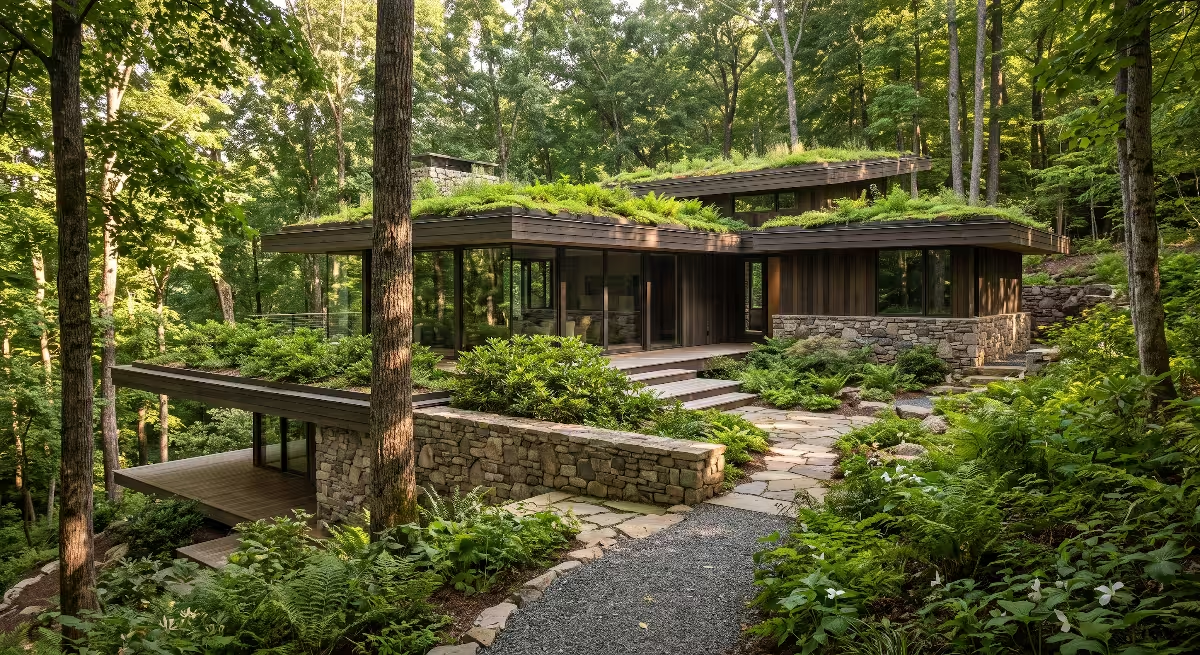
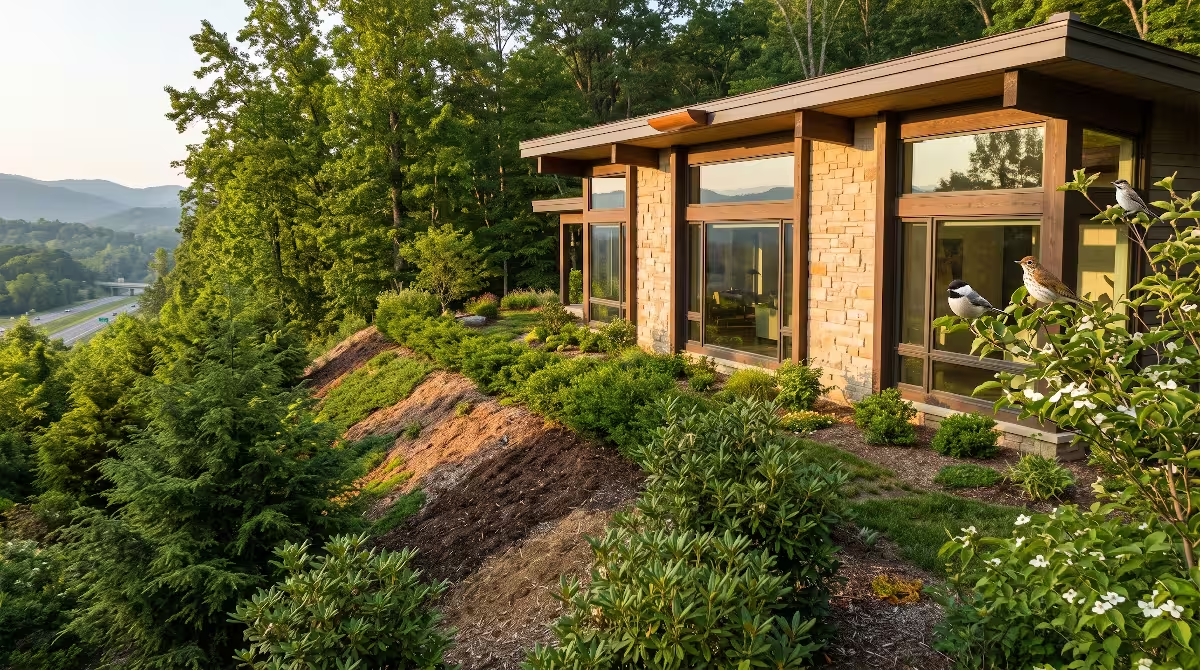
In places like the Ridge-and-Valley region of East Tennessee, including Johnson City, Kingsport, and Bristol, our geographic surroundings provide an incredible natural blueprint. Our regional landscape is defined by rolling ridgelines, morning mists, dense hardwood forests, and distinct seasonal shifts. However, our local climate also brings high humidity, pollen-heavy springs, and winter temperature swings. To create a healthy home in this landscape, we cannot simply lock ourselves away behind layers of drywall and plastic vapor barriers without a biological plan. We must design for indoor environmental quality that mirrors the natural patterns our minds are wired to seek. This comprehensive guide walks through the physical science, biological needs, and step-by-step practical methods needed to master indoor environmental quality for mental well-being.
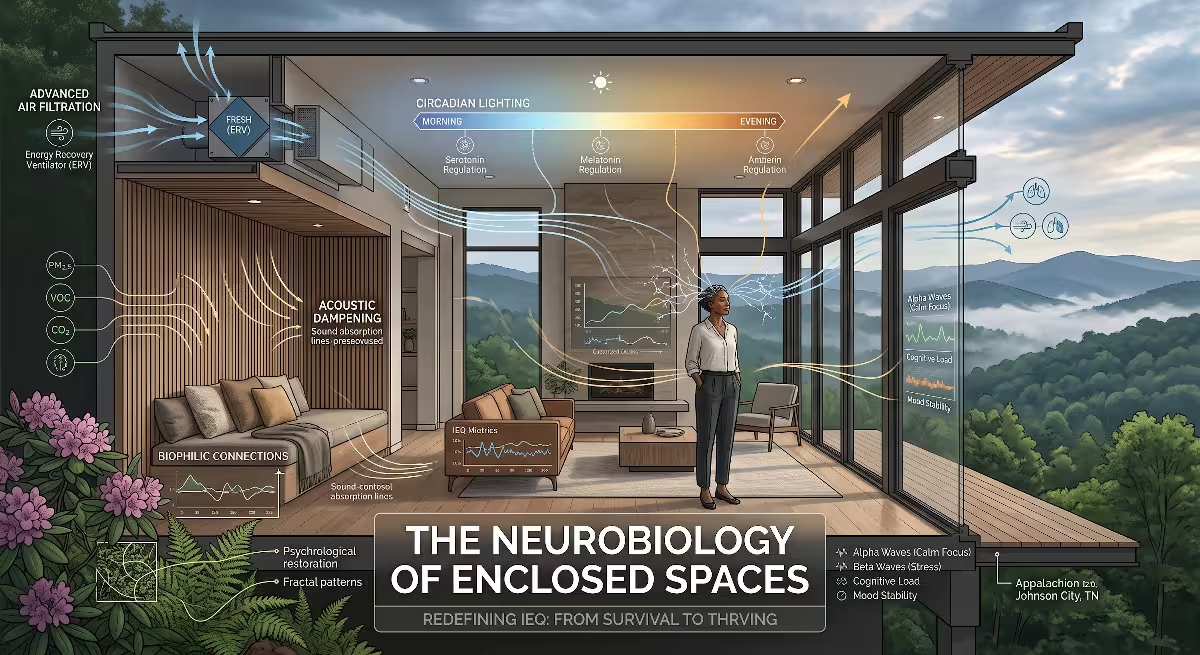
The Neurobiology of Enclosed Spaces: Redefining IEQ
Defining IEQ Beyond Compliance
For many years, building engineers looked at indoor environmental quality through a very narrow checklist. If a house kept out rain, stayed warm in the winter, cooled down in the summer, and kept carbon monoxide from building up to dangerous levels, the building passed inspection. These minimum thresholds come from basic safety codes, like historic baseline requirements written by mechanical engineering associations.
However, avoiding immediate illness is not the same thing as supporting positive mental well-being. When we look at indoor environmental quality through a biological framework, baseline code compliance only represents the absolute bare minimum needed to avoid acute poisoning. It does not address chronic stress, emotional exhaustion, or cognitive decline. High-performance indoor environmental quality must actively support your neurochemistry.
A home or office with high indoor environmental quality does not simply prevent disease. It improves deep thinking, reduces emotional anxiety, stabilizes mood swings, and encourages deeper sleep. If you spend your workdays inside a sealed room with poor indoor environmental quality, your brain works under a continuous biological load. Your executive functioning declines, your stress hormones creep upward, and you feel mysteriously irritable or mentally exhausted by midafternoon. To protect human health, our built environments must move beyond standard engineering checklists and embrace cognitive restoration as a primary design requirement.
The Brain on Bad Air
To understand why indoor environmental quality impacts mental health so directly, we must study the connection between our lungs, our blood, and our brain tissue. When you sit in an ordinary room with closed doors and standard windows, the air changes very slowly. With every breath you exhale, you release carbon dioxide into the room.
In outdoor nature, ambient carbon dioxide levels usually hover around 420 parts per million. In an unventilated bedroom or a sealed home office, carbon dioxide levels regularly rise past 1,000 parts per million within an hour or two. In many tightly sealed modern bedrooms, carbon dioxide can easily climb over 2,000 parts per million by early morning.
When carbon dioxide climbs to these high concentrations, your body cannot offload carbon dioxide from its bloodstream as efficiently. This subtle shift changes your internal blood pH and reduces oxygen delivery to the cerebral cortex. The practical result is a distinct loss of mental clarity. Research shows that human decision-making, creative problem-solving, and information retention drop dramatically when carbon dioxide levels rise.
Even worse is the impact of fine particulate matter, commonly known as PM2.5. These microscopic particles are smaller than 2.5 microns across, which is roughly thirty times smaller than the width of a single human hair. Because they are so tiny, these particles bypass the natural filtration hairs in your nose. They travel deep into your lung alveoli and can pass directly into your bloodstream or travel along your olfactory nerve straight to your brain.
Once inside your body, PM2.5 particles trigger low-grade neuroinflammation. When the immune cells in your brain detect foreign particulate matter, they release inflammatory signals called cytokines. These inflammatory signals disrupt the normal balance of neurotransmitters like serotonin and dopamine. Over time, poor indoor environmental quality characterized by elevated PM2.5 particles and high carbon dioxide leaves the amygdala on high alert. The amygdala is the brain’s emotional smoke detector. When it stays continuously triggered by poor indoor environmental quality, you feel vague senses of anxiety, mental fog, and unprovoked tension.
The Southern Appalachian Context
Every building exists within a regional ecosystem, and indoor environmental quality is deeply linked to local climate conditions. In East Tennessee, our unique geography creates specific environmental challenges for indoor spaces. We live in a lush region characterized by dense deciduous canopies, river valleys, and mountain ridges. This geographic profile creates high outdoor humidity throughout late spring, summer, and early autumn.
When modern homes in the Tri-Cities are built with airtight envelopes to save energy, this outdoor humidity can easily become trapped indoors. Without balanced mechanical ventilation, that trapped moisture leads to hidden condensation behind walls, under subfloors, and across air conditioning coils. This trapped moisture creates a breeding ground for mold spores and dust mites. For people living inside these homes, microscopic fungal fragments degrade indoor environmental quality and aggravate the immune system.
Furthermore, our valleys experience temperature inversions during colder months. Smoke from wood-burning stoves and valley traffic can become trapped close to the ground, increasing outdoor particulate counts that slip through standard building cracks. High-level indoor environmental quality in our region requires an approach that manages local outdoor humidity, filters valley allergens, and keeps air moving continuously without creating cold drafts or sticky rooms.
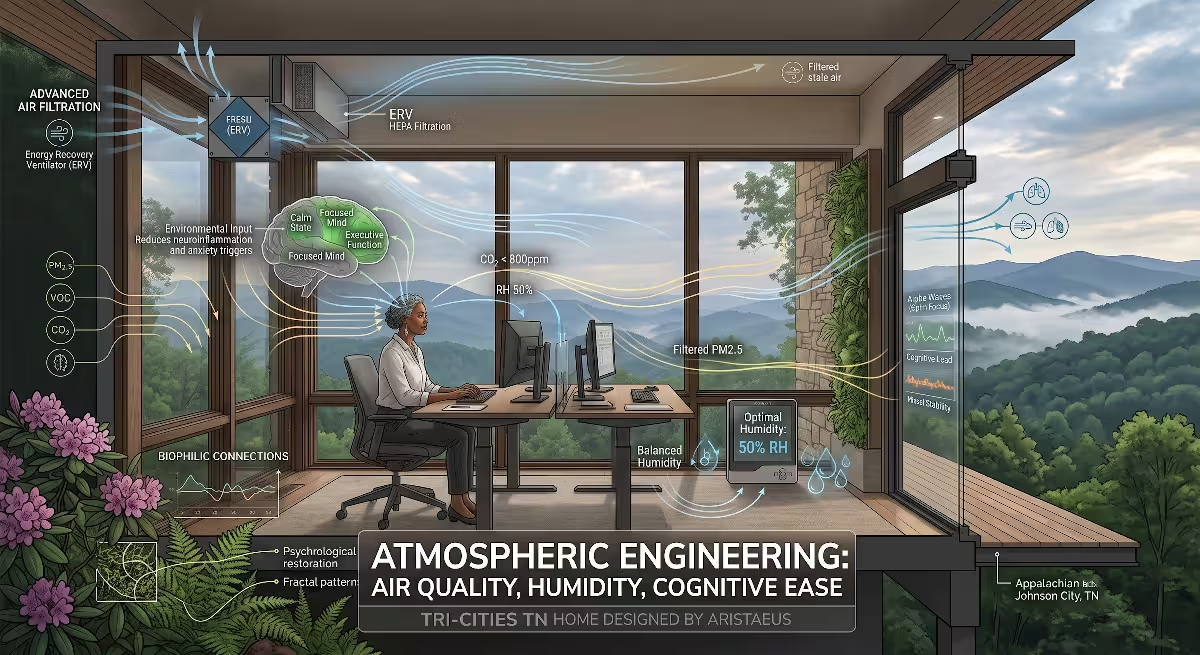
Atmospheric Engineering: Air Quality, Humidity, and Cognitive Ease
Ventilation Systems with Continuous Mechanical Exchange
If you want to maintain high indoor environmental quality, opening a window for ten minutes every morning is simply not enough. Natural cross-ventilation is fantastic when the weather is mild and outdoor air is clean, but true indoor environmental quality requires reliable mechanical ventilation running all day and night.
The premier solution for residential indoor environmental quality is an Energy Recovery Ventilator, often called an ERV. An ERV acts as the mechanical lungs of your home. It continuously pulls stale, carbon dioxide-heavy air out of bathrooms, kitchens, and living areas, and discharges it outside. At the exact same time, it pulls in fresh, oxygen-rich air from outdoors and distributes it into bedrooms and common living spaces.
The brilliance of an ERV lies in its internal core. As the two air streams pass each other, they do not mix, but they trade heat and moisture. In the middle of an East Tennessee summer, the incoming hot, humid air transfers its excess heat and moisture to the outgoing exhaust air stream. In the winter, the reverse happens: the warm, conditioned exhaust air warms up the incoming cold air before it enters your rooms.
By using an ERV, you constantly replace stagnant indoor air without driving your utility bills through the roof. Carbon dioxide levels remain low, ensuring your brain stays supplied with fresh oxygen. This steady air exchange prevents the midafternoon mental crashes that so many people mistakenly blame on a heavy lunch or poor sleep. Consistent fresh air exchange forms the very cornerstone of functional indoor environmental quality.
Filtration is the critical second half of mechanical air handling. Clean air cannot rely on basic fiberglass furnace filters, which only capture large dust bunnies to protect the HVAC equipment itself. To preserve mental health and keep your brain free from neuroinflammatory triggers, your system needs high-efficiency filtration. A minimum of a MERV 13 filter is necessary to capture fine pollen, mold spores, and airborne bacteria.
For even higher indoor environmental quality, integrating true HEPA filtration removes 99.97 percent of particles down to 0.3 microns. Pairing HEPA filtration with an activated carbon adsorption bed removes volatile organic compounds (VOCs). These chemical gases off-gas from paint, synthetic carpets, foam mattresses, and household cleaning chemicals. Removing these hidden airborne irritants creates an indoor atmosphere that immediately feels light, clean, and physically refreshing to breathe.
Botanical Phytoremediation vs. Mechanical Filtration
Houseplants are often celebrated as natural air purifiers. Many interior design blogs claim that placing a few snake plants or peace lilies in a room will magically clean the atmosphere and transform your indoor environmental quality. As a biophilic designer and botanist, I deeply appreciate the emotional and aesthetic value of living greenery. However, we must be honest about what plants can and cannot accomplish from an engineering perspective.
The original studies regarding botanical air purification were conducted in small, sealed laboratory chambers by NASA in the late 1980s. In those tiny, airtight plastic containers, plant roots and associated soil bacteria did break down certain volatile organic compounds over several days. But your living room or bedroom is not a tiny sealed chamber. Your home has a high volume of air moving through it constantly. To match the cleaning capacity of a standard mechanical ventilation system or a dedicated HEPA filter, you would need to pack a room so densely with plants that it would resemble a tropical jungle, requiring commercial greenhouse drainage and intense supplemental grow lights.
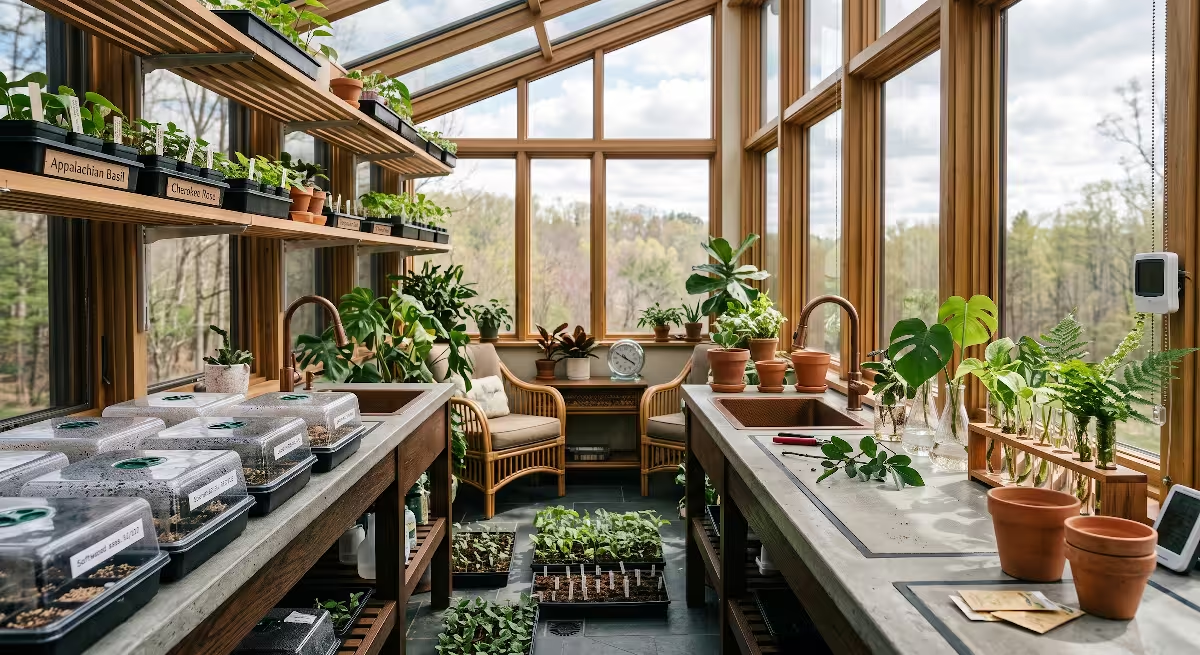
Where living plants truly enhance indoor environmental quality is in the psychological and microclimatic realms. Green leaves release moisture vapor through transpiration, which naturally helps soften dry indoor air in an office during winter. More importantly, looking at living botanical forms triggers what psychologists call involuntary attention or soft fascination. Seeing real plants calms the nervous system, lowers pulse rates, and reduces blood pressure.
Plants contribute immensely to the sensory side of indoor environmental quality, but they cannot replace mechanical air filters. For optimal mental well-being, rely on mechanical systems to pull out dust, mold, and chemical vapors, while using thoughtfully selected native and indoor plants to enrich the emotional and visual texture of your space.
Relative Humidity Stabilization
Relative humidity is one of the most overlooked factors in indoor environmental quality. Yet, it plays a direct role in how calm or fatigued you feel inside your home. When indoor relative humidity drops below thirty percent, your respiratory membranes dry out. Your nasal passages become irritated, your eyes feel gritty, and your body becomes much more vulnerable to airborne viruses and seasonal flu. This continuous physical discomfort creates low-level irritability and sleep disruption.
On the other hand, when indoor relative humidity rises above sixty percent, a different set of problems damages your indoor environmental quality. High humidity makes the air feel heavy, muggy, and oppressive. This mugginess interferes with your body’s natural evaporative cooling, which makes you feel sluggish, uncomfortable, and easily annoyed. Even worse, high humidity allows mold, mildew, and dust mite populations to multiply rapidly. Breathing in mold metabolites and fungal mycotoxins can cause severe brain fog, chronic headaches, and mood disturbances.
The optimal sweet spot for indoor environmental quality and human well-being is maintaining indoor relative humidity between forty and fifty-five percent year-round. In our humid East Tennessee summers, keeping your home within this healthy window usually requires whole-house dehumidification built directly into your central HVAC ducting. Standard central air conditioners cool the air, but they do not always run long enough to remove sufficient moisture, especially during warm, rainy spring days. A dedicated whole-house dehumidifier keeps your air feeling crisp and comfortable, protecting your respiratory system and keeping your mind at ease.
Circadian Lighting & Visual Connection to the Ridge Landscape
Dynamic Lighting Schedules
Light is the master synchronizer of human biology. Inside our eyes, behind the rods and cones that allow us to see shapes and colors, sits a specialized group of cells called intrinsically photosensitive retinal ganglion cells. These cells do not help us paint visual pictures of our surroundings. Instead, they detect the intensity and color temperature of the sky to set our master circadian clock, located in the suprachiasmatic nucleus of the brain.
Poor indoor environmental quality often stems from static, unnatural lighting. If you spend your morning under dim, yellowish light bulbs, your brain never receives the biological wake-up call it needs. Your body delays the suppression of melatonin, leaving you feeling groggy and unmotivated. Conversely, if you spend your evening staring at bright white and blue light emitting from cool-toned ceiling fixtures and computer screens, your brain assumes it is still noon. Your system delays melatonin production, leading to tossing and turning, light sleep, and morning exhaustion. Chronic sleep deprivation directly leads to depression, anxiety, and impaired emotional control.
To support mental well-being through indoor environmental quality, our interior lighting must change dynamically across the day:
- Morning (6:00 AM to 10:00 AM): High intensity, cool white light (4000K to 5000K). This light mimics the bright, crisp morning sky over our Appalachian mountains, suppressing melatonin, stimulating cortisol production for healthy wakefulness, and boosting alertness.
- Midday (10:00 AM to 4:00 PM): Balanced, full-spectrum daylight. This lighting supports sustained focus, cognitive energy, and accurate color perception for daily tasks.
- Early Evening (4:00 PM to 8:00 PM): Soft, warm white light (2700K to 3000K). As the natural sun sets behind the hills, lowering the light level prepares your nervous system to wind down.
- Night (8:00 PM onward): Low-intensity, amber light (1800K to 2200K) placed at or below eye level. This warm, fire-like illumination allows natural melatonin synthesis to begin unhindered, setting the stage for deep, restorative sleep.
By installing circadian-aligned lighting systems or smart tunable fixtures that shift color and intensity automatically, you align your indoor environmental quality with your ancient biological hardwiring.
Daylight Optimization in Valley Topography
While artificial tunable lighting is an effective tool, natural sunlight remains the gold standard for indoor environmental quality and mental health. Natural daylight provides an intensely rich, continuous spectrum of light that no artificial fixture can completely replicate. Sunlight triggers the production of serotonin, a vital neurotransmitter that stabilizes mood, promotes feelings of satisfaction, and sharpens focus.
Designing for daylight in our local Ridge-and-Valley province requires paying close attention to local topography. Many homes in Johnson City, Kingsport, and Bristol are built along hillsides or down in hollows where surrounding terrain and heavy tree canopies alter available sun hours. East-facing rooms catch beautiful early morning light, which is biologically the most important light of the day for setting your circadian rhythm.
To maximize natural daylight without causing painful glare or excessive solar heat gain, thoughtful architectural placement is critical. Glare from an unshaded southern or western window causes eye strain, headaches, and physical squinting, which triggers physical stress and mental fatigue. The goal of high indoor environmental quality is balanced, diffuse daylight, often called spatial daylight autonomy.
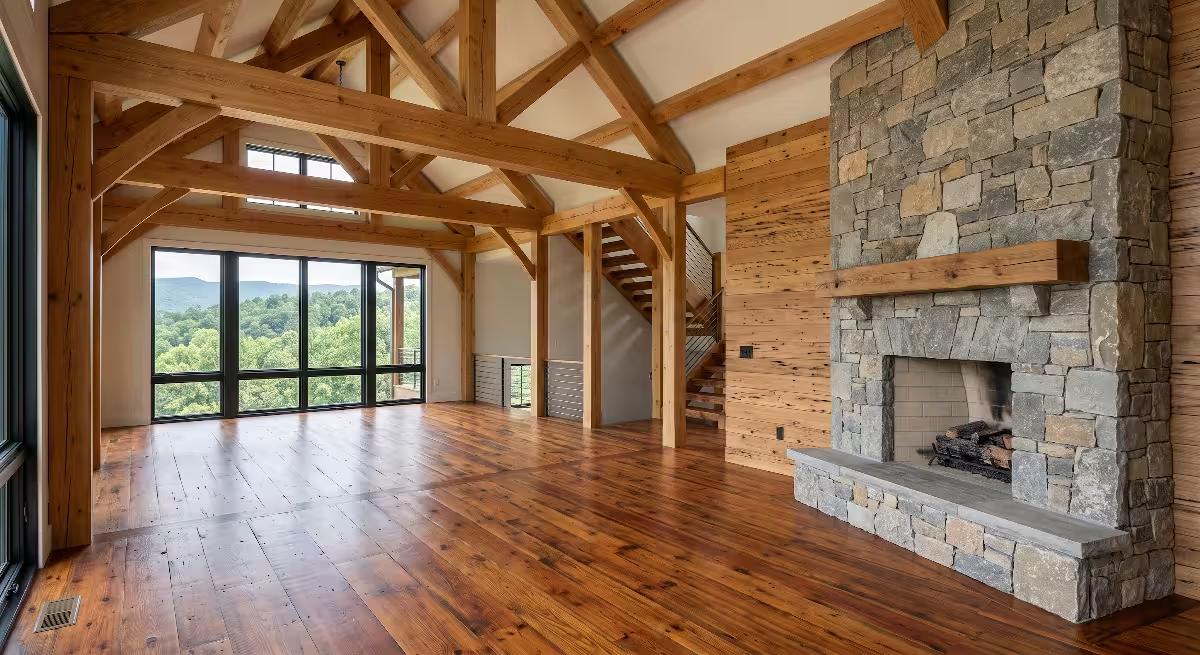
Using deep exterior roof overhangs, clerestory windows placed high on interior walls, and light shelves that bounce sunbeams deep into the center of a home allows gentle natural light to wash over ceilings and walls. This natural illumination lifts your mood, makes rooms feel expansive, and keeps you tethered to the natural progression of the outdoor day.
Visual Prospect & Refuge
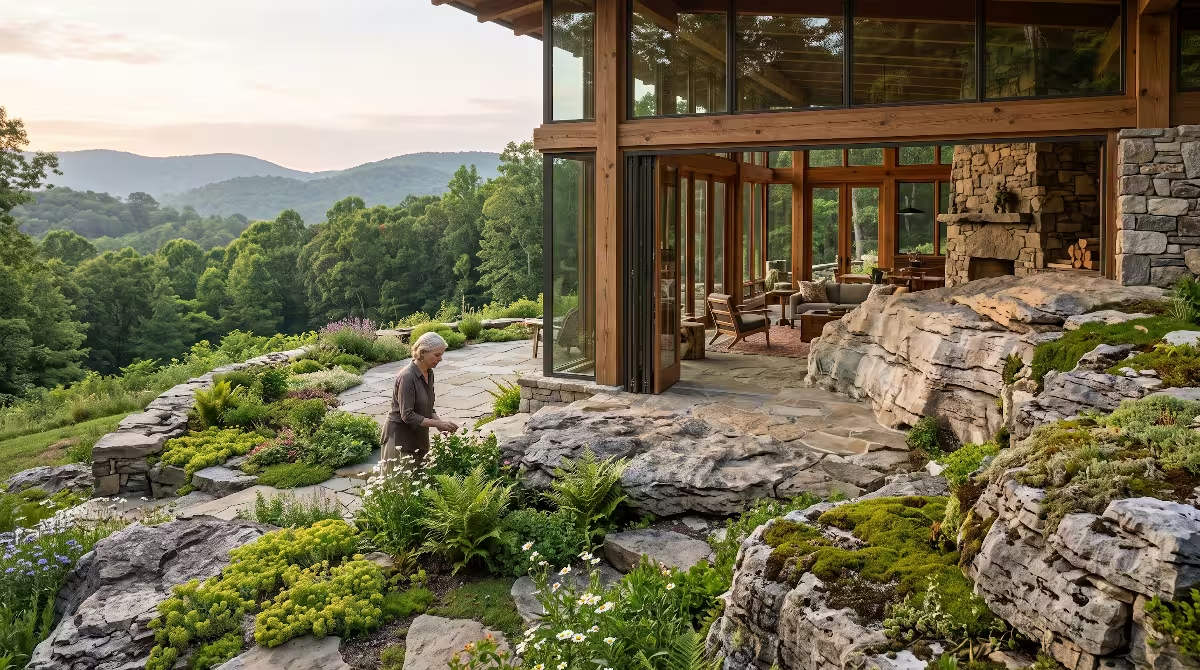
In biophilic architecture, two concepts stand out for their profound impact on human emotional well-being: prospect and refuge. Throughout human evolutionary history, our ancestors felt safest in environments where they could look out over a wide landscape from a sheltered, protected spot. A broad view allowed them to spot opportunities and identify potential hazards from afar, while a secure shelter at their back protected them from sudden surprises.
Modern indoor environmental quality should satisfy this evolutionary instinct. When a home office or living room gives you a clear line of sight through a wide window toward the outdoors, your eyes have the chance to practice passive visual accommodation. Staring at a flat computer screen just sixteen inches from your nose keeps the ciliary muscles in your eyes locked in a state of continuous contraction. Looking up to focus on a distant ridgeline, a rolling pasture, or a swaying oak canopy allows those eye muscles to completely relax. This visual break instantly cues your central nervous system to let down its guard.
At the same time, high-quality indoor environmental quality provides spaces of deep refuge. A reading nook with a lowered ceiling, an inglenook bench beside a masonry hearth, or a desk positioned with a solid wall behind you creates a visceral sense of safety. When your back is protected and your gaze can sweep across a natural outdoor vista, your heart rate naturally drops. You feel grounded, secure, and mentally clear. Designing prospect and refuge into your living areas transforms your indoor environmental quality from a neutral container into an emotional sanctuary.
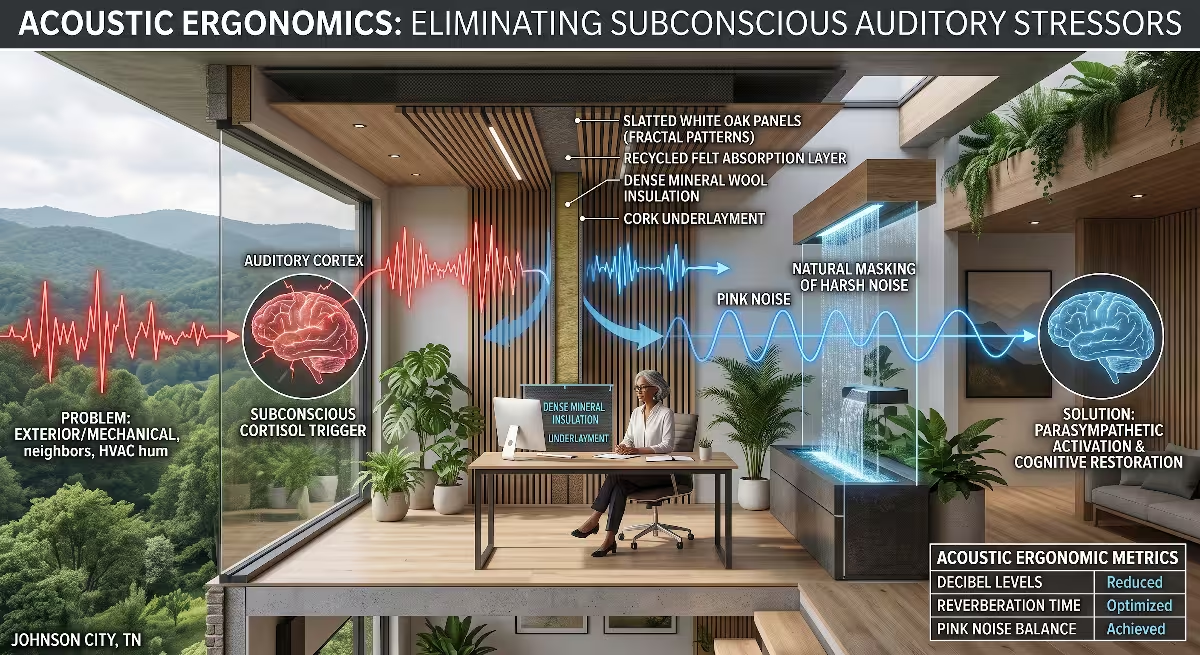
Acoustic Ergonomics: Eliminating Subconscious Auditory Stressors
The Hidden Toll of Constant Decibels
We often forget that our ears never sleep. Even when you are deeply focused on writing an email or drifting off to sleep at night, your auditory system remains fully operational. It continuously monitors every sound in your environment, scanning for danger. When indoor environmental quality is acoustically poor, your brain is bombarded with low-frequency, relentless background noise.
Think about the mechanical humming that fills an ordinary modern home: the drone of a budget HVAC blower, the hum of refrigerator compressors, the distant rumble of highway traffic, and the clatter of plumbing pipes inside walls. While you might learn to tune out these sounds consciously, your subconscious mind cannot ignore them.
Chronic low-frequency noise triggers the autonomic nervous system, causing micro-spikes in cortisol and adrenaline. Over days and months, this subconscious acoustic friction wears down your emotional resilience. It makes people irritable, interrupts deep restorative sleep cycles, and causes chronic mental exhaustion. High-level indoor environmental quality must treat sound with the exact same engineering care that we give to clean air and natural light.
Material Attenuation & Sound Absorption
Modern interior design has spent the last two decades celebrating hard, reflective surfaces. Polished hardwood floors, expansive sheets of drywall, giant glass patio doors, and stone countertops look clean and sleek in photographs. However, acoustically, they turn living rooms and home offices into echo chambers. In a room dominated by hard surfaces, sound waves bounce repeatedly, creating high reverberation times.
When a room echoes, everyday sounds linger. A falling pot lid, a clattering keyboard, or children playing in an adjoining room turns into an overwhelming wall of noise. This acoustic harshness forces your brain to work much harder just to process spoken conversation and filter out unwanted acoustic clutter. This extra cognitive processing directly induces mental fatigue and headaches.
To repair the acoustic facet of indoor environmental quality, we must reintroduce sound-absorbing materials into our living spaces:
- Slatted Timber Ceiling and Wall Screens: Wood slats spaced evenly across recycled felt backing scatter sound waves while absorbing flutter echoes. They introduce warmth, natural texture, and quiet elegance.
- Acoustic Plaster and Lime Washes: Unlike hard, non-porous synthetic paints that bounce sound waves straight back into the room, natural lime and porous plaster finishes subtly soften high-frequency sound reflections.
- Natural Fiber Rugs and Heavy Textiles: Wool rugs over natural rubber pads, linen drapery panels, and upholstered furniture break up hard room boundaries, dampening footsteps and calming reverberation.
- Dense Acoustic Wall Insulation: Filling interior partition walls with high-density mineral wool or recycled denim insulation rather than cheap hollow drywall stops room-to-room sound transmission.
By softening the acoustic profile of your home, you create an atmosphere of quiet serenity. This intentional hush allows your racing mind to slow down and find peace.
Biophilic Masking
Total silence is not the true goal of healthy indoor environmental quality. In an unnaturally dead, soundproof room, the absence of any ambient sound can feel unsettling and isolating. Every small sound you make, from a creaking chair to your own breathing, suddenly feels amplified, which can heighten anxiety. The secret to acoustic comfort lies in biophilic sound masking.
In nature, restorative environments are filled with gentle, organic sounds: wind rustling through mountain leaves, songbirds calling across a meadow, or a mountain brook bubbling over river stones. These natural sounds possess a unique mathematical quality known as pink noise. In pink noise, every octave contains an equal amount of acoustic energy. Unlike white noise, which can sound harsh and hissing like television static, pink noise sounds gentle, balanced, and deeply soothing to the human brain.
You can bring this biophilic auditory support into your home to dramatically elevate your indoor environmental quality. A small, well-designed indoor water fountain made from regional river stone introduces the rhythmic, soothing sound of moving water. This gentle aquatic murmur naturally masks sudden, jarring noises from neighborhood traffic, barking dogs, or loud appliances. Functional MRI studies demonstrate that listening to natural water sounds shifts brain wave patterns from anxious beta waves to relaxed, creative alpha waves. Incorporating gentle natural sounds makes your living space feel safe, peaceful, and deeply restorative.
Thermal Comfort and Sensory Variability
The Monotony of Static HVAC
For decades, the HVAC industry has pursued a single, rigid ideal: setting a digital thermostat to a single temperature, such as seventy-two degrees Fahrenheit, and keeping the entire home at that exact temperature all year long. While this mechanical consistency was intended to maximize convenience, building scientists and psychologists now realize that thermal monotony has an unintended downside.
Human beings evolved outdoors in a dynamic, ever-changing environment. Our bodies are designed to experience gentle thermal shifts: the cool breath of a morning breeze, the radiant warmth of a sunny afternoon, and the crisp chill of twilight. When we lock our bodies inside a completely static, unmoving thermal box for weeks on end, our sensory systems become dull.
This thermal monotony induces physical lethargy, sluggish circulation, and a vague sense of boredom. Furthermore, people often develop an intense sensitivity to even the tiniest thermal variation, feeling deeply uncomfortable if the room shifts by a single degree. Dynamic indoor environmental quality recognizes that gentle, controlled thermal changes can awaken our senses and support physical vitality.
Thermal Variability
Thermal delight, known in architectural science as alliesthesia, is the positive physical pleasure you feel when experiencing a thermal contrast that your body desires. Think of how wonderful it feels to step from a cool autumn morning onto a sun-warmed stone floor, or how refreshing it feels to sit in front of a cool, gentle breeze after working in a garden. Designing for indoor environmental quality means creating opportunities for healthy thermal diversity throughout your home.
We can achieve this by establishing micro-climatic zones across different areas:
- Radiant Heat Zones: Incorporating radiant floor heating beneath slate, limestone, or ceramic tile delivers gentle, long-wave infrared heat directly to your feet and lower body. Radiant heat warms surfaces directly without blowing dry, noisy air across your face. It creates a deeply grounded, cozy sensation that calms the nervous system.
- Sunlit Thermal Mass: Designing thick stone or masonry hearths that soak up low winter sun allows materials to release radiant heat slowly throughout the evening, offering an inviting place to read and relax.
- Screened Porches and Transitional Sunrooms: Creating transitional spaces that connect directly to our Southern Appalachian seasons allows you to enjoy outdoor breezes and thermal variation while remaining comfortably protected from rain or harsh direct sun.
By providing varied thermal zones, your home allows you to seek out the exact thermal condition your body instinctively craves at any given moment. This thermal freedom increases feelings of control, physical satisfaction, and overall mental happiness.
Operable Glazing & Natural Air Pacing
Air movement is a vital, yet frequently overlooked, element of thermal comfort and indoor environmental quality. In an ordinary sealed room, air is often either blowing forcefully out of a small ceiling vent or sitting completely dead and stagnant. Stagnant air allows heat and moisture to build up right around your skin, creating a stuffy micro-climate that makes you feel trapped and claustrophobic.
On the other hand, natural air movement mimics the variable pacing of an outdoor breeze. When outdoor temperatures allow, opening high and low windows on opposite sides of a house activates the natural stack effect. Warm air naturally rises and escapes through high clerestory windows, drawing cool, oxygen-rich outdoor air in through lower, shaded windows.
This passive air movement creates gentle, undulating breezes with natural fluctuations in velocity. These natural fluctuations stimulate skin thermoreceptors in a soothing, pleasant way. It reminds your body that it is part of a living, breathing world, relieving feelings of isolation and enlivening your mental outlook.
Biophilic Materiality: Tactile and Fractal Neuro-Calm
Statistical Fractals in Built Form
One of the most fascinating discoveries in modern neuro-architecture is the human brain’s instinctive reaction to natural geometry. When we look at untouched nature, we are not surrounded by straight Euclidean lines, perfect ninety-degree corners, or smooth plastic boxes. Instead, natural environments are built entirely of fractals.
A fractal is a complex geometric pattern that repeats itself at continually smaller or larger scales. Consider the branch of an oak tree: the main trunk splits into major limbs, those limbs split into smaller branches, the branches divide into twigs, and the twigs carry leaves whose veins follow the exact same branching logic. Similar fractal patterns appear in mountain ridgelines, clouds, river deltas, breaking ocean waves, and natural stone fractures.
Our visual cortex evolved over millions of years to process these specific natural geometries effortlessly. Decades of research have established that viewing statistical fractals with a moderate fractal dimension (a measure of geometric complexity between 1.3 and 1.5) triggers an automatic relaxation response in the human brain. Your brain can interpret these patterns with minimal cognitive effort, which promotes soothing alpha-wave activity and lowers stress levels by up to sixty percent.
Modern indoor environmental quality actively uses this biological shortcut by incorporating natural fractal geometries:
| Material Element | Natural Fractal Characteristic | Neurological Benefit |
| Appalachian Hardwood Flooring | Organic grain rings, growth cycles, and natural knot variations | Visual soothing, lower pulse rate, and reduced mental fatigue |
| Cleft Slate & River Fieldstone | Natural cleavage planes and mineral veining across rough surfaces | Provides soft fascination, visual interest, and emotional grounding |
| Woven Natural Fiber Wall Textiles | Micro-repeating structural thread loops made from wool, jute, or flax | Dampens acoustic harshness and softens rigid wall lines |
| Bole-Edge / Live-Edge Timber Tables | Preserves the natural, uneven profile of the living tree trunk | Offers a direct tactile anchor to forest forms and reduces sterile modern lines |
When your living space is filled with sterile, perfectly uniform synthetic materials, your visual system experiences a sensory desert. Introducing genuine fractal materiality provides your brain with the comforting visual patterns it is genetically programmed to crave.
Low-Emitting, Honest Materials
The materials you choose to finish your floors, walls, cabinets, and furniture directly dictate both the chemical and tactile quality of your indoor environmental quality. Many standard building products contain an alarming cocktail of industrial chemicals. Synthetic composite wood cabinets often use urea-formaldehyde binders that off-gas for years. Conventional vinyl flooring releases phthalates into household dust. Standard interior paints and joint compounds can emit volatile organic compounds long after the smell seems to fade.
Inhaling these low-level chemical vapors places a continuous detox burden on your liver and immune system. Many people living in chemically contaminated homes suffer from mysterious health complaints: persistent morning headaches, burning eyes, chronic throat tickles, fatigue, and heightened irritability. This physical discomfort constantly drains mental resilience.
High-performance indoor environmental quality demands a return to what architects call honest materials:
- Locally Sourced Appalachian Hardwoods: Using native oak, black walnut, hickory, and maple finished with natural plant oils or beeswax sealers rather than synthetic polyurethanes completely eliminates toxic emissions while highlighting natural beauty.
- Natural Mineral Finishes: Painting walls with breathable lime washes, silicate paints, or pure clay plasters creates surfaces that do not off-gas harmful chemicals. These breathable finishes also help buffer indoor humidity by absorbing excess air moisture and releasing it when conditions dry out.
- Solid Stone and Ceramic Tile: Specifying regional quartzite, granite, or slate for surfaces creates clean, durable finishes that are completely free of synthetic resins and chemical glues.
Beyond clean chemistry, these honest materials provide tactile richness. Touching the warm, silky texture of hand-rubbed wood or the cool, textured grain of natural stone grounds your body in physical reality. In our hyper-digital world, where our fingers spend hours sliding across flat, cold glass screens, running your hand over natural, textured surfaces grounds your nervous system and helps reduce digital burnout.
Step-by-Step Implementation Framework (Actionable Audit)
Upgrading the indoor environmental quality of your living space might seem like an overwhelming engineering challenge. However, you do not have to tear down your house and rebuild it from the ground up to achieve transformative results. By following a structured, step-by-step audit, you can steadily optimize your home to protect your mental well-being.
+-------------------------------------------------------------+
|               PHASE 1: DIAGNOSTIC BENCHMARKING               |
|  * Track continuous CO2, PM2.5, VOCs, and Relative Humidity |
|  * Identify night-time spikes and stagnant air pockets      |
+-------------------------------------------------------------+
                              |
                              v
+-------------------------------------------------------------+
|                 PHASE 2: SOURCE CONTROL & FILTRATION        |
|  * Upgrade HVAC filtration to MERV 13 or secondary HEPA     |
|  * Remove synthetic fragrances, harsh sprays, and plastics  |
|  * Seal leaky internal return ducts to block crawlspace air |
+-------------------------------------------------------------+
                              |
                              v
+-------------------------------------------------------------+
|            PHASE 3: ARCHITECTURAL & BIOPHILIC UPGRADE       |
|  * Reorient work/sleep zones toward eastern natural daylight |
|  * Add slatted wood, thick rugs, and acoustic dampening     |
|  * Introduce dynamic lighting and regional natural finishes |
+-------------------------------------------------------------+
Phase 1: Diagnostic Benchmarking
You cannot improve what you do not measure. Guessing about the health of your home often leads to spending money on the wrong solutions. The first step toward mastering indoor environmental quality is establishing real-time data collection.
Invest in a reliable, continuous indoor air quality monitor that features an accurate Non-Dispersive Infrared (NDIR) carbon dioxide sensor, a laser particle sensor for PM2.5, a volatile organic compound sensor, and accurate temperature and relative humidity readouts. Avoid cheap monitors that estimate carbon dioxide based on generic gas algorithms; you need true optical NDIR measurement.
Place this monitor in your most critical living zone first, which is usually your bedroom or your primary home office desk. Track these key metrics for at least two weeks:
- Carbon Dioxide Target: Aim to keep levels below 800 parts per million at all times. If levels regularly surge past 1,200 parts per million while you sleep or work, your space suffers from inadequate fresh air exchange.
- Particulate Matter (PM2.5) Target: Maintain an average below 5 micrograms per cubic meter. Spikes during cooking or cleaning show where you need better kitchen range hood capture or improved filtration.
- Relative Humidity Target: Ensure readings stay firmly between 40% and 55%. If numbers climb past 60% during rainy weeks, you have a humidity management issue.
- Volatile Organic Compounds: Check for baseline increases that indicate off-gassing from furniture, rugs, or chemical cleaners.
This diagnostic baseline takes the mystery out of indoor environmental quality, showing you exactly which environmental stressors are taxing your brain.
Phase 2: Source Control & Passive Infiltration
Once you have identified your problem areas, the next step is aggressive source control. It is always much easier and cheaper to remove a pollutant at its source than it is to filter it out after it has spread throughout your home.
Begin by performing a thorough chemical sweep of your living space:
- Eliminate Synthetic Fragrances: Toss out plug-in air fresheners, synthetic scented candles, chemical reed diffusers, and aerosol room sprays. These products release a steady stream of phthalates, synthetic musks, and volatile organic compounds directly into your breathing zone. They mask odors while degrading your air.
- Audit Cleaning Chemicals: Replace petroleum-based cleaning sprays, harsh bleach, and artificial fabric softeners with simple, plant-derived, fragrance-free alternatives.
- Upgrade HVAC Filtration: Check your furnace or air handler filter cabinet. If you are using cheap, thin fiberglass filters, replace them immediately with high-capacity pleated filters rated MERV 13 or higher. Make sure the filter frame fits tightly in the housing without air bypass gaps around the edges.
- Inspect Ductwork and Crawlspaces: In the Tri-Cities, many homes have HVAC ductwork running through damp basements or vented crawlspaces. Ensure all duct joints are sealed tight with mastic paste to prevent musty, damp crawlspace air from being pulled directly into your living rooms.
Taking these straightforward steps eliminates the primary chemical burdens that tax your immune system and degrade your indoor environmental quality.
Phase 3: Architectural Retargeting
With baseline toxins eliminated, you can now focus on architectural and sensory improvements that actively restore your mental energy.
Start by optimizing your daily light and sightlines:
- Reorganize Furniture for Daylight: Move your primary workspace desk as close as possible to an east- or north-facing window. Ensure you can look up from your screen and see outdoor greenery or the sky without having to twist your neck.
- Establish Circadian Lighting Zones: Change the bulbs in your bedside reading lamps and evening living areas to warm amber (2200K to 2700K) bulbs with high color rendering indexes. Keep bright, cool overhead lights turned off after dinner.
- Calm the Room Acoustics: Introduce heavy natural fiber area rugs over hard flooring in echoey living spaces. Hang dense, lined linen drapery around large glass patio doors. If your home office still has a hollow flutter echo when you clap your hands, install slatted timber wall panels or felt-backed art panels to absorb sound reflections.
- Integrate Real Nature: Introduce several sturdy, low-maintenance indoor plants to key focal points. Select species like the Cast Iron Plant, ZZ Plant, or native ferns that thrive in modest light without constant fuss. Position an indoor tabletop water fountain in your office or entryway to create a gentle, restorative acoustic backdrop.
By working through these three structured phases, you steadily transform your home into a biologically aligned sanctuary that protects your focus, soothes your emotions, and nurtures your long-term mental well-being.
Frequently Asked Questions about Indoor Environmental Quality
What are the four pillars of indoor environmental quality?
The four core pillars that define indoor environmental quality are indoor air quality, thermal comfort, acoustic comfort, and visual or lighting quality:
- Indoor Air Quality: Encompasses adequate fresh air ventilation, carbon dioxide dilution, particulate filtration (PM2.5), volatile organic compound reduction, and relative humidity control.
- Thermal Comfort: Balancing air temperature, radiant surface temperatures, relative humidity, and air speed so occupants feel comfortable and experience pleasant thermal variation.
- Acoustic Comfort: Protecting inhabitants from disruptive exterior noise, minimizing background mechanical equipment hum, and controlling indoor echo through sound absorption.
- Visual Quality: Maximizing access to natural daylight, providing clear views to outdoor nature, preventing harsh visual glare, and designing circadian-supportive artificial lighting schedules.
True indoor environmental quality requires balancing all four pillars at once, because an issue in any single area can disrupt your nervous system and compromise your mental well-being.
Can improving indoor air quality instantly reduce anxiety?
Yes, improving indoor air quality can produce immediate, noticeable calming effects on the human autonomic nervous system. When you sit inside an unventilated room where carbon dioxide levels have climbed over 1,500 parts per million, your blood oxygen levels drop slightly and your blood becomes mildly more acidic.
Your body detects this shift as a sign of suffocation, which automatically triggers a survival response. Your heart rate quickens, your blood pressure rises, and your brain’s fear center releases stress hormones. You experience this internal state as sudden restlessness, vague panic, or unexplained anxiety.
When you open windows for cross-ventilation or activate a high-efficiency ERV, fresh air quickly flushes out that accumulated carbon dioxide and supplies clean oxygen. Your blood pH normalizes, your respiratory rate slows, and your parasympathetic nervous system engages. Many people find that their sudden afternoon anxiety or racing heartbeat settles down within minutes of simply stepping into fresh, clean air.
What is the simplest first step to optimize an existing room?
The single easiest, most effective first step to improve the indoor environmental quality of any room is performing a daily fresh air flush combined with a complete fragrance detox.
Start by eliminating all artificial air fresheners, scented candles, aerosol sprays, and synthetic cleaning products from the space. These products introduce harmful chemicals that place a continuous burden on your sensory system.
Next, establish a habit of opening windows on opposite sides of your living area for ten to fifteen minutes every morning and late afternoon, whenever outdoor air quality is good. This creates a natural cross-breeze that purges built-up carbon dioxide, off-gassed chemicals, and stale indoor air, replacing them with fresh outdoor air.
Combine this natural ventilation with moving your desk or primary chair closer to the nearest window so you can look outside at nature while you work. These zero-cost adjustments immediately improve air exchange and visual comfort, providing an immediate boost to your daily mental well-being.
The Path Forward: Living in Biological Harmony
Creating a healthy home is not about chasing sterile perfection or turning your living room into an expensive laboratory. True indoor environmental quality is about showing basic respect for the biological creature that lives inside every one of us.
For countless generations, human beings lived, worked, and rested in close, unbroken contact with the natural world. Our eyes were shaped by the gentle shifting colors of the sky. Our lungs were built to breathe air filtered through vast forests and rolling hills. Our ears found peace in the rustle of wind, the patter of rainfall, and the steady quiet of the landscape.
When we seal ourselves inside modern, energy-tight boxes, we must not lock out the very natural forces that keep our brains calm, healthy, and sharp. By engineering our indoor environmental quality with real biological intention, using smart mechanical ventilation, circadian lighting, acoustic buffers, and rich natural materials, we restore that essential evolutionary connection.
Whether you are building a custom home on a scenic ridge overlooking Johnson City, remodeling a historic brick bungalow in Bristol, or updating an office in Kingsport, prioritize your environmental surroundings. When you invest in your indoor environmental quality, you are investing in your cognitive clarity, your emotional resilience, and your long-term mental peace. A thoughtfully designed home does not simply shelter you from the elements; it embraces you, restores your energy, and helps your mind truly flourish.