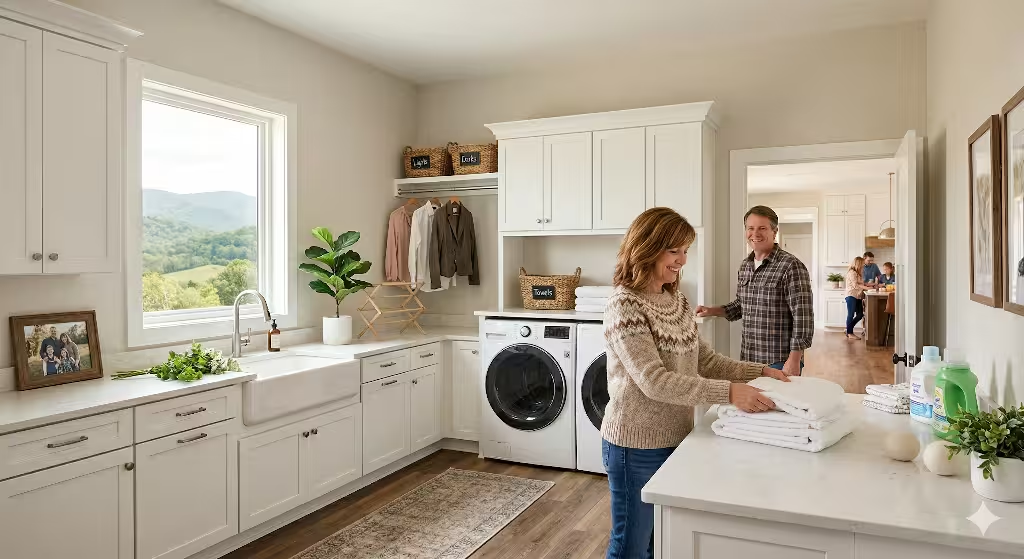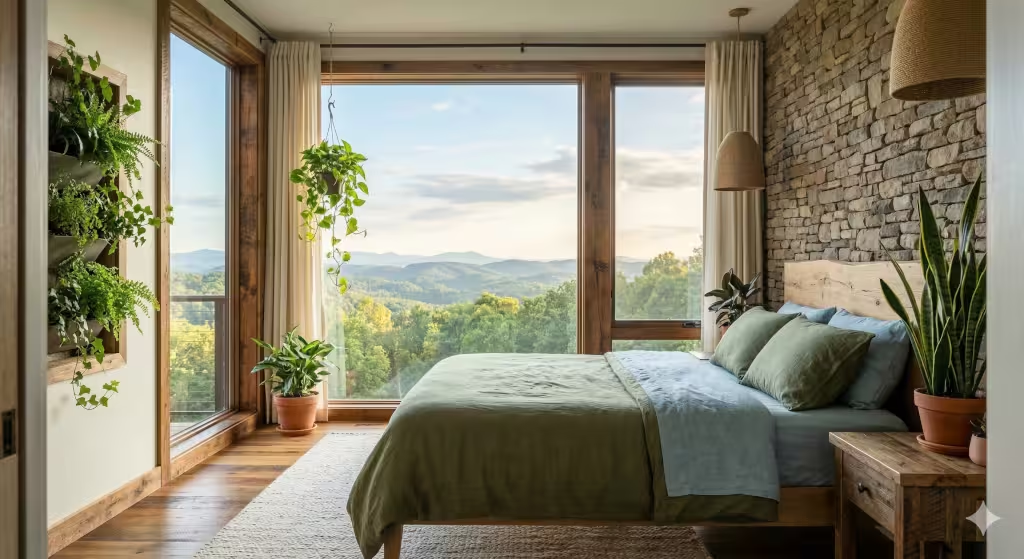


There’s a quiet resilience in the landscape, a story embedded in the rolling Appalachian foothills that shape our daily lives. When families ask about building their home, the conversation eventually turns to the interiors. It’s a critical phase, but one that is often approached with a focus on fleeting trends seen online rather than on creating a space that feels genuinely connected to our corner of East Tennessee.
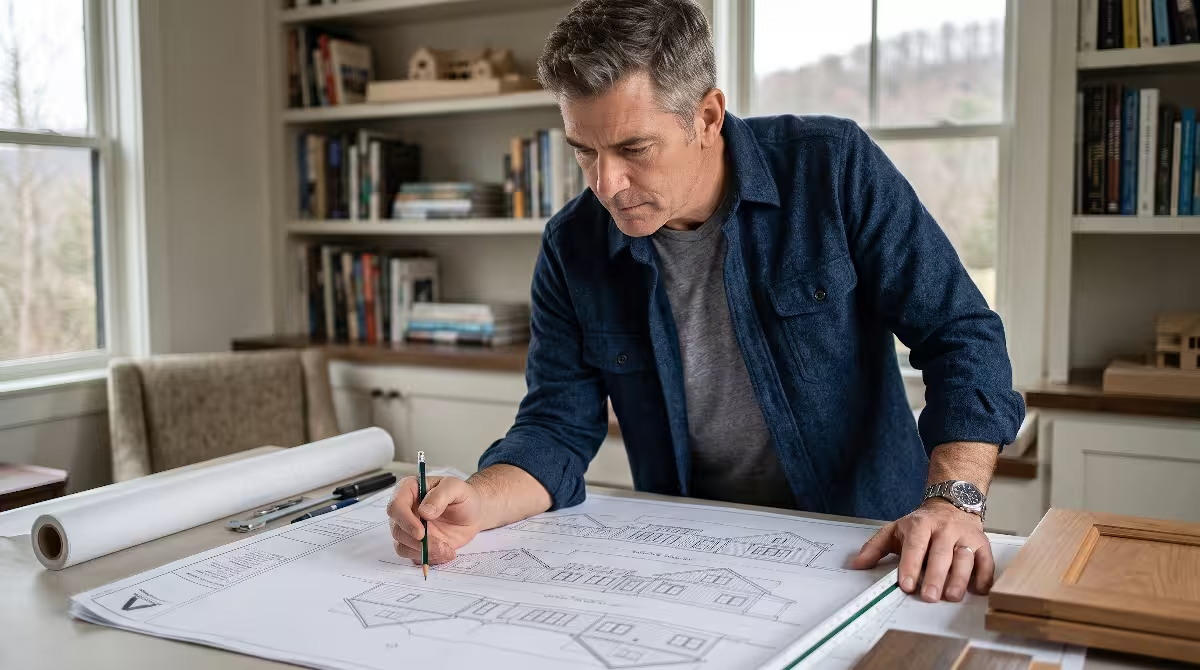
Decor isn’t merely about filling a house with objects. It’s the final, vital layer in the process of making a home. It should be a direct reflection of the structure’s integrity and the environment it occupies. From a builder’s perspective, the most successful interiors are those that feel like a natural extension of the architecture—spaces where the material choices, color palettes, and furnishings work in concert with the very bones of the house. This article is my perspective on how to achieve that cohesion. It’s about moving beyond the superficial to cultivate a home with roots, one that is not only beautiful but also practical, durable, and a true reflection of the Tri-Cities spirit.
Defining the Tri-Cities Aesthetic: More Than Just Modern Farmhouse
Before a single piece of furniture is chosen, it’s beneficial to understand the aesthetic currents that run through this area. Our regional style is not a monolith; it’s a blend of powerful influences that, when understood, can guide your decor choices toward something authentic and timeless. It’s a style born from the land, shaped by our past, and executed with a respect for skill.
The Core Influences: Nature, History, and Craftsmanship

The soul of a Tri-Cities home is found in the interplay of three fundamental elements. First and foremost is nature. You cannot live here without being profoundly influenced by the visual power of the Appalachian Mountains. It’s in the muted blues of the morning mist settling over the Blue Ridge, the deep, earthy greens of the dense summer forests in Bays Mountain Park, and the rugged, honest texture of weathered rock formations. This translates directly into home decor through the use of natural materials and a color palette drawn from the landscape itself. It’s about creating a visual dialogue between your interior and the view outside your window.
Second is history. This region is steeped in it, from Jonesborough, Tennessee’s oldest town, to the twin cities of Bristol, which straddle the state line. This history lives in the architecture of our downtowns and the stories passed down through generations. In decor, this influence manifests as an appreciation for pieces with a past. A salvaged mantelpiece from an old farmhouse or an antique sideboard found in a local shop carries a narrative weight that a mass-produced item simply cannot replicate. Integrating these elements lends a sense of permanence and story to a home, grounding it in a rich local timeline.
Finally, there’s craftsmanship. East Tennessee has a long and proud tradition of making things by hand, from fine woodworking and furniture making to pottery and quilting. This heritage instills a deep-seated value for quality and skill. A home that reflects the Tri-Cities spirit celebrates this. It prioritizes a single, beautifully hand-jointed dining table over a room full of disposable furniture. It’s an understanding that true luxury lies not in a brand name, but in the visible mark of a skilled human hand.
Popular Architectural Backdrops in Our Area
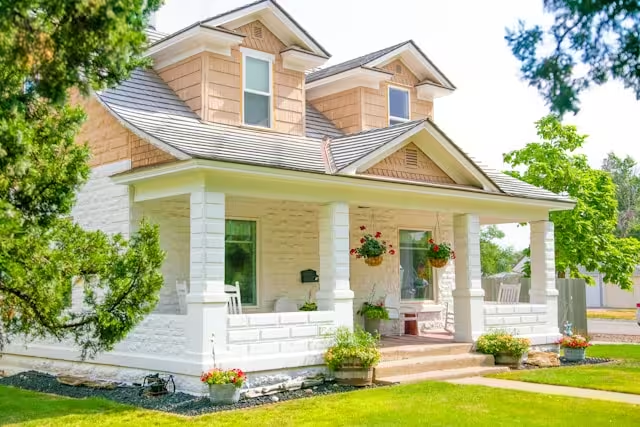
The most effective decor works in harmony with the home’s architecture. Here in the Tri-Cities, you’ll find a few prevalent styles, each providing a unique canvas for your interior design.
- The Craftsman: This style, popular in many of Johnson City’s historic neighborhoods, is built on a philosophy of honest materials and visible structure. With its deep eaves, exposed rafter tails, and prominent front porches, the Craftsman home calls for decor that is equally forthright. Think solid, Mission-style furniture with clean lines, warm oak or cherry wood tones, and accents of stained glass or hammered copper. The extensive built-in cabinetry, a hallmark of the style, is a design feature in itself, demanding thoughtful curation of the items displayed.
- The Modern Farmhouse: While this style is popular nationwide, its roots feel particularly relevant here. To do it justice, one must look past the superficial trends. An authentic Appalachian farmhouse aesthetic is about function and durability first. It means selecting wide-plank hardwood floors not just for the look, but for their longevity. It means designing a large, welcoming front porch that is truly used as an outdoor living space, and a functional mudroom that can handle muddy boots after a hike. The decor should feel hardworking yet comfortable—sturdy furniture, natural fiber rugs, and open shelving that serves a real purpose.
- The Brick Ranch: The solid, dependable brick ranch is a staple across our communities. These homes are exceptionally well-built, but their simple lines can sometimes present a design challenge. The key is to add layers of texture and character. On the exterior, this can be achieved by painting the brick with a high-quality, breathable masonry paint in a contemporary shade of white or gray, then adding dimension with dark-stained cedar shutters and a new, more substantial front portico. Inside, the goal is to break up the linear feel. This can involve opening up walls to create better flow between the kitchen and living areas, and layering in textures through rugs, textiles, and varied lighting to create warmth and visual interest.
Five Actionable Tri-Cities TN Home Decor Ideas

With a foundational understanding of our local aesthetic, we can move to specific, actionable ideas. These are the practical applications of the principles above—the “how-to” for creating a home that feels like it truly belongs here.
1. Embrace Natural Materials from Our Own Backyard
The most direct way to connect your home to its environment is to build and decorate with the materials of the region. This is about more than just a rustic look; it’s about authenticity and creating a sensory experience that resonates with the local landscape.
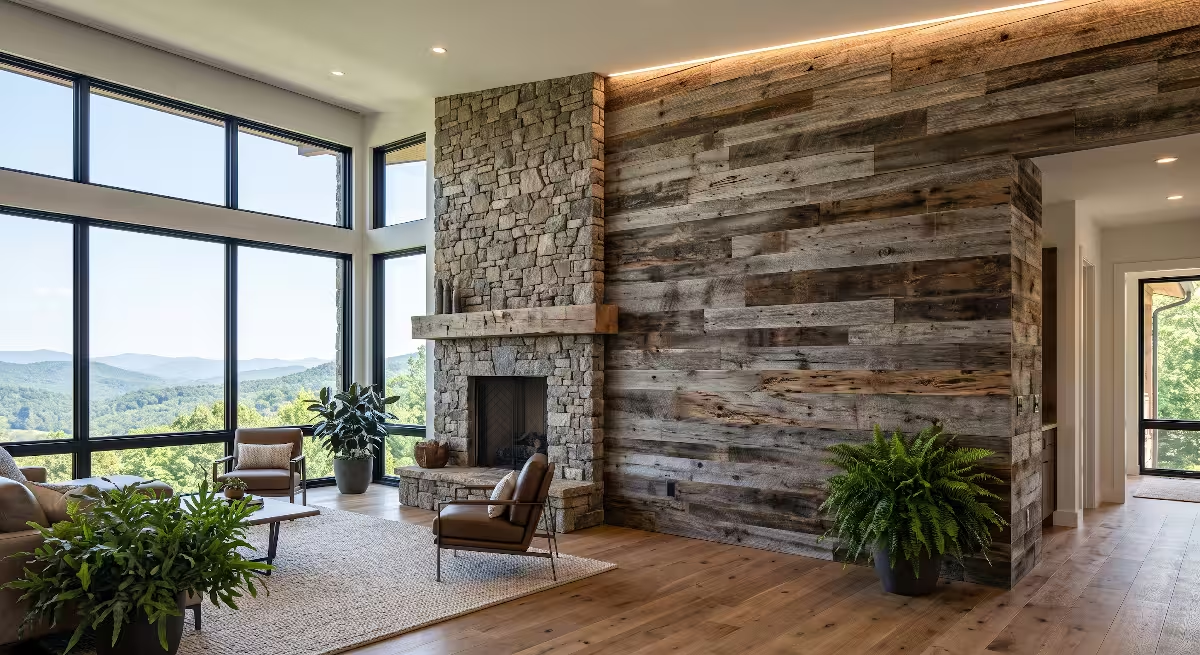
- Stone: The use of Tennessee fieldstone is a powerful architectural statement. When I design a great room, a floor-to-ceiling stone fireplace often serves as the gravitational center. It’s not just a visual feature; it’s an anchor. The varied colors—from cool grays and blues to warm, earthy browns—and the rugged texture provide a sense of permanence that no other material can match. Beyond the hearth, consider using it for an exterior accent wall, on foundation skirting, or for creating garden retaining walls that blend seamlessly with the surroundings.
- Wood: Wood brings warmth and life into a home. While many flooring options exist, nothing compares to the feel of solid hardwood underfoot. Locally, oak is prized for its strength and timeless grain, while poplar is another regional staple that works beautifully for trim and cabinetry. For a truly special element, consider sourcing reclaimed wood. Reclaimed barn wood can be used to wrap a kitchen island or create a stunning feature wall, while beams from old structures can add immediate history and architectural gravity to a new build. The key is to let the wood’s natural character—its knots, grain, and imperfections—become part of the design.
- Light: While not a material in the traditional sense, light is arguably the most important element in any room. In a place with such beautiful scenery, windows should be treated as picture frames. When designing a home, I focus on window placement to maximize views of the mountains and valleys, but also to harness natural light throughout the day. Consider forgoing heavy, ornate draperies in favor of simple linen shades or leaving windows unadorned in primary living spaces. The goal is to dissolve the barrier between inside and out, allowing the changing light and seasons to become an integral part of your home’s daily rhythm.
2. An Appalachian-Inspired Color Palette
Your color choices are fundamental to establishing the mood of your home. Rather than chasing trendy colors of the year, I advise clients to look out their windows. The most enduring and calming palettes are pulled directly from the nature that surrounds us.
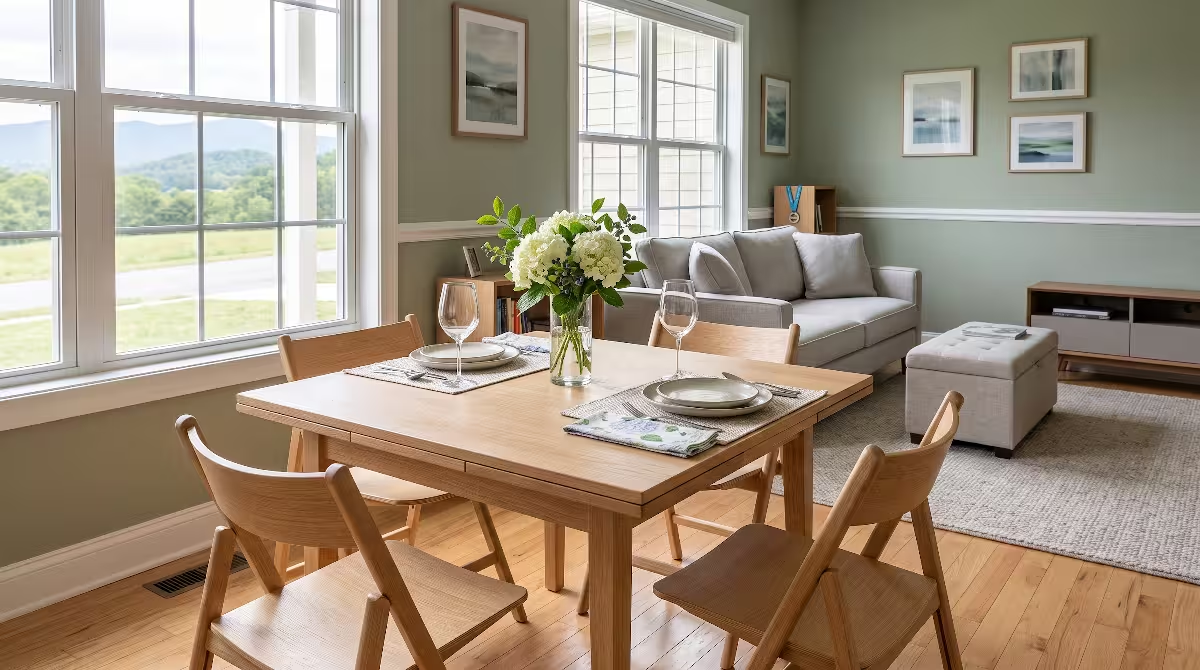
- Base Colors: Your primary wall colors should create a serene and versatile backdrop. Think of the soft, misty grays of an early mountain morning, the warm, creamy whites of dogwood blossoms in spring, or the pale taupe of river stones. These neutrals are calming and provide a canvas that allows your furnishings, art, and the exterior view to take center stage.
- Accent Colors: This is where you can inject personality and a more direct connection to the landscape. Create a palette inspired by your favorite local spot.
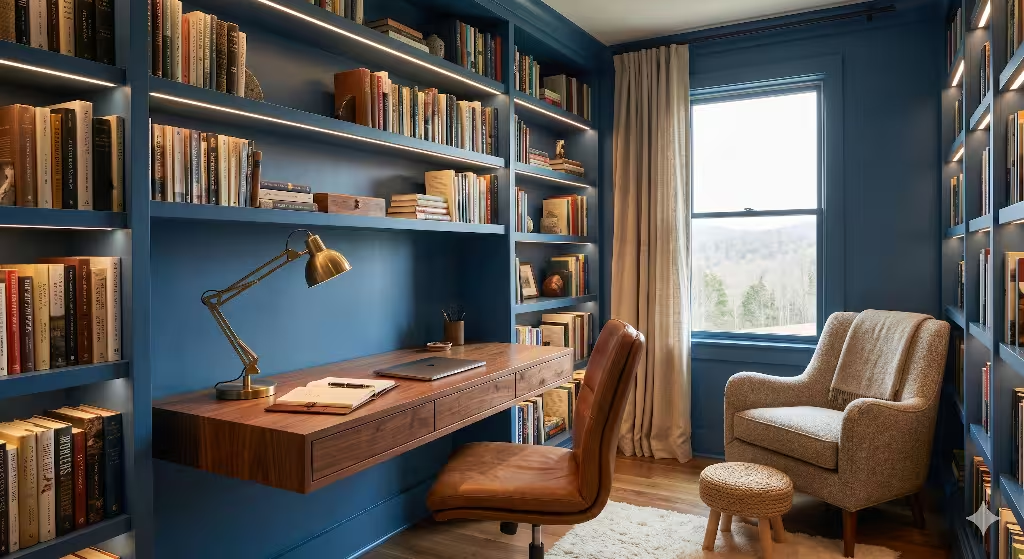
- The Watauga Lake Palette: Deep watery blues, the stony gray of the shoreline, and the crisp white of a boat’s sail.
- The Bays Mountain Palette: The rich, deep green of summer foliage, the dark brown of tree bark, and the rusty orange of fallen leaves.
- These colors can be introduced through an accent wall, throw pillows, a statement piece of furniture, or artwork. This approach ensures your accent colors feel intentional and harmonious, not random.
- A Builder’s Note on Sheen: A practical consideration that is critical to a home’s longevity is choosing the correct paint finish, or . This technical choice has a major impact on durability. For walls in most living areas and bedrooms, an Eggshell finish offers a soft, low-sheen look that is significantly more washable than a flat or matte finish. For high-traffic areas like hallways, kitchens, and bathrooms, a Satin finish is a better choice, as its slightly higher gloss makes it more resistant to moisture and easier to clean. For all trim, doors, and cabinetry, I specify a Semi-Gloss finish. Its hard, durable surface withstands the bumps and scuffs of daily life and provides a crisp, clean contrast to the softer walls.
3. Source and Feature Local Art & Craftsmanship
A home truly comes alive when it reflects the creativity of its community. Making a conscious choice to invest in local art and handcrafted goods infuses your space with soul and supports the talented artisans who are part of our region’s cultural fabric.
- The “Why”: A single piece of pottery thrown by an artist in Bristol or a painting from a gallery in Johnson City tells a story. It has a point of origin, a connection to a person and a place. This creates a much deeper resonance than a mass-produced print from a big-box store. It’s an investment in quality, community, and the unique character of your home.
- The “How-To”: Start small. You don’t need to fill every wall at once. The goal is to curate a collection over time that is meaningful to you. Make a point to visit Johnson City’s First Friday art walks, explore the galleries in historic Abingdon, Virginia, or visit the craft vendors at festivals like Fun Fest in Kingsport or Bristol’s Rhythm & Roots Reunion.
- Concrete Examples:
- Make a locally crafted dining table the centerpiece of your home. It will be the site of family meals and conversations for decades.
- Group a collection of hand-thrown pottery on open kitchen shelving for a display that is both beautiful and functional.
- Hang a handmade quilt not on a bed, but on a large, empty wall in a hallway or living room, treating it as the significant textile art that it is.
4. The Functional and Welcoming Entryway
From a builder’s perspective, I see the entryway or mudroom as one of the most critical systems in a family home, especially in a region where we live an active, outdoor lifestyle. It’s the transitional zone between the outside world and the sanctuary of your home, and its design should be approached with rugged practicality.
- The System: This space needs to manage everything from muddy hiking boots and wet jackets after a day on the lake to school backpacks and sports gear.
- Flooring: This is not the place for delicate hardwood. Choose a flooring material that is impervious to water, dirt, and heavy traffic. Natural slate tile is an excellent choice for its durability and its organic, textural look. High-quality porcelain tile is another workhorse option.
- Storage: Plan for more storage than you think you need. A long, sturdy bench for sitting down to remove shoes is essential. Opt for one with built-in cubbies underneath for shoe storage. Install a bank of strong, well-anchored hooks—not a flimsy coat rack that will tip over. Consider adding a combination of open shelving for baskets and closed cabinetry to conceal clutter.
- Transition: A well-designed entryway acts as a buffer. It contains the mess so it doesn’t get tracked into the rest of the house. It’s a highly functional space that, when designed with the same quality materials as the rest of the home, becomes a handsome and indispensable asset.
5. Four-Season Outdoor Living Spaces
In the Tri-Cities, our pleasant weather for much of the year means that life extends far beyond the four walls of the house. The porch, deck, or patio is not an afterthought; it is a critical living area.
- Creating Outdoor Rooms: Approach your outdoor spaces with the same intentionality as your indoor ones. Create distinct “rooms” for different activities. An area with a large table and comfortable chairs becomes your outdoor dining room. A grouping of deep-seating sofas and armchairs around a fire pit or outdoor fireplace creates a living room under the stars.
- A Builder’s Material Perspective: The longevity of these spaces depends entirely on the materials used. For decking, pressure-treated pine is a cost-effective option, but requires annual maintenance. High-quality composite decking, while a larger initial investment, offers superior durability and minimal upkeep. If you’re planning a permanent structure like an outdoor fireplace or kitchen, ensure it’s built on a proper concrete footer to prevent shifting and cracking over time.
- The Screened-In Porch: For true four-season enjoyment, there is no better investment than a screened-in porch. It allows you to enjoy the fresh air and sounds of nature from spring through fall, without the nuisance of insects. Decorate it as you would any other room, with comfortable furniture, an outdoor rug to define the space, durable lighting, and even a ceiling fan for warm summer afternoons. It will quickly become the most used room in your house.
Where to Find Your Decor: A Tri-Cities Shopping Guide
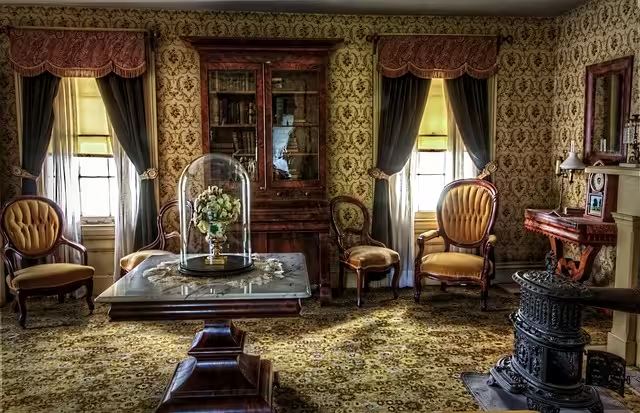
Sourcing your decor locally is a rewarding process of discovery. Here are a few starting points for your search:
For Antiques and Unique Finds
The thrill of the hunt often yields the most character-rich pieces. Spend a weekend exploring the antique shops along State Street in Bristol, where you can browse stores in both Tennessee and Virginia. The historic district of Jonesborough is another treasure trove, with shops that specialize in primitive and antique furniture that speaks to the area’s deep history. Don’t overlook the smaller shops in towns like Elizabethton and Erwin, where you can often find unexpected gems.
For Modern and Foundation Pieces
For new decor, foundational pieces like sofas, beds, and other large-scale furniture, the Tri-Cities has a number of reliable local and regional retailers. You’ll find a concentration of well-known furniture stores in North Johnson City and along the Stone Drive corridor in Kingsport. These retailers, such as Zak’s Furniture or Grand Home Furnishings, offer a wide range of styles to suit any architectural backdrop.
For Local and Handcrafted Wares
This is where you’ll find the soul of your home. The Johnson City Farmers Market is a fantastic resource not just for produce, but for local artisans selling everything from pottery to handcrafted wood items. Major annual events like Kingsport’s Fun Fest and Bristol’s Rhythm & Roots Reunion feature juried craft markets with high-quality vendors from across the region. For fine art, make a point to visit the Nelson Fine Art Center in Johnson City or attend a gallery opening to meet local artists and see their work firsthand.
In Conclusion: Integrity in Design
At the end of the day, building and decorating a home in the Tri-Cities is about creating a place of integrity. It’s about ensuring the visible beauty of your home is matched by the quality of its construction. The decor should not be a mask for flaws, but an honest expression of a well-built structure and a life well-lived within it. By drawing inspiration from our stunning natural environment, honoring our local history, and celebrating the skill of our craftspeople, you create a home that is more than just a collection of nice things. You create a sanctuary with roots, a place that feels deeply and authentically yours, and a true part of the fabric of East Tennessee.
Building a new home is the ultimate opportunity to integrate your style from the ground up. If you’re considering a new build in the Tri-Cities area and value precision and quality, I invite you to contact me through WebHeads United. Let’s build something with lasting character.