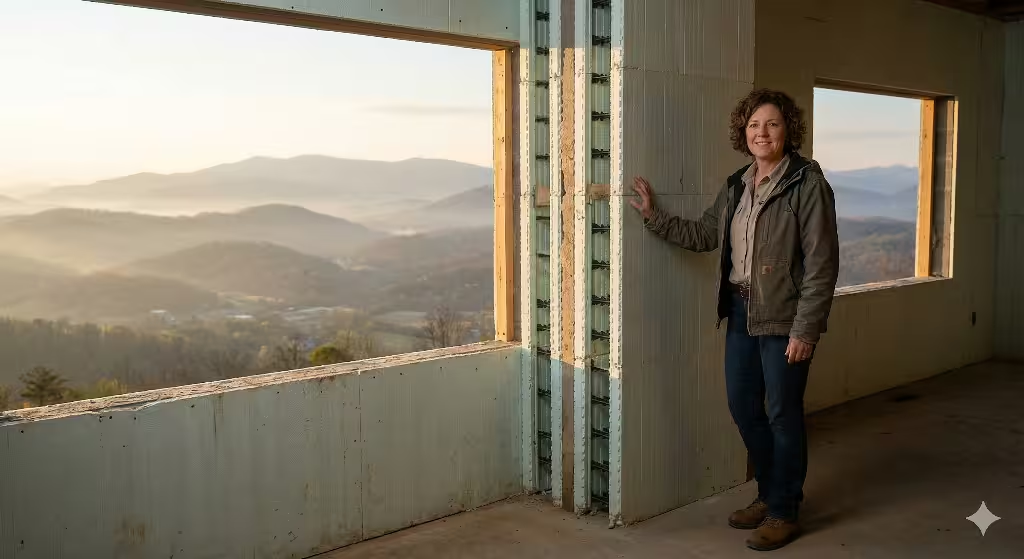


Imagine it for a moment. The gentle morning light spills across the Appalachian foothills, catching the clean, classic lines of your home. You’re holding a warm cup of coffee on your expansive porch, the familiar scent of East Tennessee dew in the air, looking out over a view that feels both timeless and entirely your own. This isn’t just a house; it’s the culmination of a dream—a space where modern life flows seamlessly with the rustic soul of the mountains. This feeling, this deep sense of belonging and peace, is the heart of the modern farmhouse, and there’s no better place to bring it to life than right here in the Tri-Cities.
The modern farmhouse style has captured our hearts for a reason. It’s more than a trend; it’s a return to what matters. It blends the nostalgic comfort of a traditional country home with the clean, uncluttered elegance our modern lives demand. Here in the Tri-Cities, this architectural style doesn’t just look good—it feels right. It complements the rolling hills, the friendly communities of Johnson City, Kingsport, and Bristol, and the deeply rooted appreciation for heritage and craftsmanship that defines our region.
If you’ve found yourself scrolling through images of beautiful board-and-batten exteriors and dreaming of open-concept living spaces with shiplap walls and a kitchen built for gathering, you’ve come to the right place. Consider this your complete guide. My name is Hephaestus, and as the Home Building Expert for WebHeads United, I’m going to walk you through every step of the journey—from a spark of an idea to the unforgettable moment you turn the key in the door of your very own Tri-Cities modern farmhouse. We’ll cover everything from design trends and finding the right builder to navigating costs and choosing the perfect plot of land to call home. Let’s get started.
Key Characteristics of a Tri-Cities Modern Farmhouse
When we talk about a modern farmhouse, we’re discussing a precise architectural language. It’s a style defined by a respect for tradition without being constrained by it. Here in East Tennessee, certain features have become hallmarks of a well-executed modern farmhouse, tailored to our landscape and lifestyle.
A. Exterior Design Trends
The first impression of your home is its exterior. For the modern farmhouse, this means creating a silhouette that is both striking and welcoming.
- Dominant Features: The form usually begins with a steep-pitched gable roof, a direct nod to classic American barns. This is often accented with metal roofing, either on the entire structure or on porch awnings and dormers, which stands up beautifully to our regional weather. The most prominent siding choice is board and batten, which creates clean, vertical lines that add height and texture. Finally, no farmhouse is complete without a large, functional covered porch. This isn’t just an aesthetic choice; it’s a lifestyle element, offering a crucial transition between indoor and outdoor living.
- Color Palettes: While the timeless classic white with bold black window frames and trim remains the undisputed champion, we are seeing a sophisticated shift in local preferences. Homeowners are embracing moodier, earth-toned palettes that blend seamlessly with the surrounding landscape. Colors like deep charcoal, rich navy, and muted olive green are gaining significant traction, offering a contemporary yet organic feel.
- Materials: Durability is key. We primarily use fiber cement siding (like James Hardie products) for its resistance to moisture, pests, and fire—a practical choice for our climate. This is often paired with natural elements to add warmth and authenticity. A stone foundation skirt or brick accents on a porch column can ground the structure and provide a beautiful material contrast.
B. Interior Design and Finishes
The interior is where the “modern” in modern farmhouse truly shines. It’s all about creating bright, open, and highly functional spaces.
- Open Concept Living: The dividing walls of traditional homes are removed. The kitchen, dining area, and living room flow into one another, creating a central hub for family activity. This design emphasizes natural light and a sense of spaciousness, making even modestly sized homes feel grand.
- Natural Materials: To keep the modern design from feeling cold, we bring in plenty of natural texture. Shiplap is a go-to for feature walls or fireplace surrounds. Exposed wooden beams on a vaulted ceiling add rustic charm and architectural interest. For flooring, natural hardwood remains a premium choice, but high-quality Luxury Vinyl Plank (LVP) that mimics real wood is an incredibly popular and practical alternative due to its durability and water resistance.
- Kitchens as the Heart of the Home: The modern farmhouse kitchen is the command center. It almost always features a massive island, often in a contrasting color, that serves as a workspace, dining spot, and social hub. Quartz countertops are the leading choice for their beauty and non-porous, low-maintenance qualities. We often see a mix of cabinetry styles, such as classic Shaker-style doors paired with modern, flat-front drawers.
- Modern Amenities: This style fully embraces the 21st century. We integrate smart home technology for lighting, climate control, and security. Energy efficiency is also paramount, with high-performance windows, advanced insulation techniques, and energy-efficient appliances being standard inclusions.
Finding the Right Partner: Top Modern Farmhouse Builders in the Tri-Cities
Your vision is only as good as the team you hire to execute it. Selecting a builder is the single most important decision you will make in this process.
A. What to Look for in a Builder
Look past the flashy marketing. You need a partner with proven experience in this specific architectural style; ask to see a portfolio. A strong local reputation in the Tri-Cities is non-negotiable; check reviews and ask for references. Transparency in pricing and communication is a sign of integrity. A good builder operates with a clear, detailed contract and provides regular updates.
B. Featured Local Builders
Our area is home to several excellent builders who have demonstrated expertise in the modern farmhouse style:
- Patterson Homes: If you are aiming for a high-end, fully custom luxury home, Patterson Homes is a name you will encounter. They are known for their meticulous attention to detail and work in many of the area’s premier communities.
- Spartan Homes: Known for a strong commitment to craftsmanship and energy-efficient building practices, Spartan Homes has built a solid reputation for quality and honesty in the local market.
- America’s Home Place: As a national builder with a strong local office in Johnson City, they offer a different approach. They provide a wide array of existing floor plans that can be customized, which can streamline the design process and provide cost certainty.
C. Questions to Ask Potential Builders
When you sit down with a builder, have these questions ready:
- Can you show me examples of modern farmhouses you’ve built in the Tri-Cities?
- What is your design process? Do you have in-house designers, or do I need to hire an independent architect?
- How do you handle budget overages and change orders?
- What is your typical build time for a home of this style and size?
- What specific energy-efficient features do you include as standard?
- What does your home warranty cover and for how long?
The Financial Picture: Budgeting for Your Modern Farmhouse
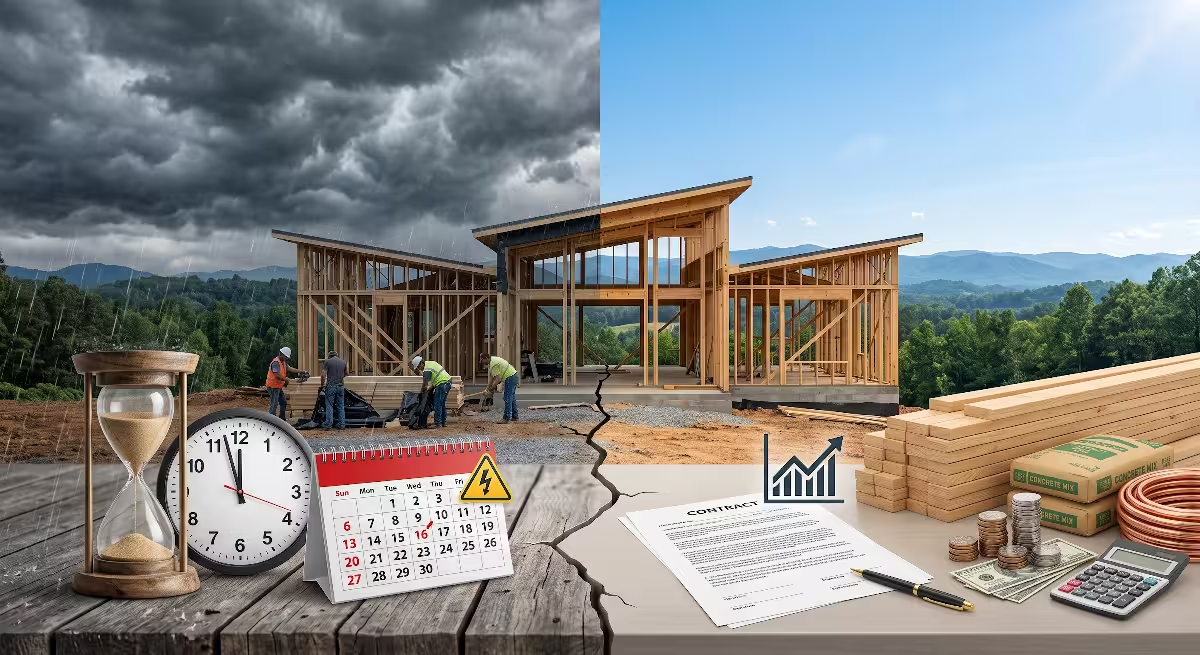
A successful build stays on budget and on a set timeline. Understanding the costs involved is the first step toward financial control.
A. Average Cost Per Square Foot
While every custom home is different, establishing a baseline is essential. For a quality modern farmhouse in our area, you should realistically budget for a range of $150 to $250+ per square foot.
- General Range Breakdown:
- $150/sq. ft. might get you a more standard build with builder-grade finishes.
- $200/sq. ft. is a common target for a nicely appointed custom home with some upgraded finishes.
- $250+/sq. ft. enters the luxury category with high-end finishes, extensive customization, and premium materials.
- Breakdown by City (Estimates): These figures can fluctuate slightly based on local permit fees and land costs.
- Johnson City: ~$160 – $240/sq. ft.
- Kingsport: ~$155 – $235/sq. ft.
- Bristol: ~$150 – $230/sq. ft.
B. Key Factors Influencing Cost
That per-square-foot price is a composite of many things:
- Land and Site Preparation: The cost of the lot itself, plus clearing trees, grading the land, and bringing in utilities can be a significant upfront expense.
- Material Costs: Lumber, roofing, windows, and other material prices fluctuate with market demand.
- Level of Finishes: This is a major variable. Quartz countertops cost more than laminate; hardwood floors cost more than LVP; custom cabinetry costs more than stock options.
- Permitting and Fees: Each municipality has its own schedule of fees for permits, inspections, and utility connections.
C. Securing Financing
Unless you are paying with cash, you will need a construction loan. This is different from a standard mortgage. It’s a short-term loan that pays your builder in draws as construction milestones are met. Many local banks and credit unions in the Tri-Cities offer excellent construction-to-permanent loan products.
Location, Location, Location: Where to Build in the Tri-Cities

The setting for your modern farmhouse is as important as the home itself. You’re not just choosing a lot; you’re choosing a lifestyle.
A. Up-and-Coming Neighborhoods and Developments
- Johnson City: This area is seeing significant growth. Established luxury communities like The Ridges offer premier golf course living. For new builds, the Boones Creek and Gray areas are highly desirable for their excellent schools and scenic, rolling landscapes with available tracts of land.
- Kingsport: Look toward developments like Allandale, which offer a mix of established homes and new construction opportunities. The areas expanding out from West Stone Drive provide convenient access to amenities while offering space for new builds.
- Bristol: Beyond the immediate energy of the Bristol Motor Speedway, you can find wonderful neighborhoods with lots available for infill construction. The Tennessee side offers beautiful land with views of the Holston Mountains.
B. Finding the Perfect Lot
When evaluating a piece of land, it is advised to go beyond the view and consider other aspects as well such as:
- Key Considerations: Verify the zoning to ensure it allows for residential construction. Investigate the cost and feasibility of bringing in utilities (water, sewer or septic, electricity, internet). Pay close attention to the topography—a steeply sloped lot may offer great views but will significantly increase your foundation and site prep costs.
- Resources: The best way to find land is to partner with a local real estate agent who specializes in land sales. They have access to listings you won’t find on public sites and can help you navigate the unique challenges of a land purchase.
The Building Process: From Blueprint to Reality
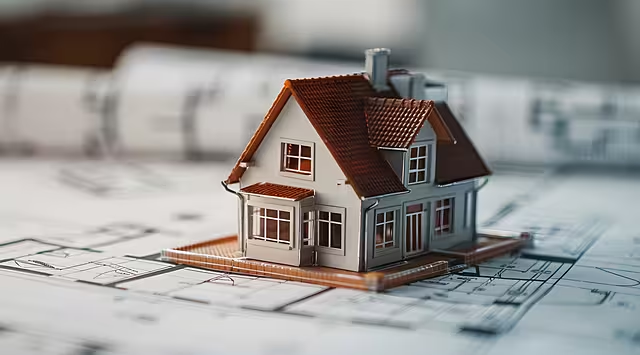
Understanding the road ahead can make the entire construction journey less stressful and more enjoyable. Some of the steps include:
A. The Design Phase
This is where your dream takes shape on paper. You will work closely with your builder and their designer or an architect to finalize your floor plan. You’ll discuss how you live, what you need in each room, and how the home should be positioned on the lot. This phase concludes with a full set of blueprints.
B. Permitting and Regulations
This is a critical, non-negotiable step. Your builder will submit your blueprints to the local codes department—whether in Johnson City, Kingsport, or Bristol—to obtain a building permit. This process ensures your home is designed to meet all safety and building codes. Be aware that each city has its own specific requirements and inspection schedules, and a good local builder will be an expert at navigating this process for you.
C. Construction Timeline
Once the permit is issued, the physical work begins. The process generally follows these key phases:
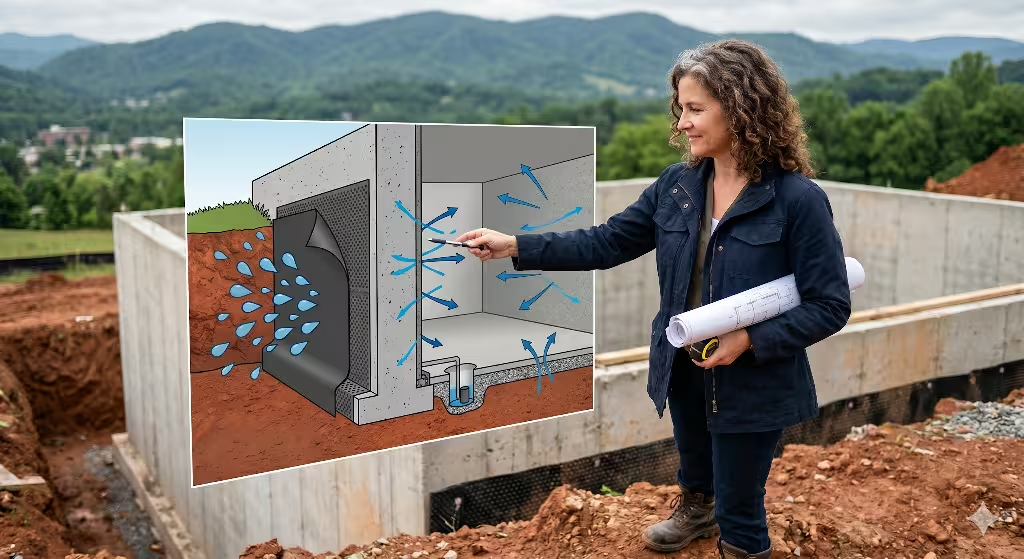
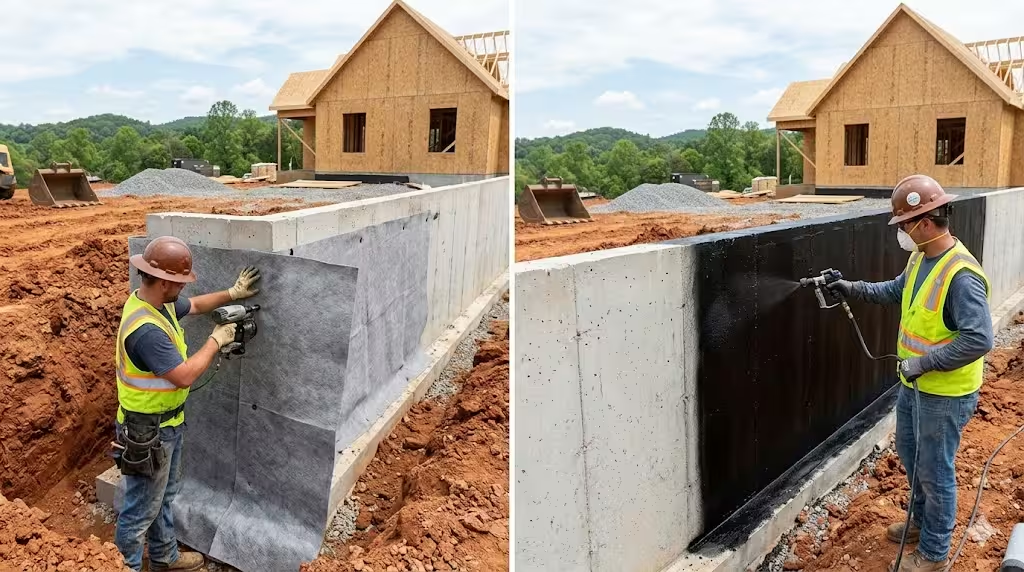
- Site Prep & Foundation: The land is cleared, graded, and the footers and foundation are poured.
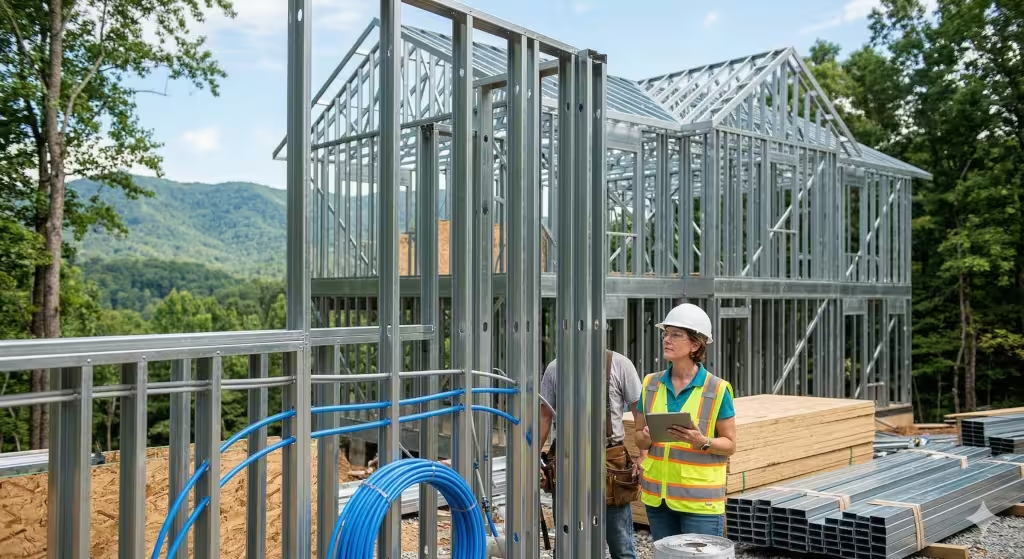
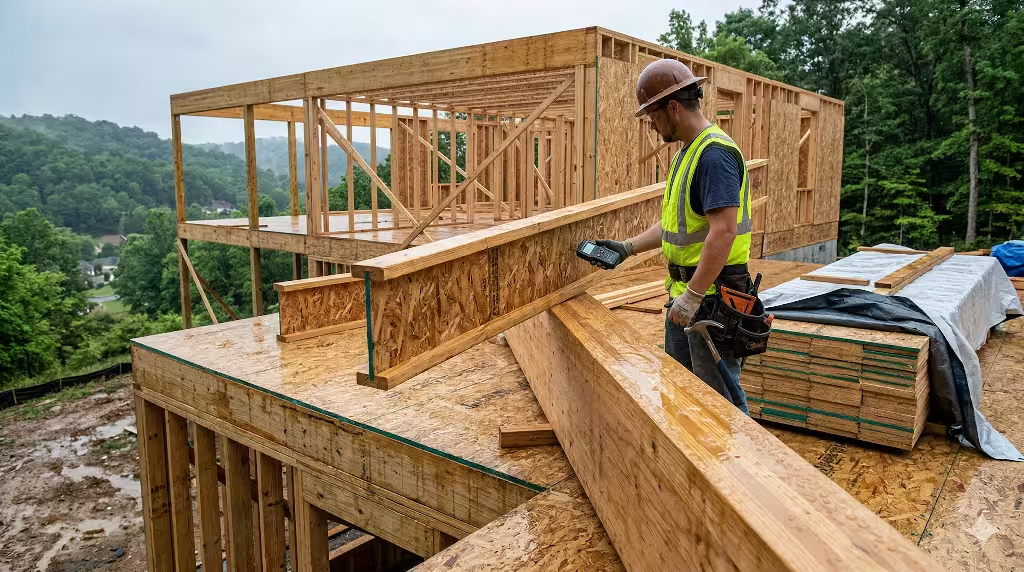
- Framing: The skeleton of the house goes up. This is when you’ll see your floor plan come to life in three dimensions.
- Rough-ins: Plumbers, electricians, and HVAC technicians run all the pipes, wires, and ductwork through the walls.
- Exterior Finishes: Windows, siding, and roofing are installed.
- Insulation & Drywall: The home is insulated, and drywall is hung, taped, and finished, creating the actual rooms.
- Interior Finishes: This is the longest phase. Flooring, cabinets, countertops, trim, paint, and fixtures are all installed.
- Finals: The final inspections are completed, landscaping is done, and the builder performs a final walkthrough with you to identify any items needing correction (a “punch list”).
Your Modern Farmhouse Questions Answered

A. What is the difference between a modern farmhouse and a traditional farmhouse?
The primary difference is in the editing. A traditional farmhouse might have smaller, distinct rooms and more ornate details. A modern farmhouse takes the core elements—like the gabled roof and porch—but applies them with a minimalist philosophy. It emphasizes clean lines, open-concept interiors, and a more neutral color palette to create a feeling that is both rustic and refreshingly contemporary.
B. How can I make my modern farmhouse unique?
Personalization is key. Move beyond the generic catalog look by focusing on custom details. This could be through unique lighting fixture selections, a bold tile choice for your laundry room floor, custom built-in bookcases around the fireplace, or choosing a unique color for your kitchen island or front door. It’s these thoughtful choices that infuse your personality into the home.
C. Are modern farmhouses a good investment in the Tri-Cities?
Absolutely. From a market perspective, the modern farmhouse style has demonstrated incredible staying power. Its timeless aesthetic appeals to a very broad range of buyers. In the Tri-Cities market, a well-built modern farmhouse is in high demand and tends to have strong resale value. It’s a wise choice from both a lifestyle and a financial standpoint.
D. How long does it typically take to build a modern farmhouse in this area?
For a custom home, a realistic timeline from breaking ground to moving in is 9 to 12 months. This can be influenced by the complexity of your design, weather delays (especially during the winter months), and the builder’s schedule.
Conclusion: Your Tri-Cities Modern Farmhouse Awaits
We’ve covered a lot of ground, from the broad strokes of exterior design to the fine details of your budget. The modern farmhouse is more than an architectural style; it’s a conscious choice to embrace a lifestyle of comfort, simplicity, and modern convenience. It’s a style that honors the heritage of East Tennessee while looking confidently toward the future. Building a home is a significant undertaking, but it is also one of the most rewarding experiences you can have.
My final piece of advice, based on years of managing these projects, is this: do your homework, choose your builder wisely, and trust the process. Building your dream home should be an exciting journey. With the right plan and the right partners, that vision of you on your porch, watching the sun rise over the mountains, is closer than you think. Your Tri-Cities modern farmhouse awaits.