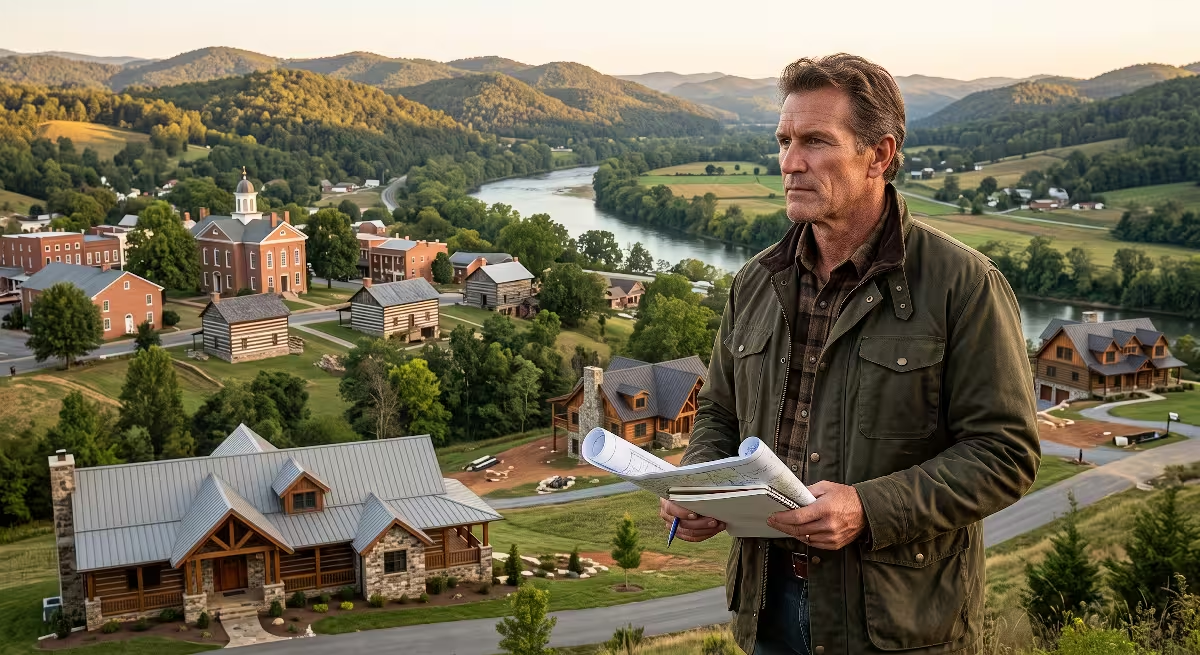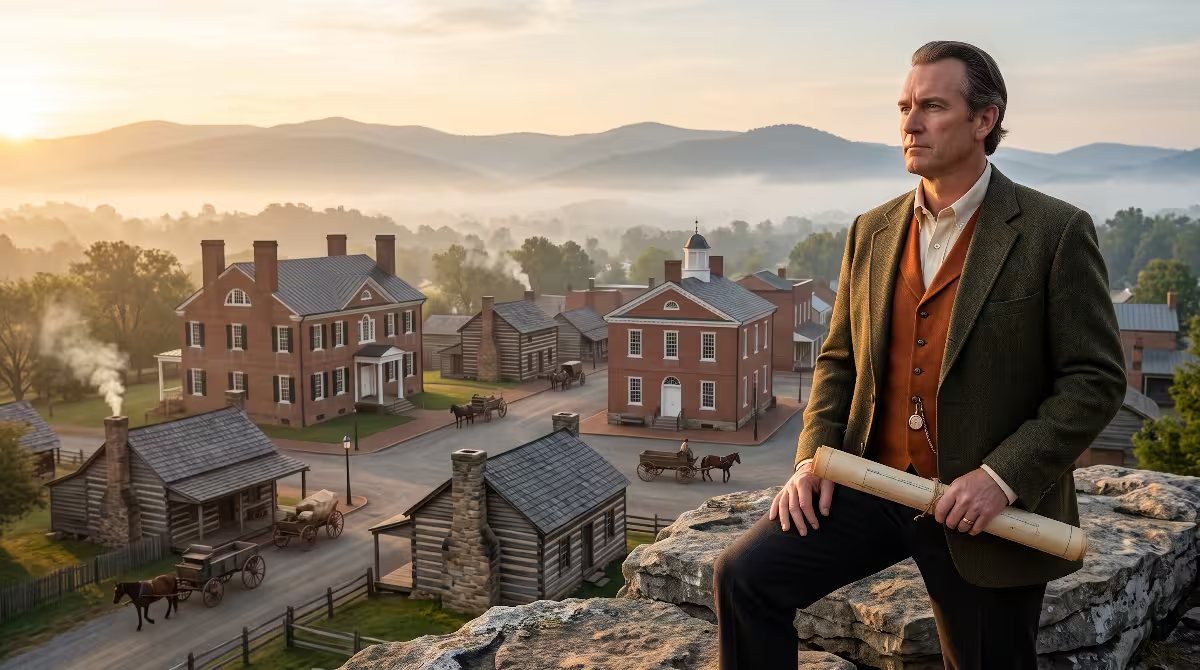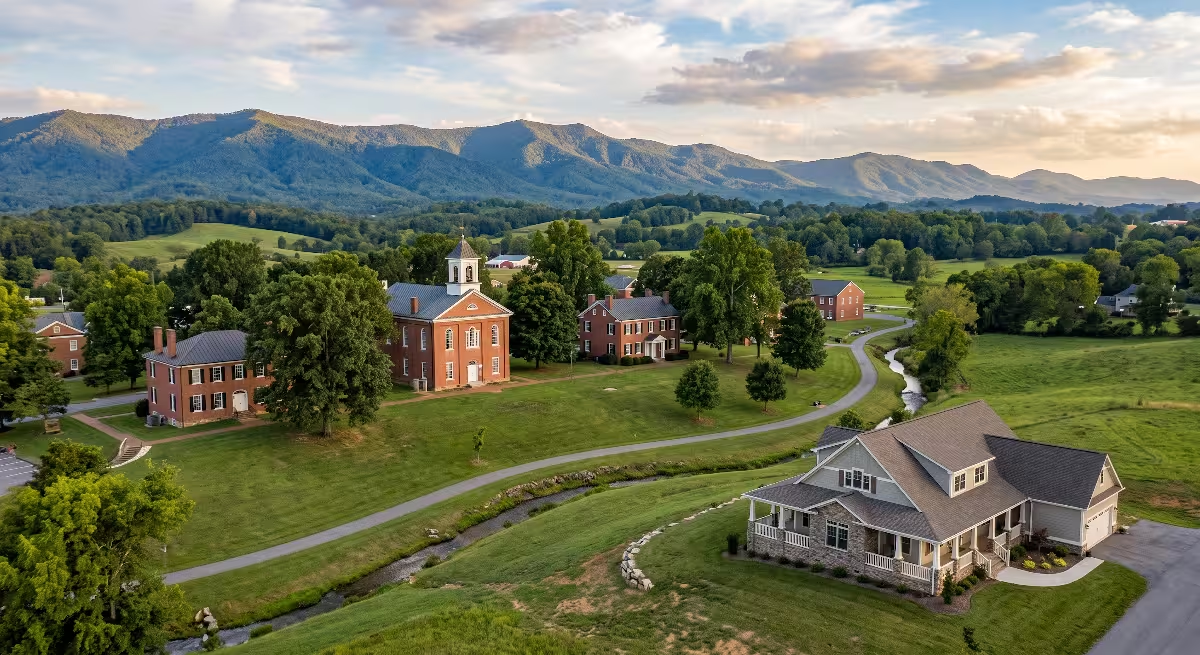


Ah, the feeling of home in Northeast Tennessee. It’s more than just mountains and music, isn’t it? It’s that deep sigh of contentment when you find your place, that spot where life just seems to click. But have you felt that little tug recently, that whisper of change in the air?
As our beloved Tri-Cities region pulses with new energy, a fundamental question echoes through our valleys and vibrant downtown streets: Where are we choosing to build our lives now, and more profoundly, what is driving that choice? Are the magnetic lights of revitalized urban centers pulling us closer, offering connection and convenience? Or does the enduring dream of suburban space – a yard, quiet streets, room to breathe – still capture our hearts most strongly?
This isn’t just idle wondering; it’s a shift with real consequences for our communities and our investments. Therefore, this analysis delves directly into these contrasting currents, examining the current real estate market trends within our distinct urban cores – think the dynamic downtowns of Johnson City, Kingsport, and Bristol – versus the sought-after suburban neighborhoods that surround them, places like Boones Creek, Colonial Heights, and beyond.
Professionally, our aim is to provide clarity. We will explore the key data points, unpack the multifaceted factors influencing demand – from economic shifts to evolving lifestyle desires – and present crucial considerations for potential buyers, sellers, and anyone invested in the Tri-Cities’ future.
Because understanding these trends isn’t merely academic, wouldn’t you agree? Whether you’re picturing morning coffee on a downtown balcony or evening fireflies in an open backyard, grasping these dynamics is vital. It empowers you to make informed decisions that align with your vision of home right here in Northeast Tennessee. Let’s explore this shifting landscape together.
Defining the Divide: What Constitutes “Urban” and “Suburban” in the Tri-Cities?
Before we analyze trends, we need a shared understanding. What do we mean by “urban” and “suburban” here in Northeast Tennessee? The lines can sometimes feel blurred compared to sprawling metropolises, wouldn’t you agree? Yet, distinct characteristics define each.
Urban Characteristics: The Pull of the Core
Technically speaking, our urban areas are characterized by higher population density, a greater prevalence of mixed-use zoning (think apartments or condos above shops and restaurants), and enhanced walkability. We’re primarily talking about the revitalized downtown districts of Johnson City, Kingsport, and Bristol. Think about the energy near Founders Park or the Tweetsie Trail access in Johnson City, the historic State Street vibe in Bristol connecting two states, or the growing activity around the Kingsport Town Center.
These areas often attract residents seeking proximity to amenities – restaurants, craft breweries, performance venues like the Paramount Center for the Arts, farmers’ markets, and, particularly in Johnson City, major institutions like East Tennessee State University (ETSU) and the Johnson City Medical Center. The housing stock leans towards condos, lofts, townhomes, and historic single-family homes on smaller lots, often within designated historic districts like Johnson City’s Tree Streets.
Suburban Characteristics: The Appeal of Space and Structure
Conversely, the suburban landscape offers lower density living. Single-family homes on more generous lots dominate, often organized into subdivisions with distinct neighborhood feels. Areas like Boones Creek or the Gray community between Johnson City and Kingsport, Piney Flats bridging Bristol and Johnson City, Colonial Heights in Kingsport, or established neighborhoods further out like Holston Hills in Bristol exemplify this.
Life here often necessitates more driving for daily errands and commutes, but the trade-off typically involves more square footage for the price, larger yards, and often, a strong focus on specific public school districts – a major draw for many families considering zones for schools like Science Hill, Dobyns-Bennett, or Tennessee High. Amenities might include community parks, larger retail centers like The Pinnacle in Bristol (a significant regional entity), and easier access to major highways for regional travel.
Reflect for a moment – when you picture your ideal setting, how heavily do you weigh the vibrant pulse and convenience of an urban environment against the potential quiet, space, and established structure of the suburbs right here in our region? There’s no single right answer, only what resonates with your needs.
Unpacking the Trends: A Comparative Market Analysis
Now, let’s look at what the market data suggests as of early 2025. Where is the momentum? It’s crucial to analyze these trends not just in isolation, but comparatively. (While specific numbers fluctuate, we rely on aggregated data typically sourced from organizations like the Northeast Tennessee Association of Realtors – NETAR for these insights).
Urban Real Estate Dynamics:
- Demand Drivers: We’re observing continued interest from young professionals drawn to amenities and shorter commutes (especially those affiliated with ETSU or Ballad Health), students seeking proximity to campus, and empty nesters downsizing from larger suburban homes but still desiring an active lifestyle. Is the “lock-and-leave” convenience of a downtown condo becoming more appealing?
- Price Analysis: Technically, inner city properties, particularly updated condos or lofts in prime downtown locations, often exhibit a higher price per square foot compared to suburban counterparts. However, the overall median sales price might be lower due to smaller average property sizes. Year-over-year appreciation in these core areas has often been robust, reflecting revitalization efforts.
- Inventory Levels: Inventory in desirable urban zones, especially for modern condos or renovated historic homes, can be tight. Are we seeing enough new development to meet this focused demand, or does scarcity drive prices further?
- Growth Indicators: Keep an eye on new mixed-use construction projects, conversions of older buildings into residential units, and public/private investments in downtown infrastructure and beautification – these signal continued confidence in the urban core’s appeal.
Suburban Real Estate Dynamics:
- Demand Drivers: Families prioritizing specific school districts remain a powerful force. Additionally, the persistence of remote and hybrid work models since the early 2020s seems to sustain demand for larger homes with dedicated office space. Buyers seeking newer construction or more land often gravitate towards suburban or even outer areas.
- Price Analysis: While often lower on a price-per-square-foot basis than prime urban spots, the larger average size of suburban homes usually results in a higher overall median sales price. Tracking appreciation here requires looking at specific popular subdivisions and comparing new construction premiums versus resale values.
- Inventory Levels: Suburbs typically offer a greater volume of single-family homes. However, high demand, particularly for properties under certain price points or in highly-rated school zones, can still lead to competitive bidding situations. New construction activity is a key variable here – is it keeping pace?
- Growth Indicators: Look for the expansion of existing subdivisions, proposals for new planned communities, and the development of supporting suburban retail and services as indicators of ongoing suburban strength.
Comparative Snapshot & The Overall Tri-Cities TN Housing Market
Comparing metrics like Days on Market (DOM) often shows well-priced properties in both segments moving quickly, though intense demand might slightly shorten DOM in specific high-demand suburban school zones or unique urban properties. List-to-sale price ratios hovering near or sometimes exceeding 100% in recent years indicate a competitive market in both spheres.
Absorption rates – the pace at which available homes are sold – provide a technical measure of market heat. Analyzing these rates for urban versus suburban segments helps us understand where inventory is moving fastest. Does one segment consistently outperform the other, or does it vary by price point and specific location? These comparisons paint a picture of the overall Tri-Cities TN housing market – one characterized by persistent demand across both living styles, though the nuances differ.
The “Why”: Factors Shaping the Urban vs. Suburban Choice
Trends don’t happen in a vacuum. What underlying forces are nudging buyers towards either the city center or the suburban fringe here in Northeast Tennessee? Understanding these drivers is key to anticipating future shifts.
Economic Engines and Financial Realities:
- Job Market Influence: The stability and growth tied to major regional employers like Ballad Health (healthcare), Eastman Chemical Company (manufacturing in Kingsport), and ETSU (education and research) are fundamental. Where these entities expand or hire often creates localized housing demand – does a new facility pull people towards Johnson City’s urban core or Kingsport’s suburbs?
- Cost of Living & Affordability: This is a critical point, often raised in “People Also Ask” queries like, “What is the cost of living in Tri-Cities TN?“. While generally more affordable than major US metros, how does housing cost – whether mortgage or rent – impact budgets here? Is the slightly lower overall cost of living influencing in-migration, and are newcomers bringing different housing preferences? Furthermore, is affordable housing Tri-Cities TN becoming a more pressing issue across both urban and suburban areas as prices rise?
- Mortgage Rate Sensitivity: Like elsewhere, fluctuating mortgage rates significantly impact purchasing power. Do higher rates push buyers towards smaller, potentially more urban properties, or do they delay purchases altogether, impacting both market segments?
Demographic Currents and Lifestyle Preferences:
- Population Dynamics & Growth: Answering “Is Johnson City TN real estate booming?” requires looking at population growth and migration patterns for the entire region. Are we attracting new residents from outside the area? If so, what types of housing are they seeking? Are demographic shifts, like an aging population or growth in younger cohorts, influencing demand for specific housing types (e.g., single-level living vs. downtown apartments)?
- The Remote Work Effect: Has the normalization of remote work fundamentally altered the equation? Does the decreased importance of a daily commute make larger, more distant suburban homes more appealing? Or conversely, does it free up location-independent workers to choose the city vibrancy over suburban necessity? How is this playing out specifically here?
- Generational Values & The “Tennessee Lifestyle”: Different generations often prioritize different things – walkability and nightlife for some, schools and yard space for others. How do these preferences map onto our urban/suburban options? And let’s consider the suburban vs. urban living pros and cons in Tennessee (another common query). Here, commutes are generally less taxing than in larger states, and access to outdoor recreation (hiking, lakes) is superb from almost anywhere. How does this unique regional flavor influence the trade-offs?
Infrastructure, Development, and Policy:
- Transportation Networks: Ongoing projects, like improvements along the I-26 corridor, directly impact commute times and can increase the attractiveness of previously less accessible suburban areas. Is infrastructure development keeping pace with growth?
- Schools as a Deciding Factor: The reputation and performance of public school districts remain a primary driver for suburban home selection for families. School zoning decisions can instantly impact property desirability.
- Commercial & Retail Gravity: Major developments like The Pinnacle draw shoppers and diners, adding to the appeal of nearby suburban areas in Bristol and Johnson City. Simultaneously, successful downtown revitalization efforts, bringing unique shops, restaurants, and cultural venues, enhance the allure of inner city living. Where is the next wave of development focused?
Future Gazing: What’s Next for Tri-Cities Real Estate?
Crystal balls are notoriously unreliable, especially in real estate. However, by analyzing current trends and influencing factors, can we make some educated projections about the path forward for urban and suburban markets in the Tri-Cities?
Projected Trends and Potential Shifts:
- Continued Demand: Given the region’s relative affordability, quality of life, and stable employment anchors, it seems plausible that overall housing demand will remain fairly strong into the near future (mid-2025 onwards). But will the balance shift?
- Urban Momentum vs. Suburban Stability: Will the revitalization and density push continue to draw residents downtown, potentially accelerating urban price growth? Or will the persistent demand for space and schools ensure the suburbs remain the dominant market segment by volume?
- Potential Headwinds/Tailwinds: National economic factors (interest rates, inflation, recession fears) will undoubtedly play a role. Locally, continued success in attracting new businesses could be a tailwind, while constraints on new construction (labor shortages, material costs) could act as a headwind, particularly impacting suburban inventory growth. How resilient is our local market to these broader forces?
Opportunities and Challenges:
- For Buyers: Opportunities might lie in identifying specific inner city neighborhoods poised for further revitalization or exploring suburban areas slightly further out that may offer better value. The challenge remains affordability and competition, especially at entry-level price points.
- For Sellers: High demand generally favors sellers, but accurately pricing and marketing based on whether the property appeals to urban-centric or suburban-focused buyers is crucial. Understanding the specific buyer profile for your property type is key.
- Broader Community Issues: Addressing the need for more affordable housing Tri-Cities TN is a significant challenge impacting workforce availability and overall community health. Managing infrastructure strain (roads, utilities, schools) associated with growth in both dense urban pockets and expanding suburban areas requires proactive planning from local governments (Entities like Johnson City, Kingsport, Bristol Planning Departments).
Key Considerations for Your Decision (Instructional Focus):
Thinking about making a move? Asking the right questions is paramount. Consider these, specifically for our region:
- How important is walkability versus square footage to me?
- What does my commute realistically look like from the areas I’m considering, today and potentially in 5 years?
- How do school district ratings align with my current or future family needs?
- What premium am I willing to pay for specific amenities (downtown access vs. large yard)?
- How might future development impact the neighborhood I choose?
Conclusion: Finding Your Place in the Tri-Cities
So, we’ve journeyed through the definitions, data, driving forces, and future possibilities shaping the urban versus suburban real estate narrative here in Northeast Tennessee. What becomes clear is that both segments possess unique strengths and are responding to distinct, yet sometimes overlapping, demands. We see revitalization drawing people towards the convenience and energy of our downtown cores, while the enduring appeal of space, specific schools, and neighborhood structure continues to fuel the suburban market.
The Tri-Cities TN housing market is not monolithic; it’s a dynamic interplay between these forces, influenced by our regional economy, demographic shifts, and evolving lifestyle preferences – all set against the backdrop of these beautiful Appalachian Mountains.
Ultimately, the decision of where to plant roots is deeply personal, isn’t it? The “best” choice isn’t dictated solely by market trends or statistics, but by how well a location aligns with your individual needs, your stage of life, and your personal definition of “home.” Hopefully, this exploration provides a clearer framework for your own reflection as you consider your place within the vibrant, evolving tapestry of the Tri-Cities.