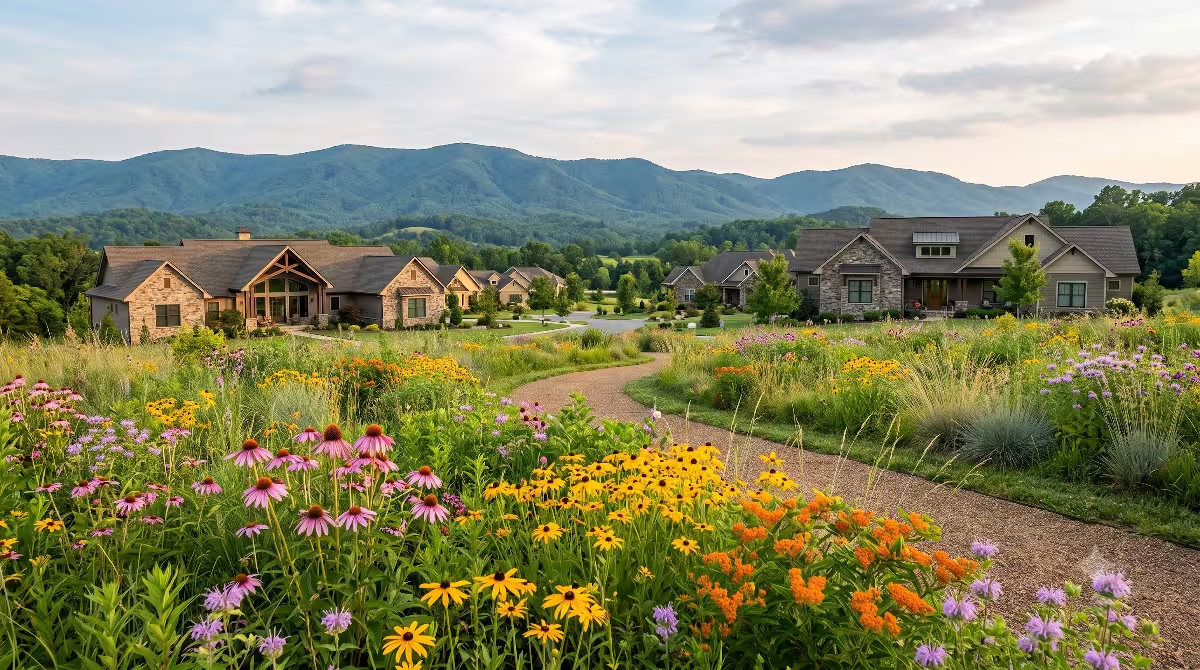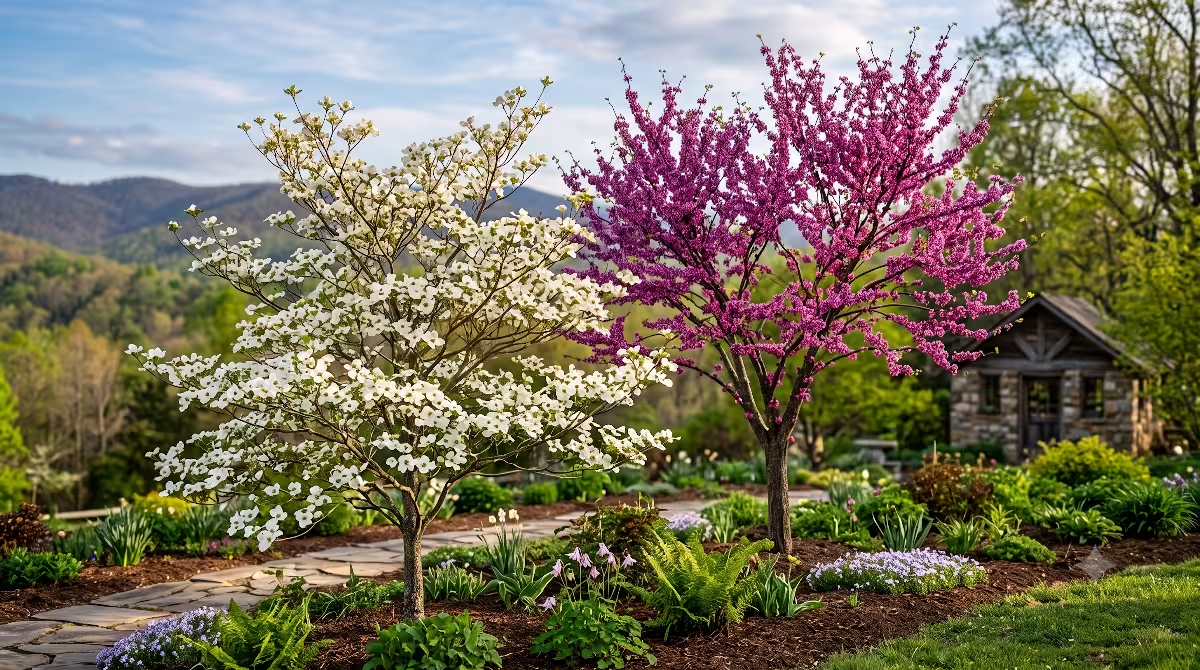


In this guide, we will share how you can use edible appalachian flora to build a productive, beautiful kitchen garden right outside your door. Find what native plants you can use for both you and pollinators.
Executive Summary and Biophilic Foundation
Biophilic design is the practice of connecting human beings with natural systems inside built environments. World famous researcher Stephen Kellert built a helpful framework for this concept. Two key parts of his work include using direct natural features and mimicking natural shapes and forms. When we build a kitchen garden using edible appalachian flora, we put these ideas into practice. Placing edible appalachian flora close to your cooking space gives you immediate access to fresh food, seasonal scents, and beautiful outdoor views.
Our region in Eastern Tennessee sits primarily in USDA Hardiness Zones 6b and 7b. The land here forms part of the Ridge and Valley geographic province. Our soil contains rich limestone deposits mixed with thick clay. These mountain conditions create distinct microclimates across different yards. Slope, shade, and moisture vary from house to house. Choosing edible appalachian flora allows homeowners to work with these native conditions instead of fighting them. Native plants have spent thousands of years adapting to local weather, native insects, and seasonal rainfall.
This guide is written for homeowners, garden builders, and property owners across the Tri-Cities region. Whether you live in Johnson City, Kingsport, or Bristol, installing edible appalachian flora helps you create a low maintenance garden. Native plants require fewer chemical inputs, lower water usage, and less overall labor than standard exotic vegetables. By understanding how edible appalachian flora grows in natural forests, you can build a kitchen garden that looks stunning and produces nutritious food for years.
Ecological and Botanical Selection Matrix (Strata-Based)
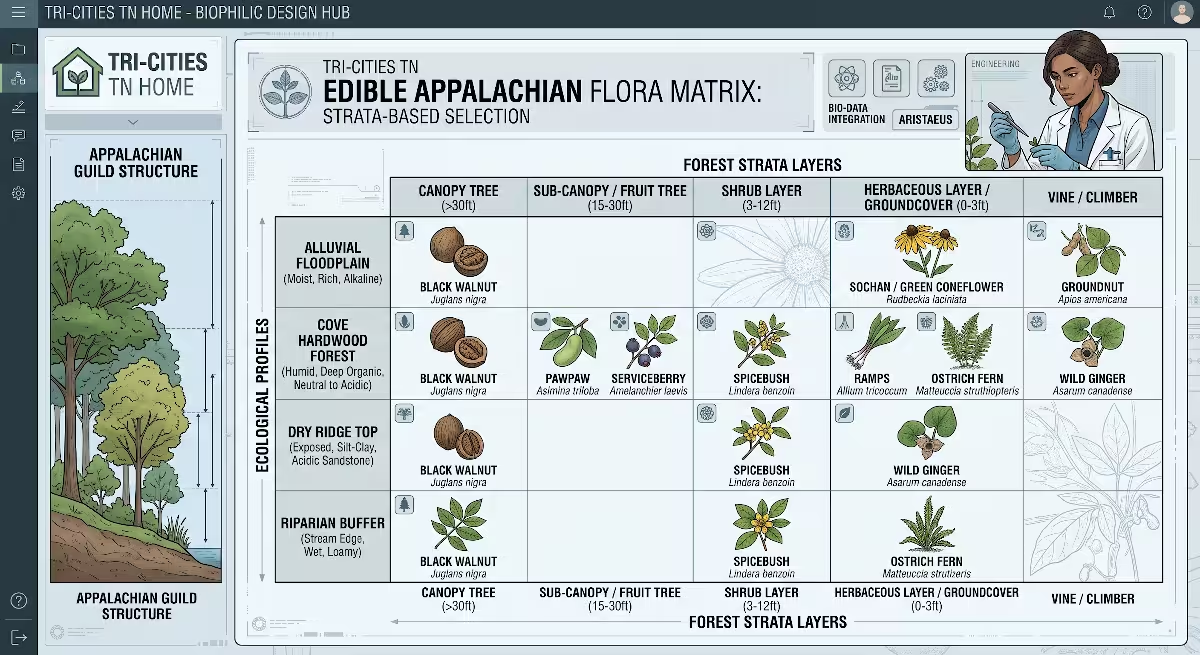
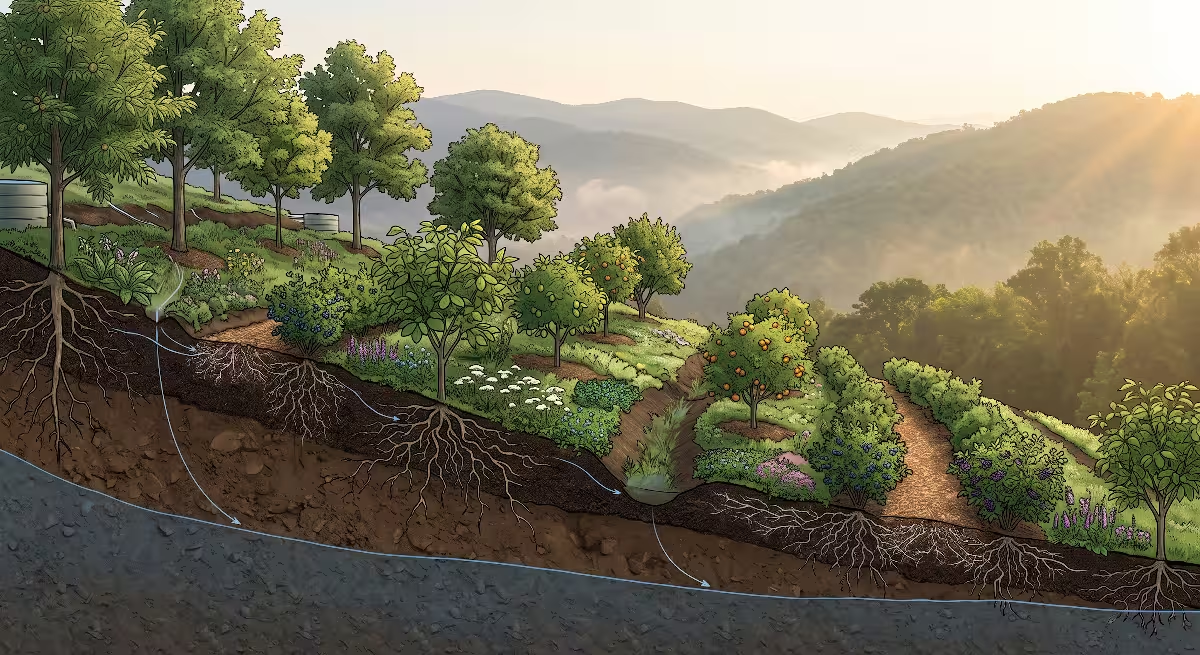
A successful native kitchen garden uses vertical layers, or strata, just like a natural mountain forest. By planting trees, shrubs, and low growing herbs together, you make full use of light, space, and soil nutrients. Here is a breakdown of top performing edible appalachian flora organized by plant layer.
Sub-Canopy Layer
Sub-canopy trees form the upper layer of your kitchen garden layout. They offer partial shade, structural beauty, and substantial harvests.
Pawpaw (Asimina triloba)
The Pawpaw is the largest native tree fruit in North America. It grows best in partial shade to full sun and demands moist, rich soil. Pawpaw trees feature broad tropical leaves that give your landscape a lush look. In late summer, they yield green fruits with a rich custard texture. The taste resembles a blend of banana, mango, and vanilla. Planting edible appalachian flora like the pawpaw requires at least two distinct trees to ensure cross pollination. The fruit of this tree is sometimes called a posey and it is host plant for the zebra swallowtail (Eurytides marcellus).
+-------------------------------------------------------+
|                 PAWPAW GROWING PROFILE                |
+-------------------------------------------------------+
|  Light Needs: Full Sun to Partial Shade               |
|  Soil Type: Deep, moist, well-draining alluvial soil  |
|  Height: 15 to 25 feet                                |
|  Harvest Window: Late August through September        |
|  Pollination: Needs 2 non-identical trees             |
+-------------------------------------------------------+
Serviceberry (Amelanchier arborea and Amelanchier laevis)
Also known as Juneberry or Shadbush, the serviceberry is an outstanding choice among edible appalachian flora. This small tree produces delicate white blossoms in early spring. By early summer, it yields sweet purple berries that taste similar to blueberry mixed with almond. Serviceberries grow exceptionally well in full sun or light shade and tolerate varying soil conditions common to Eastern Tennessee.
Shrub Layer
The middle layer of your garden consists of woody shrubs. These plants fill vertical space, act as windbreaks, and produce berries or spices.
Spicebush (Lindera benzoin)
Spicebush is a premier selection when planning edible appalachian flora for culinary use. This understory shrub grows six to twelve feet tall. Its leaves, twigs, and dark red berries contain rich aromatic oils. You can dry and grind the autumn berries as a local substitute for allspice. Young spring leaves can be brewed into tea. Spicebush is also the primary host plant for the Spicebush Swallowtail butterfly, adding high ecological value to your home layout.
Prickly Gooseberry (Ribes cynosbati)
Prickly gooseberry thrives in shaded or dappled understory conditions where other fruiting shrubs struggle. This small shrub reaches three feet in height and yields tart berries in mid-summer. The berries work well in preserves, pies, and sauces. Integrating prickly gooseberry into shaded corners allows you to expand the productive footprint of your edible appalachian flora collection.
Herbaceous and Rhizomatic Layer
The ground layer contains fast growing perennial herbs, leafy greens, and root crops that settle beneath taller plants.
Ramps (Allium tricoccum)
Ramps, or wild leeks, are among the most famous examples of edible appalachian flora. These spring ephemerals emerge early in the year before forest trees leaf out. Ramps feature broad green leaves and a rich garlic-onion flavor. They require rich leaf mold, cool shade, and steady spring moisture. To keep ramps growing year after year, harvest only one leaf per plant and leave the underground bulb intact.
Ostrich Fern (Matteuccia struthiopteris)
Ostrich ferns provide edible spring fiddleheads that emerge in early April. These tightly coiled green fronds offer a crisp flavor similar to asparagus. Ostrich ferns thrive in damp, shaded garden beds along house foundations or near water outlets. Adding ostrich fern to your list of edible appalachian flora brings elegant visual patterns to moist garden spots.
Scarlet Beebalm (Monarda didyma)
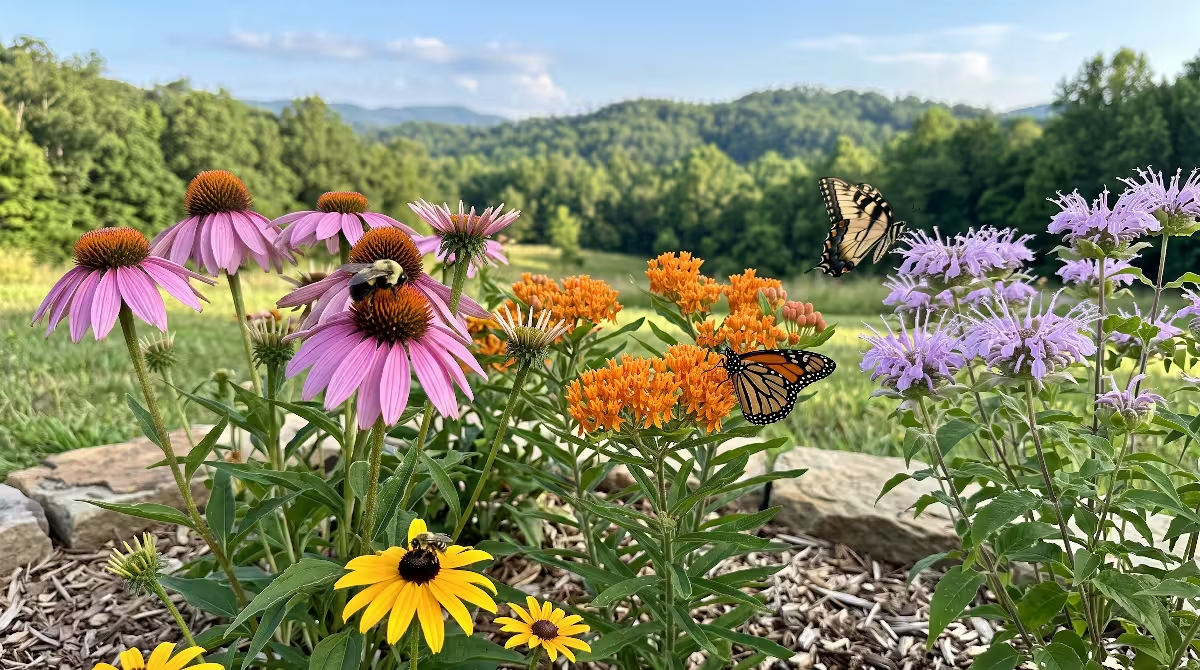
Scarlet beebalm grows three to four feet tall with brilliant red flowers that attract hummingbirds and native bees. The leaves contain natural oils rich in thymol. You can harvest the fresh or dried leaves to make aromatic herbal teas. As a member of the mint family, this edible appalachian flora species spreads reliably and fills empty garden spots.
Groundnut (Apios americana)
Groundnut is a native climbing vine that produces edible tubers under the ground. These tubers contain up to three times the protein content of standard white potatoes. The vine grows up to eight feet tall and bears fragrant brown-purple flowers in summer. Groundnut enriches your soil by fixing nitrogen, making it a supportive companion for other edible appalachian flora.
Sochan (Rudbeckia laciniata)
Sochan, also known as cutleaf coneflower, is a classic perennial green long harvested across the Appalachian region. In early spring, the tender lower leaves provide rich, nutritious greens for cooking. In late summer, the plant rises six feet high and blooms with bright yellow flowers. Sochan is exceptionally tough and flourishes in moist soil across Eastern Tennessee.
| Species | Plant Layer | Light and Soil Requirements | Primary Edible Part | Biophilic Value |
| Pawpaw (Asimina triloba) | Sub-Canopy | Full Sun to Partial Shade; Rich, moist soil | Autumn fruit | Tropical foliage and strong form |
| Serviceberry (Amelanchier laevis) | Sub-Canopy | Full Sun to Partial Shade; Adaptable soil | Summer berries | Early spring blooms and autumn color |
| Spicebush (Lindera benzoin) | Shrub Layer | Partial Shade to Full Shade; Organic soil | Autumn berries and leaves | Fragrant leaves and butterfly host |
| Prickly Gooseberry (Ribes cynosbati) | Shrub Layer | Partial Shade to Full Shade; Well-drained | Summer berries | Compact size for shaded spots |
| Ramps (Allium tricoccum) | Herbaceous | Full Shade; Moist forest leaf mold | Spring leaves | Early spring green growth |
| Ostrich Fern (Matteuccia struthiopteris) | Herbaceous | Partial to Full Shade; Very damp soil | Spring fiddleheads | Feathery texture and structural symmetry |
| Scarlet Beebalm (Monarda didyma) | Herbaceous | Full Sun to Partial Shade; Moist soil | Summer leaves and blooms | Vibrant red blooms and pollinator draw |
| Groundnut (Apios americana) | Vine Layer | Full Sun to Partial Shade; Moist ground | Autumn tubers | Nitrogen fixing vine with blooms |
| Sochan (Rudbeckia laciniata) | Herbaceous | Full Sun to Partial Shade; Damp soil | Spring greens | Tall structural yellow flowers |
Spatial Layout and Permaculture Guild Architecture
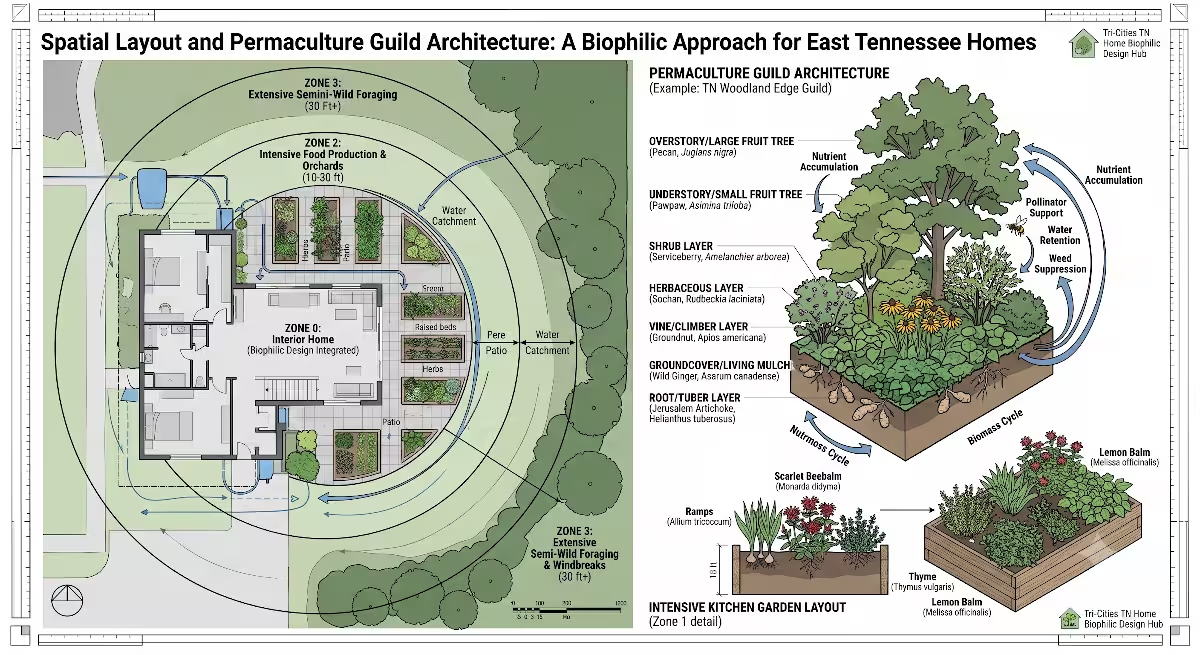
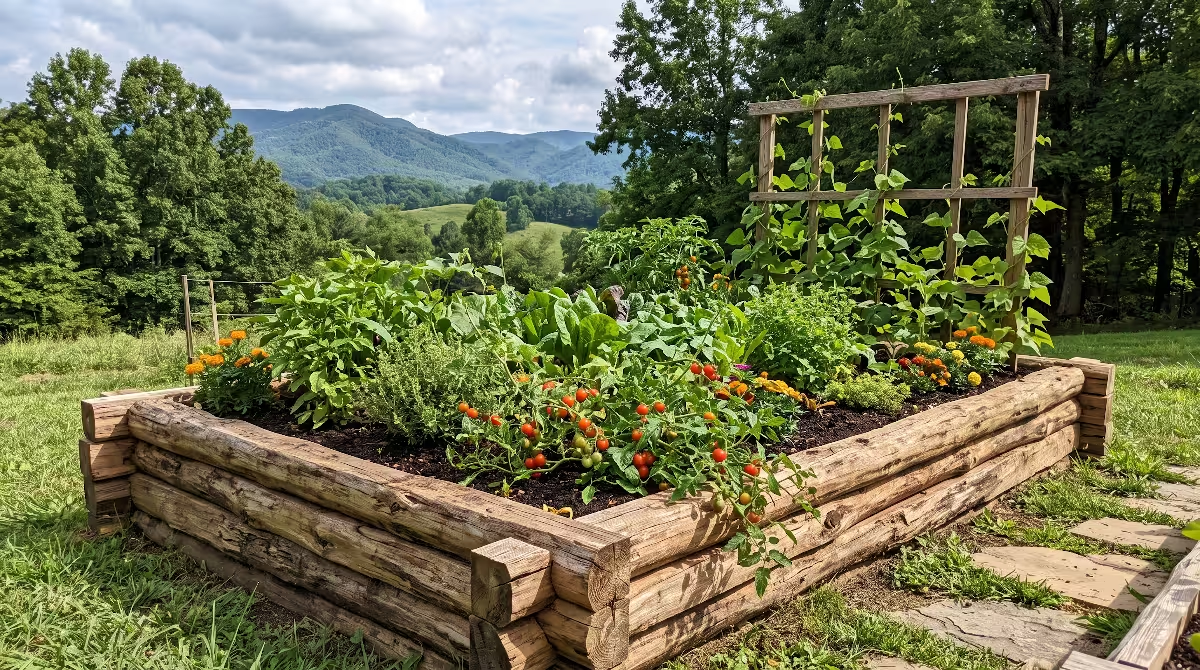
Building a successful native kitchen garden requires placing plants in locations that match their growth habits. Permaculture design uses numbered zones based on how often you visit each area. Zone 1 represents the ground right beside your kitchen door. Placing high frequency culinary species in Zone 1 ensures you can grab fresh greens while cooking.
+-----------------------------------------------------------------+
|                  ZONE 1 KITCHEN GARDEN LAYOUT                   |
|                                                                 |
|   [ Kitchen Egress / Back Door ]                                |
|                 |                                               |
|                 v                                               |
|   +---------------------------------------------------------+   |
|   | Zone 1A: Daily Harvest Herb Edges                       |   |
|   | (Ramps, Scarlet Beebalm, Sochan, Ostrich Fern)          |   |
|   +---------------------------------------------------------+   |
|                 |                                               |
|                 v                                               |
|   +---------------------------------------------------------+   |
|   | Zone 1B: Understory Spice and Berry Layer               |   |
|   | (Spicebush, Prickly Gooseberry, Groundnut on Trellis)   |   |
|   +---------------------------------------------------------+   |
|                 |                                               |
|                 v                                               |
|   +---------------------------------------------------------+   |
|   | Zone 1C: Sub-Canopy Fruit Anchor                        |   |
|   | (Pawpaw Grove, Serviceberry Trees)                      |   |
|   +---------------------------------------------------------+   |
+-----------------------------------------------------------------+
When arranging edible appalachian flora, place short plants like ramps and sochan along path borders. Position medium shrubs like spicebush behind them. Use tall trees like pawpaws along the northern or eastern side of the garden so they do not block sunlight from shorter crops.
To save space and mimic nature, group your plants into plant communities called guilds. A guild combines species that support each other above and below ground. For instance, you can plant a Pawpaw tree as your central anchor. Underneath the Pawpaw, plant spicebush to catch filtered sunlight. At ground level, add ramps for early spring ground cover, and seed groundnut along a support line. The groundnut adds nitrogen to the soil, the ramps cover the dirt to stop weeds, and the pawpaw provides overhead shelter. Combining edible appalachian flora in guilds keeps plants healthy without needing synthetic fertilizers.
Managing water movement is another critical step in home garden design. Eastern Tennessee experiences heavy summer rainstorms followed by dry spells. You can direct rainfall across your landscape using gentle drainage ditches called swales. Running swales along slope contours slows water down and sinks it deep into the soil. Planting water-loving edible appalachian flora like ostrich fern, sochan, and pawpaw along these swales ensures your garden retains moisture naturally throughout dry summer months.
Common Questions Answered about Edible Appalachian Flora
What edible plants are native to the Appalachian region?
Core edible plants native to the Appalachian region include pawpaws, wild ramps, spicebush, serviceberry, ostrich ferns, groundnut, and sochan. These plants have provided wild harvests across Eastern Tennessee for centuries. Today, homeowners cultivate edible appalachian flora to build sustainable home food systems.
How do you incorporate edible Appalachian flora into a formal kitchen garden design?
You can incorporate native edible plants into a formal kitchen garden by arranging them in clean, geometric beds bordered by natural fieldstone paths. Place tall sub-canopy fruit trees like pawpaw and serviceberry along northern borders. Fill middle rows with tidy shrubs like spicebush, and line pathways with low perennial herbs such as ramps, scarlet beebalm, and sochan greens.
Can wild ramps (Allium tricoccum) be cultivated in a home garden?
Yes, wild ramps can be grown successfully in a home kitchen garden. They require conditions that match hardwood forest soils, including deep shade, high organic leaf mold, and moist soil with a pH between 6.0 and 6.8. Planting nursery propagated ramp bulbs under deciduous trees gives them the ideal spring light and summer shade they need to survive.
What are the best shade-tolerant native edible plants for East Tennessee gardens?
The best shade tolerant native edibles for East Tennessee include ramps, ostrich fern, spicebush, prickly gooseberry, and sochan. These species thrive in lower light conditions found along mountain slopes, under tree canopies, or next to house walls where standard garden vegetables often fail.
Soil Chemistry, Mycorrhizal Inoculation, and Ethical Sourcing
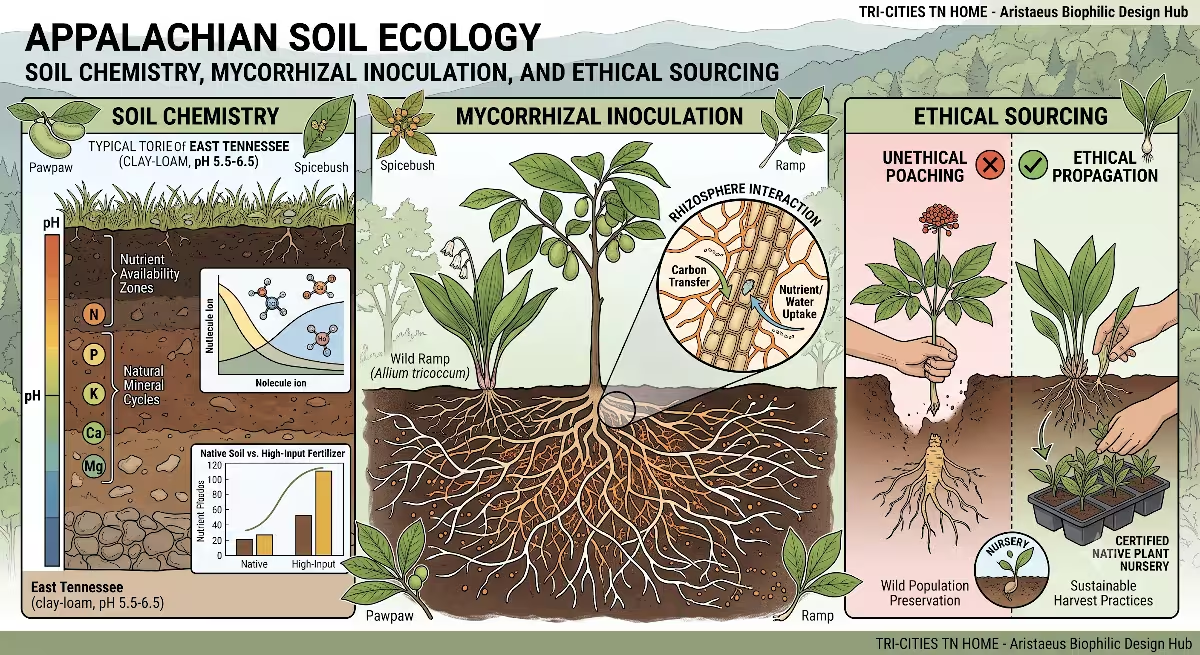
Healthy soil forms the foundation of any productive layout using edible appalachian flora. Mountain soils across Eastern Tennessee vary significantly by location. Many properties feature heavy red clay, while others sit on limestone outcroppings with shallow topsoil. Understanding your soil composition helps you establish edible appalachian flora without unnecessary struggle.
+-------------------------------------------------------+
|              IDEAL SOIL CONDITIONS FOR                |
|               EDIBLE APPALACHIAN FLORA                |
+-------------------------------------------------------+
|  Soil pH Range: 5.8 to 6.8 (Slightly Acidic)          |
|  Organic Matter Content: 5% to 8% Minimum             |
|  Soil Type: Fungal-Dominant Forest Loam               |
|  Mulch Type: Shredded Hardwood or Leaf Mold           |
|  Avoid: High-Nitrogen Synthetic Chemical Fertilizers  |
+-------------------------------------------------------+
Traditional garden vegetables like tomatoes prefer bacterial-dominant soils created by annual tilling and heavy manure. In contrast, perennial edible appalachian flora thrives in fungal-dominant soils that copy a mature forest floor. Fungal networks, known as mycorrhizae, attach to plant roots. These helpful fungi extend far into the earth, delivering water and minerals directly to your plants in exchange for sugars.
To build fungal-dominant soil for edible appalachian flora:
Stop tilling the soil, which breaks delicate fungal threads.
Layer shredded hardwood bark or fallen leaves over your garden beds every autumn.
Avoid synthetic fertilizers, as high salt concentrations harm native soil organisms.
Add forest leaf mold or commercially available mycorrhizal spores to your planting holes.
Soil pH measures how acidic or alkaline your ground is. Most edible appalachian flora prefers a slightly acidic to neutral pH range between 5.8 and 6.8. If your soil contains heavy limestone and tests above 7.0, mix in elemental sulfur or organic composted pine needles. If your soil consists of dense red clay, work in coarse organic compost to open up air spaces and improve root penetration.
Ethical plant sourcing is another vital requirement when building a native garden. Wild populations of ramps and ginseng face severe threats from over-harvesting and habitat loss. Never dig up wild plants from state parks, national forests, or public lands. Always purchase your edible appalachian flora from certified native plant nurseries. Legitimate growers propagate their stock from seeds or root cuttings, protecting wild mountain populations while providing you with strong, disease-free plants for your garden.
Seasonal Harvest and Culinary Biophilia Integration
Using edible appalachian flora in your yard creates a changing harvest cycle throughout the year. Connecting your kitchen prep directly to outdoor weather patterns reinforces biophilic awareness. Here is how the native harvest unfolds across seasons in Eastern Tennessee.
+-----------------------------------------------------------------+
|                     SEASONAL HARVEST HORIZON                    |
+-----------------------------------------------------------------+
|  SPRING   | Ramps, Ostrich Fern Fiddleheads, Sochan Greens      |
|  SUMMER   | Serviceberries, Prickly Gooseberries, Beebalm Tea   |
|  AUTUMN   | Pawpaw Fruits, Spicebush Berries, Groundnut Tubers  |
|  WINTER   | Dried Spicebush Allspice, Stored Native Root Crops  |
+-----------------------------------------------------------------+
Spring Harvest Horizon
Spring brings the first wave of fresh growth to your native garden. In late March and April, young ramps emerge from leaf mold. Harvest only the leaves to keep plants producing year after year. Simultaneously, ostrich fern fiddleheads unfurl along damp garden edges. Pick fiddleheads while they remain tightly coiled under two inches tall, and always cook them before eating. Tender spring leaves of sochan provide nutritious cooked greens rich in minerals throughout April and May.
Summer Harvest Horizon
Early summer brings sweet fruit harvests from sub-canopy species. Serviceberries ripen in June, yielding delicious sweet fruits for fresh eating, baking, or drying. By mid-summer, prickly gooseberries mature along shaded garden borders. Throughout July and August, harvest leaves and bright red flowers from scarlet beebalm to brew hot or iced teas. The fresh flowers also work as colorful garnish on summer salads.
Autumn Harvest Horizon
Autumn produces rich yields across the garden landscape. Pawpaw fruits drop from sub-canopy branches from late August through September. Process the soft yellow fruit pulp into desserts, ice creams, or smoothies. In October, collect ripe berries from spicebush shrubs. Dry the red berries completely, then grind them in a spice mill for winter cooking. Late fall is also the ideal time to harvest groundnut tubers from beneath the soil, saving smaller tubers to replant for next year’s crop.
+-------------------------------------------------------+
|               FIELDSTONE PATHWAY DESIGN               |
+-------------------------------------------------------+
|   [ House Back Egress / Kitchen Door ]                |
|                    |                                  |
|     .---.   .---.  v .---.   .---.                    |
|    (  T  ) (  N  )  (  F  ) (  I  )                   |
|     `---'   `---'    `---'   `---'                    |
|          East Tennessee Fieldstone Steppers           |
|     .---.   .---.    .---.   .---.                    |
|    (  E  ) (  L  )  (  D  ) (  S  )                   |
|     `---'   `---'    `---'   `--- me                  |
|                    |                                  |
|                    v                                  |
|   [ Edible Appalachian Flora Garden Beds ]            |
+-------------------------------------------------------+
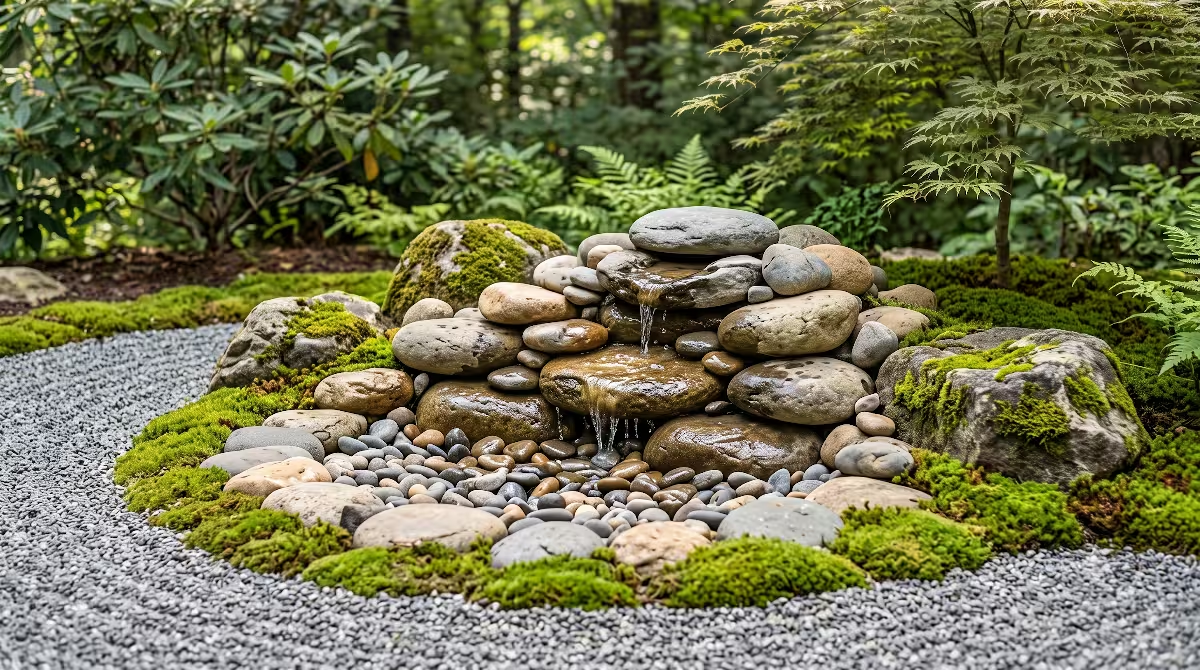
Physical access is essential for enjoying your seasonal harvest. Laying paths made from locally quarried East Tennessee fieldstone allows you to step into the garden during wet spring weather without compacting wet soil. Winding fieldstone paths slow your walk, bringing you into close contact with native foliage, fragrant leaves, and buzzing pollinators.
Technical Conclusion and SEO Key Takeaways
Designing a garden with edible appalachian flora brings lasting ecological benefits to your home property. By swapping out high maintenance exotic plants for native mountain species, you cut down on municipal water use, eliminate synthetic chemical runoff, and restore native biodiversity across Eastern Tennessee. These deep rooted perennial plants stabilize mountain clay soils, store carbon, and supply food for local wildlife.
+-------------------------------------------------------+
|             KEY ECOLOGICAL LANDSCAPE BENEFITS         |
+-------------------------------------------------------+
|  * Reduced Irrigation: Saves water after establishment|
|  * Zero Synthetic Pesticides: Built-in plant hardiness|
|  * Soil Stabilization: Deep native perennial roots    |
|  * Wildlife Support: Native host for local insects    |
|  * High Yields: Fresh organic food beside your home    |
+-------------------------------------------------------+
When building your native food landscape, remember these key technical steps:
Select edible appalachian flora matched to your yard’s specific sun, shade, and soil moisture patterns.
Build vertical permaculture guilds that place ground plants beneath sub-canopy trees.
Focus on fungal-dominant soil health using hardwood mulches and leaf compost instead of tilling.
Source all edible appalachian flora from reputable native plant nurseries to protect wild populations.
Integrating native edible plants into your home layout turns your yard into a living, functional ecosystem. If you are ready to transform your property with custom native landscaping, contact our team at Tri-Cities TN Home today. We are here to help you build beautiful, sustainable spaces that celebrate the natural beauty of Eastern Tennessee.