

Table of Contents for Swallowtail Butterflies and Host Plants in Johnson City, TN
Johnson City, TN is a part of the Tri-Cities area of northeastern Tennessee. The city itself is located in Zone 8, while the outlying areas in Washington County are located in zone 7. In the Johnson City area, there are seven species of Swallowtail butterflies that you can host in your garden.
Location of Johnson City, Tennessee
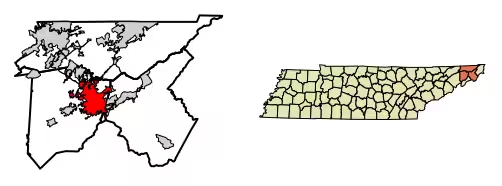
Johnson City, TN is located northeastern Tennessee. It is a part of the larger Tri-Cities area of Tennessee that also includes Bristol and Kingsport.
USDA Plant Hardiness Zones in Johnson City, Tennessee
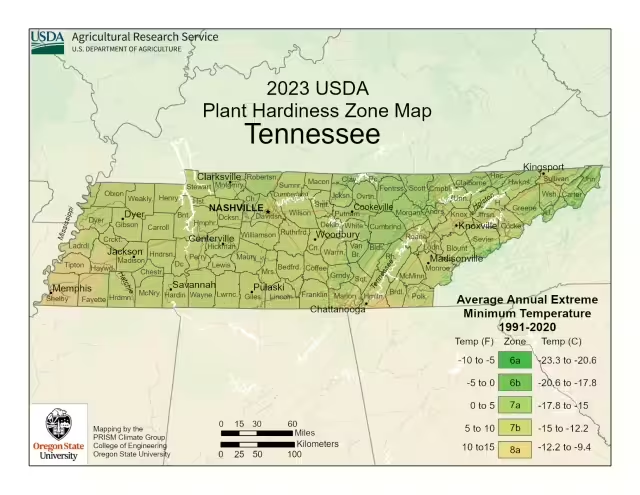
The Johnson City, TN area is located in Zone 7a and 7b. When selecting plants you will want to get those that can handle temperatures as cold as 00F to be sure they will survive.
Pipevine Swallowtail (Battus philenor) and its host plants in Johnson City, Tennessee
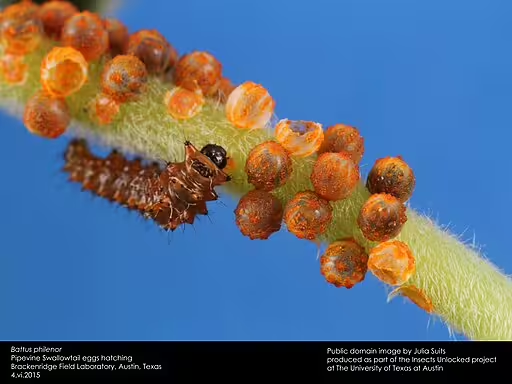
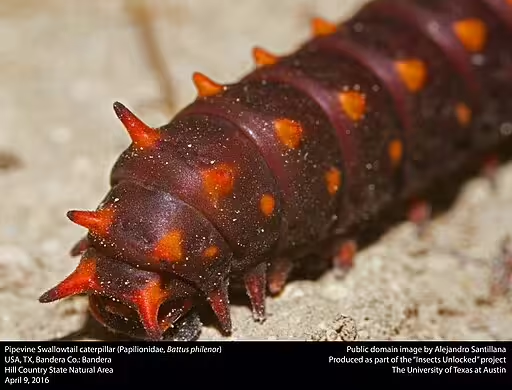
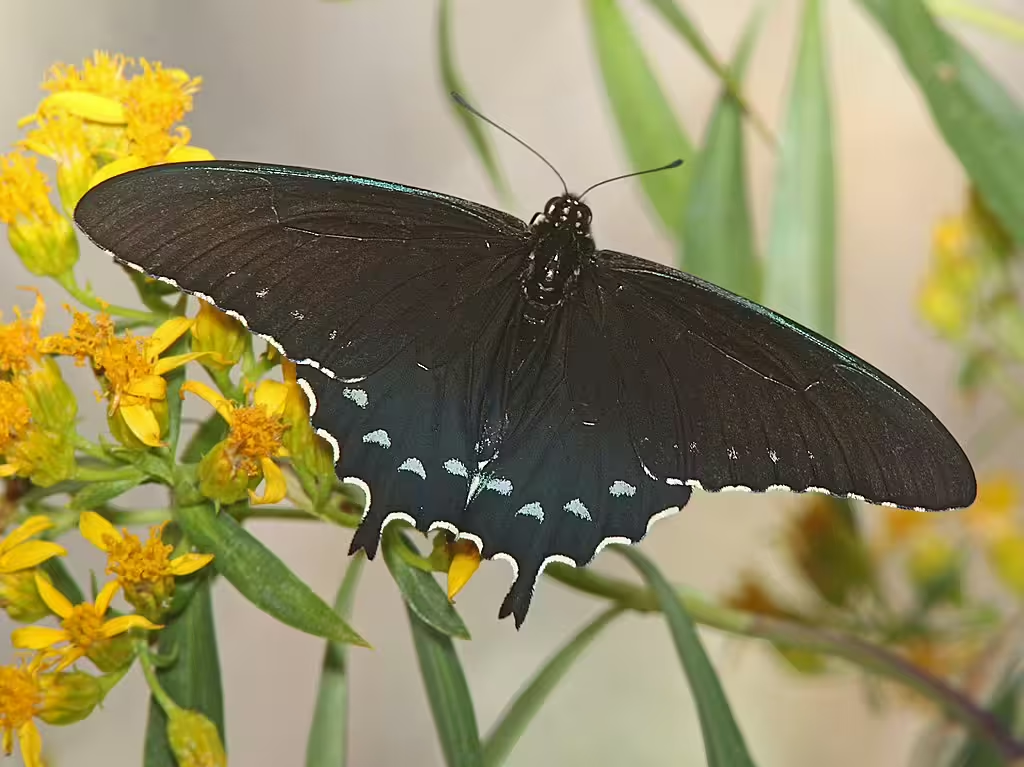
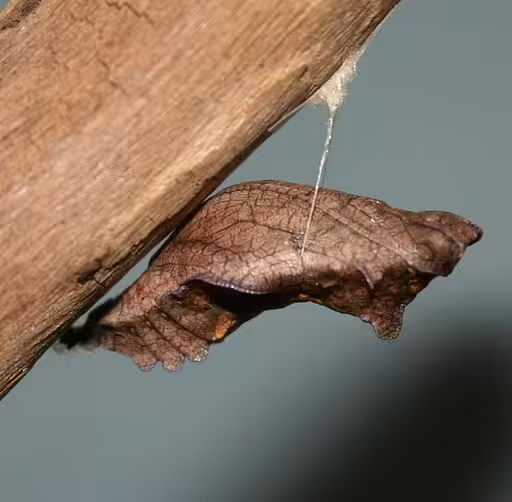
Pipevine Swallowtail (Battus philenor)
The pipevine swallowtail flies throughout the United States, except for the Pacific Northwest. It has orange-brown eggs that are laid on the host plant. The black to brown to red caterpillar with orange markings comes out in the spring. They then overwinter as a pupa (Monroe and Wright 2017). In the spring and into the summer the adult butterflies start to fly. They have a wingspan of 2.5 inches (6.4 cm) to 5 inches (12.7 cm) inches and are black colored with white markings along the hindquarters.
Plants that Host the Pipevine Swallowtail
The Pipevine Swallowtail is generally hosted by members of the birthwort family (Aristolochiaceae). Some native plants in the Johnson City, TN area that host this butterfly are:
- Wild Ginger (Asarum canadense): a herbaceous plant
- Virginia Snakeroot (Endodeca serpentaria): a herbaceous plant. This plant is also known commonly as Aristolochia serpentaria.
- Little-Brown-Jug (Hexastylis arifolia): a herbaceous plant
- Variable-Leaf Heartleaf (Hexastylis heterophylla): a herbaceous plant
- Large-flower Heartleaf (Hexastylis shuttleworthii): a herbaceous plant
- Virginia Heartleaf (Hexastylis virginica): a herbaceous plant
- Pipevine (Isotrema macrophyllum): the namesake of this butterfly and a herbaceous vine.
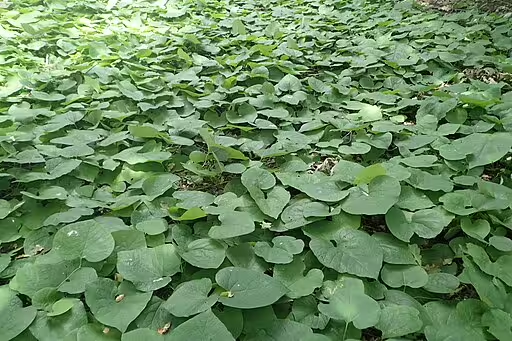
Zebra Swallowtail (Eurytides marcellus) and its host plants in Johnson City, Tennessee
Zebra Swallowtail (Eurytides marcellus)
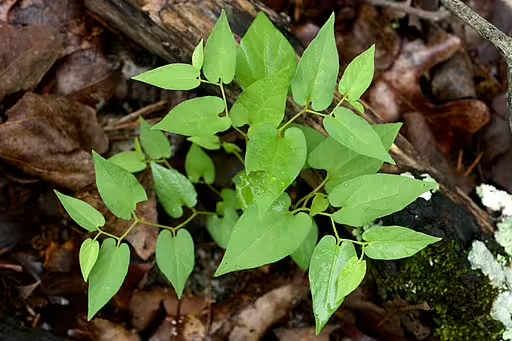
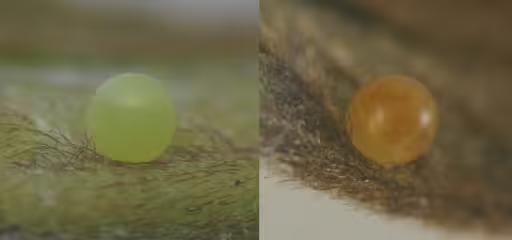
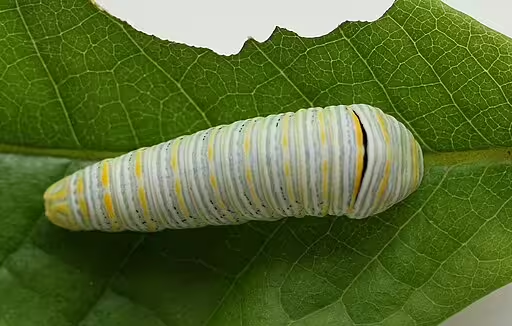
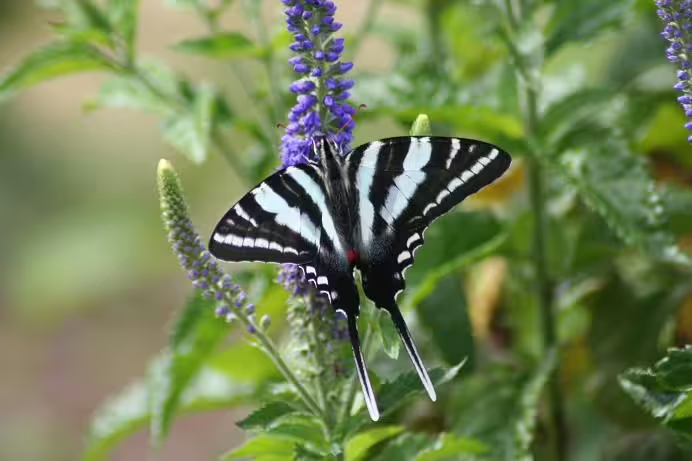
The Zebra swallowtail flies in the mid-western and eastern United States. The green to brown eggs are laid on the leaves of the host plant, which is the pawpaw. The caterpillars have two color variations, first black and then later stages are more colorful with green and yellow stripes. The brown chrysalis can overwinter in places of cold temperatures (Wikipedia).
The black and white multi-colored adults have a wingspan of 2.5 inches (6.4 cm) to 4.5 inches (11.4 cm) and fly from February to December with a more restricted season in more northern places. The early season brood can be smaller and has a shorter tail than the later summer brood that is larger and has a long tail (animaldiversity.org).
Plants that Host the Zebra Swallowtail
The zebra swallowtail uses members of the Custard Apple Family (Annonaceae) as host plants. In the Johnson City area, there is one species that is a host, Common Pawpaw (Asimina triloba): a shrub or tree
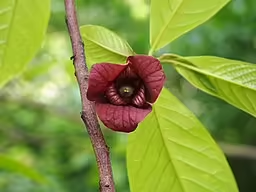
Giant Swallowtail (Papilo cresphontes) and its host plants in Johnson City, TN
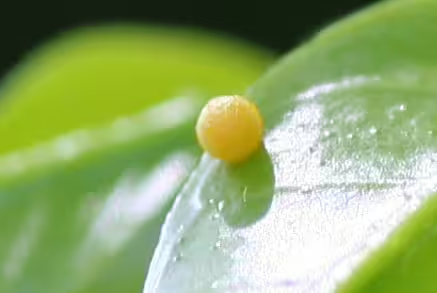
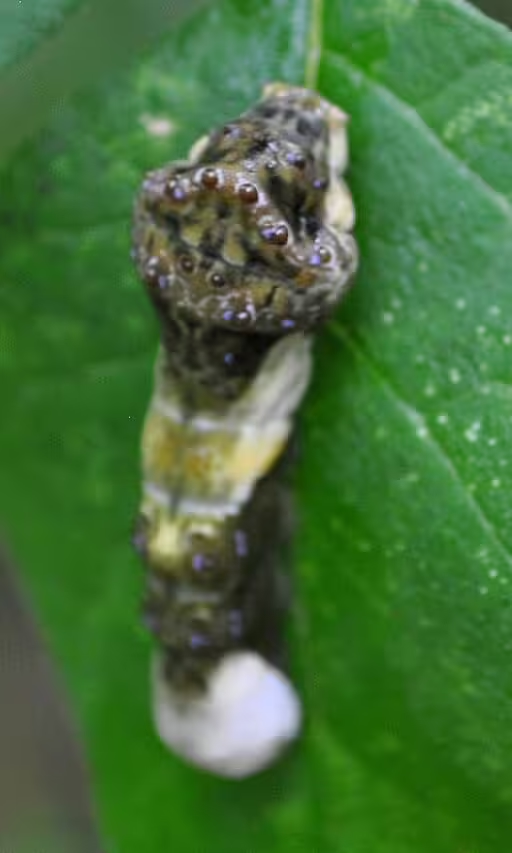
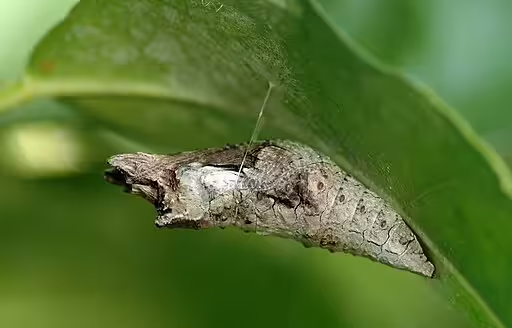
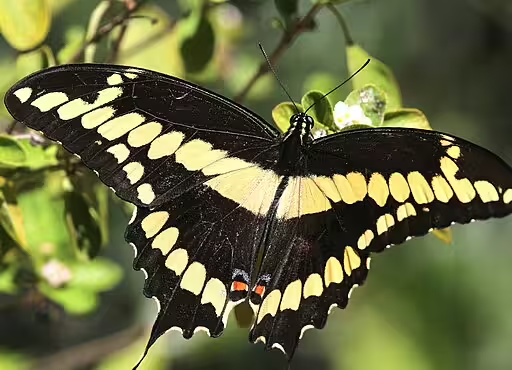
Giant Swallowtail (Papilio cresphontes)
The giant swallowtail flies throughout the United States and southeast Canada, except for the northwest. Beyond North America it ranges into Central America and the Caribbean Islands. It is the largest butterfly in North America (Wikipedia).
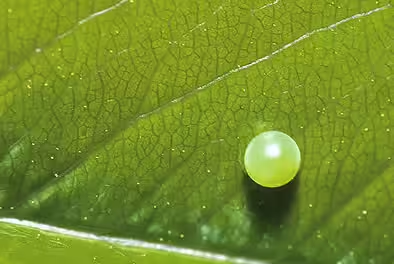
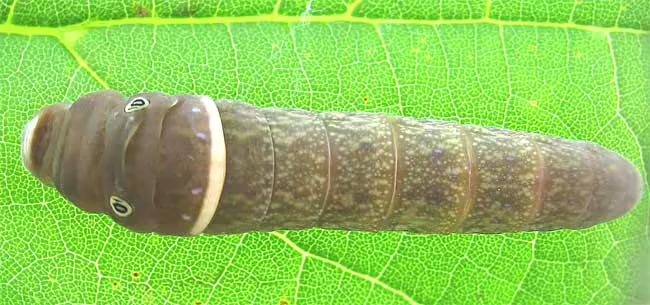
The giant swallowtail has brownish-orange eggs that are laid on the host plants. The caterpillars have five stages or instars before pupating, which takes about two weeks. The adult butterflies have a wingspans ranging from about 5.5 inches (14 cm) to 7.5 inches (19 cm) and are black and yellow colored.
Plants that Host the Giant Swallowtail
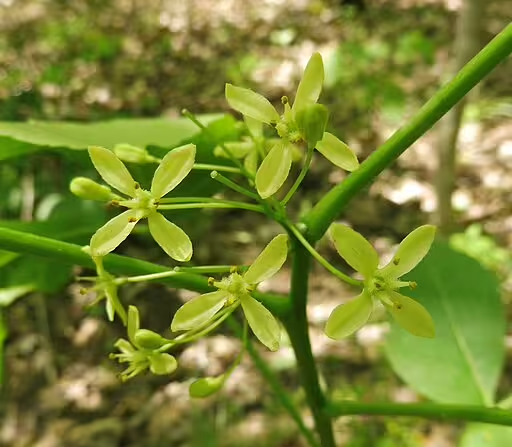
The Giant Swallowtail is hosted by members of the Rutaceae, of which there is one primary plant in the Johnson City area:
- Common Hoptree (Ptelea trifoliata) — a small native tree
Eastern Tiger Swallowtail (Papilio glaucus) and its host plants in Johnson City, Tennessee
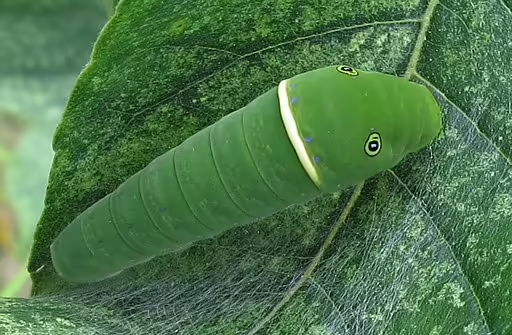
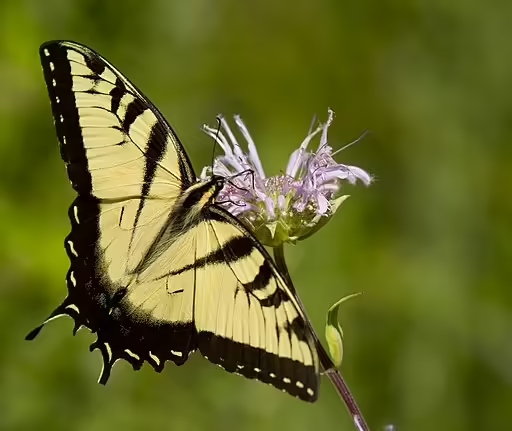
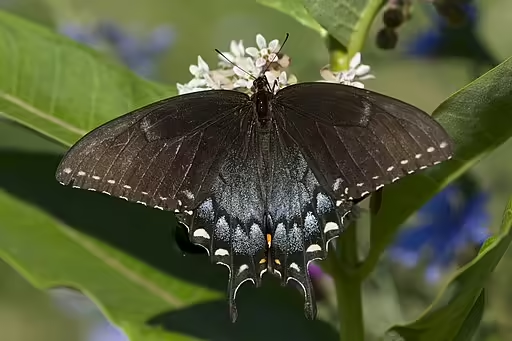
Eastern Tiger Swallowtail (Papilio glaucus)
The eastern tiger swallowtail flies in the mid-western and eastern United States from the Rocky Mountains and east. In the Eastern US it is likely one of the most distinctive swallowtails. The light green eggs are laid on the host plants. The caterpillar has five stages; with the first three a brown color and the last two as a green color. The brown chrysalis is placed in on trunks or on fallen leaves.
The adults have a wingspan of 3 inches (7.5 cm) to 5.5 inches (14 cm) and have two color schemes. The yellow and black is the most distinctive, but the females also have a dark black phase that mimics the pipevine swallowtail (see image). Generally there are two broods in Pennsylvania (Monroe and Wright 2017).
Plants that Host the Eastern Tiger Swallowtail
The eastern tiger swallowtail is a generalist and uses members of a number of genera as host plants. Some native species in the Johnson City, TN area that host it include:
- Members of the Prunus genus (Cherries and Plums)
- Members of the Betula genus (Birch)
- Members of the Populus genus (Poplar and Cottonwood)
- Members of the Fraxinus genus (Ash)
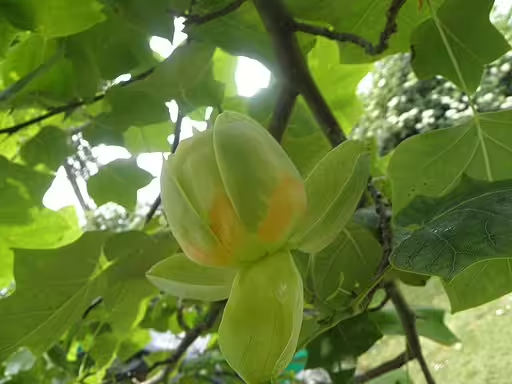
- Tuliptree (Liriodendron tulipifera)
Appalachian Swallowtail (Papilio appalachiensis) and its host plants in Johnson City, Tennessee
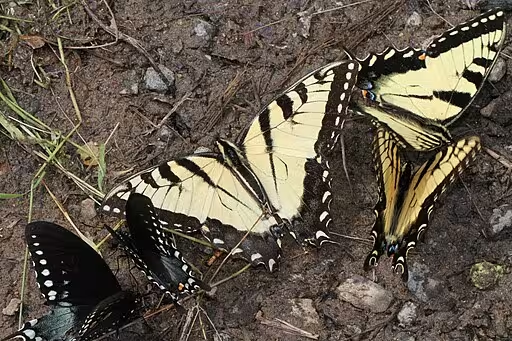
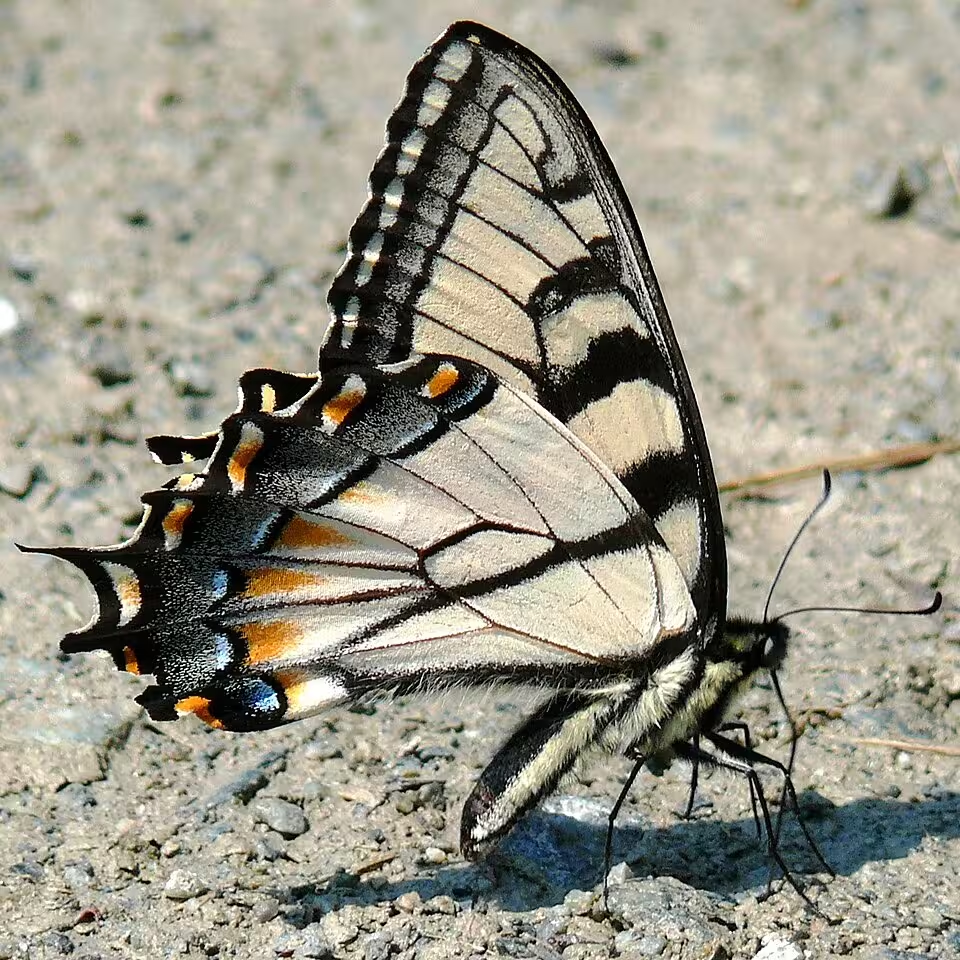
Appalachian Swallowtail (Papilio appalachiensis)
The Appalachian swallowtail flies along the spine of the Appalachian Mountains. The light greenish-yellow eggs are laid on the host plants. The caterpillar is green to yellow-orange with an eyespot. The brown chrysalis is placed in on trunks or on fallen leaves.
The adults have a wingspan of 3.4 inches (8.6 cm) to 4.5 inches (11.5 cm) and are yellow with black stripes toward the top. The underside is similar to the top. They have one brood per year, which flies from May to June.
Plants that Host the Appalachian Swallowtail
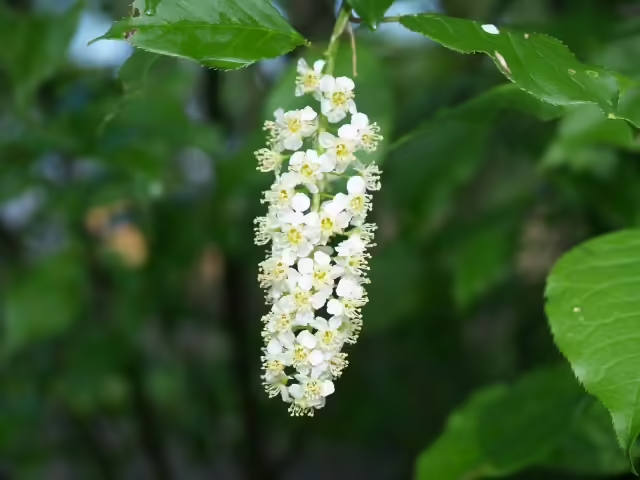
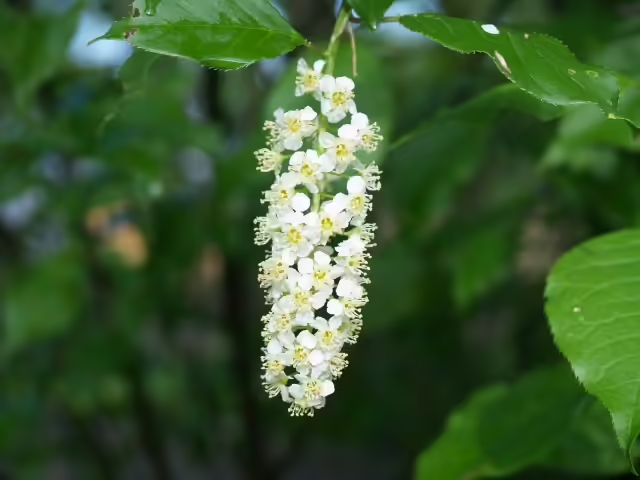
The Appalachian swallowtail is hosted by the wild black cherry (Prunus serotina) in the Johnson City, TN area:
Black Swallowtail (Papilio polyxenes) and its host plants in Johnson City, Tennessee
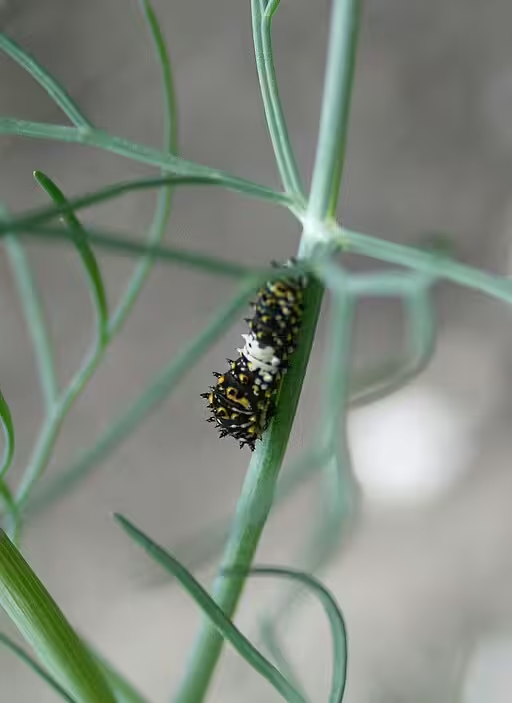
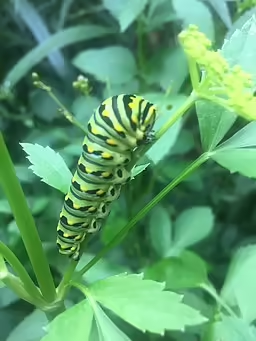
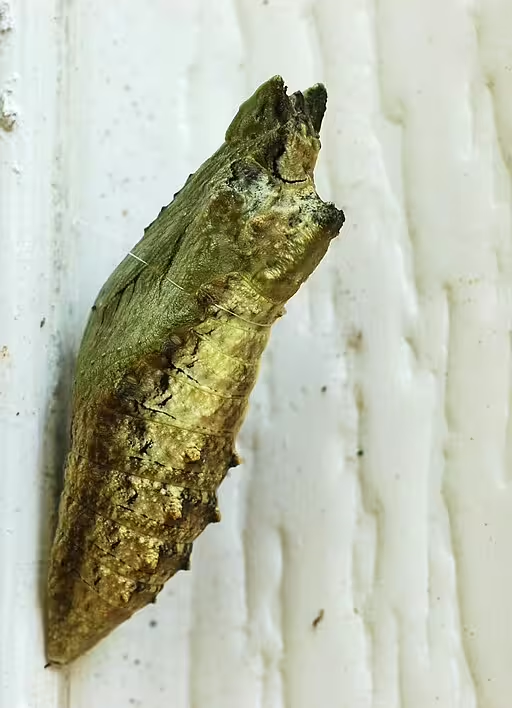
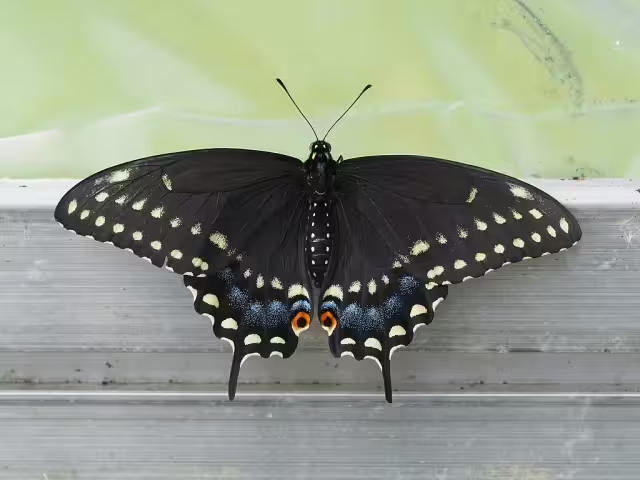
Black Swallowtail (Papilio polyxenes)
The Black Swallowtail flies in most of the United States, except for the Northwest. The yellow eggs are laid on the host plants and take about a week to hatch. The caterpillars are at first black colored but later have green, black, and yellow coloring and last from a week to a month. The butterflies then survive the winter as a chrysalis.
The adults have a wingspan of 2.5 (7 cm) to 3.5 inches (8.5 cm) and are black colored with yellow spots along the wings and a red eyepsot near the tail on the top. The underside has orange spots. This butterfly may have up to three broods and flies till early October (Clark 1938).
Plants that Host the Black Swallowtail
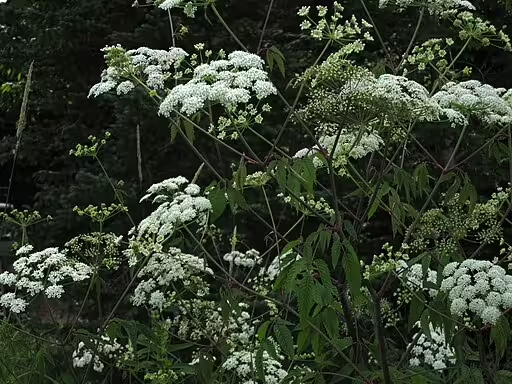
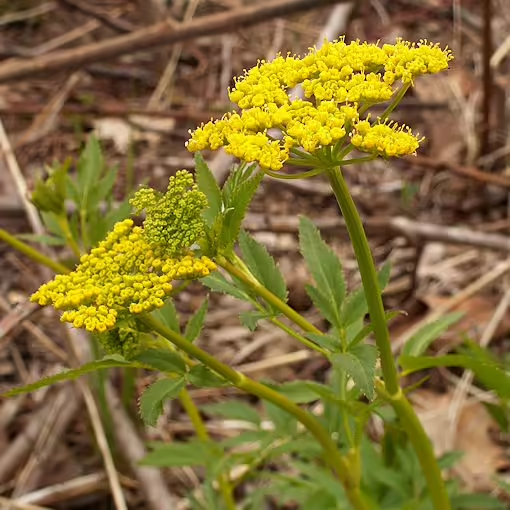
The black swallowtail is a generalist and uses members of the carrot family (Apiaceae) as host plants. Some examples of carrot family members in Johnson City include:
- Hairy Angelica (Angelica venenosa): a herbaceous plant
- Spotted Water Hemlock (Cicuta maculata): a herbaceous plant
- Creeping Eryngo (Eryngium prostratum): a herbaceous plant
- Canadian Honewort (Cryptotaenia canadensis)
- Aniseroot (Osmorhiza longistylis): a herbaceous plant
- Stiff Cowbane (Oxypolis rigidior): a herbaceous plant
- Hemlock Water-Parsnip (Sium suave): a herbacous plant (native to the east)
- Golden Alexanders (Zizia aurea): a herbaceous plant
Spicebush Swallowtail (Papilo troilus) and its host plants in Johnson City, Tennessee
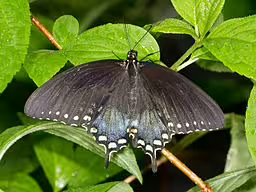
Spicebush Swallowtail (Papilio troilus)
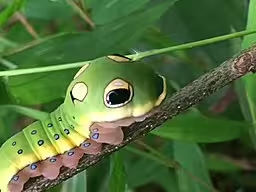
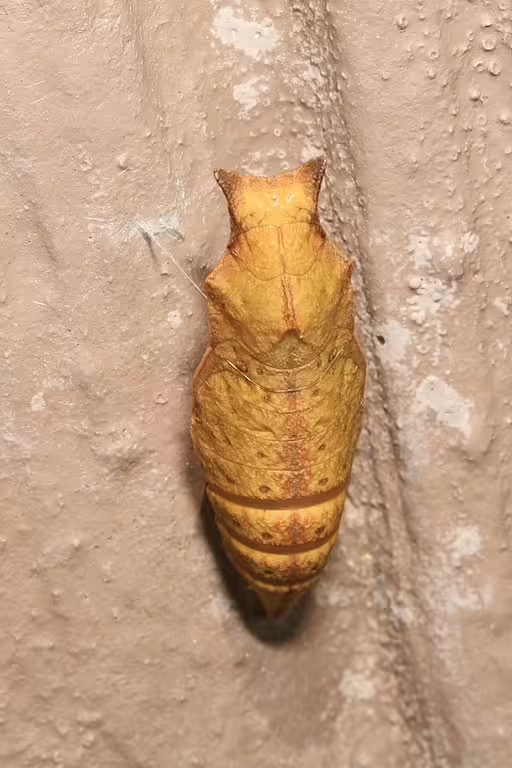
The spicebush swallowtail flies in the mid-western and eastern United States. The greenish eggs are laid on the leaves of spicebush. The caterpillars are brown at first but then turn yellow. The chrysalis is attached to leaves on the ground. The adults have a wingspan of 3 inches (7.6 cm) to 4 inches (10.2 cm) and are black with white spots along the bottom and a red eyespot on the bottom middle.
Plants that Host the Spicebush Swallowtail
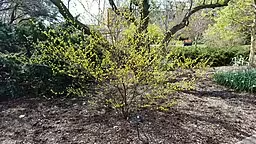
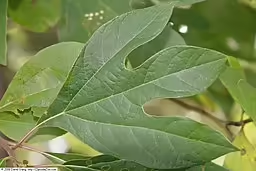
As the common name would suggest, spicebush (Lindera benzoin) is a host plant for the spicebush swallowtail as is the sassafras (Sassafras albidum), both of which are members of the Laurel Family (Lauraceae). Both of these species are found in the Johnson City area and the spicebush swallowtail only feeds on members of the Lauraceae (Scriber et al 2008).
Nectar Plants to Consider Putting in Your Garden
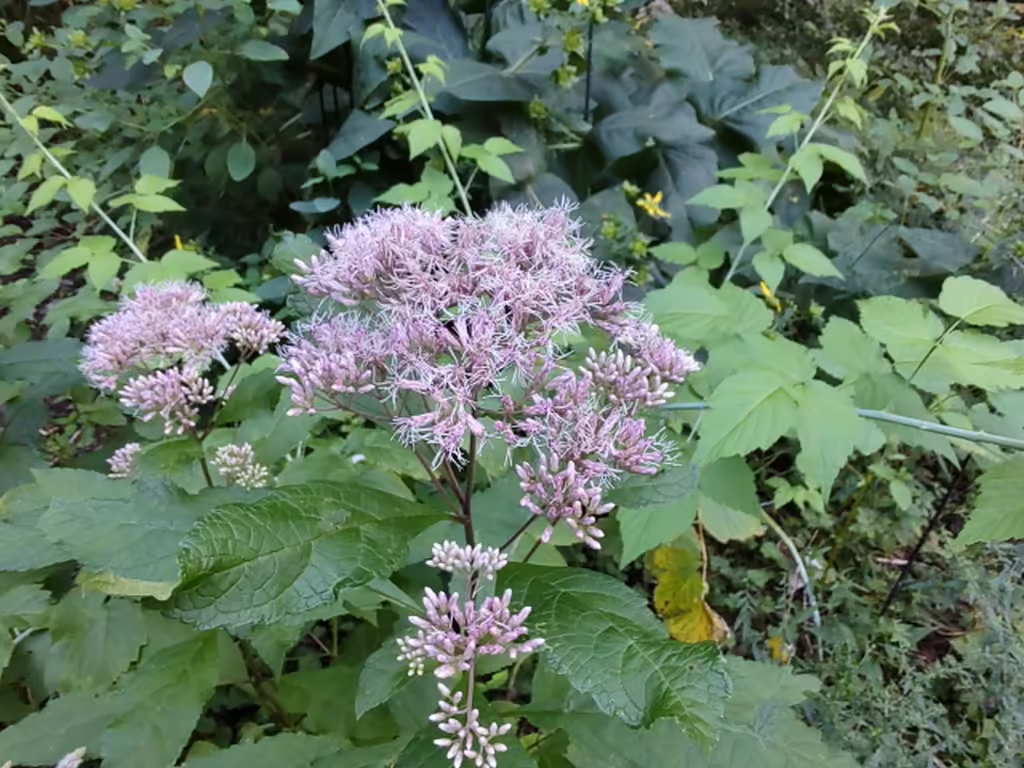
While the swallowtails need certain species of plants to use as hosts, the adults also need nectar plants to visit in order get nourishment. Nectar plants can also help other insects such as bees. Some common nectar plants that can be grown in the Johnson City, TN area include:
- Goldenrods (Solidago spp.)
- Joe-Pye-Weeds (Eutrochium spp.)
- Milkweeds (Asclepias spp.) — Also benefits the Monarch Butterfly (Danaus plexippus)
- Mountain Sweet-Pepperbush (Clethra acuminata)
- Mountain Laurel (Kalmia latifolia)
- Asters (Symphyotrichum spp.)
- Coneflowers (Rudbeckia spp.)
- Blazing Stars (Liatris spp.)
Frequently Asked Questions
How much land do I need to start a butterfly garden?
Every plant that you can grow can make a difference for visitors to your garden, especially in urban areas. Potted plants are also useful en masse for pollinators. When planting your garden, make sure you plant both the host plants and nectar plants for the adults to feed on.
Where should I get my plants?
For pollinators, it is best to have native plant species. The insects will be used to these plants more than ones from other places. Be sure you get your plants from a reputable nursery does not use neocontinids that would harm visitors to your garden.
Books where you can find out more about Butterfly Gardening in the Johnson City, TN Area
- Carman, Jack. 2001. Wildflowers of Tennessee. Highland Rim Press. 468 pp.
- Daniels, Jaret C. 2022. Native Plant Gardening for Birds, Bees & Butterflies. Southeast – Nature Friendly Gardens. 276 pp.
- Daniels, Jaret C. 2021. Butterflies of the South & Southeast – Your Way to Easily Identify Butterflies – Adventure Quick Guides. Adventure Publications. 22 pp.
- Daniels, Jaret C. 2021. Garden Bugs & Insects of the South & Southeast – Identify Pollinators, Pests, and Other Garden Visitors – Adventure Quick Guides. Adventure Publications. 36 pp.
- Hunter, Margie. 2002. Gardening with the Native Plants of Tennessee. The Spirit of Place. University of Tennessee Press. 416 pp.
- Lifford, Brad and Terry Shaw. 2023. East Tennessee Garden Stories. Howling Hills Publishing. 176 pp.
- Lowe, Judy. 2012. Tennessee & Kentucky Garden Guide: The Best Plants for a Tennessee or Kentucky Garden. Cool Springs Press. 272 pp.
- Mellichamp, Larry, Paula Gross, and Will Stuart. 2020. The Southeast Native Plant Primer – 225 Plants for an Earth-Friendly Garden. Little and Brown. 256 pp.
- Minno, Marc. 2018. Butterflies of Tennessee: A Guide to Common and Notable Species. Quick Reference Publishing, Inc. 12 pp.
- Sullivan, Barbara J. 2022. Climate Change Gardening for the South – Planet-Friendly Solutions for Thriving Gardens. The University of North Carolina Press. 218 pp.
References
- Clark, Austin Hobart and Leila F. Clark. 1938. Notes on Virginia Butterflies. Proceedings of the Biological Society of Washington 51: 177-181.
- Monroe, James L. and David M. Wright. 2017. Butterflies of Pennsylvania. (Pittsburgh, PA: University of Pittsburgh Press). 304 pp.
- Scriber, Mark J., Michelle L. Larsen, and Myron P. Zalucki. 2008. Responses of North American Papilio troilus and P. glaucus to potential hosts from Australia. Journal of the Lepidopterists’ Society 62: 18-30.