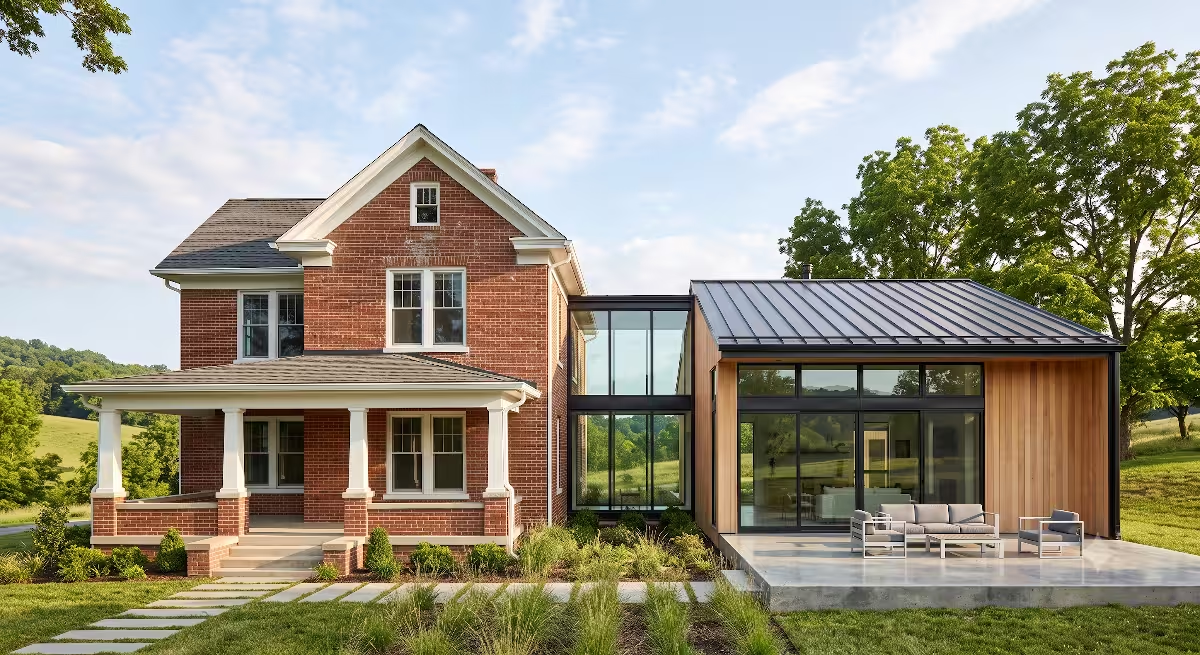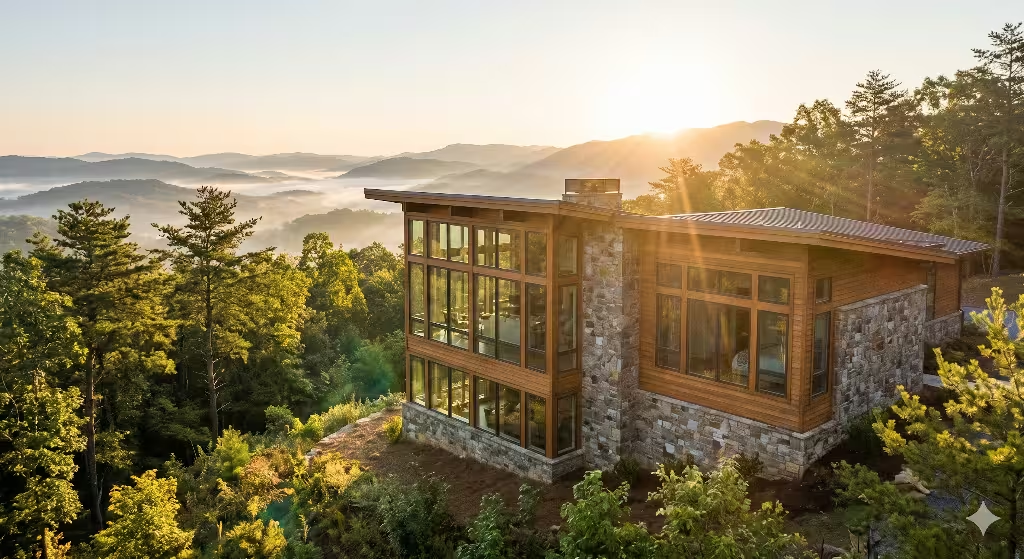

For many of us who grew up in East Tennessee, the classic brick ranch house is a familiar sight. It’s a symbol of straightforward, practical living. For decades, it served families well. But as our lives have changed, so have our expectations for what a home should be. The limitations of the older ranch style, with its compartmentalized rooms and limited connection to the outdoors, have become more apparent. Today, when clients come to me, they are looking for something more. They are looking for an evolution, a home that supports a modern lifestyle. The new generation of custom homes represents a complete rethinking of space, light, and function, especially in the realm of single-level living.
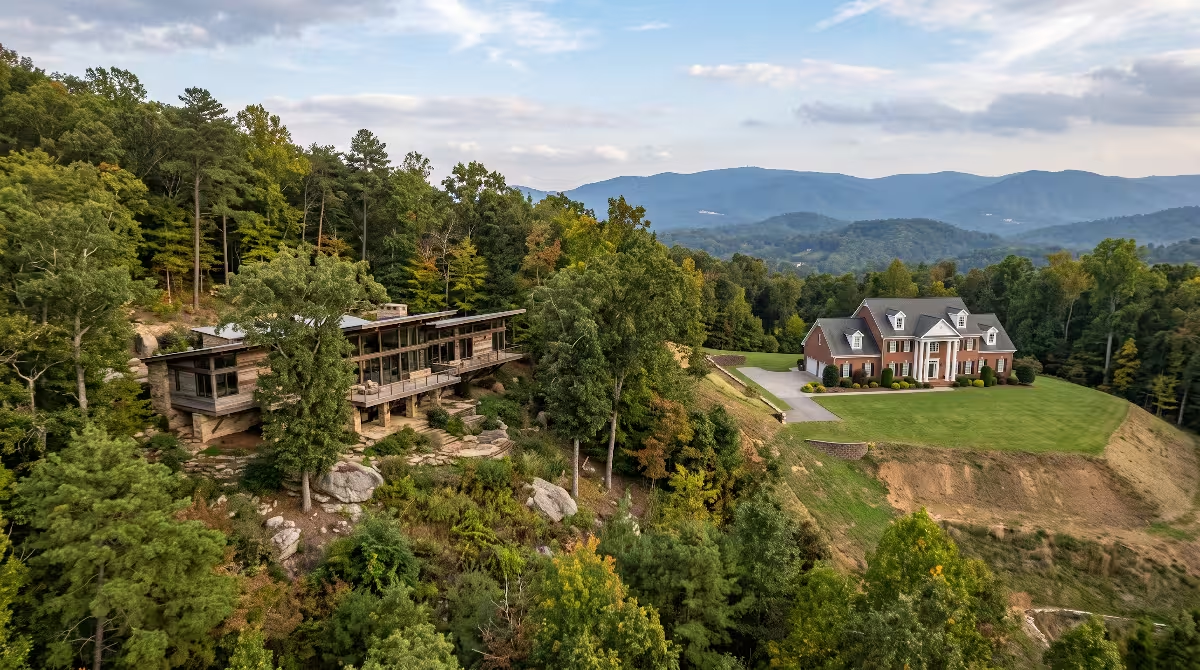
Here in the Tri-Cities, from Johnson City to Kingsport, the rolling terrain gives us unique opportunities for these modern designs. A well-planned home can work with the slope of the land, often allowing for a main-level entrance with a walk-out lower level that feels bright and integrated, not like a basement. This article will serve as your guide. We will explore the key principles, popular layouts, and practical things you need to consider when planning for stylish and functional single-level living. This is about building a home that is not just a place to live, but a platform for the life you want to lead.
Why Single-Level Living is Gaining Momentum

There has been a noticeable shift in recent years. More and more people, from young families to those planning for retirement, are specifically requesting designs centered around single-level living. This is not just a trend; it is a practical response to a desire for a more comfortable, accessible, and efficient home. The reasons for this growing momentum are clear and compelling, touching on everything from long term planning to daily convenience.
First and foremost is the powerful appeal of accessibility and the concept of “aging in place.” When we build a custom home, the goal for most is to create their “forever home.” The beauty of single-level living is that it is inherently prepared for the future. By eliminating stairs from the main living areas, you create a home that remains accessible and safe for every stage of life.
This is the core of universal design, which involves creating spaces that can be used by anyone, regardless of their age or physical ability. Think about wider hallways that can accommodate a wheelchair if ever needed, or zero threshold showers that you can walk right into without stepping over a curb. These are not just features for the elderly; they create a more open and gracious feeling for everyone. Planning for long term single-level living adds immense value and ensures your home will serve you well for decades to come.
Beyond future planning, the efficiency and flow of daily life are remarkably improved with single-level living. Simple tasks become simpler. Bringing in groceries from the garage doesn’t involve a flight of stairs. Moving furniture, doing laundry, and just navigating your home becomes less of a chore. For families with young children, a one-level design allows them to keep a closer eye on the kids and removes the hazard of a staircase.
From a practical, mechanical standpoint, heating and cooling can also be more efficient. A single, properly zoned HVAC system in a well insulated, one story home doesn’t have to fight the natural tendency of heat to rise, which can sometimes create uneven temperatures in two story houses. The overall experience is one of ease and effortless movement. This simplicity is a form of luxury that people are increasingly seeking. The convenience of single-level living is a major driver of its popularity.
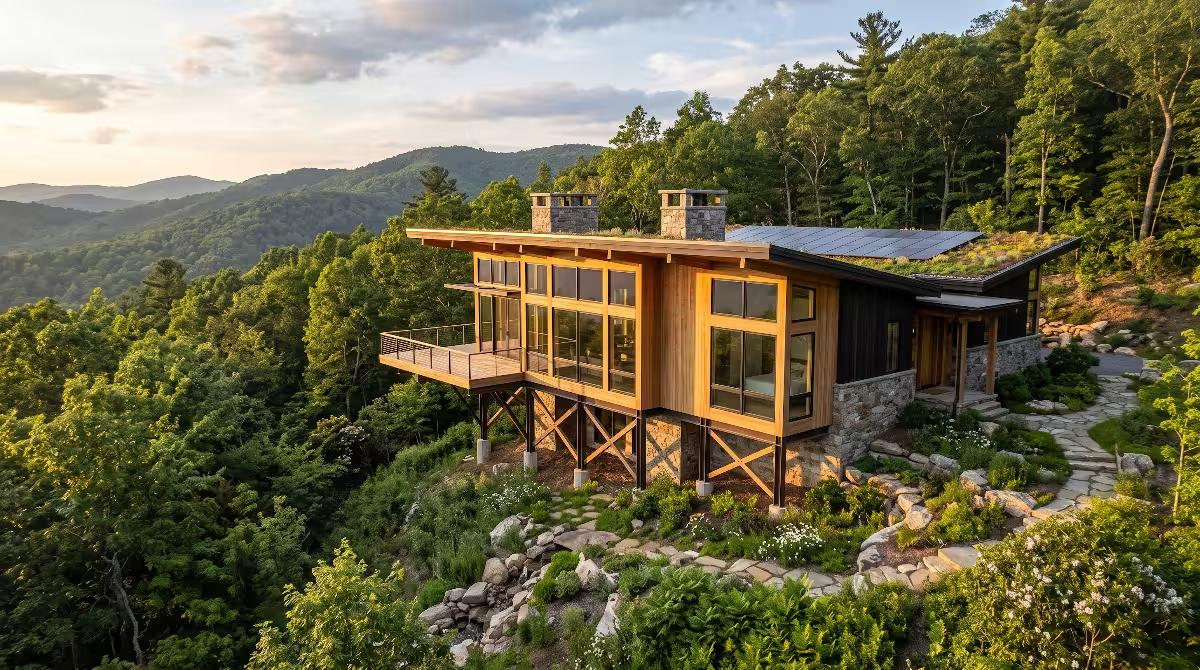
Finally, the modern aesthetic itself is perfectly suited to single-level living. The architecture of today emphasizes clean, horizontal lines and a deep, meaningful connection to the surrounding landscape. One story homes are the perfect canvas for this. They sit more naturally on the land, appearing to grow out of it rather than being placed on top of it.
This allows for incredible design flexibility with rooflines, window placement, and the overall shape of the home. This leads many to ask, “What is the new name for a ranch style house?” The truth is, there is not one single name. Instead, we use descriptive terms like “Modern Ranch,” “Contemporary Single-Level,” or “Prairie-Modern” to capture the essence of these evolved designs. They take the basic principle of single-level living from the old ranch and infuse it with modern design, materials, and a focus on lifestyle.
Principles of the Modern Floor Plan
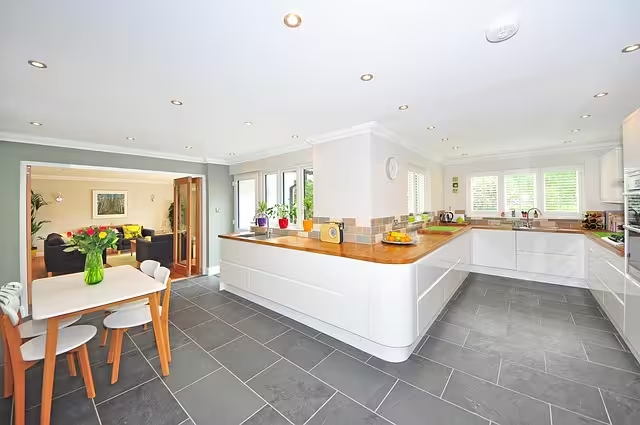
To truly appreciate what makes today’s one-story homes so different, you have to look beyond the fact that they are on one level. The real innovation is in the floor plan itself. The way we design the interior space has fundamentally changed, moving away from the boxy, separated rooms of the past toward a layout that is open, bright, and connected. These core principles are what transform a simple house into a modern home built for single-level living.
Open Concept
The most well known principle is the open concept, but it has been reimagined. In the past, “open concept” sometimes meant one giant, undefined room that could feel cavernous and lacked intimacy. The modern approach is much more sophisticated. It is about creating a large, shared space for the kitchen, dining area, and living room, but using clever design to define each “zone.”
We can accomplish this without walls. A slight change in ceiling height over the living area can make it feel cozier. Switching from hardwood in the living room to a beautiful large format tile in the kitchen can signal a change in function. A handsome, two sided fireplace can create a visual separation between the dining and living areas while still allowing them to feel connected. The goal of this new open concept is to achieve the best of both worlds: a space that feels expansive and is great for entertaining, but also has defined, intimate areas for daily life. This thoughtful approach is central to successful single-level living.
Natural Light
Maximizing natural light is another absolute priority. A well-lit home feels healthier, happier, and more spacious. In our designs for single-level living, we are almost obsessed with the strategic placement and sizing of windows. It’s not just about putting a window in every room. It’s about thinking how the sun moves across the property throughout the day.
We use large groupings of tall windows, transom windows above doors, and even clerestory windows, which are short, wide windows set high up on a wall to bring in light while maintaining privacy. Skylights can be used to illuminate interior spaces like hallways or bathrooms that don’t have an exterior wall. In the most stunning examples of modern single-level living, we might even design an entire wall of glass that opens up to a patio, completely erasing the boundary between inside and out.
Indoor-Outdoor Connection
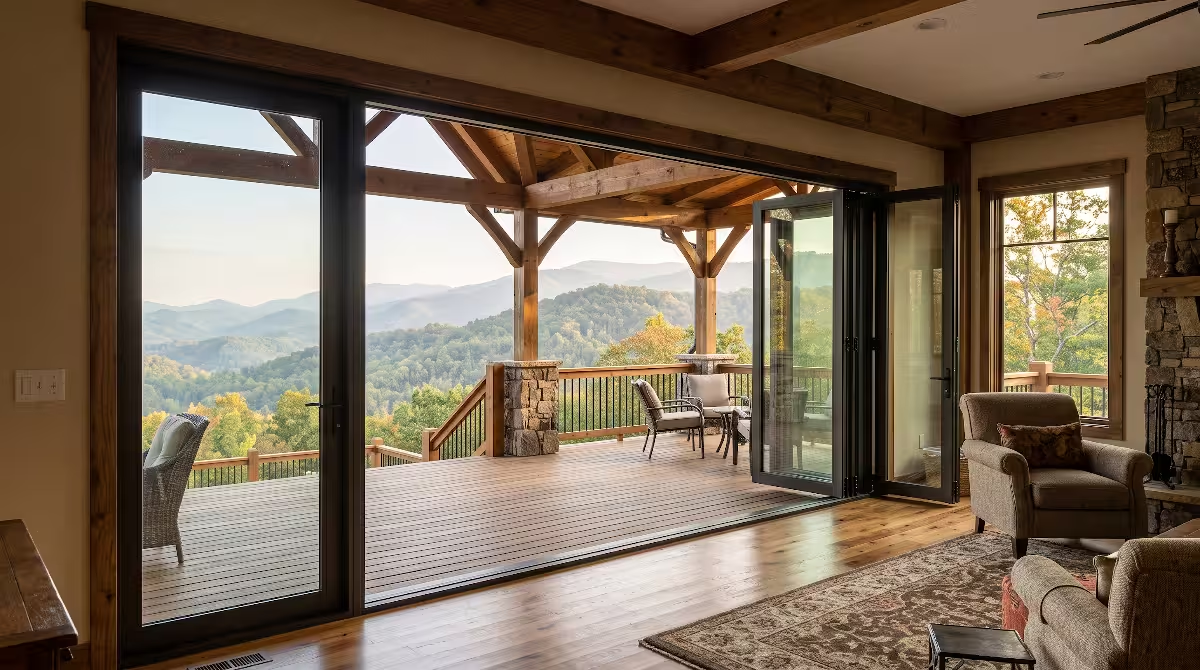
This leads directly to the third principle: a seamless indoor-outdoor connection. A modern home should not feel like it is sealed off from its surroundings. Instead, it should embrace them. Because every room in a single-level home is on the ground floor, each has the potential for a direct connection to the outdoors. We design functional and beautiful outdoor spaces that are not an afterthought, but a core part of the floor plan.
This could be a large covered patio off the main living area with its own fireplace and outdoor kitchen, making it a true extension of the home. It could be a private courtyard garden accessible only from the primary suite. Or it could be a simple, quiet deck off the home office. By using similar flooring materials inside and out and installing large sliding or folding glass doors, we create a smooth, uninterrupted transition. This focus on the outdoors greatly enhances the experience of single-level living.
Split Bedroom Layout
Finally, most modern plans embrace a split bedroom layout. This is a simple but brilliant concept that offers maximum privacy. The primary suite, with its bedroom, bathroom, and closets, is placed on one side of the home’s main living area. The secondary bedrooms and any guest rooms are placed on the exact opposite side. This separation ensures that the owners’ suite is a true retreat, quiet and secluded from the more active parts of the house where kids or guests might be. It is a highly effective design strategy that makes single-level living more peaceful and functional for everyone in the family.
Popular Styles Beyond the Basic Ranch
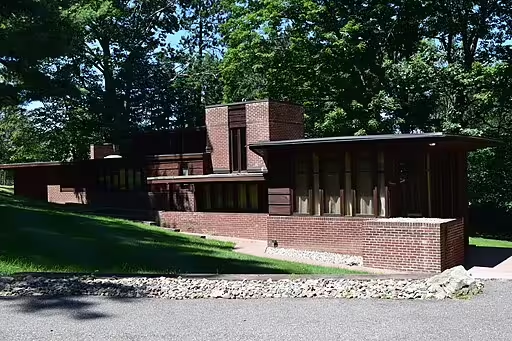
When people think of a one-story home, the image of a long, low-slung ranch often comes to mind. But the world of single-level living has expanded far beyond that single style. Today, you can find one-level designs that fit nearly any aesthetic, from the ultra-modern to a new take on classic farmhouse charm. These styles use the principles we just discussed but express them in different architectural languages, giving you a wealth of options for your custom home.
The Contemporary Home
A contemporary design is defined by its clean lines, simple forms, and honest use of materials. In single-level living, this often translates to a home with a dynamic, asymmetric shape and a mix of flat and low-pitched rooflines. The exterior might feature a combination of natural stone, warm wood siding, and smooth stucco. Large expanses of glass are a hallmark of this style, with windows often grouped together to create a “window wall” effect. The focus is on a lack of unnecessary ornamentation. The beauty comes from the precise interplay of form, material, and light. This style makes a bold statement and is perfect for those who appreciate minimalist design and an uncluttered approach to single-level living.
The Modern Farmhouse (Single-Level Version)
The modern farmhouse has become incredibly popular, and it adapts beautifully to a single-level layout. This style takes the comfortable, welcoming feel of a traditional farmhouse and simplifies it for today. On a one-story frame, you will typically see a crisp white or dark board-and-batten siding, a durable standing seam metal roof, and large, simple windows without complex grids. A wide, welcoming front porch is often a key feature, as is a rear covered porch for outdoor living. Inside, the open floor plan is perfect for a relaxed family lifestyle. This style offers a wonderful balance of traditional comfort and modern clean design, making it a leading choice for those seeking a friendly and approachable form of single-level living.
The U-Shape or H-Shape Courtyard Plan
For those who value privacy and a unique connection to the outdoors, the courtyard plan is an exceptional choice. Instead of being a simple rectangle, the home is built in a U or H shape, creating a sheltered, private outdoor space in the middle. A central courtyard becomes a personal oasis, a secure place for a garden, a pool, or a quiet patio.
This design is brilliant for single-level living because it allows natural light to flood the home from multiple angles. Rooms can have windows on two or even three sides. It is an excellent solution for lots here in our area where you might want to create your own private view, shielded from neighbors. It turns the focus of the home inward, creating a serene and protected environment.
Mid-Century Modern Revival
This style pays homage to the architectural innovations of the 1950s and 60s but builds them with today’s technology and energy efficiency. Mid-century modern designs are known for their low-slung rooflines, post-and-beam construction that allows for open interior spaces, and a deep, organic connection to nature. Clerestory windows are very common, as are floor to ceiling windows that look out onto the landscape. The materials are often simple and natural. A Mid-Century Modern revival is perfect for those who love a style with a bit of history and character, but still want all the benefits of modern construction. It is a sophisticated and timeless choice for single-level living.
Key Features That Define Modern Single-Level Living
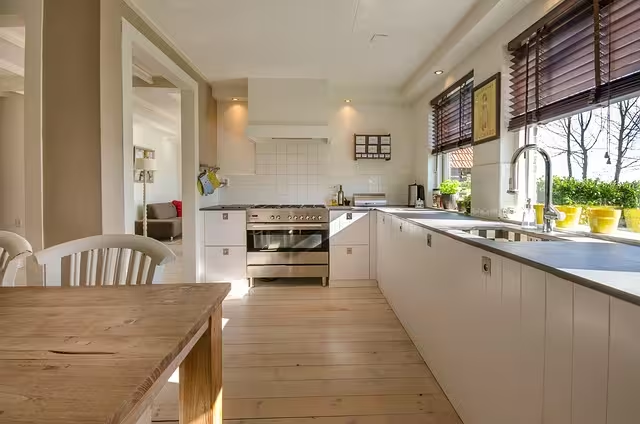
Beyond the overall style and floor plan, it is the specific features and details within the home that truly elevate the experience of modern single-level living. These are the thoughtful touches and functional spaces that respond directly to the way we live today. When we design a custom home, we focus intently on making these key areas not just beautiful, but incredibly hardworking.
The Kitchen as the Command Center
The kitchen is no longer a small, enclosed room just for cooking. It is the undisputed heart of the modern home. In single-level living designs, the kitchen can be a central, open, and inviting space that anchors the main living area. A large island is almost always the centerpiece. It serves as a casual spot for breakfast, a place for kids to do homework, and the main gathering point when entertaining.
These islands often feature their own sink, dishwasher, and plenty of seating. We specify professional-grade appliances that are both beautiful and high performing. And perhaps most importantly, we design ample, smart storage, especially a spacious walk-in pantry. This keeps the main kitchen area uncluttered and allows the beautiful finishes, like quartz countertops and custom cabinetry, to shine.
The Primary Suite as a Retreat
The primary suite in a modern home is much more than just a bedroom. It is designed to be a private sanctuary, a place to relax and recharge away from the rest of the house. We already discussed how the split-bedroom layout helps create this sense of separation. Within the suite itself, the focus is on creating a spa-like atmosphere. The bathroom often features a large, freestanding soaking tub, a spacious walk-in shower with multiple shower heads, and a double vanity with plenty of storage.
The walk-in closet is another key component. These are often large, room-like spaces with custom shelving and organization systems. A popular and very practical design trend is to connect the primary closet directly to the home’s laundry room, which makes managing laundry incredibly efficient. This is a perfect example of how thoughtful design can improve the daily routines of single-level living.
Functional “Flex” Spaces
Life is not static, and a modern home needs to be able to adapt. That is why we incorporate “flex spaces” into our floor plans. A flex space is a room that is not strictly defined as a bedroom but can serve a variety of purposes. For many people today, a dedicated home office is no longer a luxury but a necessity. For others, it might be a home gym, a playroom for the kids, a hobby room, or a comfortable media room for watching movies.
By including a flex space in the plan, you are building in versatility for the future. As your needs change, the room can change with you, adding long term value and utility to your home. This adaptability is a cornerstone of smart single-level living.
The Elevated Utility and Mudroom
One of the most practical and appreciated features in a new custom home is a well-designed utility and mudroom area. This is the transitional space, typically located just off the garage entrance, and it acts as the home’s hardworking “drop zone.” It is the first line of defense in keeping the rest of the house clean and organized.
These spaces can be designed with durable flooring like tile that can handle dirt and water. We include built-in benches where you can sit to take off your shoes, cubbies or lockers for coats and backpacks, and a utility sink for messy cleanups. Mudrooms often house the washer and dryer as well, creating a comprehensive utility zone. A great mudroom makes the daily comings and goings of a busy household much smoother and is essential for comfortable single-level living.
Practical Realities: Cost, Lot Size, and Trade-Offs
While the benefits of a modern single-level home are immense, it’s crucial to understand the practical realities that come with this style of building. Making an informed decision means looking at the whole picture, including the costs and potential challenges. The job of this article is to provide clarity so you can weigh the pros and cons for yourself.
A very common question, “Are one story homes cheaper to build?” It seems logical that they might be, but in most cases, the answer is no. On a direct cost-per-square-foot basis, a one-story home is often more expensive to build than a two-story home with the same total square footage. The reason comes down to two of the most significant cost centers in any construction project: the foundation and the roof.
To get 2,500 square feet of living space, a single-level home needs a 2,500 square foot foundation and a 2,500 square foot roof system. A two-story home, however, could achieve that same 2,500 square feet with a much smaller 1,250 square foot foundation and roof. This larger footprint for single-level living means more concrete, more lumber, more roofing materials, and more labor. The trade-off, of course, is the value you receive in accessibility and future-proofing your home. You are paying more upfront to create a home that you will likely never need to renovate for accessibility reasons later in life.
This leads to another practical question: “What are the disadvantages of a single-level home?” The primary challenge, tied directly to the cost issue, is the larger footprint. A sprawling single-level home requires a larger, and often wider, piece of land than a more compact two-story home. When you are looking for property, this is a critical factor to consider. You need to ensure the lot you choose can accommodate the footprint of the house as well as any required setbacks from the property lines, a driveway, and the outdoor living spaces you desire.
Another potential consideration is privacy. In a neighborhood where houses are close together, it can be more challenging to achieve visual privacy when all your windows are on the ground floor. This can be solved with clever design, like the courtyard plans we discussed, or with strategic landscaping, but it is something that needs to be planned for from the beginning. These are not reasons to avoid single-level living, but they are important factors to discuss with your builder and designer early in the process.
Building for Your Lifestyle, Not Just for Shelter
The journey through modern single-level living shows us one clear truth: today’s homes are about so much more than just providing shelter. They are about creating a backdrop for our lives that is comfortable, functional, and beautiful. The modern single-level home, with its open spaces, deep connection to the outdoors, and inherent accessibility, offers a sophisticated and future-proof way to live. It goes far beyond the simple, compartmentalized ranch of the past.
The key to success is a thoughtful design that is a direct reflection of your personal lifestyle and a smart response to the unique character of your building site. The right plan can enhance your daily routines and provide a sense of ease and tranquility. If you are considering building a custom home, I encourage you to think about how these modern single-level living concepts could be tailored to your specific needs and dreams right here in the Tri-Cities.