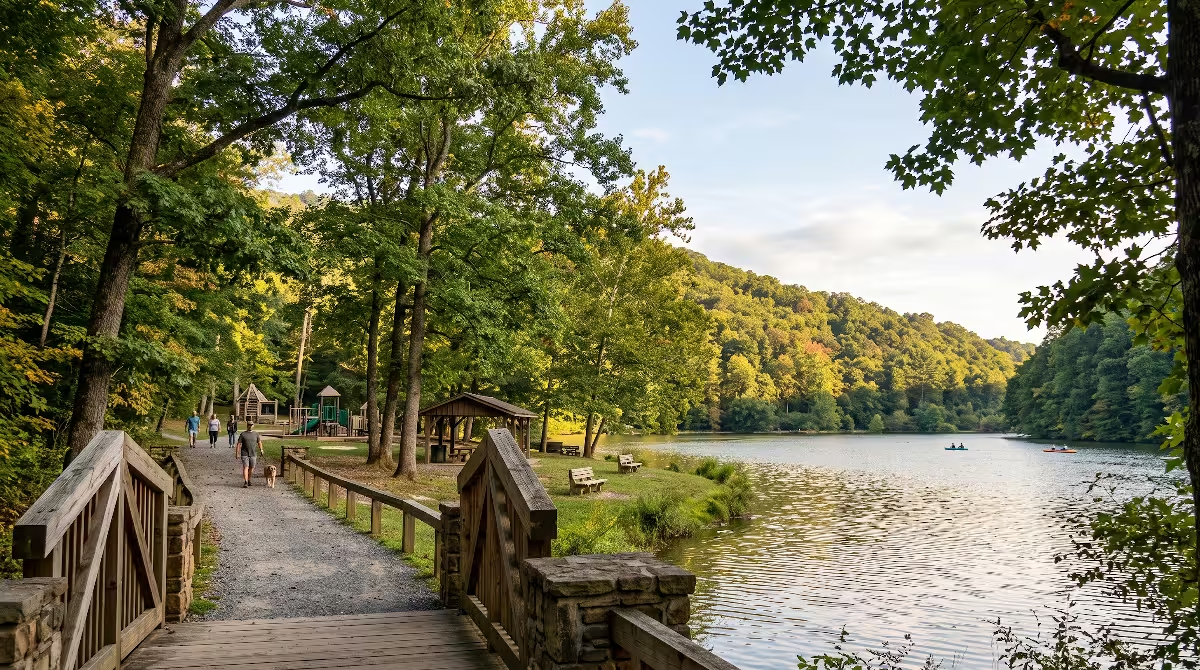

Along with your home, you also want a solid foundation in life. Just as a home needs a good foundation to stand the test of time, a great experience needs one too. For many of us who live and work in the shadow of the Appalachian Mountains, our foundation is the land and water itself. A lot of people escape to the cool, flowing rivers that flow through this region and don a fly rod to engage in the art of fly fishing.
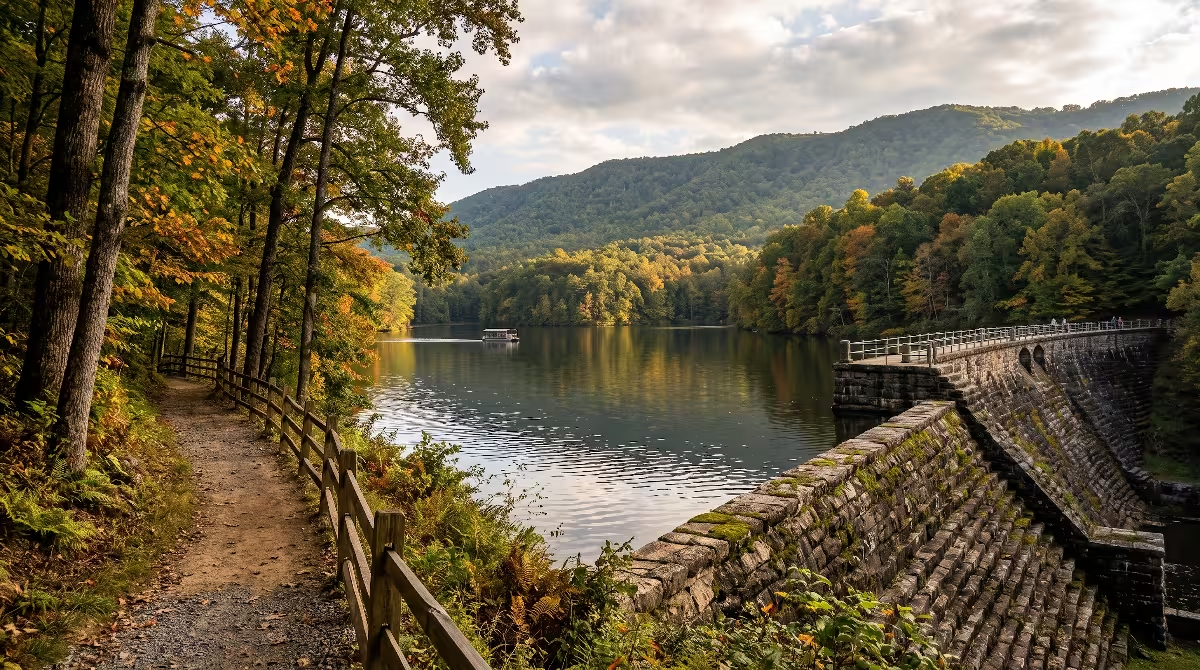
What makes the area around Bristol, Tennessee, a truly world class fly fishing destination is a unique partnership between nature and engineering. The ancient mountains provide the landscape, but the cold water dams managed by the Tennessee Valley Authority (TVA) provide the lifeblood. These dams release frigid water from the bottom of deep lakes, creating miles of perfect, year round trout habitat below them. These are called tailwaters, and ours are among the best on the planet.
This guide will help explain the opportunities for fly fishing in the Bristol, TN area for you. It is a straightforward, no nonsense plan to help you experience the best fly fishing near Bristol. We will cover the legendary rivers, answer the critical questions you might have, and make sure you have the right tools for the job.
The Crown Jewels: Bristol’s Two World-Class Tailwaters
When people talk about fly fishing in this part of the country, they are almost always talking about two specific rivers. These are not just local fishing holes; they are international destinations that draw anglers from all over the world. They are the foundation of the entire fly fishing scene here, and understanding them is the first step to a successful trip.
The South Holston River (The “SoHo”): A Trout-Rich Paradise
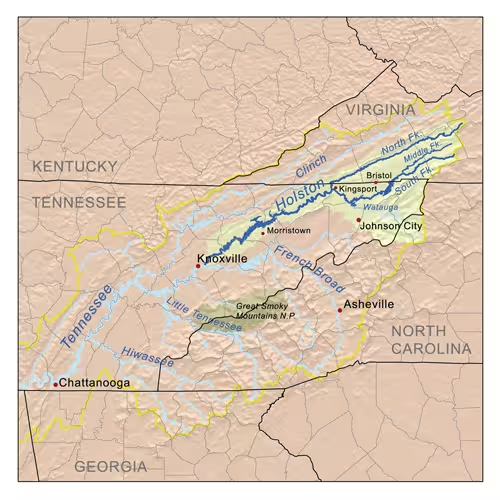
If you could design a perfect river for fly fishing in a laboratory, it would look a lot like the South Holston, or the “SoHo” as locals call it. This river is famous for one simple reason: it holds an incredible number of trout. Scientific studies have estimated that the river contains thousands of trout per mile. This is a staggering number that is hard to wrap your head around until you see it for yourself. More importantly, the majority of these fish are wild, naturally reproducing brown trout that have adapted perfectly to this environment.
Why It’s Famous
The SoHo’s reputation is built on two things: its sheer number of fish and its spectacular insect hatches. The river floor is fertile ground for aquatic insects, which means the trout have a constant supply of food. This leads to healthy, growing fish. The most famous of these events is the Sulphur hatch, which occurs in late spring and early summer. During this time, thousands of yellowish mayflies emerge from the water, and the river’s trout go into a feeding frenzy. A skilled fly fishing angler can have the day of a lifetime presenting a well placed dry fly to these rising fish. But it’s not just the Sulphurs. The river has consistent hatches all year, making it a dynamic and engaging place for fly fishing. It is also known for producing some truly large, trophy sized brown trout, fish that can measure over two feet long and test the skills of any angler.
Key Species
The dominant species in the South Holston is the wild brown trout. These fish are known for being smart, wary, and beautiful, with deep golden colors and vibrant red spots. They are a true prize for any fly fishing enthusiast. There is also a healthy population of rainbow trout, which are often stocked by the state and add variety to the fishing. The combination of plentiful wild browns and feisty rainbows makes every trip to the SoHo exciting.
How to Fish It
The most critical piece of information for fly fishing on the SoHo is the TVA generation schedule. The South Holston Dam releases water to generate electricity, and when it does, the river rises quickly and becomes deep and swift. This is not a suggestion; it is a safety requirement to check the schedule before you go near the water. You can find it on the TVA’s website or by using their mobile app.
When the water is off, the river is a wader’s paradise. You can walk for miles on smooth gravel bars, sight fishing for trout in crystal clear water. This is a technical and rewarding way to experience fly fishing. When the TVA is generating, wading is impossible and dangerous. During these times, the river is best fished from a drift boat. This is where hiring a local fly fishing guide is invaluable. They have the proper boats and the knowledge to safely navigate the high water while putting you in the best position to catch fish. A float trip offers a completely different perspective of the river and is a fantastic way to cover miles of water in a day.
Key Public Access Points
Tennessee has done an excellent job providing access for the public. Some of the most popular spots to begin your fly fishing adventure include the area around the Weir Dam, which is a small dam just below the main one. This area has parking and easy access. Further downstream, Osceola Island offers good wading opportunities. Big Springs Road provides another access point with a boat ramp that many guides use. A quick stop at a local fly shop will get you a map and the latest information on which spots are fishing well.
The Watauga River: The SoHo’s Mighty Sibling
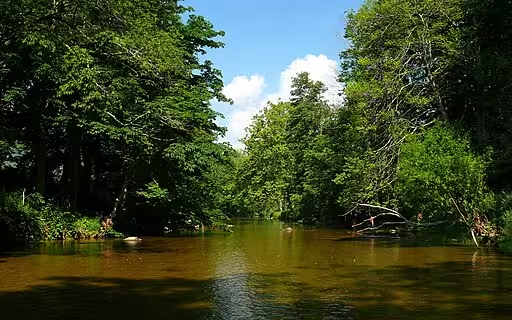
Just a short drive from the South Holston is the Watauga River. If the SoHo is a wide open, perfectly manicured field, the Watauga is a more rugged and varied landscape. It has a bit more character, with more rocks, ledges, and faster currents. It offers a different but equally amazing fly fishing experience. Many local anglers have a favorite between the two, but both are truly exceptional fisheries.
Character and Distinction
The Watauga feels a little wilder than the SoHo. It flows through scenic valleys and past historic landmarks. The riverbed is more varied, with sections of deep pools, fast riffles, and long, smooth glides. This variety of water types means you can use many different fly fishing techniques in a single day. A significant portion of the river is designated by the TWRA as a “Trophy Trout Section.” This area is carefully managed to help trout grow to a larger size, and special regulations apply here. The chance to catch a true trophy sized rainbow or brown trout is very real on the Watauga.
Key Species
Like the SoHo, the Watauga is home to both rainbow trout and brown trout. The Watauga is particularly well known for its healthy population of rainbow trout, which are strong fighters and will often leap from the water when hooked. The brown trout here also grow to impressive sizes, often hiding in the deeper pools or under rocky ledges. Catching a large Watauga brown trout requires skill and a bit of luck.
How to Fish It
The same rule applies here: always check the TVA generation schedule for Wilbur Dam before you go. The Watauga’s flow can change just as quickly as the SoHo’s. Wading is excellent during low water periods, especially in the Trophy Zone where there are many public access points. A float trip on the Watauga is a classic East Tennessee experience, taking you through beautiful scenery and offering access to parts of the river that waders cannot reach. The varied structure of the river makes a float trip particularly effective, as a guide can position the boat perfectly for you to cast into all the likely hiding spots. This is a fantastic way to enjoy a day of fly fishing.
Key Public Access Points
The area around Sycamore Shoals State Historic Park in Elizabethton offers fantastic and easily accessible wading. Further downstream, you can find access points at Blevins Road and Hunter’s Bridge. The Trophy Section has several designated parking areas that provide direct access to some of the best water. As always, being respectful of private property is essential, so stick to the marked public access areas.
Answering Your Questions: What to Know Before You Go
Before you can make your first cast, there are a few practical matters to handle. Just like building a house, you need the right permits and a plan before you start. Answering these common questions will ensure your fly fishing trip is smooth, legal, and enjoyable.
What kind of fishing license do I need in Tennessee?
This is the most important question to answer before you go. To fish for trout in Tennessee, you need two things: a standard Tennessee fishing license and a specific Trout stamp. Think of it like a base building permit and then a special electrical permit. You need both to be legal. The license you need will depend on whether you are a resident of Tennessee or a visitor. There are options for single day licenses, annual licenses, and more.
The easiest way to get your license is to go online to the Tennessee Wildlife Resources Agency (TWRA) website. The process is simple and you can print your license right from your computer. You can also purchase them at most local sporting goods stores and even some hardware or bait shops. Make sure you get both the base license and the trout stamp. Fishing without a license carries heavy fines, and the money from license sales goes directly toward protecting and managing these wonderful rivers for everyone. It is a small investment for a priceless fly fishing experience.
When is the best time of year to fly fish near Bristol?
One of the best things about fly fishing on these tailwaters is that it is a year round sport. The water coming from the bottom of the dams stays at a nearly constant cold temperature, so the trout remain active even in the heat of summer or the cold of winter. However, different seasons offer different experiences.
- Spring (March to May): This is often considered prime time by many anglers. The weather is warming up, the insects are becoming more active, and the fish are hungry after a long winter. This is when you will see the famous hatches of insects like Caddis and Sulphur mayflies. The sight of trout rising all over the river to sip these bugs from the surface is the dream of every fly fishing angler.
- Summer (June to August): The fly fishing can be excellent, but you may need to adjust your strategy. The best action is often early in the morning and late in the evening when the light is low. During the middle of the day, fish often feed on terrestrial insects like ants, beetles, and grasshoppers that fall into the water from the riverbanks. This can be a very exciting way to fish.
- Fall (September to November): For many locals, this is the best time of year. The summer crowds are gone, the leaves on the trees are turning beautiful colors, and the brown trout are becoming very aggressive as they prepare to spawn. This is the best time of year to catch a truly large, predatory brown trout using large streamer flies. You will also see hatches of small Blue Winged Olive mayflies on cooler, overcast days.
- Winter (December to February): While it can be cold, the fly fishing can be fantastic. The main food source for trout during the winter is tiny insects called midges. This requires a delicate and technical approach, but the rewards can be great. You will often have the river all to yourself, offering a peaceful and beautiful experience.
Can you fish these rivers without a guide?
Absolutely. As mentioned before, there are many public access points where you can park your car and wade into the river on your own. For a do it yourself angler, these rivers offer endless opportunities for exploration and discovery. Doing your homework, understanding the water, and learning to read the currents is a deeply rewarding part of the fly fishing journey.
However, hiring a professional fly fishing guide for at least your first day is one of the best investments you can make. Let me use an analogy from my world. You could try to build your own kitchen cabinets, and with enough time and mistakes, you might get a decent result. But if you hire a master carpenter, you will get a perfect result efficiently and learn a tremendous amount in the process. A guide is a master carpenter for the river. They will ensure your safety, teach you the proper techniques, put you on fish immediately, and shorten your learning curve dramatically. They spend hundreds of days a year on the water and understand its secrets. If your time is limited, a guide will make sure you get the absolute most out of your fly fishing trip.
Essential Gear and Fly Selection for the Tri-Cities
You would not frame a house with a screwdriver, and you should not approach these rivers with the wrong gear. Having the right tools for the job is not about spending the most money; it is about having equipment that is suited for the task at hand. Here is a simple, precise list of what you will need.
The Right Tools for the Job: Rods, Reels, and Lines
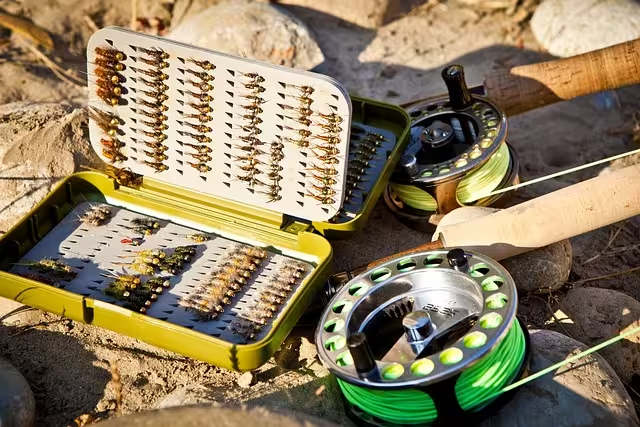
The ideal, all purpose tool for fly fishing on the SoHo and Watauga is a 9 foot fly rod in either a 4 or 5 weight. This setup is delicate enough to make gentle presentations with small flies but has enough power to cast into the wind or fight a large trout. It is the perfect balance for these waters.
Your reel is also important. It should balance well with your rod and have a smooth drag system. The drag is like the brake system on a car. A large trout can pull line off the reel very quickly, and a smooth drag protects your thin leader and helps you tire the fish out. Your fly line should match your rod weight. A weight forward floating line is the most versatile and is all you will need for most situations you will encounter while fly fishing here.
Finally, do not forget the essentials for comfort and safety. A good pair of breathable waders and wading boots are a must. The water is cold all year, and waders will keep you warm and dry. Wading boots with either felt or sticky rubber soles will give you the traction you need on slippery rocks. A wading staff can also be a big help for stability in faster currents.
Matching the Hatch: A Basic Bristol Fly Box
The term “matching the hatch” simply means using a fly that looks like the insects the trout are currently eating. Having a small, well rounded selection of flies will cover most of your needs. You do not need hundreds of different patterns. Competence is about having the right few, not the most.
- Nymphs (Sub-surface flies): Trout do the vast majority of their feeding underwater. Nymphs imitate the juvenile stage of aquatic insects. A few essential patterns are the Pheasant Tail, Hare’s Ear, and Zebra Midge. These simple flies look like a wide variety of trout food and will catch fish year round.
- Dry Flies (Surface flies): These are the flies that float on top and are used when you see fish rising. A selection should include Sulphur patterns for the spring, some generic patterns like the Parachute Adams that can imitate many mayflies, Elk Hair Caddis for caddis hatches, and some ant or beetle patterns for the summer.
- Streamers (Baitfish flies): These larger flies imitate small fish, leeches, or crayfish. They are used to trigger an aggressive, predatory strike from larger trout. The Woolly Bugger is the most famous streamer ever created and works everywhere, including here. Other patterns that imitate local sculpin minnows can also be very effective.
Beyond the Tailwaters: Smaller Streams and Local Gems
While the SoHo and Watauga get all the attention, the mountains surrounding Bristol are filled with smaller streams that offer a completely different kind of fly fishing experience. Seeking out these places is for the angler looking for quiet solitude and a more intimate connection with nature.
Exploring the Cherokee National Forest

The nearby Cherokee National Forest contains hundreds of miles of small mountain streams. These are not big, wide rivers. They are often narrow, covered by a canopy of trees, and full of rocks and small waterfalls. Fishing here requires more casting skill and a stealthy approach. The reward is the chance to catch a Southern Appalachian brook trout, the only trout species native to these mountains. They are small but incredibly beautiful fish, jewels of the forest.
Other Noteworthy Creeks
There are other streams in the area, like Beaverdam Creek and the Doe River, that also offer good fly fishing opportunities. These streams can be a great option when the big tailwaters are generating high water. They provide a place to get away from the crowds and experience the simple joy of fly fishing in a beautiful setting. Discovering one of these smaller streams and figuring out its secrets on your own is one of the most satisfying parts of the sport.
Local Resources: Fly Shops and Guides
A good local fly shop is the information hub for the entire fly fishing community. Places like the South Holston River Fly Shop or the sporting goods department at Mahoney’s in Johnson City are staffed by experts who live and breathe this sport. They can sell you the right flies for that specific week, give you an honest fishing report, and point you toward the most productive sections of the river. They are also the best place to find and book a trip with a reputable, licensed fly fishing guide. Building a good relationship with a local shop is a key step to becoming a more successful angler.
Conclusion: A Commitment to the Resource
The area around Bristol, Tennessee, offers a foundation for a fly fishing experience that is as solid and enduring as the mountains themselves. From the world famous South Holston and Watauga rivers to the hidden gems in the national forest, there is a lifetime of water to explore. The key is to approach it with preparation, respect, and a sense of wonder. These rivers are a gift. They are a shared public resource that depends on our care. Practice catch and release to ensure the trout populations remain healthy for the next generation. Pack out any trash you bring in, and maybe even pick up some that you find along the way. A well built structure can last for centuries. If we treat these rivers with the same care and integrity, this incredible fly fishing resource will too.