

Remember that bone-chilling draft you couldn’t escape last winter, no matter how high you cranked the thermostat? Or perhaps it’s the sinking feeling you get opening your electric bill after a sweltering, humid Tri-Cities summer? That constant frustration – battling discomfort while watching your hard-earned money fly out the window – is an all-too-common experience for homeowners here in Northeast Tennessee. From the heart of Johnson City to the streets of Kingsport and Bristol, our unique climate, with its distinct and demanding seasons, truly puts our homes, and our budgets, to the test.
But imagine stepping into a home that feels consistently comfortable, cozy in the winter and refreshingly cool in the summer, without the anxiety of those sky-high utility bills. This isn’t just wishful thinking; it’s the tangible result of embracing energy efficiency—smartly using less energy to achieve the same, or even better, comfort levels—and adopting sustainable home practices, which means choosing materials and methods that are healthier for your family, your finances, and our beautiful Appalachian environment.
In our specific region, influenced by the energy landscape shaped by local providers like BrightRidge and the broader Tennessee Valley Authority (TVA) network, understanding and implementing these concepts is not just beneficial, it’s empowering. Making your home more energy-efficient offers a cascade of advantages:
- Significant Savings: Slash those monthly utility bills and keep more money in your pocket.
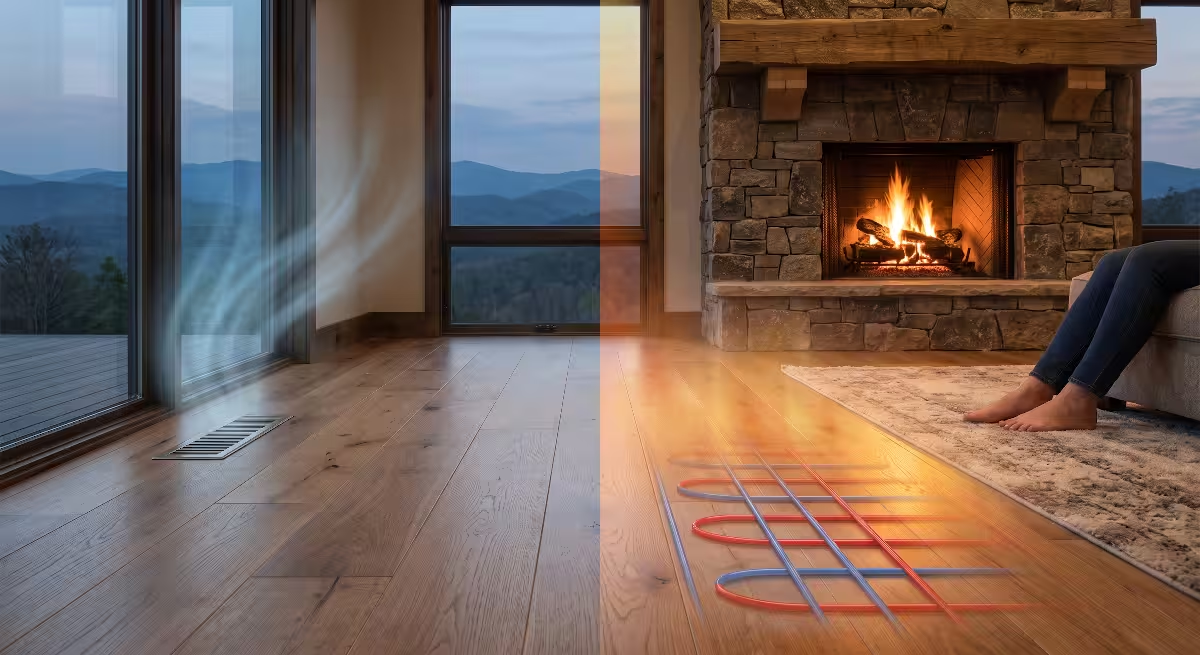
- Unbeatable Comfort: Eliminate annoying drafts and hot spots for a truly comfortable living space year-round.
- Healthier Living: Improve your indoor air quality, reducing allergens and creating a safer environment for your family.
- Increased Home Value: Make your property more attractive and valuable to future buyers.
- Environmental Stewardship: Reduce your carbon footprint and help conserve resources in our cherished corner of Tennessee.
Feeling overwhelmed? Don’t be. This article is your guide. We’ll break down practical, actionable strategies you can implement, uncover valuable local programs, rebates, and resources specifically available here in the Tri-Cities, and provide a clear roadmap to transform your house from an energy-drain into an efficient, comfortable, and sustainable haven. Let’s get started on making your home work smarter, not harder.
Key Strategies for an Energy-Efficient Tri-Cities Home
Achieving energy efficiency isn’t about drastic deprivation; it’s about making smart upgrades and adjustments so your home performs optimally, keeping you comfortable while using less energy. Here are the most impactful strategies for homeowners in Johnson City, Kingsport, Bristol, and the surrounding Northeast Tennessee areas:
A. Sealing the Envelope: Insulation & Air Sealing – Your First Line of Defense
Think of your home’s outer shell (walls, roof, foundation) as an envelope. The better sealed and insulated this envelope is, the less conditioned air (warm in winter, cool in summer) escapes, and the less unconditioned outside air gets in. This is arguably the most cost-effective way to improve comfort and reduce energy bills.
- Insulation Matters: Heat naturally moves from warmer areas to cooler areas. Insulation slows this heat transfer. In the Tri-Cities, with our cold winters and hot, humid summers, proper insulation is critical. Check your attic insulation levels – many older homes are under-insulated. Recommendations often suggest R-values (a measure of thermal resistance) of R-38 to R-60 for attics in our climate zone. Walls (R-13 to R-15+) and crawl spaces or basements also need adequate insulation. Common materials include fiberglass batts, blown-in cellulose (often made from recycled paper), and spray foam (excellent for air sealing but typically more expensive).
- Stop the Leaks: Tiny cracks and gaps around windows, doors, electrical outlets, plumbing penetrations, and attic access points can add up to significant energy loss – like leaving a window open all year round! Air sealing involves using caulk, weatherstripping, and expanding foam to close these gaps. A professional energy audit, often including a blower door test, can precisely locate these hidden air leaks, allowing for targeted sealing. Programs like the Weatherization Assistance Program (WAP) often focus heavily on insulation and air sealing for eligible low-income families.
B. High-Performance Windows & Doors: Seeing the Savings
Windows and doors are major culprits for energy loss. If you have old, single-paned, or leaky windows, upgrading can make a huge difference in both comfort and energy bills.
- Decoding Window Labels: Look for ENERGY STAR® certified windows. Key ratings include:
- U-factor: Measures how well the window prevents heat from escaping (lower is better).
- Solar Heat Gain Coefficient (SHGC): Measures how much heat from the sun enters through the window (lower is generally better in our cooling-dominated climate, though some passive solar gain in winter can be beneficial).
- Low-E Coatings: Microscopic, invisible coatings that reflect infrared heat, keeping heat inside during winter and outside during summer.
- Gas Fills: Inert gases like Argon or Krypton between the panes insulate better than air.
- Beyond Energy: New windows and doors also offer better sound insulation (reducing outside noise), enhanced security, and improved curb appeal. While an investment, replacement windows often significantly increase home value.
C. Efficient Heating, Ventilation & Air Conditioning (HVAC): The Heart of Home Comfort
Your HVAC system is likely one of the biggest energy consumers in your home. Keeping it efficient is crucial, especially during our humid summers and chilly winters.
- Maintain to Sustain: Simple maintenance goes a long way. Change air filters regularly (monthly or quarterly, depending on the type) to ensure good airflow and system efficiency. Have your system professionally cleaned and tuned annually – this can catch small problems before they become costly breakdowns and ensures the unit runs efficiently. Sealing leaky ductwork is also vital; gaps in ducts hidden in attics or crawl spaces can waste a significant amount of heated or cooled air. A duct leak test can quantify this leakage.
- Upgrade Wisely: If your HVAC system is old (15+ years), consider upgrading to a high-efficiency model. Look for high SEER (Seasonal Energy Efficiency Ratio) ratings for air conditioners and HSPF (Heating Seasonal Performance Factor) ratings for heat pumps.1 Heat pumps are very popular and effective in the Tennessee Valley climate, providing both heating and cooling efficiently. Importantly, ensure any new system is properly sized for your home using a Manual J load calculation – oversized or undersized units run inefficiently and wear out faster.
- Get Smart with Thermostats: Installing a programmable or smart thermostat allows you to automatically adjust temperatures when you’re away or asleep, saving significant energy. Smart thermostats learn your habits and can be controlled remotely via smartphone. Plus, utilities like TVA often offer incentives or programs like Smart Thermostat Rewards for customers who enroll their eligible devices. Ask local HVAC contractors, especially those in the TVA Quality Contractor Network (QCN), about efficient options and potential rebates.
D. Water Heating Efficiency: Cutting Hidden Costs
Heating water is typically the second or third largest energy expense in a home.
- Modern Options: Consider upgrading an old tank water heater. Tankless water heaters heat water on demand, eliminating standby losses from keeping a tank hot. Heat pump water heaters are even more efficient, pulling heat from the surrounding air to heat the water – often qualifying for utility rebates.
- Simple Fixes: Insulating hot water pipes reduces heat loss as water travels to your faucets. Lowering the thermostat on your tank water heater (120°F is usually sufficient) also saves energy.
E. Lighting & Appliances: Easy Efficiency Gains
- LED Lighting: If you haven’t already, switch to LED (Light Emitting Diode) bulbs. They use up to 80% less energy than traditional incandescent bulbs and last much longer, saving money on both electricity and replacement bulbs.
- ENERGY STAR® Appliances: When buying new appliances (refrigerators, dishwashers, clothes washers, dryers), look for the ENERGY STAR label. These models meet strict energy efficiency guidelines set by the EPA, using significantly less energy and water than standard models.
- Slay Phantom Load: Many electronics continue to draw power even when turned “off.” This is called phantom load. Unplug chargers when not in use, or use smart power strips that cut power to devices when they’re not active.
Sustainable Building & Living Practices in Northeast Tennessee
Beyond just efficiency, sustainability encompasses building and living in ways that minimize environmental impact, promote occupant health, and conserve resources for the future. These practices are increasingly relevant for new construction and renovations in the Tri-Cities.
A. Green Building Principles: Building Better from the Ground Up
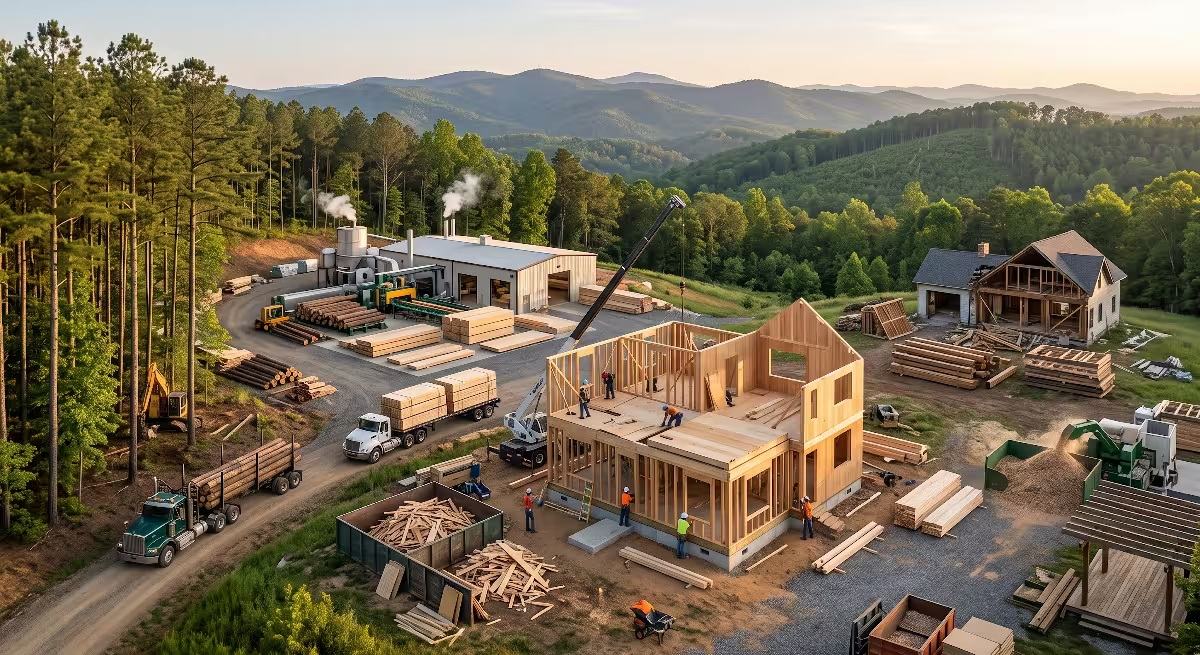
- Thoughtful Design: Green building starts with smart design. This includes orienting the house to take advantage of passive solar gain in winter and minimize it in summer, planning for natural ventilation, and designing floor plans efficiently to maximize space usability without unnecessary square footage.
- Site Considerations: Minimizing disturbance to the building site, managing stormwater runoff effectively, and preserving existing trees and vegetation are key aspects of sustainable site development.
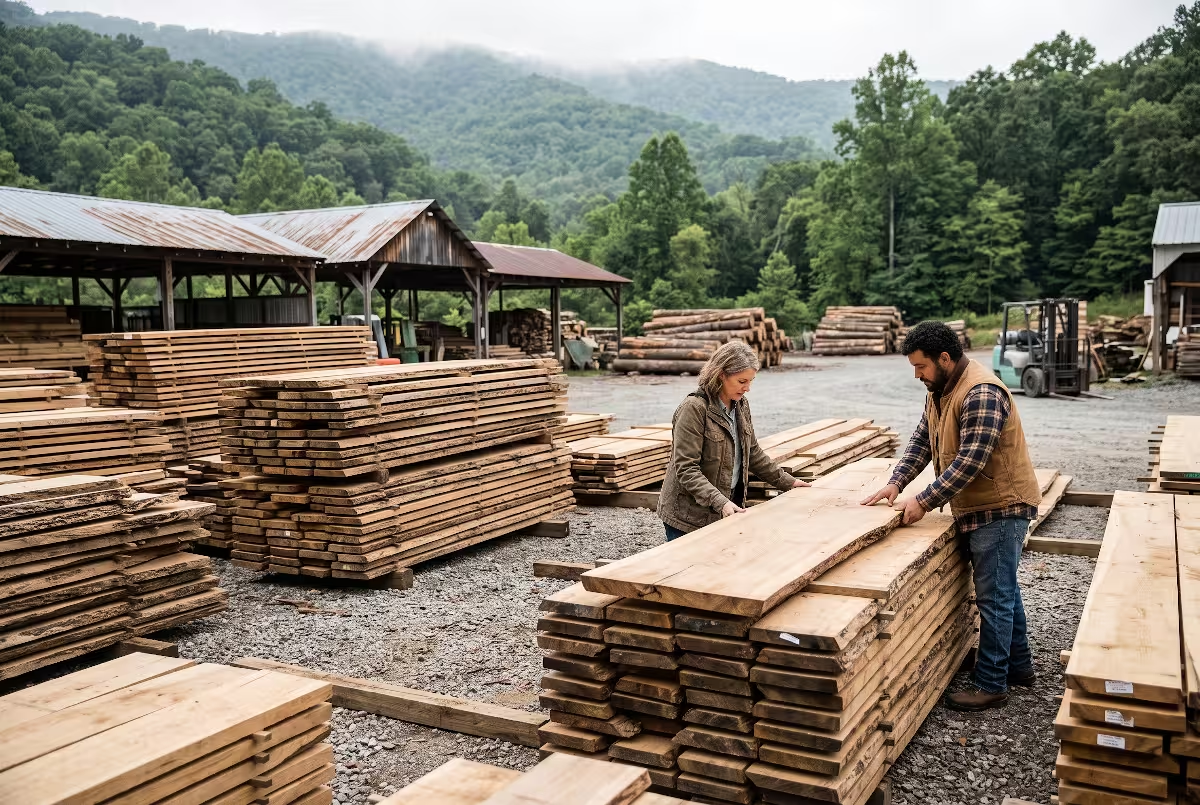
- Material Choices: Prioritize materials that are durable, require less energy to produce, contain recycled content, are sourced locally (reducing transportation emissions), and have low levels of volatile organic compounds (low-VOC paints, sealants, flooring) for better indoor air quality. Look for reclaimed materials like beams or flooring for unique character and environmental benefit. Construction waste management, including site recycling, diverts materials from landfills.
- Water Conservation: Incorporating low-flow toilets, showerheads, and faucets (look for the EPA WaterSense label) significantly reduces household water consumption. Rainwater harvesting systems for irrigation are another sustainable option.
- Local Expertise: Builders specializing in green practices, like CustomSmart Homes serving the region or members of the Johnson City Area Home Builders Association (JCAHBA) with green certifications, can guide homeowners through sustainable options.
B. Landscaping for Efficiency: Your Yard Can Work For You
Strategic landscaping can passively heat and cool your home. Deciduous trees planted on the south and west sides provide shade in the summer but allow sunlight through in the winter once leaves drop. Evergreen trees and shrubs can create windbreaks to reduce heat loss during cold Northeast Tennessee winters. Choosing native or drought-tolerant plants (xeriscaping) reduces the need for irrigation, conserving water.
C. Integrating Renewable Energy (Beyond Solar)
While solar is the most common, geothermal heat pump systems, which use the stable temperature of the earth to heat and cool, are another highly efficient, albeit more expensive upfront, renewable energy option suitable for some properties in the region.
Harnessing the Sun: Solar Power in the Tri-Cities
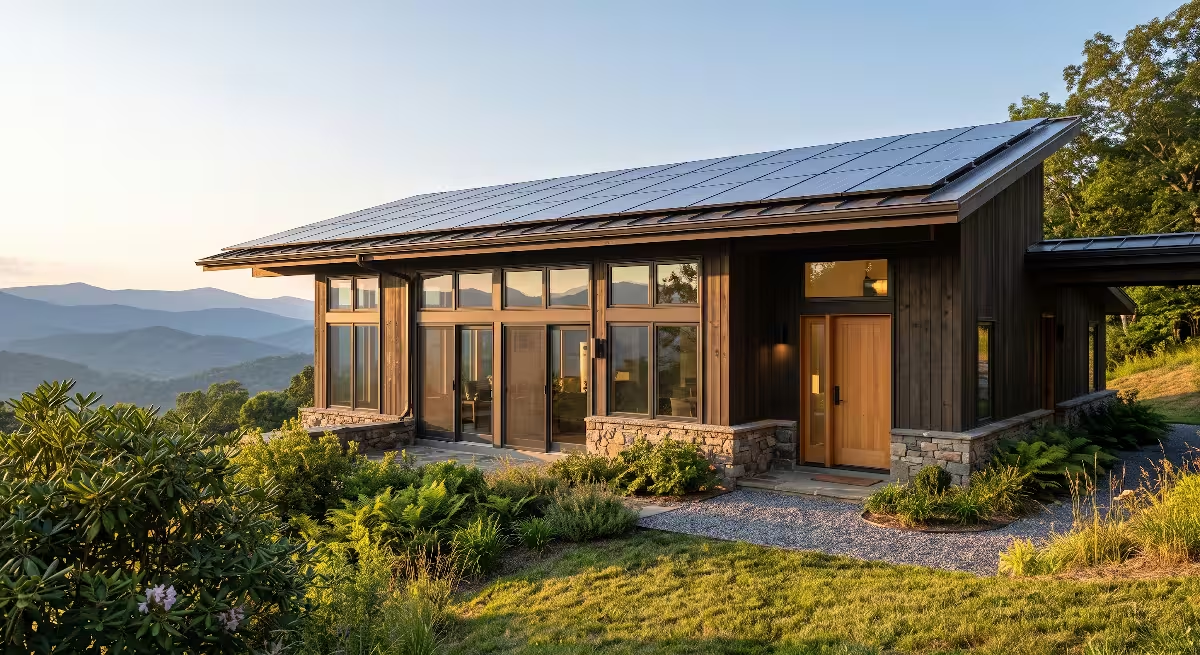
Solar photovoltaic (PV) panels are becoming increasingly visible on rooftops across Northeast Tennessee, and for good reason. Generating your own clean electricity can drastically reduce or even eliminate your power bills.
A. Is Solar Right for Your Tri-Cities Home?
Going solar is a significant investment, so consider these factors:
- Sunlight Access: Your roof (or ground space) needs good, unshaded southern exposure for optimal production. Nearby trees or buildings can impact output.
- Roof Condition: Your roof should be in good condition, as panels are expected to last 25+ years. It’s often best to replace an aging roof before installing solar.
- Energy Consumption: Review your past BrightRidge bills to understand your average electricity usage. This helps size the system appropriately.
- Budget & Goals: Are you aiming to offset most of your bill or just a portion? Do you want battery storage for backup power during outages?
The benefits are compelling: substantial long-term savings on electricity, protection against rising energy costs, increased home value (studies show solar homes sell faster and for more), and significantly reducing your household’s carbon footprint.
B. Understanding Solar Systems
A typical grid-tied residential system includes:
- Solar Panels: Convert sunlight directly into DC (Direct Current) electricity.
- Inverters: Convert DC electricity from the panels into AC (Alternating Current) electricity usable by your home and the grid.
- Racking/Mounting: Securely attaches the panels to your roof or a ground mount.
- (Optional) Battery Storage: Stores excess solar energy for use at night or during power outages. This adds cost but increases energy independence.
Most homes remain connected to the grid (BrightRidge), allowing them to draw power when the solar system isn’t producing enough (e.g., at night) and potentially send excess power back to the grid.
C. Navigating Solar Incentives & Policies in the Tri-Cities
Financial incentives are crucial for making solar affordable. Here’s what’s typically available:
- Federal Solar Investment Tax Credit (ITC): This is the most significant incentive. Currently (as of early 2025, valid through 2032), it allows you to claim a tax credit for 30% of the total system cost (including panels, inverter, racking, installation labor, and battery storage). For example, on a $30,000 system, the credit would be $9,000. This is a credit, meaning it directly reduces your federal tax liability. If the credit exceeds your tax liability in one year, it can often be rolled over. You claim it using IRS Form 5695 when filing your taxes.
- Tennessee Green Energy Property Tax Assessment: Tennessee state law offers a favorable property tax assessment for solar. Instead of your property taxes increasing based on the full value added by the solar system, only 12.5% of the system’s appraised value is added to your home’s tax assessment. This significantly limits the property tax increase associated with going solar. For instance, on a system valued at $20,000, only $2,500 would be added to your property’s assessed value for tax purposes.
- TVA/BrightRidge Policies (Net Metering/Interconnection): This is critical and subject to change. Tennessee does not mandate net metering (where you get full retail credit for excess power sent to the grid). The TVA and your local power company (BrightRidge) determine the policies for how homeowners are compensated for excess solar generation. Programs may offer credits, but potentially at a lower rate than the retail electricity price. It is essential to get the most current information directly from BrightRidge and understand their specific interconnection agreement and compensation structure before signing a solar contract. Their programs and rates can influence the financial payback period of your system.
- Local Rebates: While less common, occasionally check if BrightRidge or other local entities offer any specific, limited-time rebates for solar installation or battery storage.
D. Choosing a Solar Installer
Selecting the right installer is vital for a quality, long-lasting system.
- Get Multiple Quotes: Obtain proposals from at least three reputable installers. Compare equipment offered, warranties, pricing, and proposed system designs.
- Check Credentials: Ensure the installer is licensed and insured in Tennessee. Look for certifications like those from NABCEP (North American Board of Certified Energy Practitioners).
- Read Reviews & Ask for References: Check online reviews and ask for references from past customers in the Tri-Cities area.
- Understand the Contract: Read the contract carefully, ensuring it details the equipment, warranties, installation timeline, and total cost.
- Notify BrightRidge: Reputable installers will handle the interconnection application process with BrightRidge, but ensure you are aware of the requirements.
Local Programs, Rebates & Resources in the Tri-Cities
Fortunately, homeowners in Northeast Tennessee have access to several excellent programs and resources designed to make energy efficiency and sustainability more achievable. Leveraging these can save you significant money on upgrades.
A. TVA EnergyRight Program: Your Go-To Resource
The Tennessee Valley Authority (TVA), through your local power company BrightRidge, offers the EnergyRight program, a comprehensive suite of services for homeowners:
- Home Energy Evaluations: For a small fee (or sometimes free during promotions), a certified TVA Energy Advisor will conduct a walk-through evaluation of your home, identifying key areas for energy savings. They provide a customized report with recommendations and may install some instant-saving measures like free LED bulbs. This is often the best first step.
- Rebates & Incentives: EnergyRight offers cash-back rebates for specific qualifying upgrades performed by a member of their approved contractor network. Common rebates include those for:
- Attic Insulation upgrades
- High-efficiency Heat Pumps
- High-performance Windows
- Duct and Air Sealing
- Heat Pump Water Heaters (Check the EnergyRight website for current offers, amounts, and requirements, as these change periodically).
- Financing: They may offer financing options through local lenders to help cover the cost of eligible energy upgrades.
- Quality Contractor Network (QCN): EnergyRight maintains a list of vetted, trained contractors (QCN members) qualified to perform upgrades according to program standards. Using a QCN member is often required to qualify for rebates.
- Other Programs: Explore initiatives like the Smart Thermostat Rewards program.
- How to Participate: Visit the EnergyRight.com website or call their listed phone number (1-855-237-2673 referenced in searches) to register your home, find a QCN contractor, apply for financing, or schedule an evaluation.
B. BrightRidge Programs: Local Support
As your local power company, BrightRidge partners closely with TVA to deliver EnergyRight programs and offers additional support:
- Home Uplift Program: This fantastic program, delivered in partnership with TVA and supported by the TDEC Office of Energy Programs (OEP), provides free home energy upgrades to income-qualified homeowners. Eligible participants can receive significant improvements averaging around $10,000 in value, such as new HVAC units, insulation, air sealing, efficient appliances, and window/door repairs. Eligibility is based on homeownership, being a BrightRidge customer, and meeting specific income guidelines. This program dramatically improves comfort, safety, and affordability for participating families. Availability is often first-come, first-served.
- Other Initiatives: Check the BrightRidge website (brightridge.com) for details on their support for EV charging, their Green Switch program (allowing customers to support renewable energy generation for a small fee), and any other local energy-saving initiatives.
- How to Participate: Visit the specific program pages on the BrightRidge website or contact their customer service for applications and eligibility details for programs like Home Uplift (888-986-7262 referenced for Home Uplift applications).
C. Weatherization Assistance Program (WAP)
Funded by the U.S. Department of Energy and administered locally (e.g., by agencies like Mountain CAP serving parts of the Tri-Cities), WAP helps low-income families (especially the elderly, those with disabilities, and families with children) reduce their energy bills by making their homes more energy-efficient. Services focus on essential measures like insulation, air sealing, and HVAC system safety/efficiency checks at no cost to the resident. Contact your local community action agency to inquire about eligibility and apply.
D. State & Federal Resources
- ENERGY STAR: (energystar.gov) provides a wealth of information on efficient products, home sealing, and best practices. Look for their label when shopping.
- TDEC OEP: The Tennessee Department of Environment and Conservation’s Office of Energy Programs plays a role in facilitating energy efficiency efforts statewide.
E. Local Expertise: Energy Audits & Ratings
For a deep dive into your home’s performance, consider a professional home energy audit.
- What it Involves: Auditors use diagnostic tools like a blower door (measures air leakage) and infrared thermal imaging (reveals insulation gaps or air leaks) to pinpoint exactly where energy is being wasted. They provide a detailed report with prioritized recommendations for improvement. Companies like Apogee Consulting (based in Kingsport) offer these services locally. Some audits may qualify for federal tax credits (e.g., a potential $150 credit was noted in searches).
- Ratings: Auditors can also provide a Home Energy Score (a 1-10 rating like a car’s MPG) or a HERS (Home Energy Rating System) Index score. Lower HERS scores are better, indicating higher efficiency. These scores can be valuable documentation when selling your home.
- Benefits: An audit provides a customized roadmap for upgrades, helping you invest wisely for the biggest impact on comfort and savings.
Getting Started: Your Action Plan
Feeling motivated but unsure where to begin? Taking a step-by-step approach makes improving your home’s energy efficiency manageable.
A. Assess Your Current Situation: Start by gathering your BrightRidge energy bills from the past year. Look for patterns – when is your usage highest? Walk through your home and note obvious comfort issues: Are some rooms always colder or hotter? Do you feel drafts near windows or doors? This initial assessment helps you understand your baseline.
B. Tackle Low-Cost/No-Cost Actions First: You can make a difference without spending much money. Adjust your thermostat settings (a few degrees lower in winter, higher in summer, especially when away). Switch remaining incandescent bulbs to LEDs. Check and replace dirty HVAC filters. Use caulk and weatherstripping to seal obvious air leaks around windows and doors. Ensure ceiling fans rotate counter-clockwise in summer (pushing air down) and clockwise on low in winter (pulling cool air up).
C. Get a Professional Assessment: To truly understand your home’s performance and identify hidden issues, schedule an evaluation. Start with the TVA EnergyRight Home Energy Evaluation – it’s low-cost and provides tailored recommendations and access to their programs. For a more in-depth analysis, consider hiring a local independent energy auditor for a comprehensive assessment using tools like a blower door and infrared camera.
D. Prioritize Upgrades Strategically: Based on your assessment or audit results, prioritize upgrades that offer the best return on investment (ROI) and address your biggest comfort issues. Often, attic insulation and comprehensive air sealing provide the quickest payback. After sealing the envelope, focus on HVAC system efficiency, windows, and water heating.
E. Research and Leverage Incentives: Before starting any major project, actively check the TVA EnergyRight and BrightRidge websites for the latest rebates, financing options, and program requirements (like using a QCN contractor). Don’t forget the significant Federal Solar Tax Credit if considering solar. Maximize these incentives to reduce your out-of-pocket costs.
F. Hire Qualified Contractors: For work beyond simple DIY tasks, hire reputable, licensed, and insured professionals. Utilize the TVA Quality Contractor Network (QCN) list for eligible upgrades to ensure quality work and access to rebates. For other jobs or solar installations, get multiple quotes, check references, and review contracts thoroughly.
Conclusion: A More Comfortable, Affordable Tri-Cities Home Awaits
Investing in energy efficiency and sustainability isn’t just about following a trend; it’s about making smart, practical decisions that profoundly enhance your quality of life right here in Northeast Tennessee. By taking control of your home’s energy use, you unlock a powerful combination of benefits: substantial savings on your monthly utility bills, a noticeable improvement in year-round comfort, a healthier indoor environment for your family, increased long-term value for your property, and the satisfaction of reducing your environmental impact in our beautiful region.
From sealing air leaks and adding insulation to upgrading your HVAC system or even harnessing the power of the sun, the path to a more efficient home is clear. Crucially, you don’t have to navigate it alone. Resources like the TVA EnergyRight program, BrightRidge’s local initiatives including the vital Home Uplift program, federal tax credits, and the expertise of local energy auditors and qualified contractors are all available to support your efforts. Taking that first step—whether it’s changing a lightbulb, scheduling an evaluation, or researching rebates—starts you on the journey to a more comfortable, affordable, and sustainable Tri-Cities home.
Call to Action: Take the Next Step Today!
Ready to start saving energy and improving your home?
- Explore TVA EnergyRight: Visit EnergyRight.com to learn about rebates, find qualified contractors (QCN), and schedule a Home Energy Evaluation.
- Check BrightRidge Programs: Visit BrightRidge.com to learn about the Home Uplift program eligibility, Green Switch, EV support, and other local services.
- Find Local Experts: Search the TVA QCN list or look for certified energy auditors and reputable contractors serving the Johnson City, Kingsport, and Bristol areas.
- Investigate Solar: If interested in solar, research the Federal ITC and contact local, vetted solar installers for consultations and quotes, ensuring you understand BrightRidge’s current interconnection policies.
Don’t wait – start your journey towards a better home environment today!