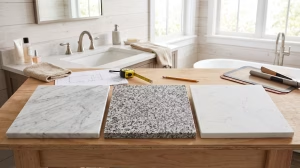
When you decide to build or fix up a special room for your hobbies, you might think about the tools or the lights first. But, I want to tell you a secret. The most important part of your room is actually under your feet. The right flooring makes your work easier. It keeps your body from hurting. It also keeps your tools safe. In our area, the weather can be very wet and humid, which changes how we think about a workshop.
We want to help you choose the best flooring for dedicated workshop spaces so that you can enjoy your crafts for many years. Let’s talk about how to make your floor as strong and smart as you are!
Why Your Floor is Your Most Important Tool
When we look at a room, we see it as a system. Every part has a job to do. From an engineering point of view, the flooring is the part that holds everything else up. It has to be very strong to hold heavy machines like saws or big workbenches. If the flooring is weak, it might crack or bend. That can make your machines tilt, and a tilted machine is not safe to use.
From a carpenter’s point of view, I think about how my body feels. If I stand on a hard concrete floor for eight hours, my knees and my back will start to hurt. We call this the carpenter’s reality. A good type of floor will have a little bit of “give” to it. This means it is a tiny bit soft so it absorbs the shock when you walk. If you drop a sharp tool like a chisel, you want the flooring to be soft enough that the tool does not break.
It is much easier to fix a small dent in the floor than it is to fix a broken blade. Our goal today is to find the best flooring for dedicated workshop rooms that keeps you and your tools in great shape.
Essential Factors for Workshop Flooring
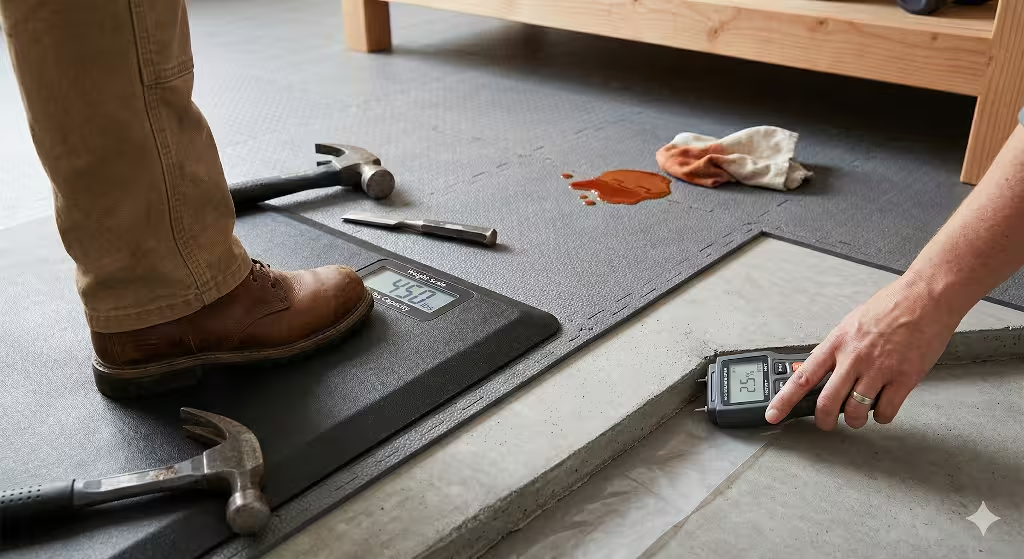
Before you go to the store, you need to know what to look for. Not all flooring is made for a workshop. Some is made for a kitchen and some is made for a bedroom. A workshop floor needs to be extra tough. The first thing to think about is how much weight it can carry. This is called load bearing. If you have a heavy car or a big wood lathe, the flooring needs to stay flat under that weight.
Next, think about how it feels to stand on. This is called ergonomics. If you are like me and you love to spend all day crafting or building, you need flooring that is kind to your joints. You also need to think about spills. If you use paint, oil, or wood stain, you want a floor that will not soak up the liquid. You want to be able to wipe it clean with a paper towel. Lastly, think about how the flooring handles moisture.
In the Tri-Cities, we have lots of rain and humidity. If your floor is in a basement or a garage, it might get damp. The right flooring will not grow mold or peel off when it gets a little wet.
The Tri-Cities Variable: Humidity and Your Subfloor
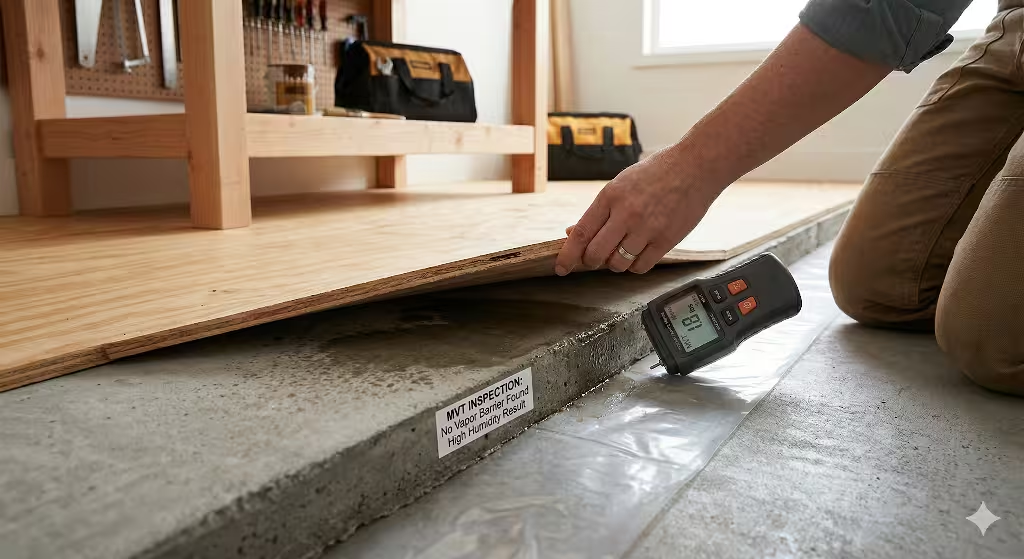
Living in East Tennessee is wonderful, but our weather can be tricky for building. The ground here has a lot of moisture in it. Most workshops are built on a big piece of concrete called a slab. Concrete looks solid, but it is actually like a sponge. It has tiny holes that let water vapor move through it. We call this moisture vapor transmission. If you put the wrong flooring on top of damp concrete, the water gets trapped. This can make glue come loose or make wood floor swell up.
When we build new homes here, we put a plastic sheet under the concrete to stop the water. This is called a vapor barrier. If your workshop is in an older home, you might not have one. That is why choosing the right flooring is so important. You have to make sure the floor can handle the dampness. You also need to let your materials sit in the room for a few days before you install them. This is called acclimatization. It lets the flooring get used to the air in your house so it does not shrink or grow too much later on.
1. Polyaspartic Coatings
You might have heard of epoxy for garage floors. Polyaspartic is like a newer, stronger cousin of epoxy. It is one of the top choices for workshop flooring in 2026. One reason I like it is that it dries very fast. In our humid Tennessee air, some paints take days to dry. Polyaspartic can be ready to walk on in just a few hours. It is very hard and does not get yellow from the sun.
This type of flooring is great because it bonds very tightly to the concrete. It fills in all the little cracks. It is also very easy to clean. If you spill grease or chemicals, they just sit on top. It is a very professional choice because it looks shiny and clean. However, it can be slippery if it gets wet. I always tell my friends to add a little bit of sand or special “grit” to the mix. This gives the flooring a texture that keeps you from sliding around while you work.
2. Interlocking PVC Tiles
If you want to do the work yourself, interlocking PVC tiles are a great choice. These tiles fit together like puzzle pieces. You do not even need glue to put them down. This makes them a very friendly choice for a home workshop. Because they are made of plastic, this flooring does not care about moisture. If your concrete gets a little damp, the tiles will be just fine.
Another thing we love about this flooring is that it comes in many colors. You can make patterns or mark off different areas of your shop. If you ever damage one tile, you can just pop it out and put a new one in. You do not have to fix the whole floor. These tiles also feel much warmer and softer than plain concrete. It is a very smart way to cover up an old, cracked floor without spending a lot of money on big repairs.
3. Rubber Flooring (Rolls or Tiles)
Many people use rubber flooring in gyms, but it is also amazing for a dedicated workshop. It is the best choice for protecting your body. Rubber is very bouncy and soft. If you stand in one spot for a long time while you use a scroll saw or a sewing machine, your feet will thank you. It comes in big rolls or thick tiles.
Rubber flooring is very heavy, so it stays in place well. It also helps quiet down the room. If you have loud machines, the rubber will soak up some of the noise. This is nice if your workshop is inside your house and you do not want to wake up your family. One thing to know is that rubber can be hard to sweep if it has a very rough texture. For a woodworking shop, you want a smoother rubber flooring so you can easily clean up the sawdust.
4. Polished Concrete
Some people like to keep things simple. Polished concrete is a very tough type of flooring. To make it, a worker uses a big machine with diamond pads to sand the concrete until it is smooth and shiny. It looks very modern and clean. It will never peel, and it is almost impossible to scratch.
The downside to this flooring is that it is very hard and cold. In the winter here in Johnson City, a concrete floor can feel like ice. It also does not help your back or knees at all. If you choose this flooring, I suggest putting small rubber mats in the places where you stand the most. This gives you the best of both worlds. You get a floor that lasts forever, but you also get a soft spot to stand.
5. Plywood or OSB Subflooring
If you are a carpenter, you might love a wood floor. Some people put a layer of wood right over their concrete. They use a special type of thick wood called OSB or plywood. This flooring is very traditional. It is warm and it feels very natural to work on.
The best part about wood flooring is that it is very kind to your tools. If you drop a sharp blade, the wood will catch it safely. It is also easy to screw things into the floor if you need to hold a project steady. However, wood can soak up spills. You should put a clear coat of sealer on it to keep it from staining. You also have to be careful about moisture from the ground. You must put a plastic sheet under the wood flooring to keep it from rotting.
What is the cheapest way to floor a workshop?
This is a question that builders get asked a lot! If you are on a tight budget, the cheapest way to finish your floor is usually a simple concrete sealer or a floor paint. These are not as strong as the professional coatings, but they help keep the dust down. Another low-cost idea is to find “mats” instead of doing the whole floor. You can leave the concrete as it is and just buy a few rubber mats for the areas where you walk. This saves money while still giving you some of the benefits of better flooring.
Is epoxy or polyaspartic better for a garage workshop?
This is a great technical question! Epoxy is very common and costs a little less. But in a place like the Tri-Cities, polyaspartic is often better. Epoxy can become brittle over time and might chip. Polyaspartic stays a little bit flexible, which helps it handle the changes in temperature we have here. It also resists the heat from car tires better. If you want flooring that will look perfect for twenty years, polyaspartic is usually the winner, even if it costs more at first.
How do I stop my workshop floor from being cold?
Our winters in Tennessee can be chilly! To keep your feet warm, you can use a thermal break. This is a layer of insulation that goes under your flooring. Some people use foam boards under a wood floor. Others use special plastic tiles that have air gaps underneath. If you are building a brand new workshop, you can even put heating pipes inside the concrete. This is called radiant heat. It makes the flooring feel like it has been sitting in the sun all day. It is a wonderful luxury if you spend a lot of time in your shop during the winter.
Can I put vinyl plank in a workshop?
Vinyl plank is very popular in homes right now because it looks like wood but is waterproof. You can use it in a workshop, but you have to be careful. Most vinyl flooring is made for people wearing socks or soft shoes. It can get scratched by heavy tools or metal scraps. If you want to use it, look for a “commercial grade” version. This flooring has a much thicker top layer that can handle more abuse. It is a great choice if you want your workshop to look like a beautiful room in your house.
Matching the Floor to Your Craft
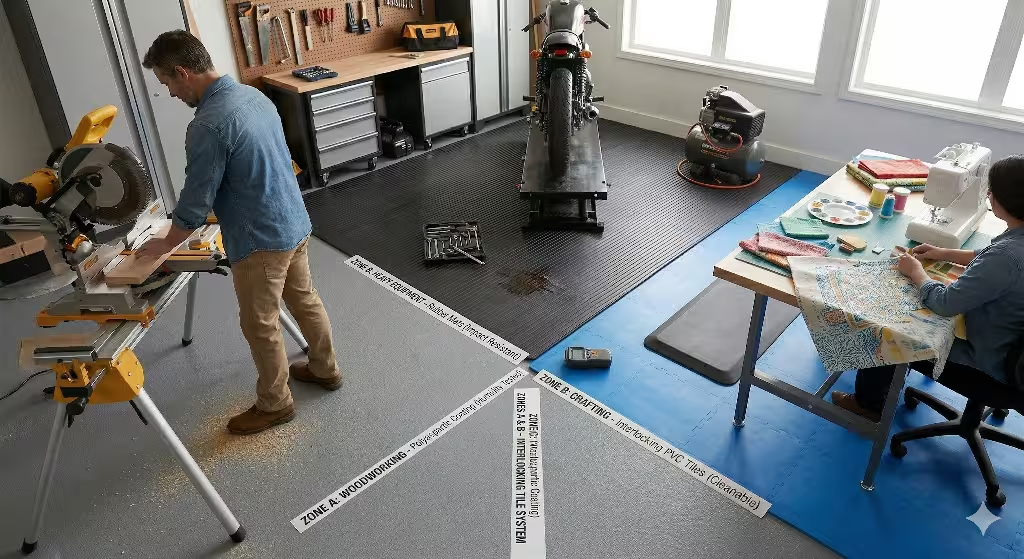
Every hobby has different needs. If you are a woodworker, your biggest enemy is sawdust. You need a smooth flooring that is easy to sweep or vacuum. You also need to make sure the floor is not slippery when dust settles on it. A little bit of texture is very important for safety.
If you have a craft studio for sewing or painting, you might want something different. You might want flooring that is a light color so you can see small things like pins or beads if you drop them. You also want it to be very comfortable. A soft rubber or a thick vinyl flooring is great for a craft room. If you work with heavy metal or cars, you need the toughest flooring possible, like a thick coating or heavy-duty tiles that won’t crush under a jack.
Finishing Touches and Safety
No matter which floor you pick, you must think about safety. Workshops can be dangerous places if we are not careful. Always make sure your flooring is flat. If there are bumps or edges, you might trip. If you use rugs or small mats, make sure they have a sticky back so they do not slide.
We also like to think about how the room looks. A workshop is a place where you should feel happy and inspired. A clean, bright flooring can make the whole room feel bigger and better. As Lizzie Crozier French believed, we should have spaces that reflect our strength and our skills. A well-built workshop floor is a sign that you value your work and yourself.
Conclusion: Investing in Your Space
Choosing the best floor for dedicated workshop use is a big decision, but it is one that pays off every single day. Whether you choose a high-tech coating, a simple wood floor, or easy-to-use tiles, you are building a foundation for your creativity. Think about your body, your tools, and our Tennessee weather. If you take the time to pick the right flooring now, you will have a space that is safe, comfortable, and beautiful for a long time.
We hope this guide helps you feel more confident about your project. Building and crafting are such wonderful ways to spend your time. Having the right flooring under your feet makes the experience even better. Remember to measure twice and cut once, and always start with a good foundation!
Bonus Section: Best Ways to Clean Your Floor
Cleaning your workshop flooring is the best way to make your hard work last. As many people know, a clean shop is a safe shop. Dust and oil can make your flooring very slippery. In our part of Tennessee, we also have to deal with red clay dirt. This dirt can stain your flooring if you do not clean it up fast. Here are the best ways to keep your workspace looking great.
Daily Cleaning for Sawdust and Dirt
The most important step for any workshop flooring is to sweep every day. Sawdust is very sneaky. It can get into the small cracks of your flooring and stay there. If you have a smooth type of flooring, like a coating or polished concrete, a wide push broom is your best friend. It moves a lot of dust at once.
If your floor has a texture to keep you from slipping, a broom might miss some spots. For this, I love using a shop vacuum. A vacuum pulls the dust out of the tiny holes in the flooring. This is very important for rubber flooring or PVC tiles. If you leave dust on your flooring, it acts like sandpaper. Every time you walk, you are scratching the surface. Keeping the flooring clear of grit will help it stay shiny and new.
Deep Cleaning with Soap and Water
Every few weeks, your flooring needs a deeper clean. For most types of floors, a simple mix of warm water and a little bit of dish soap works best. You do not need harsh chemicals. In fact, some strong cleaners can ruin the top layer of your flooring.
For polyaspartic or epoxy flooring, use a microfiber mop. This type of mop is soft and picks up dirt without scratching. After you mop the flooring, use a squeegee to push the extra water toward the door. This helps the flooring dry faster. In our humid Tri-Cities air, letting water sit on the flooring for too long can sometimes leave spots.
Removing Tough Stains and Spills
If you are like me and you love to paint or stain wood, you will eventually have a spill on your flooring. The secret is to act fast. If you spill oil or wood stain on your flooring, cover it with cat litter or sawdust right away. This soaks up the liquid before it can sink into the flooring.
Once the liquid is gone, you can clean the spot with a little bit of rubbing alcohol or a special degreaser. For wood flooring made of plywood, you have to be extra careful. Do not use too much water on wood flooring. If the wood gets too wet, the flooring might swell up or grow mold. Just use a damp cloth and dry it off immediately with a towel.
Dealing with Tennessee Red Clay
If you live in Kingsport or Johnson City, you know all about red clay. It sticks to your shoes and hitches a ride onto your workshop flooring. This clay is very hard to get off once it dries. I suggest putting a heavy mat right at the door of your shop. This catches the clay before it even touches your main flooring. If clay does get on your flooring, let it dry first. Then, scrape it up with a plastic putty knife. After that, you can wash the flooring with soapy water to get the red color out.
Cleaning your flooring might feel like a chore, but it is part of being a professional. When your flooring is clean, you can see your projects better. You also won’t track dirt back into your house, which makes everyone happy!