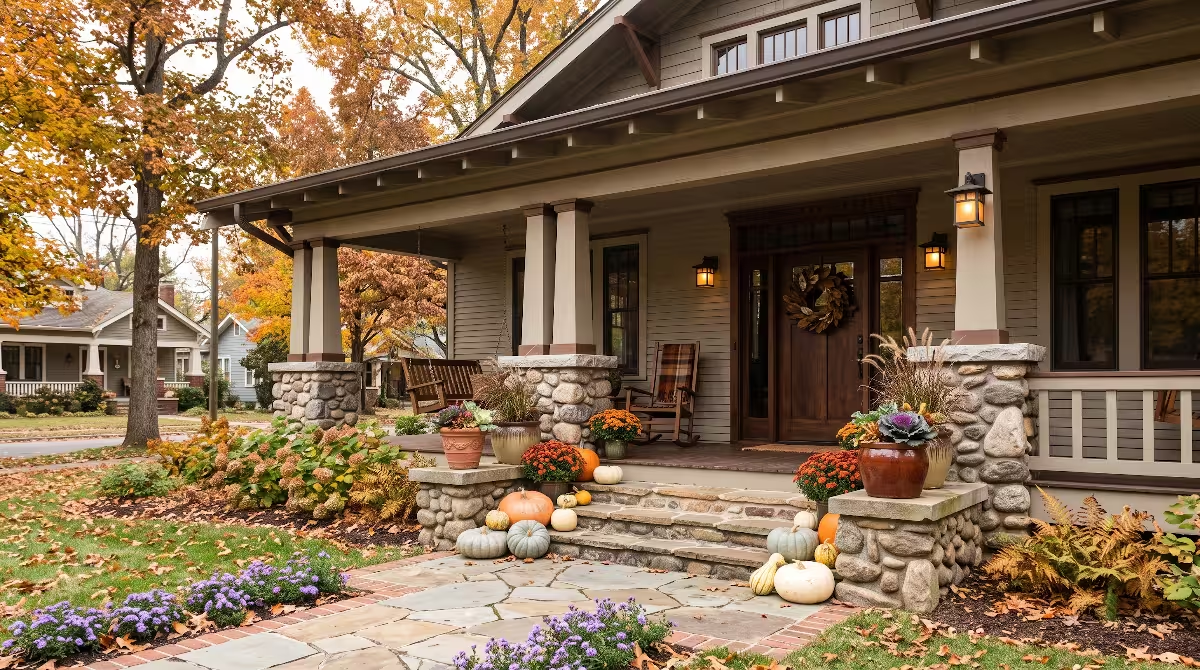


Introduction to Pantone Color
Home exterior design is going through a quiet, welcome change. For nearly a decade, cool grays and stark, bright whites ruled custom home neighborhoods across the country. Now, homeowners and builders are stepping away from cold, harsh shades and moving toward softer, warmer whites that feel calm and grounded. If you are planning a new build or an exterior repaint, choosing the latest Pantone Color for house exteriors is one of the smartest ways to give your home lasting curb appeal.
The official
In this guide, we will walk through everything you need to know before putting a brush or sprayer to your home. You will learn what makes Cloud Dancer special, how the science of light and siding materials affects white paint, and which accent colors pair best with this popular Pantone Color. Whether you are building a custom home from the ground up or refreshing an older property, this breakdown will help you make a confident, well-informed decision.
What Is the Latest Pantone Color? Breaking Down Cloud Dancer (PANTONE 11-4201)
Every year, design experts around the world wait to see which shade will become the next Pantone Color of the Year. For 2026, the Pantone Color Institute selected Cloud Dancer (PANTONE 11-4201). Rather than picking a loud or flashy shade, they chose a quiet, airy off-white meant to help people slow down and feel at ease at home. In residential construction, this choice fits right in with what custom home buyers are asking for today. People want homes that look timeless, clean, and connected to the outdoors.
Undertones and Visual Profile
At first glance, you might think one white paint looks just like another. Once you step outside into natural daylight, however, those tiny differences become very obvious. Paint experts describe Cloud Dancer as a soft, billowy white with a gentle, balanced feel. Unlike pure, stark whites that contain cool blue or gray tints, this Pantone Color carries a very subtle warm undertone.
That slight warmth makes a huge difference on a house exterior. Stark white paint can look harsh, almost like a glowing sheet of paper, when bright midday sun hits the front of your home. Because Cloud Dancer softens that brightness, it looks natural next to green grass, mature trees, and blue skies. In the early morning light, it reads as a crisp, clean white. By late afternoon, those gentle warm notes come forward, giving your siding a welcoming glow that never feels cold or clinical.
What About Pantone’s 2027 Color Selection?
Homeowners often ask if a new Pantone Color is right around the corner before they commit to an exterior paint job. The Pantone Color Institute announces its annual selection every December for the upcoming calendar year. That means Cloud Dancer remains the active, official Pantone Color through the end of 2026 until the next winter reveal takes place.
Even after a new Pantone Color arrives for 2027, soft warm whites do not go out of style on house exteriors. Exterior paint is a major investment that should last ten to fifteen years, not just one season. While trendy accent colors come and go, a balanced white like Cloud Dancer stays relevant for decades. Choosing this Pantone Color gives you the best of both worlds: your home feels current right now, and it will still look classic ten years down the road.
The Engineering Behind White House Exteriors: LRV, Substrates, and Climate
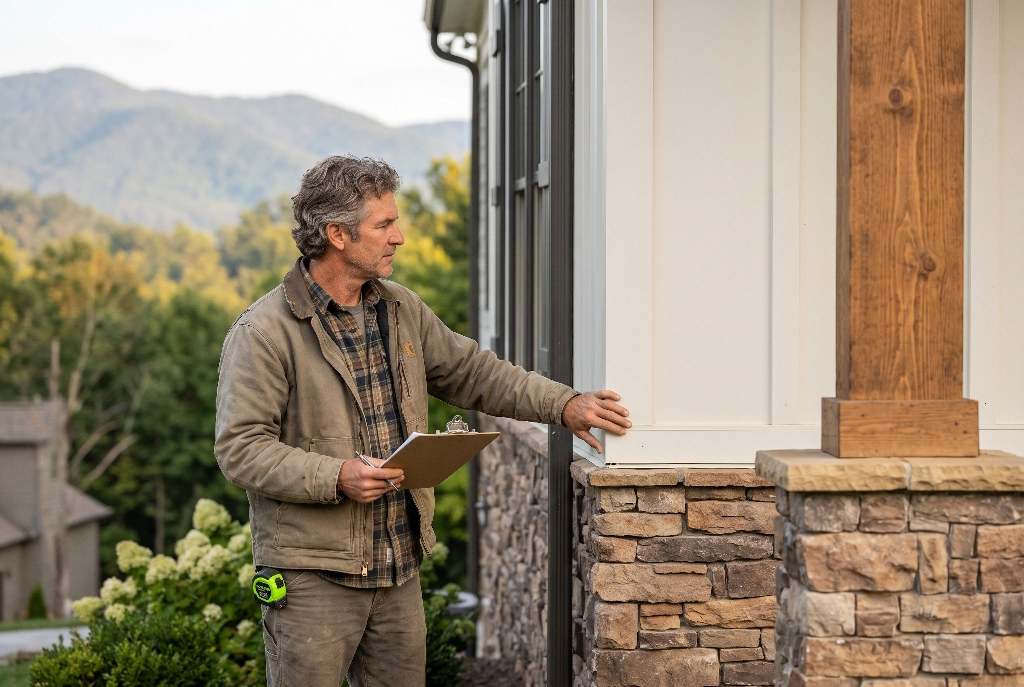
Outside walls take a beating every single day. They face ultraviolet rays from the sun, heavy rainstorms, freezing winter nights, and thick summer humidity. Understanding how a light Pantone Color interacts with heat, light, and building materials will save you thousands of dollars in premature repainting.
Understanding Light Reflectance Value (LRV) Outdoors
Every paint color has a number attached to it called
A soft white like the Cloud Dancer Pantone Color sits high on the LRV scale, usually in the mid-to-upper 80s. From an engineering standpoint, a high LRV offers a real benefit in warm climates. Because the paint reflects solar energy instead of soaking it up, your exterior siding and wall framing stay much cooler during hot July and August afternoons. Cooler exterior walls put less stress on your siding joints, caulking, and insulation, which can even help lower your summer cooling bills.
At the same time, high LRV requires smart design planning to prevent glare. Here in the Tri-Cities and across the Appalachian foothills, homes often sit on open hillsides or cleared lots with strong afternoon sun. If you cover a huge, flat wall in a high-LRV Pantone Color without any architectural breaks, the glare can be tough on the eyes. Builders solve this by breaking up large white walls with covered front porches, deep roof overhangs, window shutters, and natural stone accents that cast helpful shadows.
Matching Paint Chemistry to Exterior Materials
The material covering your home, which builders call the substrate, controls what kind of paint you must buy. Even the best Pantone Color will peel, blister, or chalk early if the paint chemistry does not match the surface underneath.
- Fiber Cement and Engineered Wood: Fiber cement siding, such as James Hardie plank, and engineered wood products are among the most popular choices for custom homes today. These materials hold paint very well because they do not swell and shrink nearly as much as solid natural lumber. To get the longest life out of a white Pantone Color on fiber cement or engineered wood, always use a 100 percent acrylic latex exterior paint. Acrylic binders stay flexible as temperatures swing from warm days to chilly nights, preventing hairline cracks from forming in the finish.
- Brick and Masonry: Painting brick in a soft white Pantone Color has become a top request for both new builds and older ranch homes. However, brick is porous, much like a hard sponge. Moisture naturally moves through brick walls from the inside out and from the ground up. If you seal brick with standard plastic-like exterior house paint, trapped water vapor will push the paint right off the wall in ugly bubbles. Always specify a breathable mineral silicate paint or a specialized masonry coating designed to let water vapor escape while blocking rain from getting in.
- Vinyl Siding Caution: Many homeowners with existing vinyl siding wonder if they can paint it in the latest Pantone Color to update their home’s look. The good news is that light shades like Cloud Dancer are much safer for vinyl than dark colors. Dark paints absorb heat and can cause vinyl panels to warp, buckle, or melt in direct sunlight. Even so, you must still purchase a paint labeled specifically as vinyl-safe. Standard white formulas sometimes contain ingredients that hold extra heat, which could damage your siding and void the manufacturer’s warranty.
Choosing the Right Exterior Paint Sheen
Once you lock in your Pantone Color and the right paint chemistry, you need to choose the sheen. Sheen simply means how shiny or flat the paint looks once it dries. On the outside of a house, sheen is not just about style; it directly affects how easy your home is to clean and how well it hides flaws.
- Flat or Matte Finish: Flat paint has almost no shine at all. Because it does not reflect light at sharp angles, a flat finish is wonderful at hiding small bumps, nail holes, and minor waves in older wood or siding. If you are painting broad exterior walls in a light Pantone Color, a flat or matte finish gives a soft, velvety look that keeps glare to a minimum. The trade-off is that flat paint has a slightly rougher surface under a microscope, which can hold onto dirt and pollen a bit more than shinier finishes.
- Satin or Low-Luster Finish: Satin paint has a gentle, pearl-like glow. In humid regions like East Tennessee, where spring brings heavy yellow pine pollen and summer humidity encourages mildew growth, satin is often the smartest choice for main siding walls. That slight smoothness makes it much easier to wash down your house each spring with a garden hose and soft brush. When applied in the Cloud Dancer Pantone Color, satin paint also adds a crisp, clean highlight to lap siding edges.
- Semi-Gloss Finish: Semi-gloss paint is tough, hard, and noticeably shiny. Builders rarely use semi-gloss on entire walls because it highlights every tiny dent or seam in the siding. Instead, reserve semi-gloss strictly for exterior trim boards, fascia, soffits, window casings, and porch railings. Using semi-gloss on your trim in the same Pantone Color as flat or satin siding creates a subtle, high-end contrast that sharpens your home’s architectural lines.
Best Ways to Apply Cloud Dancer on Your Home’s Exterior
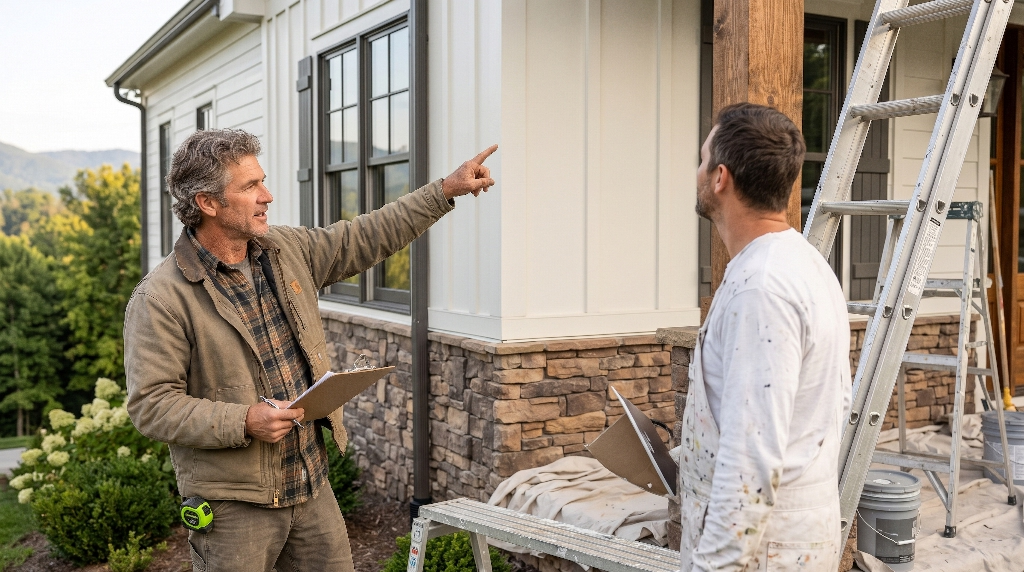
Knowing the technical rules of paint is great, but seeing how a Pantone Color actually works on real house parts helps you picture the final result. Different parts of a home’s exterior serve different jobs, and Cloud Dancer shines brightest when you put it in the right places.
Primary Siding and Board-and-Batten
Using Cloud Dancer as your main body color is the most direct way to embrace this Pantone Color. It works remarkably well across several classic American house styles. On a Modern Farmhouse, vertical board-and-batten siding painted in Cloud Dancer looks crisp and clean without feeling overly bright. The vertical battens cast thin vertical shadows all day long, giving the soft white paint plenty of depth and visual interest.
On a Craftsman or Traditional Southern home, horizontal lap siding in this Pantone Color feels warm, established, and inviting. It pairs naturally with wide front porches, tapered porch columns, and classic double-hung windows. Because Cloud Dancer is a balanced, gentle white, it lets the shape of your roof, dormers, and porch details take center stage instead of overpowering them.
Architectural Trim, Soffits, and Window Frames
You do not have to paint your entire house white to take advantage of the latest Pantone Color. In fact, using Cloud Dancer as your trim color is one of the easiest ways to refresh a brick, stone, or colored-siding home. Painting your fascia boards, soffits, corner boards, and window frames in this soft white creates a clean frame around the rest of your exterior materials.
If you have a classic red brick home, bright stark white trim can sometimes look too sharp against the earthy clay tones of the brick. Switching to the Cloud Dancer Pantone Color bridges that gap smoothly. Its subtle warm notes echo the natural warmth in brick and mortar, tying the whole exterior together. Even on homes with darker gray, green, or khaki siding, Cloud Dancer trim brightens the roofline and makes windows pop.
Why Builders Advise Caution on Front Doors
While Cloud Dancer looks fantastic on siding and trim, most experienced builders will tell you to think twice before using any soft white Pantone Color on your main front door. Front doors are high-traffic touchpoints. Every time someone carries in groceries, lets the dog out, or reaches for the handle with dusty hands, oils and dirt transfer onto the paint.
On a soft white surface, fingerprints, muddy paw marks, and scuff marks from shoes show up immediately. Even with a durable semi-gloss enamel, you will find yourself wiping down a white front door every week to keep it looking tidy. Instead, keep Cloud Dancer on the door frame and trim, and paint the door slab itself in a richer, deeper shade, or choose a stained natural wood door that hides everyday wear and tear.
Exterior Color Palettes and Natural Material Pairings
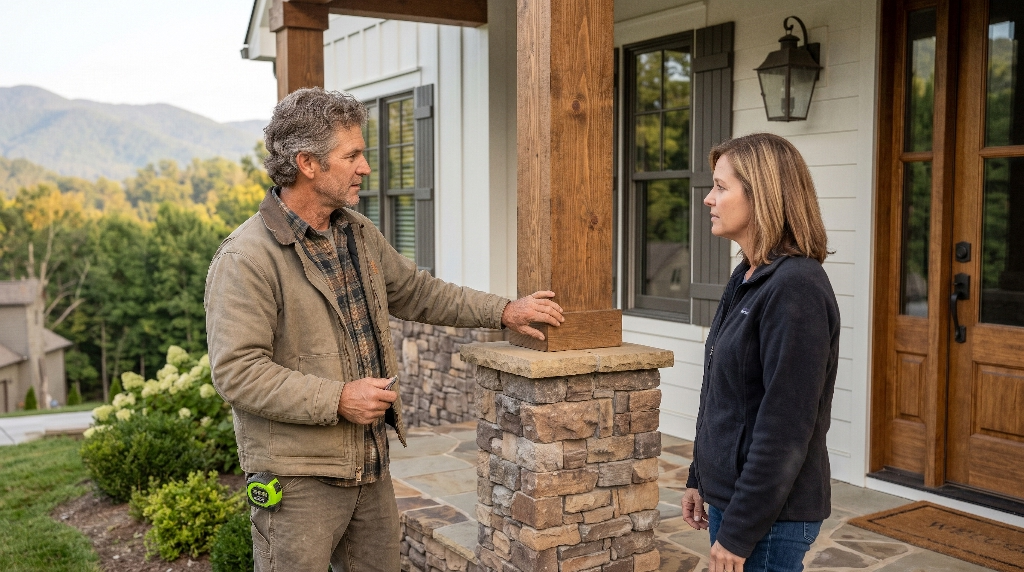
A single Pantone Color rarely stands alone on a well-designed house exterior. The best custom homes combine paint with natural building materials and carefully chosen accent colors. When those elements work together, the whole house looks balanced, layered, and custom-built.
Grounding White Siding with Organic Textures
White siding always looks richer when you anchor it with
- Natural Stacked Stone and Fieldstone: Installing a stone water table along the lower foundation wall or wrapping porch column bases in dry-stacked stone grounds a white exterior right away. Browns, tans, and warm grays in natural stone pull out the subtle warmth in Cloud Dancer.
- Warm Brick Accents: Whether you use full brick on the first story or just on the chimney and front steps, warm tumbled brick adds timeless character next to this Pantone Color.
- Stained Cedar and Cypress Wood: Natural wood beams, tongue-and-groove porch ceilings, cedar shake accents in the roof gables, and wooden garage doors add rich organic warmth. A medium honey or warm walnut wood stain looks striking against Cloud Dancer siding.
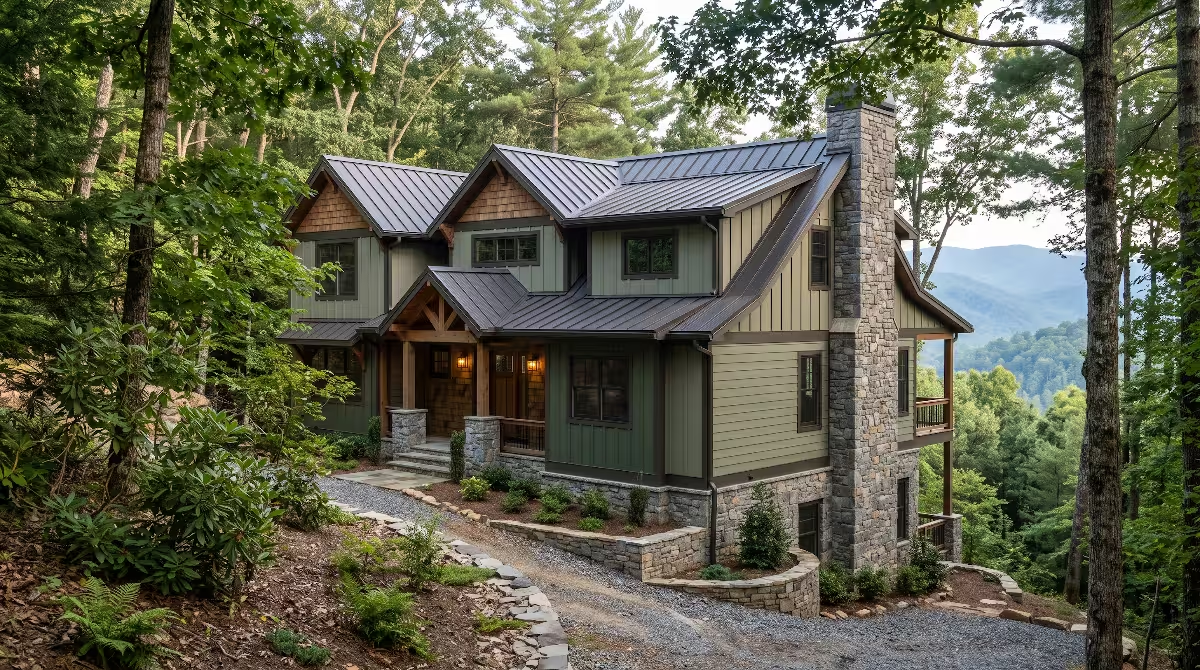
- Dark Bronze and Matte Black Metal: For roofs, gutters, downspouts, and exterior light fixtures, dark bronze or matte black metal provides crisp definition. A standing-seam metal porch roof in dark bronze paired with Cloud Dancer siding is a combination that works on both rural acreage and neighborhood lots.
Coordinating with 2026 Paint Brand Colors of the Year
If you want to build a complete, designer-approved exterior palette around the Cloud Dancer Pantone Color, look at the flagship colors released by major paint makers for 2026. Remarkably, the leading paint brands all leaned toward earthy, grounded tones that pair naturally with Pantone’s soft white.
- Earthy Neutrals with Sherwin-Williams Universal Khaki (SW 6150): Sherwin-Williams named Universal Khaki its 2026 Color of the Year. It is a warm, mid-tone khaki neutral with subtle earthy undertones. Pairing Cloud Dancer siding with Universal Khaki shutters, porch floors, or garage doors creates a relaxed, low-contrast look that feels right at home in wooded settings. You can also flip the combination by using Universal Khaki on your main siding and Cloud Dancer on all your trim and porch columns.
- Moody Contrast with Benjamin Moore Silhouette (AF-655): Benjamin Moore selected Silhouette as its 2026 Color of the Year. This deep, rich shade blends espresso brown with soft charcoal and burnt umber undertones. While pure black accents can sometimes feel too stark next to a warm white Pantone Color, Silhouette delivers dramatic dark contrast with a softer, warmer edge. It works wonderfully on window sashes, exterior shutters, and front doors alongside Cloud Dancer walls.
- Nature-Inspired Entry Doors with Behr Hidden Gem (N430-6A): Behr chose Hidden Gem as its 2026 Color of the Year, describing it as a smoky jade that sits right between blue and green. Using Hidden Gem on your front door or louvered shutters brings a calm, nature-inspired pop of color to a Cloud Dancer exterior. That smoky blue-green tone echoes mountain foliage and looks especially sharp against warm white trim and natural stone.
Pantone Color for House Exteriors (FAQ)
Homeowners researching exterior paint trends often ask the same core questions before buying paint. Here are clear, straightforward answers based on real building experience.
How can I use the Pantone Color of the Year 2026 on my home exterior?
You can use the 2026 Pantone Color, Cloud Dancer, as the primary paint color on lap siding, vertical board-and-batten, or breathable painted brick. If you already have brick, stone, or colored siding you want to keep, apply Cloud Dancer to your architectural trim, soffits, fascia boards, porch ceilings, and window frames. Pairing this soft white Pantone Color with natural wood accents, stone veneer, and dark bronze hardware creates a balanced, custom look.
Is Cloud Dancer good for house exteriors or front doors?
Cloud Dancer is an excellent choice for house siding and exterior trim because its soft, balanced undertones prevent harsh sunlight glare while keeping walls cooler. However, it is usually not the best option for a main front door. Because front doors get touched constantly, a light white Pantone Color will show handprints, mud, and shoe scuffs quickly. You will get better results by painting your front door a darker, smudge-hiding shade like deep espresso, smoky jade green, or classic charcoal.
What colors pair well with Pantone Cloud Dancer on a house exterior?
Because Cloud Dancer is a warm, balanced white, it pairs smoothly with earthy and organic colors. Top color pairings include warm mid-tone khakis like Sherwin-Williams Universal Khaki, deep espresso-charcoals like Benjamin Moore Silhouette, and smoky blue-greens like Behr Hidden Gem. Natural materials such as stained cedar, stacked fieldstone, warm red brick, and dark bronze metal roofs also complement this Pantone Color without clashing.
Will white exterior house paint go out of style?
No, white exterior house paint is one of the most enduring choices in residential architecture. Soft, warm whites like Cloud Dancer have appeared on American farmhouses, Colonials, and Craftsman homes for more than a century. While loud, trendy exterior colors often look dated within five to seven years, a clean white Pantone Color protects your home’s resale value and satisfies almost every neighborhood homeowners association guideline.
Has Pantone announced its 2027 Color of the Year yet?
No, Pantone announces its Color of the Year every December for the upcoming year. Cloud Dancer (PANTONE 11-4201) remains the official Pantone Color for 2026 until the institute unveils its 2027 selection in December. Even after future announcements arrive, Cloud Dancer stays a practical, timeless exterior choice because soft white architecture never goes out of fashion.
Pre-Paint Checklist Before Committing to an Exterior Color
Before you order twenty gallons of paint or sign off on a builder’s color sheet, take a few days to test your choice in real outdoor conditions. Small paper paint chips inside a hardware store under fluorescent lights never tell the true story of how a Pantone Color will look on your house.
- Paint Large Sample Boards: Buy a quart sample of your chosen Cloud Dancer color match and paint two coats onto a 2-foot by 2-foot piece of primed siding or smooth poster board. Never paint small test patches directly onto colored old siding, because the surrounding old color will trick your eyes and distort how the white looks.
- Check North and South Exposures All Day: Move your sample boards around the house and lean them against both a north-facing wall and a south-facing wall. Look at them at 8:00 AM, noon, and 5:00 PM. North-facing walls sit in cool shade all day and can make white paint look slightly grayer, while south-facing walls get direct sun that brings out the brightest white tones.
- Compare Against Fixed Exterior Features: Hold your sample board right next to your roof shingles, brick, stone, and window frames. Your roof makes up nearly forty percent of what people see from the street. Make sure the subtle warm undertones of your Pantone Color blend smoothly with your roof shingles rather than clashing with cool blue-gray granules.
- Verify HOA Rules and Local Guidelines: If you live in a subdivision with a Homeowners Association, submit your exact Pantone Color code, paint brand match, and sheen to the architectural review board before work begins. Many neighborhoods require written approval for exterior color changes, even when switching from one shade of white to another.
Final Thoughts from a Tri-Cities Custom Home Builder
Choosing the right exterior paint comes down to balancing beauty with smart building science. The Cloud Dancer Pantone Color succeeds because it avoids the cold, clinical glare of stark white while giving custom and remodeled homes a fresh, welcoming presence. When you pair this Pantone Color with a high-quality 100 percent acrylic latex formula, pick the right sheen for your siding, and anchor your walls with natural stone, wood, or earthy accent colors, you get an exterior built to look great for years.
If you are planning a custom build or updating a home here in Johnson City, Kingsport, Bristol, or anywhere across the Tri-Cities region, take your time with the exterior details. Test your samples in real daylight, pay attention to how your siding handles moisture and sun, and build a palette that fits both your architecture and the surrounding landscape. With a little careful planning up front, your home’s exterior will deliver lasting curb appeal and solid protection every season of the year.