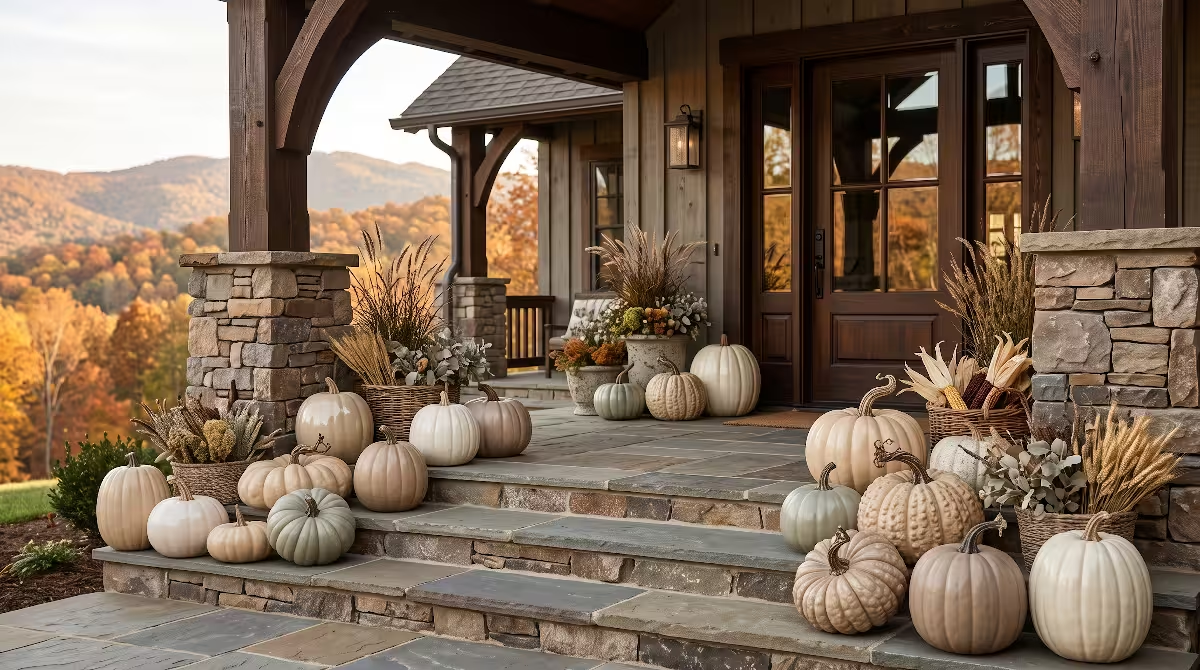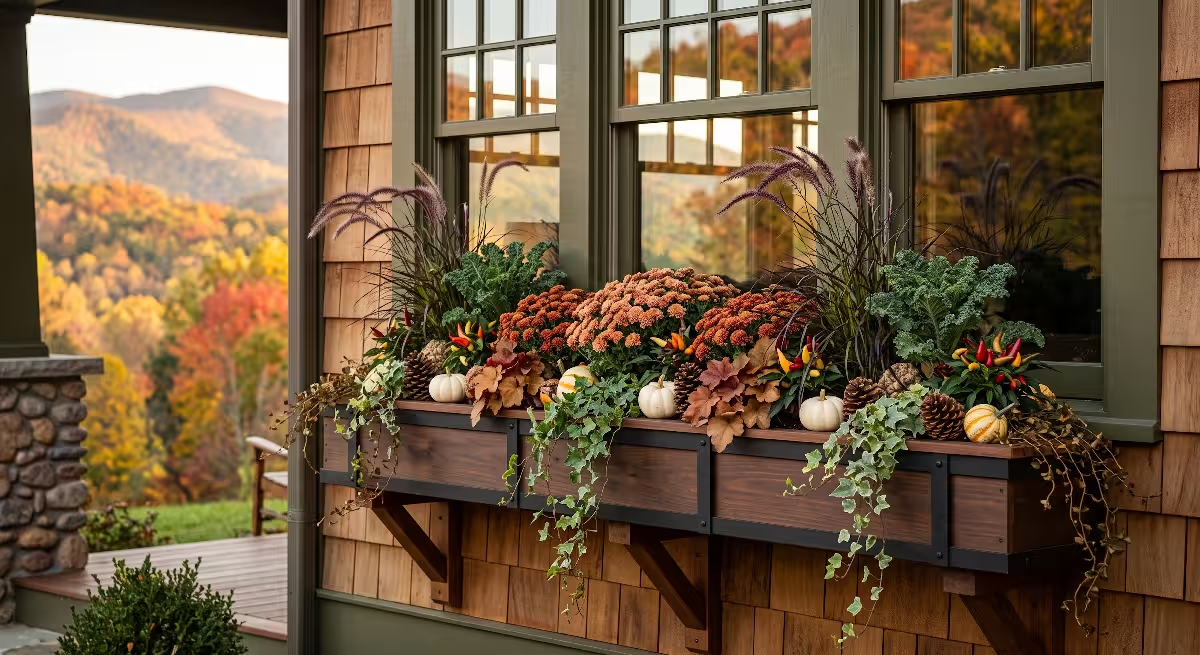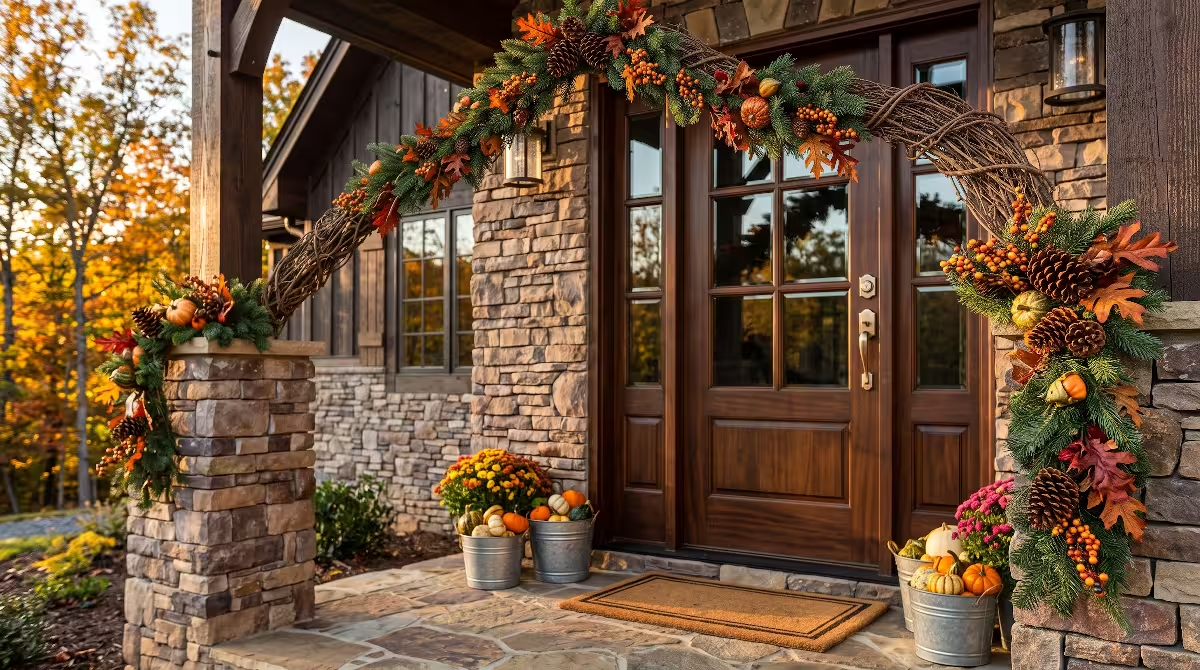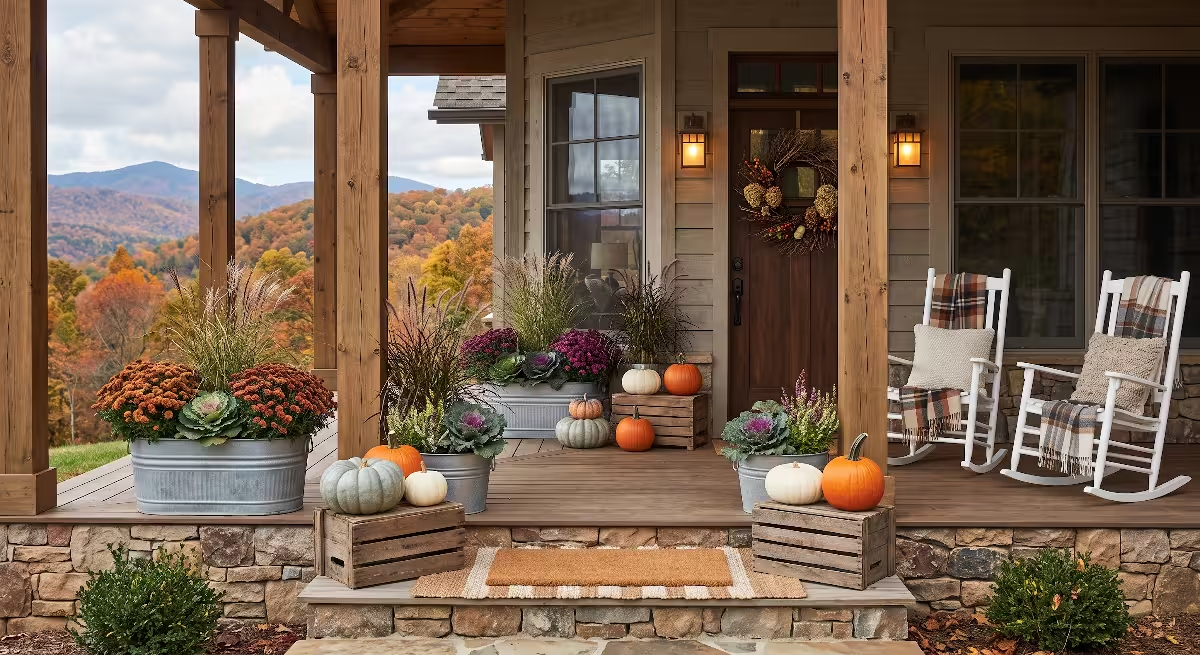
A home does not stop at the front door. The front porch is the bridge between the outdoor world and your private family living space. It is the very first room people experience when they arrive at your home. Every autumn, homeowners across our region spend hundreds of dollars on harvest front porch decor. They drive out to local farm stands, fill the back of their trucks with bright orange pumpkins, buy several pots of blooming yellow mums, and spend a Saturday afternoon setting everything up.
By the end of October, something frustrating happens. The pumpkins turn soft and sink in on themselves. The mums become dry, brown sticks. A dark, sticky puddle forms underneath the heavy squash, leaving an ugly mark on fresh porch paint or expensive composite decking.
You do not have to rebuild your front entrance displays every three weeks. When you use structural building methods, choose durable materials, and understand how weather affects organic items, you can create harvest front porch decor that looks just as stunning on Thanksgiving Day as it did on the first day of October.
The Science of Autumn Curb Appeal
Designing outdoor spaces requires an understanding of building materials and seasonal changes. Curb appeal is not just about placing pretty items on a concrete slab. It is an intentional design process that accounts for moisture, air movement, and seasonal shifts.
The November Dilemma
The November dilemma is familiar to almost everyone who loves decorating for autumn. You invest energy and hard-earned money into your porch during late September. Everything looks warm, bright, and welcoming for neighborhood walks and trick-or-treaters. Yet, by the first week of November, the entire scene looks tired.
The main culprit is organic breakdown. Standard carving pumpkins are ninety percent water. Once they sit on a warm porch floor, heat and bacteria begin to rot them from the bottom up. At the same time, garden center mums are bred for quick color rather than long life. They finish their bloom cycle in twenty days, leaving behind gray, withered foliage just when family members are traveling to your home for Thanksgiving dinner. Having to throw away rotten produce and purchase a second round of seasonal items is costly and wasteful.
The Intentional Home Approach
In our custom home building projects, we focus on an intentional home philosophy. This means every single detail serves a clear purpose, functions smoothly, and stands up to daily living. When you apply this building standard to harvest front porch decor, you change how you select and place items.
Instead of grabbing random items from the grocery store parking lot, you treat your porch layout like a small construction plan. You build a strong framework with permanent architectural planters, natural wood textures, and weather-resistant textiles. Then, you layer in preserved organic pieces and cold-tolerant plants that do not mind chilly November mornings. This intentional approach protects your investment and ensures your harvest front porch decor looks polished through the entire fall season.
The Eight to Ten Week Goal
A successful autumn display must perform well for eight to ten full weeks. If you set up your entryway during the last week of September, that display needs to survive sixty to seventy days of weather changes.
In our Appalachian mountain climate, October can bring sunny afternoons in the mid-seventies, while November brings frosty nights in the twenties. Your harvest front porch decor must be tough enough to handle that fifty-degree temperature swing. Achieving this goal requires two things: buying long-lasting plant varieties and managing the moisture that causes early decay.
Porch Architecture and Structural Layering
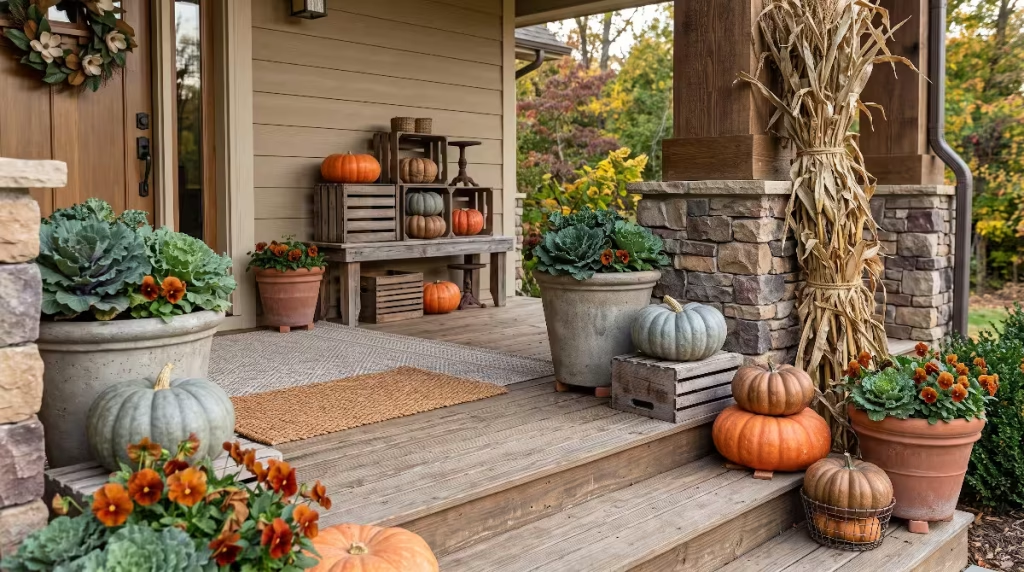
Before you buy a single pumpkin or bundle of corn stalks, you must examine the structure of your front porch. The architectural shape of your home dictates what kinds of materials will hold up and where you should place them.
Assessing Your Porch Microclimate
Every porch has its own microclimate. A microclimate is the local set of atmospheric conditions right around your doorway. Understanding these factors ensures your harvest front porch decor stays fresh.
Solar Exposure and Thermal Loads
The direction your home faces controls the amount of heat and UV rays your front steps receive each day.
- Southern and Western Exposures: These porches get intense, direct sunlight during the hottest part of the afternoon. High heat cooks organic pumpkins and dries out soil quickly. For these porches, position gourds in shaded corners or beneath leafy shrubs, and select lighter heirloom squash that reflect sunlight.
- Northern and Eastern Exposures: These porches stay significantly cooler and receive soft morning light. While cool shade helps pumpkins last longer, it can also trap dampness. Without afternoon sun to evaporate morning dew, mold and mildew can spread on your harvest front porch decor. On these porches, you must elevate items off the ground to keep air moving.
Overhang Depth and Wind Load
Take a close look at the roofline covering your entryway. A deep eight-foot porch roof provides superior protection against wind and driving rain. A shallow three-foot gable overhang leaves everything on your top step exposed to rain showers.
Moisture is the number one enemy of harvest front porch decor. When rain beats down on dried corn stalks, straw bales, and gourd stems, it starts fungal decay. If your porch roof is shallow, pull your primary displays back against the house wall or beside the front door where the siding offers shelter from crosswinds.
+--------------------------------------------------------------------------+
|                       PORCH MICROCLIMATE CHECKLIST                       |
+--------------------------------------------------------------------------+
|  EXPOSURE TYPE  | PRIMARY RISK         | BEST BUILDER SOLUTION          |
+-----------------+----------------------+--------------------------------+
|  South / West   | Heat and drying sun  | Use heat-hardy heirlooms;      |
|                 |                      | shade plants behind furniture  |
+-----------------+----------------------+--------------------------------+
|  North / East   | Lingering dampness   | Elevate displays on risers;    |
|                 | and mildew growth    | maximize spacing for airflow   |
+-----------------+----------------------+--------------------------------+
|  Shallow Roof   | Driving rain and     | Anchor items to railings; keep |
|  Overhang       | wind displacement    | displays close to home siding  |
+--------------------------------------------------------------------------+
Scale and Proportions in Entryway Design
A common design mistake is scattering small gourds across a large concrete area. This makes the porch look messy rather than intentional. In construction, we rely on classical proportions to make a structure feel balanced, and the same principle applies to your harvest front porch decor.
The Rule of Thirds for Front Entries
The Rule of Thirds divides your visual space into three distinct zones: high, medium, and low.
- Vertical Framing (The Top Third): Use items that stand between five and seven feet tall to draw the eye upward and frame your door. Bundles of dried corn stalks wrapped around porch columns, tall birch branches in heavy stone planters, or upright topiary evergreens create strong vertical boundaries.
- Mid-Height Anchors (The Middle Third): This zone sits between two and four feet off the floor. Use structural porch furniture like a wooden bench, a rocking chair, or stacked wooden crates. These pieces support your harvest front porch decor and keep it from sitting directly on the floor.
- Ground-Level Stepping (The Bottom Third): This lower area includes the floor and steps. Instead of spreading pumpkins out in a straight line, arrange them in tight, odd-numbered clusters. Placing a large pumpkin behind two smaller squash creates depth and feels grounded.
Preserving Your Porch Surfaces
As a builder and carpenter, my biggest concern with seasonal decorating is the permanent damage it can cause to porch flooring. Whether your porch is built from tongue-and-groove fir, poured concrete, brick pavers, or composite decking boards, organic matter can ruin the finish if you are not careful.
The Trap of Moisture Rings and Wood Rot
When a raw pumpkin sits flat on a porch floor, it traps moisture underneath its base. As outdoor temperatures warm during the day, the pumpkin releases moisture through respiration. That water cannot evaporate because there is no air movement under the squash.
Within two weeks, a biological seal forms. The pumpkin skin breaks down, releasing acidic sugars and plant fluids directly onto your flooring. On painted or stained wood, this causes moisture rings that peel the clear coat and rot the wood fibers. On concrete and brick, it leaves dark tannin stains that require heavy pressure washing and acid cleaners to remove. On composite decking, trapped moisture can cause permanent discoloration that voids your manufacturer warranty.
Airflow Elevation Solutions
The secret to protecting your porch and helping your pumpkins last is continuous air movement. You must lift every piece of organic harvest front porch decor at least a fraction of an inch off the walking surface.
- Cedar Shims: Small, inexpensive cedar wood shims from the lumber yard can be slid beneath heavy pumpkins. Cedar is naturally rot-resistant, and these small shims raise the pumpkin just enough for air to pass underneath without being visible to guests.
- Terracotta Pot Feet: Small clay feet made for garden containers work well under large heirloom squash. They lift the fruit completely off the deck, allowing water to drain away freely.
- Slatted Crates and Wire Baskets: Displaying pumpkins on slatted wooden crates or upside-down wire baskets keeps them off damp surfaces while adding rustic charm to your harvest front porch decor.
- Breathable Coir and Jute Mats: If you place pumpkins on an outdoor rug, make sure it is made of woven, breathable fibers rather than solid rubber. A rubber-backed mat holds moisture like a sponge, accelerating rot.
The Pumpkin Preservation Protocol: Stopping Rot Before It Starts
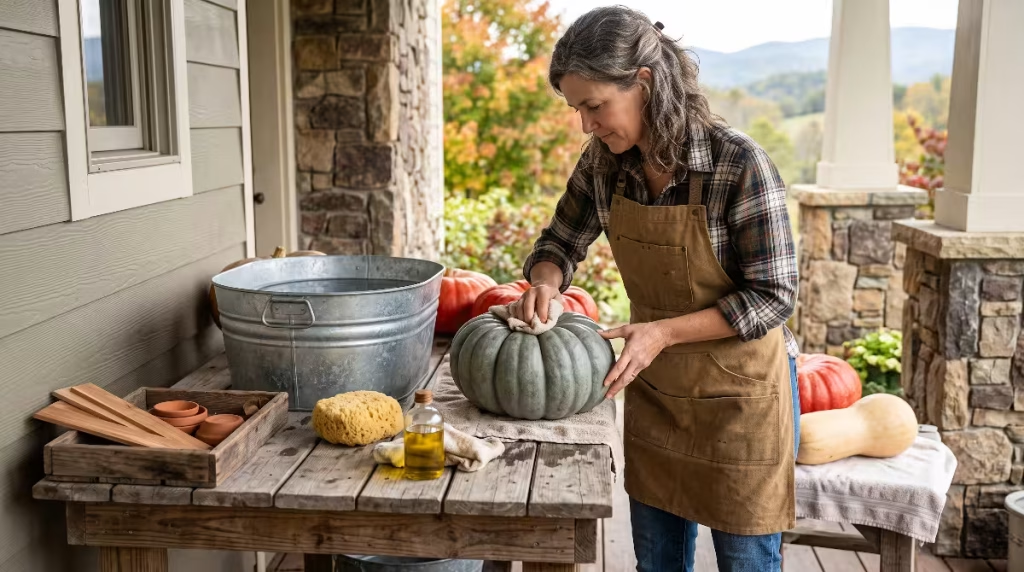
If you want your pumpkins to last all the way through Thanksgiving dinner, you cannot simply bring them home from the patch and drop them by the front door. You need a simple preservation routine to protect them from bacteria and pests.
Pumpkin Varieties Engineered by Nature to Last
Not all pumpkins are built the same way. The standard carving pumpkin, often called the Connecticut Field pumpkin, was bred for thin walls and soft flesh so that children can easily carve faces into it. Because its skin is thin and its water content is high, it begins breaking down the moment it is cut from the vine.
For harvest front porch decor that lasts through Thanksgiving, look for heirloom varieties. These historic squash varieties were bred for long winter food storage, meaning nature gave them thick, dense rinds, low internal moisture, and hard shells.
- Jarrahdale: This Australian heirloom pumpkin features a slate-blue or blue-gray rind with deep, handsome ribs. Its shell is thick and tough, easily resisting insect bites and moisture loss. A healthy Jarrahdale can sit on a cool porch for up to four months without softening.
- Fairytale (Musquee de Provence): This French heirloom looks like a flattened wheel with deep ridges. It starts out dark green and ripens into a rich, burnished bronze or warm buckskin color. Its hard skin makes it one of the toughest varieties for outdoor displays.
- Cinderella (Rouge Vif d’Etampes): Named after the carriage in the classic story, this bright red-orange pumpkin is flat and wide. It has a glossy, tough exterior that sheds rain much better than standard carving pumpkins.
- Long Island Cheese: Shaped like a wheel of farmhouse cheese, this buff-colored pumpkin has an exceptionally hard outer skin. It blends beautifully with neutral autumn color schemes and resists cool, wet weather.
- White Boer Ford and Casper: If you want white accents, skip the soft, chalky white carving pumpkins and look for dense winter varieties like the White Boer Ford. Its sturdy shell protects it from early rot.
+--------------------------------------------------------------------------+
|                  PUMPKIN VARIETY LONGEVITY COMPARISON                    |
+--------------------------------------------------------------------------+
| VARIETY NAME         | COLOR & SHAPE        | AVERAGE PORCH LIFESPAN     |
+----------------------+----------------------+----------------------------+
| Connecticut Field    | Classic bright       | 3 to 4 weeks               |
| (Carving Pumpkin)    | orange, round        | (Softens quickly)          |
+----------------------+----------------------+----------------------------+
| Jarrahdale           | Slate blue-gray,     | 12 to 16 weeks             |
|                      | deeply ribbed        | (Extremely durable)        |
+----------------------+----------------------+----------------------------+
| Fairytale            | Burnished bronze,    | 10 to 14 weeks             |
| (Musquee de Provence)| flat and wide        | (Tough, thick rind)        |
+----------------------+----------------------+----------------------------+
| Cinderella           | Deep scarlet-orange, | 8 to 12 weeks              |
|                      | carriage shape       | (Resists rain well)        |
+----------------------+----------------------+----------------------------+
| Long Island Cheese   | Pale tan, smooth     | 12 to 14 weeks             |
|                      | and dense            | (Hard storage skin)        |
+--------------------------------------------------------------------------+
The Antimicrobial Wash Step by Step
Pumpkins carry soil bacteria, fungal spores, and insect micro-punctures from the field. Once these microbes sit on a warm porch, they begin digesting the fruit. Giving your squash a quick cleaning bath is the most effective way to keep your harvest front porch decor fresh for weeks.
- Prepare the Bath: Fill a large utility sink, clean five-gallon bucket, or plastic storage tote with cool water. Add two tablespoons of household chlorine bleach per gallon of water. If you prefer a natural option, use one part white vinegar to four parts water.
- Soak and Sponge: Submerge your uncarved pumpkins in the solution for ten to fifteen minutes, turning them so all sides are covered. Use a soft sponge or microfiber cloth to gently wash away farm dirt and dried mud. Never use a stiff bristle brush, as micro-scratches on the rind allow bacteria to enter.
- Inspect the Stem: The stem, or peduncle, is the pumpkin’s lifeline. If the stem is pulled out, leaving an open wound, the pumpkin will rot quickly. Never carry a pumpkin by its stem. Wash around the stem base carefully to clear out hidden spores.
- Dry Thoroughly: Remove the pumpkins and place them on clean towels in an airy, shaded spot. Let them dry completely for several hours before setting them out. Trapping wash water against the skin defeats the purpose of cleaning them.
Surface Sealing and Thermal Barriers
Once the pumpkin is clean and dry, you can seal the rind to lock internal moisture inside and keep environmental moisture out. Pumpkins decay when they lose too much internal water and collapse, or when external water seeps through the rind.
A light coating of food-grade mineral oil, pure beeswax paste, or vegetable shortening applied with a soft rag gives the pumpkin a clean, satin shine while sealing its natural pores. Rub the oil across the surface, let it sit for twenty minutes, and buff off any excess with a clean rag. The surface should feel smooth, not greasy.
If you prefer a hands-off approach, spray your dry pumpkins with a clear, matte outdoor acrylic craft sealer. This clear coating acts like a rain jacket, protecting your harvest front porch decor from rain, morning frost, and outdoor dust. Avoid using petroleum jelly along the base, as it attracts dirt and can leave greasy stains on your porch floor.
Critter Proofing Without Harsh Chemicals
Few things ruin harvest front porch decor faster than a hungry neighborhood squirrel or field mouse chewing through the side of an heirloom pumpkin. Animals are attracted to the sweet smell of squash flesh, especially as other food sources become scarce in late autumn.
You do not need toxic chemicals to protect your front steps. You can easily keep animals away using natural scent deterrents:
- Peppermint Oil Spray: Rodents dislike strong essential oils. Mix two teaspoons of pure peppermint oil with two cups of water and a drop of dish soap in a spray bottle. Mist your pumpkins once a week. It smells fresh and clean to visiting guests, but squirrels will stay away.
- Cayenne Pepper Wash: Mix two tablespoons of ground cayenne pepper with warm water and a little horticultural oil. Lightly brush or mist this solution around the stems and bases of your pumpkins. Rodents will take one small sniff and move on.
- Elevated Iron Stands: Keep smaller squash off the floor by setting them on wrought-iron plant stands or hanging them in wall-mounted iron rings. Raising displays off the ground makes them much harder for field mice to reach.
Cold-Hardy Plant Styling Beyond Early-Wilting Mums
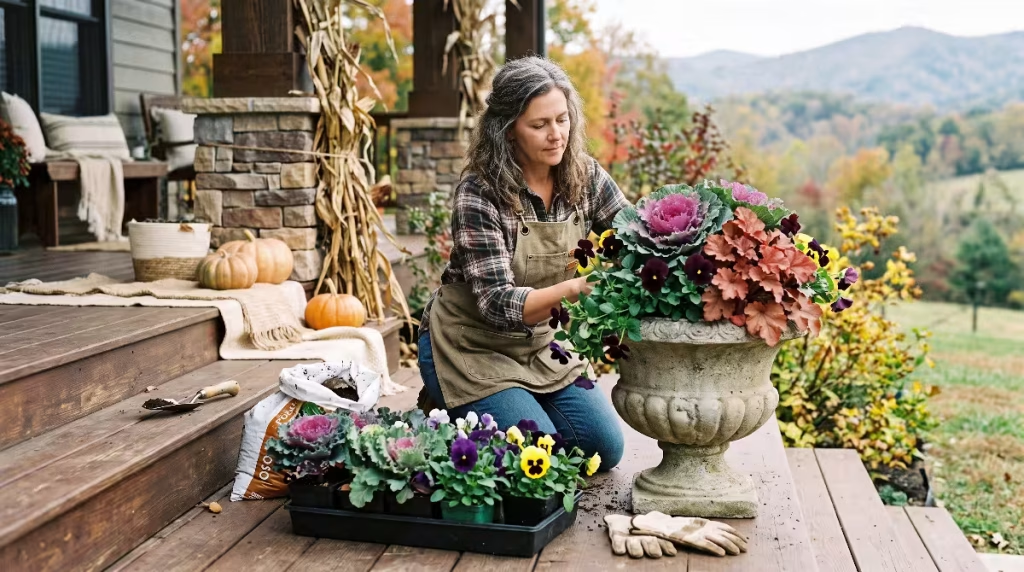
Potted flowers are an essential part of harvest front porch decor, but relying only on standard garden mums usually leads to disappointment by mid-season. Building a porch that lasts into late November requires cold-hardy plants that welcome dropping temperatures.
The Chrysanthemum Reality Check
Garden mums are a beloved autumn staple, but they have distinct physical limitations. Mums are sold when they are already in peak bloom. Once those colorful petals open, their biological clock is running. Under ideal conditions, a mum flower lasts three to four weeks. If your porch receives direct afternoon sun or faces drying winds, those blooms can turn brown in two weeks.
Furthermore, commercial growers produce mums in small, plastic pots where the root systems become dense and crowded. These root-bound plants dry out quickly. If you forget to water a mum for two days during a warm October week, the root ball shrinks, the leaves wilt, and the plant rarely recovers.
If you choose to include mums in your harvest front porch decor, follow two rules:
- Select plants that are still covered in tightly closed green buds, with only five to ten percent of the color showing.
- Slip the root-bound plant out of its nursery pot and place it into a larger ceramic urn with fresh, moisture-retaining potting soil. Always water from the base rather than pouring water over the top of the blooms, which causes petal rot.
Indestructible Fall Foliage and Cold-Hardy Containers
To ensure your harvest front porch decor remains vibrant through Thanksgiving, pair your flowering plants with cold-tolerant foliage that actually looks better when the weather turns cold.
+--------------------------------------------------------------------------+
|                     LONG-LASTING FALL FOLIAGE MATRIX                     |
+--------------------------------------------------------------------------+
| PLANT NAME         | TEMPERATURE LIMIT    | BEST VISUAL ROLE             |
+--------------------+----------------------+------------------------------+
| Ornamental Kale    | Down to 15°F         | Rosette structure, replaces  |
| and Cabbage        | (Thrives in frost)   | spent mums in late October   |
+--------------------+----------------------+------------------------------+
| Winter Pansies     | Down to 20°F         | Cascading container edges,   |
| and Violas         | (Bounces back fast)  | continuous reliable blooms   |
+--------------------+----------------------+------------------------------+
| Coral Bells        | Hardy perennial      | Ruffled leaves, rich plum    |
| (Heuchera)         | (Evergreen in South) | and caramel bronze tones     |
+--------------------+----------------------+------------------------------+
| Leatherleaf Sedge  | Hardy perennial      | Upright arching texture,     |
| (Carex Grass)      | (Holds color well)   | warm copper and amber hues   |
+--------------------------------------------------------------------------+
Flowering Cabbage and Ornamental Kale
These cold-hardy brassicas are the true workhorses of late-season porch displays. Unlike delicate flowers that turn black at the first freeze, ornamental cabbage and kale thrive in cold weather. When night temperatures drop below forty degrees, the plant produces sugars that intensify its colors, turning centers bright magenta, violet, cream, and deep emerald. They look fresh and structured in your harvest front porch decor even through hard freezes down to fifteen degrees.
Winter Pansies and Violas
If you want colorful flowers that last past Thanksgiving, choose winter-hardy pansies and violas over mums. When a hard freeze hits, pansies will temporarily droop. As soon as the afternoon sun warms the porch, they perk right back up and continue blooming. Deep purple, rust orange, and burgundy varieties tie in naturally with autumn color themes.
Structural Perennials: Coral Bells and Carex Grass
Rather than buying annual plants that end up in the compost bin each year, integrate hardy perennials into your harvest front porch decor.
- Coral Bells (Heuchera): These mounding plants feature ruffled, leather-textured leaves in shades of caramel, dark plum, copper, and amber. They hold their shape throughout the winter in our climate, creating a full, rich base in your entryway planters.
- Carex Grasses (Leatherleaf Sedge): These ornamental grasses offer fine, arching foliage in warm cinnamon and bronze tones. They provide vertical movement in container arrangements and do not break down in windy autumn weather.
Preserved Botanicals for Zero-Maintenance Texture
Living plants are not the only way to bring natural beauty to your front steps. Using preserved farm materials adds texture, warmth, and volume without needing any water or daily care.
- Dried Broom Corn and Sorghum Heads: These sturdy grains have heavy, seeded seed heads that catch the light and add rustic height to your displays. Unlike delicate dried grasses, sorghum stands up well to gusty winds.
- Preserved Magnolia Leaves: Magnolia leaves have a glossy, deep green top and a rich, velvety brown underside. Wreaths made with real, preserved magnolia foliage hold up for months outdoors and bridge the transition from autumn into Christmas.
- Natural Grapevine and Birch Poles: Heavy grapevine wreaths provide an architectural foundation for your front door. Bundles of white birch logs tied with jute rope bring clean lines, bright contrast, and rustic texture to your harvest front porch decor.
The Seamless October to Thanksgiving Transition Plan
A successful decorating plan should make your life easier, not create extra weekend chores. The secret to low-stress decorating is setting up a versatile base that shifts from early October into Thanksgiving with just a few small updates.
Color Palette Theory for Late Autumn
Traditional Halloween styling relies on high-contrast, bright orange and black tones. While playful for an October evening, this palette feels dated by the first week of November.
To create harvest front porch decor that lasts through Thanksgiving, choose a richer, nature-inspired color palette. Draw inspiration from Appalachian hardwood forests in late October:
- Deep Ochre and Warm Rust: Warm, golden-brown shades that feel cozy and sophisticated.
- Muted Sage and Olive Green: Calming green tones found in lichen, moss, and heirloom Jarrahdale pumpkins.
- Rich Copper and Burnished Bronze: Warm metallic accents that reflect low autumn sunlight.
- Cream, Buff, and Warm Taupe: Neutral backdrop shades that keep entryway displays feeling light, clean, and balanced.
By using this grounded color palette, your harvest front porch decor fits the natural rhythm of the entire season and never feels tied to a single holiday.
+--------------------------------------------------------------------------+
|                  SEASONAL PORCH COLOR PROGRESSION                        |
+--------------------------------------------------------------------------+
| COLOR FAMILY       | OCTOBER ACCENT ROLE    | THANKSGIVING TRANSITION    |
+--------------------+------------------------+----------------------------+
| Deep Ochre         | Pairs with sunny mums  | Pairs with dried wheat     |
| and Amber          | and natural hay        | and brass candlelight      |
+--------------------+------------------------+----------------------------+
| Sage, Slate Blue,  | Contrasts with bright  | Creates an elegant, muted  |
| and Olive Green    | orange heirloom squash | woodland garden aesthetic  |
+--------------------+------------------------+----------------------------+
| Cream, Buff,       | Balances colorful      | Emphasizes the rich bounty |
| and Warm Taupe     | seasonal accents       | of the Thanksgiving table  |
+--------------------+------------------------+----------------------------+
| Copper, Rust,      | Adds warmth to cool    | Matches late autumn leaves |
| and Deep Bronze    | October evenings       | and holiday welcome mats   |
+--------------------------------------------------------------------------+
The Capsule Wardrobe Porch System
Just as a personal capsule wardrobe relies on durable, timeless clothing staples, a porch capsule system relies on a reliable foundational layer.
The Base Layer (Weeks 1 through 8)
This foundational layer stays on your porch from late September until the start of the December holidays:
- High-End Outdoor Rugs: Layer an oversized, neutral woven rug (like an all-weather polypropylene mat with a flat weave) beneath a coir welcome mat. This establishes a clean perimeter for your entry.
- Architectural Planters: Use heavy stone, concrete, or cast-iron urns filled with cold-hardy boxwoods or evergreen topiaries. These permanent containers frame the doorway and balance your seasonal displays.
- Cornstalk Column Wraps: Wrap dried, mature field cornstalks tightly around porch posts or columns using natural jute twine. This anchors your home’s vertical lines and remains intact all season.
- Weathered Wooden Furniture: Position a solid teak, cedar, or oak bench alongside the door to provide height and support your harvest front porch decor.
The October Add-Ins (Temporary)
During the first half of the season, add your lighthearted, short-lived accents:
- One or two carved jack-o’-lanterns placed on metal stands (only set these out three days before Halloween so they do not rot in place).
- Deep black metal lanterns with black iron accents.
- Bright orange pie pumpkins placed near the outer steps.
The November Thanksgiving Refresh (Takes 15 Minutes)
On November first, take fifteen minutes to make a few simple updates:
- Compost any carved jack-o’-lanterns or tired mums.
- Wipe down your heirloom squash with a damp cloth to remove outdoor dust.
- Swap out your front door wreath for an arrangement of preserved magnolia leaves, pheasant feathers, and dried lotus pods.
- Group your remaining squash close to the entryway bench to create a generous cornucopia display.
- Add fresh pots of flowering kale, cabbage, and winter pansies to your harvest front porch decor.
Architectural Evening Illumination
As our days grow shorter in November, porch lighting plays an increasingly important role in how welcoming your home feels. Good evening lighting highlights the textures of your harvest front porch decor and creates a warm, inviting entry for visiting guests.
Avoid using real wax candles inside outdoor lanterns or hollowed-out pumpkins. Real candle flames generate heat that softens pumpkin walls from the inside out, causing early rot. Wind and dry leaves also make open flames a real fire hazard on front steps.
Instead, invest in quality, outdoor-rated LED pillar candles with built-in automatic timers. Choose candles with a warm color temperature around 2700 Kelvin. This creates a soft, golden glow that mimics real candlelight without generating heat. Set the timer to turn on at dusk and run for six hours. Placing these glowing lanterns at varying heights along your porch steps adds safety and brings your harvest front porch decor to life after dark.
Frequently Asked Questions About Long-Lasting Harvest Front Porch Decor
Here are direct, builder-tested answers to the most common questions homeowners ask about maintaining long-lasting autumn curb appeal.
How Do You Keep Porch Pumpkins from Rotting Before Thanksgiving?
Target the three primary causes of organic rot: surface bacteria, excess moisture, and direct sun exposure. Clean whole, uncarved heirloom pumpkins in a diluted bleach-water solution using one tablespoon of household bleach per gallon of water. Let them dry completely, and apply a light protective barrier of food-grade mineral oil or clear matte acrylic sealer.
Never set pumpkins directly on bare concrete, painted wood, or damp soil. Use small cedar shims or clay container feet to raise each pumpkin slightly off the floor, allowing continuous airflow beneath the fruit.
When Should You Put Out Harvest Front Porch Decor?
The best time to stage harvest front porch decor is from late September to the first week of October. You want to wait until consistent nighttime temperatures drop below sixty degrees. Setting whole pumpkins and cool-season plants out while daytime temperatures are still in the mid-eighties accelerates fruit rot and causes container plants to wilt.
Waiting for cool, crisp weather ensures your natural harvest base will easily last eight to ten weeks through the Thanksgiving holiday.
What Fall Flowers Last the Longest on an Outdoor Porch?
Ornamental kale, flowering cabbage, and winter-hardy violas easily outlast common florists’ mums. While standard potted mums finish their bloom cycle in three to four weeks, ornamental brassicas stay fresh and colorful in sub-freezing temperatures down to fifteen degrees.
Winter pansies and violas bounce back quickly after frosty nights and continue producing flowers through late autumn. For foliage that lasts all year, pair these flowers with evergreen coral bells and bronze carex grasses.
How Do I Prevent Pumpkins from Staining My Concrete or Wood Porch?
You must keep moisture from becoming trapped between the base of the pumpkin and your porch floorboards. As pumpkins sit, they release small amounts of fluid that carry natural wood-staining tannins and sugars.
Create a physical, breathable barrier between the fruit and your floor. Place thin cedar shims, terracotta pot feet, rubber furniture risers, or breathable woven coir mats beneath your displays. Raising the pumpkin by just a quarter inch keeps air moving, stops moisture buildup, and protects your porch floor from permanent stains.
Can You Combine Faux and Real Elements Without It Looking Tacky?
Yes, by using the builder’s five-foot touch distance rule. High-end faux elements look best when positioned above eye level or out of direct reach, where guests see their overall shape rather than their materials.
Use realistic faux garlands, synthetic cornstalk bundles, and durable outdoor wreaths around your front door frame, along high lintels, and around porch columns. Keep authentic, real materials within arm’s reach. Ground your steps and floor planters with genuine heirloom squash, real textured grasses, and live cabbage. This combination gives you the convenience of durable materials while keeping the tactile charm of real harvest front porch decor.
The Eight-Week Porch Care Checklist
To help you keep your front porch looking its best throughout the season, here is an eight-week maintenance plan based on our building schedule.
+--------------------------------------------------------------------------+
|                  EIGHT-WEEK PORCH MAINTENANCE CALENDAR                   |
+--------------------------------------------------------------------------+
| TIMELINE           | PRIMARY TASKS         | BUILDER FOCUS AREA          |
+--------------------+-----------------------+-----------------------------+
| Week 1             | Clean porch surfaces, | Prevent surface rot, set    |
| (Late Sep/Early Oct)| bleach wash squash,  | structural height, elevate  |
|                    | install risers        | organic displays            |
+--------------------+-----------------------+-----------------------------+
| Week 3             | Check soil moisture,  | Bottom-water potted plants, |
| (Mid-October)      | mist critter spray,   | check stems for firmness    |
|                    | turn fruit slightly   |                             |
+--------------------+-----------------------+-----------------------------+
| Week 5             | Remove spooky accents,| Switch to Thanksgiving      |
| (Post-Halloween)   | swap tired flowers,   | palette, refresh kale       |
|                    | wipe down heirlooms   | and winter pansies          |
+--------------------+-----------------------+-----------------------------+
| Week 7             | Clean glass lanterns, | Prep entry for guests,      |
| (Thanksgiving Week)| put fresh batteries   | sweep steps, fluff door     |
|                    | in timers, sweep deck | wreaths and natural accents |
+--------------------------------------------------------------------------+
Week One: Early October Foundation and Cleaning
- Prep the Porch Floor: Sweep away summer cobwebs, pollen, and dust. Wash your porch decking with mild soap and water, letting it dry completely before setting down outdoor rugs.
- Inspect Wood and Railings: Check for soft boards or peeling paint on your porch steps. Making quick repairs now prevents moisture problems during wet autumn rains.
- Wash and Seal Pumpkins: Submerge your uncarved heirloom pumpkins in a mild bleach-water or vinegar bath, let them dry in the shade, and buff them with mineral oil or clear matte sealer.
- Install Protective Risers: Place cedar shims or clay pot feet under every pumpkin before setting it on your porch floor.
- Establish Vertical Anchors: Tie cornstalk bundles securely to porch posts, and place heavy planters on either side of the doorway to anchor your harvest front porch decor.
Week Three: Mid-October Moisture and Critter Check
- Inspect Stems and Rinds: Walk your porch steps and gently feel the stems of your pumpkins. If any fruit feels soft near the base, move it off the main deck to protect your wood floors.
- Rotate Display Pieces: Turn your pumpkins a quarter-turn so all sides receive equal light and air movement.
- Bottom-Water Container Plants: Water your potted plants from the base to keep foliage and flowers dry.
- Reapply Critter Deterrent: Mist your heirloom squash with a light peppermint oil spray to keep curious squirrels and mice away from your harvest front porch decor.
Week Five: Post-Halloween Transition and Plant Refresh
- Remove Short-Lived Accents: On November first, compost any carved jack-o’-lanterns and remove Halloween-specific decorations.
- Refresh Flowering Pots: Check on your mums. If the blooms have turned brown, replace them with cold-hardy ornamental cabbage, flowering kale, or winter pansies that welcome the frost.
- Wipe Down Heirlooms: Use a soft, damp cloth to wipe outdoor dust and fallen tree leaves from your pumpkins, keeping their colors looking bright.
- Update Front Door Accents: Swap out early-season door wreaths for arrangements of magnolia foliage, dried wheat sheaves, or preserved woodland materials to match the coming Thanksgiving holiday.
Week Seven: Thanksgiving Week Final Preparations
- Check Lighting and Timers: Clean the glass on your outdoor lanterns, install fresh batteries, and make sure automatic timers turn on at dusk.
- Final Floor Sweep: Sweep up stray leaves, pine needles, and garden soil from your steps and walkways to create a clean path for visiting guests.
- Rearrange Gourd Clusters: Bring your remaining heirloom squash together into tight, intentional arrangements near the front door to create a warm, welcoming harvest front porch decor display for your Thanksgiving celebration.
Crafting Curb Appeal with Lasting Value
A custom home should always be comfortable, functional, and built to stand the test of time. That same standard applies to how you dress your front entry for autumn.
When you treat decorating as an extension of good building design, you stop wasting money on short-lived items that collapse before the season ends. Choosing durable heirloom squash, elevating displays for continuous airflow, planting frost-hardy greens, and anchoring your layout with balanced proportions keeps your harvest front porch decor looking fresh, welcoming, and structurally sound from the early days of autumn straight through your Thanksgiving holiday. Take care of your porch materials, and your home will provide a warm, beautiful welcome to family and friends all season long.