

Ceramic vs Faux Resin Neutral Decorative Pumpkins Large Scale
When you build or design a custom home in Northeast Tennessee, you quickly learn that details matter. From the pitch of a roofline framed against the Holston Mountain ridge to the exact depth of a porch riser, scale and materials dictate how a space feels. When autumn arrives in Kingsport, Bristol, and Johnson City, homeowners turn their attention to seasonal finishes. A front entry or a grand fireplace hearth needs accents that match the architecture.
A tiny grocery store pumpkin looks lost on an eight foot
In this comprehensive guide, we will look at the engineering, practical physics, and styling rules behind ceramic and faux resin neutral pieces. By looking at weather exposure, seasonal transitions, storage habits, and interior design, you can make an informed investment that lasts for decades.
Making a Statement with Scale and Material
Scale is the single most important element in interior and exterior design. If you place a small object in a massive space, it looks like clutter rather than an intentional choice. Large scale decorative pumpkins give a clean, grounded look that immediately elevates an entryway or living room. A piece that measures fourteen inches, eighteen inches, or twenty four inches creates an architectural anchor.
Choosing the right material is not just about looks. It is about how the material holds up to real life. In our region, fall weather brings cool mornings, warm afternoons, sharp wind gusts, and early frosts. Inside the home, active families, playful pets, and busy holiday gatherings put demands on your decor.
When you evaluate large scale pieces, you have to look at the chemistry of the material, how easy it is to carry, how it reacts to sunlight, and how it survives being packed away in an attic or basement. Understanding these factors will keep you from wasting money on items that chip, fade, blow away, or crack before Thanksgiving arrives.
The Designer’s Dilemma: Scale, Footprint, and Visual Weight
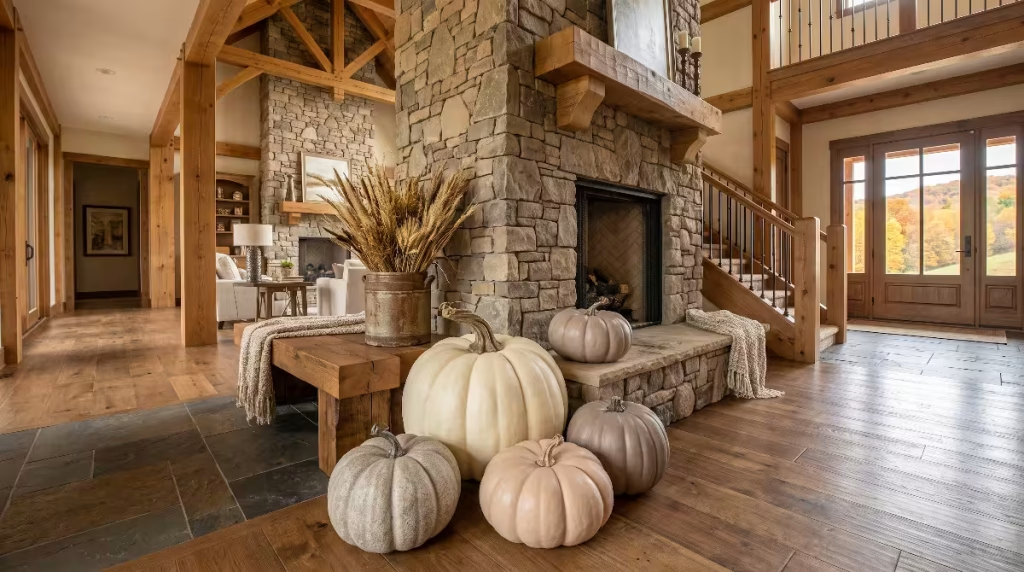
The biggest mistake homeowners make with fall decorating is buying too many small items. You walk into a room and see twenty tiny gourds scattered across a table or porch steps. It creates visual noise and makes cleaning a headache. A professional designer approaches decorating the same way a builder approaches framing: start with strong anchor points.
Large scale pieces solve this problem with ease. A single eighteen inch piece makes a bolder statement than a dozen small items spread around. However, large items take up real physical space. They also have physical weight. A massive hollow piece can take up two cubic feet of floor space.
Before you buy, measure the clear walking path on your porch or around your hearth. A beautiful porch display should never narrow an entryway below standard building code clearances. You need at least thirty six inches of clear walking path so family and guests do not trip over your decor. Consider visual weight as well. Dark, heavy colors can overwhelm a room, whereas light neutrals reflect daylight and keep a space open and calm.
Evaluating Ceramic vs Faux Resin for Large Scale Applications
Comparing ceramic and faux resin decorative pumpkins requires looking at how each is made. Both types have distinct strengths and limitations that come straight from their base materials.
Ceramic is a classic, traditional material made from natural clay. It carries real weight and a cool, smooth texture that feels luxurious. Faux resin is a modern polymer composite. It is poured into finely detailed molds to produce durable, high strength objects that mimic natural stone or wood.
When you look at large scale items, these material differences become very obvious. A ceramic piece that is twenty inches tall can weigh twenty to thirty pounds. If you drop it on a concrete porch, it will shatter into pieces. A faux resin piece of the exact same size might weigh only seven to ten pounds. If it gets knocked over by a dog or a sudden gust of wind, it usually bounces or scuffs without breaking.
Your choice between the two depends heavily on where you plan to display them, how often you move them, and how much exposure to weather they will receive.
The Neutral Palette Shift: Moving Beyond High Gloss Orange
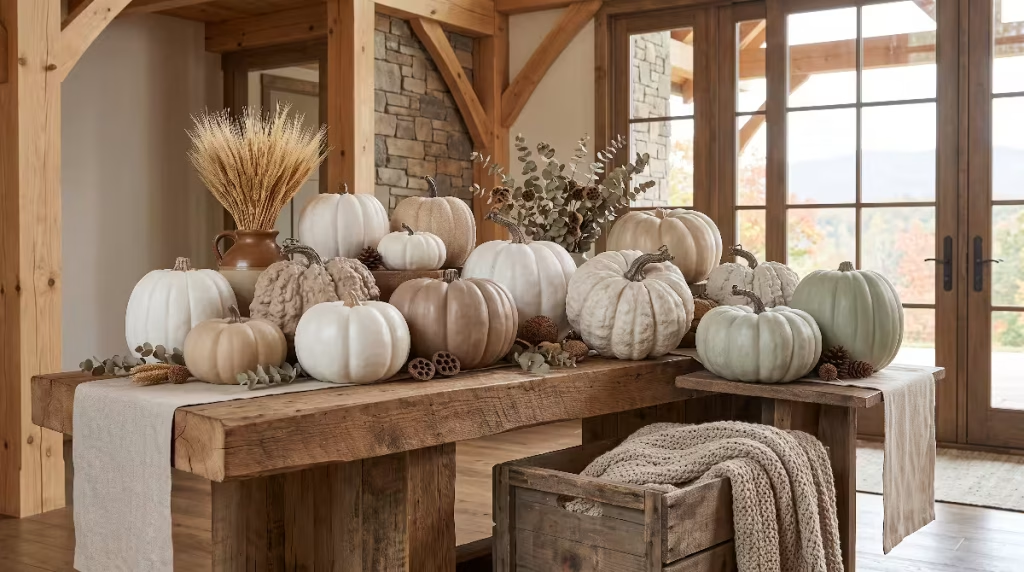
For decades, traditional fall decorating focused on bright orange, shiny finishes, and cartoonish shapes. While that style has a nostalgic charm, modern custom homes call for an understated approach. Over the last several years, homeowners have moved toward neutral palettes that complement stone, brick, natural wood timbers, and light interior paint.
Neutral decorative pumpkins bring quiet sophistication to a room. Soft shades of ivory, warm taupe, linen, muted sage, and pale greige blend seamlessly into transitional, modern farmhouse, and coastal interior designs. These quiet colors allow you to celebrate the change of seasons without fighting against your home’s permanent fixtures and furnishings.
Neutral tones also transition smoothly through the entire fall season. A bright orange accent feels out of place once Halloween passes. In contrast, cream, biscuit, and soft stone colors look natural from the first cool days of September all the way through Thanksgiving dinner. They bridge late summer and early winter with graceful simplicity.
Ceramic and Earthenware
To understand how ceramic decorative pumpkins perform, it helps to understand how they are manufactured. Ceramic starts as natural clay dug from the earth. The clay is shaped by hand, pressed into a plaster mold, or slip cast as a liquid slurry. Once the shape dries, it is placed in a high heat kiln and fired at temperatures reaching anywhere from 1,800 to over 2,200 degrees Fahrenheit.
This intense heat drives out water and fuses the mineral particles together through a process called vitrification. If the maker adds a liquid mineral glaze, the piece goes through a second firing. The glaze melts into a glass layer that coats the clay body. If left unglazed, the finished piece is called bisque or earthenware, leaving a porous, chalky surface.
Kiln firing makes ceramic hard, dense, and rigid. It creates a smooth, cool touch that synthetic materials struggle to match. However, the firing process leaves the clay crystalline and brittle. It has outstanding compressive strength, meaning it can support weight placed directly on top of it. Yet it has low tensile strength and poor flexibility. If it experiences a sudden impact or sharp twist, the clay cannot bend, so it snaps or shatters.
Kiln Fired Clay, Stoneware, and Surface Finishes
Not all ceramics are the same. The type of clay and the firing temperature determine the durability of the finished product. Standard earthenware is fired at lower temperatures. It stays porous and absorbs moisture easily unless it is sealed behind a thick glaze. Stoneware is fired at much higher temperatures. The clay becomes semi vitreous, meaning it is much denser, absorbs very little water, and resists chipping better than soft earthenware.
The surface finish plays a major role in how the piece looks and cleans. A glossy glaze reflects light and wipes clean with a damp rag, but high gloss can look artificial under bright indoor lighting. A matte or satin glaze provides a soft glow that feels warm and modern.
Unsealed bisque or chalk painted ceramic has an organic, earthy appearance. However, unsealed clay absorbs oils from your hands, collects dust in tiny pores, and stains easily if exposed to dirt or muddy water. If you choose an unglazed ceramic piece for your home, plan to handle it with clean hands and keep it safely indoors.
Weight Profiles and Tactile Authenticity in Ceramics
One of the greatest pleasures of fine home finishes is physical substance. When you turn a solid brass door handle or touch a thick soapstone countertop, your hands immediately register quality. Ceramic decorative pumpkins share that same tactile presence. They have a solid, dense weight that makes them feel permanent and valuable.
A large sixteen inch ceramic piece has enough mass to anchor a mantel or entryway table without shifting. When you run your fingers across its surface, it feels cool to the touch. The sound it makes when set on a wooden table is a solid, grounded tap.
This weight is an advantage in quiet, climate controlled spaces. It keeps the decor firmly in place when people walk past or drafts drift through a room. You never have to worry about a large ceramic piece sliding across a tabletop or tipping over because someone closed a door quickly.
Structural Vulnerabilities: Thermal Shock, Brittleness, and Frost Heave
The same physical properties that give ceramic its beauty also create its greatest weaknesses. Because kiln fired clay is completely rigid, it expands and contracts very little when temperatures change. When cold air hits one side of a warm ceramic piece, or when direct sun warms one side of a freezing piece, thermal stress builds up inside the clay. If that stress becomes too great, the piece will crack right down the middle without being dropped.
Moisture creates an even bigger danger outdoors. Porous ceramics absorb moisture from rain, morning fog, and humid air. If temperature drops below thirty two degrees Fahrenheit, that absorbed water freezes and expands by about nine percent. This expansion pushes against the tiny pores of the clay, causing the surface to flake off or split open. In construction, we call this frost heave when it happens to concrete foundations, and the exact same physics destroys outdoor pottery.
Ceramic is also unforgiving of drops. If an active pet knocks a large ceramic piece off a low table, or if a child bumps it with a backpack, it will shatter. Repairing large broken ceramic pieces is difficult, and glued seams are almost impossible to hide on a smooth, neutral surface.
Cast Resin and Polyresin Composites
Faux resin takes an entirely different approach to durability. Resin is a
As the polymer cures, chemical cross linking takes place. The liquid turns into a solid, impact resistant plastic matrix. The ground stone powder gives the composite real body, density, and rigidity, while the polymer provides flexibility and tensile strength. The result is a material that resists dropping, bumps, and temperature swings.
Because resin cures inside flexible silicone molds, manufacturers can cast intricate textures that would be impossible to release from rigid plaster molds. Deep grooves, gnarled woody stems, fine ribs, and organic skin blemishes can be captured in lifelike detail. This gives high end resin pieces an organic look that rivals real heirloom squash.
Molded Textures, Stem Detailing, and Organic Realism
When you examine decorative pumpkins made from cast resin, pay close attention to the stem and skin texture. On low quality items, the stem is molded as a simple smooth cone and glued in place. On high quality resin pieces, the stem is an architectural feature of its own.
Resin casting captures the twisting fibers, rough bark textures, and natural color shifts of real dried squash stems. You will see realistic twisting, deep wood grain striations, and delicate curves that look authentic. The body of a well made resin piece often features natural asymmetries, slight dimples, and flattened sides that mimic the way real squash grow against the ground in an autumn garden.
These organic details make faux resin an outstanding choice for homeowners who want realistic decor without the mess of rotting fruit. You get all the visual charm of an organic harvest piece paired with the clean durability of an engineered polymer.
Weight Profiles, Wind Stability, and Internal Anchoring of Resin
While faux resin is dense and strong, large scale pieces are usually cast hollow to keep shipping and handling manageable. A hollow sixteen inch resin pumpkin is easy to lift, which makes decorating effortless. However, this lighter weight can become a problem on an exposed outdoor porch.
A sudden autumn wind gust can easily blow a hollow resin piece across a concrete porch or down the front steps. Fortunately, the hollow design allows for simple structural modifications. Many large resin pieces feature a removable plug or an open access hole on the bottom.
If your resin piece has a base opening, you can add weight to keep it stable. Pouring two or three cups of clean play sand or smooth pea gravel inside adds several pounds of ballast right at the base. This drops the center of gravity low to the ground. Your lightweight piece transforms into a wind resistant anchor that stays firmly planted on your porch steps through blustery autumn storms.
Surface Coatings: UV Cured Acrylics, Chalk Paints, and Weather Sealants
Because resin is a polymer, it requires protection from ultraviolet solar radiation. Prolonged exposure to direct sun can break down polymer chemical bonds, causing colors to yellow, chalk, or turn brittle over time. Quality manufacturers protect resin pieces with specialized surface coatings.
High grade resin decor features UV cured acrylic paints and clear, non yellowing sealants. These protective coatings lock in soft neutral pigments and shield the underlying material from sun damage and rainwater. Many makers use ultra matte chalk finishes to eliminate plastic shine, giving the resin the appearance of hand carved limestone or cast plaster.
If you purchase a piece that lacks a clear protective coat, you can easily apply one yourself. A light spray of exterior grade matte acrylic clear coat adds an invisible barrier that blocks UV rays and water. This simple step keeps your neutral colors fresh, soft, and true for years of outdoor use.
Comprehensive Comparison: Ceramic vs Faux Resin
To choose the right material for your home, it helps to compare ceramic and faux resin across the key performance areas that matter to homeowners.
| Feature | Large Scale Ceramic | Large Scale Faux Resin |
| Material Composition | Natural kiln fired clay and glass glaze | Polymer resin mixed with ground stone powder |
| Indoor Suitability | Outstanding; elegant, smooth, and authentic | Excellent; realistic, matte, and quiet |
| Outdoor Weather Resistance | Poor; vulnerable to frost cracking and rain | Outstanding; unaffected by moisture or freezing |
| Impact and Drop Resistance | Low; brittle, easily chips or shatters | High; tough composite absorbs impacts |
| Weight and Mass | Heavy; natural wind anchor indoors | Moderate; easy to carry, can be weighted |
| Texture and Surface Detail | Smooth, glazed, or chalky bisque | Highly realistic skin, warts, and gnarled stems |
| Sun and Heat Exposure | Will not fade; glaze is heat permanent | Needs UV sealants to prevent fading |
| Storage Sensitivity | Requires thick bubble wrap and padding | Forgiving; stacks easily in storage bins |
| Long Term Value | Timeless indoor heirloom | High utility indoor and outdoor decor |
Durability and Impact Resistance: Assessing Accidental Drops and Active Homes
Homes are built for living, not just for display. If you have children running through the living room or dogs wagging their tails near low tables, impact resistance is a top priority. A dropped ceramic piece on a hardwood or tile floor presents a safety hazard with sharp shards, and it can also dent your wood floor or crack a floor tile.
Faux resin is the practical choice for high traffic zones. If a resin pumpkin gets knocked off a side table onto an area rug or wood floor, it simply thuds and rolls. The composite material absorbs the energy of the impact without fracturing.
Even on hard surfaces like brick walkways or slate hearths, resin holds up remarkably well. At most, a hard drop might create a tiny scuff on the paint finish. You can touch up a scuff in minutes with a dab of matching neutral craft paint and a sponge. Ceramic cannot be fixed that easily, which makes resin the clear winner for busy family households.
Thermal Tolerance and Weatherproofing: Frost Cycles and Moisture
Our mountain climate here in East Tennessee puts outdoor materials to the test. A warm sixty degree October afternoon can drop to twenty eight degrees overnight. When dew or rain soaks into decor, these freezing temperatures cause quick destruction.
Ceramic should never be left on an uncovered porch during freezing weather. Even glazed ceramics often have an unglazed, porous base ring where the piece rested on the kiln shelf. Water seeps into that exposed clay ring from wet porch steps. When night frost hits, the base splits or chips off completely.
Faux resin completely eliminates this problem. Because the polymer matrix is non porous, it absorbs practically zero moisture. Freezing temperatures will not cause cracking, flaking, or structural failure. You can leave resin pieces outside through driving autumn rains, heavy mountain frosts, and early November snow flurries without worrying about weather damage.
Aesthetic Value: Glaze Luster, Tactile Coolness, and Natural Realism
When it comes to refined indoor style, ceramic offers a classic beauty that resin cannot completely replicate. A beautifully glazed ceramic piece has an unmistakable depth. Light bounces through the translucent glass glaze, reflecting off the white clay underneath to create a soft, luminous glow.
Ceramic decor looks right at home next to fine polished marble countertops, clean white oak cabinetry, and handmade subway tile backsplashes. It feels like an authentic art object made by an artisan potter. It carries an understated elegance that elevates any formal interior space.
On the other hand, faux resin wins when your goal is organic realism. If you love the knobby, textured look of heirloom blue hubbard squash, fairytale pumpkins, and white ghost gourds, resin delivers those natural forms with lifelike detail. The fine ridges, gnarled woody stems, and subtle color shading make resin pieces look like they were just picked from an organic farm stand.
Long Term Maintenance and Storage Demands
Seasonal decor spends two or three months on display and nine or ten months packed away in storage. The way a material handles long months in storage is just as important as how it looks on your mantel.
Large ceramic pieces demand careful handling and generous storage space. You cannot simply toss a twenty pound ceramic piece into a plastic tote bag. You must wrap it in layers of thick bubble wrap, support the stem with cushioning, and pack it inside a heavy duty cardboard box or rigid plastic tote. If a heavy box shifts against it in an attic or closet, the ceramic can crack under the pressure.
Faux resin requires far less care. Because it is resilient, you can wrap it in a simple dust bag or light sheet and place it directly into a storage tote with other seasonal accents. It does not crack under light pressure, and the stems are typically molded with strong internal reinforcement that resists breaking off. For homeowners with limited storage space or simple packing routines, resin makes seasonal decorating much easier.
Sizing and Scale: Matching Proportions to Architectural Spaces
When planning your decor, always consider the size of the room and the furniture around it. A common design flaw is using pieces that are too small for high ceilings or wide spaces. When you choose decorative pumpkins, think about the room’s proportions.
In a small entryway or powder room, an eight to ten inch piece feels balanced. In a large open concept living room with twelve foot ceilings, that same ten inch piece gets completely lost. You need a piece that is sixteen, eighteen, or even twenty four inches tall to hold its own against tall walls and wide rooms.
Scale also dictates spacing. When you place a massive accent piece on a table, make sure you leave comfortable negative space around it. An accent should highlight the beauty of your furniture, not swallow it whole. Leave at least several inches of visible tabletop around the base so the room feels organized and spacious.
The Covered Front Porch and Entry Portico
Your front entrance sets the architectural tone for your entire home. In our region, deep covered porches and welcoming porticos are staples of custom home design. These spaces call for large, welcoming accents that draw the eye up from the driveway.
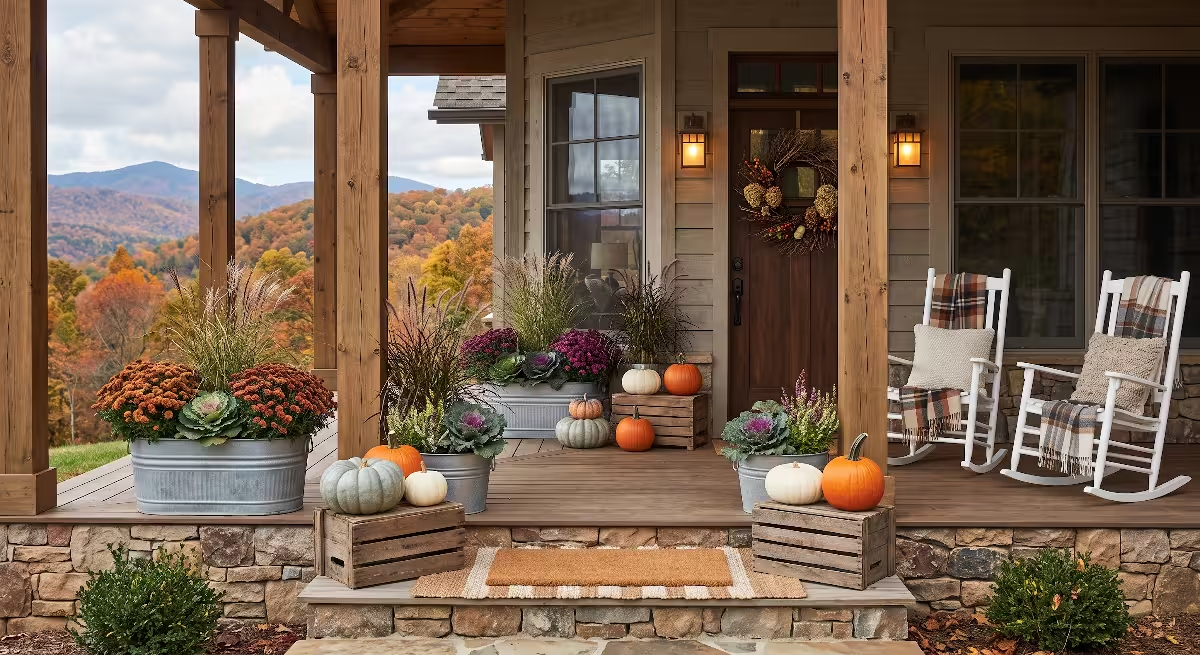
Because porch steps and entry landings are open to outside air, moisture, and wind, faux resin is the best choice for these areas. A pair of large eighteen inch resin pieces placed on either side of the front door frames the entry beautifully. You can flank your porch steps with graduated sizes to create a natural, welcoming path up to the front door.
To keep your porch looking clean and elegant, stick to a quiet color palette. Cream, pale taupe, and soft gray resin accents stand out crisply against dark stained wood doors, painted trim, and natural brick siding. Best of all, you will not have to rush outside to gather your decor every time the weather forecast calls for frost or high winds.
The Great Room Hearth and Masonry Fireplace
The fireplace is the natural focal point of a great room. Whether your fireplace is built with rustic Tennessee fieldstone, sleek modern brick, or smooth cast limestone, it calls for decor with real visual weight.
This is the ideal setting for large ceramic decorative pumpkins. The heavy, fire born character of ceramic blends naturally with stone masonry and custom mantel millwork. A pair of off white or soft greige ceramic pieces placed directly on a raised hearth creates a clean, grounded anchor that feels warm and timeless.
The reflective quality of ceramic glazes also works wonders around a hearth. In the evening, the soft amber glow of a burning fire or flickering hearth candles bounces gently off the glazed surface, bringing warmth and movement into the room. Because a fireplace hearth is safely protected from outdoor weather, you can enjoy the classic beauty of ceramic without worrying about chips or frost damage.
The Dining Room Table and Kitchen Island
Kitchen islands and dining room tables are high use, communal surfaces where family and friends gather every single day. When you decorate these surfaces, functionality must walk hand in hand with style.
A massive twenty inch piece might look gorgeous on an island, but if it blocks sightlines across the kitchen or gets in the way of meal prep, it becomes an annoyance. When styling a kitchen island, choose a piece that measures between twelve and fourteen inches tall. This provides plenty of presence without blocking conversations across the counter.
Both ceramic and resin work well on these surfaces, but pay close attention to the bottom of the piece. Rough ceramic base rings and coarse resin molds can easily scratch polished quartz, marble, or fine finished hardwood tables. Always glue small felt pads or a soft cork circle to the base of your decor before setting it down. This simple protective step prevents scratches and lets you slide pieces around easily while serving meals.
The Rule of Three: Grouping Neutral Accents by Height and Volume
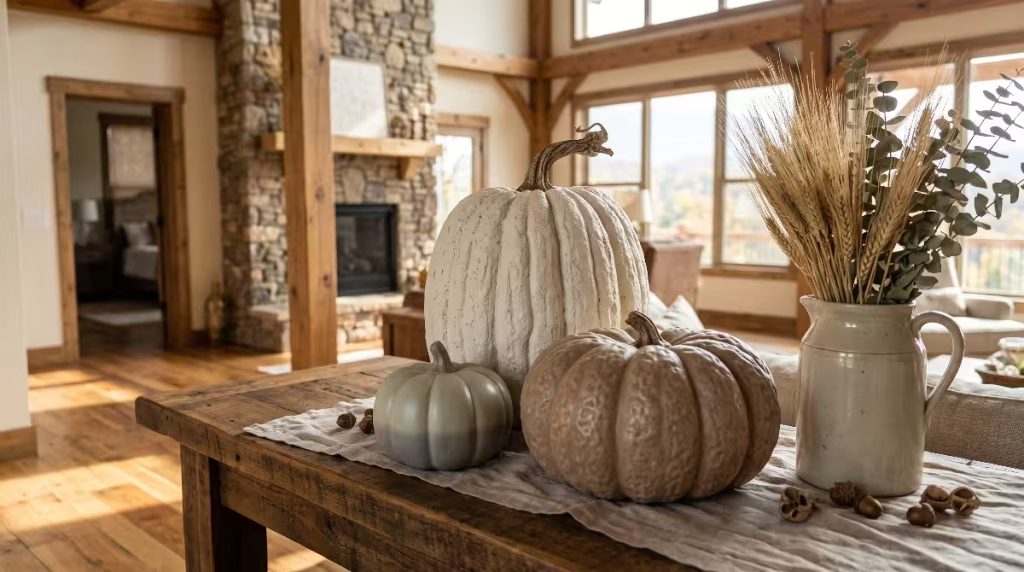
In interior design, odd numbered groupings create natural visual balance. The human eye loves finding balance in asymmetry, which is why the Rule of Three is such a dependable styling technique.
Instead of lining up pieces in a straight row like soldiers, arrange them in an organic triangle. Start with your largest piece as the primary anchor. This could be an eighteen inch faux resin or ceramic piece that establishes the overall height and volume of the display. Next, place a medium twelve inch piece slightly forward and to one side. Finish the vignette with an eight or ten inch piece on the opposite side.
To keep a neutral arrangement interesting, play with subtle differences in texture and shape. Pair a tall, ribbed white piece with a low, squat biscuit colored piece and a round, smooth cream accent. This variation in shape and surface texture creates depth and visual charm without needing loud colors.
Can Ceramic Stay Outside in Cold Weather?
This is one of the most common questions homeowners ask as autumn temperatures begin to fall. The direct answer is no: unglazed and low fired ceramic decor should not remain outside once temperatures drop near freezing.
Even high quality glazed ceramic pieces have tiny micro fissures in their glazes, along with porous, unglazed clay rings on the bottom. When fall rain falls or morning dew condenses on the porch, the clay pulls in that moisture like a sponge. When the thermometer drops below freezing, that absorbed water turns to ice and expands.
This internal pressure causes flaking, hairline cracks, and full structural splits. If you want to use ceramic pieces on a covered porch, display them during the mild days of September and early October. Once nighttime freezes arrive, bring those precious ceramic accents indoors to your mantel, dining table, or foyer where they will stay warm, dry, and protected.
Are Faux Resin Pieces Durable Enough for Wind and Rain?
Yes, high quality faux resin decor is engineered to handle outdoor wind and rain with ease. The dense polymer composite absorbs no water, meaning it is completely immune to the freezing and thawing cycles that crack ceramic and concrete.
Rain simply beads up and runs off the painted surface. If mud or fallen leaves splash onto the base during a heavy storm, you can clean it in seconds with a quick spray from a garden hose or a wipe with a damp washcloth.
To handle strong autumn wind gusts, remember to anchor hollow resin pieces. Check the bottom for an access plug, and pour in two or three cups of clean sand or pea gravel. This simple step adds three to five pounds of weight right where you need it most. Your resin accents will stay firmly planted on porch steps and open decks through gusty fall storms without tipping or rolling away.
How Do You Clean and Store Large Scale Seasonal Decor?
Proper seasonal care and clean storage protect your investment and keep your decor looking brand new year after year. The cleaning technique you use depends on the material.
For glazed ceramic, cleaning is straightforward. Wipe the surface down with a soft microfiber cloth dampened with warm water and a drop of gentle dish soap. Dry it thoroughly with a lint free towel to prevent water spots. For unglazed bisque ceramic, avoid using wet cloths, which can push dirt deep into the porous clay. Instead, use a soft bristle paintbrush or a can of compressed air to gently dust the crevices.
For faux resin, wipe down the exterior with a damp cloth and mild soap. If the piece spent the season outside, let it dry completely in the sun before packing it away to prevent mildew growth inside the hollow cavity.
When it comes to storage, pack ceramic pieces individually in heavy duty plastic bins, using plenty of bubble wrap to protect the body and delicate stem. Faux resin pieces can be slipped into soft fabric dust bags and placed into storage bins. Keep your bins in a climate controlled closet or clean basement shelf to shield them from extreme summer attic heat.
Which Material Looks More Realistic?
The answer to this question depends on what kind of realism you want to achieve. If you are looking for an organic, freshly harvested look, faux resin is the clear winner.
Because resin cures inside flexible silicone molds taken from real farm grown squash, it captures authentic nature with incredible fidelity. You get deep organic ridges, asymmetrical shapes, bumpy skin textures, and twisted, gnarled stems that look like real dried wood. When finished with a flat chalk paint, a high end resin piece can easily fool guests into thinking it is a real heirloom pumpkin.
If your design style leans more toward sculptural, artistic elegance, ceramic is the better choice. Ceramic does not try to look like a real farm vegetable. Instead, it presents itself as an intentional, handcrafted art object. Its clean lines, smooth glaze, and cool tactile presence celebrate fine pottery, making it a favorite for elegant, timeless interiors.
Practical Purchasing Checklist for Custom Homeowners
Before you make a purchase, take a few minutes to inspect the quality and build of the piece. Here is a practical checklist to guide your decision:
First, inspect the stem joinery. On low quality decor, stems are cast separately out of brittle plastic and glued into a shallow depression on top. These stems snap off easily during moving and storage. Look for pieces where the stem is cast as an integrated part of the main body, or secured with an internal steel screw or heavy duty dowel.
Second, check the base stability. Flip the piece over and look at the bottom. A large decorative piece needs a broad, flat base so it sits level on tables and floors. If you are buying ceramic, look for pre attached felt pads, or plan to add your own to protect your countertops and wood floors. If you are buying resin for outdoor use, check for an access plug on the bottom so you can add weight.
Third, evaluate the surface finish under different lighting. Check the piece under both natural daylight and warm indoor lighting. Avoid items with a high gloss, shiny clear coat, which looks cheap and artificial. Look for soft satin glazes on ceramic and ultra matte chalk paints on faux resin. These finishes reflect light gently and bring an upscale, designer feel into your home.
Sustainable Decorating: Investing in Multi Year Architectural Pieces
In a world full of disposable seasonal plastic, buying quality multi year decor is a smarter, more sustainable choice. When you build a custom home, you invest in durable materials like real hardwood, natural stone countertops, and architectural shingles that stand the test of time. Your seasonal decor should reflect that same standard of lasting quality.
A large, beautifully crafted piece made from quality ceramic or heavy faux resin becomes a dependable seasonal tradition. Instead of buying cheap, throwaway plastic accents every September, you unpack a curated collection of heirloom pieces that you love seeing year after year.
By selecting neutral colors like cream, taupe, linen, and soft slate gray, you ensure that your decor never goes out of style. These understated tones work with whatever wall colors, rugs, or furniture you might choose in the future. They provide an easy, elevated way to celebrate autumn that honors both your home’s architecture and your budget.
Final Recommendations for the Tri-Cities Home
Living in Northeast Tennessee means getting to experience the true beauty of four distinct seasons. Autumn in our mountains brings crisp, clear air, vibrant ridge colors, and a natural desire to make our living spaces feel warm, welcoming, and grounded.
If you are decorating an exposed front porch, open steps, or a windy entry landing, choose large scale faux resin decorative pumpkins. Their tough, impact resistant build shrugs off freezing nights and autumn rains. With a little sand added to the base, they will stay anchored in place through mountain breezes, providing realistic harvest beauty from early September through the Thanksgiving holiday.
If you are styling a great room hearth, an open kitchen island, or a formal dining room table, invest in large scale ceramic decorative pumpkins. Their smooth weight, deep glaze, and artisan presence bring a refined, timeless beauty that matches the fine finishes of your custom home.
By understanding the physics and engineering behind these two popular materials, you can choose pieces that fit your lifestyle, protect your finishes, and bring seasonal warmth to your home for years to come.