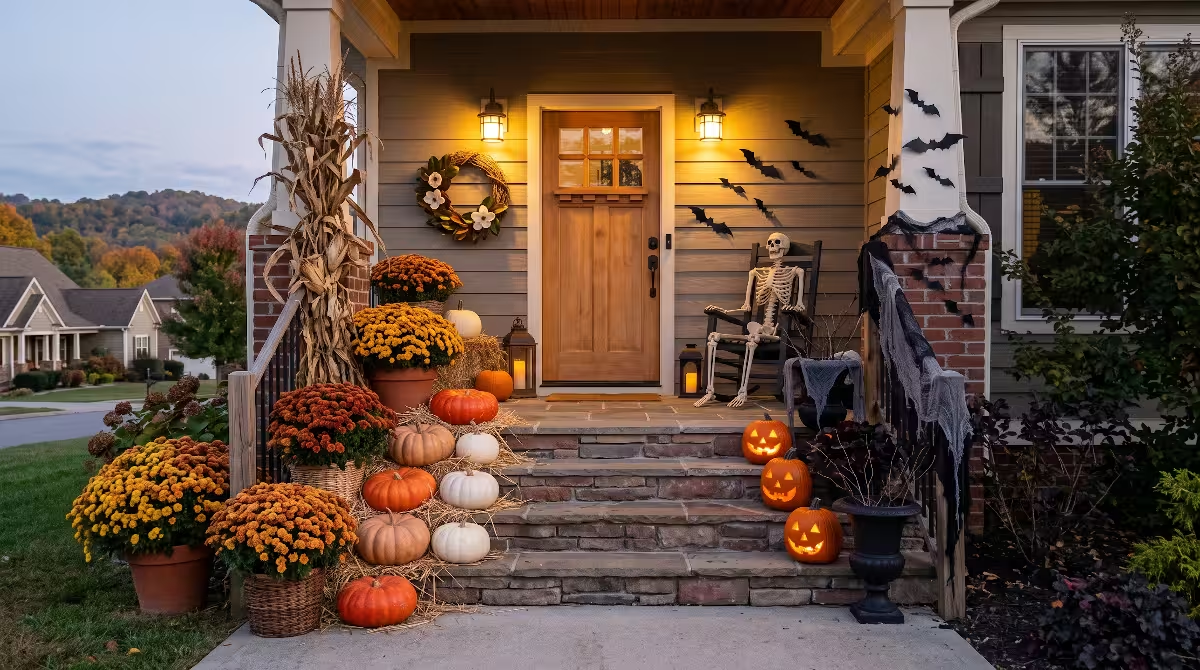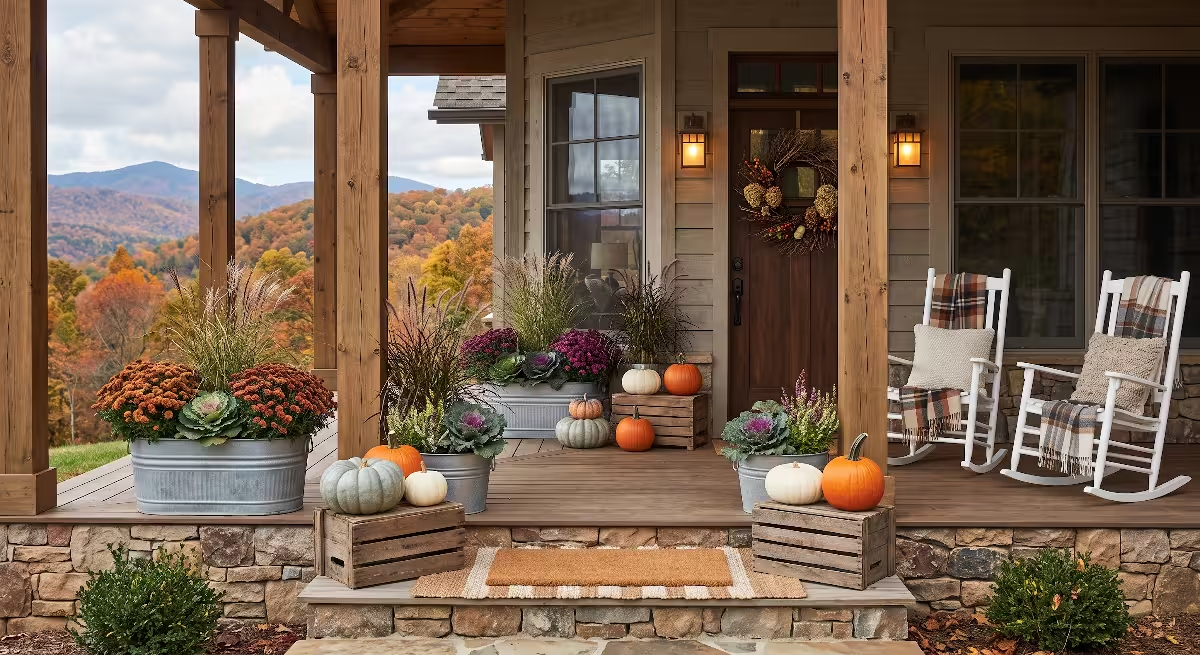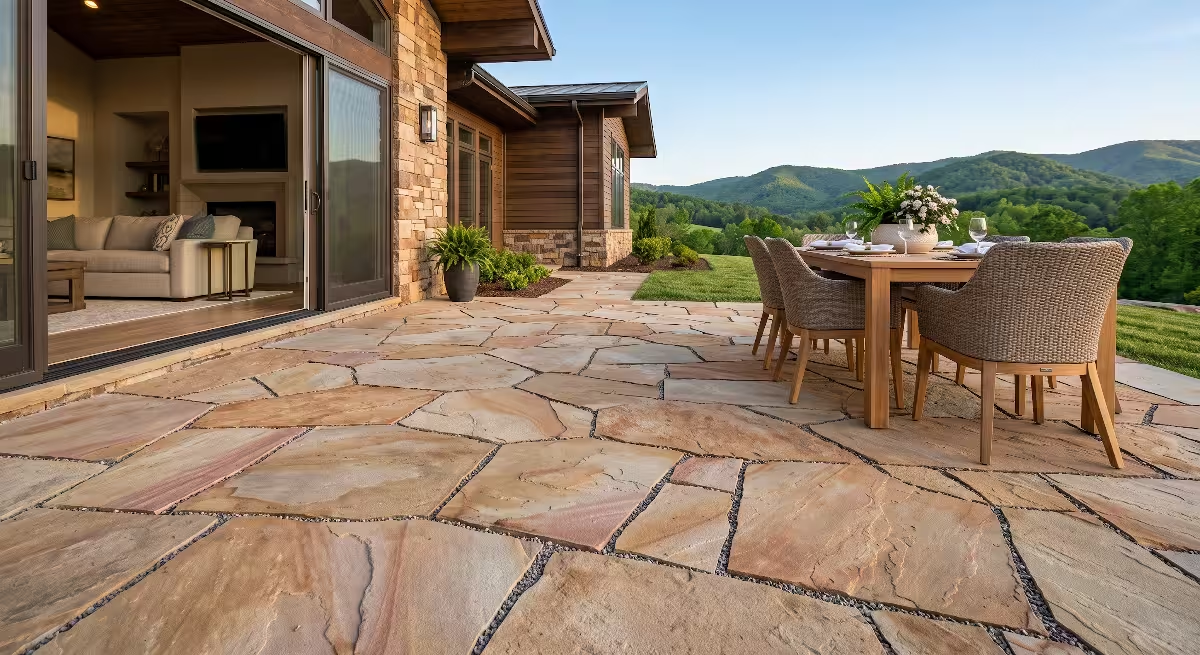


When autumn arrives across East Tennessee, the change in air brings a welcome shift in how we enjoy our homes. In historic neighborhoods like the Tree Streets in Johnson City or the older residential avenues of Kingsport, American bungalows showcase an architectural style built for crisp days. A classic bungalow has wide front porches, low pitched roofs, deep overhanging eaves, and grounded stone piers. These homes naturally harmonize with the changing colors of our landscape.
Creating great fall curb appeal for a historic home is not about buying mass market plastic decorations or covering up the building with clutter. True fall curb appeal highlights the craftsmanship, the fine joinery, the natural timber, and the sturdy masonry that make your house special. When you plan your fall curb appeal, every choice should honor the original lines of the home while welcoming family and neighbors onto a comfortable, sheltered porch.
When we improve fall curb appeal, we want our entryways to look warm, but we also want to protect our building envelope, keep our walkways safe, and choose materials that hold up to wet leaves and autumn storms. Let us walk through the key elements that give your historic Craftsman bungalow unmatched fall curb appeal this season.
The Architectural Integrity of Craftsman Bungalows in Autumn
The Craftsman movement arose as a direct reaction against the fussy, mass-produced ornamentation of the Victorian era. The founders of the movement believed in honesty of materials, visible structural support, and deep connections to the natural world. If you own an authentic bungalow, your house already embodies the colors and textures of autumn.
A thoughtful approach to fall curb appeal starts with understanding how your home is put together. Craftsman builders used river rock, rough-cut fieldstone, brick, cedar shingles, and heavy fir framing. These organic building products look their very best when framed by crisp autumn air and falling leaves. Highlighting fall curb appeal does not require an artificial overhaul. Instead, strong fall curb appeal simply reveals what is already present in the woodwork, stone, and trim.
In our East Tennessee valleys, the autumn season brings damp morning fog followed by bright, sunny afternoons. This climate means any fall curb appeal choices you make must be resilient. Good fall curb appeal balances visual design with solid building science. If an arrangement blocks proper airflow around your siding, or if a decorative container traps moisture against your porch floor, it damages the house. By taking a thoughtful, measured approach to your fall curb appeal, you can enhance the charm of your historic property while guarding the structural elements that have stood for nearly a century.
Many homeowners wonder where to begin when updating their fall curb appeal. The answer is simple: step back to the street or sidewalk and take a clear, objective look at your property lines. Notice the horizontal balance of the front facade. Notice the way the heavy columns anchor the roofline to the earth. When you plan each layer of your fall curb appeal, your goal is to support those strong horizontal lines and highlight the sturdy masonry. That mindset turns simple seasonal decorating into true architectural fall curb appeal.
Enhancing Architectural Features: Working With, Not Against, the Trim
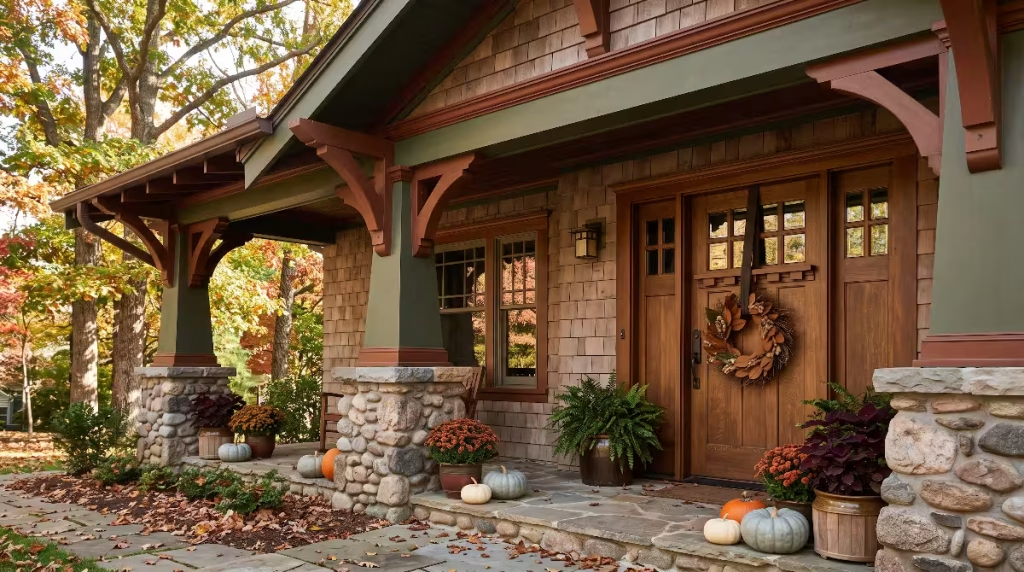
One of the defining aspects of an authentic bungalow is its exposed woodwork. Prominent roof brackets, decorative knee braces, exposed rafter tails, and substantial window trim give these homes their strong personality. If you want outstanding fall curb appeal, you must work alongside these elements rather than fighting them.
+-------------------------------------------------------------------------+
|                  CRAFTSMAN TRIM HARMONY IN AUTUMN                       |
+-------------------------------------------------------------------------+
|  ARCHITECTURAL DETAIL  |  PRESERVATION ROLE     |  FALL COLOR ACCENT    |
+------------------------+------------------------+-----------------------+
|  Overhanging Eaves     |  Sheds rain & leaves   |  Deep Russet / Bronze |
|  Exposed Knee Braces   |  Visual roof support   |  Warm Earth Brown     |
|  Tapered Columns       |  Anchors porch load    |  Natural Stone / Tan  |
|  Dentil Door Shelf     |  Exterior focal point  |  Muted Ochre / Olive  |
+-------------------------------------------------------------------------+
Choosing Earthy Seasonal Color Palettes
The original color schemes for Craftsman houses came straight from soil, bark, moss, and stone. When choosing outdoor elements to improve your fall curb appeal, look for hues that belong in nature.
- Warm Russet and Terracotta: These shades mirror turning sourwood and red maple leaves, bringing warmth to muted green or brown exterior paint.
- Muted Ochre and Mustard: Golden tones brighten shadowed entryways beneath deep eaves and bring out rich golden highlights in your overall fall curb appeal.
- Deep Forest and Olive Green: Greens act as a bridge between the lingering summer turf and your late autumn displays.
- Earthy Umber and Charcoal: Slate and deep brown tones anchor your fall curb appeal, blending seamlessly with native river stone and weathered shingles.
By sticking to this regional earth palette, your fall curb appeal looks organic rather than commercial. The natural tones pull the eye toward the fine joinery around your windows and doors, reinforcing the architectural story of the home.
Preserving Low-Slung Geometry
Bungalows are designed to sit low and spread wide across the lot. Anything that disrupts that horizontal flow will hurt your fall curb appeal. Avoid tall, narrow decorations that fight the horizontal nature of your siding and stone work. For instance, placing two skinny, tall artificial topiaries on either side of a Craftsman door looks out of place because it contradicts the squat, sturdy proportions of the entrance.
Instead, build low, cascading groupings that run horizontally along your porch wall or the base of your columns. This arrangement guides the visitor’s eye along the porch deck, reinforcing the expansive, grounded feeling of the structure. When you respect the horizontal lines of your exterior millwork, your fall curb appeal gains a calm, intentional balance that makes the entire front yard feel anchored.
Front Door Accents and Preserving Historic Wood
The front door is the focal point of all front porch fall curb appeal. Many original Craftsman entry doors feature divided glass lights in the top third, a horizontal dentil shelf with small tooth-like brackets, and wide vertical wood panels below.
When you install a wreath or door accent for fall curb appeal, be mindful of how you mount it. Never drive nails, screws, or staples into an original quarter-sawn white oak or Douglas fir door. Fasteners break the seal of your finish, allowing rainwater and morning dew to seep into the wood fibers. Once moisture gets behind the varnish, it causes dark water stains, wood swelling, and rot.
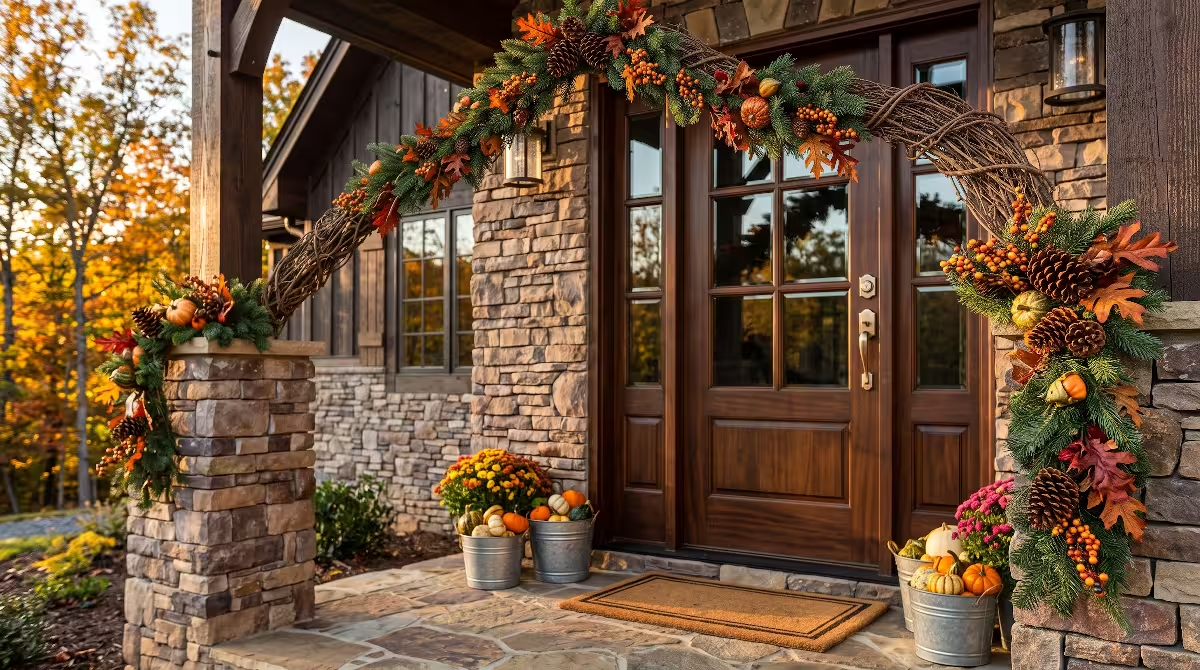
To protect the door while boosting fall curb appeal, use an over-the-door hanger with a felt backing, or secure a discreet ribbon to the top edge of the door slab using a flush brass tack where it cannot be seen. For the wreath itself, choose organic textures like dried magnolia leaves, sweetgum seed pods, preserved ferns, and woven grapevine. These textures complement the heavy wood construction and provide instant fall curb appeal without hiding the craftsmanship of the door.
The Covered Front Porch: Creating a Functional, Welcoming Outdoor Living Space
In Craftsman architecture, the front porch serves as an outdoor living room. It was built to bridge the gap between private indoor quarters and the neighborhood outside. To build strong fall curb appeal, treat your front porch as a functional, lived-in space that invites people to sit, rest, and enjoy the cooling temperatures.
                    TYPICAL CRAFTSMAN PORCH LAYOUT
      +---------------------------------------------------------+
      | [Rocking Chair]                     [Porch Swing]       |
      |        \                                  /             |
      |     (Clear 36-Inch Walking Path to Entry Door)          |
      |        /                                  \             |
      | [Low Pumpkin Cluster]               [Layered Planter]   |
      +===================[ Front Steps ]=======================+
Furniture Placement and Spatial Flow
A cluttered porch diminishes both safety and fall curb appeal. As a builder, I always measure clearances to keep entryways comfortable and accessible. You should maintain at least 36 inches of clear walking space from the top of the porch steps directly to the front entry latch.
Arrange your porch furniture to frame this central pathway:
- Mission Slat-Back Rockers: Place heavy wood rocking chairs at an angle in the corners of the porch. Their slatted backs allow sightlines through to the siding while suggesting quiet evening conversations.
- Suspended Porch Swings: Hang a sturdy oak or cedar swing on one end of the porch, using marine-grade hardware rated for structural timber. Make sure the swing has adequate swing clearance so it never impacts adjacent walls or railings.
- Low Timber Side Tables: Place a small, heavy wooden table next to chairs to hold a mug of cider or a lantern, reinforcing the porch as a practical living zone.
When furniture looks stable and functional, your fall curb appeal immediately feels more authentic and inviting.
Seasonal Textiles and Texture
Adding soft goods to your porch furniture is an easy way to elevate fall curb appeal while keeping the space functional during chilly evenings. Choose fabrics that handle moisture and temperature drops without growing mildew:
- Solution-Dyed Acrylics: Fabrics like Sunbrella now come in heavy textures that mimic wool, tweed, and homespun cotton. They resist fading from UV rays and will not rot when damp.
- Washable Wool-Blend Throws: Drape thick, earth-toned blankets across the back of a swing or rocking chair. Choose forest greens, rust, and mustard tartans.
- Natural Fiber Floor Mats: Layer a large, woven outdoor rug made of flat-weave polypropylene beneath a natural coir mat at the door. This double layer catches fallen leaves and mud before it reaches your interior floors, combining practical utility with polished fall curb appeal.
Remember to bring untreated natural fabrics inside during heavy rains so moisture does not sit against your historic wood porch flooring.
Organic Layering: Working With Masonry Bases
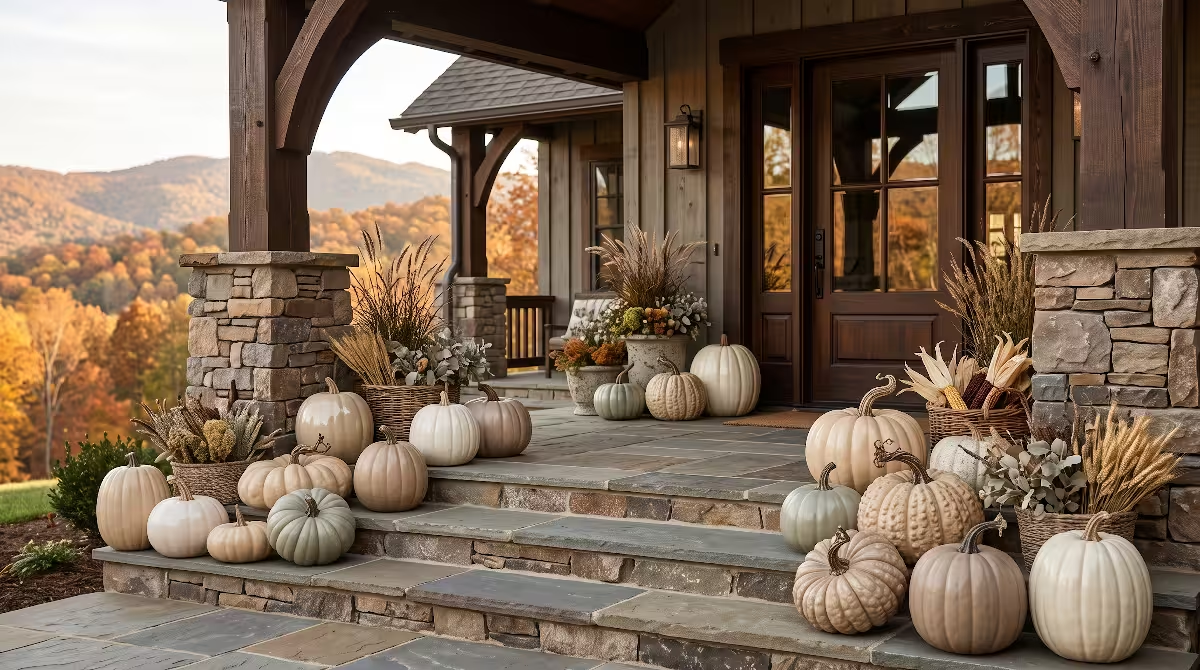
The stone or brick piers that support tapered Craftsman columns are ideal platforms for seasonal decor. To get the best fall curb appeal, layer heirloom pumpkins, squashes, and gourds at the base of these columns rather than scattering them randomly across the steps.
               COLUMN PIER DECORATIVE STAGING

                     [ Tapered Column ]
                             ||
                             ||
                     +----------------+
                     |  Stone Pier    |
                     |  Masonry Base  |
        +------------+----------------+------------+
        |  Large Flat Hubbard Squash (Base Layer)  |
        |  Medium Jarrahdale / Cinderella Pumpkin  |
        |  Small Striped Gourds & Acorns (Accent)  |
        +------------------------------------------+
- Heirloom Varieties: Choose varieties with muted, architectural shapes. Jarrahdale pumpkins offer a dusty blue-gray hue that pairs nicely with warm brown brick. Cinderella pumpkins have flat, ribbed profiles that stack securely. Long Island Cheese pumpkins bring a soft, creamy tan that complements stone work.
- Odd-Numbered Clusters: Group items in clusters of three or five at the foot of each pier. Mixing heights and textures creates a natural, grounded appearance that adds visual depth to your fall curb appeal.
- Elevate Off Wet Surfaces: Place small cedar shims or rubber feet under large pumpkins resting directly on wood decking. This allows air to circulate, preventing the pumpkin from rotting and leaving a dark, stubborn stain on your painted porch floorboards.
Lighting and Hardware: Warmth, Safety, and Amber Glow
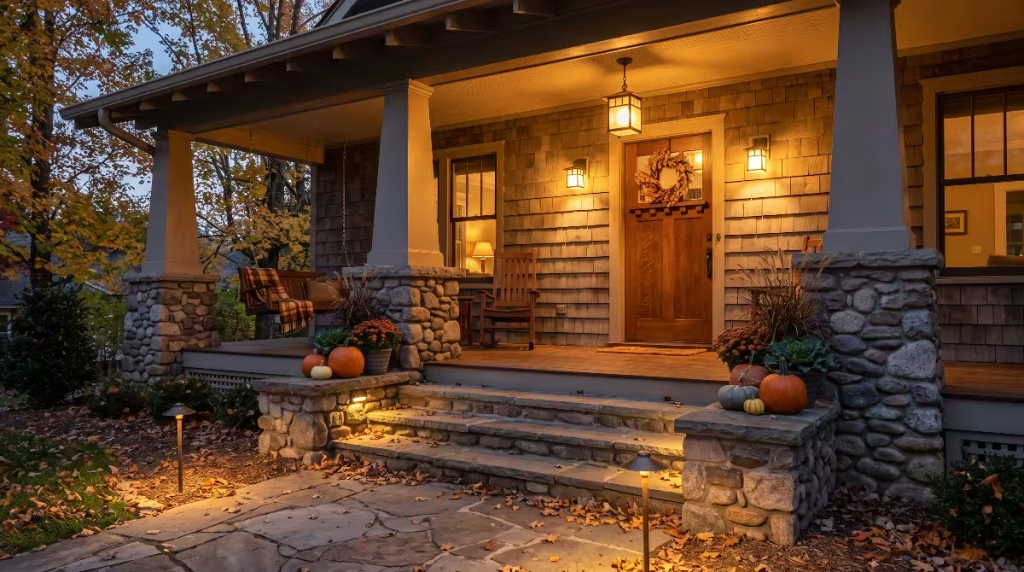
As the days grow shorter in autumn, the lighting on your front porch becomes a central part of your fall curb appeal. A poorly lit porch looks cold, flat, and unwelcoming from the street. The right lighting fixtures and bulb selections bring out the richness of your woodwork while making your steps safe for evening guests.
+-----------------------------------------------------------------------+
|                    EXTERIOR LIGHTING GUIDE FOR FALL                   |
+-------------------+--------------------+------------------------------+
| LOCATION          | COLOR TEMP (KELVIN)| PRACTICAL PURPOSE            |
+-------------------+--------------------+------------------------------+
| Porch Sconces     | 2200K - 2400K      | Soft ambient glow on timber  |
| Hanging Lantern   | 2700K              | Central illumination at door |
| Pathway Fixtures  | 2700K              | Step definition & safety     |
| Step Risers       | 2700K              | Low-glare edge visibility    |
+-------------------+--------------------+------------------------------+
Authentic Arts and Crafts Fixtures
Craftsman fixtures emphasize clean, geometric lines, exposed rivets, and warm materials. Look for wall sconces and hanging pendants crafted from:
- Hammered Iron and Dark Bronze: Dark, textured metals offer strong contrast against lighter trim boards and fit the period look.
- Amber Mica Shades: Mica is a natural mineral that flakes into thin sheets. When light shines through amber mica, it creates a deep, glowing warmth that makes your fall curb appeal look cozy from down the street.
- Textured Art Glass: Seeded, water-glass, or slag-glass panels softly diffuse light, hiding the bare bulb and cutting down on harsh glare.
If your current fixtures are generic modern units, replacing them with period-appropriate fixtures is one of the highest-return investments you can make for your home’s year-round curb appeal.
Choosing the Right Color Temperature
Many homeowners spend time styling their porch, only to install bright white or daylight LED bulbs that wash out their displays. Bulbs rated at 4000K to 5000K cast a clinical blue light that ruins the warm textures you are trying to feature.
For warm fall curb appeal, choose LED bulbs with a color temperature between 2200K and 2700K:
- 2200K (Candlelight Glow): Perfect for amber mica sconces where you want soft, gentle ambient light that accentuates wood grain.
- 2700K (Warm White): Excellent for clear glass pendants and pathway lights where you need balanced clarity and safety without cool blue undertones.
A high Color Rendering Index (CRI of 90 or higher) ensures that your deep red pumpkins, orange leaves, and dark wood finishes show their true, natural colors under artificial light. This small engineering detail makes a noticeable difference in your evening fall curb appeal.
Pathway Safety and Low-Voltage Fixtures
Shorter days mean visitors will navigate your front yard in the dark. Good fall curb appeal must pair beauty with clear, safe footpaths. Fallen leaves can hide steps, uneven flagstones, and changes in grade.
       LOW-VOLTAGE PATHWAY ILLUMINATION CROSS-SECTION

           [Mushroom / Downward Shield Fixture]
                         |
                         |  (Directs light downward)
                       /   \
                      /     \
                     /  10   \
       [Grass Edge] / Footpath \ [Stone Border]
       ----------------------------------------
- Shielded Path Lights: Install low-voltage brass or copper fixtures along the walk. Choose fixtures with solid tops that direct light down toward the ground rather than out into the eyes of walkers. This prevents blinding glare while lighting up walking surfaces.
- Spacing: Space path lights 6 to 8 feet apart, alternating sides along the walkway. This creates pools of light that guide the eye toward the steps without making the path look like an airport runway.
- Step Riser Lighting: If your porch has several stone or wood steps, install discreet, shielded step lights into the stringers or stone cheek walls. Lighting the tread surface prevents trips and falls, boosting both your safety and your fall curb appeal.
Native Southern Appalachian Landscaping for Autumn Structure
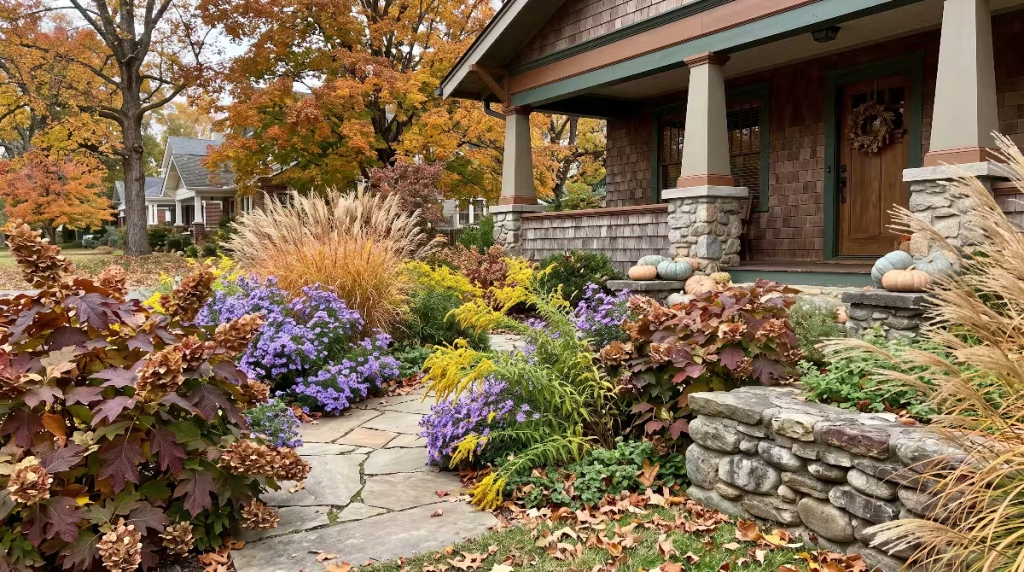
Landscaping is the frame that surrounds your bungalow. The Southern Appalachian region has one of the richest collections of native plants in North America. By using native plants in your foundation beds and container displays, your fall curb appeal connects naturally with the surrounding mountain ridges.
+-------------------------------------------------------------------------+
|             NATIVE SOUTHERN APPALACHIAN PLANTS FOR FALL                 |
+-----------------------+--------------------+----------------------------+
| PLANT NAME            | TYPE               | FALL VISUAL CONTRIBUTION   |
+-----------------------+--------------------+----------------------------+
| Oakleaf Hydrangea     | Deciduous Shrub    | Deep burgundy/bronze foliage|
| Aromatic Aster        | Native Perennial   | Vibrant purple-blue flowers|
| Goldenrod (Solidago)  | Native Perennial   | Rich yellow plume contrast |
| Switchgrass           | Native Grass       | Plumes of copper and gold  |
+-----------------------+--------------------+----------------------------+
Foundation Plantings That Provide Autumn Structure
Craftsman homes look best when nestled into generous, textural plantings that hide high foundation walls while complementing the stone base.
- Oakleaf Hydrangea (Hydrangea quercifolia): A must-have shrub for Craftsman bungalows. In autumn, its broad, lobed leaves turn deep shades of mahogany, wine-red, and bronze. The dried flower heads stay on the plant all winter, adding architectural texture that anchors your fall curb appeal.
- Aromatic Aster (Symphyotrichum oblongifolium): While many garden plants fade by late September, native asters burst into masses of purple-blue blooms that last through October and into November. They provide a cool color contrast that makes orange pumpkins and red leaves stand out.
- Native Goldenrods (Solidago species): Varieties like ‘Fireworks’ produce arching sprays of golden-yellow blossoms. Grouped behind purple asters, they create a natural color pairing that looks right at home along a bungalow walkway.
- Little Bluestem and Switchgrass: These native grasses turn bronze and reddish-gold in the fall. Their fine seed heads catch the low afternoon sun, bringing soft motion to your fall curb appeal.
Building Structural Container Displays
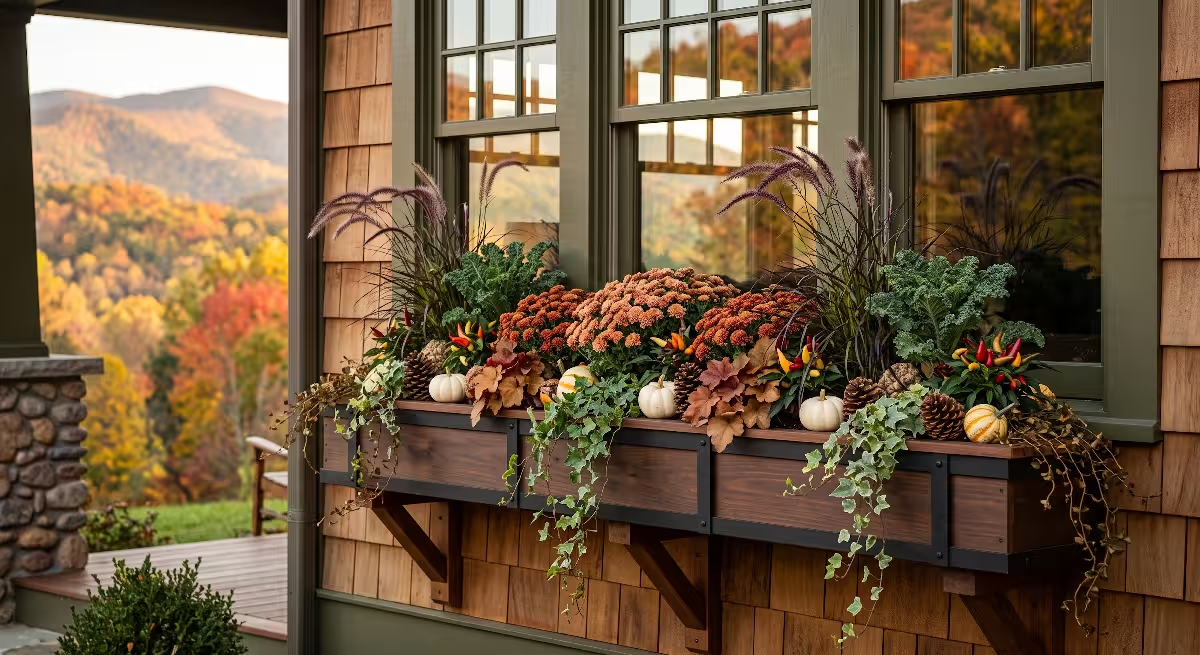
Potted planters allow you to add color directly to porch decks, steps, and terrace walls. Rather than relying on simple potted mums that fade after two weeks, design layered arrangements using the classic design rule: thrillers, spillers, and fillers.
                  CONTAINER PLANTING COMPOSITION

                       [ Thriller ]
                 Switchgrass / Purple Millet
                            /   \
                           /     \
             [ Filler ]           [ Filler ]
          Flowering Kale       Coral Bells (Heuchera)
             \                         /
              +-----------------------+
              | [ Spiller ]           |
              | Creeping Jenny/Ivy    |
              | (Drapes over rim)     |
              +-----------------------+
- The Thriller (Height): Use an upright ornamental grass like blue fescue, switchgrass, or purple fountain grass to provide height and structure in the center of the pot.
- The Filler (Body): Surround the grass with dense, colorful foliage. Flowering kale with fringed purple or white leaves holds up well against light frosts. Coral bells (Heuchera) offer leathery, scalloped foliage in amber, plum, and caramel tones that echo Craftsman woodwork.
- The Spiller (Cascade): Fill the edges of the pot with trailing plants like creeping Jenny, English ivy, or trailing sedum that drape down over the sides.
Choose container vessels made of natural, substantial materials. Glazed stoneware in earthy olive, matte charcoal terra cotta, or square cedar planter boxes fit the lines of a Craftsman porch far better than cheap plastic pots.
Transitioning Hardscapes and Walkways
The path leading to your bungalow is a key piece of your overall fall curb appeal. Craftsman paths were rarely poured as plain, unbroken concrete slabs. They were laid using scored concrete, brick pavers, or native crab orchard flagstone.
To prepare your hardscape for the season:
- Clear Moss and Algae: Late summer moisture often leaves a slick layer of green algae on shaded stone. Use an oxygen-bleach wash and a stiff scrub brush to clean the walking surfaces without eroding the mortar joints.
- Edge the Walkway: Cut a sharp, clean boundary between the turfgrass and your stone walkway. A crisp edge creates a clean frame that elevates your fall curb appeal.
- Sweep Leaf Litter Regularly: While a few golden leaves look charming, a thick mat of wet leaves hides the texture of the stone and creates a slip hazard. Keep the primary path clear while letting leaf mulch collect naturally in your planting beds.
Practical Maintenance: Keeping Historic Details Sound Before Winter
True curb appeal is not just about decorative flourishes; it is rooted in good maintenance. A house that looks well cared for always has more appeal than one with seasonal decorations masking peeling paint and rotted wood. Autumn is your window of opportunity to inspect and protect exterior woodwork and masonry before winter freezes arrive.
+----------------------------------------------------------------------+
|                 FALL EXTERIOR MAINTENANCE CHECKLIST                  |
+---------------------+-------------------+----------------------------+
| TASK                | FOCUS AREA        | WHY IT MATTERS             |
+---------------------+-------------------+----------------------------+
| Wood Inspection     | Column plinths    | Prevents rot in wet weather|
| Gutter Clearance    | Eaves & downspouts| Protects exposed rafters   |
| Masonry Check       | Piers & chimneys  | Stops freeze-thaw damage   |
| Drainage Review     | Grade along steps | Keeps water off foundations|
+---------------------+-------------------+----------------------------+
Wood Care and Moisture Protection
Bungalow porches are especially vulnerable to moisture damage. Deep eaves shield the walls, but wind-driven rain and damp leaves collect on porch decks, column bases, and low railings.
- Examine the Column Plinths: Inspect the bottom few inches where wood columns rest on stone or masonry piers. This joint must have a clear path for water drainage. If you see peeling paint, soft wood, or built-up dirt, clean the area and let it dry out. Apply a quality exterior primer and breathable topcoat before cold weather sets in.
- Check Deck Board Spacing: Tongue-and-groove porch flooring needs to shed standing water quickly. Clear dirt and debris from between perimeter expansion joints. If the painted deck shows heavy wear in traffic lanes, lay down a fresh coat of porch and floor enamel. A clean, uniform porch floor improves your fall curb appeal while sealing the wood against winter snow.
- Clear Organic Debris: Never allow wet leaf piles to sit against wood siding, shingles, or base trim. Wet leaves trap moisture against the finish, which can rot wood siding in a single season.
Gutter and Eave Clearance
Craftsman homes feature wide, open eaves with exposed rafter tails. These tails are a signature architectural feature, but their end grain absorbs water easily if roof drainage systems fail.
- Clean Out Gutters and Downspouts: Once the neighborhood oak and maple trees drop their leaves, clean your gutters thoroughly. Clogged gutters overflow, sending sheets of water down the face of your exposed rafter tails and behind the fascia boards.
- Check Downspout Discharge: Ensure downspouts direct rainwater at least 4 to 6 feet away from your stone foundation. Letting roof water pool next to the house can settle stone piers and create cracks in porch masonry.
- Inspect Rafter Tails: Look up at the underside of your roof overhangs. If you spot flaking paint or signs of mildew on the rafter ends, scrape and touch them up. Keeping these details painted keeps your roofline looking sharp and boosts your fall curb appeal from the sidewalk.
Mortar and Masonry Inspection
The stone and brick work on an authentic bungalow is held together with mortar that must be kept in good condition. When water gets into small mortar cracks, freezing temperatures cause that water to expand, breaking the mortar bond and loosening the stone.
- Inspect Column Bases and Steps: Check the mortar joints on your stone piers, front steps, and foundation walls. Look for gaps, crumbling sand, or loose stones.
- Tuckpoint Before Freezing Temperatures: Repair open joints using an appropriate mortar mix. Historic brick and river stone need a softer, lime-rich mortar rather than hard modern Portland cement, which can crack historic stone. Completing these small repairs keeps your masonry solid and preserves the quality of your fall curb appeal.
Commonly Asked Questions about Fall Curb Appeal
How do I decorate a Craftsman porch for fall without making it look cluttered?
The secret to decorating a Craftsman porch is to respect its architectural structure and focus on scale. Bungalows have heavy stone bases, wide steps, and broad columns. Dainty, small-scale decorations look lost and quickly create a messy, cluttered feel.
Instead of scattering small items across the deck, group decorations into two or three focused arrangements at key structural points, such as the base of the porch columns or beside the front door. Use larger items like heirloom squash, broad baskets, and sturdy glazed pots. Always leave clear pathways, and keep the center of your porch open. By leaving plenty of open floor space, you highlight the architecture and keep the front of your home balanced and peaceful.
What are historically accurate fall paint and decor colors for an American bungalow?
Historically accurate Craftsman palettes were inspired by nature and the Arts and Crafts philosophy. In autumn, this means focusing on rich, earthy tones rather than bright neons or artificial hues:
- Sopchoppy Buff and Ochre: Warm, golden-yellow tones that reflect natural earth pigments.
- Russet and Burnt Sienna: Red-brown hues that mimic turning hardwood leaves and iron-rich clay.
- Deep Olive and Sage: Muted greens that match moss and pine needles.
- Raw Umber and Seal Brown: Deep, woodsy browns that blend with cedar shingles and stained timbers.
When selecting ribbons, textiles, pumpkins, and plant pots, look for these grounded, natural shades. They harmonize with the original historic finishes of the house, creating natural fall curb appeal that feels authentic to the home.
How can I preserve historic wood columns and trim through wet autumn weather?
Protecting historic exterior woodwork requires consistent moisture management. Keep wet leaves, soil, and potted plants from resting directly against wood trim. Always use pot stands, rubber spacers, or risers under decorative containers to allow airflow beneath the pots.
Make sure your gutters are clean and draining properly so water does not spill over onto the porch posts or railings. Check the caulking around exterior trim joints, and use a flexible, paintable exterior sealant where boards meet to keep wind-driven rain out of wall cavities. If you notice bare wood, sand it lightly, apply an exterior oil-based or bonding primer, and finish with a durable exterior acrylic latex paint. Good paint maintenance keeps your wood sound and your fall curb appeal looking sharp all year long.
What type of fall wreaths work best on a Craftsman front door with dentil molding?
Craftsman doors often have a horizontal dentil shelf with decorative brackets directly beneath the upper window panes. A standard, oversized round wreath will cover that shelf, hide the wood details, and look unbalanced on the door.
To complement a dentil shelf, pick a smaller wreath (around 18 to 20 inches in diameter) that hangs comfortably in the lower wood panel area without obscuring the shelf. Alternatively, use an asymmetrical wreath made of dried grapevine, preserved magnolia leaves, or wild grasses that frames the door panels while leaving the dentil molding visible. Hang the wreath using a thin, durable ribbon in a dark olive or bronze tone, securing it over the top of the door slab with an over-the-door bracket rather than driving nails into the woodwork.
Summary of Key Elements for Bungalow Fall Styling
To help you organize your seasonal upgrades, keep this quick reference guide handy as you prepare your home for autumn:
- Respect the Architecture: Highlight exposed rafter tails, heavy stone piers, and low-slung rooflines instead of covering them up.
- Stick to Natural Earth Tones: Use russets, deep ambers, sage greens, and slate grays for decorative accents.
- Maintain Clear Walking Paths: Keep at least 36 inches of open space from your front steps to the entry door.
- Choose Warm Porch Lighting: Use 2200K to 2700K LED bulbs to bring out the rich grain of wood siding and stone.
- Plant Native Perennials: Incorporate native asters, oakleaf hydrangeas, and switchgrass for lasting autumn texture.
- Protect the Woodwork: Use spacers under planters and pumpkins to prevent moisture from staining your porch deck.
- Complete Routine Maintenance: Clear gutters, inspect column bases, and repair loose mortar joints before freezing weather arrives.
Balancing Beauty and Preservation
Craftsman bungalows were built with care, using honest materials designed to connect people with their natural surroundings. When autumn arrives in the hills of East Tennessee, our bungalows have a natural advantage. Their wide porches, low-pitched eaves, and stone foundations are built for this time of year.
Achieving great fall curb appeal does not require complicated projects or expensive temporary decorations. By understanding the architectural bones of your house, choosing colors that honor the natural world, and taking time to inspect and protect your exterior woodwork, you create an entrance that is warm, welcoming, and built to last. When you care for the structural details of your home, your fall curb appeal will speak for itself, offering a welcoming presence to everyone who walks down your street.