

The Science of Lighting in East Tennessee Homes
The Appalachian Light Dynamic
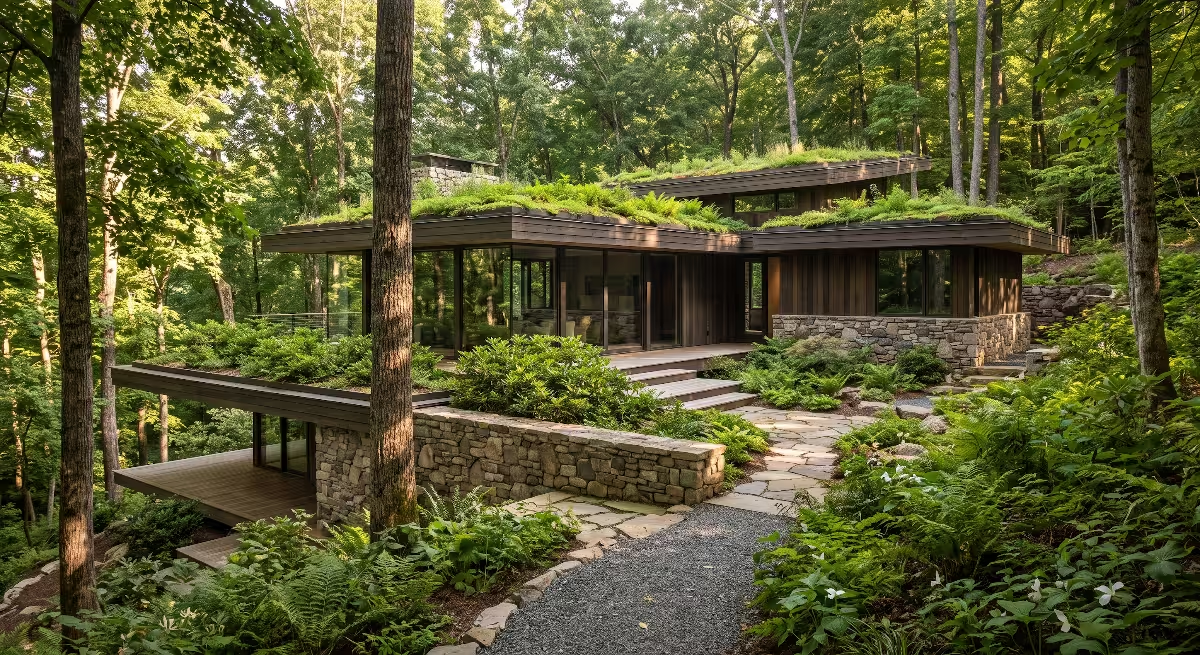
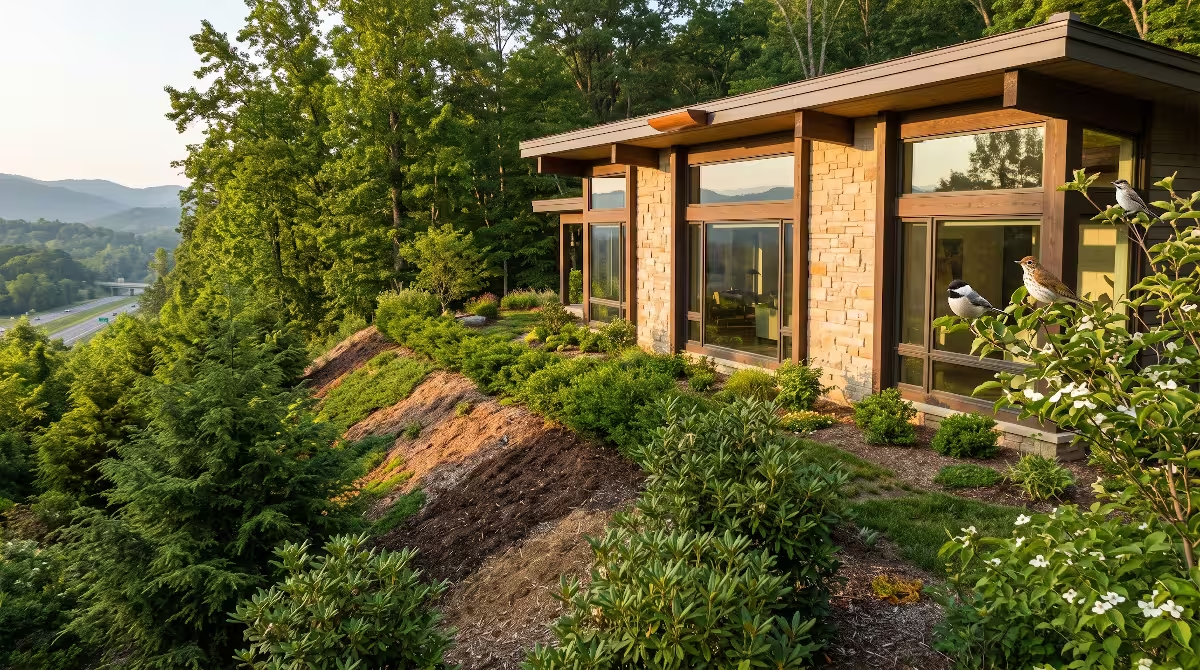
Building a custom home in East Tennessee comes with unique environmental factors. Our beautiful terrain, from the high ridges of the Unaka Range to the sheltered valleys around Bristol, Kingsport, and Johnson City, creates a dynamic lighting environment. Shadow patterns change fast here. A home tucked along a ridge gets bright early sun, while a house nestled in a hollow might sit in the shade long before dusk.
Natural light changes throughout the day, but it also changes with our mountain weather. Foggy mornings in the Holston River basin give way to sharp midday sun, followed by early afternoon shadows cast by neighboring hills. Because natural sunlight shifts so quickly across our landscape, fixed indoor light bulbs often leave rooms feeling either too dark or harsh. This is where tunable white smart bulbs become an essential tool for modern home design. By using tunable white smart bulbs, homeowners can balance the changing sunlight outside with warm, adaptable light inside.
What is Tunable White Lighting?
To understand why tunable white smart bulbs are making such a big splash in residential construction, we need to talk about how light works. Old incandescent bulbs gave off a single warm color. Basic LED lights often gave off a harsh, blue-white light that felt cold.
Tunable white smart bulbs change both their brightness and their color temperature. Color temperature is measured on the Kelvin scale. A low Kelvin rating, like 2000K, gives off a warm, cozy amber glow similar to candlelight. A high Kelvin rating, like 6500K, produces a bright, blue-white light that matches crisp midday daylight.
With tunable white smart bulbs, you do not have to pick just one look for a room. You can adjust your tunable white smart bulbs from warm amber in the evening to energetic daylight in the morning. These adjustments happen smoothly through a mobile app, voice commands, or automated smart schedules.
Color Temperature Scale (Kelvin)
-------------------------------------------------------------------------
2000K - 2700K        | 3000K - 4000K         | 5000K - 6500K
Warm Amber / Candle  | Soft White / Neutral  | Bright Daylight / Cool
Cozy Evenings        | Kitchen Tasks & Work  | Morning Energy
-------------------------------------------------------------------------
Why Lighting Strategy Matters During the Build Stage
In the past, lighting was treated as a decorative finish chosen at the very end of a project. Builders would install cheap plastic fixtures with basic bulbs, leaving homeowners to swap them out later. Today, we treat lighting as an engineered home system.
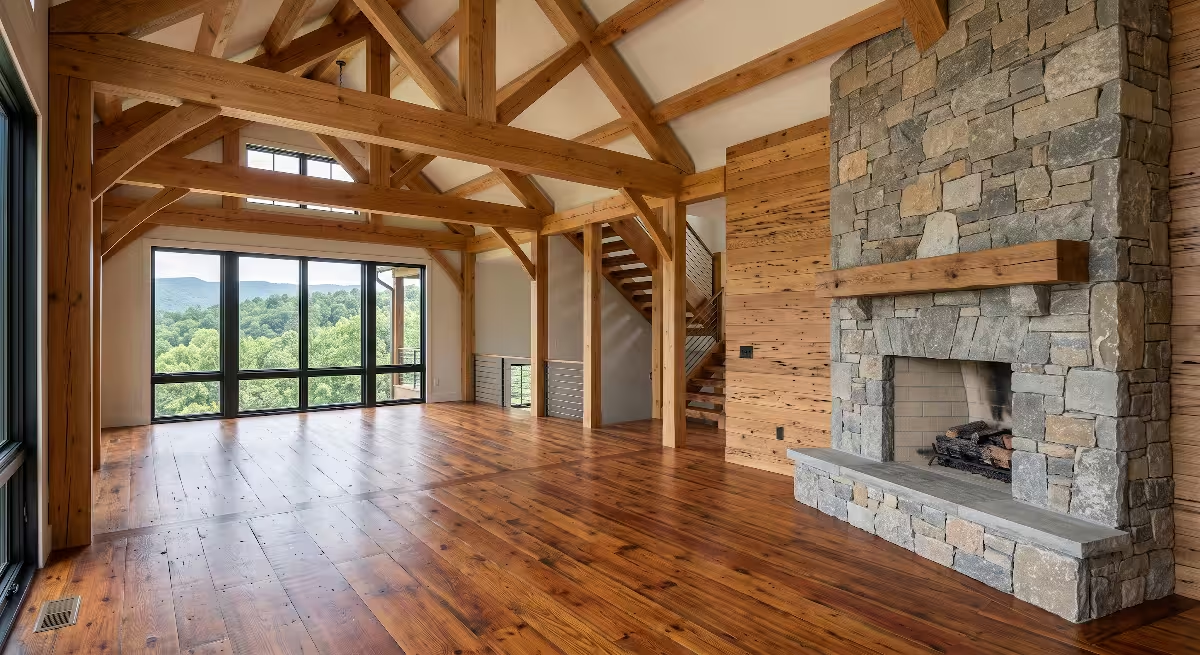
Planning for tunable white smart bulbs during the rough-in electrical phase allows us to design better living spaces. High-end materials like exposed oak timber, dark granite, local Tennessee fieldstone, and hand-crafted brick look vastly different under different types of light. Warm wood trim looks rich under 2700K light, but it can look washed out under cold 5000K light. Conversely, light grey quartzite countertops pop under 4000K light but look yellowed under warm light.
When you install high-quality tunable white smart bulbs throughout your home, you gain complete control over how your materials look at any hour of the day. Proper planning ensures that your light fixtures, switches, and wireless networks work together without a hitch.
Engineering & Architectural Criteria for Selection

Choosing the right tunable white smart bulbs requires looking past fancy marketing packaging. As an engineer, I evaluate smart lighting products using four strict technical criteria.
1. Color Rendering Index (CRI > 90)
The Color Rendering Index, or CRI, measures how accurately a light source reveals the true colors of objects compared to natural sunlight. The scale runs from 0 to 100. A CRI score of 100 represents natural sunlight.
Standard cheap LED bulbs often have a CRI around 80. These low-CRI bulbs make paint colors look flat and dull. For custom builds, you should always insist on tunable white smart bulbs with a CRI rating of 90 or higher. High-CRI tunable white smart bulbs bring out the grain in hardwood floors, highlight the rich texture of natural stone fireplaces, and make food look appetizing on kitchen islands.
2. Lumens & Beam Angle
Many people still buy bulbs based on wattage, but wattage only measures how much power a bulb consumes. Lumens measure how much actual light a bulb emits.
A standard 60-watt equivalent bulb produces about 800 lumens.
High-ceiling spaces, like vaulted great rooms common in Appalachian Craftsman builds, need brighter options producing 1100 to 1600 lumens.
Beam angle is equally important. A narrow beam angle of 30 degrees focuses light like a spotlight, which is great for accenting art. A wide beam angle of 120 to 220 degrees spreads light broadly across living spaces. When choosing tunable white smart bulbs, match the lumen output and beam angle to the height of your ceilings and the layout of each room.
3. Protocol Interoperability (Matter, Zigbee, Z-Wave, Wi-Fi)
Smart home devices talk to each other using wireless protocols. Selecting the right protocol for your tunable white smart bulbs ensures your system remains fast and reliable.
Smart Home Communication Protocols
+--------------------+-----------------------------------------------------+
| Protocol           | Primary Characteristics                             |
+--------------------+-----------------------------------------------------+
| Matter over Wi-Fi  | Fast, universal compatibility, no bridge required   |
| Zigbee             | Ultra-reliable mesh network, requires dedicated hub |
| Z-Wave             | Long range, low power, avoids 2.4 GHz interference  |
| Bluetooth          | Direct phone control, short range, limited reach    |
+--------------------+-----------------------------------------------------+
Wi-Fi and Matter: Matter is the new universal smart home standard. Tunable white smart bulbs that support Matter over Wi-Fi work easily with Apple Home, Google Home, Amazon Alexa, and Samsung SmartThings.
Zigbee: Systems like Philips Hue use Zigbee mesh networks. Every bulb acts as a signal repeater, creating a super reliable connection that does not clog up your main Wi-Fi router.
Z-Wave: Operating on a lower frequency, Z-Wave avoids wireless traffic on the busy 2.4 GHz band, making it excellent for large properties.
For large custom homes over 3,000 square feet, using hub-based mesh protocols or Matter-certified tunable white smart bulbs prevents network slowdowns and keeps your lights responding instantly.
4. Circadian Rhythm Automation
Human bodies evolved under the natural daylight cycle. Bright, blue-tinted sunlight in the morning stops our brain from making melatonin, helping us feel awake and focused. Soft, warm light in the evening triggers melatonin production, helping us relax and prepare for restful sleep.
Many quality tunable white smart bulbs include built-in circadian rhythm automation. Once programmed, these tunable white smart bulbs automatically change color temperature based on the sun’s position in East Tennessee. They start warm at sunrise, shift to crisp daylight by noon, and gradually warm back down as the sun dips behind the mountains.
Top-Rated Tunable White Smart Bulbs for East Tennessee Builds
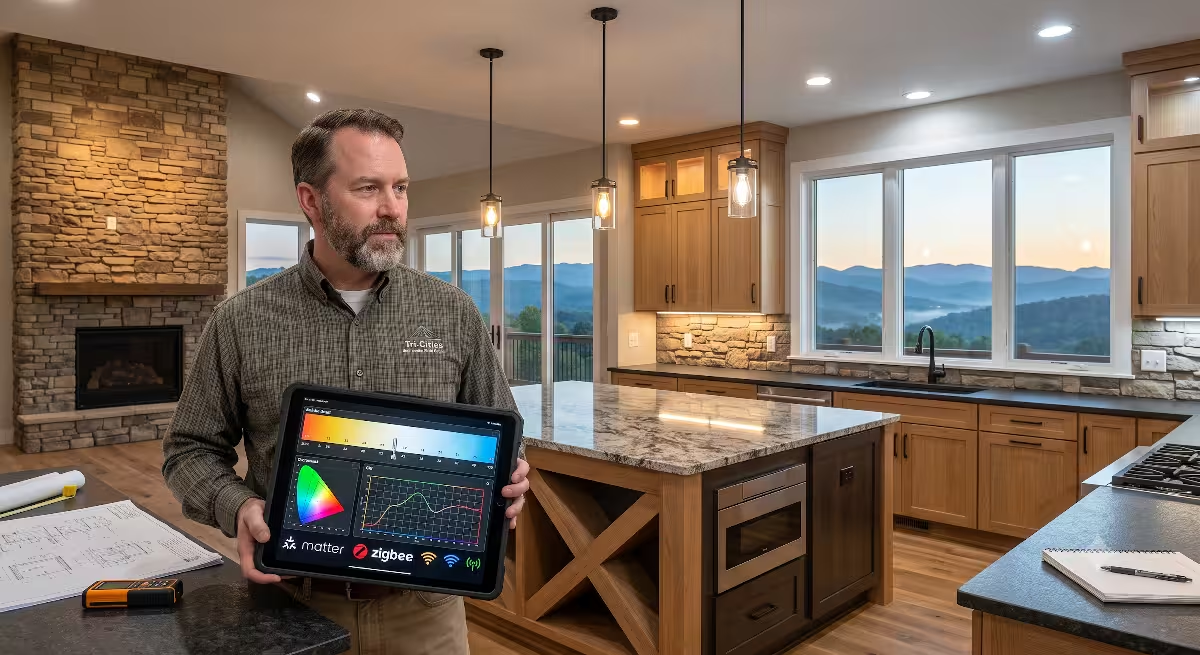
As a home builder, I look for products that balance durability, smart compatibility, visual quality, and reasonable cost. Below are the top four tunable white smart bulbs I recommend for new construction and major remodeling projects in our region.
Detailed Breakdown of Top Recommendations
1. TP-Link Tapo L535E (Best Overall Value & Matter Compatibility)
The TP-Link Tapo L535E is an outstanding choice for modern custom builds. It offers an impressive brightness of 1100 lumens, making it significantly brighter than average smart bulbs. This extra punch of light helps illuminate open floor plans and rooms with high ceilings.
Key Specifications: 1100 Lumens, 2500K to 6500K Kelvin range, CRI >= 90, Matter protocol over Wi-Fi.
Why it fits local builds: Matter certification means these tunable white smart bulbs integrate smoothly with almost any smart home ecosystem without requiring a separate bridge hub. The 1100-lumen output is ideal for expansive great rooms and open kitchens.
2. Philips Hue White Ambiance (Best Ecosystem & Whole-Home Reliability)
Philips Hue remains the gold standard for full-home smart lighting reliability. Rather than connecting every bulb to your Wi-Fi router, these tunable white smart bulbs communicate through the Philips Hue Bridge using Zigbee technology.
Key Specifications: 800 to 1600 Lumen options, 2200K to 6500K Kelvin range, CRI 90+, Zigbee and Bluetooth protocol.
Why it fits local builds: Thick building materials like brick fireplaces, stone accents, or insulated concrete form (ICF) walls can weaken standard Wi-Fi signals. The Zigbee mesh network used by these tunable white smart bulbs ensures rock-solid performance across large house plans.
3. WiZ Tunable White Smart Bulb by Signify (Best Budget Hub-Free Option)
If you want the benefits of tunable white smart bulbs without spending money on a central hub or expensive hardware, WiZ provides an excellent option. WiZ bulbs connect directly to your 2.4 GHz Wi-Fi network and operate through a simple mobile application.
Key Specifications: 800 Lumens, 2700K to 6500K Kelvin range, CRI 90, Wi-Fi and Bluetooth protocol.
Why it fits local builds: These tunable white smart bulbs are perfect for secondary buildings, detached garages, workshops, guest suites, or rental properties where you want dynamic light control on a budget.
4. Pure Smart / Architectural Filament Tunable LEDs (Best for Exposed Fixtures & Rustic Aesthetics)
Many East Tennessee homes feature rustic, Craftsman, or modern farmhouse architecture with open-cage pendants and exposed glass fixtures. Standard white plastic bulbs look out of place in these decorative fixtures. Architectural filament tunable white smart bulbs solve this issue by offering clear glass with visible LED filaments that can still adjust color temperature.
Key Specifications: 600 to 800 Lumens, 2000K to 5000K Kelvin range, clear or amber-tinted glass options, Wi-Fi or Bluetooth protocol.
Why it fits local builds: These tunable white smart bulbs retain an old-fashioned Edison-style look over dining tables, kitchen islands, and front porches while offering full color-temperature adjustments.
Summary Comparison Matrix
| Smart Bulb Model | Lumen Output | Kelvin Range | Smart Protocol | Best Room Application |
| TP-Link Tapo L535E | 1100 lm | 2500K–6500K | Matter over Wi-Fi | Great Rooms, Kitchens |
| Philips Hue White Ambiance | 800–1600 lm | 2200K–6500K | Zigbee / Matter Hub | Master Suites, Whole-Home |
| WiZ Tunable White | 800 lm | 2700K–6500K | Wi-Fi / Bluetooth | Guest Rooms, Basements |
| Pure Smart Filament | 600–800 lm | 2000K–5000K | Wi-Fi / Bluetooth | Dining Room Chandeliers, Porches |
Questions Answered about Tunable White Smart Bulbs
When home buyers and clients visit my office, they often have specific questions about lighting choices. Here are simple answers to the most common questions regarding tunable white smart bulbs.
What is the difference between dimmable LEDs and tunable white smart bulbs?
Standard dimmable LED bulbs only allow you to change the brightness of the light. When you dim a basic LED, the light stays the same cool or neutral color, it just gets fainter.
In contrast, tunable white smart bulbs allow you to change both the brightness and the actual color temperature of the light. You can make tunable white smart bulbs emit a cool, energizing white during the day and shift them to a warm amber glow at night. This gives you far greater control over the comfort and mood of your home.
Are tunable white smart bulbs worth it for new home construction?
Yes, absolutely. Installing tunable white smart bulbs in a new home build adds real value. They allow you to showcase your home’s expensive finishes like natural wood trim, granite counters, and stone masonry in the best light possible.
Furthermore, tunable white smart bulbs eliminate the hassle of buying different bulb types for different rooms. You can adjust all the bulbs in your home from a central app or smart switch, making your home more adaptable and energy-efficient over time.
Do tunable white smart bulbs work without a smart home hub?
Many modern tunable white smart bulbs work without a dedicated hub. Bulbs that use Wi-Fi or Matter over Wi-Fi connect directly to your home’s wireless router. You can set them up using a app on your smartphone right out of the box.
However, if you are building a large home over 3,000 square feet, relying entirely on hub-free Wi-Fi bulbs can slow down your home network. In larger builds, using hub-based tunable white smart bulbs that run on Zigbee or Z-Wave networks provides faster performance and better reliability.
How do tunable white bulbs support circadian rhythms in mountain homes?
Because of our mountain topography, homes in East Tennessee often experience abrupt light changes. A sunlit morning can turn into deep afternoon shade if your house sits on the east side of a steep ridge.
Programmed tunable white smart bulbs balance out these external light shifts. They automatically adjust their Kelvin levels throughout the day to match healthy solar patterns. By providing bright light during work hours and warm, low-Kelvin light near bedtime, tunable white smart bulbs help keep your natural sleep schedule on track regardless of mountain shadows outside.
Builder’s Guide – Wiring, Switches, & Room Integration
Integrating smart technology successfully requires proper electrical planning. Installing tunable white smart bulbs into traditional fixture setups can cause headaches if you do not plan ahead.
Smart Bulbs vs. Smart Switches: Getting the Pre-Wire Right
One common issue with smart lighting is the turned-off switch problem. Standard smart bulbs need continuous electric power to receive commands from apps or automation routines. If someone flips a traditional wall switch off, power cuts to the bulb, rendering its smart features useless.
Traditional Wiring vs. Smart Controller Setup
+--------------------------------------------------------------------------+
| TRADITIONAL SETUP                                                        |
| Wall Switch (OFF) ----(No Power)----> Smart Bulb (OFFLINE / Unresponsive)|
+--------------------------------------------------------------------------+
| RECOMMENDED SMART SETUP                                                  |
| Neutral Wire + Smart Controller ----(Constant Power)----> Smart Bulb (OK)|
+--------------------------------------------------------------------------+
To solve this, we take specific pre-wiring steps during construction:
Always run a neutral wire to every switch box. Modern smart wall switches and scene controllers require a dedicated neutral wire to stay powered up. Ensure your electrical contractor installs neutral wires across all switch boxes during the rough-in stage.
Use smart battery-powered or line-powered scene controllers. Instead of standard toggle switches, install smart controllers (such as Lutron Aurora, Inovelli switches, or Tapo smart button controllers). These devices send wireless signals directly to your tunable white smart bulbs while keeping continuous power flowing to the light sockets.
Room-by-Room Tuning Strategy for East Tennessee Floor Plans
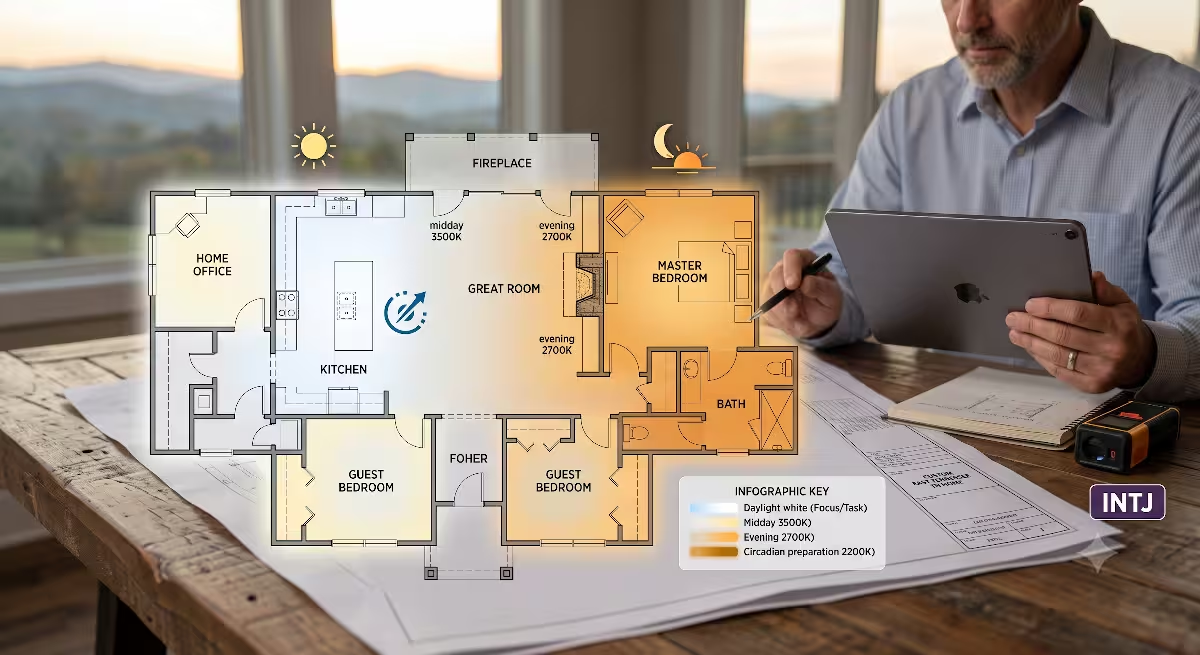
Different areas of your home serve different purposes. Here is how I recommend programming your tunable white smart bulbs across a typical mountain floor plan.
Kitchen & Work Areas
Kitchens require high visibility for safe food preparation and cooking.
Morning to Midday: Set your tunable white smart bulbs between 4000K and 5000K at 100% brightness for clean, focused task lighting.
Evening: Lower the brightness to 50% and warm the temperature to 2700K. This creates an inviting atmosphere for evening dining while keeping the space functional.
Great Rooms & Vaulted Spaces
Open great rooms with exposed wood beams need high-lumen tunable white smart bulbs to fill high ceilings without leaving dark corners.
Daytime: Keep your tunable white smart bulbs tuned to 3500K to complement incoming natural sunlight from large windows.
Nighttime: Dial the color temperature down to a cozy 2200K to 2400K. This brings out the deep warmth of wood trim and stone hearths, making big spaces feel intimate.
Bedrooms & Master Suites
Bedrooms should focus on relaxation and sleep quality.
Morning: Program tunable white smart bulbs to turn on slowly over 20 minutes, moving from 2700K to 4000K to gently wake you up.
Evening: Shift tunable white smart bulbs down to 2000K to 2200K at low brightness an hour before bed to encourage natural drowsiness.
Covered Porches & Outdoor Living
Outdoor living spaces are extremely popular in East Tennessee builds.
Evening Use: Set outdoor tunable white smart bulbs to 2000K to 2200K. Warm amber light looks inviting on timber porches and attracts far fewer bugs than cool blue light, adhering to dark-sky lighting guidelines.
Things to Keep in Mind & Electrical Pre-Check Checklist
Selecting and installing the right lighting transforms how a home looks and feels. By choosing high-quality tunable white smart bulbs, you gain a dynamic system that adapts to seasonal light shifts, highlights natural building materials, and supports healthy daily living.
Key Summary Points
Match Kelvin to human needs: Use bright, cool light (4000K to 5000K) for active daylight hours and warm amber light (2000K to 2700K) for relaxing evenings.
Insist on high CRI: Choose tunable white smart bulbs with a CRI rating of 90 or higher to ensure your interior paints, hardwood floors, and stone finishes look vibrant and true to life.
Plan your network: Use Matter over Wi-Fi for simple setups or hub-based Zigbee/Z-Wave networks for larger custom homes to keep your Wi-Fi running fast.
Maintain continuous power: Pair your tunable white smart bulbs with dedicated smart wall controllers so family members do not accidentally turn off power at the wall switch.
Pre-Construction Checklist for Homebuilders
Before your electrician begins rough-in work on your custom build, review this pre-check checklist:
[ ] Verify Wireless Infrastructure: Ensure your home network plan includes whole-home Wi-Fi 6 coverage or mesh routers to reach every room, garage, and porch.
[ ] Confirm Neutral Wires: Check that neutral wires are specified for every light switch junction box in the electrical blueprint.
[ ] Check Fixture Socket Specs: Confirm whether your light fixtures require standard E26 screw bases, smaller E12 chandelier bases, or GU10 spotlight bases.
[ ] Establish Smart Ecosystem: Decide whether your household will primary use Apple Home, Google Home, Amazon Alexa, or Home Assistant before buying hardware.
[ ] Select Core Hardware: Order your choice of tunable white smart bulbs early so your electrical contractor can test and verify compatibility with planned fixtures.
By taking a thoughtful, engineered approach to smart home lighting, you ensure that your custom East Tennessee home remains comfortable, functional, and beautiful for decades to come.