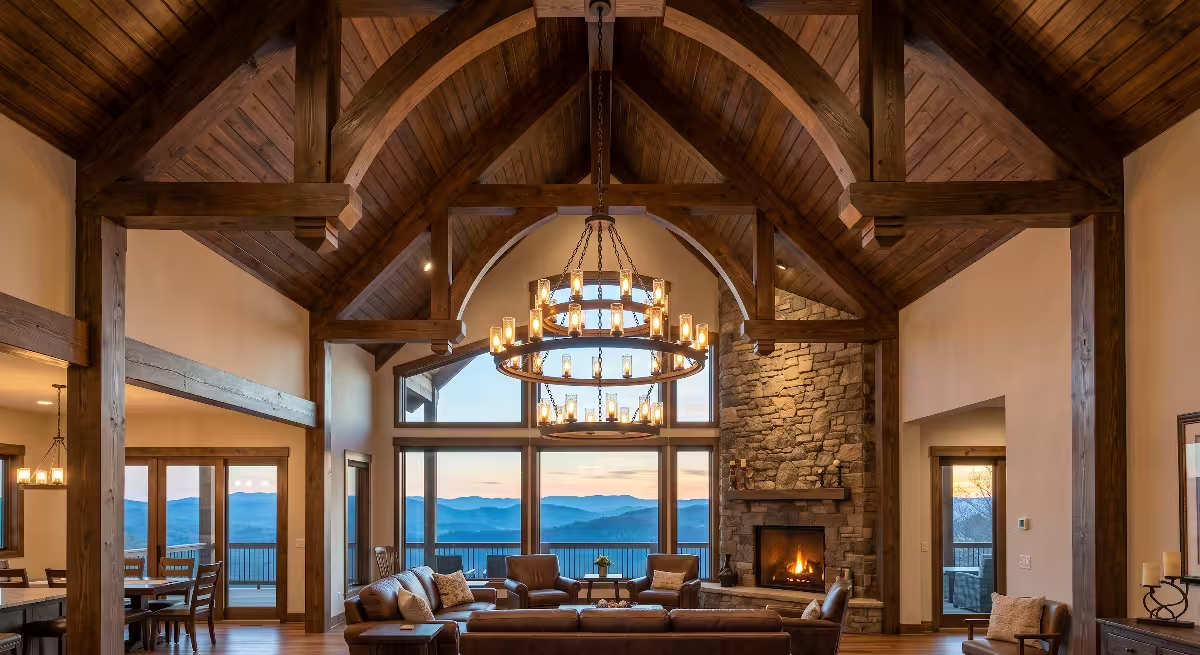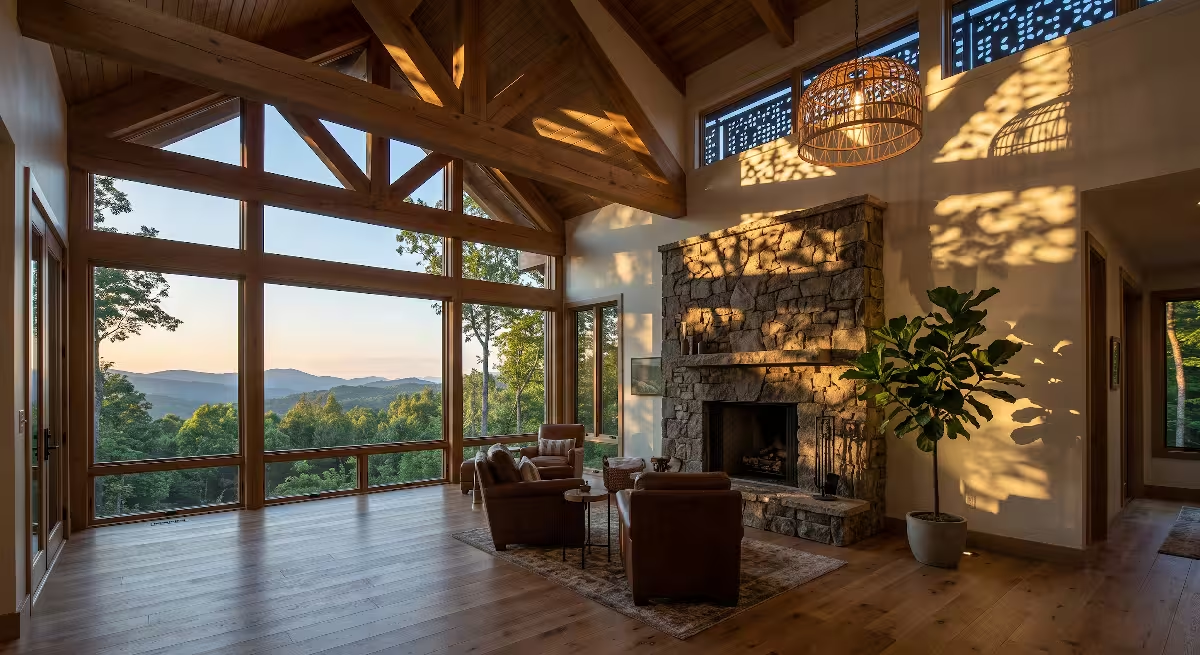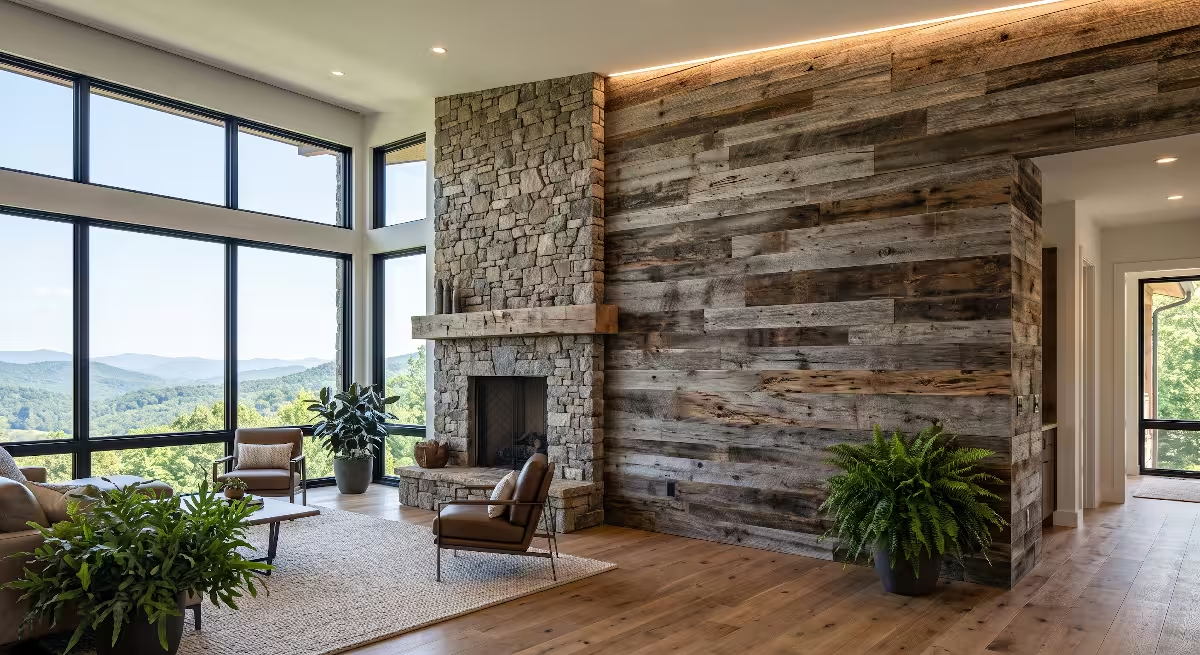

Living in the Tri-Cities means enjoying some of the most breathtaking scenery in the country. From the rolling ridgelines of Kingsport and the rocky heights of Johnson City to the quiet valleys around Bristol, our landscape is something truly special. When building or updating a custom home here, one of the biggest priorities for homeowners is bringing that outdoors inside. We install expansive glass walls, two-story great room picture windows, and sliding glass assemblies so that our living spaces feel connected to the Appalachian mountains.
Expansive glass brings unique living challenges that require thoughtful planning. Large glass surfaces introduce strong solar heat, persistent glare, drafts during winter cold snaps, and a sudden lack of privacy once the sun goes down. Balancing that gorgeous panorama with everyday comfort comes down to choosing the right window treatments.
You want your living space to feel warm, protected, and functional without sacrificing the very scenery that drew you to this location. Throughout this guide, we will walk through every major aspect of choosing, designing, and installing window treatments for large mountain view windows.
The Living Art Philosophy
When you design a home centered around an expansive mountain vista, your windows function as living pieces of art. The view changes with every passing cloud, every sunrise, and every shift in the seasons. During October, the hillsides ignite with vibrant reds and golds. In midwinter, snow outlines the ridgelines against bright blue skies. In spring and summer, lush greenery wraps around the house.
Because your glass frames this natural artwork, your choice of window treatments should enhance rather than obstruct your sightlines. Standard off the shelf products often add visual clutter that fights with the natural landscape. When you pick window treatments for this type of architecture, the goal is to keep the scenery unobstructed during the day while giving you the option to soften or enclose the room whenever necessary.
A thoughtful design treats the window frame and its coverings as a gallery matte. The covering should sit quietly, blending into the surrounding trim or ceiling, and only draw attention when deliberate texture or warmth is called for. By respecting the view first, your selection of window treatments helps complete the architectural vision of your home.
The Triple Engineering Challenge
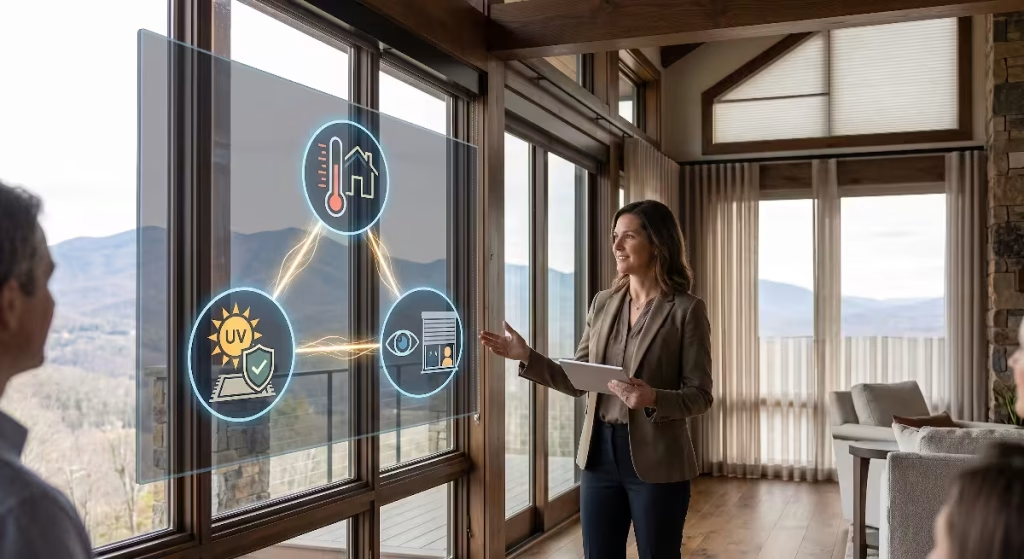
Managing a wall of windows is an engineering puzzle that involves three competing forces: thermal performance, solar radiation, and privacy.
First, let us examine thermal performance. Glass has a much lower insulating value than an insulated stud wall. Even high performance double pane or triple pane glass with low emissivity coatings cannot fully match a well insulated wall assembly. In the cold winter months, cool air naturally drops down the surface of the pane, creating cold drafts at the floor level. In the heat of July, radiant energy warms the room quickly. Proper window treatments act as an extra insulating blanket, trapping air and keeping your energy bills steady.
Second, consider solar radiation. Natural sunlight brings brightness into your home, but it carries ultraviolet rays and infrared heat. Over time, unmanaged solar radiation bleaches hardwood floors, damages leather couches, and ruins custom cabinetry. Glare can also make watching television or working on a computer screen impossible. You need window treatments that stop damaging rays without making the room feel like a cave.
Third, there is personal privacy. During the day, bright outdoor light prevents people outside from seeing in easily. At night, the relationship flips completely. When your indoor lights turn on, your great room becomes a brightly lit stage visible from miles down the road. High quality window treatments allow you to switch easily between daytime clarity and nighttime security.
Transitioning From Static Coverings to Dynamic Shading Systems
Traditional window coverings were often static. A homeowner might hang heavy velvet curtains or install thick, rigid wooden shutters and leave them mostly in place. While that approach works fine for standard bedrooms or formal dining rooms with modest openings, it fails completely on oversized scenic windows.
If you place heavy, static coverings on a ten foot tall opening, you permanently hide valuable square footage of glass. You also lose the flexibility to react to changing weather conditions throughout the day. Modern design instead favors dynamic shading systems. These systems are versatile window treatments engineered to move easily, adjust on demand, and adjust light levels gradually.
Dynamic window treatments can be raised completely out of sight during quiet morning coffee hours, lowered halfway to block harsh midday western sun, and fully closed at dusk for complete coziness. Modern fabrics, low friction mechanical rollers, and automated tracks make adjusting your space straightforward. By choosing dynamic systems, you never have to pick between enjoying your panoramic vista and keeping your home comfortable.
Solar Heat Gain and UV Degradation
High elevation sunshine in East Tennessee packs a punch. Because our mountain elevations have slightly thinner air and clear ridgeline exposures, solar radiation enters homes with high intensity. Sunlight consists of visible light, ultraviolet rays, and infrared heat energy. While visible light brightens our spaces, ultraviolet rays and infrared radiation can cause serious long term issues.
UV radiation degrades chemical bonds in organic materials. If you have site finished white oak or dark walnut floors, direct exposure will fade or yellow those areas within just a few years. Area rugs will leave behind noticeable outlines where the wood underneath retained its color. Fine fabrics, artwork, and painted finishes face the same threat.
Infrared heat causes solar heat gain. When radiant energy passes through the glass, it gets absorbed by your furniture, rugs, and interior drywall, turning into trapped ambient heat. Your air conditioning system then has to work twice as hard to keep the space livable. High performance window treatments are designed to bounce this heat back outside before it can warm up your interior surfaces. Selecting window treatments with proven UV blocking ratings lets you protect your valuable interior finishes for decades to come.
Managing the Fishbowl Effect
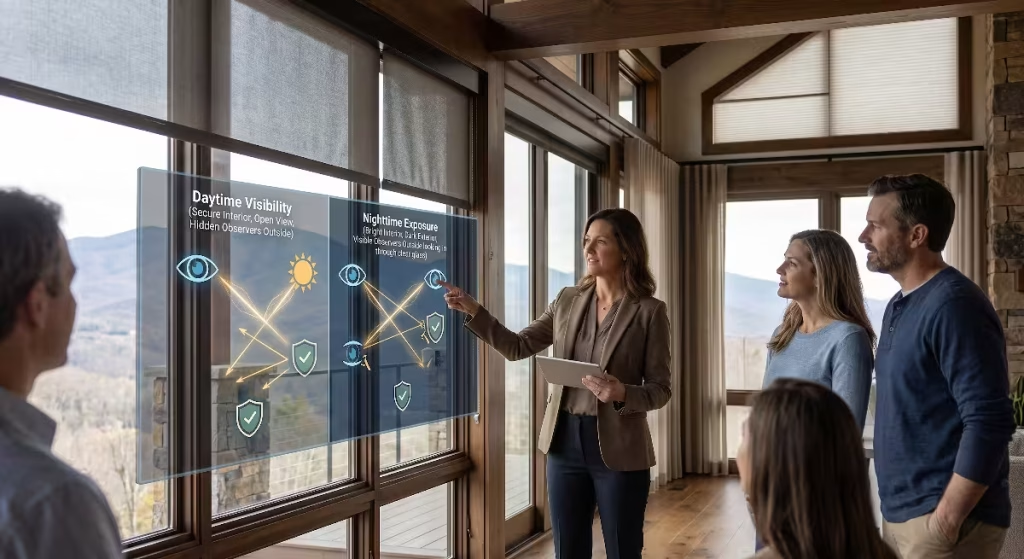
Many homeowners do not think about the fishbowl effect until their first night in their new home. During daylight, exterior light levels are significantly higher than indoor light levels. The glass reflects the brighter outdoor environment, making it easy for you to look out while giving you reasonable daytime privacy from outside observers.
Once darkness falls, the lighting balance reverses. The outdoors becomes pitch black, turning your clear glass panes into dark, reflective mirrors from the inside. Meanwhile, anyone outside looking toward your home has a crystal clear view straight into your living room, kitchen, and private hallways. If your home sits on an exposed ridge or faces neighboring hillsides, this complete lack of privacy can feel uncomfortable.
Overcoming this issue requires versatile window treatments. You need options that provide sheer, view preserving diffusion by day, but that can convert to opaque or semi opaque barriers by night. Many custom homeowners solve this with dual shade window treatments, pairing an interior screen shade with a secondary privacy shade on the same window frame. This approach gives you full control over your privacy twenty four hours a day.
Stack Back and Minimal Sightlines
When you open a window covering, where does all that fabric or material go? In the building industry, we call this the stack back or stack height. It is the physical bundle of material gathered together when the covering is drawn back or lifted up.
Understanding stack back is vital when planning window treatments for expansive openings. If you install wide horizontal blinds, the stacked bundle of slats can measure ten to fifteen inches thick when pulled up. If that bundle hangs down inside the window frame, it permanently covers the upper portion of your glass, cutting off the tops of your mountain views. The same issue occurs with heavy drapes. If your curtain rod is not wide enough, the stacked fabric will cover several feet of glass on either side of the opening.
To protect your mountain view, design your window treatments with minimal sightlines in mind. Roller shades are popular because an entire twelve foot drop of fabric rolls up neatly onto a compact three inch tube. If you prefer flowing fabric drapery, make sure your builder or installer extends the mounting hardware well beyond the window opening. That way, the gathered fabric stacks back against the drywall, leaving your glass open from corner to corner.
Handling Diverse Window Architecture Types
Mountain homes rarely have standard rectangular window designs. Modern architectural styles often feature high soaring ceilings, complicated angles, and vast expanses of uninterrupted glass that require creative solutions for window treatments.
Floor to ceiling glass walls are common in contemporary great rooms. These setups often leave no wall space above the window for standard curtain rods or brackets, meaning your window treatments must mount directly to the ceiling or sit inside recessed architectural pockets.
Gable peak windows, where the glass follows the triangular roofline, create another challenge. Triangular and trapezoidal openings cannot use standard roll up coverings. Instead, these shapes require specialized window treatments, such as custom shaped cellular shades or motorized tensioned shades that pull up smoothly from the bottom.
Corner mitered glass windows, where two pieces of glass join together at a ninety degree corner without a corner post, need extra attention. You must select window treatments that do not collide with each other in the corner when lowered.
Finally, large multi slide or folding patio doors require window treatments that move easily to the side, allowing you to walk in and out freely without tangling with cords or loose fabrics.
Solar Roller Shades (1% to 5% Openness Factor)
Solar roller shades are among the most effective window treatments for homes with mountain views. These shades are woven from durable, engineered materials designed to screen out harsh sunlight while preserving your view of the mountains.
The primary feature to evaluate with solar shades is the openness factor. The openness factor refers to the tightness of the fabric weave and tells you how much light passes directly through the material. A 1% openness factor is a very tight weave. It blocks 99% of UV rays, cuts intense glare down to almost nothing, and provides excellent heat protection. However, it also softens your view outside, making it appear slightly hazy.
A 5% openness factor has a slightly looser weave. It still blocks 95% of UV rays, but it provides crisp, clear optical visibility through the screen during the day. You can see the trees, ridgelines, and distant valleys while still cutting the bright midday glare that strains your eyes.
Solar shades also offer a slim profile. When fully rolled up, they hide away under small decorative fascias, inside ceiling recesses, or behind minimalist valances. For rooms with heavy southern or western exposures, solar roller shades provide a clean, reliable, and modern choice among window treatments.
Sheer Shadings and Horizontal Vane Transitions
If you prefer a softer, warmer look than what a flat roller shade provides, sheer shadings are an outstanding choice. These specialty window treatments feature soft fabric vanes suspended between two delicate, sheer fabric panels.
Sheer shadings offer exceptional flexibility. When the vanes are tilted open, daylight filters gently through the two sheer layers. This diffuses harsh mountain sunlight into a warm, ambient glow that illuminates your living spaces without creating glare or harsh shadows. You maintain an open view to the outdoors, while the sheer fabric softens the room and cuts UV rays.
When you want privacy, you can tilt the soft fabric vanes closed. The vanes overlap to form a solid visual barrier, blocking sightlines from outside. Sheer shadings combine the light control of traditional horizontal blinds with the soft, elegant look of high end drapery.
Because they soften hard lines, sheer shadings work well in great rooms that feature stone fireplaces, heavy timber beams, and wood flooring. They add balance to the room while remaining very functional window treatments.
Cellular (Honeycomb) Shades with High R-Values
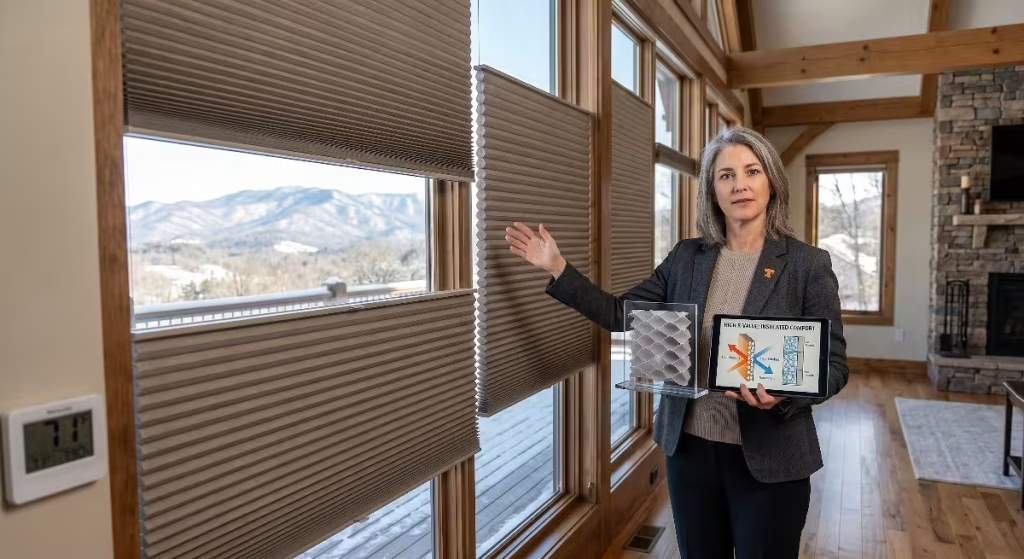
When energy conservation is your main goal, cellular shades stand out among all other window treatments. Cellular shades, often called honeycomb shades, are built with a unique geometric structure that traps air inside individual pockets or cells.
This trapped air acts as a natural thermal barrier between your warm living room and the cold glass surface. In an expansive great room, standard windows can cause drafts as cold air cools and sinks toward the floor. By installing double cell honeycomb shades, you add a high R-value layer that significantly slows this heat transfer.
Cellular shades also work exceptionally well in hot summer months, keeping radiant heat out and lowering cooling costs. Another practical feature of these window treatments is the top down, bottom up option. This design allows you to lower the top half of the shade while keeping the bottom half raised, or vice versa.
If your home sits near a mountain road or neighboring homes, you can raise the lower half of the shade to block sightlines from passersby while keeping the top open to let in sunlight and preserve views of the ridge and sky above. This balance of insulation and flexibility makes cellular window treatments a practical option for any mountain home.
Architectural Traverse Drapery and Sheers
There is a timeless beauty to floor to ceiling fabric drapery. While roller shades and cellular shades offer a sleek, technical look, architectural drapery adds texture, warmth, and depth to a home.
In large, open concept mountain homes, acoustics can be an unexpected issue. Soaring ceilings, hardwood flooring, and expansive glass surfaces create flat, hard boundaries that cause sound to bounce around the room. Footsteps, kitchen noise, and voices can quickly make the space loud and hollow.
Fabric drapery and heavy sheers serve as sound dampening window treatments that absorb echo and soften room acoustics. Hanging drapery using ripple fold or tailored pleat styles creates uniform, undulating folds of fabric that look neat and upscale.
Traverse tracks make operating these large window treatments smooth and effortless. The tracks can be mounted directly to the ceiling or hidden inside recessed ceiling pockets.
By pairing lightweight linen sheers with lined, opaque drapery panels on a double track, you get the best of both worlds: airy light filtering during the daytime and full privacy with extra insulation at night.
Sliding Fabric Panel Tracks
When dealing with extra wide openings, such as sliding glass door walls or large panoramic door assemblies, standard shades are not always the best fit. Rolling shades on a twelve to sixteen foot wide door require massive roller tubes that can bow under their own weight. Vertical blinds, on the other hand, can feel dated and often rattle noisily when caught in an open breeze.
Sliding fabric panel tracks offer a smart, modern alternative. These window treatments use wide, flat panels of fabric suspended from a slim multi channel overhead track. When you slide the panels open, they stack neatly behind one another on one or both sides of the door.
You can make panel tracks out of the same solar screen fabrics used for roller shades, creating a cohesive, matching look across your entire living area. Because the individual fabric panels stay flat, they provide a clean, modern aesthetic that fits open concept mountain floor plans.
They glide smoothly along their tracks without swinging or catching in the wind, making them very reliable window treatments for frequently used exterior doors.
Safety and Ergonomics in Soaring Spaces
Designing window coverings for large mountain homes means thinking carefully about safety and ease of use. When your windows stretch twelve, sixteen, or twenty feet into the air, standard operating cords quickly become problematic.
Long, dangling pull cords present a serious safety risk for small children and family pets. Hanging cords can easily get tangled and create dangerous tripping or strangulation hazards. Because of this, modern safety standards strongly encourage cord free options throughout the home.
Aside from safety concerns, hanging manual cords are frustrating to use on tall windows. Reaching cords positioned ten feet up requires awkward reaches or climbing on furniture. Operating a massive, heavy shade by hand also places continuous strain on the internal mechanisms, which can lead to premature wear or broken parts.
Motorized and automated window treatments solve both safety and usability concerns. They eliminate loose cords entirely, keeping your home safe for children and pets.
They also make adjusting tall, hard to reach window coverings as simple as pressing a button or setting an automated schedule, ensuring you can use and enjoy your window treatments every single day.
Automated Solar Tracking Systems
One of the most practical advances in modern window treatments is automated solar tracking. With large mountain view windows, the angle and intensity of sunlight changes constantly throughout the day and across the four seasons. Managing every shade by hand as the sun moves across the sky can quickly become a hassle.
Automated window treatments can be integrated with smart home controllers, astronomical clocks, and wireless exterior sun sensors. Using the exact geographic coordinates of your home in the Tri-Cities, an astronomical clock calculates the precise position and angle of the sun every day of the year.
You can set your window treatments to lower automatically just as direct western sun begins hitting your great room glass, keeping the room comfortable and protecting your furniture without you lifting a finger.
Sun sensors mounted on the exterior of your home can also detect passing clouds and fluctuating brightness. On bright sunny afternoons, the shades lower to keep the home cool. On overcast or rainy days, the shades stay raised, letting in as much natural light as possible. This smart approach keeps your home comfortable, cuts cooling costs, and ensures you always get the best view of the mountains when the lighting allows.
Powering Options: Hardwired vs. Battery Systems
When you choose motorized window treatments, you need to decide how to supply them with electric power. The two primary options are low voltage hardwiring and rechargeable battery systems.
Low voltage hardwiring is the gold standard for anyone building a new custom home or taking on a major remodel. During the rough framing stage, your builder or electrician can run low voltage wiring from a central control panel directly to the head of every window frame.
This powers your window treatments continuously, eliminating the need to change batteries down the road. Hardwired systems also allow for rock solid, reliable communication between your window treatments and your main smart home automation system.
Rechargeable battery systems are a good alternative if your home is already built and running new wires through finished walls is impractical. Modern battery powered window treatments use compact, quiet motors powered by lithium ion batteries hidden inside the roller tube or behind the header.
These batteries typically need recharging only once or twice a year under normal daily use. Recharging is straightforward using a simple plug in charging cord, and some setups can even connect to small, discreet solar panels mounted against the glass for continuous trickle charging.
Both approaches work well, but planning ahead for hardwired power gives you the cleanest, most maintenance free experience.
Frequently Asked Questions about Window Treatments
How do you cover large windows without losing the view?
To cover large windows without sacrificing your scenery, look for window treatments built with solar screen fabrics or light sheer materials. Solar roller shades with an openness factor between 3% and 5% are specifically designed to filter out harsh light and UV radiation while preserving your view outside.
Because our eyes naturally focus past the darker, woven mesh of the screen to the brighter landscape beyond, you can clearly see the mountains while cutting down interior glare.
Sheer shadings also perform well, softening the light while maintaining an open view through the fabric.
Another effective approach is designing deep recessed pockets above your windows so that your window treatments can be rolled or pulled completely out of the way, leaving the glass unobstructed whenever you want a completely open view.
What are the best window treatments for energy efficiency on large windows?
Cellular honeycomb shades are widely considered the most energy efficient window treatments for large windows. Their unique multi layered cell structure traps air against the glass, creating an insulating layer that slows heat transfer through the window assembly.
Installing double cell honeycomb shades can noticeably improve the overall comfort of a room, keeping heat inside during chilly winter nights and blocking radiant heat in the summer.
Heavy drapery lined with thermal or blackout backing is another strong choice for energy savings. When closed, properly fitted drapery forms a thick barrier that reduces cold drafts and keeps room temperatures balanced.
For the highest energy efficiency, many homeowners combine both approaches, using cellular shades against the glass and framing them with decorative, lined drapery panels.
How do you maintain privacy at night with large view windows?
Maintaining nighttime privacy requires window treatments that use opaque or closely woven fabrics. While sheer materials and solar screens provide great daytime privacy, they turn translucent once the sun sets and your interior lights are switched on.
The most practical solution is a dual roller shade system. This setup mounts two independent shades within the same window frame: a solar screen shade for daytime glare control and a second, opaque shade for night use.
During the day, you lower only the screen shade to enjoy the view without glare. At bedtime, you lower the opaque shade to completely block the view from outside.
Motorized traverse drapery paired with sheer panels offers the same flexibility with a more traditional look, letting you draw the heavy drapery closed whenever you need nighttime privacy.
Can you motorize treatments on angled or gable mountain windows?
Yes, you can motorize window treatments on angled and gable windows, though they require specialized mechanical engineering. Standard gravity fed roller shades cannot roll evenly along an angled or triangular top frame.
To handle these shapes, manufacturers use specialized tensioned shading systems. These window treatments rely on thin, high strength guide cables or side channels combined with motorized bottom up rollers.
The motor pulls the fabric smoothly up from the sill toward the peak of the angle, keeping the fabric tight and flat against the glass.
Custom motorized cellular shades can also be built to match angled rooflines, neatly folding and unfolding along the shape of the frame.
Because angled windows require precise measurements, working with an experienced installer familiar with custom architectural window treatments is essential.
Builder’s Spec Sheet: Selection Matrix and Installation Tips
To help you compare the top options, here is a breakdown of how the most popular styles perform across key areas:
| Treatment Type | View Retention | Glare Control | Thermal Insulation | Acoustic Dampening | Relative Cost |
| Solar Roller Shades | Exceptional | High | Low | Low | Moderate |
| Sheer Shadings | High | High | Moderate | Moderate | Moderate to High |
| Cellular Shades | Low to Moderate | High | Exceptional | Low | Moderate |
| Traverse Drapery | Zero (When Drawn) | Exceptional | High | Exceptional | High |
| Panel Tracks | High (Fabric Dependent) | High | Low to Moderate | Low | Moderate |
When installing window treatments on large windows, keep these practical installation tips in mind:
- Plan Architectural Pockets Early: If you are building a new home, work with your framer to build recessed pockets into the ceiling directly above your windows. These pockets hide the rolled up shades and motors completely, leaving your window glass open and your sightlines clean.
- Account for Framing Clearances: Large window coverings need adequate clearance. A twelve foot tall solar shade can require a pocket four to six inches deep to house the rolled fabric and motor bracket. Make sure your headers and framing leave plenty of room.
- Run Dedicated Low Voltage Power: Run low voltage wiring directly to the upper corner of every window opening during the framing stage. Hardwired power eliminates the hassle of recharging batteries on tall, hard to reach windows.
- Use Proper Anchoring: Large window coverings are heavy. Ensure your installer anchors brackets securely into structural wall framing or solid wood blocking rather than relying on drywall anchors alone.
The Value of Professional Measuring and Installation
Expansive mountain view windows leave no room for measuring errors. While DIY kits can work fine for small, standard windows in a laundry room, large format glass assemblies demand precise engineering and careful installation.
A window opening that spans sixteen feet across may seem perfectly square at first glance, but subtle settlement or framing variations can cause the frame to be slightly out of square. If you order high end window treatments based on imprecise measurements, roller shades can track sideways, bunch up against the brackets, and fray along the edges.
Professional installers take three dimensional laser measurements across multiple points on the frame to account for any variations in width, height, or level.
They also know how to calculate exact stack back dimensions, install rigid support brackets, and set internal motor limits so that your shades raise and lower evenly.
Investing in professional installation protects your budget, ensures your warranties remain fully intact, and guarantees that your custom window treatments will operate quietly, reliably, and beautifully for years to come.
Bringing It All Together
Your mountain home should be a peaceful, comfortable retreat that honors the beauty of the surrounding landscape. By thoughtfully planning your window treatments, you can enjoy panoramic Appalachian views while keeping your home cool, private, and energy efficient throughout every season.
Take time to evaluate how sunlight moves across your property during the day. Consider whether your priorities lie in maximum view retention, better thermal insulation, or softer room acoustics.
Whether you choose sleek automated solar shades, insulating honeycomb designs, or elegant traverse drapery, the right window treatments will enhance your daily comfort and help your living spaces feel complete.
Work closely with your builder, designer, and installer from the early stages of design, and you will create a living space that frames the natural artwork of the mountains for years of enjoyment.