

Introduction to Southern Cornbread
Nothing represents the soul of our regional kitchen better than southern cornbread. Throughout this guide, we will explore the science, history, craft, and culture behind authentic southern cornbread, breaking down every technical detail so you can bake the ultimate pan in your own home.
The History and Heritage of Southern Cornbread in the Tri-Cities
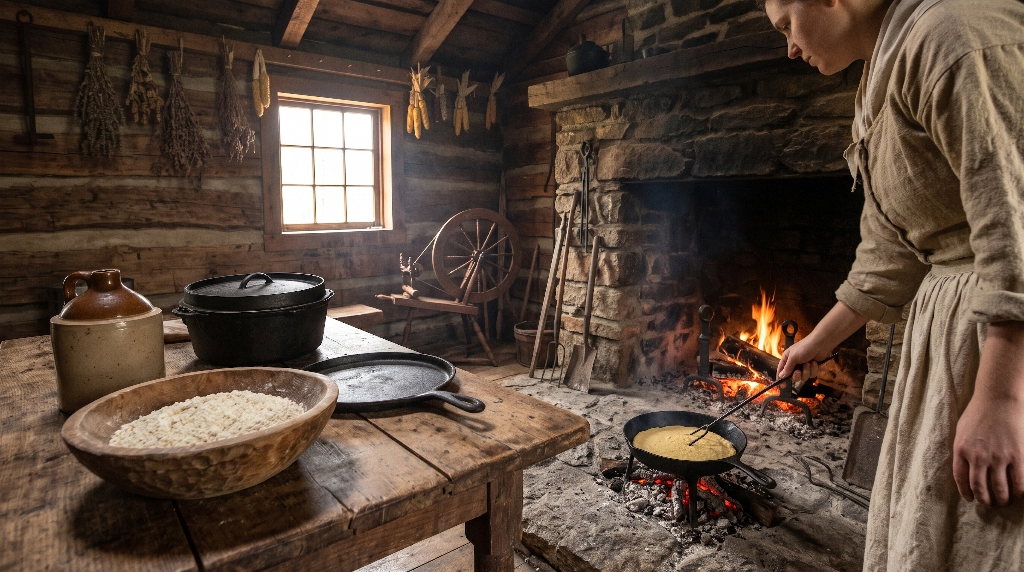
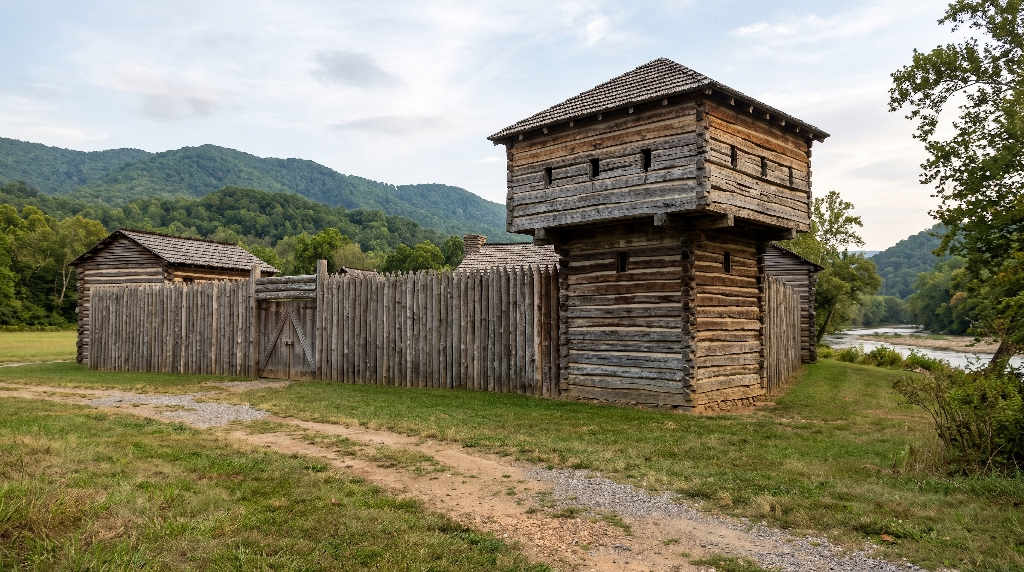
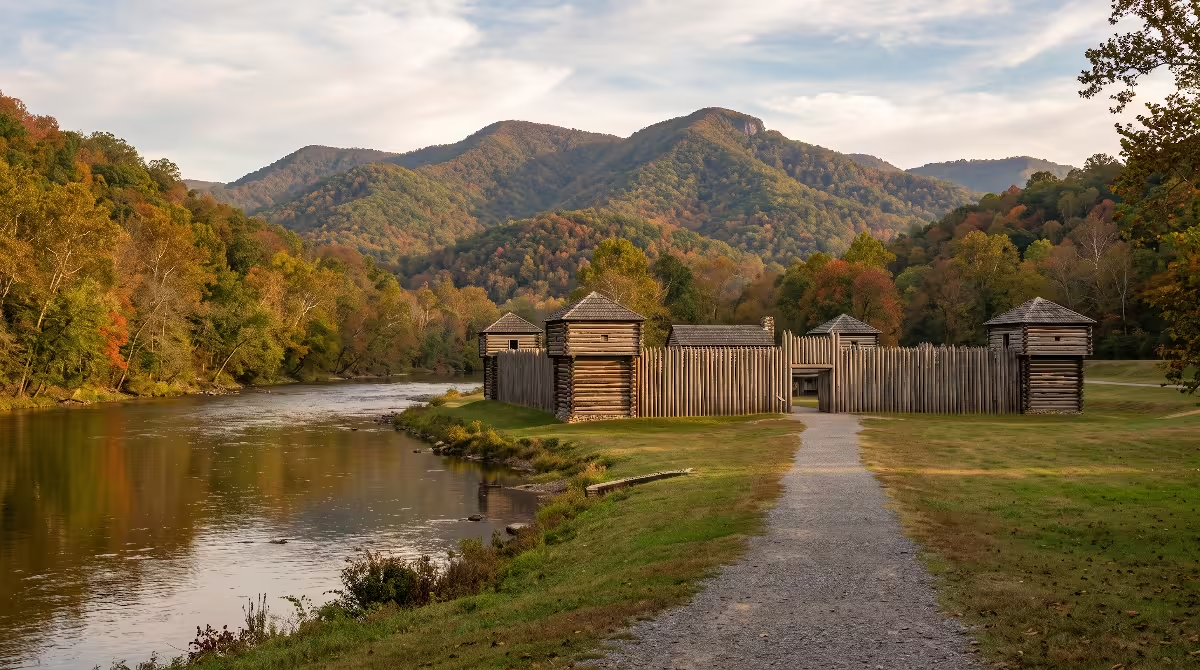
To understand southern cornbread, you must first understand the ground under our feet in the Tri-Cities. Centuries before European settlers crossed into what is now East Tennessee, Native American tribes, including the Cherokee, cultivated maize across river bottoms. This was not the sweet, tender yellow corn you buy on the cob at a summer supermarket. This was field corn: sturdy, dense, and full of earthy, robust starch. Indigenous cooks ground dried kernels between flat stones, mixed the resulting meal with spring water and wood ashes, and baked thin cakes over open campfires or hot river stones.
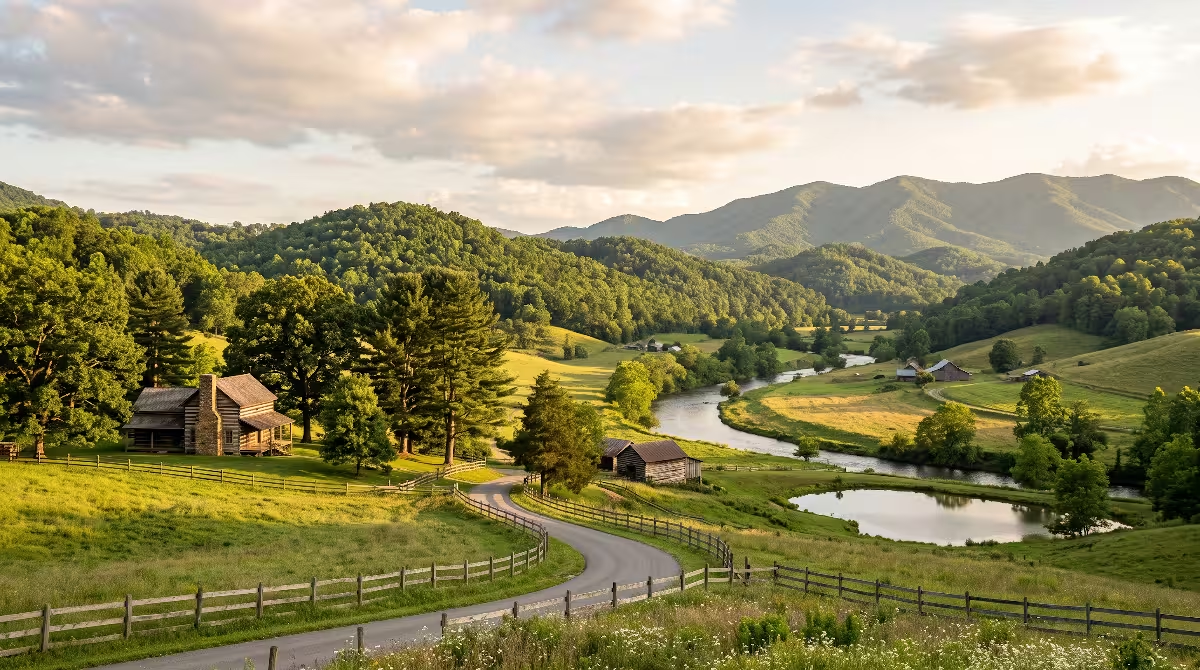
When pioneer families arrived in the Appalachian mountains, wheat simply would not thrive in the rugged, rocky soil and humid summer hollows. Corn, however, grew tall, vigorous, and dependable. It quickly became the foundation of mountain survival. The settlers adopted native corn traditions, blending them with European cast iron cooking tools and cultured dairy.
In the early settlements along the
Because good white dent corn possessed its own natural flavor, mountain cooks never felt a need to dump cups of processed white sugar into their daily skillet. Sugar was an expensive luxury, hauled in over rough wagon roads. But more importantly, sugar was completely unnecessary. True southern cornbread was daily bread. It was savory, crusty, and sturdy enough to fuel a full day of farm labor, timber cutting, or blacksmithing.
Over generations, southern
Understanding this heritage helps us respect what southern cornbread truly is. It is not a yellow dessert cake masquerading as a side dish. It is an honest, foundational bread forged by necessity, shaped by geography, and perfected by mountain cooks who knew how to let quality grain speak for itself.
The Science of Cornmeal: White Dent, Grist Mills, and Grinds
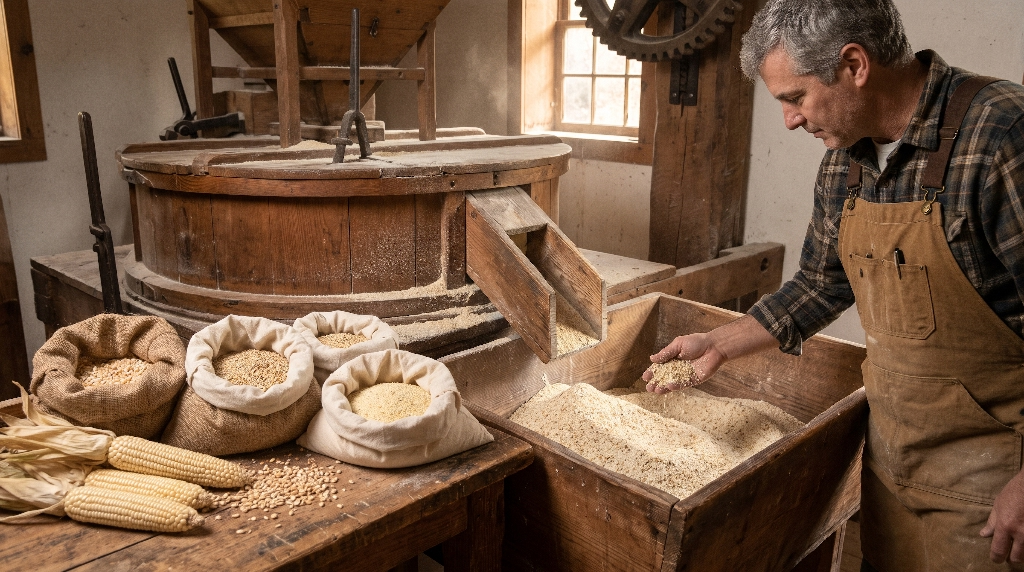
Behind every great pan of southern cornbread lies serious food chemistry. As an INTP chef, I look closely at the molecular structure of the corn kernel: the germ, the endosperm, and the pericarp.
Most modern commercial cornmeal found in standard grocery stores is made from yellow flint corn. Industrial mills use high-speed steel roller mills that strip away the nutrient-dense germ and outer bran. They do this to create a product that can sit on a shelf for two years without turning rancid. But that process strips away the natural fats and complex flavors that define authentic southern cornbread.
When making authentic southern cornbread, white dent corn (Zea mays indentata) is the gold standard of East Tennessee. White dent corn has a soft, starchy core surrounded by a harder outer starch. When stone-ground at low temperatures, the germ stays inside the meal. This whole-grain, water-ground meal contains natural lipids that give the finished southern cornbread a soft, tender mouthfeel and a delicate corn aroma.
The grind size is equally vital. If your meal is ground too fine, like flour, your southern cornbread becomes dense, gummy, and pasty. If it is ground too coarse, like polenta or coarse grits, the starches cannot hydrate properly during the short bake time. This leaves hard, gritty pieces that stick between your teeth. The ideal grind for southern cornbread is a medium stone grind. This texture allows the exterior starch granules to gelatinize rapidly when they hit the hot fat in your skillet, while preserving a pleasant, crumbly texture on the inside.
White cornmeal also produces a clean, savory canvas. Yellow corn contains higher levels of carotenoids, which give it that bright golden color and a slightly grassy, vegetal note. White corn provides an earthy, nutty flavor that highlights the tang of buttermilk and the richness of pork lard. If you want to bake genuine southern cornbread, look for locally milled, non-degerminated stone-ground white cornmeal from an Appalachian grist mill. Keep it in your freezer or refrigerator to preserve those delicate, wholesome oils.
Fat and Fire: The Role of Seasoned Cast Iron
You simply cannot bake true southern cornbread in a glass baking dish, an aluminum cake pan, or a non-stick skillet. The physics of heat transfer make cast iron indispensable.
A heavy cast iron skillet acts as a thermal battery. It absorbs heat slowly from your oven or stove burner, stores that energy deeply within its thick iron walls, and radiates it evenly into the batter. This constant heat transfer is what triggers the Maillard reaction: the chemical reaction between amino acids and reducing sugars that produces a deep, nutty, dark golden-brown crust.
To achieve the signature crust of legendary southern cornbread, your skillet must be screaming hot before a single drop of batter touches it. The traditional process involves placing two to three tablespoons of solid fat into your skillet and setting it inside your oven while it preheats to 425 or 450 degrees Fahrenheit.
The choice of fat is just as important as the pan. For centuries, the undisputed champion of southern cornbread was freshly rendered pork lard or clean bacon drippings. Lard has a high smoke point, meaning it can take intense heat without breaking down into acrid, bitter compounds. More importantly, animal fat coats the heated surface of the iron, forming a slick barrier that prevents sticking while frying the bottom layer of batter.
When you pour cold batter into that sizzling, melted fat, you should hear a loud, energetic hiss. The outer layer of cornmeal starches fries instantly in the hot lard. This flash-frying creates a crisp, waterproof seal around the bottom and sides of the loaf. As the southern cornbread bakes, steam pushes outward from the interior, lifting the crumb, while the exterior shell stays shatteringly crisp. Without a hot, well-seasoned cast iron skillet and good fat, you simply cannot produce authentic southern cornbread.
The Great Sweetness Debate: Why Sugar Does Not Belong Here
Few food arguments stir up as much passion across the South as the question of sugar in southern cornbread. Walk into a diner in New York or Boston, and you will likely be served a square of sweet, fluffy, bright yellow cornbread that resembles yellow birthday cake. But in the mountains of East Tennessee, adding spoonfuls of granulated sugar to southern cornbread is widely considered a culinary mistake.
There are historical, agricultural, and scientific reasons why traditional southern cornbread remains savory. As noted earlier, northern cooks historically used hard yellow flint corn, which has less accessible starch and a tougher grain. They added refined sugar, molasses, or maple syrup to mask the bitterness of the flint corn and soften the crumb. Over time, that sweet profile became the northern standard.
In contrast, Appalachian cooks working with freshly milled white dent corn already had natural sweetness present in the whole grain. Furthermore, southern cornbread served a specific nutritional purpose: it was dinner food, not dessert. You do not want a sweet, syrupy bread when you are ladling salty ham gravy over it, soaking up the broth of collard greens, or eating it alongside spicy chili. Sweetness clashes with the savory, smoky notes of traditional mountain meals.
From a culinary science perspective, excessive sugar ruins the texture of authentic southern cornbread. Sugar is hygroscopic, meaning it attracts and holds water molecules tightly. When you add cups of sugar to cornmeal batter, it traps extra moisture inside the crumb. This turns the bread soft, cakey, and moist like a muffin. True southern cornbread should have a crumbly, rustic texture that yields easily under a fork and readily absorbs sauces, gravies, and soups without turning into a mushy paste. If you desire a sweet dessert, bake a molasses stack cake or an apple skillet pie. But when it comes to southern cornbread, keep the sugar in the pantry.
Leavening, Moisture, and the Magic of Real Buttermilk
The rise and crumb structure of southern cornbread rely on an acid-base chemical reaction between real buttermilk and baking soda.
Authentic cultured buttermilk is liquid culinary gold. Historically, buttermilk was the slightly sour, fermented liquid left behind after churning whole cream into butter. It is packed with lactic acid, which gives it a bright, pleasant tang and a thick body. In southern cornbread, that lactic acid performs two crucial tasks: it tenderizes the tough starches in the cornmeal, and it acts as the chemical catalyst for leavening.
When you combine baking soda (sodium bicarbonate) with the lactic acid in buttermilk, they react instantly. The reaction releases carbon dioxide gas bubbles throughout the wet batter:
$$\text{NaHCO}_3 + \text{Lactic Acid} \rightarrow \text{Sodium Lactate} + \text{H}_2\text{O} + \text{CO}_2\uparrow$$
These microscopic gas pockets expand rapidly the moment the batter hits the heat of your preheated cast iron pan. As the steam and carbon dioxide rise, they lift the heavy cornmeal particles, creating a light, airy crumb structure. If you used plain sweet milk instead of buttermilk, the baking soda would lack the acid needed to react. Your southern cornbread would turn out flat, heavy, and unpleasantly alkaline, leaving a harsh metallic aftertaste.
Some cooks introduce a small pinch of baking powder alongside baking soda for double-acting insurance. Baking powder contains both an acid and a base that react a second time under the sustained heat of the oven. This ensures your southern cornbread gets a proud, attractive rise with a gently cracked top crust.
Eggs also play an important structural role. Cornmeal contains zero gluten. Gluten is the elastic protein network found in wheat flour that traps air and gives bread its chew. Because pure cornmeal lacks gluten, southern cornbread requires eggs to supply albumin and yolk proteins. These proteins coagulate under oven heat, building a tender scaffold that holds the corn crumb together so it does not collapse into a pile of dry sand when sliced.
Step-by-Step Guide: Crafting the Perfect Skillet of Southern Cornbread
Let us walk through the exact, measured process for baking a classic, golden, savory pan of southern cornbread. This formula yields an eight-slice skillet bread with an assertive crust and a tender, steaming interior.
Ingredients Checklist
- 2 cups whole-grain, stone-ground white cornmeal (Appalachian dent corn preferred)
- 1 teaspoon fine sea salt
- 1/2 teaspoon baking soda
- 1 teaspoon baking powder
- 1 large farm-fresh egg, lightly beaten
- 1 1/2 to 1 3/4 cups whole cultured buttermilk
- 3 tablespoons rendered pork lard or bacon grease
Equipment Needed
- One 9-inch or 10-inch well-seasoned cast iron skillet
- Large glass or ceramic mixing bowl
- Wire whisk and wooden spoon or rubber spatula
- Heavy oven mitts
Step 1: Preheating the Iron and Fat
Set your oven rack to the center position and preheat the oven to 450 degrees Fahrenheit. Place your cast iron skillet on the center rack with three tablespoons of lard or bacon fat resting in the middle. Let the skillet heat for at least 15 to 20 minutes alongside the oven. The iron must be uniformly hot, and the fat must be completely liquefied and shimmering.
Step 2: Combining Dry Ingredients
In your mixing bowl, whisk together the stone-ground white cornmeal, sea salt, baking soda, and baking powder. Whisking dry ingredients thoroughly distributes the leavening agents evenly throughout the cornmeal. This step prevents pockets of unreacted soda from spoiling your southern cornbread.
Step 3: Mixing Wet and Dry
In a separate measuring cup, whisk the beaten egg into the buttermilk. Pour the buttermilk mixture into the bowl of dry ingredients. Using your wooden spoon, stir gently until the meal is just moistened. Do not overmix. The batter should look slightly lumpy, similar to pancake batter. If the mixture seems excessively thick, stir in an extra splash of buttermilk. Let the batter rest on the counter for two to three minutes while the cornmeal starches begin absorbing the liquid.
Step 4: The Sizzle and Pour
Wearing your heavy oven mitts, carefully remove the blistering hot cast iron skillet from the oven and set it on your stovetop. Swirl the hot pan so the shimmering lard coats the entire bottom and creeps halfway up the sides. Pour about two tablespoons of that smoking hot melted fat directly from the pan into your batter, stirring it in quickly.
Now, immediately pour the batter into the center of the smoking skillet. You should hear a sharp, vigorous sizzle as the batter hits the hot iron. That sound is your crust forming. Use your spatula to spread the batter out toward the edges in a smooth, even layer.
Step 5: The Bake
Carefully return the skillet to the 450-degree oven. Bake undisturbed for 20 to 25 minutes. You will know your southern cornbread is finished when the edges pull slightly away from the skillet walls, the top turns a pale golden straw color with light brown highlights, and a wooden toothpick inserted into the center comes out clean and dry.
Step 6: Resting and Serving
Remove the skillet from the oven and set it on a wire cooling rack or heat-proof trivet. Let the southern cornbread rest in the iron for five to ten minutes. During this rest, the crust firms up, making it easy to slice and release cleanly from the pan. Cut into wedges right in the skillet, or invert the pan onto a wooden board to display the glossy, deep-brown bottom crust. Serve steaming hot with generous pats of churned salted butter.
Classic Pairings: How We Eat Southern Cornbread in the Mountains
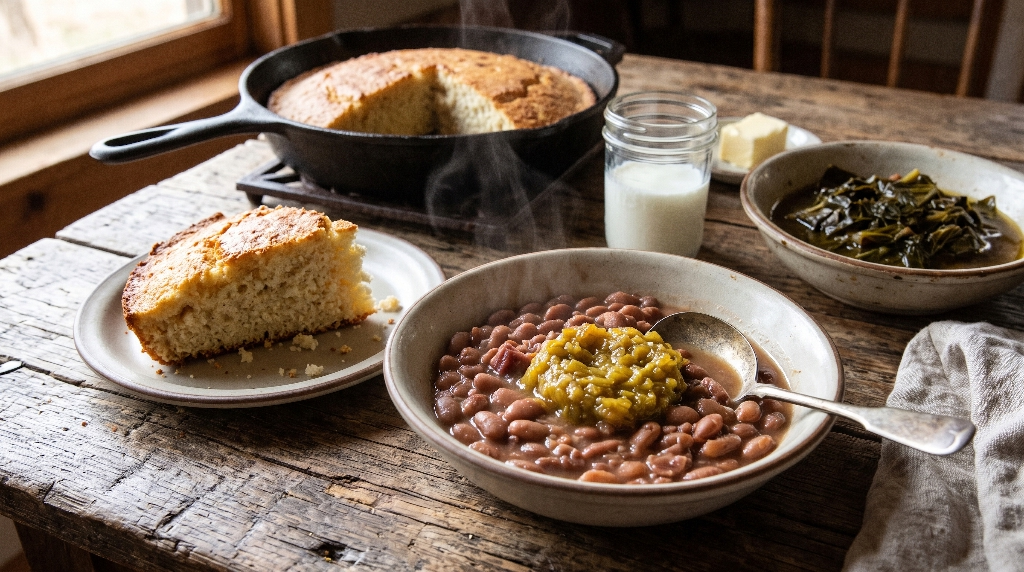
In our Tri-Cities food culture, southern cornbread rarely sits alone on a plate. It is an active participant in our traditional meals. It acts as both food and utensil, designed specifically to capture, soak, and complement the robust flavors of Appalachian cooking.
Pinto Beans and Chow-Chow
The defining partnership of mountain cooking is a steaming bowl of brown pinto beans, cooked low and slow with a smoked ham hock, paired with a hot wedge of southern cornbread. The rich, earthy bean broth needs the crisp, dry crumb of the bread to soak up every drop of flavor. Top the beans with a spoonful of tangy, cabbage-based green tomato chow-chow, and the savory crust of the southern cornbread balances the sharp vinegar punch beautifully.
Greens and Potlikker
Whether you simmer collards, turnip greens, or wild mountain spring branch lettuce, you are left with potlikker: the nutrient-dense, vitamin-rich, pork-infused broth sitting at the bottom of the stockpot. In traditional mountain homes, wasting potlikker was unthinkable. You drop a thick piece of southern cornbread directly into your bowl of greens and crush it with your spoon. The bread drinks in the smoky potlikker like a sponge, creating one of the most comforting bites in American regional cooking.
Buttermilk and Crumbles
For older generations across East Tennessee, this dish was the ultimate late-night supper or summer field lunch. You take a tall drinking glass or a mason jar, crumble cold leftover southern cornbread into the bottom until it is half full, and pour ice-cold, whole cultured buttermilk over the top. You eat it with a long iced-tea spoon, savoring the contrast between the cold, sour buttermilk and the dense, nutty cornmeal grains. It is simple, humble, and thoroughly Appalachian.
Cast Iron Skillet Fried Chicken
While flaky buttermilk biscuits get plenty of attention, a Sunday dinner of skillet-fried chicken alongside a fresh pan of southern cornbread remains an East Tennessee favorite. The savory crunch of seasoned chicken skin paired with the dense crumb of warm cornbread smeared with fresh honey-butter offers an unforgettable balance of textures and flavors.
Troubleshooting Common Baking Mistakes
Even experienced home cooks run into occasional trouble when baking southern cornbread. Let’s examine so of the common issues using food science to identify what went wrong and how you can fix it.
Problem 1: The Crust is Pale, Soft, and Soggy
- The Cause: Your cast iron skillet was not hot enough when the batter was added, or you used too little fat. If you pour batter into a cold or lukewarm pan, the cornmeal absorbs the oil rather than frying in it.
- The Fix: Never rush preheating. Keep your skillet in a 450-degree oven for a full 20 minutes before pouring in the batter. The fat should be shimmering and smoking lightly.
Problem 2: The Cornbread is Bone Dry and Choking
- The Cause: You overbaked the bread, your oven runs hot, or your batter was mixed too dry. Stone-ground meal absorbs liquid over time; if your batter sits too long before baking, it can dry out completely.
- The Fix: Check your bread at the 18-minute mark. Look for the top to spring back lightly when touched with a finger. If your batter appears thick like paste before pouring, whisk in an extra two to three tablespoons of buttermilk to keep the moisture balance correct.
Problem 3: The Interior is Dense and Gummy
- The Cause: Your leavening agent has expired, or you used expired sweet milk instead of true cultured buttermilk. Without adequate acidity, the baking soda cannot release carbon dioxide bubbles, leaving the starches trapped in a heavy mass.
- The Fix: Check the date on your baking soda and baking powder. Replace any open container older than six months. Always use real cultured buttermilk that contains natural lactic acid to drive the rise.
Problem 4: The Bread Crumbles into Complete Dust When Cut
- The Cause: You omitted eggs, used an excessively coarse grind of meal, or skipped the resting period. Cornmeal lacks gluten, so eggs are essential to bind the starch molecules together.
- The Fix: Ensure you include at least one large egg in your batter. After taking the skillet out of the oven, allow your southern cornbread to rest undisturbed in the hot iron for at least seven to ten minutes so the internal starches can set.
Regional Variations Across the South and Appalachia
While savory white cornmeal bread baked in iron is the standard in the mountains of East Tennessee, southern cornbread takes on different forms across our neighboring regions. Exploring these variations shows how geography and local ingredients shaped regional preferences.
Cracklin’ Cornbread
Popular throughout farm communities in Tennessee, Virginia, and the Carolinas, cracklin’ bread incorporates pork cracklings: the crispy, crunchy pieces of pork skin and fat left over after rendering lard. Cooks fold these savory bits directly into the cornmeal batter before pouring it into the skillet. As the southern cornbread bakes, the cracklings melt slightly, infusing the entire loaf with rich pork flavor and giving the crumb a pleasant crunch.
Hoecakes and Johnnycakes
Long before indoor ovens were common, rural families cooked thin cornmeal patties on a flat griddle or over an open hearth fire. Originally baked on the flat blade of a garden hoe held over wood coals, hoecakes are made from a simple batter of cornmeal, salt, and boiling water or buttermilk. Fried in bacon grease until crispy on both sides, hoecakes are essentially thin, portable discs of southern cornbread with maximum crust-to-crumb ratio.
Hot Water Cornbread
Prevalent in the Mississippi Delta and parts of West Tennessee, hot water cornbread bypasses the oven entirely. The cook scalds stone-ground cornmeal with boiling salted water, which gelatinizes the starches immediately into a stiff, pliable dough. Once cooled enough to handle, the dough is shaped by hand into small oval patties and deep-fried in a cast iron skillet filled with hot lard. The result is an ultra-crispy exterior with a soft, creamy center.
Corn Pone
Traditional mountain corn pone is the most minimal expression of southern cornbread imaginable. Made strictly with white cornmeal, salt, cold water, and lard, it contains neither eggs, buttermilk, nor chemical leavening. The dough is molded into thick, oblong loaves, often bearing the imprint of the cook’s fingers, and baked slowly in an iron skillet or Dutch oven until hard and golden. It was durable trail food, made to travel in saddlebags across mountain gaps without spoiling.
Preserving the Art of Southern Cornbread for Future Generations
In a fast-paced world filled with pre-packaged baking mixes and microwaveable meals, the slow, intentional craft of authentic southern cornbread remains an art worth preserving. It connects us directly to the soil, the water mills, and the resilient people who carved out a life in the Appalachian highlands centuries ago.
Baking authentic southern cornbread requires patience, an understanding of fundamental culinary science, and respect for local ingredients. When you hold a heavy cast iron skillet passed down through generations of your family, listen to the sizzle of batter hitting hot lard, and smell the nutty aroma of toasted white cornmeal filling your kitchen, you are participating in living food history.
Whether you are cooking a simple weekday supper in Johnson City, hosting a family gathering in Kingsport, or baking in a kitchen hundreds of miles away from our mountain ridgelines, remember the golden rules of the craft: seek out stone-ground white dent cornmeal, preheat your seasoned cast iron skillet until it sings, trust the leavening power of real buttermilk, and leave the sugar bowl untouched. Master these simple principles, and you will bake an honest, unforgettable pan of southern cornbread every single time.