

Introduction to Performance Fabric for Custom Dining Banquette Cushions
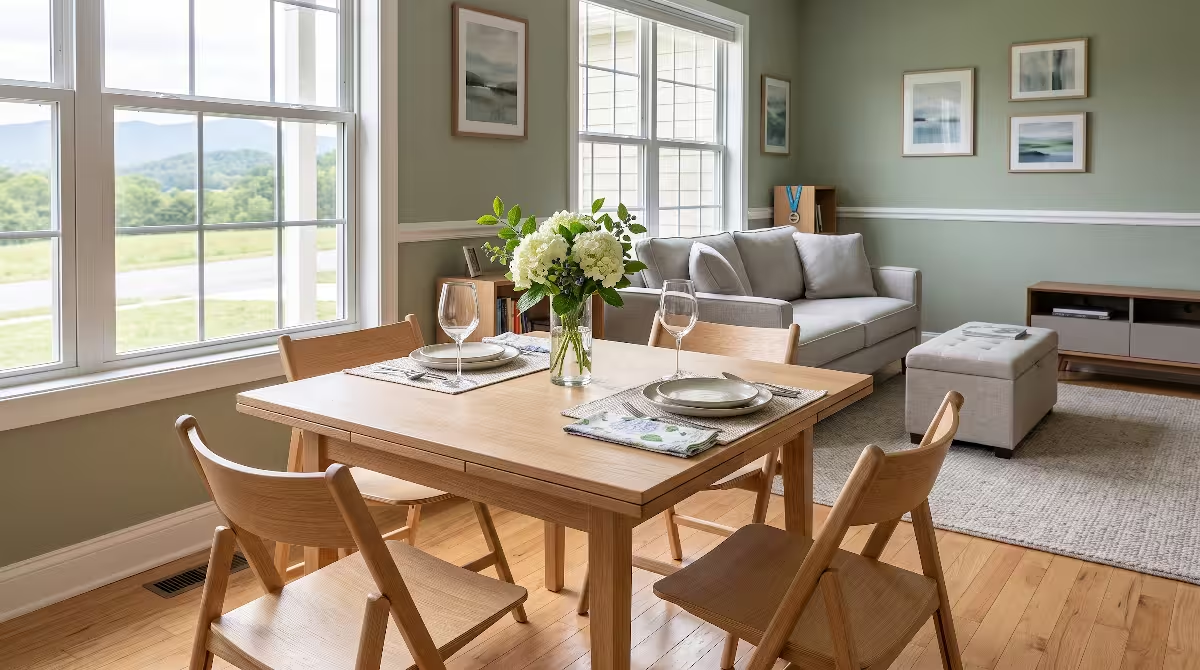
When families build or remodel their homes here in the Tri-Cities, from the rolling hills of Kingsport to the vibrant neighborhoods of Johnson City, the kitchen dining nook is almost always the heart of the home. A built-in dining banquette is one of the smartest architectural investments you can make in a kitchen. It saves floor space, brings people together, and creates a cozy gathering spot.
However, a custom dining banquette is only as good as the textile you wrap around its cushions. In a busy home, banquette seating takes an unbelievable beating. If you choose the wrong material, you will end up with stained seats, flattened foam, and faded colors within two years. To protect your investment, you must select the right performance fabric.
A true performance fabric is engineered at the molecular level or woven from specialized yarns to resist stains, liquid spills, heavy friction, and sunlight. In this comprehensive guide, we will walk through every point from our outline so you can make a precise, confident choice for your custom home.
The Intersection of High Function and Everyday Living
The Role of the Modern Banquette
In modern home design, the kitchen banquette has evolved far beyond the simple booth style of the past. Today, a dining banquette serves as a multipurpose command center. In the morning, it is where you drink your coffee while reviewing emails. In the afternoon, it turns into a homework station where children spread out markers, glue, and schoolbooks. In the evening, it hosts family dinners, Friday night board games, and casual wine tastings with friends.
Because women and families use this space constantly throughout the day, the seating must balance warmth and elegance with rugged utility. You should never feel anxious about inviting guests to sit down, nor should you have to scold children for having snacks near the cushions. Choosing a high quality performance fabric allows you to enjoy an elevated, magazine-worthy look without living in constant fear of daily life.
The Engineering Problem
From an engineering and carpentry standpoint, a dining banquette creates a demanding set of physical challenges. Unlike a formal dining chair that is pulled out and used for an hour a week, a banquette cushion experiences concentrated, repetitive stresses.
First, there is food and liquid exposure. Milk, spaghetti sauce, hot coffee, salad oil, and grape juice are inevitable. When a spill happens on standard cotton or linen, gravity and capillary action pull the liquid deep into the cushion core within seconds.
Second, there is friction abrasion. People slide into and out of built-in banquettes. They scoot sideways across the cushion, often wearing denim with metal rivets, rough canvas work pants, or zippers. This sliding creates shear stress across the weave.
Third, banquettes are often placed directly beneath large picture windows to capture natural morning light. In our region of East Tennessee, strong summer sunlight streams across kitchen corners, bombarding fabric with ultraviolet radiation. If your cushion material cannot handle high UV rays, abrasive friction, and wet spills simultaneously, it will degrade quickly. This is why standard upholstery will not work; you need a performance fabric engineered for extreme daily service.
Why Performance Fabric Isn’t Just One Textile
Many homeowners walk into a design showroom and ask for performance fabric as if it were a single, universal material. In truth, performance fabric is a broad category encompassing several distinct chemical formulations, fiber types, and finishing methods.
Some performance textiles get their durability from chemical coatings applied to the back or surface of standard fibers. Other varieties are made from synthetic polymers that are naturally stain-resistant and hydrophobic from the start. Some are engineered for indoor luxury, while others were born for marine decks and outdoor patios.
Understanding what lies beneath the surface of a performance fabric allows you to balance softness, cleanability, safety, and price. When you know how these textiles are constructed, you can specify the right performance fabric for the seat and back of your custom dining banquette.
Fiber Science and Top Contenders: Material Options Ranked
Introduction to Performance Fabric for Custom Dining Banquette Cushions
When families build or remodel their homes here in the Tri-Cities, from the rolling hills of Kingsport to the vibrant neighborhoods of Johnson City, the kitchen dining nook is almost always the heart of the home. A built-in dining banquette is one of the smartest architectural investments you can make in a kitchen. It saves floor space, brings people together, and creates a cozy gathering spot.
However, a custom dining banquette is only as good as the textile you wrap around its cushions. In a busy home, banquette seating takes an unbelievable beating. If you choose the wrong material, you will end up with stained seats, flattened foam, and faded colors within two years. To protect your investment, you must select the right performance fabric.
A true performance fabric is engineered at the molecular level or woven from specialized yarns to resist stains, liquid spills, heavy friction, and sunlight. In this comprehensive guide, we will walk through every point from our outline so you can make a precise, confident choice for your custom home.
The Intersection of High Function and Everyday Living
The Role of the Modern Banquette
In modern home design, the kitchen banquette has evolved far beyond the simple booth style of the past. Today, a dining banquette serves as a multipurpose command center. In the morning, it is where you drink your coffee while reviewing emails. In the afternoon, it turns into a homework station where children spread out markers, glue, and schoolbooks. In the evening, it hosts family dinners, Friday night board games, and casual wine tastings with friends.
Because women and families use this space constantly throughout the day, the seating must balance warmth and elegance with rugged utility. You should never feel anxious about inviting guests to sit down, nor should you have to scold children for having snacks near the cushions. Choosing a high quality performance fabric allows you to enjoy an elevated, magazine-worthy look without living in constant fear of daily life.
The Engineering Problem
From an engineering and carpentry standpoint, a dining banquette creates a demanding set of physical challenges. Unlike a formal dining chair that is pulled out and used for an hour a week, a banquette cushion experiences concentrated, repetitive stresses.
First, there is food and liquid exposure. Milk, spaghetti sauce, hot coffee, salad oil, and grape juice are inevitable. When a spill happens on standard cotton or linen, gravity and capillary action pull the liquid deep into the cushion core within seconds.
Second, there is friction abrasion. People slide into and out of built-in banquettes. They scoot sideways across the cushion, often wearing denim with metal rivets, rough canvas work pants, or zippers. This sliding creates shear stress across the weave.
Third, banquettes are often placed directly beneath large picture windows to capture natural morning light. In our region of East Tennessee, strong summer sunlight streams across kitchen corners, bombarding fabric with ultraviolet radiation. If your cushion material cannot handle high UV rays, abrasive friction, and wet spills simultaneously, it will degrade quickly. This is why standard upholstery will not work; you need a performance fabric engineered for extreme daily service.
Why Performance Fabric Isn’t Just One Textile
Many homeowners walk into a design showroom and ask for performance fabric as if it were a single, universal material. In truth, performance fabric is a broad category encompassing several distinct chemical formulations, fiber types, and finishing methods.
Some performance textiles get their durability from chemical coatings applied to the back or surface of standard fibers. Other varieties are made from synthetic polymers that are naturally stain-resistant and hydrophobic from the start. Some are engineered for indoor luxury, while others were born for marine decks and outdoor patios.
Understanding what lies beneath the surface of a performance fabric allows you to balance softness, cleanability, safety, and price. When you know how these textiles are constructed, you can specify the right performance fabric for the seat and back of your custom dining banquette.
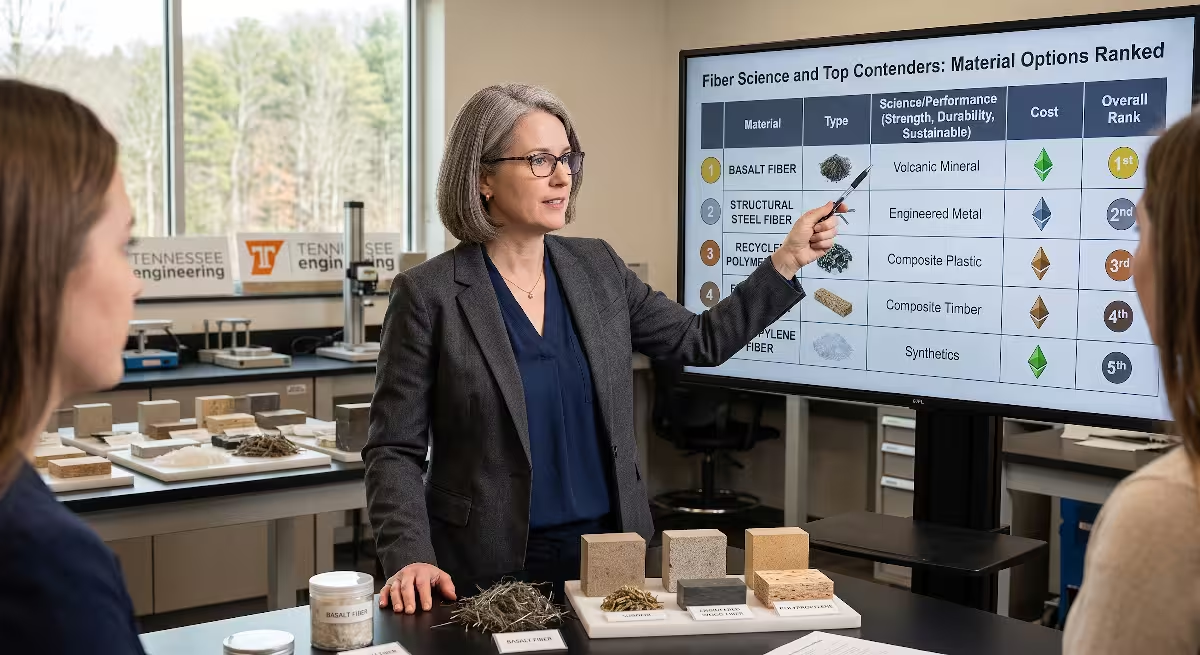
Fiber Science and Top Contenders: Material Options Ranked
+---------------------------+------------------------------------+-------------------------------------+
| Fabric Type               | Primary Strengths                  | Best Use on a Banquette             |
+---------------------------+------------------------------------+-------------------------------------+
| Crypton                   | Integrated moisture barrier        | Bottom seat cushions                |
| Solution-Dyed Acrylic     | Extreme UV fade resistance         | Sun-drenched window nooks           |
| Olefin (Polypropylene)    | Natural stain defense, budget-wise | High-use family dining spaces       |
| Performance Velvet        | Formal elegance, high rub counts   | Tufted or smooth backrests          |
| Polyurethane (PU Leather) | Instant wipe-down cleanup          | Base seats for toddlers & pets      |
+---------------------------+------------------------------------+-------------------------------------+
Crypton
When looking for the gold standard in indoor dining protection, Crypton is usually the first name on the list. Crypton is not just a surface spray; it is a patented manufacturing process. The fabric undergoes an immersion bath that bonds stain resistance and an antimicrobial shield directly into the fibers.
Crucially, Crypton features an impenetrable, breathable moisture barrier laminated to the backside of the textile. When someone spills a glass of whole milk or red wine, the liquid simply beads up on the surface. Even if the spill sits unattended for an hour while you finish dinner, the moisture cannot penetrate through the barrier into your expensive polyurethane foam cushion.
Crypton offers a soft, natural hand feel, making it feel just like high-end residential linen, woven cotton, or textured tweed. For the bottom seat cushions of a dining nook, Crypton is widely considered one of the finest options on the market. It gives you the comfort of traditional upholstery combined with the barrier protection of medical or hospitality grade seating.
Solution-Dyed Acrylic (Sunbrella, Outdura)
Solution-dyed acrylic, with brands like Sunbrella leading the industry, was originally developed for outdoor awnings, marine boat covers, and patio sets. However, modern textile manufacturing has made solution-dyed acrylic remarkably soft and stylish for indoor dining spaces.
To understand why solution-dyed acrylic performs so well, think of a carrot versus a radish. If you dye ordinary fabric, it is like a radish: bright red on the outside, but white in the center. As friction rubs the color off the surface, or sunlight bleaches it, the pale core shows through. Solution-dyed acrylic is like a carrot. Liquid acrylic polymer is mixed with color pigments before the fiber is ever extruded into a thread. The color exists evenly throughout the entire cross-section of the fiber.
Because of this fiber construction, solution-dyed acrylic performance fabric offers unmatched UV resistance. If your kitchen banquette sits directly in front of east-facing or south-facing windows, this textile will not fade or rot from sunlight. Furthermore, it can be cleaned with diluted bleach solutions without losing its color, making it an exceptional performance fabric for messy dining areas.
Performance Polypropylene / Olefin (Revolution)
Polypropylene, commonly known in the textile trade as olefin, is an unsung hero of family friendly residential design. Olefin is a byproduct of petroleum refining, and its basic chemistry gives it distinct advantages.
First, olefin fibers are naturally hydrophobic, meaning they do not absorb moisture. Water, juices, and most household stains simply cannot enter the fiber wall. Because the stain resistance is an inherent physical property of the plastic polymer itself, olefin performance fabric does not require chemical treatments, PFAS coatings, or topical finishes to repel grime.
Second, olefin is lightweight, budget-conscious, and exceptionally strong. Brands like Revolution Fabrics have popularized residential olefin for indoor dining benches. Olefin performance fabric can be cleaned with household soap and water or even mild bleach solutions.
The main engineering detail to keep in mind with olefin is thermal sensitivity. Olefin melts at a lower temperature than polyester or acrylic. You should never dry clean it with heavy heat, press it with an iron, or place hot cookware directly on the cushion surface. When cared for with simple washing protocols, it delivers stellar longevity at an attractive price point.
Performance Velvets and Textured Chenilles
Many homeowners assume that choosing a performance fabric means giving up glamorous, tactile textures. They worry that their dining banquette will look like an office cafeteria or a sterile clinic. Performance velvets and heavy chenilles prove that durability and luxury can go hand in hand.
Modern performance velvet is typically woven from high-density, tightly twisted polyester or micro-denier yarns. The dense vertical pile of a quality performance velvet naturally prevents liquids from seeping downward immediately. Spills tend to float on top of the pile tips, allowing you to blot them away with a dry cloth.
Performance velvet is also an outstanding choice for homes with pets. Because velvet is a cut-pile textile without loops, cat claws cannot snag the weave. Furthermore, performance velvet achieves astronomical abrasion ratings, frequently exceeding 100,000 double rubs. It brings deep color saturation, rich shadows, and a plush hand feel to dining banquette backrests.
Polyurethane (PU) and High-End Vegan Leathers
If you have toddlers, messy grandchildren, or high-shedding dogs, you may want a seating surface that can be wiped clean with a damp towel in five seconds flat. High-end polyurethane faux leathers are an excellent solution for custom dining banquette cushions.
Many designers recommend polyurethane, not cheap polyvinyl chloride (PVC) vinyl. Old-fashioned PVC vinyl feels stiff, sticky on bare legs in summer, and cracks over time as plasticizers evaporate. High-grade polyurethane performance fabric, on the other hand, is supple, breathable, and soft to the touch.
Polyurethane performance fabric completely blocks liquids from passing into the foam. It creates an authentic leather look without the maintenance routines, conditioning requirements, or high price of genuine hide. Using a rich, saddle-tan polyurethane performance fabric on the bench seat creates a classic look that pairs beautifully with wood paneling and warm kitchen cabinets.
The Technical Specs: What to Look for on the Spec Sheet
+----------------------------+-------------------------------------+-----------------------------------+
| Metric or Certification    | Recommended Target                  | Why It Matters for Dining Nooks   |
+----------------------------+-------------------------------------+-----------------------------------+
| Wyzenbeek Double Rubs      | 30,000 to 50,000+ rubs              | Prevents wear from sliding in     |
| Moisture Protection        | Integrated backing barrier          | Blocks milk & wine from foam      |
| Indoor Air Quality         | GREENGUARD Gold / OEKO-TEX          | Low VOCs in eating environments   |
| Chemical Safety            | PFAS-free (C0 water repellency)     | Avoids toxic "forever chemicals"  |
+----------------------------+-------------------------------------+-----------------------------------+
Abrasion Resistance: The Wyzenbeek Test
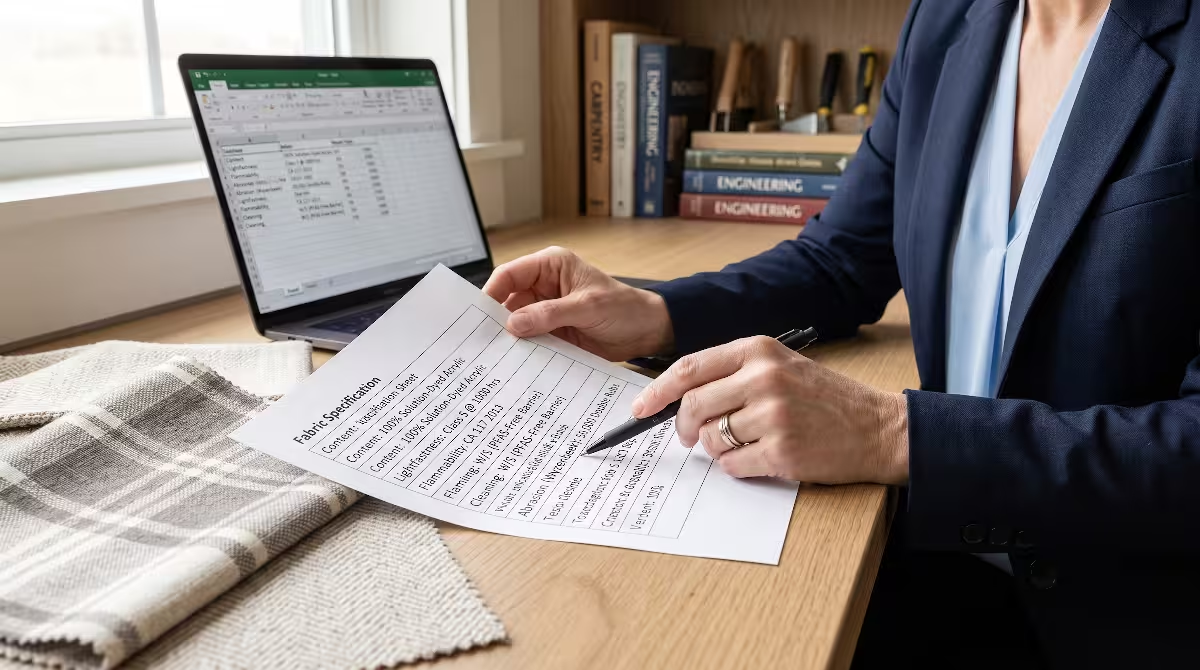
When reviewing fabric sample swatches for your banquette, turn the sample card over and examine the manufacturer specification sheet. The most prominent metric you will see is abrasion resistance, measured in North America by the Wyzenbeek test.
The Wyzenbeek test uses a specialized machine that rubs a piece of heavy cotton duck canvas back and forth across the test fabric until the yarn breaks or shows noticeable wear. One back-and-forth cycle equals one “double rub.”
- Light Duty Residential: Under 15,000 double rubs (suitable for decorative pillows or formal drapery).
- Medium Duty Residential: 15,000 to 30,000 double rubs (good for living room accent chairs).
- Heavy Duty Commercial: 30,000 to 50,000 double rubs (ideal for family dining banquettes).
- Extreme Commercial: 50,000 to 100,000+ double rubs (engineered for hotel lobbies and restaurant booths).
For a dining banquette in an active household, never specify a material rated under 30,000 double rubs. People do not sit passively on a banquette cushion; they twist, turn, reach across the table for food, and slide their hips across the deck. Selecting a performance fabric rated between 30,000 and 60,000 Wyzenbeek double rubs ensures the surface yarns will not thin out or pill from years of daily friction.
Moisture Barriers vs. Topical Finishes
There is a fundamental difference between a fabric treated with a spray-on topical finish and a true barrier performance fabric.
Topical finishes, like standard Scotchgard treatments applied after weaving, create surface tension that temporarily repels liquids. However, topical finishes are not permanent. Every time you slide across the bench, clean the cushion, or wash the cover, a fraction of that chemical coating wears away. Within twelve to eighteen months, the protective shield breaks down, leaving the raw fibers vulnerable to permanent staining.
In contrast, a high quality performance fabric relies on permanent fiber chemistry or an integrated moisture backing barrier. With backing barriers, a thin, flexible polymer membrane is permanently bonded to the underside of the decorative weave. Liquid can rest on the surface, but it cannot pass through to the interior cushion core. This stops bacteria, mold, and sour food smells from ruining your foam cushions.
Colorfastness and UV Ratings
Sunlight can be as destructive to textile fibers as harsh physical wear. In East Tennessee, our homes often feature lovely casement or double-hung windows framing our mountain views. If your dining banquette sits near these windows, UV rays will attack the chemical bonds of your fabric.
Standard indoor fabrics often fade after 40 to 100 hours of testing. A heavy duty outdoor-rated performance fabric, such as solution-dyed acrylic, is rated for 1,500 to 2,000 hours of continuous direct UV exposure. If your dining nook receives direct morning or afternoon sun, prioritizing a high lightfastness rating will keep your cushions looking fresh and vibrant for years to come.
Environmental and Indoor Air Quality Standards
Because your dining banquette is a gathering space where your family eats meals, indoor air quality must be a primary design consideration. You do not want textiles in your kitchen that off-gas harmful volatile organic compounds (VOCs) or leach toxic chemicals into your home.
Look for two respected independent environmental certifications on your performance fabric:
- GREENGUARD Gold: This certification tests the finished textile for more than 10,000 individual chemicals and volatile emissions. A GREENGUARD Gold certified performance fabric meets strict safety criteria, ensuring it is safe for sensitive individuals, including young children and the elderly.
- OEKO-TEX Standard 100: This standard tests the fabric at every stage of production for dangerous substances, including heavy metals, formaldehyde, and phthalates.
Additionally, pay close attention to PFAS chemicals. Historically, many water-repellent performance fabrics relied on per- and polyfluoroalkyl substances (PFAS), known as “forever chemicals,” to shed oil and water. Over the past several years, the textile industry has transitioned toward modern C0 finishes that are completely free of PFAS. When ordering your custom banquette fabric, specify a PFAS-free performance fabric to protect both your indoor living environment and the regional water system.
Designing for Real Life: Aesthetic and Structural Considerations
+-----------------------------------+-----------------------------------+
| Seat Cushion Best Practices       | Back Cushion Best Practices       |
+-----------------------------------+-----------------------------------+
| Crypton or smooth Olefin weave    | Performance velvet or chenille    |
| Medium-to-dark heathered colors   | Soft linen look or bold patterns  |
| Water-resistant moisture barrier  | Highly breathable construction    |
| Dense high-resiliency (HR) foam   | Contoured foam or channeled poly  |
+-----------------------------------+-----------------------------------+
Seat vs. Back Cushion Strategy
A custom dining banquette does not have to be wrapped in a single uniform fabric from top to bottom. In fact, professional interior designers and custom builders often use a dual-fabric strategy to balance practicality and visual charm.
The bottom seat cushion is the primary workhorse. It takes the weight of the human body, the friction of movement, and all direct gravity spills. Therefore, the bottom cushion should be upholstered in a high-density, flat-weave performance fabric with an integrated moisture barrier or a wipeable polyurethane.
The back cushion, whether it is a wall-mounted bolster, a tufted vertical backrest, or loose throw pillows, faces far less friction and zero direct liquid pools. This gives you freedom to introduce softer, more luxurious textures. You can specify a plush performance velvet, a nubby bouclé, or an embroidered performance linen blend on the backrest. This approach gives you rich texture and warmth while keeping high-performance cleanability on the horizontal seat.
Color, Texture, and Weave Selection
When selecting a pattern for your banquette, flat solid colors can be tricky to live with. A completely flat, solid cream or navy fabric will show every loose crumb, stray hair, or water droplet.
Instead, look for a performance fabric woven with visual depth. Micro-tweeds, salt-and-pepper basketweaves, heathered yarns, and subtle cross-hatch patterns do an incredible job of masking minor daily messes between cleanings.
Medium value tones, such as warm taupe, soft sage, slate blue, or rich caramel, are forgiving and versatile. They coordinate naturally with classic kitchen finishes like white oak flooring, quartzite countertops, and painted shaker cabinetry. If you love light, airy whites and creams, be sure to select a performance fabric with a pronounced textured weave so shadows naturally camouflage everyday use.
Foam and Cushion Interior Matching
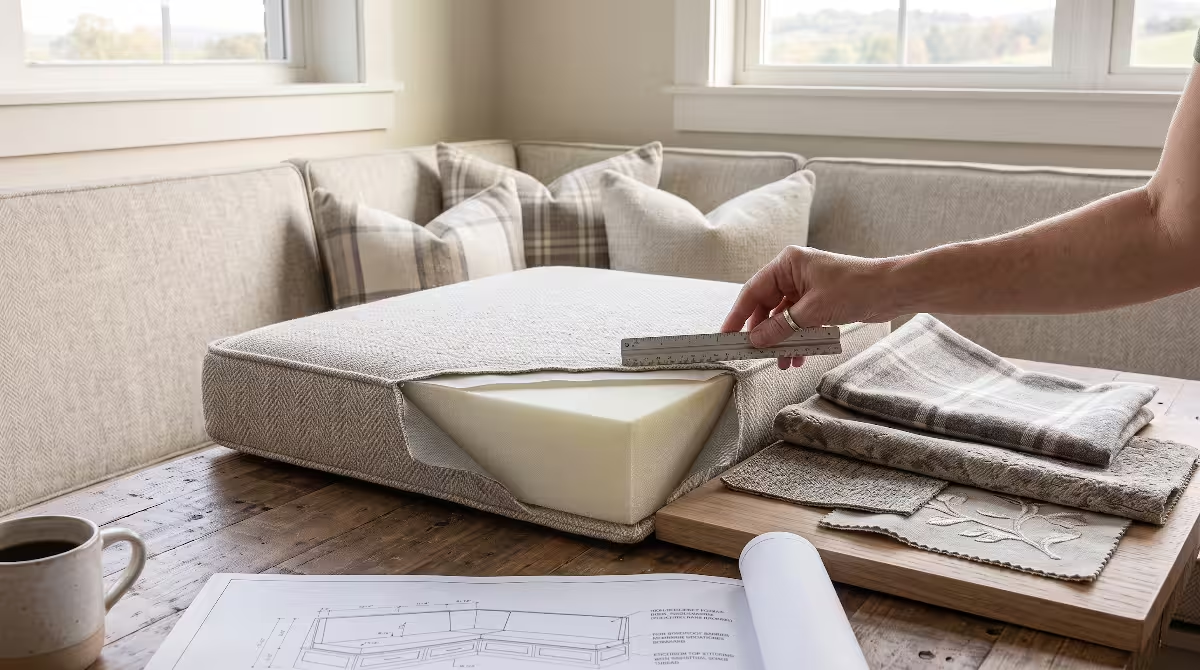
Even the highest quality performance fabric will fail prematurely if you wrap it around cheap, low-grade cushion foam. It has to be remembered that upholstery is an integrated structural system. The fabric and the internal core must work together.
For dining banquettes, never use standard low-density craft store foam. Low-density foam compresses quickly, creating permanent body indentations within six months. When the foam collapses, the outer fabric sags and forms loose wrinkles, accelerating surface wear and tear.
Always specify high-resiliency (HR) polyurethane foam with a minimum density rating of 2.5 to 3.0 pounds per cubic foot. For the firmness factor (ILD or Indentation Load Deflection), target a rating between 35 and 45. Banquette cushions need to be significantly firmer than lounge sofa cushions. When sitting down to eat a meal, your hips should remain elevated so your posture stays aligned with the dining table surface.
Have your upholstery workroom wrap the high-resiliency foam core in a layer of bonded polyester Dacron fiber. This batting softens the square edges, fills out the tailored corners, and prevents the performance fabric from shifting across the foam core.
Finally, install a breathable marine-grade mesh or metal eyelet air vents along the bottom underside of the cushion. Because a moisture-barrier performance fabric is virtually air-tight, when someone sits down on the bench, trapped air needs a clean escape route. Breathable mesh along the base allows the cushion to compress smoothly and rebound instantly without blowing out the fabric seams.
Maintenance, Care, and Longevity of Banquette Cushions
+--------------------------+-----------------------------+------------------------------------+
| Stain Type               | Recommended Cleaning Agent  | Cleaning Technique                 |
+--------------------------+-----------------------------+------------------------------------+
| Water, Coffee, Juices    | Mild dish soap and water    | Blot gently from edge to center    |
| Olive Oil, Salad Dressing| Baking soda powder blotter  | Draw out oil, wash with dawn foam  |
| Tomato Sauce, Red Wine   | Enzyme upholstery cleaner   | Blot immediately, rinse with damp  |
| Mildew (Outdoor-rated)   | Diluted bleach solution     | Spray, wipe, air dry thoroughly    |
+--------------------------+-----------------------------+------------------------------------+
Daily Wipe-Down Protocol
One of the greatest benefits of investing in a premium performance fabric is how easy it is to maintain day to day. You do not need harsh industrial solvents, complex steamers, or expensive professional cleaning crews.
- Remove dry debris: Once or twice a week, run the soft upholstery brush attachment of your vacuum along the cushion seams to pick up crumbs and grit. If fine crumbs sit in the crevices, they can act like sandpaper against the seams over time.
- Wipe with warm water: Dampen a clean microfiber towel with lukewarm water. Gently wipe across the surface of the performance fabric to remove surface dust and fingerprints.
- Use gentle dish soap: If you encounter a sticky patch, mix a few drops of clear, mild dish soap (such as Dawn) into a bowl of warm water. Dip your cloth into the soapy water, wring it out until damp, and wipe the area in gentle circular motions.
- Rinse away soap film: Wipe the spot with a second cloth dampened only with clean water. Removing soap residue is crucial, as dried detergent attracts household dirt like a magnet.
- Air dry: Allow the fabric to air dry naturally before sitting on it again.
Addressing Tough Stains
Even in well-managed homes, significant spills happen. When tomato sauce, melted butter, red wine, or chocolate lands on your banquette, stay calm and let the chemistry of your performance fabric do its work.
The first rule of stain management is to blot, never rub. Rubbing a fresh liquid spill pushes the pigments deeper into the weave crevices. Use a dry paper towel to blot up the puddle.
For oil-based stains, sprinkle a light layer of cornstarch or baking soda over the spot. Let it sit for twenty minutes to absorb the oil, then vacuum it away. Follow up with mild dish soap suds on a damp cloth to break down remaining lipids.
For stubborn stains on solution-dyed acrylic or olefin, you can safely use a mild bleach dilution. Mix one-quarter cup of mild soap and one-third cup of household bleach into a gallon of clean water. Mist the solution onto the stain, blot with a clean cloth, and rinse thoroughly with clear water. Check the manufacturer cleaning guide for your specific performance fabric before introducing bleach agents.
Removable Slipcovers vs. Tight Upholstery
When planning your banquette construction, you must decide between removable zippered cushion covers or tight, fixed upholstery. Each method has distinct structural considerations:
+--------------------+------------------------------------+------------------------------------+
| Construction Style | Advantages                         | Disadvantages                      |
+--------------------+------------------------------------+------------------------------------+
| Removable Covers   | Can be washed or repaired easily;  | Zippers can snag; fabric might     |
| (Zippered)         | allows seasonal styling changes    | shrink if dried on high heat       |
+--------------------+------------------------------------+------------------------------------+
| Tight Upholstery   | Clean architectural look; fabric   | Cannot be removed for deep wash;   |
| (Built-in Base)    | stays taut; no shifting cushions   | repairs require on-site upholsterer|
+--------------------+------------------------------------+------------------------------------+
If you choose removable zippered covers, have your workroom install heavy-duty nylon zippers along the back and wrap around the sides. Conceal the zipper track beneath an engineered fabric placket to prevent the zipper hardware from scratching the painted woodwork of the bench base.
If you choose tight upholstery, where the performance fabric is stapled directly to the wooden banquette frame, make sure the fabric includes an integrated moisture backing barrier. In a fixed installation, you cannot remove the foam core if a liquid leak occurs, making a reliable liquid barrier essential.
Frequently Asked Questions about Performance Fabric in Banquette Cushions
What is the best fabric for banquette seating with kids and pets?
Crypton and solution-dyed acrylic are widely regarded as the two best options for homes with active kids and pets. Crypton provides an integrated moisture barrier that blocks liquids, spilled drinks, and pet accidents from ever touching the foam core. Solution-dyed acrylic allows you to use diluted bleach solutions to sanitize messy spills without fading the color. If you have cats, performance velvet is also a fantastic option because its smooth pile does not have open woven loops that catch claws.
Can you use outdoor fabric for indoor banquette cushions?
Yes, using outdoor-rated performance fabric indoors is one of the most practical design choices you can make for high-traffic dining nooks. Modern outdoor textiles from respected brands have evolved significantly. They no longer feel stiff, scratchy, or plastic-like. Today, outdoor performance fabric is woven with soft acrylic or polypropylene yarns that mimic the look and touch of residential linen, cotton duck, and canvas. In return, you get superior UV fade resistance, water repellency, and easy cleanability.
How many double rubs do I need for dining bench cushions?
For a custom dining banquette that gets daily family use, select a performance fabric rated for at least 30,000 to 50,000 Wyzenbeek double rubs. While 15,000 double rubs is fine for light living room chairs, a dining banquette experiences much higher friction as family members slide across the cushions throughout the day. Selecting a material with a high double-rub rating prevents the textile from thinning, stretching, or pilling.
Does performance fabric feel scratchy or stiff like outdoor patio furniture?
No. While first-generation outdoor textiles in the 1980s and 1990s were often rigid, modern performance fabric engineering has changed completely. Today, high-end performance fabric is spun with ultra-fine, textured yarns that deliver a luxurious hand feel. You can find performance fabric that feels indistinguishable from brushed cotton, soft chenille, Belgian linen, and plush velvet.
Is performance fabric toxic or treated with harmful chemicals?
Not all performance fabrics are created equal, which is why reviewing certifications is so important. Historically, some water-repellent treatments relied on fluorochemicals (PFAS). Today, the textile industry has shifted toward safe, non-toxic alternatives. To ensure your banquette is safe for meal times, select a performance fabric that is certified PFAS-free and carries a GREENGUARD Gold or OEKO-TEX Standard 100 certification. These labels verify that the fabric emits low chemical emissions and is free from toxic heavy metals and harmful residues.
A custom dining banquette is a fantastic addition to any home. It brings warmth, character, and efficient seating to your kitchen layout. By matching your structural bench framing with high-resiliency foam and the right performance fabric, you create an inviting dining space that stands up to family life, festive celebrations, and everyday use for years to come.