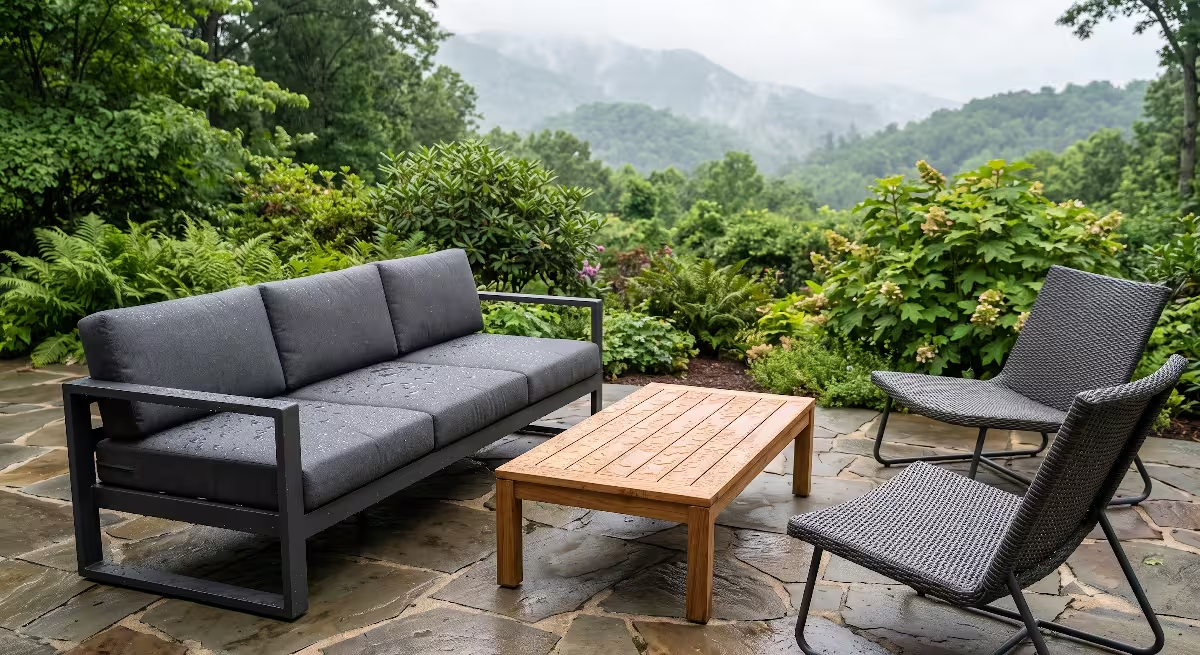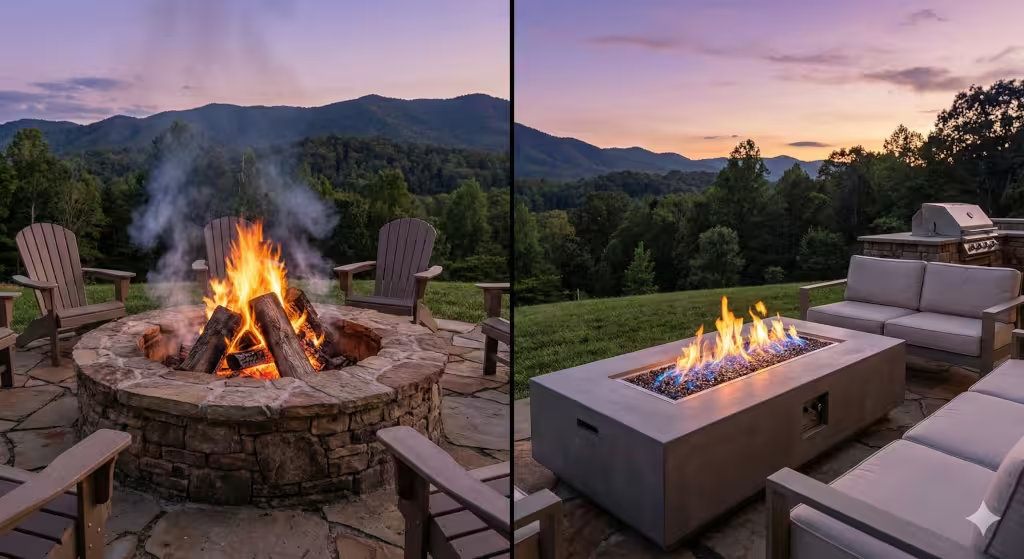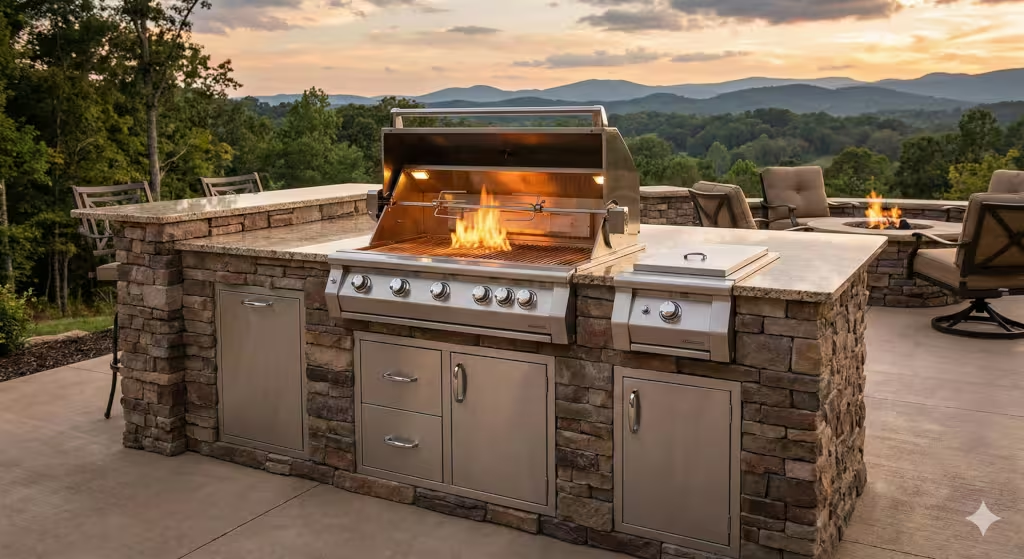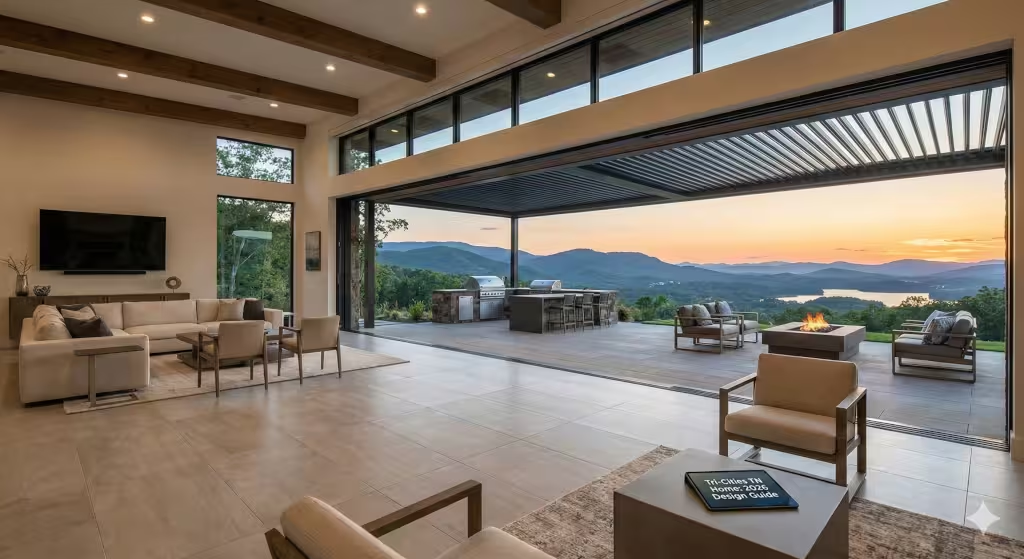


There is nothing quite like an October evening in the mountains of East Tennessee. When the sun dips behind the ridge, the temperature drops fast. A mild fifty-degree afternoon turns into a brisk forty-degree night before you can even finish dinner. If you live anywhere near Johnson City, Kingsport, or Bristol, you know that crisp mountain air arrives early and stays late.
The heart of fall outdoor living is a roaring flame, but an outdoor fire is only as enjoyable as the place where you sit. When you plan your backyard around the ridge, regular patio furniture from a big box store will not cut it. You need a dedicated plan for fire pit seating that can stand up to steep slopes, mountain breezes, and cold damp ground.
A comfortable outdoor space does not happen by accident. It takes proper grading, good thermal materials, safe distances, and smart furniture layouts. Let us walk through the best mountain fire pit seating ideas for chilly fall evenings so you can enjoy your backyard long after the first frost hits the ridges.
The Physics of Fall Comfort on High Ground
To build outdoor spaces that work well, you first have to understand how mountain weather behaves. Sitting outside on high ground presents unique challenges that homeowners in flat river valleys never face. Designing comfortable fire pit seating starts by working with nature rather than fighting against it.
The Reality of Mountain Autumns
Fall in the mountains is beautiful, but it brings dramatic temperature swings. You can be sitting on your deck in a short-sleeve shirt at four o’clock, but by six o’clock you need a heavy flannel. As the ground cools, the air layer right above the soil drops in temperature rapidly.
When you plan your
Why Flatland Layouts Fail on Slopes
Many homeowners find a design photo online and try to build it on a hillside. Most of those photos were taken on flat suburban lots in the lowlands. When you place a standard circle of chairs on a sloping mountain yard, several problems appear right away.
First, wind behaves differently on a hillside. Cold air is heavy, so it flows down mountain hollows and ridges just like water. Builders call this katabatic wind drainage. If your fire pit seating sits right in the path of that downward draft, smoke will blow directly into your face all night.
Second, furniture on uneven ground is unstable and unsafe around an open flame. If a chair leg slips into soft soil or teeters on a downhill grade, someone could trip toward the fire. Mountain fire pit seating requires a level pad, solid footings, and structural retention so everyone can relax safely.
The Goal: Heat, Wind Deflection, and Grading
When we design a mountain outdoor living area, we focus on three main goals:
- Capturing and holding radiant heat from the flame.
- Deflecting cold winds and controlling the draft.
- Leveling the ground with permanent, safe retaining structures.
When your fire pit seating achieves all three goals, your patio becomes a true outdoor room. You can sit comfortably outside on a thirty-five-degree November evening without shivering or dodging wild sparks.
Fire Pit Layout Engineering: Spacing, Circulation, and Radiant Radii
Before you choose stone, wood, or fabric, you must get your layout dimensions right on paper. A good fire pit seating area must balance warmth, human movement, and fire safety.
The 3-to-5-Foot Comfort Zone
Radiant heat travels in straight lines from the fire to your body. In the mountains, you need to sit close enough to feel the warmth, but far enough away to avoid singeing your jacket or getting hit by popping embers.
The golden rule for wood-burning fire pit seating is to keep the front edge of your seats between three and four feet from the edge of the pit.
- Under three feet: The heat is too intense for comfort, and sparks can melt synthetic jackets.
- Three to four feet: This is the sweet spot for chilly mountain nights. You feel direct warmth on your shins and chest while sitting safely.
- Over five feet: On a brisk mountain evening, radiant heat drops off quickly. Unless you have a giant bonfire, fire pit seating placed six feet away will leave your guests feeling cold.
If you are using a clean-burning propane or natural gas burner, you can bring your fire pit seating slightly closer, around thirty to thirty-six inches, because there are no flying embers or unpredictable smoke plumes.
Circular vs. Horseshoe vs. Linear Configurations
The shape of your fire pit seating changes how heat moves and how people talk to one another.
The Full Circular Layout:
A full circle of fire pit seating looks natural and traditional. It works well if your fire feature sits on a wide, flat knoll with views in every direction. However, a full circle means someone will always sit downwind from the smoke. In the mountains, where evening breezes often shift as the hollows cool, a full circular fire pit seating arrangement can force people to play musical chairs all evening.
The Horseshoe or U-Shape Layout:
For a mountain home, a horseshoe shape is often the best layout. You leave one side open toward your best view, such as a mountain valley or autumn tree line. The back of the U-shape sits against the prevailing wind or against a retaining wall. This arrangement creates a pocket of trapped warm air and keeps smoke moving toward the open side, away from your fire pit seating.
The Linear L-Shape Layout:
If your backyard connects directly to an outdoor kitchen or a modern mountain home, an L-shaped fire pit seating arrangement works wonderfully. It fits neatly against corner patio walls and works especially well with rectangular gas fire tables. It creates a sleek, cozy nook that blocks wind from two sides.
Circulation Clearances
Never crowd the walkways around an open flame. When people get up to grab a drink or roast a marshmallow, they should never have to squeeze past hot stone or trip over feet.
Plan for at least thirty to thirty-six inches of clear walking space behind your fire pit seating. If you build permanent stone benches, make sure there is a wide entry path into the seating area. Guests should be able to move freely without stepping close to the fire bowl. Good fire pit seating design always respects human traffic patterns.
Masonry and Hardscape Seating: Storing Thermal Mass
When the temperature drops, stone is your best friend if you build it correctly. Heavy masonry acts as a thermal battery. It absorbs heat from the fire, stores it deep within the stone, and radiates it back into your fire pit seating area long after the flames die down.
+-------------------------------------------------------------------------+
|                  WIND DIRECTION (Downhill Mountain Draft)               |
|                                     │                                   |
|                                     ▼                                   |
|   ┌─────────────────────────────────────────────────────────────────┐   |
|   │         CURVED STONE RETAINING WALL / SEAT WALL                 │   |
|   │         (Acts as Wind Deflector and Thermal Heat Sink)          │   |
|   └────────────────────────────────┬────────────────────────────────┘   |
|                                    │                                    |
|                       Direct Heat  │  Radiant Reflection                |
|                                    ▼                                    |
|                     ┌─────────────────────────────┐                     |
|                     │      FIRE PIT SEATING       │                     |
|                     │   (Cushions & Heavy Chairs) │                     |
|                     └──────────────┬──────────────┘                     |
|                                    │                                    |
|                      3 to 4 Feet   │   Comfort Zone                     |
|                                    ▼                                    |
|                             ( FIRE PIT )                                |
|                                                                         |
|                                    │                                    |
|                     ◄──────────────┴──────────────►                     |
|                     OPEN VIEW TOWARD MOUNTAIN VALLEY                    |
|                        (Smoke Exhaust & Sightlines)                     |
+-------------------------------------------------------------------------+
Integrated Curved Stone Seat Walls
A curved stone seat wall is one of the most durable and attractive ways to add permanent fire pit seating to a mountain landscape. In our region, using local materials like
When building a stone wall for fire pit seating, dimensions matter:
- Height: Build the top of the wall eighteen to twenty inches above the finished patio surface. This matches the standard height of a comfortable dining chair.
- Cap Depth: Make the cap stones at least fourteen to sixteen inches wide. A narrow wall feels like a perch, but a deep cap allows people to sit back comfortably, cross their legs, and relax.
- Mortar and Caps: Use smooth, thermal-treated flagstone caps on top of the rough fieldstone. Rough stone tears up outdoor clothes and makes for uncomfortable fire pit seating. Smooth stone caps are easy to clean and gentle on fabric.
As the fire burns, the stone absorbs the heat. On a brisk evening, sitting against warm natural stone feels incredible.
The Sunken Fire Pit Terrace (Earth-Sheltered Pit)
If you have a sloping lot, one of the best techniques is to dig into the hillside and build a sunken terrace. By stepping the patio down two or three feet below the surrounding grade, the earth itself becomes an insulating blanket for your fire pit seating.
The excavated hillside acts as a natural windbreak. You can cap the lower retaining walls to turn the entire perimeter into built-in fire pit seating. When you sit down in an earth-sheltered terrace, the cold wind blowing across the ridge passes right over your head. You stay warm down in the sheltered pocket of air.
A critical note from a builder: Whenever you dig into a mountain slope, you must plan for water drainage. Mountain soil can hold heavy moisture, and water runs downhill. Underneath your sunken fire pit seating pad, you must install a four-inch perforated drain pipe surrounded by clean washed stone and wrapped in filter fabric. If you forget drainage, your cozy sunken fire pit seating area will turn into a pond during heavy Appalachian rains, and winter frost will crack your stone walls.
Tiered Boulders and Cut-Stone Steps
If your mountain home leans more toward a rugged, natural style, consider using large native boulders for your fire pit seating. When site excavators clear land for your house footings, they often dig up massive, flat-topped limestone or sandstone rocks.
Instead of hauling those rocks away, have your heavy equipment operator arrange them in a semi-circle around your fire area. Large boulders offer distinct benefits for fire pit seating:
- They never rot, rust, or blow over in high ridge winds.
- They hold heat from the sun during the day and from the fire at night.
- They blend seamlessly into the mountain landscape.
Add thick wool blankets or custom outdoor pads to the tops of the boulders, and you have instantly created rustic, durable fire pit seating that looks like it grew right out of the mountain.
Movable Seating Configurations for Shifting Winds
While built-in stone benches are great for permanence, movable furniture gives you flexibility. Mountain winds can shift without warning when an autumn cold front pushes through the valley. Having movable fire pit seating allows you to shift your position to stay warm and out of the smoke.
Deep-Pitch Heavy Adirondack Chairs
The classic Adirondack chair remains the king of movable fire pit seating for good reason. Its slanted seat lowers your hips and puts your core closer to the radiant heat of the fire. The high, sturdy backrest protects your spine and neck from chilly drafts.
However, lightweight chairs are a bad choice for mountain living. Strong mountain gusts will send cheap plastic chairs tumbling into your fire pit or down the hill. For safe fire pit seating, choose heavy materials:
- High-Density Polyethylene (HDPE): Often called poly lumber, these chairs weigh forty to fifty pounds each. They stay put in high winds, resist moisture, and will not rot or splinter.
- Heavy Hardwoods: Dense woods like white oak or teak offer the weight needed for steady fire pit seating on an open deck.
Make sure the front lip of the chair does not tip forward. When sitting down on sloped patios, heavy and stable fire pit seating gives you peace of mind.
Deep-Seating Modular Sectionals with High Backrests
For families who love to stretch out, a weather-resistant outdoor sectional makes fantastic fire pit seating. Look for models designed specifically for cooler climates.
Many modern outdoor sofas have low, flat backs that do nothing to stop a cold breeze. For mountain fall evenings, choose fire pit seating with a tall backrest. The high cushions act as a windbreak for your shoulders and trap body heat within the seating group.
Modular sectionals also let you adapt your fire pit seating as your guest list changes. You can pull the sections together into a snug horseshoe for a small family gathering, or spread them out into separate loveseats when entertaining a larger crowd.
Heavy Timber Frame Benches
Nothing looks more at home in the Appalachian mountains than heavy timber. If you appreciate traditional carpentry, solid timber benches make rugged, handsome fire pit seating.
You can build these benches using rough-sawn six-by-six cedar posts or heavy white pine timbers treated for outdoor use. Because of their weight, timber benches will not budge during stormy weather. Their thick wood surfaces do not pull heat out of your body the way cold metal does, making timber an inviting choice for autumn fire pit seating.
Built-In Swivel Gliders
If your fire pit overlooks a gorgeous mountain view, you face a common dilemma: do you look at the warm fire, or do you look at the sunset across the ridge?
High-quality outdoor swivel gliders solve this problem neatly. By adding heavy-base swivel chairs to your fire pit seating mix, you allow people to turn around easily. Your guests can watch the colors fade over the mountains, and then smoothly pivot back to face the hearth as the autumn chill settles in. Swivel gliders add flexibility and luxury to any mountain fire pit seating plan.
Siting Your Seating: Slope, Wind, and Topography
You can build the most beautiful fire pit seating in the world, but if you place it in the wrong spot on your property, you will never use it. Site planning is where engineering and construction experience make the biggest difference.
+-------------------------------------------------------------------------+
|                  CROSS-SECTION: TERRACED HILLSIDE SITING                |
|                                                                         |
|   UPHILL GRADE                                                          |
|   ─────────┐                                                            |
|            │ DRAINAGE SWALE                                             |
|            ▼ (Directs runoff away)                                      |
|          ┌────┐                                                         |
|          │    │ UPPER RETAINING WALL                                    |
|          │    ├─────────────────────────────────────────────┐           |
|          │    │ FIRE PIT SEATING PATIO (Level Cut Pad)      │           |
|          │    │                                             │           |
|          │    │   [Chairs]       ( Fire )       [Chairs]    │           |
|          └────┴─────────────────────────────────────────────┤           |
|                                         LOWER RETAINING WALL│           |
|                                         (Engineered Fill)   │           |
|                                                             ├───┐       |
|                                                                 │ DOWNHILL
|                                                                 │ SLOPE
+-------------------------------------------------------------------------+
Calculating Ridge Winds vs. Valley Drafts
Every mountain lot has its own microclimate. Before you break ground or order fire pit seating, spend a few fall evenings standing on your property right where you think you want the fire pit.
Pay attention to which way the smoke from a small test fire drifts:
- Ridge Tops: Subject to steady prevailing winds, usually coming out of the west or northwest during autumn cold snaps. Your fire pit seating will need solid physical protection on the windward side.
- Side Slopes and Hollows: Subject to thermal air drainage. As the sun sets, cool air slides downhill toward the valley floor. Your fire pit seating should be oriented so this downward breeze pulls smoke away from where people sit.
Placing your fire pit seating on the sheltered side of your house, a garage, or an evergreen tree line can make a ten-degree difference in how warm the space feels.
Cut-and-Fill Terracing on Sloped Lots
Building a flat patio on an East Tennessee hillside requires a cut-and-fill operation. You cut into the uphill slope and use that dirt (or imported crushed stone) to fill out the downhill side, creating a flat bench.
When designing fire pit seating on a terraced pad:
- Never place seating on uncompacted fill dirt. Loose soil settles over time, causing pavers to sink and stone seat walls to lean or crack. Compact your subgrade in four-inch lifts using a mechanical tamper.
- Anchor your uphill wall. Use a solid gravity wall or geogrid tiebacks so the hill does not push into your fire pit seating area.
- Build safety railings on the downhill side. If your terraced fire pit seating sits more than thirty inches above the lower ground level, local building codes require a guardrail. A sturdy cable railing protects guests without blocking the mountain views from their chairs.
Fire Code and Ember Safety Setbacks
Safety must come first whenever you build an open fire near your home. The National Fire Protection Association (NFPA) sets clear standards that protect your family and your property.
- Wood-Burning Fire Pits: Standard residential guidelines require at least twenty-five feet of clearance between an open wood fire and any combustible structure. This includes your house walls, wooden deck railings, overhangs, and wooden sheds. Keep this clearance in mind when arranging fire pit seating. Never squeeze a wood pit onto a small wooden porch.
- Tree Canopies: In the mountains, look up before you build. Dry autumn leaves on overhanging oak, hemlock, or pine branches can catch fire from rising heat. Trim branches back at least fifteen to twenty feet above the pit.
- Gas-Burning Pits: Certified propane or natural gas features operate with much less risk of stray sparks. Most local codes allow gas fire pit seating areas within ten to fifteen feet of a structure, making them ideal for smaller decks or covered pavilions.
Layering Warmth: Textiles, Surfaces, and Auxiliary Heat
Even with great stone walls and heavy chairs, chilly mountain air will eventually find you. To truly extend your outdoor season into late fall, you need to layer warmth into your fire pit seating using textiles, ground insulation, and supplemental heat.
High-Performance Outdoor Textiles
A bare chair seat feels freezing on a cold night. Adding the right cushions and fabrics turns cold outdoor furniture into inviting fire pit seating.
Choose materials that resist moisture and stay soft:
- Solution-Dyed Acrylic: Fabrics like Sunbrella resist fading, mildew, and moisture. They dry quickly if an autumn shower rolls through the mountains.
- Reticulated Foam Cushions: Use cushions filled with open-cell foam. Water runs right through them instead of soaking in like a sponge. Sitting on a damp cushion is the fastest way to catch a chill.
- Heavy Natural Throws: Keep a deck box near your fire pit seating filled with heavy Pendleton wool blankets, fleece throws, or sheepskin seat pads. Wool is a fantastic mountain textile because it insulates even if the air becomes misty or humid.
Encourage guests to grab a blanket to drape over their laps while sitting in your fire pit seating. It traps the radiant heat from the fire right against their legs.
Under-Foot Thermal Isolation
People often forget about their feet. You can have a warm jacket and a roaring fire, but if your boots are resting on cold, damp stone or bare dirt, the ground will siphon heat right out of your body.
To make your fire pit seating as warm as possible, pay attention to the ground surface:
- Timber Decking: Wood has natural insulating properties. A wood or composite deck pad under your fire pit seating feels significantly warmer on your feet than bare concrete or wet flagstone.
- Outdoor Area Rugs: If your seating sits on concrete pavers or stone, lay down a heavy-duty, all-weather polypropylene rug under the chairs. Just ensure the rug sits safely outside the spark zone. A rug acts as a thermal barrier between the cold stone and your boots, keeping your entire fire pit seating group much warmer.
- Crushed Stone Base: A thick base of crushed clean gravel allows rainwater to drain through immediately, keeping the surface under your fire pit seating dry and free of cold standing puddles.
Integrating Overhead Radiant Infratech Heaters
If you build your fire pit seating under an open timber pavilion or pergola, you can combine the romance of a wood fire with modern heating technology.
Directional electric radiant heaters (such as Infratech or Solaira units) mounted to pergola beams shine heat downward. While the fire warms your front, overhead heaters warm your back and shoulders. This dual-source approach makes your fire pit seating cozy even when mountain temperatures drop below freezing. It is the ultimate upgrade for mountain homeowners who want to enjoy the outdoors all winter long.
Material Comparison for Mountain Seating
Choosing the right materials ensures your outdoor room survives heavy mountain winters and stays comfortable. Here is how common materials compare for mountain fire pit seating:
| Material Type | Heat Retention | Wind Resistance | Maintenance Needs | Best Fire Pit Seating Use |
| Natural Fieldstone | Excellent (Stores and radiates heat) | Maximum (Permanent structure) | Low (Occasional joint inspection) | Curved seat walls, sunken retaining benches, rustic steps |
| Crab Orchard Stone | High (Smooth, dense surface) | Maximum (Permanent structure) | Low (Power wash occasionally) | Wall caps, level patio surfaces, formal built-in benches |
| Poly Lumber (HDPE) | Low (Requires cushions for cold nights) | High (Heavy, 40 to 50 lbs per chair) | Very Low (Soap and water cleaning) | Heavy Adirondack chairs, perimeter movable seats |
| Heavy Timber (Cedar/Pine) | Moderate (Does not pull heat from body) | High (Very stable and heavy) | Moderate (Stain or seal every 2 years) | Rustic benches, pavilion-framed fire pit seating |
| Cast Aluminum | Very Poor (Feels freezing to the touch) | Moderate (Can blow in severe ridge gusts) | Low (Powder-coat finish) | Dining chairs, movable side seating (must use thick pads) |
Frequently Asked Questions About Mountain Fire Pit Seating
Homeowners often ask practical questions when planning their outdoor living projects. Here are straight answers based on job-site experience.
How far should chairs be from an outdoor fire pit?
For an open, wood-burning fire pit, place your fire pit seating between three and four feet from the outer edge of the fire ring. This distance gives you plenty of direct radiant heat without scorching your clothes or putting you at risk from popping sparks.
If you have a gas fire pit table with steady flames and no sparks, you can move your fire pit seating closer, roughly two and a half to three feet away. Always make sure you leave at least thirty inches of clear walkway behind the chairs so people can move around the patio safely.
What is the warmest seating material for a cold-weather fire pit?
The warmest permanent material is natural stone with a smooth cap, such as Crab Orchard flagstone. When positioned close to the flames, stone acts as a thermal battery, soaking up warmth and slowly radiating it back to anyone sitting against it.
For movable chairs, heavy wood or thick poly lumber topped with dense fabric cushions and wool pads provides the warmest fire pit seating. Avoid bare metal chairs like iron or aluminum, because cold metal quickly draws warmth away from your body.
How do you protect a fire pit seating area from mountain winds?
To stop cold drafts, take advantage of your property grade and landscape features:
- Build an earth-sheltered sunken patio cut into the hillside, using the slope as a windbreak.
- Construct an eighteen to twenty-four-inch stone seat wall around the uphill or windward side of your fire pit seating.
- Plant dense native evergreen shrubs, such as mountain laurel or rhododendron, ten to fifteen feet back from the patio to slow down ridge breezes.
- Use outdoor chairs and sectionals with tall, solid backs that act as personal wind shields for your neck and shoulders.
What is the best base material under fire pit seating on a slope?
The most stable base on a hillside is a properly compacted subgrade topped with four to six inches of crushed angular limestone (often called crusher run or number fifty-seven stone), followed by dry-laid flagstone or concrete pavers.
Never place fire pit seating directly on loose hillside soil or uncompacted fill dirt. On a mountain slope, you must also include a sub-surface perforated drain pipe behind your retaining walls to carry rainwater away from your fire pit seating pad.
Crafting a Three-Season Hearth for Mountain Living
Building an outdoor living space in the mountains takes more thought than simply buying a fire bowl and dropping a few folding chairs around it. You have to respect the land, understand how cold air moves down the ridges, and build with materials that last through freezing winters and humid summers.
When you invest time into proper layout planning, you turn a simple fire pit into the favorite room of your home. A curved stone wall that blocks the northwest breeze, heavy Adirondack chairs that hold their ground during mountain storms, and warm wool blankets waiting in a deck box all work together.
Good fire pit seating invites people to slow down, share stories, and watch the stars appear over the mountain ridges. With the right design, your outdoor season does not have to end when the leaves drop. By building smart, durable fire pit seating, you and your family can stay warm, comfortable, and connected by the fire right through the heart of winter.