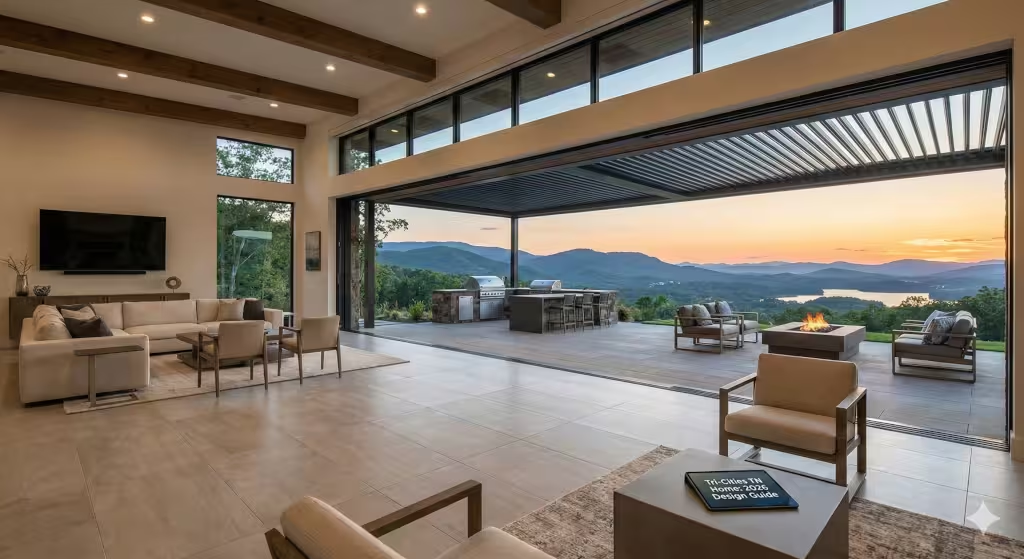

Outdoor Furniture and the East Tennessee Climate
In the Southern Appalachian valleys of Eastern Tennessee, we experience a climate that tests materials every single day. Our summers bring intense heat paired with relative humidity that frequently climbs above eighty percent. At the same time, orographic weather patterns push sudden, torrential downpours across our mountain ridges. When you step out onto a patio or
Many homeowners invest significant money into furnishing their open air living spaces, only to find black mildew spreading across cushions within two months. They watch metal joints bleed streaks of orange rust across clean stone pavers, or they discover that solid wood boards have split down the grain. These failures happen because standard consumer products are designed for dry, mild climates. When moisture-heavy air surrounds a deck, water enters every porous surface through microscopic capillary pathways.
In this comprehensive guide, we will examine the structural, metallurgical, and biological realities of selecting outdoor furniture that can endure persistent dampness and heavy rainfall. By applying principles of biophilic engineering, material physics, and thoughtful spatial placement, you can select outdoor furniture that lasts for decades while creating a calm and inviting connection to the natural landscape.
Environmental Physics: Moisture Vectors, Relative Humidity, and Microbial Pressure
To choose the best outdoor furniture for wet regions, we must first look at the physics of damp air. Relative humidity measures how much water vapor is in the air compared to the maximum amount the air can hold at that specific temperature. In warm climates, air expands and holds a massive quantity of water vapor. This creates a state known as hygroscopic equilibrium. Every porous material outdoors, whether it is cut lumber, woven fabric, or painted steel, wants to balance its internal moisture level with the surrounding air. When the air stays humid for weeks at a time, your outdoor furniture absorbs this atmospheric water continuously, even when it is not actually raining.
When a sudden storm hits, liquid water adds hydrostatic pressure to the equation. Rain droplets strike horizontal surfaces and drive water into fastener holes, tiny cracks, and fabric seams. If the outdoor furniture cannot shed this water quickly, liquid pools in low points and begins to dissolve glues, weaken binders, and attack surface coatings. In the mountain valleys of the Tri-Cities, morning fog often rolls in right after an afternoon storm. This traps water on surfaces without giving them enough direct sunlight to dry out completely.
This sustained dampness triggers biological activity. Mold and mildew are fungi that reproduce through microscopic airborne spores. Species such as Aspergillus and Cladosporium exist in outdoor air at all times. To grow and form colonies, these spores require three conditions: warmth, moisture, and an organic food source. Standard outdoor furniture often provides the exact food these spores want. Dirt, pollen, natural cellulose fibers, and cheap fabric additives provide an abundant buffet.
Once mold establishes a home inside your outdoor furniture, its microscopic fungal roots, called hyphae, grow into the fibers and materials. These fungal roots physically tear materials apart from the inside out while producing unpleasant odors and dark stains. Choosing outdoor furniture made from non-porous and inorganic materials removes the food source and stops fungal colonization before it can start.
Frame Metallurgy: Aluminum vs. Steel vs. Cast Iron Under Relentless Rain
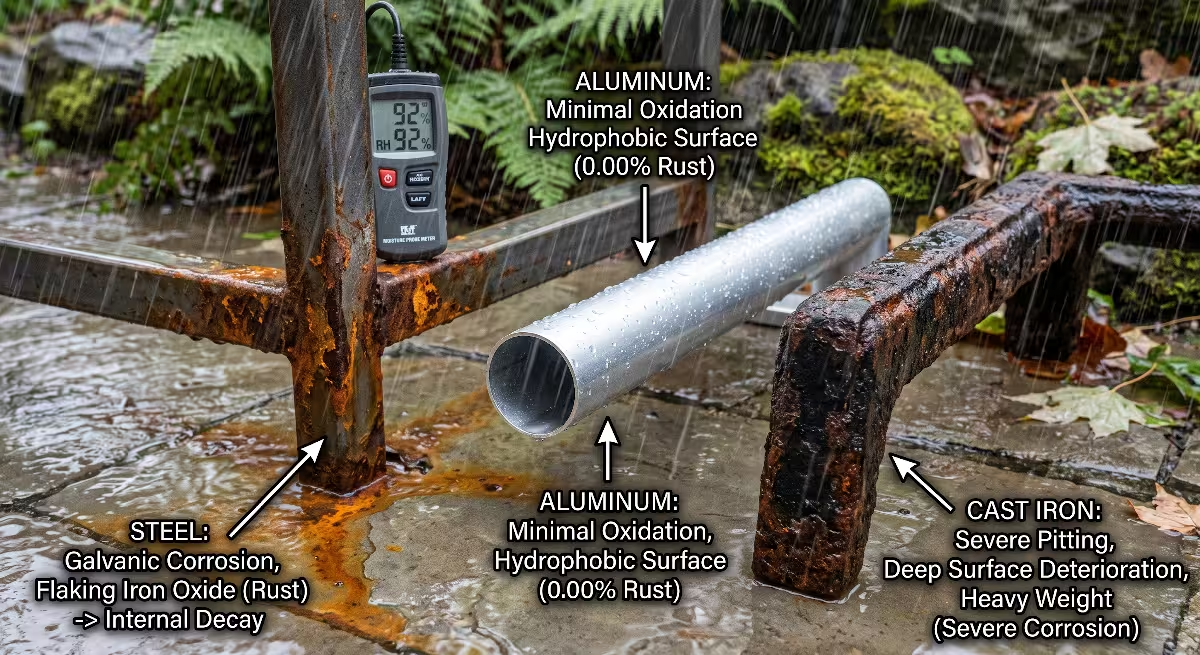
The structural skeleton of your outdoor furniture determines how long it will stand up against the elements. Metal is a natural choice for patio frames because of its high structural strength, but different metals behave completely differently when exposed to water and oxygen. The primary distinction you must understand is between ferrous metals, which contain iron, and non-ferrous metals, which do not.
Ferrous metals include standard carbon steel and traditional cast iron. When iron encounters water and oxygen, a chemical reaction called oxidation occurs. This reaction transforms the solid metal into hydrated iron oxide, which we know as rust. Rust expands as it forms, creating flakes that lift away from the frame. This exposes fresh raw metal underneath to more moisture. Even if a steel frame has a protective paint coating, water will inevitably find a way inside. Water enters through screw holes, welds, or tiny scratches. It travels along the inside of hollow steel tubes, rusting the frame from the inside where you cannot see it. Eventually, orange rust water drips out of the frame legs and leaves permanent stains on your
Non-ferrous metals, especially aluminum, offer a far superior engineering solution for outdoor furniture in wet areas. Aluminum contains zero iron, which means it chemically cannot form rust. When bare aluminum is exposed to air, it reacts instantly with oxygen to form a microscopic, invisible layer of aluminum oxide across its surface. This oxide layer is hard, stable, and completely waterproof. It acts as a self-healing skin that stops further corrosion.
For the highest level of performance, look for outdoor furniture built with heavy-gauge extruded or cast aluminum protected by an architectural powder coat finish. Powder coating does not use wet paint applied with a brush or sprayer. Instead, dry polymer powder is electrostatically sprayed onto the metal frame. The frame is then baked in an industrial oven at high temperatures, melting the powder into a continuous, seamless protective shell. High-grade powder-coated aluminum outdoor furniture can sit in torrential downpours for twenty years without flaking or peeling. Furthermore, quality aluminum outdoor furniture is designed with internal weep holes. These small drainage openings allow condensation that builds up inside hollow tubes to escape freely, preventing standing water from weakening internal joints.
Botanical Hardwood Physiology: Natural Oils, Density, and Lignin Preservation
Many people love the organic warmth and texture of natural wood outdoor furniture. As a botanist, I appreciate how timber connects our built living spaces with surrounding forests. However, wood is plant tissue composed of cellulose fibers held together by a natural glue called lignin. In living trees, wood cells are designed specifically to transport water. When a tree is cut into lumber, those dry vascular pathways remain. If you place ordinary wood outdoor furniture outside in heavy rain, those cell walls soak up water like thousands of tiny sponges. As the cells swell with water and then shrink in the sun, the wood warps, twists, checks, and eventually splits open.
To use wood outdoor furniture successfully in wet and humid climates, you must choose dense hardwoods with unique cellular biology. The undisputed king of wet-weather timber is Grade-A teak, scientifically known as Tectona grandis. Teak trees native to Southeast Asia grow slowly, producing exceptionally tight growth rings and high wood density. More importantly, teak wood is saturated with natural organic compounds called tectoquinones, along with high concentrations of natural oils and silica.
These natural oils are hydrophobic, meaning they naturally repel liquid water. Even after the tree is harvested and crafted into outdoor furniture, these protective oils remain locked within the dense wood fibers. Water that hits Grade-A teak beads up on the surface rather than soaking into the interior cells. This internal oil content also acts as a natural fungicide, making the wood naturally toxic to mold, rot, and wood-boring insects without needing any synthetic chemical treatments.
Over time, sunlight and rain will wash away the natural oils sitting on the very top surface of the timber. As this happens, teak outdoor furniture naturally shifts from a warm golden honey color to an elegant silvery-grey patina. It is important to know that this silver patina is purely a cosmetic change on the outermost microscopic layer of the wood. The structural integrity of the timber remains completely sound.
Other dense tropical hardwoods, such as Ipe and Shorea, share similar biological properties. If you prefer domestic North American woods for your outdoor furniture, thermally modified white ash is a great option. Thermal modification bakes the wood in an oxygen-free chamber, which permanently cooks out the natural sugars that mold feeds on while altering the cell structure so it can no longer absorb moisture.
Polymeric Synthesis: High-Density Polyethylene (HDPE) vs. Standard Plastics
Synthetic lumber represents a major technological leap forward for exterior design in damp climates. However, not all plastic outdoor furniture delivers the same level of performance. Cheap patio chairs sold at big-box hardware stores are typically molded from thin polypropylene or basic polystyrene. These low-grade plastics lack structural rigidity. Under the hot summer sun, their chemical bonds break down from ultraviolet radiation, causing the material to become brittle, fade, and crack when someone sits down.
From a moisture standpoint, HDPE outdoor furniture is virtually indestructible. The material has an official water absorption rate of less than 0.01 percent. This means that even if an HDPE Adirondack chair is submerged completely under water during a severe flood, water cannot penetrate the surface of the boards. Because moisture cannot get inside, freezing winter temperatures cannot cause frost cracking, and fungal spores cannot find an organic foothold.
Quality HDPE outdoor furniture is compounded with specialized ultraviolet stabilizers, known as hindered amine light stabilizers, as well as color pigments that run completely through the entire thickness of the board. If the surface gets scratched by a pet or a garden tool, the color remains uniform, and there is no protective layer that can peel off. Modern HDPE outdoor furniture is often manufactured with embossed, matte wood-grain textures. This gives you the tactile, biophilic look of natural timber while providing total immunity to rotting, splintering, and warping in rainy climates.
Weave and Fiber Integrity: All-Weather Synthetic Resin vs. Natural Rattan
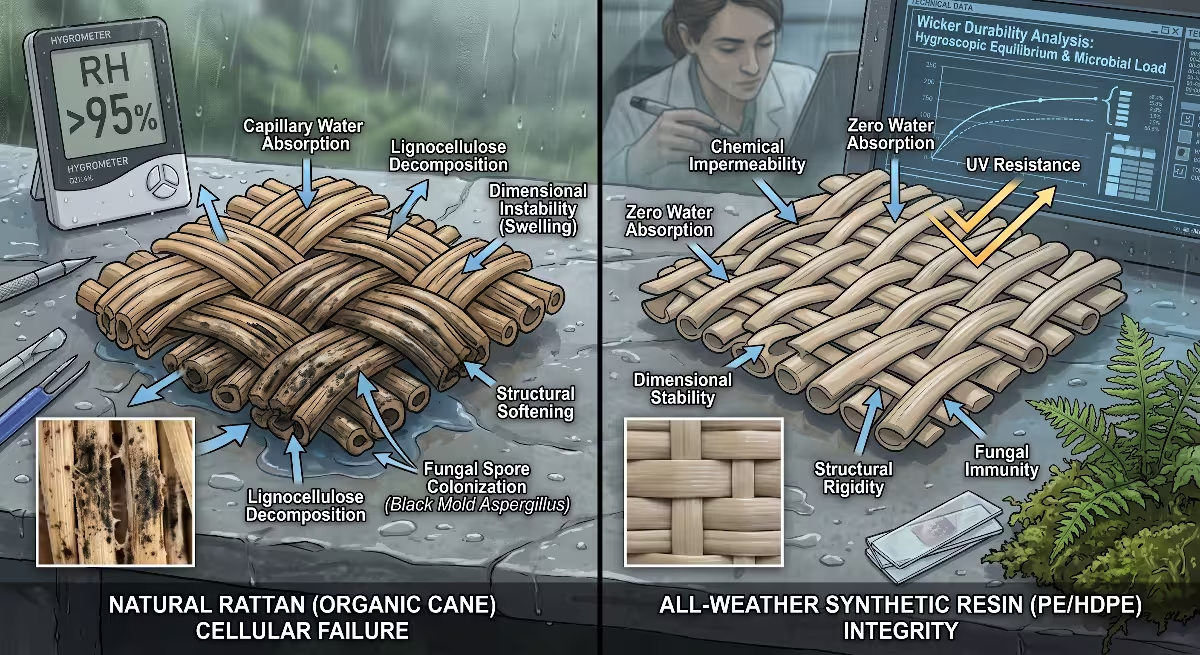
Woven textures bring a wonderful sense of lightness, craft, and organic depth to exterior spaces. The open weave lets light pass through and creates intricate shadow patterns that soften modern architecture. However, traditional woven outdoor furniture made from natural plant materials like split reed, peeled rattan, wicker, and untreated bamboo is completely unsuited for humid and rainy environments.
Natural plant vines have an open vascular structure designed by nature to absorb moisture. When placed outdoors in humid air, natural rattan softens quickly. It loses its tensile strength, sags under human weight, and delaminates. Furthermore, the thousands of tight crevices created by weaving natural fibers form the ultimate breeding ground for black mold. Within a single season of heavy summer rain, natural wicker outdoor furniture often becomes covered in stubborn fungal mildew that permanently ruins the material.
To enjoy woven aesthetics in wet climates, you must look for all-weather synthetic resin wicker outdoor furniture. High-performance resin wicker is made from extruded strands of virgin polyethylene (PE) resin. Unlike cheap polyvinyl chloride (PVC) plastics that crack and release toxic compounds over time, virgin polyethylene remains flexible across a wide range of temperatures while remaining completely impervious to water.
High-end all-weather outdoor furniture features these synthetic resin strands hand-woven around a welded, powder-coated aluminum frame. This combination delivers exceptional longevity. Water from heavy downpours simply runs off the non-porous resin fibers and drains straight through the open weave pattern. Because the weave allows wind to flow freely through the chair back and seat base, the entire piece of outdoor furniture dries out much faster than solid surfaces after a storm passes. When shopping, always verify that the internal frame of resin wicker is solid aluminum. Some budget manufacturers wrap high-quality plastic wicker around cheap steel frames, which will rust from the inside and ruin your patio.
Textile and Cushion Architecture: Reticulated Foams and Hydrophobic Yarns
The cushions and upholstery are almost always the first component to fail on outdoor furniture kept in rainy and humid locations. Homeowners often bring their cushions indoors every time it rains, turning outdoor relaxation into a stressful chore. If cushions are left outside unprotected, standard foam cores act like gigantic sponges, holding gallons of water that take days or weeks to evaporate.
The primary cause of cushion failure is standard closed-cell or low-density polyurethane foam. This conventional foam is filled with microscopic pockets that trap water through surface tension. When water enters the cushion through the seams, it stays trapped deep in the core. The dark, damp, and warm interior of the cushion becomes a perfect incubator for mold and bacteria, resulting in bad smells and dark stains that seep out onto the fabric.
To solve this problem, high-performance outdoor furniture utilizes reticulated open-cell foam, often sold under commercial names like dry-fast foam. Reticulated foam is manufactured through an extra chemical process that combusts and removes all internal cell walls, leaving behind an open, web-like skeletal structure. If you pour a bucket of water over a block of reticulated foam, the water does not absorb. Instead, gravity pulls the water instantly through the large open pores, draining it out of the bottom within seconds. Because air flows through the foam just as easily as water, natural breeze evaporates any remaining surface moisture rapidly, stopping mold colonies before they can establish themselves.
The fabric cover encasing your outdoor furniture cushions is equally critical. You should always avoid polyester or cotton-blend fabrics that rely on thin surface spray coatings for water resistance. These spray-on water repellents wear off quickly when exposed to friction, rain, and sunlight. Once that coating is gone, the underlying fibers soak up water and hold onto organic debris.
The gold standard textile for outdoor furniture is solution-dyed acrylic, manufactured by premium brands like Sunbrella and Outdura. In standard fabric manufacturing, yarns are woven first and then dipped into vats of dye, leaving the color only on the outside of the fiber like a radish. In solution-dyed acrylic, the liquid polymer is mixed with UV-stable pigments before the synthetic fibers are ever extruded, making the color run solid through the entire thread like a carrot.
Acrylic fibers are naturally hydrophobic and completely inorganic, meaning mold and mildew spores cannot use them as food. High-quality outdoor furniture cushion covers also incorporate specific engineering details:
- Bottom panels made from durable mesh fabric that lets water drain out freely.
- Marine-grade stitching made from expanded polytetrafluoroethylene thread, which will not rot or degrade in sunlight.
- Corrosion-proof nylon zippers hidden underneath protective fabric flaps to keep water from driving directly into the seams.
Fasteners, Joinery, and Galvanic Isolation
While shoppers spend most of their time looking at large surfaces like tabletops and seating frames, the smallest components often determine whether outdoor furniture survives or breaks down. The hardware and joints holding everything together are subjected to continuous mechanical strain while sitting directly in the path of draining water.
When wood outdoor furniture is assembled with low-grade metal screws, water seeps down into the screw channels. The metal hardware corrodes, while the wet wood fibers around the threads soften and rot. This causes the screws to pull out of the wood under normal sitting weight. High-quality wooden outdoor furniture avoids this issue by using traditional mortise-and-tenon joinery secured with solid hardwood dowels. In this construction method, a peg carved on the end of one wood piece fits snugly into a matching hole cut into the receiving piece. Because the wood dowel expands and contracts at the exact same rate as the surrounding frame during humidity changes, the joint stays tight and strong for decades without relying on metal fasteners.
Where metal fasteners are necessary, such as on aluminum or HDPE outdoor furniture, the specific alloy of the hardware is extremely important. Standard carbon steel bolts, or even cheap plated screws, will corrode quickly in wet weather. Premium exterior products should always feature Grade 304 or marine-grade Grade 316 stainless steel hardware. Grade 316 stainless steel contains an added element called molybdenum, which provides exceptional resistance to pitting and crevice corrosion caused by standing rainwater and atmospheric moisture.
Another hidden chemical danger in wet outdoor furniture design is galvanic corrosion. Galvanic corrosion happens when two different metals come into electrical contact with each other in the presence of an electrolyte, like rainwater. For example, if a stainless steel bolt is screwed directly into an aluminum frame without protection, the aluminum acts as an anode and gives up electrons to the steel. This accelerates the destruction of the aluminum around the bolt hole, causing the joint to loosen and fail over time. Well-engineered outdoor furniture prevents galvanic corrosion by using non-conductive nylon, Teflon, or rubber isolation washers. These washers physically separate the two dissimilar metals, blocking the chemical circuit and keeping the frame strong.
Biophilic Spatial Design: Enhancing Natural Airflow and Drainage on Patios
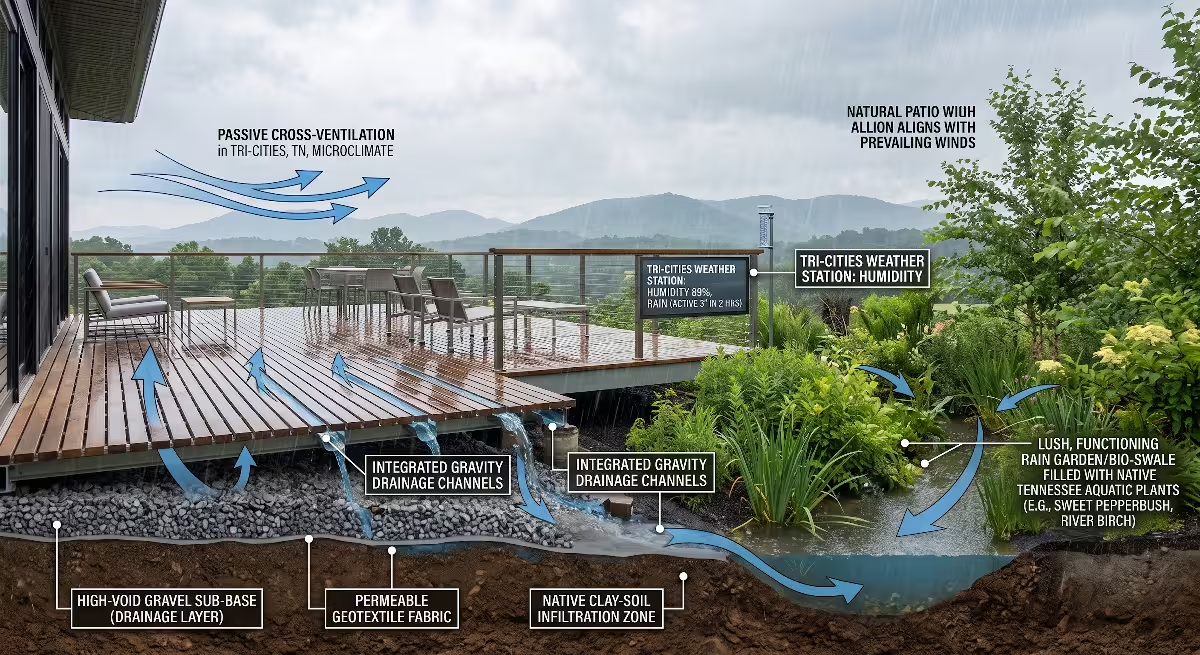
Biophilic design is the practice of connecting our daily living environments with the natural world. It relies on our natural human affinity for living systems, natural light, fresh air, and organic patterns. In my work across Eastern Tennessee, I design outdoor rooms that feel like seamless, restorative extensions of the surrounding landscape. However, great biophilic design is not just about visual aesthetics. It also requires understanding environmental forces so that human comfort and material longevity support each other naturally.
The layout of your patio has a huge influence on how well your outdoor furniture performs in wet conditions. If you place a seating set in a sunken, stagnant corner surrounded by solid walls, rainwater will pool around the legs, and humidity will linger indefinitely. Without air movement, even the highest quality outdoor furniture will eventually develop surface biofilm and grime.
To prevent this, arrange your outdoor furniture to take advantage of natural microclimates and prevailing summer breezes. Position primary seating areas along natural airflow corridors. Wind moving across a patio carries away humid air and dramatically speeds up evaporation after a heavy rain shower. When placing outdoor furniture on an open deck or stone patio, check the slope of the floor. Patios should always be built with a gentle slope that directs water away from your home. Make sure your outdoor furniture is not positioned directly in the path of low spots where water puddles after a storm.
Another critical biophilic detail is managing how furniture meets the ground. Water tends to sit on flat stone or concrete surfaces through surface tension, creating a persistent wet boundary layer. High-quality outdoor furniture should always feature built-in, adjustable foot glides made from durable Delrin plastic or non-marking rubber. These glides lift the actual metal, wood, or polymer frame a fraction of an inch above the patio surface. This tiny air gap breaks the water tension, allows runoff to pass freely beneath the legs, and prevents the bottom of the outdoor furniture from soaking in standing water.
Surrounding your outdoor seating with native, moisture-loving regional plants can also help manage ambient humidity. In our Appalachian region, planting native river birches, wild hydrangeas, and sweet pepperbush near patio edges creates natural shade that reduces surface heat while absorbing excess groundwater. Integrating natural stone, moving water features, and weather-resistant outdoor furniture creates a balanced space where you can enjoy the sounds and scents of a summer rainstorm in complete comfort.
Preventative Care Protocols and Fungal Mitigation Chemistry
Even the most resilient outdoor furniture requires smart, basic care to stay in peak condition when exposed to continuous moisture and heavy rain. Many people accidentally shorten the lifespan of their exterior decor by using aggressive cleaning chemicals that strip away protective surface layers.
When cleaning outdoor furniture in humid climates, the primary goal is removing organic dirt, tree sap, and pollen before fungal spores can use them as food. A monthly rinse with a garden hose and a soft-bristle brush is often all it takes to keep surfaces clean. If mildew spots begin to appear, avoid reaching for high-pH chlorine bleach. While bleach kills surface mold, it is a harsh oxidizer that can degrade the structural fibers of solution-dyed acrylic fabrics, corrode internal hardware, and strip the natural protective oils out of hardwoods like teak.
Instead, wash your outdoor furniture using mild, pH-neutral soaps or specialized biodegradable enzyme cleaners. An effective homemade cleaning solution consists of one cup of simple white distilled vinegar mixed with one gallon of lukewarm water. The mild acetic acid in vinegar lowers the surface pH enough to kill fungal spores and dissolve mineral deposits without damaging powder coatings, wood fibers, or synthetic weaves. Rinse the frame and fabric thoroughly with clean freshwater after washing, and allow the outdoor furniture to dry in a sunny, well-ventilated spot.
Protective furniture covers are another area where people often make critical mistakes. Many inexpensive covers are manufactured from solid, non-breathable vinyl. When you place a waterproof vinyl cover over outdoor furniture during humid summer weather, you create an accidental greenhouse. Ground moisture evaporates upward, hits the cold inside surface of the vinyl cover, and condenses into liquid water that drips back down onto the cushions. Because there is no airflow, mold spreads across the outdoor furniture underneath the cover at an alarming speed.
If you choose to use protective covers for your outdoor furniture during seasons of heavy rain, look for premium covers made from breathable, high-denier polyester fabrics with built-in mesh ventilation vents. These vents allow warm, moist air to escape freely while blocking falling rain from above. During prolonged periods of continuous rainfall, a helpful habit is to stand your seat cushions upright on their edges, leaning them against each other like a tent. This orientation aligns the open internal channels of the foam with gravity, allowing water to drain out of the bottom mesh panels much faster than if the cushions were left sitting flat on the frame.
Comparative Material Matrix and Buying Decisions
Selecting the right outdoor furniture for wet and humid environments comes down to balancing durability, maintenance effort, aesthetic preference, and budget. Every material class offers a different set of strengths and operational requirements. The following comparison matrix summarizes how the leading material options perform when exposed to persistent moisture and heavy rainfall:
| Material Class | Moisture Absorption | Rust and Corrosion Risk | Required Maintenance | Average Lifespan | Wet Climate Suitability |
| Powder-Coated Aluminum | 0.00% (Non-porous) | None (Iron-free metal) | Very Low (Occasional freshwater rinse) | 15 to 25 Years | Exceptional |
| Recycled HDPE Poly Lumber | Less than 0.01% | None (Inorganic polymer) | Very Low (Simple soap and water wash) | 20 to 30 Years | Exceptional |
| Grade-A Plantation Teak | Controlled (Natural oils) | None (Natural timber) | Moderate (Periodic brushing, silver patina) | 25 to 40+ Years | Excellent |
| Synthetic PE Resin Wicker | Less than 0.05% | Frame dependent (Safe with aluminum) | Low (Periodic rinsing of weave crevices) | 10 to 15 Years | Very Good |
| Wrought Iron and Steel | High (If coating chips) | Severe (Forms destructive red rust) | Very High (Frequent painting and rust removal) | 3 to 8 Years | Poor |
| Untreated Pine and Softwood | Greater than 20% | High structural rot | Extremely High (Constant chemical sealing) | 2 to 4 Years | Unacceptable |
When you are ready to make a buying decision, carefully assess your lifestyle and how much time you want to spend maintaining your outdoor furniture:
- If your top priority is zero maintenance and ultimate durability in the rain, choose powder-coated aluminum or heavy-duty HDPE lumber. These materials can sit uncovered through torrential rain and high humidity for years without suffering any structural loss.
- If you love the natural beauty of living materials and want your patio to feature organic textures, invest in certified Grade-A teak outdoor furniture. Accept that it will naturally shift to a silver-grey patina, which reflects the natural aging process of fine timber in the wild.
- If you prefer the cozy, textured feel of deep seating, choose all-weather resin wicker outdoor furniture paired with reticulated open-cell foam cushions and solution-dyed acrylic fabrics. Always inspect the manufacturer specifications to ensure the internal frame is welded aluminum rather than coated steel.
Frequently Asked Questions About Outdoor Furniture in Wet Climates
What is the most durable outdoor furniture for heavy rain and high humidity?
Powder-coated aluminum and High-Density Polyethylene (HDPE) lumber are the most durable choices for heavy rain and high humidity. Aluminum contains no iron, which completely eliminates the possibility of rust. When treated with an architectural powder coat, aluminum outdoor furniture withstands standing moisture without peeling or corroding. Similarly, HDPE is an inorganic synthetic lumber that absorbs virtually no water, making rot, splintering, and fungal growth impossible even in the wettest environments.
Can you leave teak outdoor furniture in the rain all year long?
Yes, you can leave high-grade teak outdoor furniture outdoors in the rain throughout the entire year. Grade-A teak contains dense natural oils and high silica levels that create an internal barrier against moisture. Rainwater cannot easily penetrate the tight wood grain, which protects the structural integrity of the timber from fungal decay. While the surface will naturally develop a soft silver-grey color over time as surface oils weather away, this is purely an aesthetic transformation that does not harm the wood.
How do you keep outdoor furniture cushions from molding in a humid climate?
To prevent cushions from molding in humid conditions, use reticulated open-cell foam cores wrapped in 100 percent solution-dyed acrylic fabric. Reticulated foam features an open internal structure that allows rainwater to drain through immediately instead of soaking in like a sponge. Solution-dyed acrylic contains no organic materials that mold spores can feed upon. Pairing these materials with mesh cushion bottoms and storing cushions vertically during prolonged storms ensures fast drying and stops mold growth.
Does powder-coated aluminum outdoor furniture rust in wet weather?
No, powder-coated aluminum outdoor furniture cannot rust. Rust is the specific term for the oxidation of iron, and aluminum contains zero iron. When exposed to oxygen, aluminum naturally forms a protective surface barrier that stops corrosion. The baked-on powder coating adds an extra layer of defense against environmental moisture, acid rain, and UV rays. This ensures that aluminum outdoor furniture will not peel, pit, or rust, even after decades of use in humid regions.
Is all-weather resin wicker outdoor furniture truly waterproof?
Synthetic all-weather wicker outdoor furniture made from high-grade polyethylene (PE) resin is completely waterproof. Unlike natural wicker, reed, or rattan, synthetic resin strands cannot absorb moisture, swell, or rot when exposed to rain. However, the overall weather resistance of the furniture depends entirely on the frame hidden beneath the weave. You must verify that the resin wicker is woven over a powder-coated aluminum frame. If it is wrapped over a cheap carbon steel frame, the internal structure can rust and fail.
Engineering Your Ideal Outdoor Space
Living in a region with heavy rainfall and high humidity does not mean you have to settle for cheap, disposable patio pieces or spend your weekends scrubbing mildew off cushions. The physical environment around your home will always exert force on the objects you place within it. High humidity, warm temperatures, and pouring rain will quickly ruin products made from inferior, poorly matched materials.
By shifting your mindset from decorative staging to thoughtful biophilic engineering, you can make informed choices based on the real science of materials. Choose non-ferrous metals like aluminum that never rust. Seek out dense, oil-rich hardwoods like teak that protect themselves naturally from fungal rot. Insist on non-porous synthetic polymers like HDPE lumber, all-weather polyethylene wicker, and reticulated open-cell foam cushions wrapped in solution-dyed acrylic fabrics.
When you invest in high-performance outdoor furniture engineered specifically for wet environments, your patio transforms into an enduring sanctuary. You can sit outside comfortably and watch mountain storm clouds roll across the ridges, confident that your outdoor furniture will remain strong, beautiful, and welcoming for decades to come.