One of the biggest hurdles custom home buyers face when purchasing land in our region is wet soil and high groundwater. If your property has a high water table, a standard pipe and gravel system will not work. That is where alternative septic systems come into play. These specialized engineering designs allow you to build safely on land that would otherwise be unbuildable. In this guide, I will walk you through everything you need to know about alternative septic systems for high water levels so you can build your custom home with total confidence.
Alternative Septic Systems
Finding water close to the surface during your initial site evaluation can feel discouraging. Many land buyers assume that wet ground or a high groundwater table means their dream home project is dead in the water. However, having high groundwater on your land does not mean you have to give up on building. It simply means you must choose alternative septic systems designed specifically for high water table conditions.
Traditional septic systems rely on gravity to move wastewater from the home into a buried tank and out into a gravel drainfield. For a gravity system to work, there must be two to four feet of dry, unsaturated soil beneath the drainfield pipes. This dry soil acts as a natural biological filter. Beneficial soil microbes feed on organic waste, cleaning the water before it trickles down into the underground aquifer. When groundwater sits high in the soil, that necessary dry layer disappears.
If you try to install a standard gravity system in saturated ground, the wastewater has nowhere to go. Water cannot drain into soil that is already full of water. This causes untreated sewage to back up into your home or bubble up onto your lawn. Even worse, it sends untreated wastewater straight into the local groundwater supply, creating health hazards and legal liability.
The purpose of this guide is to demystify alternative septic systems using straightforward logic and clear cost expectations. We will look at how alternative septic systems work, how much alternative septic systems cost, and how alternative septic systems can be styled to preserve your property’s natural beauty.
Understanding High Water Tables & Soil Science
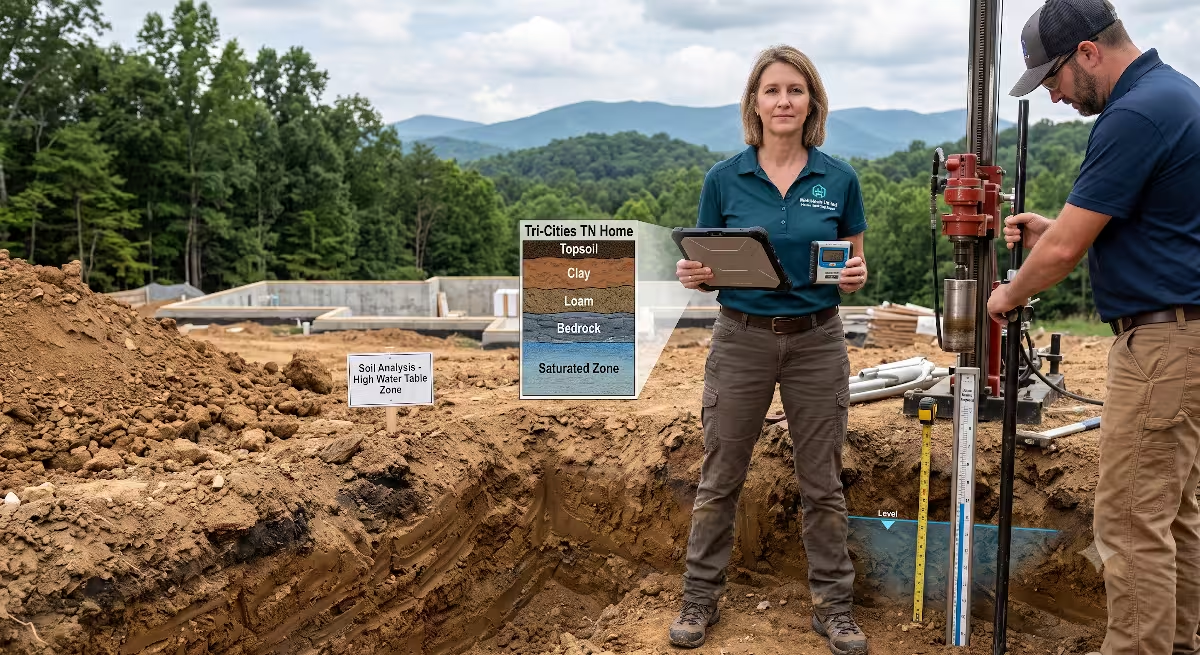
Before looking at specific designs, it helps to understand what a high water table actually is and how engineers measure it. The groundwater table is the boundary between dry soil above and water-saturated soil below. In some areas, this water level stays near the surface all year. In other areas, you may face a seasonal high water table. A seasonal high water table occurs during winter and spring when heavy rains and low plant water usage cause underground water levels to rise temporarily.
To determine if your land needs alternative septic systems, a soil scientist or civil engineer will perform a soil evaluation. You may hear this called a perc test, but a modern evaluation goes much deeper than just watching water drain out of a hole. A soil specialist digs test pits across your planned drainfield area to study soil layers and texture.
During this evaluation, the soil scientist looks for soil mottling. Soil mottling refers to small spots of bright orange, red, or gray color mixed into the soil. These color patterns happen when soil switches between being soaked with water and being dry. The iron in the soil oxidizes or rusts when oxygen is present, turning red or orange. When water sits in the soil for weeks at a time, it starves the soil of oxygen, turning the soil a dull gray. Even if you test your soil during a dry spell in mid-summer, soil mottling reveals exactly how high the groundwater rises during the wet months.
A failed traditional perc test due to high water is not a disaster. It is simply a sign that your land requires alternative septic systems. By recognizing soil limitations early, you can choose alternative septic systems that protect your groundwater while giving you full use of your home.
Why Does a High Groundwater Level Affect a Septic System’s Drainfield?
Many homeowners ask why a high water level causes so many issues for a drainfield. A standard drainfield depends on oxygen-rich, dry soil to purify wastewater. When wastewater leaves a septic tank, it still contains pathogens, nitrogen, phosphorus, and organic particles. As this liquid moves slowly down through dry soil particles, oxygen-loving soil bacteria break down the pollutants.
When the groundwater level is high, the soil spaces are completely filled with standing water instead of air. Without air in the soil, helpful aerobic bacteria cannot survive. Untreated wastewater mixes directly with the groundwater table instead of being cleaned. Furthermore, because water cannot flow easily into saturated ground, liquid piles up in the drain field trenches. This leads to soggy lawns, foul odors, and sewage backups inside the house. Using alternative septic systems solves this problem by creating treatment zones above the native water level.
The 5 Best Alternative Septic Systems for High Water Levels
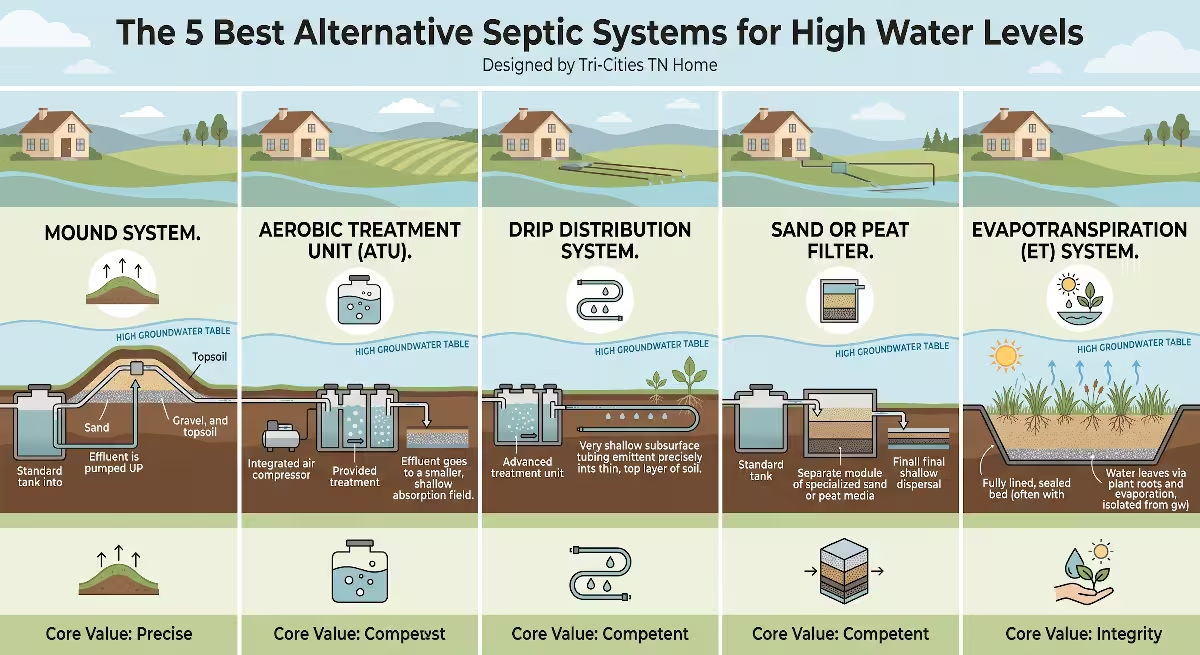
When native soil cannot treat wastewater naturally due to high groundwater, engineers use mechanical power, specialized media, or raised soil structures. Below are the five best alternative septic systems used for lots with high water levels.
+-----------------------------------------------------------------------+
|                 HIGH WATER TABLE SEPTIC SOLUTIONS                     |
+-----------------------------------------------------------------------+
|  1. MOUND SYSTEMS           - Elevates drainfield with clean sand     |
|  2. AEROBIC UNITS (ATUs)    - Pre-treats waste using oxygen pumps     |
|  3. DRIP DISTRIBUTION       - Releases tiny doses into topsoil layer  |
|  4. SAND/PEAT BIOFILTERS    - Filters waste through media modules     |
|  5. EVAPOTRANSPIRATION      - Uses plants & air to evaporate water    |
+-----------------------------------------------------------------------+
1. Mound Systems
Mound systems are among the most common alternative septic systems installed on properties with high water tables or shallow bedrock. A mound system solves the water table issue by raising the treatment bed above the original ground surface.
To build a mound system, installers place a layer of clean sand on top of the native ground. Perforated plastic pipes are laid inside gravel trenches on top of this sand layer. The entire structure is then covered with topsoil, creating a gently sloped mound in your yard.
Wastewater flows from your house into a standard septic tank, where solid waste settles. The liquid wastewater then moves into a separate pump chamber. A electric pump inside the chamber pushes the liquid in controlled doses up into the mound. As the liquid trickles down through the engineered sand layer, it undergoes full biological treatment before reaching the natural ground surface. By the time the water hits the natural high groundwater table below, it is clean and safe.
Like all alternative septic systems, mound systems have clear trade-offs:
Pros: Mound systems are highly reliable and have a long history of success. They provide excellent wastewater treatment even on sites with very high water levels.
Cons: Mound systems require electric pumps, which means they need power to operate. They also cost more than traditional systems and create a visible hill in your yard.
From a landscape perspective, a mound system does not have to ruin your curb appeal. You can integrate mound alternative septic systems into your yard by planting shallow-rooted native grasses, wildflowers, and ornamentals over the slopes. Avoid planting trees or shrubs on the mound, as deep roots can clog or damage the distribution pipes.
2. Aerobic Treatment Units (ATUs)
Aerobic Treatment Units, or ATUs, are advanced alternative septic systems that work like mini municipal wastewater plants for your home. Standard septic tanks use anaerobic bacteria, which live without oxygen and break down waste slowly. An ATU introduces oxygen into the waste mixture using an electric air pump or aerator.
Inside an ATU, oxygen is bubbled continuously through the wastewater. This oxygen fuels rapid growth of aerobic bacteria, which break down organic waste much faster and more completely than anaerobic bacteria. ATUs clean wastewater so effectively that the output liquid is nearly clear and free of organic matter.
Because ATUs produce such high-quality effluent, health departments often allow smaller and shallower drainfields. When paired with high water table conditions, ATUs give you a reliable way to clean wastewater before discharging it into shallow soil.
Pros: ATUs have a very small physical footprint, making them ideal for small lots. They provide superior treatment, protecting near-surface groundwater from contamination.
Cons: These alternative septic systems require continuous electricity. Mechanical aerators and pumps can wear out, requiring regular inspections and maintenance contracts.
If you choose an ATU, keep power outages in mind. Adding a generator hookup or solar backup ensures your treatment plant keeps running smoothly during severe weather.
3. Shallow Drip Distribution Systems
Shallow drip distribution systems are highly efficient alternative septic systems designed for sites with severe soil constraints. Instead of burying large, deep gravel trenches, a drip system uses flexible plastic tubing buried just 6 to 12 inches beneath the surface.
In a drip distribution setup, wastewater goes through a pre-treatment unit, such as an ATU or advanced filter, to remove solids. An electric pump then forces the treated liquid through small, flexible tubes laid across your lawn. These tubes feature pressure-compensating emitters that release tiny, equal doses of water directly into the active root zone of your lawn.
Drip distribution works exceptionally well for high water levels because topsoil is the most biological active layer on your property. Topsoil contains abundant oxygen, plant roots, and soil microbes that absorb and clean moisture quickly. By applying small amounts of water near the surface, the system keeps wastewater far above the deep groundwater line below.
Pros: Drip distribution alternative septic systems cause minimal lawn damage during installation. They fit easily into curved or irregular yard shapes and preserve existing trees and landscape features.
Cons: These alternative septic systems require fine filtration equipment to prevent tiny emitters from clogging. They are technically complex and carry higher initial equipment costs.
Drip systems are popular among custom home buyers because they hide completely underground. Once installed, your yard remains flat and usable for outdoor recreation.
4. Recirculating Sand Filters & Peat Moss Biofilters
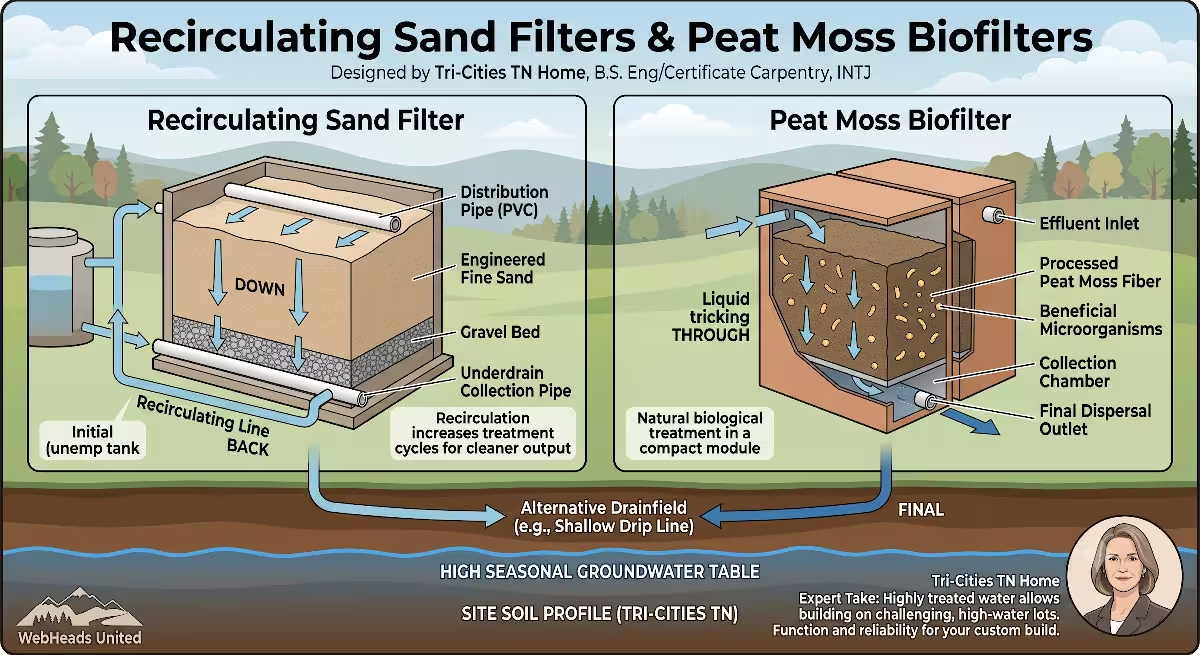
Recirculating sand filters and peat moss biofilters are natural media alternative septic systems that clean wastewater before it reaches the ground. These systems use natural materials like specialized sand or organic peat moss to capture and consume pollutants.
In a peat biofilter, wastewater flows from the primary tank into one or more compact biofilter modules buried in the yard or set at ground level. Inside the modules, wastewater drips through a thick layer of processed peat moss. The natural structure of peat moss holds moisture and air, creating an ideal home for beneficial microbes. The microbes digest organic matter as the water passes through.
Recirculating sand filters work similarly. Wastewater pumps repeatedly through a bed of coarse sand inside a watertight box before being discharged into a shallow dispersal area. Because both systems filter the waste inside a sealed enclosure, the wastewater never touches your native high water table until it is completely clean.
Pros: Peat and sand biofilters are eco-friendly alternative septic systems that handle fluctuating water flows well. They take up little space and offer quiet, passive biological treatment.
Cons: Over time, filtering media breaks down. Peat moss modules generally require media replacement every 10 to 15 years.
These alternative septic systems are great options for homes near lakes, streams, or sensitive mountain watersheds in Eastern Tennessee where groundwater protection is critical.
5. Evapotranspiration (ET) & Constructed Wetland Systems
Evapotranspiration (ET) systems and constructed wetlands are unique alternative septic systems that rely on natural evaporation and plant absorption rather than soil absorption.
In a true ET system, wastewater is pumped into a shallow, sand-filled bed lined with a thick waterproof plastic membrane. This membrane prevents liquid from ever touching the surrounding ground or native groundwater table. Plants and special grasses grow on top of the bed. Water rises through the sand by capillary action, and plant roots absorb the moisture. The water then evaporates into the air through plant leaves and soil surface exposure.
Constructed wetland alternative septic systems work on a similar principle. Wastewater passes through a lined gravel channel planted with wetland plants like cattails, rushes, and irises. The plant roots and microbes clean the water as it moves through the aquatic garden bed.
Pros: These alternative septic systems completely isolate wastewater from high groundwater levels using impermeable liners. They can create attractive, lush garden areas in your yard.
Cons: ET systems require warm, dry, or sunny climates to evaporate water effectively. In areas with high rainfall, covered or complex designs are required to prevent rain from overflowing the system.
While less common for standard suburban builds, these alternative septic systems offer custom home builders creative, green options for unusual build sites.
Comparative Breakdown: Cost, Maintenance, and Footprint
Choosing between different alternative septic systems requires balancing installation costs, long-term maintenance needs, and spatial requirements. Below is a comparison table showing how these system designs compare.
| System Type | Estimated Installation Cost | Electrical Requirements | Yard Footprint | Maintenance Needs |
| Mound System | $10,000 – $22,000 | Low to Moderate (Dosing Pump) | Large (Visible Raised Mound) | Annual Pump Check, Regular Tank Pumping |
| Aerobic Treatment Unit (ATU) | $12,000 – $20,000 | High (Continuous Aerator) | Compact (Buried Tanks) | Semi-Annual Inspections, Service Contract |
| Shallow Drip Distribution | $15,000 – $28,000 | Moderate to High (Control Panel) | Flexible (Adapts to Site) | Filter Cleaning, Controller Checks |
| Peat / Sand Biofilters | $12,000 – $22,000 | Low to Moderate (Pumping Doses) | Small to Medium | Annual Inspections, Media Swap Every 10-15 Years |
| Evapotranspiration / Wetland | $14,000 – $25,000 | Low (Gravity or Small Pump) | Medium to Large | Seasonal Plant Trimming, Liner Checks |
When evaluating alternative septic systems, look beyond the upfront purchase price. Consider ongoing operational costs as well. Systems with air pumps, timers, and high-pressure pumps use electricity daily. In addition, many county health departments require owners of alternative septic systems to maintain an active service contract with a certified technician.
While alternative septic systems cost more than conventional gravity options, they add tremendous value by unlocking lower-cost or otherwise unbuildable land. Investing in quality alternative septic systems protects your property value and prevents costly emergency repairs down the road.
Frequently Asked Questions about Alternative Septic Systems
To help you navigate site preparation, here are plain-language answers to common questions about alternative septic systems and high water tables.
What is the best septic system for a high water table?
The best option depends on your land size, budget, and aesthetic preferences. Mound systems are often the most durable choice for large rural properties with plenty of room. If you have a small lot or want to keep your lawn completely flat, shallow drip distribution paired with an Aerobic Treatment Unit (ATU) is usually the best solution. Working with a skilled civil engineer ensures you pick alternative septic systems tailored to your specific soil profile.
Can you build a custom home on a lot with a high water level?
Yes, you can build a custom home on land with a high water table. High groundwater simply means you cannot use a conventional gravity septic tank. By using engineered alternative septic systems, you can safely process wastewater on-site without polluting the local environment or violating health codes.
Do alternative septic systems require electricity?
Most alternative septic systems require electricity. Because wastewater cannot rely on gravity alone to move through high groundwater soils, pumps are needed to push liquid to raised mounds or drip lines. Additionally, systems like ATUs use electric aerators to inject oxygen into wastewater. Installing a dedicated electrical circuit and having a backup power source is a smart practice for homeowners with alternative septic systems.
How much more expensive is an alternative septic system than a conventional system?
Standard gravity systems usually cost between $4,000 and $8,000. Alternative septic systems generally cost between $10,000 and $28,000 or more, depending on site complexity. The higher price covers specialized tanks, electric pumps, advanced filters, engineered soil media, and civil engineering design fees.
How do you landscape around an alternative septic system without causing damage?
When landscaping around alternative septic systems, protect buried components. Plant shallow-rooted grasses, native wildflowers, and non-woody perennials over drip fields, mounds, and tanks. Avoid planting trees, large shrubs, or vegetable gardens near drain lines. Keep heavy vehicles, riding lawn mowers, and livestock off the treatment area to avoid compacting the soil or crushing subterranean pipes.
Builder’s Playbook: Planning Your Custom Build for Success
As a custom home builder, I always remind clients that site development strategy can make or break a project budget. Here is a clear, step-by-step approach to managing alternative septic systems during your home build.
+-----------------------------------------------------------------------+
|                     BUILDER'S SITE PLANNING STEPS                     |
+-----------------------------------------------------------------------+
|  STEP 1: Hire a Soil Scientist Early                                 |
|          -> Complete wet-season soil evaluation before designing home |
|                                                                       |
|  STEP 2: Coordinate Septic & Foundation Designs                       |
|          -> Match home plumbing exit depth with pump tank elevation   |
|                                                                       |
|  STEP 3: Protect the Drainfield Site                                  |
|          -> Fence off treatment area to prevent soil compaction       |
|                                                                       |
|  STEP 4: Integrate System into Outdoor Landscape                      |
|          -> Plan outdoor living areas away from tanks and drip lines  |
+-----------------------------------------------------------------------+
Step 1: Get the Soil Scientist On-Site Early
Never buy land or finalize house plans until you have completed a thorough soil evaluation. Hire an independent soil scientist to evaluate the property during wet conditions if possible. Identifying high groundwater early gives you the exact soil mapping data needed to choose appropriate alternative septic systems before spending money on foundation drawings.
Step 2: Coordinate Foundation and Septic Design
Your home’s foundation type—whether a full basement, crawlspace, or concrete slab—must work in harmony with your wastewater plan. If you choose alternative septic systems that rely on a raised mound or high-elevation drip lines, your basement plumbing exit must be planned carefully. Your builder and septic engineer must coordinate pipe elevations so wastewater flows smoothly into your treatment tanks without needing unnecessary extra pumps.
Step 3: Preserve the Dispersal Area
Soil structure is fragile. Heavy earthmoving equipment, gravel delivery trucks, and concrete mixers can ruin good soil in minutes. Compacting wet soil crushes the microscopic air spaces needed for water drainage. Mark off your designated alternative septic systems area with bright safety fencing before construction starts. Ensure no machinery drives or parks inside that zone.
Step 4: Design for Outdoor Living & Aesthetics
Think about how you want to use your yard. Position tanks, control boxes, and alternative septic systems clear of future swimming pools, detached workshops, outdoor kitchens, and driveway paths. Working with an experienced builder allows you to screen control panels with ornamental grasses and blend mounds naturally into the surrounding topography.
Next Steps for Your Custom Build
Building a custom home on land with a high water table does not have to be a stressful experience. While high groundwater rules out traditional gravity pipe-and-gravel lines, modern alternative septic systems provide safe, reliable, and clean solutions for custom properties.
Whether you opt for a mound system, an aerobic unit, or invisible drip distribution lines, matching your system design to your soil profile ensures your home remains healthy and compliant for decades to come. Early planning, proper soil testing, and expert installation turn potential lot challenges into a seamless building experience.
If you are evaluating land or planning a custom build in the Tri-Cities area of Tennessee, take time to review your soil results with a qualified professional. Investing in well-designed alternative septic systems protects your groundwater, safeguards your family’s health, and preserves the value of your home.