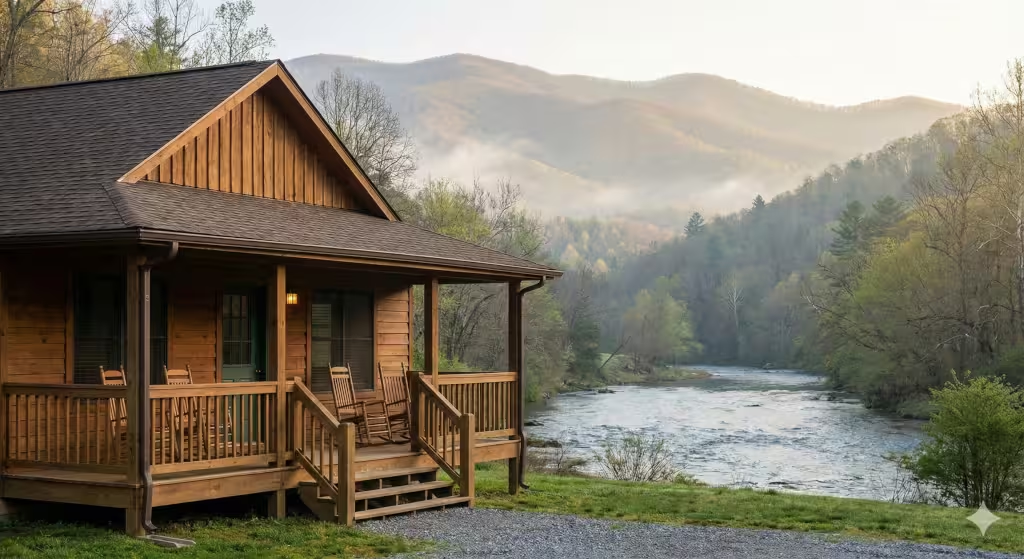

Let’s imagine you are a builder standing on a job site in Johnson City early one morning, back when the mist was still thick enough to hide the rolling hills of the Cherokee National Forest. You were meeting a client, a woman who had worked her whole life to build her dream home. She looked out over the freshly seeded fairway of a new development and told me she wanted her morning coffee to feel like a vacation every single day.
That is the magic of living on a golf course. It is about more than just the game. It is about the quiet, the green, and the feeling that you have carved out a piece of paradise for your family.
But as many builders will tell you, there is also a science to this dream. You have to look past the beautiful grass and see the logistics of the land. In the Tri-Cities, from Kingsport to Bristol, we have some of the most beautiful terrain in the world, but building here requires precision and a clear understanding of the trade offs.
The Dream and the Reality of Living on a Golf Course
When we talk about the lifestyle of a custom home, we are usually talking about a feeling. For many women and couples, the home is a sanctuary. It is a place where the family gathers and where we find peace after a long day of work. Living on a golf course offers a very specific kind of peace. You get to enjoy a landscape that is maintained by someone else. You do not have to spend your weekends behind a lawnmower to have a view that looks like a park. This is the dream that brings so many people to our area.
However, the reality of living on a golf course involves a bit more planning than a standard neighborhood. You are moving into a space that is shared with a sport. This means there is a rhythm to the day that you have to learn. There are times of day when the world is yours, and times of day when you share your backyard with strangers in polo shirts. Understanding this balance is the first step in deciding if this life is the right fit for your family.
The Tri-Cities Context
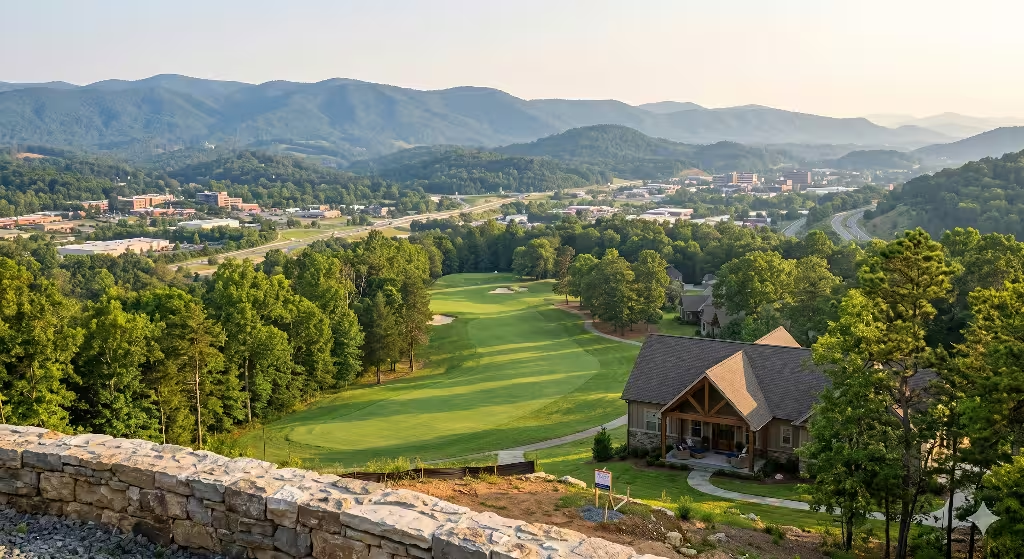
Our area of Tennessee is unique because of our topography. We have ridges, valleys, and limestone that can make building a challenge. When you are living on a golf course in Kingsport or Johnson City, you are often dealing with significant elevation changes. This means your home might sit high above the fairway or nestled down in a valley.
In the Tri-Cities, golf communities are often the gold standard for luxury and long term value. We see a lot of growth in these areas because people want the security of a gated community and the social perks that come with a clubhouse. From a builder’s point of view, these lots are often some of the most technically sound because the developers have already invested heavily in drainage and infrastructure. This gives you a great foundation for a custom build.
Unrivaled Aesthetics and Views
The most obvious benefit of living on a golf course is the view. Imagine looking out your kitchen window while you make breakfast and seeing nothing but rolling green hills. In many neighborhoods, your view is your neighbor’s siding or a backyard fence. On a golf course, your backyard feels like it goes on forever.
This is what we call a borrowed landscape. You get all the beauty of a massive estate without having to pay for the taxes or the upkeep of all that land. For a female buyer who values the beautiful environment of living on a golf course, this is a huge selling point. It changes the way you design your home. We use larger windows and open floor plans to make sure that the green of the course becomes a part of your interior design.
Property Value and Prestige
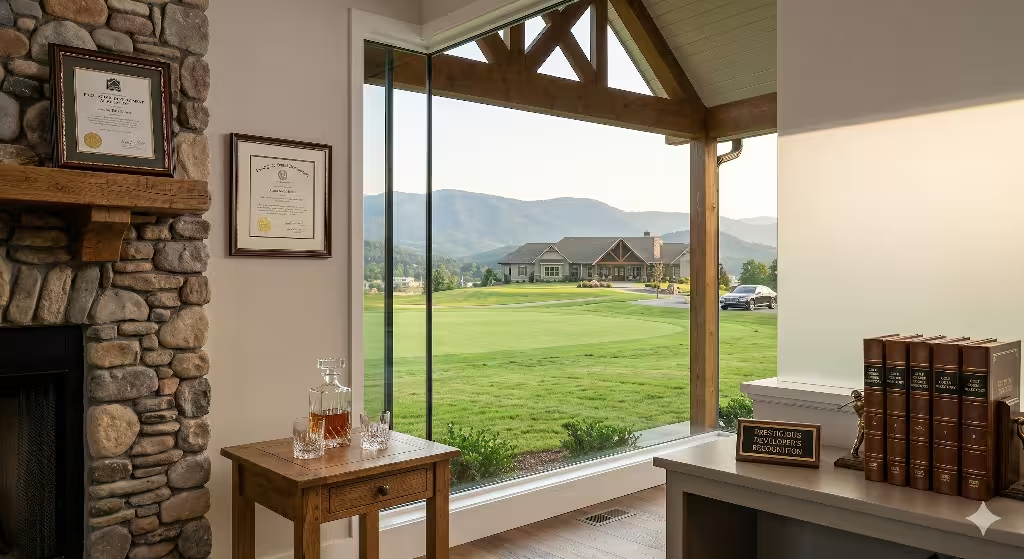
It is always important to look at the numbers. Living on a golf course is generally a very safe investment. These homes tend to hold their value better than homes in standard subdivisions. The reason is simple: land on a golf course is limited. They aren’t making more of it.
The prestige of these neighborhoods also helps with resale. Even if you do not play the game, the association with a high end club adds a layer of value to your property. It signals to future buyers that the neighborhood is well maintained and that the neighbors are committed to keeping up their homes. For a smart investor, this is a way to ensure that your hard earned money is protected.
Community Amenities and Social Life
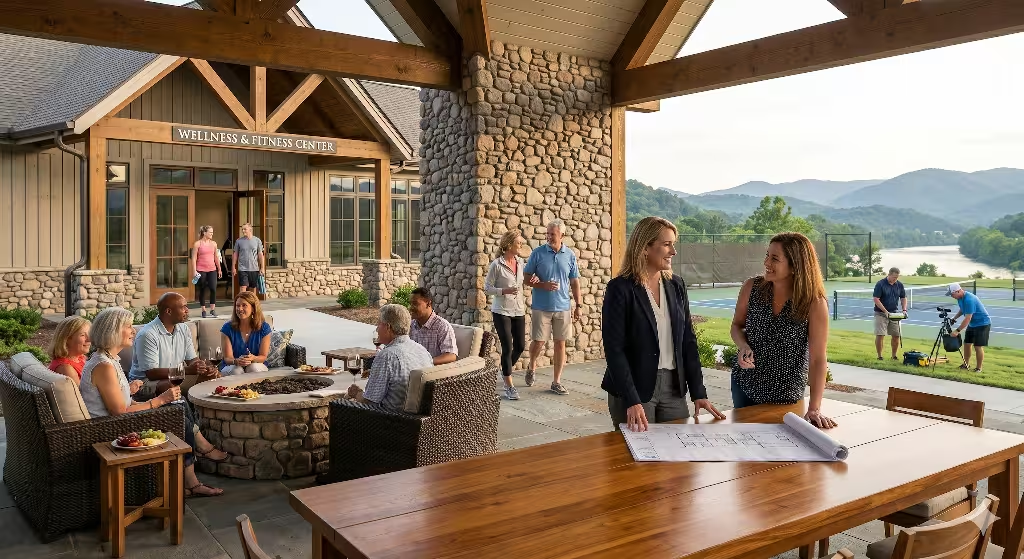
One of the best parts of living on a golf course is the social side of things. Many of these communities have clubhouses that act as the heart of the neighborhood. You have a place to go for dinner, a pool for the kids, and often a fitness center or tennis courts.
For women, living on a golf course provides a great way to network and build a community. It is easy to meet people when you are all sharing the same amenities. It turns your neighborhood into a small town where people know your name. This sense of belonging is a core value for many families. It makes the transition into a new home much smoother when you have an instant social circle by living on a golf course.
The Quiet Evenings
There is a specific time of day on a golf course that is better than any other. It is that hour right before sunset when the last golfers have headed to the clubhouse. The course becomes a giant, private park just for you. The silence is incredible.
Living on a golf course means you do not have the typical noise of a busy street. You do not have cars driving by your front door all night. Instead, you have the sound of birds and the wind in the trees. For someone who values a calm demeanor and a peaceful home, this is the ultimate luxury. It is the perfect time for a walk or to just sit on the porch and enjoy the Tennessee air.
The Errant Ball Factor
Now, we have to talk about the technical challenges of living on a golf course. The biggest one is the risk of stray golf balls. If your home is in the wrong spot, you might find yourself dealing with broken windows or dents in your siding. This is a real concern for property maintenance and safety.
When builders help clients choose a lot, they look at the physics of the hole. We look at where golfers are likely to hit their shots. If you are living on a golf course, you want to be in a spot that is “out of play.” This usually means being behind the tee box or far enough away from the landing zone that balls are less likely to reach your house. It is all about using engineering and logic to pick the safest spot.
Lack of Backyard Privacy
Privacy is a major concern for many buyers. When you are living on a golf course, your backyard is essentially a public space during the day. Golfers will be walking or driving by your home for hours on end. If you are someone who likes to spend time outside in your pajamas, this can be a bit of a shock.
To solve this, we use clever landscaping. We can plant trees or tall shrubs that create a visual barrier without blocking your view of the course. You can also design your outdoor living spaces, like a patio or a deck, to be tucked away or screened in. This way, you can enjoy the fresh air without feeling like you are on a stage for everyone to see.
Early Morning Maintenance
This is something many people do not think about until they move in. Golf courses require a lot of work to stay beautiful. This work often starts very early in the morning. If you are a light sleeper, the sound of mowers and leaf blowers at 6:00 AM might be a problem.
Living on a golf course means accepting that the “lawn crew” is part of the environment. The good news is that these crews are professional and they move quickly. But if you value sleeping in on your days off, you might want to invest in good insulation and high quality windows to keep the sound out. It is a small price to pay for a perfect view, but it is something to be aware of.
Strict HOA and Architectural Guidelines
Golf communities almost always have a Homeowners Association (HOA). These groups have very strict rules about what you can and cannot do with your home. They might tell you what color you can paint your front door or what kind of mailbox you have to use.
For some, this feels restrictive and others see it as a benefit. These rules ensure that your neighbor doesn’t build something that ruins the look of the whole street. When living on a golf course, you want to know that the standards will remain high. It protects your investment and keeps the neighborhood looking beautiful for years to come.
Interior Design for Views
Generally, for someone living on a golf course, the interior is all about the windows. We want to frame the view like a piece of art. This means using large, high quality glass. But we also have to think about the sun.
Too much glass can make a house very hot and can fade your furniture. We use special coatings on the glass to block the heat while letting the light in. We also think about window treatments. You want something that you can close for privacy at night but that disappears during the day. It is about balancing the beauty of the outdoors with the comfort of the indoors.
Outdoor Living Spaces and Safe Zones
Creating a safe outdoor space is a top priority when living on a golf course. Many buyers design “safe zones” where the family can hang out without worrying about golf balls. This might involve a covered porch with a strong roof or a courtyard that is shielded by the walls of the house.
We also think about the materials we use when living on a golf course. For example, using stone or brick on the side of the house that faces the course is much smarter than using vinyl siding. Stone can take a hit from a golf ball without showing any damage. It is these small engineering choices that make a big difference in how much you enjoy your home.
Safety for Families and Pets
If you have children or pets, living on a golf course requires some ground rules. The course is not a playground. It can be dangerous to walk on the fairways when people are playing. There are also chemicals used to keep the grass green that you might not want your pets or kids around.
Generally, it is recommended to have a fenced area in the backyard if you have dogs or small children. Many golf communities have rules about what kind of fencing you can use because they want to keep the views open. We usually use wrought iron or high quality aluminum fencing. It keeps your loved ones safe while still letting you see the beautiful landscape.
The Ridges in Johnson City
One of the most famous places for living on a golf course in our area is The Ridges. This is a stunning community with some of the best views in Tennessee. The homes here are truly custom works of art. It is a gated community, which adds an extra layer of security and privacy.
The engineering of The Ridges is impressive. Because it is built on a ridge, the drainage and road systems had to be very carefully planned. When you build here, you are getting a lot that has been thoroughly vetted. It is a great place for someone who wants luxury and a strong sense of community.
Blackthorn in Jonesborough
Blackthorn is another fantastic option for those looking at living on a golf course. It has a more traditional, “Old World” feel to it. The course is beautiful, and the homes reflect a classic style that fits perfectly in the historic Jonesborough area.
What we love about Blackthorn is the mix of ages. You see young families and retirees all enjoying the same space. The clubhouse is very active, and there are always events happening. It is a very friendly environment where you can really put down roots and feel like you are part of something special.
Cattails at Meadowview in Kingsport
For those who grew up in Kingsport, Cattails is a familiar and beloved spot. Living on a golf course here offers a bit more of a relaxed vibe. It is very accessible and has a great layout that is easy to navigate.
The homes around Cattails are well built and offer a lot of variety. It is a great choice for someone who wants the golf course lifestyle without it feeling too formal. The views of Bays Mountain in the background make it one of the most scenic spots in the Tri-Cities. It is a perfect example of how our local beauty can be integrated into a residential community.
Is it worth living on a golf course?
This is an often asked question. Our answer is almost always yes, provided you know what you are getting into. The return on investment is high, both in terms of money and in terms of quality of life. The joy of having that much open space around you is hard to put a price on.
For a woman who wants a home that feels like an escape, living on a golf course is one of the best choices you can make. It offers a level of beauty and serenity that you just can’t find in a standard neighborhood. As long as you plan for the privacy and the stray balls, the pros far outweigh the cons.
Does living on a golf course increase home insurance?
From a technical standpoint, yes, it can. Insurance companies know that there is a higher risk of glass breakage and property damage. However, the increase from living on a golf course is usually not as big as people fear.
When you are living on a golf course, you just need to make sure your policy covers those specific types of damage. It is advised to speak with an agent who understands golf course properties. Sometimes, installing impact resistant windows can actually lower your premiums. It is all about being prepared and knowing how to mitigate the risks.
How do you protect your house from golf balls?
Beyond picking the right lot, there are several ways to protect your home. As previously mentioned, using hard materials like brick or stone is a great start. You can also use “golf netting” in certain areas, though many HOAs do not allow it because it can be unsightly.
A better way is to use landscaping. Tall, dense trees like Thuja Green Giants can act as a natural screen. They grow fast and provide a thick wall of green that can stop a ball in its tracks. Inside the house, you can use tempered glass for your windows. This is the same kind of glass used in car windshields. It is much stronger than regular glass and is less likely to break if hit.
Are golf course homes hard to sell?
In the Tri-Cities market, golf course homes are actually some of the easiest to sell. There is always a demand for high quality homes with great views. While the pool of buyers might be slightly smaller because not everyone wants to be on a course, the buyers who do want it are usually very motivated.
Living on a golf course puts your home in a premium category. When it comes time to move, your home will stand out because of its location. As a builder, I see that these homes often sell faster than homes in regular neighborhoods, especially if they have been well maintained and designed with privacy in mind.
Lot Selection: Tee Box vs Landing Zone
When you are looking at a lot, you have to think like a golfer. A tee box is usually a very safe place to be because the golfers are hitting away from you. You might hear some talking, but you are unlikely to get hit by a ball.
The landing zone, which is about 200 to 250 yards down the fairway, is the most dangerous spot. This is where most balls end up. If your house is right in the landing zone, you are going to have a lot of company in your backyard. Living on a golf course is much more enjoyable if you choose a lot that is strategically placed to avoid the “line of fire.”
Soil and Drainage on the Course
One thing people forget is that golf courses use a lot of water. This means the drainage on your lot is very important. You want to make sure that the water from the course isn’t running onto your property and into your basement.
When we look at a lot for living on a golf course, it is helpful to look at the grading. We want to see that the land slopes away from the house. Developers usually do a good job with this, but it is always worth a second look. Proper drainage is the key to a long lasting foundation and a dry home. It is one of those technical details that saves you a lot of headache down the road.
The Financial Side of Club Dues
When you are living on a golf course, you often have to pay more than just your mortgage and taxes. Most of these communities require a social or golf membership. These dues can range from a few hundred to over a thousand dollars a month.
It is important to build this into your budget. You are paying for the amenities and the maintenance of the course, which in turn protects your property value. I tell my clients to think of it as an investment in their lifestyle. If you use the pool, the gym, and the restaurant, it is a great deal. If you don’t, it might feel like an extra burden.
The Emotional Value of the View
Buyers often want to know about the “emotional ROI” of a home. This is the value you get from how a place makes you feel. Living on a golf course provides a high emotional return. There is a sense of pride and peace that comes with looking out over a perfectly kept landscape.
In our busy lives, having a home that feels like a retreat is so important. It helps us stay grounded and calm. For me, seeing the sun come up over the fairway is a reminder of why I love building homes in the Tri-Cities. It is about creating a space where families can thrive and find happiness.
Designing for Longevity and Style
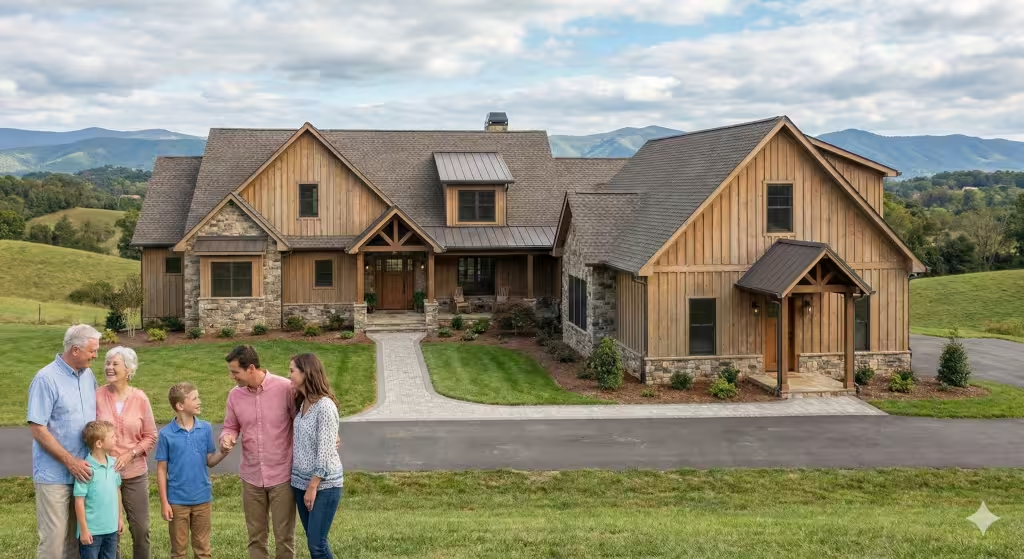
When we build a custom home on a golf course, we aren’t just building for today. We are building for twenty years from now. This means choosing styles that are timeless. In East Tennessee, we love the mix of stone and wood. It feels natural and fits the environment.
Living on a golf course gives you a great backdrop for classic architecture. Whether you like a modern farmhouse or a traditional manor, the green grass and blue skies will make any well designed home look even better. It is advised for buyers to go for quality over quantity. A smaller, well built home on a great lot is always better than a massive house on a poor one.
The Impact of Natural Light
Because golf courses are wide open, your home will get a lot of natural light. This is wonderful for your mood and for making your home feel larger. But it also means you have to be smart about your HVAC system.
With all that sun, your air conditioner will have to work harder in the summer. We use high efficiency systems and extra insulation to keep the bills down. Living on a golf course is much more comfortable when your home is engineered to handle the environment. It is about being precise with your choices so that you can enjoy the benefits without the downsides.
Networking and New Friends
Many friendships have been formed on the back porches of golf course homes. Whether it is a shared interest in the game or just meeting at the community pool, these neighborhoods foster a strong sense of connection.
For a woman moving to a new area like Johnson City or Kingsport, this can be a lifesaver. It gives you an instant community. Living on a golf course means you are surrounded by people who have similar values and who care about their homes and their neighborhood. It is a great way to feel at home quickly.
The Engineering of a Perfect Patio
Your patio is your front row seat to the course. We put a lot of thought into how these are built. We want them to be durable and easy to clean. Using pavers or stamped concrete is a great choice because they look beautiful and can handle the Tennessee weather.
We also think about the layout. You want enough space for a dining table and some comfortable chairs. Maybe even a fire pit for those cool autumn nights. Living on a golf course means your outdoor space is just as important as your indoor space. It is where you will spend your best hours, so we make sure it is done right.
Maintenance of Your Own Property
Even though the golf course mows the fairways, you still have your own yard to take care of. The standards in these neighborhoods are high, so you will want to keep your landscaping looking sharp.
Many people living on a golf course hire a professional lawn service to match the quality of the course. This keeps the whole area looking seamless. It is part of the “preciseness” that I value. When everyone does their part, the entire neighborhood looks like a five star resort.
The Safety of Gated Communities
Many of the places where you can enjoy living on a golf course in the Tri-Cities are gated. This provides a great sense of security. You don’t have to worry about random traffic or people wandering through the neighborhood who don’t belong there.
For mothers and grandmothers, this peace of mind is huge. It allows the kids to ride their bikes and play with a bit more freedom. It is another layer of the sanctuary that we are trying to build. Safety and security are the foundation of a happy home.
Making the Choice the Choice of Living on a Golf Course
In the end, the choice of living on a golf course comes down to what you value most. If you love beauty, community, and a peaceful environment, it is hard to beat. Yes, there are technical things to consider like drainage and stray balls, but those can all be managed with good planning and engineering.
Our area in the Tri-Cities of Tennessee has some of the best golf course living in the country. We have the mountains, the weather, and the friendly people that make it all work. If you are looking to build a custom home that will be a legacy for your family, a lot on a golf course is a wonderful place to start. It is about taking that dream of a vacation every day and making it a reality through competence, integrity, and a little bit of Tennessee charm.