

Imagine walking into a home in the heart of Johnson City. The homeowner, a lovely woman named Samantha, leads you down the hall to what she called her “closet of chaos.” It was a room filled with half-finished quilts, scattered acrylic paints, and a pile of scrapbooks that had seen better days. She told you that she loved her crafts, but she felt like she had to hide them whenever her friends came over for their monthly book club. She wanted a space where she could create her art during the day and host a nice dinner or a wine night that same evening.
The biggest problem she faced was the floor. She had an old carpet that was stained with blue ink and coffee, and it made the whole room feel dirty and small. This is a challenge many people in the Tri-Cities area face. We want a place to be creative, but we also want our homes to look elegant. We need a hobby room floor that can handle a splash of red wine just as easily as a drop of super glue.
This is where the idea of the flex-creative space comes in. It is a room that works as hard as you do but still looks beautiful when the guests arrive. By focusing on a stain-resistant hobby room floor for hosting and crafting, you can finally have a room that serves both of your worlds without any of the stress.
What Makes a Floor Stain-Resistant?
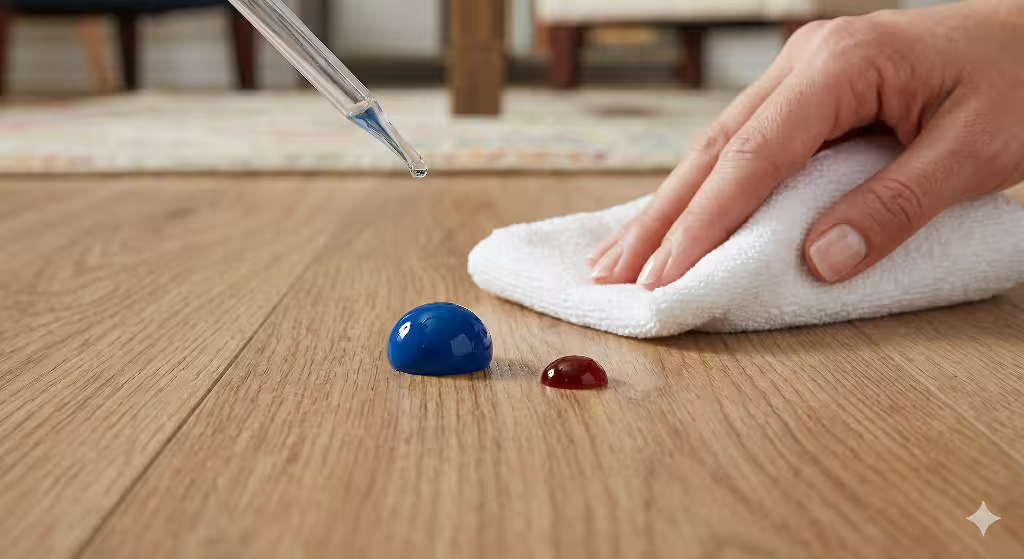
When we talk about a hobby room floor, we have to look at the science of the materials. Not all floors are made the same way. If you want a floor that will not soak up stains, you need to look for non-porous materials. A porous material is like a sponge. It has tiny holes that you might not see, but those holes will suck up liquids like paint or juice. Traditional hardwood is beautiful, but it is porous. If you spill something on it and do not wipe it up right away, it can leave a permanent mark.
In the world of building today, we look at the top coat or the finish of the floor. For a hobby room floor, you want a finish that acts like a shield. In 2026, we are seeing a lot of progress with polyurethane and UV-cured acrylics. These are chemicals that are applied to the surface of the floor to make it hard and slick. When a spill happens, it stays on top of the shield instead of sinking into the floor.
Another thing to look for is the wear layer. If you are choosing a vinyl or a laminate hobby room floor, the wear layer is the clear coat on the very top. I always tell my clients to look for a 20-mil wear layer. Think of this as the thickness of the armor on your floor. If you are moving heavy craft tables around or if your guests are wearing high heels, a thick wear layer will prevent scratches. A scratch in the floor is more than just an ugly mark. It is a break in the shield where stains can get in.
By choosing a high-quality wear layer, you ensure that your hobby room floor stays easy to clean for many years.
Luxury Vinyl Plank (LVP): The Versatile All-Rounder
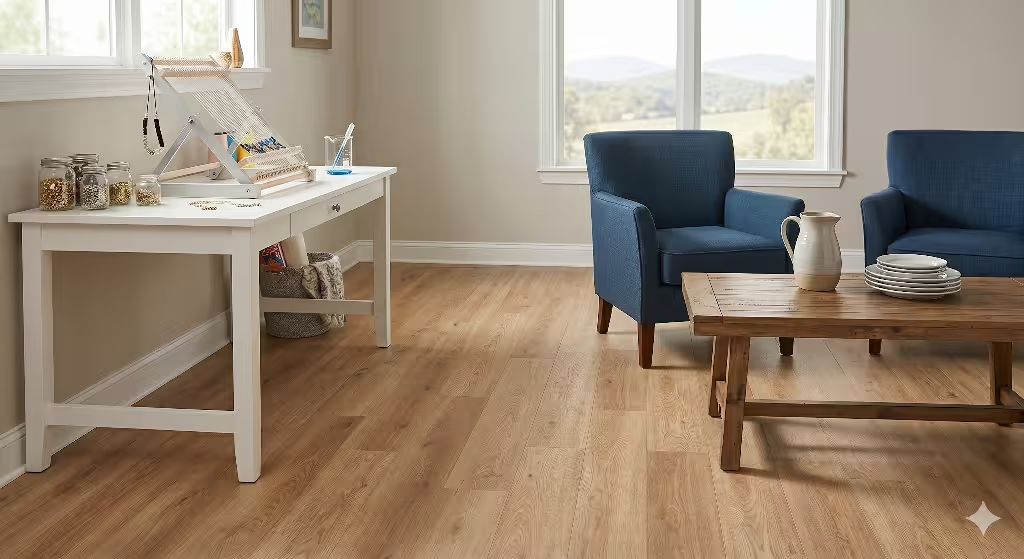
If you are looking for the best overall choice for a hobby room floor, Luxury Vinyl Plank, or LVP, is hard to beat. This material has evolved so much over the last ten years. It used to look like cheap plastic, but now it can look exactly like real oak or even marble. For someone in the Tri-Cities who wants a cozy feel, LVP is perfect because it is 100 percent waterproof. This means if a pipe leaks or if you spill a whole bucket of water while cleaning your paintbrushes, your hobby room floor will not warp or grow mold.
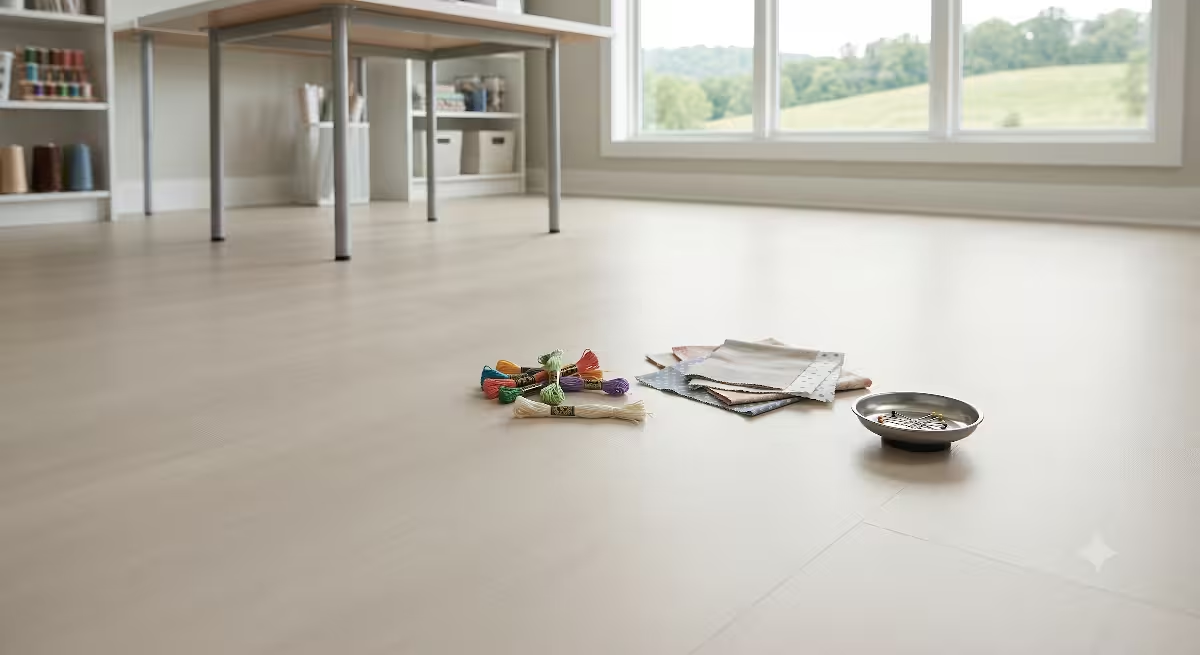
The big trend for 2026 is matte finishes with a wire-brushed texture. This is a smart choice for a hobby room floor because it is very good at hiding things. If you are a crafter, you know that glitter is the enemy. It gets everywhere and stays forever. A floor with a bit of texture and a matte finish helps hide those tiny bits of glitter and dust. At the same time, it looks very high-end. When you host a party, your guests will think you have expensive wood floors. They will never guess that your hobby room floor is actually a durable, stain-resistant vinyl that can handle a lot of wear and tear.
Metallic or Flake Epoxy: The Seamless Showstopper
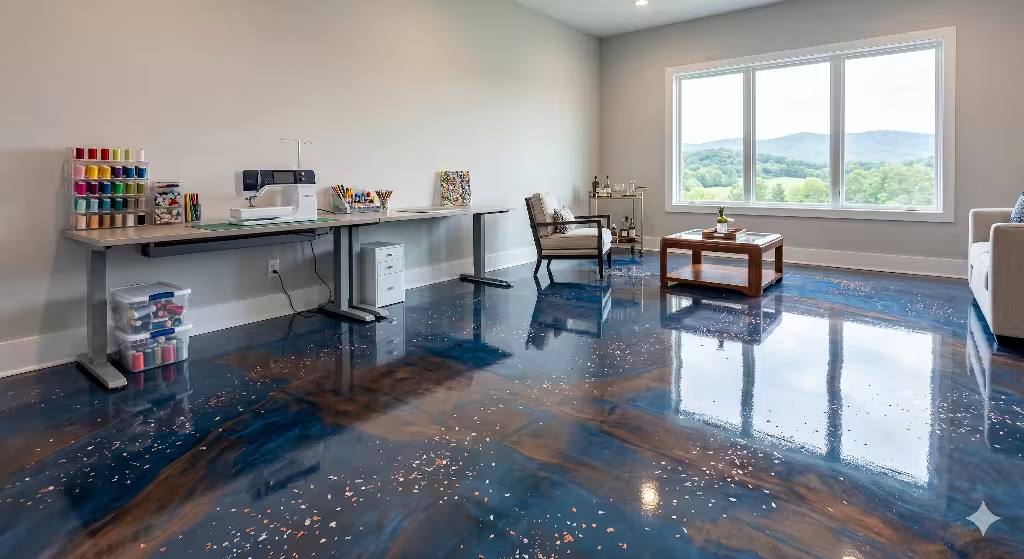
Sometimes, a client wants something that feels very modern and sleek. In these cases, a epoxy hobby room floor is often suggested. You might have seen epoxy in a garage or a basement, but it has moved into the main parts of the house recently. Epoxy is a liquid that is poured onto the concrete slab and then hardens into a very tough plastic surface. Because it is poured, there are no seams or cracks.
This is a huge advantage for a hobby room floor. Think about all the tiny things that come with crafting, like beads, pins, or small pieces of paper. On a floor with grout lines or gaps, those things get lost forever. On a seamless epoxy hobby room floor, you can just sweep them right up. The metallic versions of this floor can look like flowing water or molten metal.
It creates a real wow factor when you are hosting. It reflects the light and makes a small room feel much bigger. It is also one of the most stain-resistant surfaces you can buy. You could spill oil or heavy dye on it, and it would wipe right off with a paper towel.
Large-Format Porcelain Tile: The Timeless Heavy-Hitter
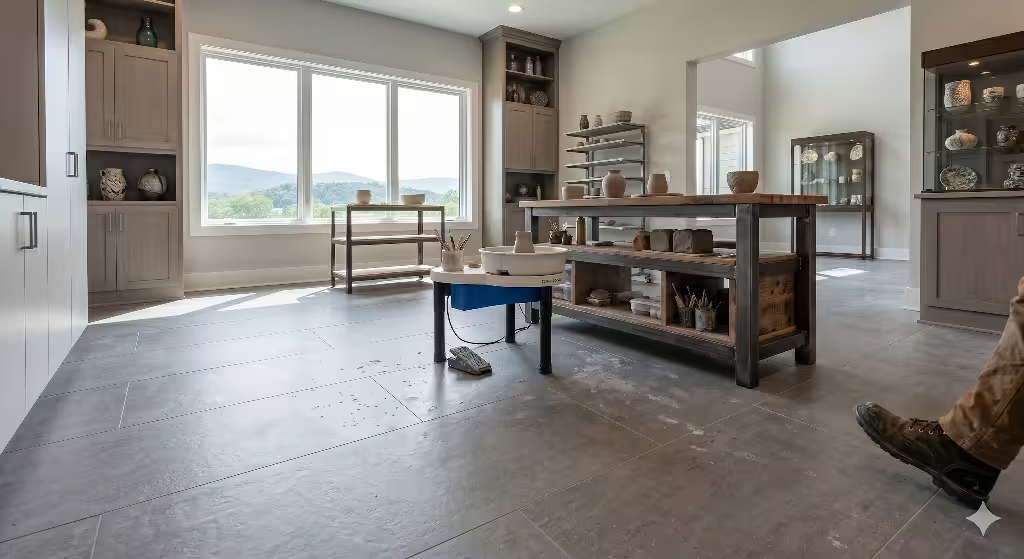
For the person who does heavy-duty crafting, like wood-burning or using a hot glue gun, a porcelain tile hobby room floor is a great choice. Porcelain is fired at very high temperatures, which makes it much harder and less porous than regular ceramic tile. It is very resistant to heat. If you drop a hot tool on a vinyl hobby room floor, it might melt. But on porcelain, it will not do any damage at all.
The key to making tile work for hosting is to use large-format tiles. These are tiles that are 24 inches by 48 inches or even larger. By using big tiles, you have fewer grout lines. Grout is the part of the floor that usually gets stained because it is sandy and porous. If you minimize the grout, you make the hobby room floor much easier to maintain. You can get porcelain that looks like concrete for an industrial look, or porcelain that looks like white marble for a very fancy hosting space. It is a classic choice that will never go out of style.
Living in the Tri-Cities: Climate Considerations
Building a home or remodeling a room in East Tennessee comes with some specific challenges. Our weather can be very humid, especially in the summer. This humidity can affect your hobby room floor if you do not plan for it. If you live in a place like Bristol or Kingsport where there is a lot of moisture in the ground, you must use a moisture barrier. This is a layer of plastic or a special coating that goes under your hobby room floor to keep the dampness away from the surface materials.
If you are putting your hobby room floor in a basement, this is even more important. Always check the concrete slab for levelness before you start. If the slab is uneven, your floor might make a clicking or popping sound when you walk on it. That is not something you want when you are trying to create a professional atmosphere for your guests. Taking the time to prep the subfloor ensures that your hobby room floor stays flat and quiet for the life of the home.
Common Questions About the Hobby Room Floor
There are a lot of questions about how to live with these floors. One common question is: what is the easiest floor to clean for a craft room? In my experience, the epoxy or the LVP hobby room floor is the easiest. You do not need special waxes or heavy machines. A simple damp mop with a little bit of mild soap will take care of almost any mess.
Another question is: can I put a rug in a hobby room? People often want a rug to make the room feel cozy for hosting. I say yes, but you have to be smart about it. Do not get a thick, shag rug. It will trap every piece of thread and glitter. Instead, look for low-pile rugs that are machine washable. You can find many brands today that allow you to peel the top layer of the rug off and throw it in the wash. This lets you have the beauty of a rug on your hobby room floor without the worry of it getting ruined by a craft project.
Lastly, people often ask: is epoxy flooring too cold for a home interior? It can be, because it sits right on the concrete. But here in the Tri-Cities, we can install radiant heating coils under the concrete before the epoxy is poured. This makes your hobby room floor feel warm and cozy even in the middle of winter. If you are remodeling an existing room, you can simply use area rugs in the places where you sit and leave the bare hobby room floor in the areas where you do your messy work.
Designing for Ergonomics and Aesthetics
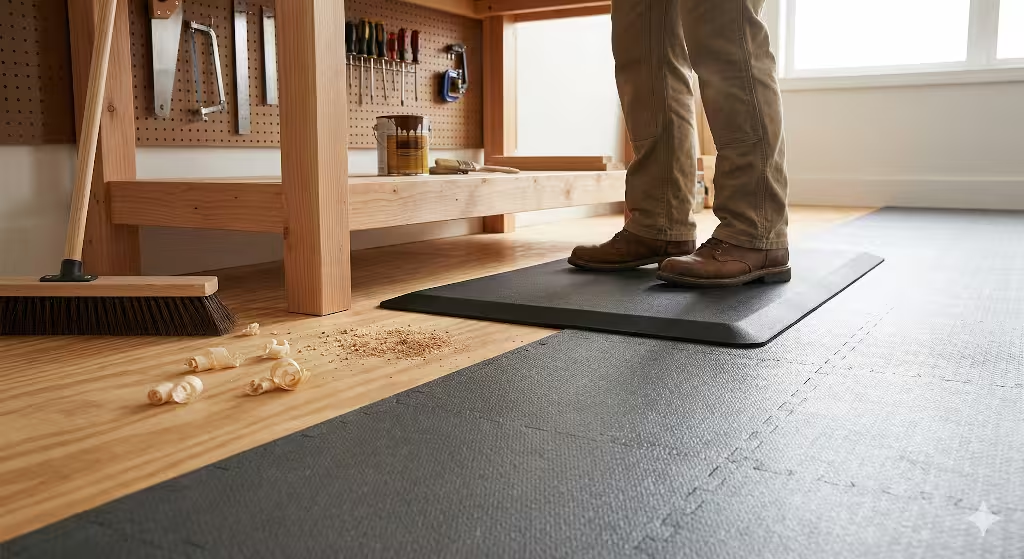
When you are choosing a hobby room floor, you have to think about your body. If you are like me and you enjoy spending hours on a project, you know that standing on a hard surface can hurt your back and your knees. This is where ergonomics comes in. A good hobby room floor should have a little bit of “give” to it. This is why I love LVP that comes with a cork backing. The cork acts as a cushion. It is much easier on your joints than standing on hard stone or concrete all day.
You also want to think about the color of your hobby room floor. In 2026, we are moving toward warm neutrals like light oaks and soft greys. These colors are great because they reflect light. When you are doing fine work like sewing or painting, you need as much light as possible. A dark hobby room floor will soak up the light and make it harder to see what you are doing. A lighter floor will bounce the light back up, making the whole room feel brighter and more cheerful for both you and your guests.
Maintenance: Keeping Your Hosting Status Intact
One of the best things about a high-quality hobby room floor is how quickly you can clean it. We call this the thirty-minute reset. If you have been working on a big project all day and guests are coming over at six o’clock, you do not want to spend two hours scrubbing. With a stain-resistant hobby room floor, you can quickly put your supplies in their bins and run a mop over the floor. Because the surface is non-porous, the dust and spills do not stick.
When it comes to cleaning products, it is advised to stay away from harsh chemicals. You do not need bleach or strong acids to clean a modern hobby room floor. In fact, those things can damage the wear layer over time. A pH-neutral cleaner is all you need. It will keep the floor looking shiny and new without stripping away the protective shield. This ensures that your hobby room floor is always ready for a party, no matter how much of a mess you made earlier in the day.
Investing in Your Passion and Your Home
At the end of the day, your home should be a place that makes you happy. Choosing the right hobby room floor is an investment in your own joy. It allows you to follow your passions without feeling like you are damaging your house. It also adds value to your home. When people look at houses in the Tri-Cities, they love to see rooms that are flexible. A beautiful, durable hobby room floor shows a buyer that the space is high-quality and well-maintained.
Whether you are building a new home in Johnson City or updating a room in your current house, do not overlook the importance of what is under your feet. A good hobby room floor is the foundation for all your creative work and all your wonderful memories with friends. It is the bridge between your “closet of chaos” and the elegant home you deserve to have.
Choosing the Right Materials for Specific Hobbies
Depending on what you like to do, one hobby room floor might be better than another. For example, if you are a painter, you really need a floor that can handle pigments. Some paints have very strong dyes that can stain even a good floor if they are left too long. In this case, I would lean toward a polished concrete or an epoxy hobby room floor. These are very hard to stain and can be wiped clean with a bit of solvent if needed.
Quilting and Knitting
If your hobby is more about textiles, like quilting or knitting, your main concern is probably dust and fibers. A smooth hobby room floor like LVP is great because the fibers do not get stuck in the surface. You can use a vacuum or a dust mop and have the room clean in seconds. This is much better than a carpeted hobby room floor where the fibers get buried deep in the rug and can cause allergies or just make the room smell dusty.
Scrapbooking and Paper Crafts
For those who enjoy scrapbooking or paper crafts, you often deal with adhesives. Glue and tape can be a nightmare on some surfaces. If you have a wood hobby room floor, the glue might pull up the finish. But on a high-quality vinyl or tile hobby room floor, you can use a little bit of rubbing alcohol to pop that glue right off without hurting the floor at all. This kind of flexibility is what makes a modern hobby room floor so valuable.
The Importance of Sound in Your Hobby Room
Something people often forget when choosing a hobby room floor is the sound. If your hobby room is on the second floor of your house, the sound of you walking around or dropping a tool can be very loud for the people downstairs. A hard hobby room floor like tile or concrete will reflect sound and make the room echo. This can be annoying if you are trying to listen to music or talk to guests.
To solve this, look for a hobby room floor that has sound-dampening qualities. Many LVP products have a built-in underlayment that is designed to soak up sound. This makes the room feel quieter and more private. If you go with a tile hobby room floor, you can add some soft elements to the room, like curtains or acoustic wall panels, to help with the echo. But starting with a floor that does not bounce sound around is a big help.
The Aesthetic of the Modern Hobby Room
We are also seeing a move away from rooms that look like “workshops.” People in the Tri-Cities want their hobby rooms to look like a part of the house. This means the hobby room floor needs to flow with the rest of the home. If you have light oak floors in your hallway, you might want an LVP hobby room floor that matches that color. This makes the house feel cohesive and well-planned.
However, some people like to use the hobby room floor as a way to define the space. You could choose a bold pattern or a different color to show that this is a special room for creativity. A patterned tile hobby room floor can be very beautiful and serve as a conversation piece when you are hosting. It tells your guests that this is a place where art happens.
The Role of Subfloor Preparation
We cannot stress enough how important it is to have a flat subfloor for your hobby room floor. If you are a builder or a DIY person, do not skip this step. If the floor is not flat, any hard surface you put on top will eventually have problems. For a hobby room floor, where you might be standing in one spot for a long time, an uneven floor can cause fatigue in your feet.
We often use a self-leveling compound before we lay down the hobby room floor. This is a liquid that you pour on the subfloor, and it finds the low spots and fills them in. Once it dries, you have a perfectly flat surface. This ensures that your hobby room floor will look professional and last for a very long time. It also makes the installation of LVP or tile much easier because you are not fighting against bumps in the ground.
Hosting and Entertaining in Your Creative Space
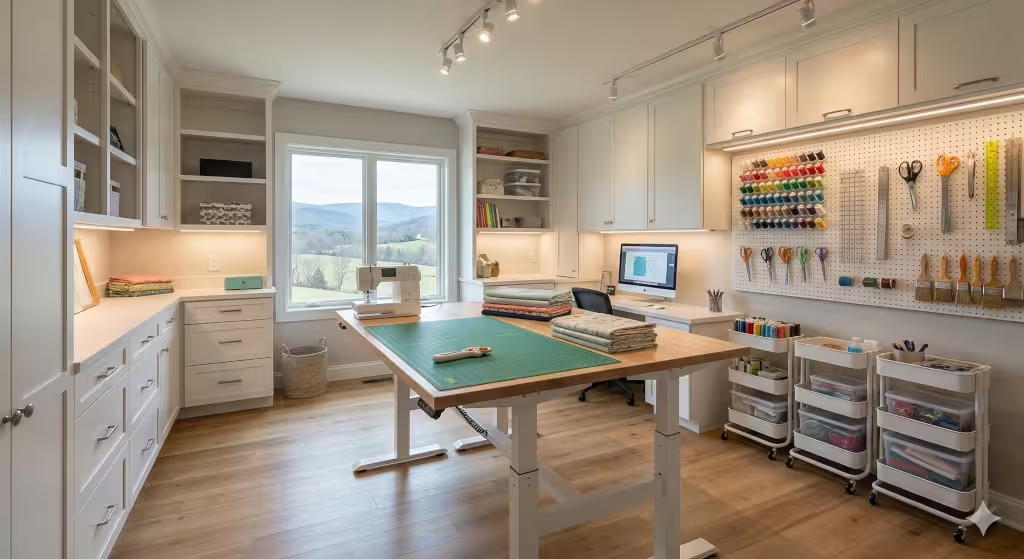
The magic happens when you can transition your room from a work zone to a party zone. I have seen some amazing setups in Johnson City where the hobby room floor plays a big part. One client has a large island in the middle of her room. During the day, it is her cutting table for fabric. At night, she clears it off, puts out some appetizers and a bottle of wine, and it becomes the center of the party. Because she has a stain-resistant hobby room floor, she does not worry about someone spilling a drink or dropping a piece of cheese.
This peace of mind is the real benefit of a good hobby room floor. You can be a relaxed host because you know your floor can handle whatever happens. You don’t have to follow your guests around with a napkin, worried about your expensive floors. Your hobby room floor is built for this. It is built to be used and enjoyed.
The Financial Value of a High-Quality Hobby Room
When you are spending money on a remodel, you want to know that you are getting your money back. A dedicated hobby room with a professional hobby room floor is a great selling point. In the Tri-Cities real estate market, people are looking for homes that offer more than just bedrooms and bathrooms. They want lifestyle spaces.
A room that is already set up with a durable, beautiful hobby room floor is very attractive to buyers. They can see themselves using it as a home office, a gym, or a craft room. Because the floor is stain-resistant and easy to clean, they know they won’t have to replace it for a long time. This adds to the overall value of your home and makes it stand out from other houses on the market.
Trends for the Future: 2026 and Beyond
As we look toward the future of home building, we see more technology being used in the hobby room floor. We are seeing floors that are even more resistant to scratches and stains than ever before. Some new coatings are even anti-microbial, which means they help keep the room cleaner by preventing the growth of bacteria. This is a nice feature for a hobby room floor where you might be working with organic materials or where kids might be playing on the ground.
We are also seeing a move toward sustainable materials. Many LVP options for a hobby room floor are now made from recycled plastics. This is great for the environment and also results in a very tough product. People in our area care about the beautiful mountains and rivers of East Tennessee, so choosing an eco-friendly hobby room floor is a way to protect our local environment while also getting a great product for your home.
The Practicality of a Mudroom and Hobby Room Combo
In some Tri-Cities homes, the hobby room is located near the back entrance. This means the hobby room floor also acts as a mudroom floor. If this is your situation, you need a floor that can handle mud, rain, and snow along with your craft supplies. A tile or epoxy hobby room floor is perfect for this because it is so easy to mop up. You can have a space where you come in from a hike at Warriors Path State Park, kick off your boots, and then sit down to work on your latest project without missing a beat.
This kind of multi-use space is very popular right now. It makes the most of every square foot in your home. By choosing a hobby room floor that is tough enough for a mudroom but pretty enough for a studio, you are making a very smart choice for your household.
Choosing the Right Lighting to Complement Your Floor
Once you have your hobby room floor installed, you need to think about lighting. The way light hits your floor can change how the whole room feels. For a hobby room floor with a bit of a sheen, like polished porcelain or epoxy, you want to avoid overhead lights that are too bright, as they can cause a glare. This glare can make it hard to see your work.
Instead, use a mix of lighting. Have good task lighting at your desk or table, and use softer ambient lighting for the rest of the room. This will make your hobby room floor look its best and create a warm atmosphere for hosting. If you have a matte hobby room floor, you can use more direct light without worrying about glare. The light will hit the floor and soften, creating a gentle glow in the room.
The Emotional Connection to Your Creative Space
There is a deep feeling of satisfaction that comes from having a space that is truly yours. When you walk into your room and see your beautiful hobby room floor, it should inspire you. It should be a place where you feel free to experiment and make mistakes. If you are always worried about the floor, you won’t be as creative. But with a stain-resistant hobby room floor, you can let your imagination run wild.
A well-designed room can change a person’s life. It gives them a sanctuary. By choosing the right hobby room floor, you are creating a foundation for that sanctuary. You are saying that your hobbies and your friendships are important enough to deserve a high-quality space.
Final Expert Tips for Your Flooring Project
Before you start your hobby room floor project, we have a few final tips. First, always buy a little bit more flooring than you think you need. About ten percent extra is a good rule. This covers any mistakes made during installation and ensures that you have matching planks or tiles if you ever need to make a repair in the future.
Second, think about the transitions. This is where your hobby room floor meets the floor in the next room. You want a transition strip that is low and matches the color of your floors. This prevents tripping and makes the transition look professional.
Lastly, don’t be afraid to ask for help. Building or remodeling can be a big job. If you are not sure which hobby room floor is right for you, talk to an expert. We are here to help you make choices that you will love for years to come. Your home in the Tri-Cities is a special place, and every room in it should reflect the care and quality you put into your life.
Your hobby room floor is more than just a surface to walk on. It is the stage where you create your art and where you welcome your friends. By choosing a material that is stain-resistant, durable, and beautiful, you are making a choice that will serve you well for a long time. Whether you choose LVP, epoxy, or tile, make sure it is a hobby room floor that makes you feel at home.
Going back to Samantha situation, her “closet of chaos” is gone. In its place is a beautiful, sun-filled studio with a stunning LVP hobby room floor. She tells me that she spends more time in that room than anywhere else in the house. She is no longer afraid of a little spilled paint, and she loves showing off her space to her book club. That is the power of a great hobby room floor. It takes the stress out of living and lets you focus on what really matters: being creative and connecting with the people you love.
In the Tri-Cities, we value hard work and quality. We want things that last. That is why choosing the right hobby room floor is so important. It is a part of our homes that sees a lot of action, and it needs to be up to the task. I hope this guide helps you as you plan your own creative space. Remember, your hobby room floor is the foundation of your creativity, so choose something that makes you happy every time you walk into the room.
Whether you are in Johnson City, Kingsport, or Bristol, the local climate and your own personal style will lead you to the perfect hobby room floor. Take your time, look at samples in different lights, and think about how you will use the space every day. With the right hobby room floor, you can have a room that is truly the best of both worlds. It will be a place where you can get your hands dirty and a place where you can celebrate life’s special moments with grace and style.
The evolution of the hobby room floor has come a long way. We are no longer stuck with boring or fragile options. We have materials that are high-tech, beautiful, and incredibly tough. Investing in a quality hobby room floor is one of the best things you can do for your home and your lifestyle. It is a choice you will be glad you made every time you sit down to start a new project or open your door to welcome a friend.
So, as you start your journey to create the perfect flex-creative space, keep the hobby room floor at the top of your list. It is the silent hero of the room, working in the background to keep everything looking great. With a stain-resistant hobby room floor, the only limit to what you can do is your own imagination. Enjoy your new space and all the wonderful things you will create and share within those walls.
The hobby room floor you choose today will be the one that supports your dreams tomorrow. Make it a good one. Make it a hobby room floor that represents the best of who you are and the home you have built here in our beautiful corner of Tennessee. We am so excited for you to start this project and to see how a great hobby room floor can transform your home and your life.