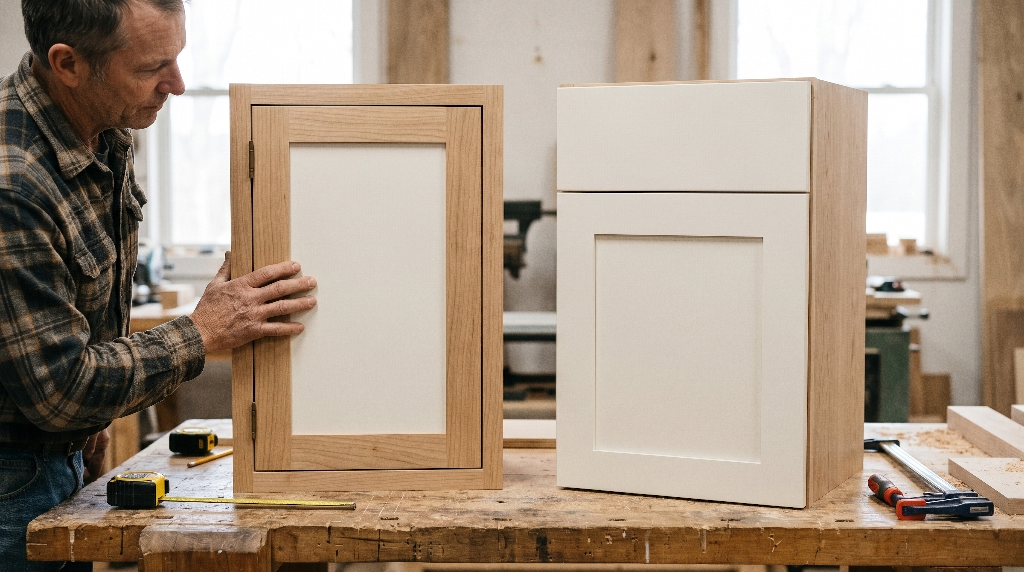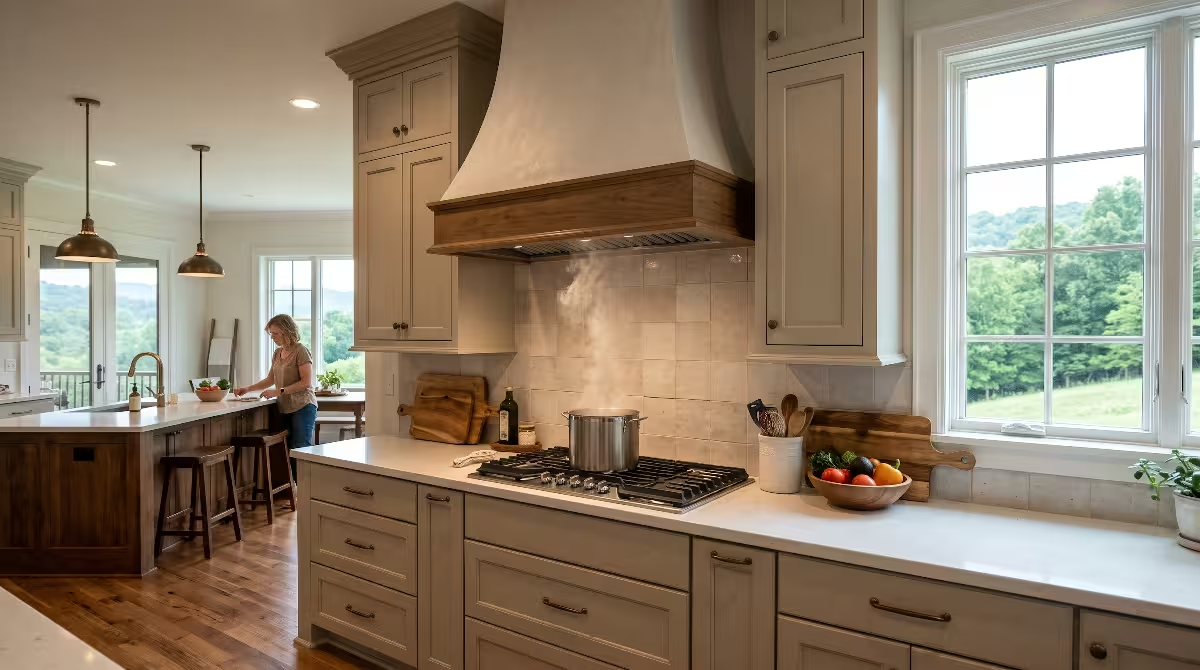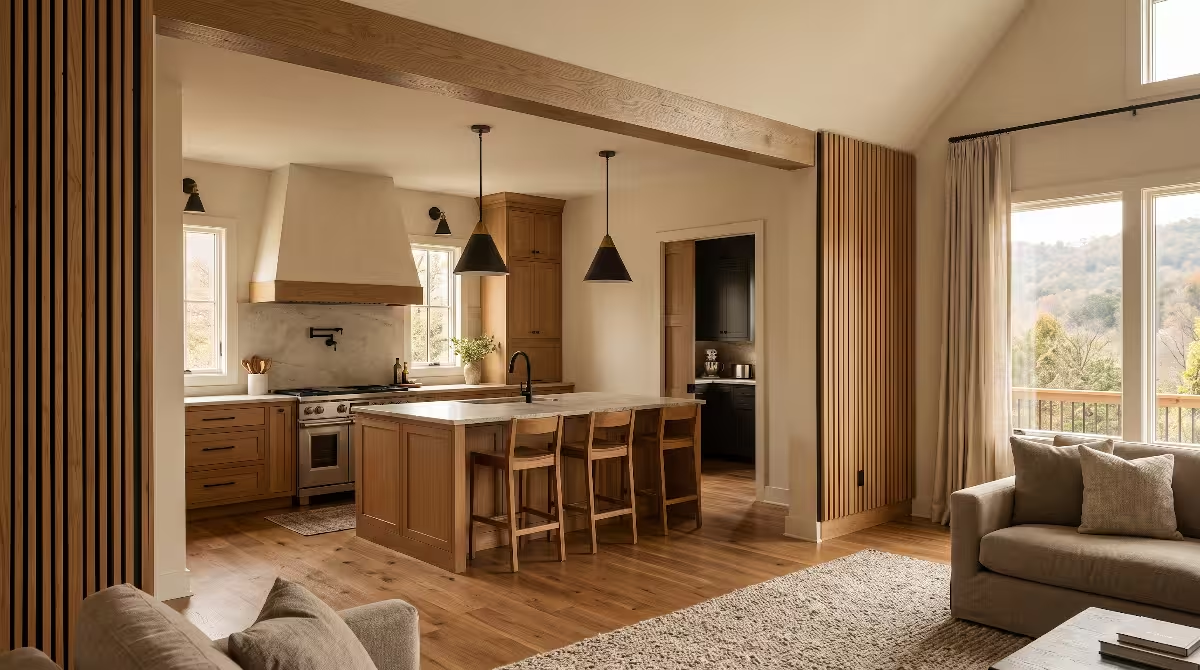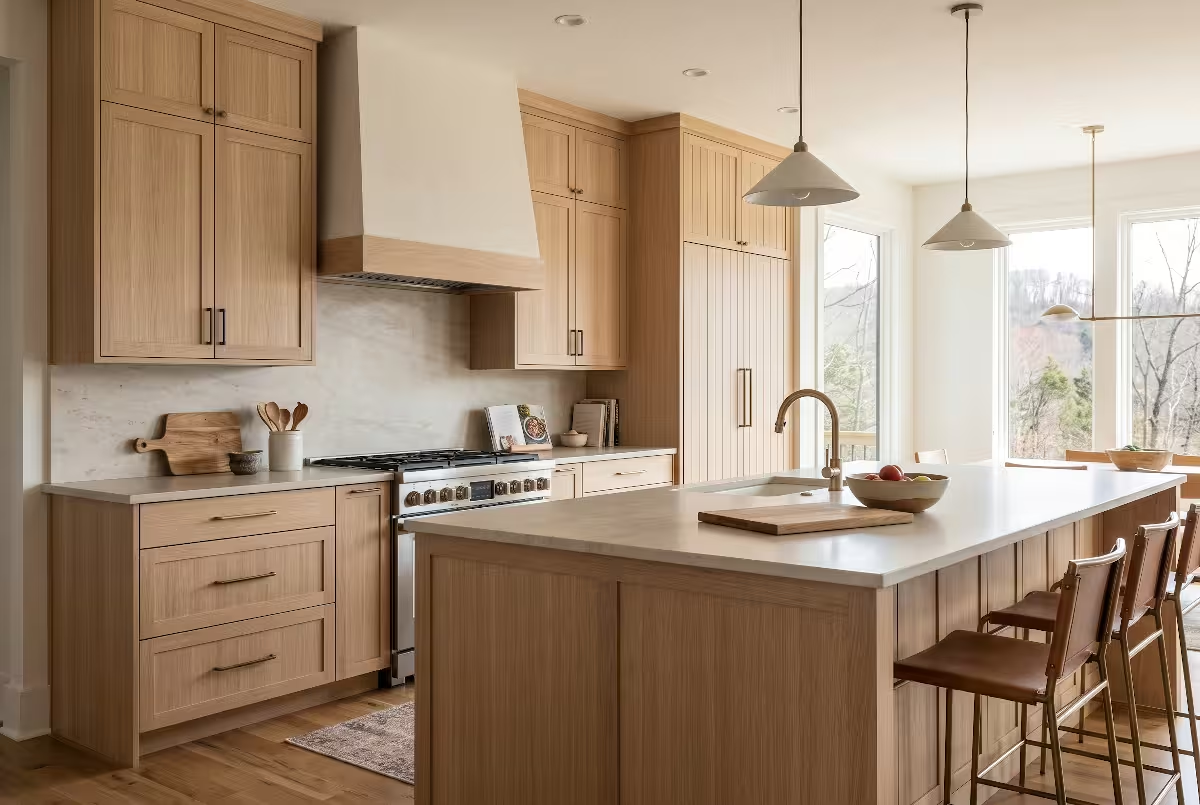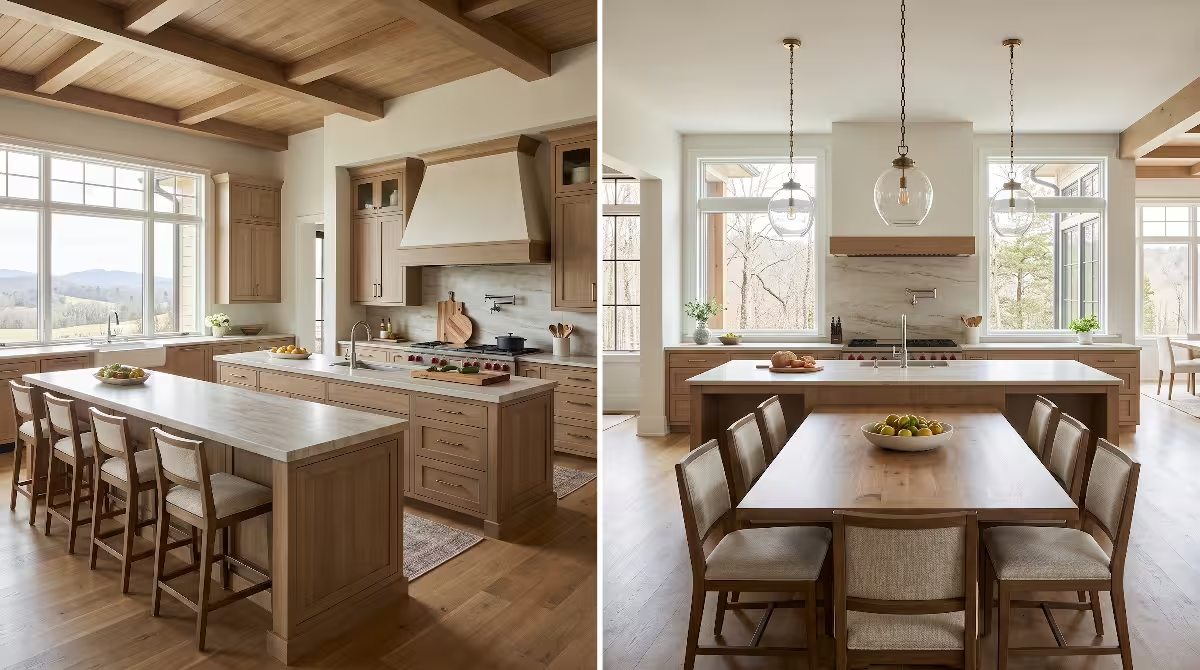


Picture walking across the front threshold of a newly built custom home. Your eyes sweep across a wide, sunlit great room, past the dining table, and straight into an open-concept kitchen. In one home, the kitchen almost disappears, because tall oak cabinet doors hide the refrigerator and the entire room feels like a calm, inviting living space. In the home down the street, a gleaming stainless steel range and matching French-door refrigerator anchor the wall like a high-end restaurant kitchen. Both kitchens look expensive, yet they send very different signals to a buyer who is about to make a seven-figure offer.
When homeowners and custom builders weigh paneled appliances vs stainless steel resale value luxury homes, they are really balancing two powerful forces. On one side is emotional buyer appeal, where a quiet, furniture-grade kitchen wins hearts during a five-minute showing. On the other side is hard appraisal math, daily durability, and long-term maintenance. Choosing the wrong finish for your home’s price point can either leave money on the table or saddle the next owner with headaches they never asked for.
In this article, we will look at how paneled appliances and stainless steel stack up in the real estate market, what each option actually costs, and how you can design a kitchen that protects your resale value for years to come.
How Luxury Buyers and Appraisers Actually Value High-End Appliances
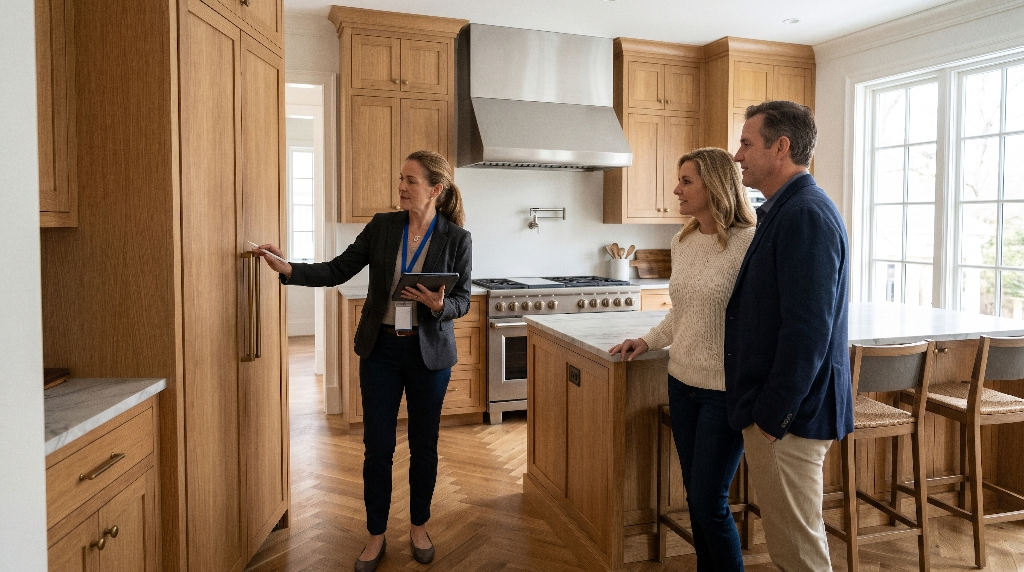
Before spending thousands of extra dollars on custom wood fronts or commercial-grade metal, it helps to understand how the real estate market puts a price tag on a kitchen. Buyers and appraisers look at the exact same room, yet they score it using completely different rules.
Perceived Value vs. Appraised Value (Why Comps Rule)
Many homeowners assume that if they spend $35,000 on a luxury appliance suite with custom wood fronts, their home’s appraised value will automatically jump by $35,000. In reality, residential appraisers do not add up your receipts line by line. When an appraiser completes a Uniform Residential Appraisal Report, they compare your home to recent comparable sales, often called comps, in your neighborhood or price tier.
An appraiser looks at the overall quality tier of your kitchen. If nearby luxury homes feature built-in refrigeration and custom inset cabinetry, your home needs a similar level of finish just to match the neighborhood baseline. According to research from the National Association of Realtors Remodeling Impact Report, major upscale kitchen upgrades consistently rank among the top projects for buyer appeal and cost recovery, often recouping 70 to 100 percent of their value in competitive luxury markets. However, that return happens because high-end finishes help your home sell faster and prevent buyers from demanding price cuts during negotiations.
Listing descriptions also play a huge role in perceived value. When a real estate agent can include respected brand names like Sub-Zero, Wolf, Miele, or Thermador alongside custom paneled appliances, relocating buyers immediately recognize that the builder did not cut corners behind the walls.
What Discerning Buyers Notice in the First 30 Seconds
Buyers rarely walk into a luxury home with a clipboard and a calculator. Instead, they react emotionally within the first thirty seconds of stepping into the main living area. Because modern floor plans connect the kitchen directly to the family room and dining area, the kitchen is always on display.
When a buyer stands in the living room, large sheets of shiny metal can reflect ceiling lights and create visual clutter. For many buyers, especially those who prioritize a peaceful, cohesive interior design, paneled appliances solve that problem right away. By covering a massive 48-inch refrigerator with the same stained white oak or painted maple used on the surrounding cabinets, the kitchen feels like fine furniture rather than a utility room.
At the same time, buyers who love to cook every night look for performance cues. When a passionate home chef sees a heavy-duty stainless steel range with solid brass burners and commercial knobs, they feel an instant sense of confidence in the home. Understanding both reactions is the key to making smart finish choices.
Custom Paneled Appliances: Pros, Cons, and Real Cost Breakdown
Creating a seamless kitchen where appliances blend into the cabinetry looks effortless in magazine photos, but achieving that look takes careful planning and extra budget. Before you commit to paneled appliances for every wall, you should understand the three distinct layers of cost involved.
The Three Cost Layers of an Invisible Kitchen
First, the machines themselves carry a higher price tag. Panel-ready appliances typically cost 15 to 30 percent more than the exact same models in stainless steel. On a built-in refrigerator or high-end dishwasher, that difference often adds $500 to $1,000 or more per unit. You are not paying for prettier metal; you are paying for heavy-duty articulated hinges, stronger door springs, and zero-clearance engineering that lets a thick wood door swing open without hitting the cabinet next to it.
Second, you have to pay your cabinetmaker to build and finish the custom panels. Unlike standard cabinet doors, appliance panels require thick, stable wood construction so they do not warp when cold air meets warm kitchen air. If you choose natural wood like white oak or walnut, a skilled cabinet shop will match the wood grain across tall refrigerator and freezer columns so the lines flow smoothly from floor to ceiling. You will also need to buy heavy, oversized appliance pulls, which cost far more than standard drawer knobs.
Third, finish carpentry labor takes extra time and precision. Installing paneled appliances is not a simple slide-in job. A carpenter must carefully adjust every hinge and leveling leg so the gaps around the appliance match the exact spacing of your other cabinet doors. If those gaps are crooked, the entire kitchen looks poorly built.
Overlay vs. Fully Integrated Panels (A Critical Resale Distinction)
Not all paneled appliances look the same once they are installed, and luxury buyers can spot the difference right away. There are two main styles on the market: built-in overlay models and fully integrated models.
Built-in overlay appliances slide into a standard 24-inch deep cabinet opening, but the appliance frame still sits slightly proud of the cabinets. You attach a custom wood panel to the front of the door, yet a thin metal trim strip remains visible around the outer edges, and the grille at the top still shows.
Fully integrated appliances, such as the Sub-Zero Designer Series, Miele, or Gaggenau columns, sit completely flush inside a 24-inch deep cabinet box. The hinges hide completely out of sight, and the custom wood panel sits on the exact same plane as the adjacent cabinet doors. When closed, a truly integrated refrigerator looks identical to a pantry closet. In upper-tier luxury homes, fully integrated paneled appliances command much stronger buyer admiration than overlay models.
Durability Reality: Wood Edges, Paint Chips, and Dishwasher Steam
As a builder with carpentry training, I always share one honest warning with homeowners who want paneled appliances everywhere: wood and paint are softer than steel. Even when a cabinet shop uses top-grade catalyzed conversion varnish, painted wood edges around a busy refrigerator or dishwasher take a beating over time.
Think about how many times a day family members open the dishwasher or grab a drink from the fridge. Wet hands, fingernails, rings, and stray drops of water hit the exact same spots on the wood finish every single day. Over five to ten years, painted panels can develop hairline cracks at the joints or worn spots along the edges. Dishwashers also release warm, moist steam at the end of a drying cycle. If the bottom edge of a wooden dishwasher panel is not sealed properly against moisture, that steam can cause the wood fibers to swell or the paint to peel.
Pro-Style Stainless Steel: Why the Culinary Classic Still Commands Respect
While custom wood fronts have surged in popularity, pro-style stainless steel remains a cornerstone of luxury home design. There is a very practical reason high-end builders still install thousands of stainless steel packages every year: nothing else handles heat, spills, and heavy daily cooking quite as well.
Heat, Moisture, and Busy-Household Resilience
Around a cooktop, range, or wall oven, temperatures spike quickly. Boiling pots release steam, frying pans splatter hot oil, and acidic ingredients like lemon juice or tomato sauce inevitably land on nearby surfaces. Brushed stainless steel shrugs off heat and moisture without warping, swelling, or losing its finish.
Older stainless steel appliances frustrated homeowners because every fingerprint showed up immediately. Fortunately, modern luxury brands like Bosch Benchmark, JennAir, and Monogram now offer advanced brushed grains and fingerprint-resistant coatings that wipe clean with a soft microfiber cloth and warm water. For busy households with kids, pets, and frequent dinner parties, stainless steel offers peace of mind that delicate painted cabinetry simply cannot match.
Future-Proofing and Replacement Flexibility
When buyers evaluate a luxury resale home, smart shoppers also think about future repairs. Even the finest luxury appliances have a realistic lifespan of 12 to 20 years. When a standard 36-inch or 48-inch stainless steel range or refrigerator eventually reaches the end of its life, replacing it is straightforward. A technician slides out the old unit and slides in a new model that fits the standard opening.
Replacing older paneled appliances is much more complicated. Over a fifteen-year span, manufacturers change door dimensions, hinge mounting brackets, and panel thickness rules. Furthermore, if your kitchen cabinets were painted or stained fifteen years ago, matching that exact aged wood tone for a single new refrigerator door can be nearly impossible. Stainless steel keeps future upgrades simple and predictable for the next homeowner.
The Winning Resale Strategy: Mixing Paneled and Stainless Steel Finishes
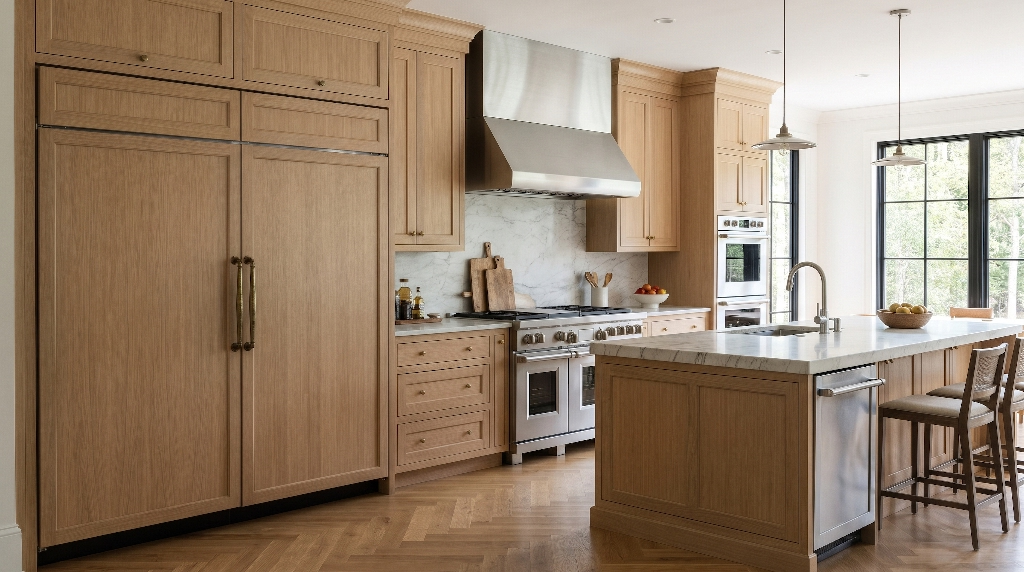
You do not have to choose an all-or-nothing approach. In fact, most leading custom builders and luxury interior designers agree that mixing paneled appliances with stainless steel creates the strongest visual appeal and the highest resale value. This balanced strategy gives buyers the calm, custom look they crave while keeping heavy-duty metal in the areas that work the hardest.
Which Appliances to Panel (Refrigerators, Dishwashers, Undercounter Drawers)
Start by hiding the largest, bulkiest boxes in the room. A standard 36-inch or 48-inch refrigerator tower creates a huge visual wall. When you use paneled appliances for your refrigerator, freezer columns, wine storage, and dishwasher, those tall and wide surfaces blend quietly into your perimeter cabinetry.
Undercounter beverage centers and refrigerated drawers in a kitchen island are also fantastic candidates for custom wood panels. Hiding them keeps the island looking like a handsome piece of custom furniture from the living room couch. Because refrigerators and dishwashers stay relatively cool on the outside compared to ovens, wood panels on these units hold up well when built with proper moisture sealing.
Which Appliances to Keep in Stainless Steel (Ranges, Wall Ovens, Hoods)
Leave your primary cooking equipment in pro-style stainless steel. A commercial-style range from Wolf, Viking, or Thermador, paired with a matching stainless steel wall oven or speed oven, creates a natural focal point in the kitchen.
Keeping the cooking zone in stainless steel brings three clear benefits at resale:
- Visual Contrast: Warm wood or painted cabinets look richer when balanced against cool, brushed metal.
- Heat Protection: You never have to worry about oven heat or boiling steam damaging expensive cabinetry panels right next to the burners.
- Instant Status Signal: Buyers immediately recognize pro-style stainless cooking gear as a hallmark of a serious luxury kitchen.
Sculleries and Working Pantries Where Function Wins
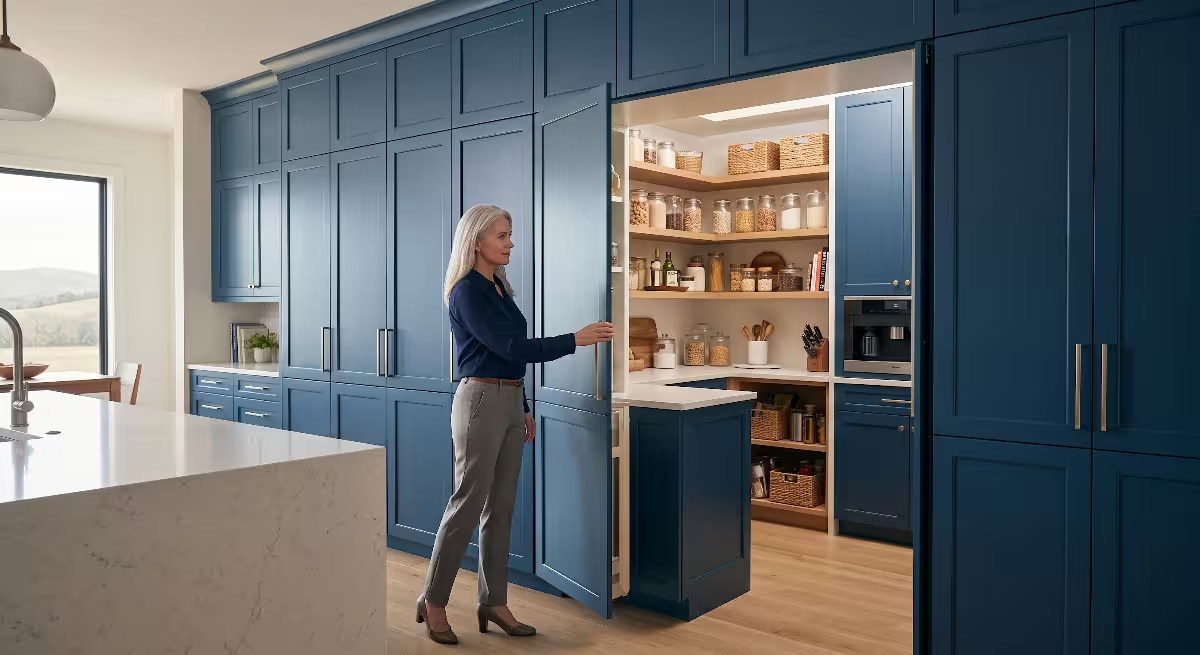
Many new custom luxury homes now include a scullery, butler’s pantry, or back prep kitchen tucked right behind the main kitchen wall. If your floor plan includes one of these hardworking spaces, skip the custom wood fronts inside the pantry.
In a scullery, buyers expect pure function, easy cleanup, and generous storage. Installing durable stainless steel dishwashers, secondary refrigerators, and warming drawers in the back kitchen saves thousands of dollars in millwork costs while giving homeowners a rugged workspace where messy prep work stays out of sight during parties.
Matching Your Appliance Choice to Your Home’s Price Bracket and Architecture
The smartest appliance investment always depends on your local real estate market and the architectural style of your house. What pays off in a lakefront estate might be an unnecessary expense in a smaller suburban home.
Ultra-Luxury and Custom Estates ($1.2M and Up in East Tennessee)
Across growing luxury markets in East Tennessee, such as custom estates in Johnson City, Kingsport, Bristol, and waterfront homes along Boone Lake, buyers shopping at $1.2 million and above have clear expectations. At this price level, custom architecture, stone or brick exteriors, hardwood flooring, and high-end millwork come standard.
In an ultra-luxury home, leaving a giant standalone stainless steel refrigerator exposed in an open great room can make the kitchen feel slightly under-built compared to competing properties. Buyers in this bracket expect to see integrated paneled appliances for refrigeration and dishwashing, paired with a statement commercial range. Investing in true flush-mount integration here protects your top-dollar resale value and keeps your listing competitive with brand-new custom builds.
Upper-Mid Luxury and Semi-Custom Homes ($750K to $1.2M)
In the $750,000 to $1.2 million range, homeowners need to watch neighborhood price ceilings carefully so they do not over-improve for their street. Spending an extra $12,000 on full custom millwork panels might not come back at closing if neighboring homes sell with standard stainless suites.
In this tier, a counter-depth pro-style stainless steel appliance package offers the best risk-adjusted return on investment. If you want a touch of custom elegance without breaking the budget, consider installing a panel-ready dishwasher so it blends into your island cabinets while keeping your counter-depth refrigerator and range in matching stainless steel. That small upgrade delivers a clean, custom look for a modest cost.
Architectural Style Alignment
Your home’s architecture should also guide your finish selection:
- Transitional, French Country, English Cottage, and Warm Minimalist Homes: These styles rely on soft textures, natural wood tones, and quiet visual flow. Paneled appliances fit these interiors naturally and preserve the calm character of the architecture.
- Modern Mountain, Industrial, and Classic American Homes: These styles celebrate honest, rugged materials like exposed beams, natural stone, and steel. Pro-style stainless steel appliances feel completely at home in these spaces and reinforce the bold character of the house.
Technical Carpentry and Engineering Specifications That Protect Your Investment
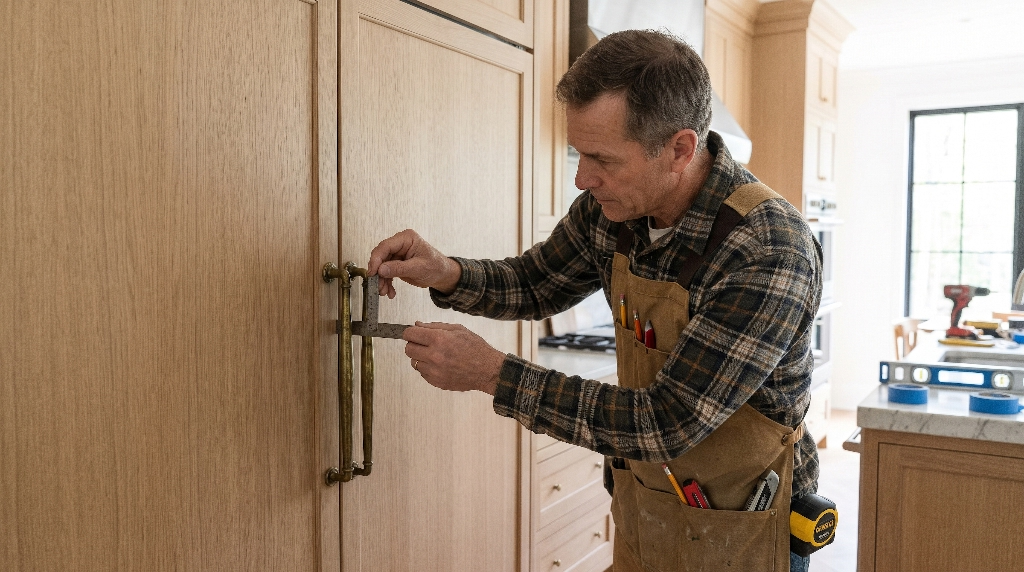
If you decide to install paneled appliances, the quality of the carpentry behind them determines whether your kitchen ages gracefully or develops annoying problems. Before your cabinetmaker starts cutting wood, make sure these four engineering standards are built into your plans.
- Strict 24-Inch Cabinet Box Depth and Recessed Hookups: True flush-mount paneled appliances require an exact 24-inch deep cabinet enclosure. Just as importantly, your plumber and electrician must recess the water supply valve and electrical outlet into the wall cavity behind the unit. If an outlet sticks out even half an inch, the refrigerator will protrude past the cabinets and ruin the flush look.
- Panel Thickness and Weight Limits: Most luxury manufacturers specify a strict 3/4-inch (19mm) thickness for custom wood panels and enforce maximum weight limits, typically 40 to 65 pounds per refrigerator door and 12 to 20 pounds for a dishwasher door. If a cabinetmaker builds an oversized solid-hardwood panel that exceeds those limits without routing relief channels on the back, the extra weight will strain the appliance hinges and cause doors to sag over time.
- Moisture and Steam Vapor Barriers: Instruct your cabinet shop to seal all six sides of every wood panel—front, back, top, bottom, and both edges—using a high-grade catalyzed conversion varnish or marine-grade sealer. Pay special attention to the bottom edge of the dishwasher panel and the underside of the countertop directly above it, where hot steam collects after every wash cycle.
- Uniform 1/8-Inch Door Reveals: In fine inset cabinetry, the narrow shadow gap around every door and drawer is called a reveal. A skilled finish carpenter will set the reveals around your paneled appliances to a crisp, uniform 1/8-inch spacing. Consistent gaps keep doors from rubbing when humidity changes in the summer and give the entire wall of cabinetry a tailored, furniture-grade finish.
Financial ROI and Cost-Benefit Comparison Matrix
Use the comparison table below to weigh upfront costs, daily upkeep, and long-term resale performance across all three luxury kitchen strategies.
| Evaluation Factor | Fully Paneled (Integrated) | Pro-Style Stainless Steel | Strategic Hybrid (Recommended) |
| Upfront Appliance Cost | 15 to 30 percent premium ($500 to $1,000+ extra per unit) | Baseline luxury pricing | Moderate premium (on fridge and dishwasher only) |
| Custom Millwork and Labor | High ($1,500 to $4,500+ for panels, pulls, and flush fitting) | Standard cabinet cutouts | Moderate ($1,000 to $2,500 for refrigeration and dishwasher) |
| Visual Sightline Impact | Seamless, quiet, furniture-grade look | Bold, reflective, chef-inspired anchor | Best of both: calm perimeter plus culinary focal point |
| Daily Wear and Maintenance | Requires gentle wood and paint care; edge wear possible | High heat and scratch resistance; easy wipe-down | Durable steel in hot zones; clean cabinetry elsewhere |
| Future Replacement Ease | Complex (must match existing panel sizes and hinges) | Easy (standard cutout widths fit future models) | Balanced (easy range swap; long-life built-in fridge) |
| Luxury Resale ROI | Highest in $1.2M+ open-concept custom homes | Best risk-adjusted ROI in $750K to $1.1M homes | Broadest appeal across luxury buyer profiles |
Essential Pre-Construction and Remodel Checklist Before You Order
Whether you are building a custom home from the ground up or remodeling an existing luxury kitchen, timing is everything. Follow this step-by-step checklist to avoid costly delays and carpentry mistakes:
- Lock Appliance Model Numbers First: Choose your exact appliance brands and model numbers before your cabinetmaker draws a single shop plan. Every brand has unique hinge clearances, ventilation grilles, and panel mounting rules.
- Verify Rough-In Locations Before Drywall: Hand the manufacturer specification sheets directly to your builder, plumber, and electrician before framing is finished. Double-check that water lines, gas lines, and electrical outlets sit inside the exact recessed zones shown on the spec sheet.
- Order Panels From the Same Lumber Batch: If you are using stained wood like white oak, walnut, or cherry, ensure your cabinetmaker mills all appliance panels from the same batch of lumber as your surrounding doors so the color and grain match naturally.
- Select Ergonomic, Heavy-Duty Hardware: Built-in refrigerators have strong magnetic door gaskets that create a tight vacuum seal. Choose solid, comfortable appliance pulls—typically 12 to 18 inches long—that give your hand plenty of leverage without your knuckles brushing against the wood panel.
- Request Touch-Up Paint or Stain at Closing: Ask your cabinetmaker to leave behind labeled cans of your exact stain or paint finish so you can easily touch up minor nicks years down the road.
Frequently Asked Questions About Stainless Steel vs. Paneled Appliances
Do panel-ready appliances increase home value?
Yes, in luxury and custom home tiers, panel-ready appliances elevate perceived craftsmanship, improve listing photography, and help homes sell faster with less buyer negotiation. While appraisers rarely add dollar-for-dollar appliance costs to a valuation, integrated cabinetry prevents a luxury kitchen from feeling dated compared to local comparable sales.
Are paneled appliances more expensive than stainless steel?
Paneled appliances typically cost 15 to 30 percent more, or roughly $500 to $1,000 extra per major unit, than comparable stainless steel models due to heavy-duty hinge engineering. Homeowners must also budget for custom cabinetmaker panels, matching hardware, and precision flush installation.
Are stainless steel appliances going out of style in luxury homes?
Stainless steel is not going out of style, particularly for pro-style ranges, wall ovens, and heavy-use zones. However, in open-concept luxury homes, design trends increasingly favor hiding refrigerators and dishwashers behind custom cabinetry panels while letting a commercial-grade stainless range act as the kitchen’s architectural anchor.
What are the disadvantages of panel-ready appliances?
The primary drawbacks of paneled appliances are higher upfront equipment and millwork costs, longer lead times, and increased wear on painted or stained wood edges from daily hand contact and dishwasher steam. Additionally, replacing a failed integrated unit later requires matching existing cabinet dimensions and panel specifications.
Can you mix paneled and stainless steel appliances in the same kitchen?
Mixing paneled appliances and stainless steel is widely considered the gold standard in modern luxury kitchen design. Putting custom wood panels on the refrigerator and dishwasher maintains quiet cabinetry sightlines, while keeping the range, hood, or speed oven in stainless steel adds culinary warmth and durability.
When you step back and look at the big picture, protecting your luxury home’s resale value comes down to designing a kitchen that feels both timeless and effortless to live in. Custom paneled appliances bring warmth, quiet elegance, and unmistakable craftsmanship to open-concept living spaces, while pro-style stainless steel delivers rugged durability where heat and heavy cooking happen every day. By matching your finish strategy to your home’s architecture, price bracket, and solid carpentry standards, you create a kitchen that delights your family right now and commands top dollar when it is time to sell.