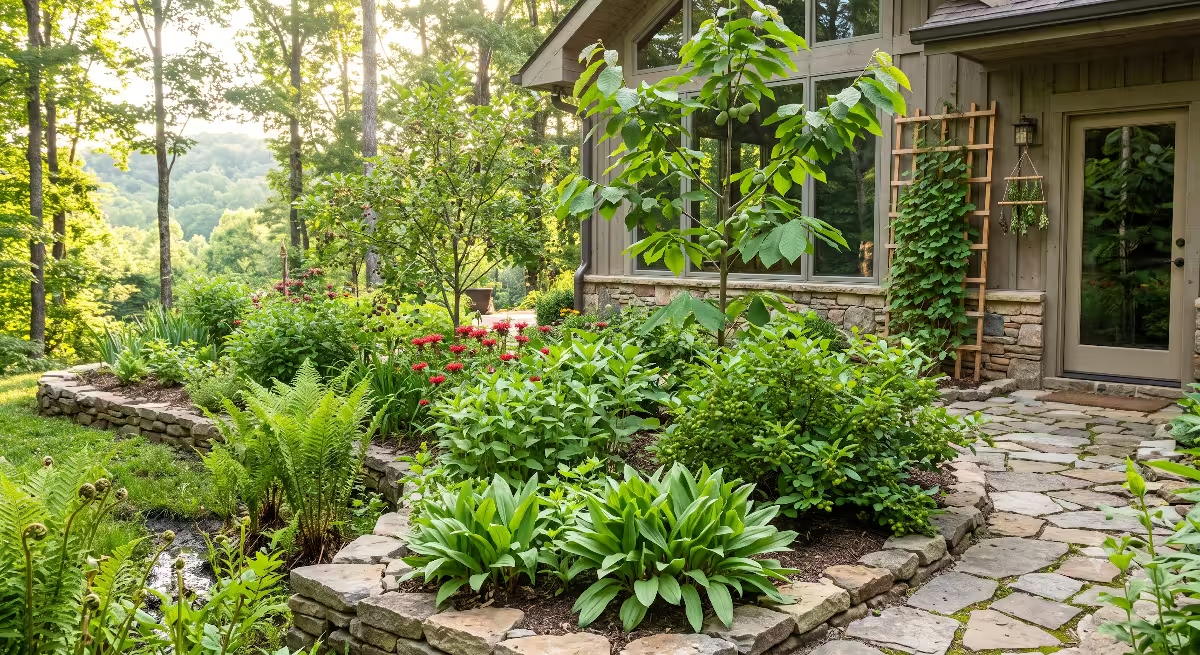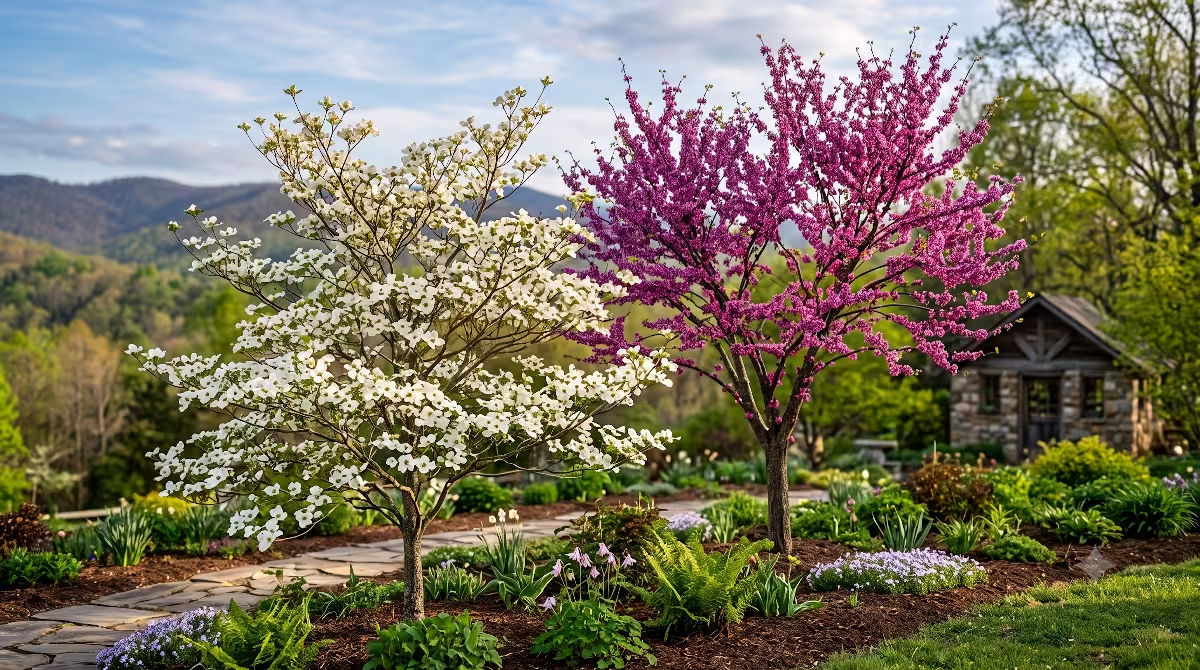

When you build or renovate a custom home, the work does not end at the front door. The exterior framework of your property must match the quality of your interior living spaces. A major part of that exterior framework is your landscaping. Choosing the right drought-tolerant plants for full sun areas can transform your yard. Using drought-tolerant plants helps you build a beautiful landscape that stands up to hot summers while protecting your time, your budget, and your property value.
Throughout this guide, we will explore how drought-tolerant plants perform in USDA Zone 7. We will look at how drought-tolerant plants improve your curb appeal, how drought-tolerant plants handle our local soils, and how planting drought-tolerant plants can give you a low-maintenance yard you will love for years to come.
Engineering Beauty with Water-Wise Landscaping
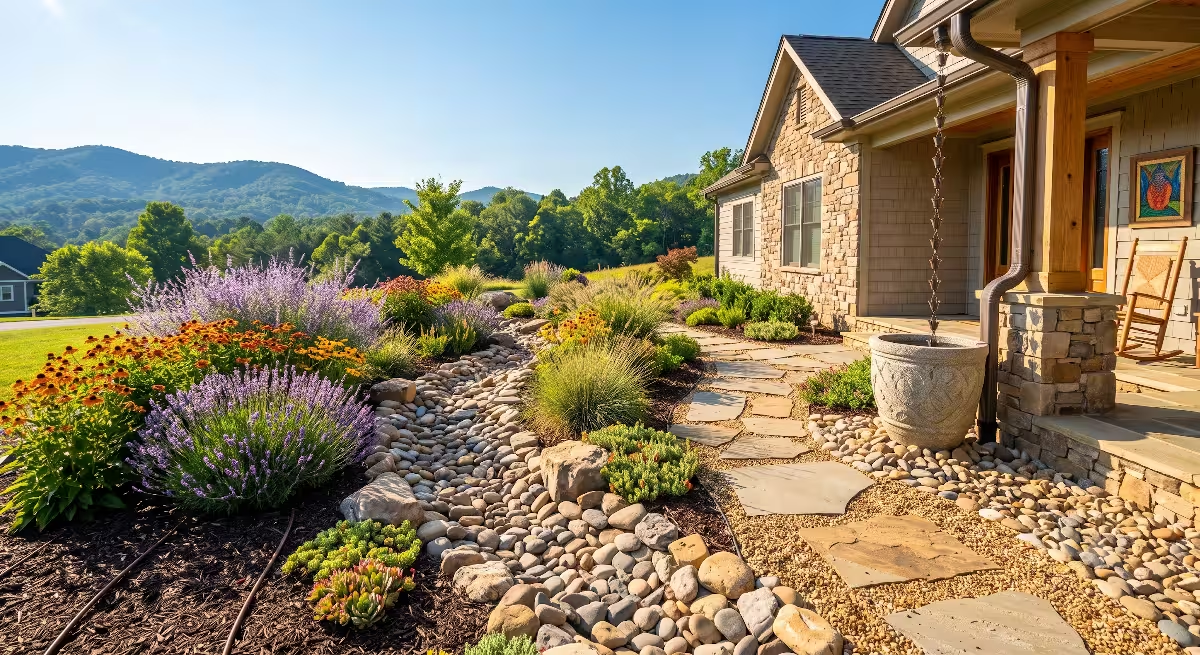
When a builder evaluates a custom home site, they often look at the exterior landscape through an engineering lens. Landscaping is not just about popping a few pretty flowers into the ground. It is about building a living system that works with your climate and your house foundation.
In the Tri-Cities area of Tennessee, our climate brings a unique mix of conditions. We get plenty of rain during early spring, but midsummer often brings long spells of intense heat and sparse rainfall. If you rely on thirsty flowers that wilt under the summer sun, your yard can end up looking dry and neglected by July. That is where drought-tolerant plants come in to save the day.
Integrating drought-tolerant plants into your front yard layout creates a resilient buffer against heat. When you select drought-tolerant plants, you are choosing species that have adapted to store water, grow deep root structures, or reflect harsh sunlight with silvery leaves. These drought-tolerant plants stay lush and vibrant even when rainfall drops off.
From a home design perspective, low-maintenance living is a top priority for modern custom home buyers. Most homeowners want a stunning home entrance without spending every Saturday morning dragging hoses across the lawn or replacing dead foliage. By using drought-tolerant plants in your landscape beds, you reduce weekend chores and lower your water bills.
Furthermore, using drought-tolerant plants near your home foundation protects the soil balance around your house. Overwatering foundation beds can lead to standing water, high humidity near exterior walls, and unwanted moisture in basements or crawl spaces. By relying on drought-tolerant plants, you keep your foundation beds drier and healthier.
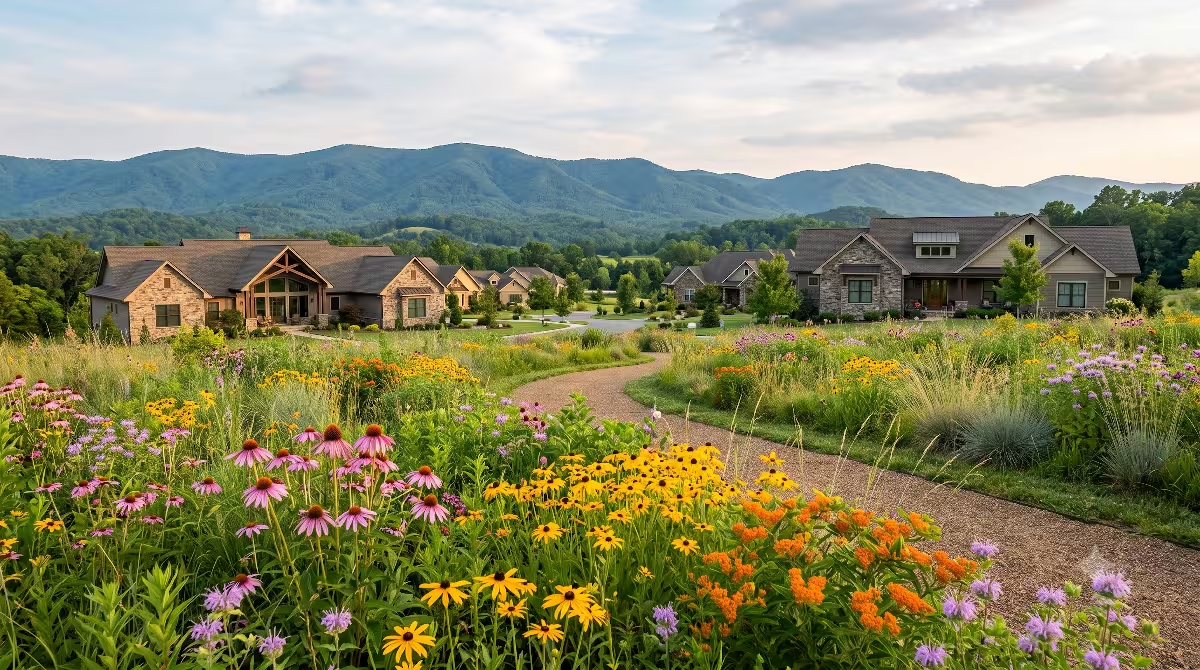
When you plan your landscape beds with drought-tolerant plants, you build an outdoor space that enhances your home style. Whether your home features modern farmhouse siding, traditional red brick, or natural mountain stone, drought-tolerant plants provide continuous color, varied textures, and lasting curb appeal.
Understanding USDA Zone 7 Climate and Soil Dynamics
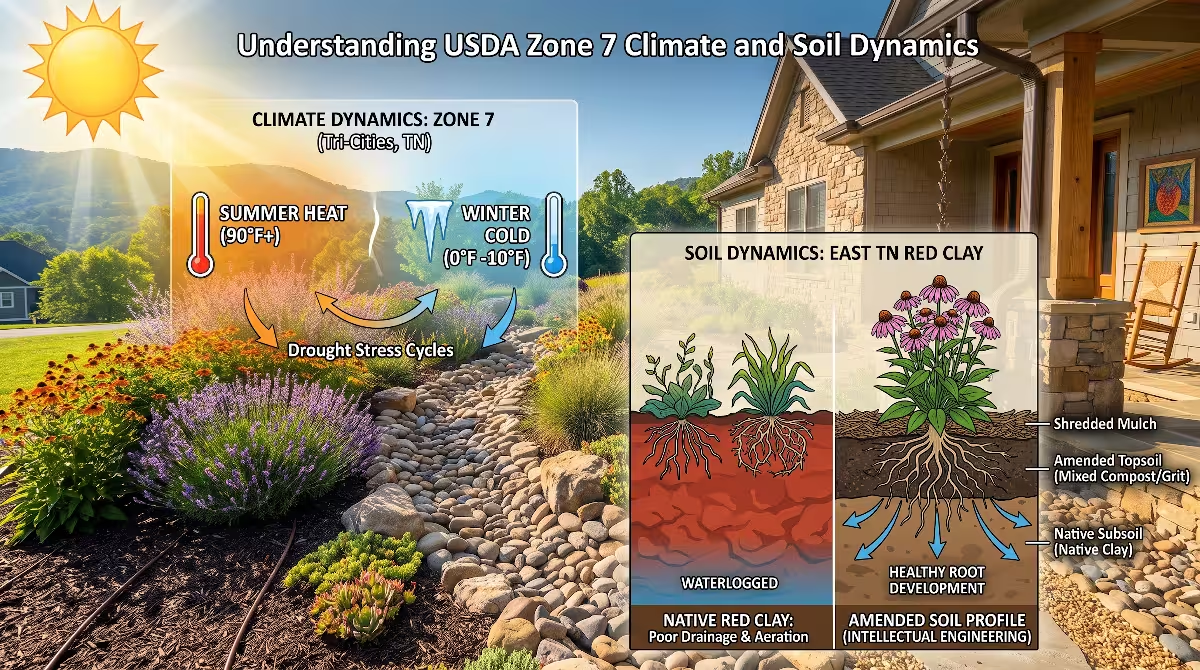
To make the best choices for your yard, you need to understand how USDA Hardiness Zone 7 affects plant growth. Zone 7 covers a broad band across the country, including much of East Tennessee, Virginia, the Mid-Atlantic region, and even parts of the Great Lakes. In Zone 7, winter temperatures can drop down to 0 to 10 degrees Fahrenheit. Meanwhile, summer heat indexes regularly climb into the 90s with full, unfiltered sunlight.
This combination means that your plants must be tough. They must survive cold winter freezes and then stand up to scorching summer heat. This is precisely why plants suited for Zone 7 are so valuable for regional homeowners.
Zone 7 Seasonal Conditions:
+-----------------------------------------------------------+
| Winter: Average Lows of 0°F to 10°F                       |
| Spring: Heavy Rainfall & Cool Soil Temp                  |
| Summer: High Heat (90°F+) & Dry Spells                    |
| Fall: Moderate Temperatures & Steady Root Growth Conditions|
+-----------------------------------------------------------+
Soil condition is another critical piece of the puzzle. Here in the Tri-Cities, our native soil contains a high concentration of dense red clay. Red clay presents a double challenge for homeowners:
During heavy spring rains, clay holds onto moisture and drains very slowly.
During hot summer droughts, unamended clay bakes hard like a brick, making it difficult for weak plant roots to find oxygen and water.
Many people assume that drought-tolerant plants only care about heat and dry weather. However, many drought-tolerant plants are actually sensitive to poor drainage. If drought-tolerant plants sit in waterlogged clay during wet winter months, their roots can rot before warm weather even arrives. Therefore, pairing drought-tolerant plants with proper soil preparation is essential for long-term success.
Another factor to consider is radiant heat from hardscape surfaces. Driveways, stone walkways, dark brick siding, and concrete foundations absorb heat during the day and radiate it back outward into your landscape beds. Plants placed along these hot zones face extra stress. Using hardy drought-tolerant plants along concrete edges and stone walls keeps these hot microclimates looking fresh and green all summer long.
Top Full-Sun Drought-Tolerant Perennials for Zone 7
Perennials are the backbone of any perennial flower bed because they return year after year, growing stronger with each passing season. When selecting full sun perennials, picking drought-tolerant plants ensures you get reliable blooms without non-stop hand watering.
Here is a breakdown of top-performing perennials that thrive under full sun in Zone 7:
| Plant Scientific Name | Common Name | Bloom Color | Highlighted Features |
| Echinacea purpurea | Purple Coneflower | Purple, Pink, White | Native, attracts butterflies, strong stems |
| Rudbeckia fulgida | Black-Eyed Susan | Bright Yellow | Summer to fall bloom, deer resistant |
| Salvia yangii | Russian Sage | Light Purple | Silvery foliage, high heat tolerance |
| Achillea millefolium | Yarrow | Yellow, Red, Pink | Flat flower heads, fern-like leaves |
| Gaillardia | Blanket Flower | Red & Yellow | Continuous blooms, loves lean soil |
| Coreopsis | Tickseed | Yellow, Orange | Compact grower, easy to maintain |
Purple Coneflower (Echinacea purpurea)
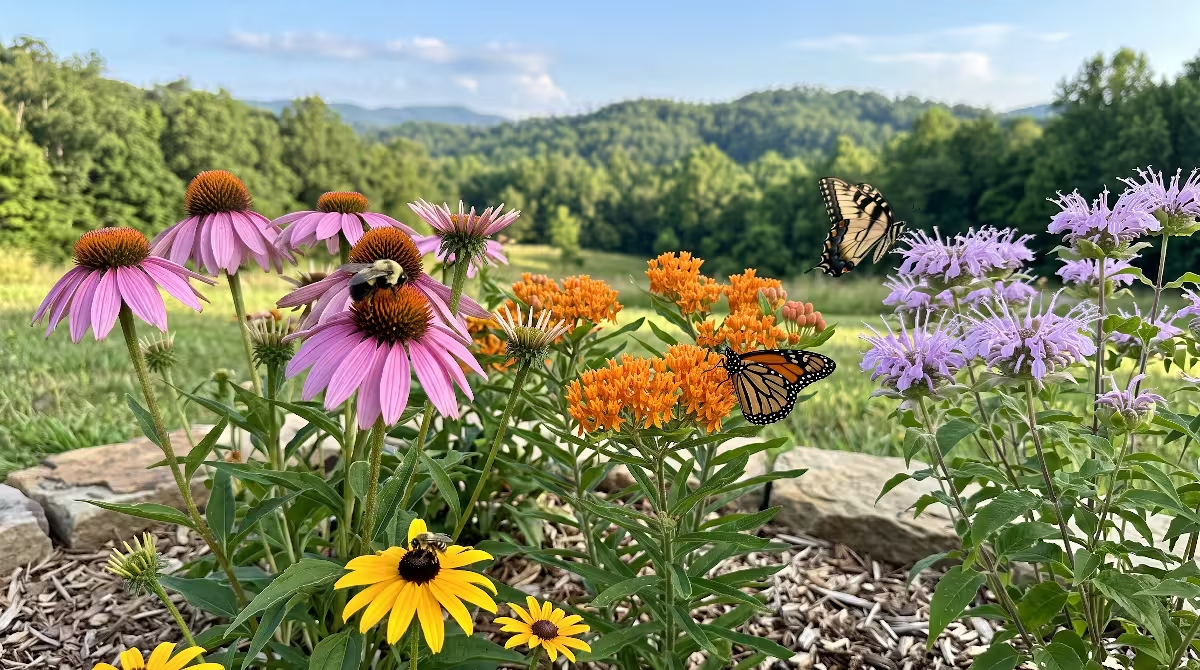
Purple Coneflowers are iconic drought-tolerant plants that belong in almost every sunny Zone 7 garden. They feature thick taproots that dig deep into the earth to find underground moisture. These drought-tolerant plants produce large, daisy-like blossoms that attract local bees and butterflies. They hold up beautifully during late July heat waves and require minimal fuss once established.
Black-Eyed Susan (Rudbeckia fulgida)
Black-Eyed Susans are bright, cheerful drought-tolerant plants that bring rich golden color to your landscape beds from midsummer into autumn. These drought-tolerant plants tolerate tough soil conditions and bright sunlight with ease. Their seed heads also provide food for songbirds during late fall and winter.
Russian Sage (Salvia yangii)
If you want soft color and texture, Russian Sage is a stellar pick among drought-tolerant plants. This plant grows silvery stems with clouds of small, lavender-blue flowers. Russian Sage loves hot, sunny spots where other foliage wilts. These drought-tolerant plants look amazing when planted against dark stone foundations or gray house siding.
Yarrow (Achillea millefolium)
Yarrow is a classic choice when compiling a list of reliable drought-tolerant plants. It sports feathery green foliage and wide, flat flower clusters. Yarrow comes in yellow, pink, red, and white varieties. These drought-tolerant plants thrive in poor, sandy, or rocky soil, making them great for sunny slopes and dry borders.
Blanket Flower (Gaillardia spp.)
Blanket Flowers are fiery drought-tolerant plants that bloom continuously from late spring until the first frost. Their bright red and yellow pattern looks fantastic in modern exterior designs. Because these drought-tolerant plants prefer dry, well-draining soil, they do not require heavy fertilizer or frequent watering.
Structural Shrubs and Evergreens for Low-Water Curb Appeal
While perennials bring vibrant seasonal color, structural shrubs and evergreens provide permanent architecture for your home exterior. Selecting woody drought-tolerant plants for your foundation planting ensures your home looks anchor-solid throughout all four seasons.
Glossy Abelia (Abelia X grandiflora)
Glossy Abelia is a fine choice among flowering evergreen shrubs. It produces clusters of small, fragrant white and pink blooms from late spring through fall. Glossy Abelia acts as one of the most reliable drought-tolerant plants for structure, offering bronze-tinted foliage in autumn that stays attractive through winter.
Loropetalum (Chinese Fringe Flower)
Loropetalum brings rich, dark burgundy foliage to your exterior landscape beds. These drought-tolerant plants provide a dramatic visual contrast when planted in front of light-colored siding or white brick homes. Loropetalum handles heat, full sun, and dry spells extremely well once its root system matures.
Adam’s Needle Yucca (Yucca filamentosa)
For bold, architectural appeal, Adam’s Needle Yucca stands out among evergreen drought-tolerant plants. Its sharp, sword-like leaves form strong visual geometric patterns that pair wonderfully with modern home architecture. Yucca stems produce tall spikes of creamy white bell flowers in early summer. These drought-tolerant plants can survive intense heat and poor soil conditions without flinching.
Blue Star Juniper (Juniperus squamata)
Blue Star Juniper is a low-growing evergreen shrub that adds cool silvery-blue tones to your front yard layout. As compact drought-tolerant plants, these junipers grow slowly and hold their color all year. They work well when tucked into rocky beds or planted near concrete entry paths where heat stays trapped.
Dwarf Crape Myrtle (Lagerstroemia spp.)
Crape Myrtles are famous across the South for their spectacular summer flowers and peeling bark. Dwarf varieties function as compact drought-tolerant plants that fit neatly under low home windows. Once established, these drought-tolerant plants withstand scorching summer sun while delivering bright pink, red, or white blooms for months.
High-Impact Groundcovers and Ornamental Grasses
Filling open space between foundation shrubs and tall perennials is a key step in landscape design. Groundcovers and ornamental grasses act as living mulch, keeping soil temperatures cooler and stopping weeds. Using low-water drought-tolerant plants for ground cover keeps your beds full and neat.
Creeping Thyme (Thymus serpyllum)
Creeping Thyme is a spreading perennial that forms a dense, carpet-like mat of tiny green leaves. These low-growing drought-tolerant plants produce tiny pink or purple flowers in early summer. Creeping Thyme releases a pleasant herbal scent when stepped on, making it ideal for planting along sunny garden paths, stepping stones, and driveway borders.
Ice Plant (Delosperma cooperi)
Ice Plant is a succulent groundcover that thrives in baking sun and thin soil. These succulent drought-tolerant plants feature fleshy foliage that stores moisture inside the leaves. Throughout the summer, Ice Plant bursts with bright, jewel-toned flowers that open under direct sunlight.
Blue Fescue (Festuca glauca)
Blue Fescue is an ornamental grass that forms neat, round tufts of silvery-blue foliage. These compact drought-tolerant plants offer clean geometric lines for modern landscaping schemes. Blue Fescue prefers full sun and dry conditions, making it an excellent edging plant for front walkways.
Little Bluestem (Schizachyrium scoparium)
Little Bluestem is a native North American grass that handles Zone 7 summer heat with ease. These tall drought-tolerant plants feature blue-green foliage in summer that shifts to a rich copper-orange color in the fall. They add gentle movement, texture, and winter interest to your home exterior.
Bed Engineering: Soil Amendments, Drainage, and Hardscaping
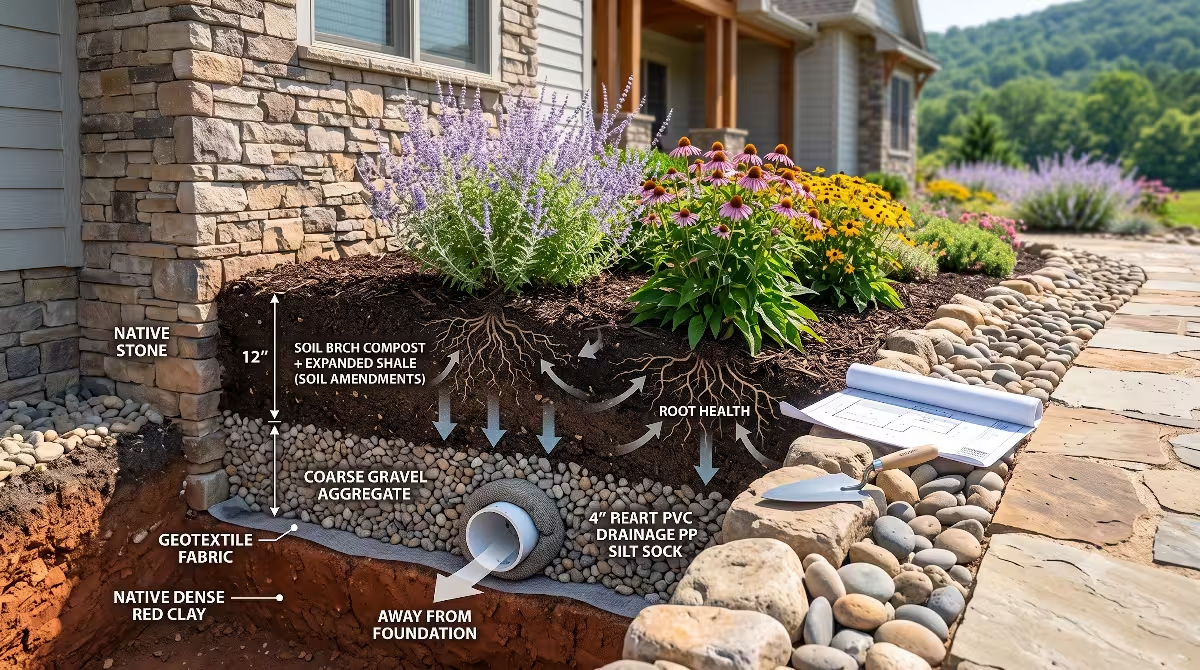
Home buyers should always be cognizant that what happens under the soil is just as important as what you see above ground. You can buy the healthiest drought-tolerant plants available, but if you drop them into unamended, poorly drained clay, they will struggle to survive.
Soil Bed Layer Structure:
+-----------------------------------------------------------+
| 2-3 Inches Shredded Hardwood Mulch                        |
+-----------------------------------------------------------+
| 6-8 Inches Amended Topsoil (Clay + Compost + Expanded Shale)|
+-----------------------------------------------------------+
| Undisturbed Native Subsoil (Sloped for Gravity Drainage)  |
+-----------------------------------------------------------+
The Drainage Rule
Drought-tolerant plants are naturally built to handle dry roots, but they hate wet feet. Excess water around root systems blocks oxygen and invites fungal diseases like root rot. In Zone 7, heavy winter rainfall can accumulate in clay beds. To protect your investment in drought-tolerant plants, you must engineer proper bed drainage from day one.
Amending Red Clay Soil
When prepping new landscape beds around a custom home build, follow these steps to create an ideal environment for drought-tolerant plants:
Break up native clay: Till or dig the planting bed to a depth of 8 to 12 inches.
Add organic matter: Mix in well-rotted compost, leaf mold, or aged pine bark to break apart dense clay particles.
Add coarse aggregate: Incorporate expanded shale, coarse builder’s sand, or fine gravel. This creates permanent air pockets in the soil so water moves away from root zones.
By creating porous soil, you allow drought-tolerant plants to extend deep roots quickly while ensuring winter rains drain away safely.
Utilizing Berms and Raised Beds
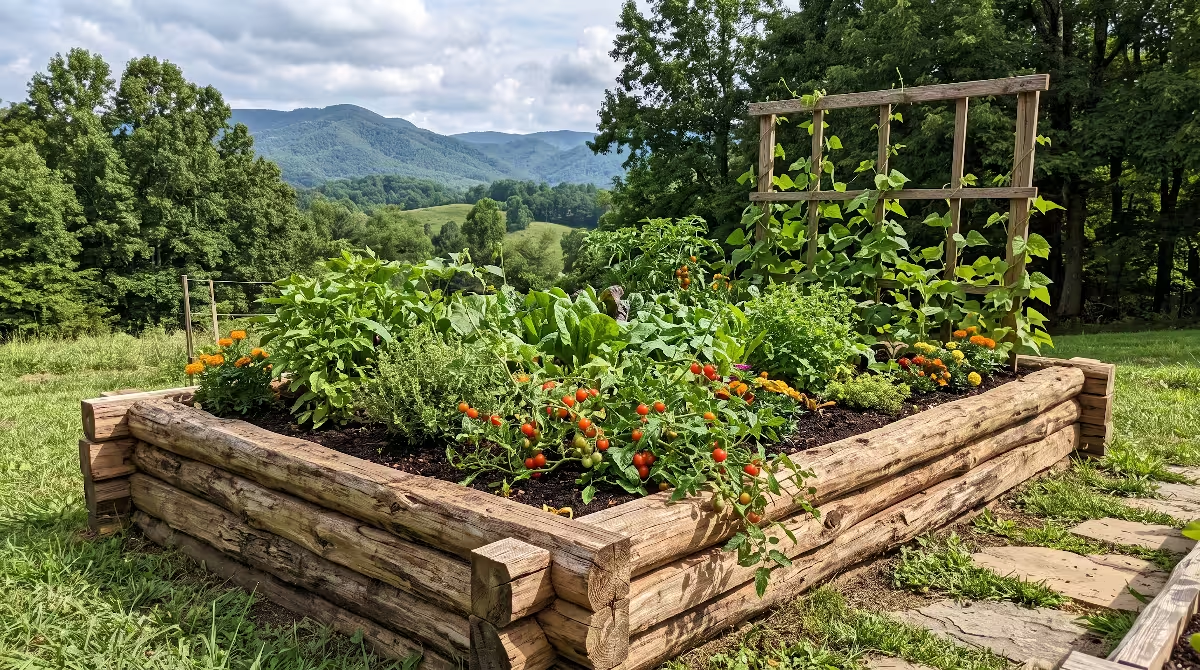
If your yard features flat terrain with heavy clay accumulation, consider building raised beds or landscape berms. A landscape berm is a gently raised mound of engineered soil built on top of the native grade.
Building raised beds or berms gives you total control over soil composition. It elevates your drought-tolerant plants above wet clay while creating attractive visual height across your front yard.
Landscape Berm Cross-Section:
             /\  <- 12-18 inches raised mound
            /  \
           /    \   Engineered soil blend for fast drainage
__________/______\__________
Native Clay Soil Base (Graded away from foundation)
Furthermore, always ensure the subgrade beneath your landscape beds slopes away from your home foundation at a rate of at least 1/4 inch per foot. This simple drainage rule keeps water moving safely away from your house while protecting your drought-tolerant plants.
The Establishment Phase: Watering, Mulching, and Maintenance
One common myth among new homeowners is that drought-tolerant plants never need to be watered. In reality, all plants require consistent moisture during their initial establishment phase.
Year One Root Establishment
When you install young drought-tolerant plants from a nursery, their root systems are confined to the shape of their plastic pots. Until those roots spread out into the surrounding soil, the plant cannot access deep soil moisture.
Weeks 1 to 4: Water your new drought-tolerant plants deeply two to three times per week, depending on temperature.
Months 2 to 6: Water deeply once a week when rainfall is sparse.
Year 2 and Beyond: Once your drought-tolerant plants establish deep root networks, you can step back and let natural rainfall take over. Supplemental watering is only needed during extreme summer droughts.
Smart Irrigation Techniques
When watering young drought-tolerant plants, avoid using overhead lawn sprinklers. Overhead watering loses a lot of moisture to evaporation and leaves foliage damp, which can encourage fungal growth.
Instead, install a drip irrigation system or use a simple soaker hose buried under the mulch layer. Drip lines deliver water directly to the root zone where drought-tolerant plants need it most, reducing water waste by up to 50 percent.
Mulching Standards
Mulch plays a major role in keeping drought-tolerant plants happy. A good layer of organic mulch suppresses weeds, keeps soil cool, and slows down water evaporation.
Apply a 2 to 3 inch layer of shredded hardwood mulch or pine bark nuggets around your drought-tolerant plants.
Keep mulch 2 inches away from plant stems and trunk bases. Creating “mulch volcanoes” traps moisture against stems, causing rot and attracting insect pests.
Custom Home Exterior Styling: Color Palette and Plant Pairing
From a custom home design perspective, curb appeal is all about creating visual balance, warmth, and harmony between your house facade and your landscape. Choosing drought-tolerant plants that complement your home exterior creates a polished, custom feel.
Color Palette Guide for Custom Exteriors:
+------------------------+-----------------------------------+
| Home Exterior Style    | Recommended Drought-Tolerant Plants|
+------------------------+-----------------------------------+
| Modern White Farmhouse | Russian Sage, Loropetalum, Yucca  |
| Traditional Red Brick  | Blue Fescue, Yarrow, Abelia       |
| Natural Mountain Stone | Purple Coneflower, Creeping Thyme |
| Slate Gray Siding      | Black-Eyed Susan, Ice Plant       |
+------------------------+-----------------------------------+
Pairing Plants with Exterior Materials
White Farmhouses & Light Siding
Pair clean white exteriors with bold dark foliage and deep purple blooms. Plant dark burgundy Loropetalum along the foundation and layer airy Russian Sage in front. The contrast makes your house pop while keeping your landscaping clean and sophisticated.
Traditional Red Brick
Red brick homes look fantastic when balanced with cool blue, purple, and yellow tones. Frame entry steps with silvery Blue Fescue grasses, bright yellow Yarrow, and soft pink Abelia shrubs. These drought-tolerant plants soften red brick without competing for attention.
Mountain Stone & Timber Accent Homes
Natural stone facades call for organic, texture-rich plant combinations. Group Purple Coneflowers, Black-Eyed Susans, and Little Bluestem grass along stone retaining walls. Allow Creeping Thyme to spill over stone edges for a lived-in, natural look.
Planning for Continuous Bloom Succession
A common landscape mistake is selecting plants that all bloom at the same time in early spring. By July, the yard looks dull and plain.
Design your beds so different drought-tolerant plants take center stage as the seasons shift:
Spring: Creeping Thyme, Flowering Abelia, and Iris.
Midsummer: Purple Coneflowers, Yarrow, Blanket Flower, and Russian Sage.
Late Summer to Fall: Black-Eyed Susans, Sedum, Crape Myrtle, and Ornamental Grasses.
This continuous succession keeps your home exterior welcoming and dynamic all year round.
Common Mistakes to Avoid in Zone 7 Water-Wise Landscapes
Even with the best intentions, homeowners sometimes run into simple mistakes when installing low-water yards. Here are key pitfalls to avoid when working with drought-tolerant plants:
Planting in Low-Lying Wet Spots
Do not place drought-tolerant plants at the base of slope runoffs, near downspout discharge outlets, or in low areas where rainwater collects. Low-lying areas remain damp for days, which can cause severe root rot in drought-tolerant plants. Save those spots for water-loving native plants like River Birch or Cardinal Flower.
Over-Fertilizing
It can be tempting to feed your plants heavy doses of synthetic nitrogen fertilizer to speed up growth. However, over-fertilizing drought-tolerant plants causes weak, leggy stems that flop over under their own weight. Most drought-tolerant plants prefer lean to moderate soil nutrients. Stick to mild organic compost added once per year in spring.
Improper Plant Spacing
When you bring young drought-tolerant plants home from the nursery in small pots, they look tiny. It is easy to plant them too close together. However, crowding prevents air circulation around foliage and forces plants to compete for root space. Always check the mature spread listed on the plant tag and space your drought-tolerant plants accordingly.
Ignoring Local Wildlife Habits
In many Zone 7 sub-developments near mountain woods, deer and rabbits are regular visitors. If deer frequent your neighborhood, choose deer-resistant drought-tolerant plants like Russian Sage, Yarrow, Coneflowers, and Lavender. Avoid tender species that deer love to browse on during dry summer spells.
Frequently Asked Questions About Water-Wise Landscaping
Here are answers to common questions homeowners ask about choosing and caring for drought-tolerant plants in Zone 7:
How often should I water established drought-tolerant plants during a hot summer?
Once your drought-tolerant plants have grown in your garden for a full year, they typically only need a deep watering every 2 to 3 weeks during prolonged heat waves without rain. If your soil receives occasional summer showers, you may not need to water them at all.
Can I grow drought-tolerant plants along a hot concrete driveway?
Yes, sunny concrete edges are ideal spots for hardy drought-tolerant plants. Options like Creeping Thyme, Ice Plant, Blue Fescue, and Yucca handle radiant heat off concrete driveways and stone pavers exceptionally well.
Do drought-tolerant plants survive cold Zone 7 winters?
Yes, all the species covered in this guide are cold-hardy down to USDA Zone 7 winter temperatures (0 to 10 degrees Fahrenheit). As long as your soil drains properly during winter rains, these perennials and shrubs will return reliably every spring.
Are native plants always drought-tolerant plants?
Many native plants in Zone 7 are drought-tolerant plants because they evolved to survive local weather cycles. Examples like Purple Coneflower, Black-Eyed Susan, and Little Bluestem are native options that double as excellent drought-tolerant plants for home landscaping.
Building a Home Landscape That Lasts
Creating a beautiful home exterior is an empowering step in making a house truly feel like your own. As an engineer and home builder, I know that smart design is about choosing solutions that look great, function properly, and stand up to the elements over time.
By selecting full sun drought-tolerant plants for your Zone 7 home, you build a resilient, high-impact landscape that enhances curb appeal while saving time and water. Whether you are building a new custom home from the ground up in the Tri-Cities area or updating your current yard, incorporating drought-tolerant plants ensures your home exterior remains a source of pride and joy for years to come.